Professional Vacuum Sealer Machines
Looking to keep your food fresh and flavorful for longer? Look no further than our selection of professional vacuum sealer machines. These powerful appliances are designed to remove air from packaging, creating an airtight seal that helps preserve the taste, texture, and nutritional value of your favorite foods. Whether you're a home cook looking to extend the shelf life of your leftovers or a small business owner in need of a reliable food storage solution, our range of professional vacuum sealer machines has got you covered. Say goodbye to food waste and hello to longer-lasting freshness with these must-have kitchen essentials.
Sort


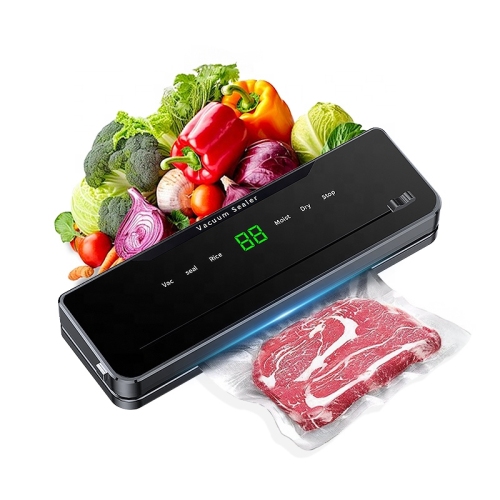
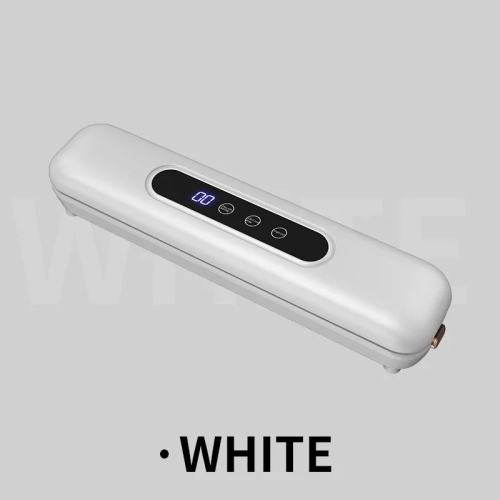
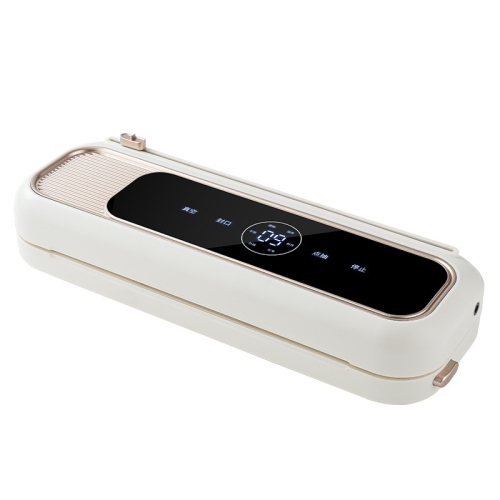
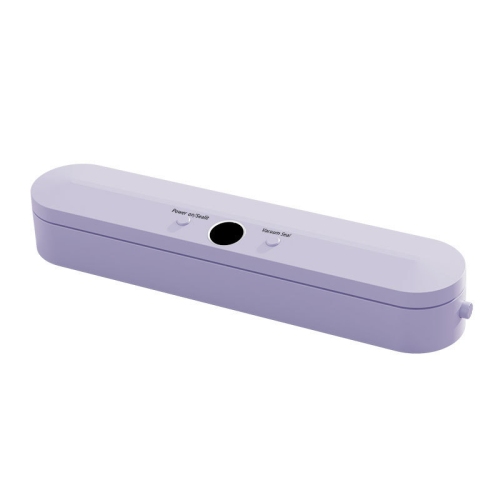

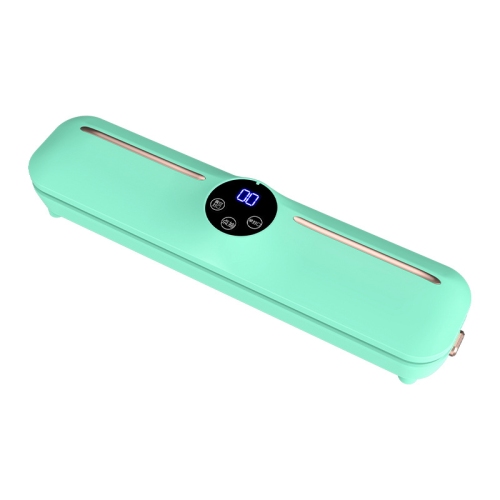
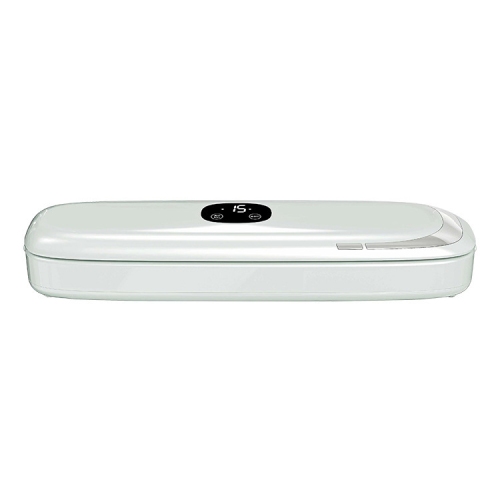
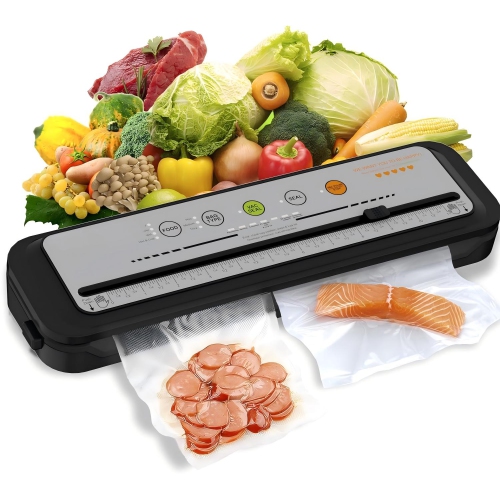
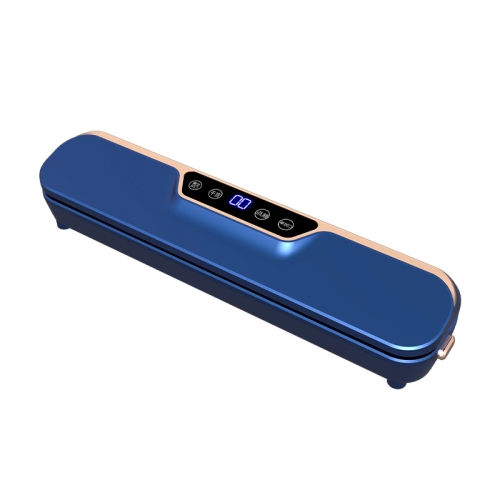
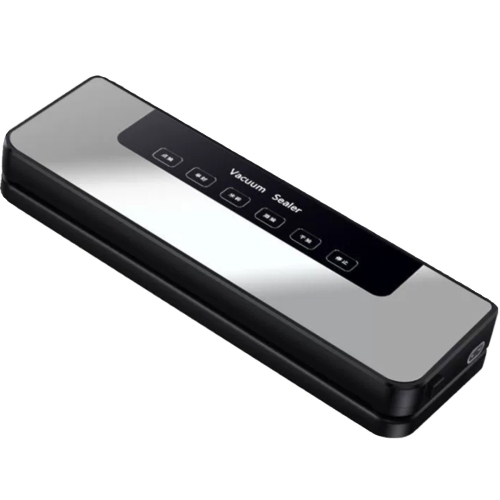
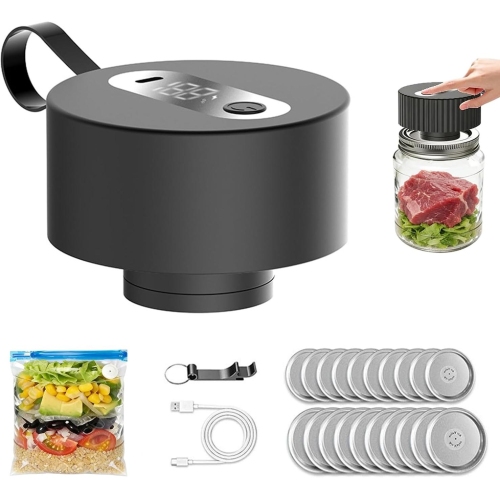
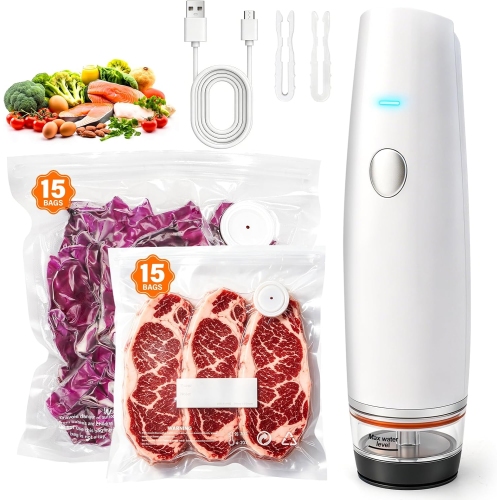
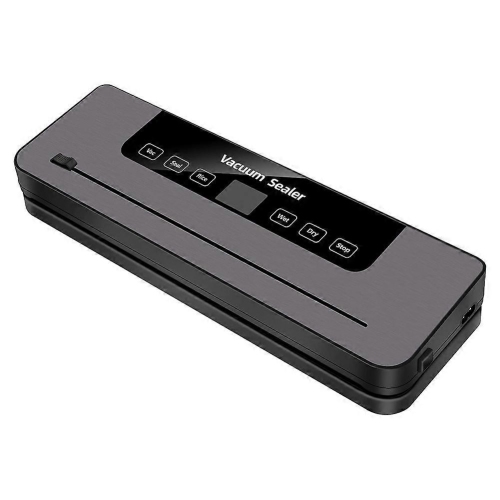
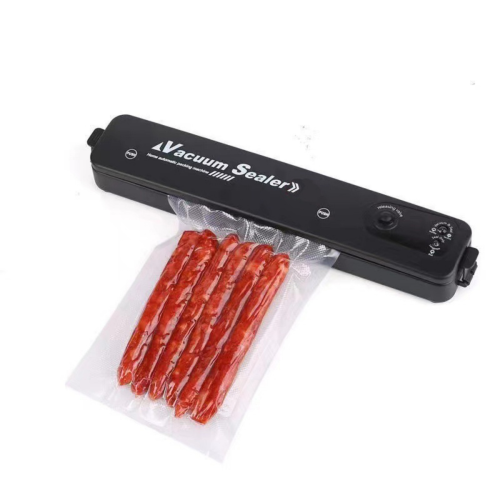
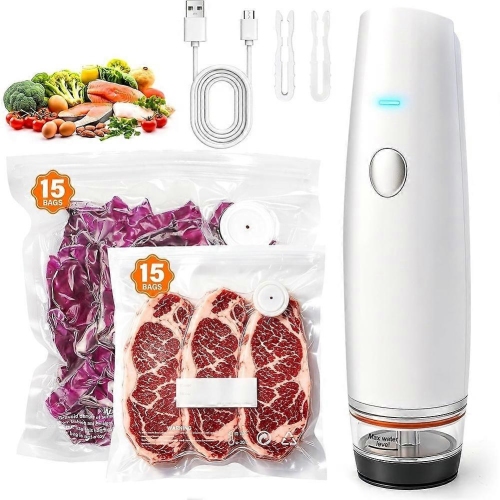
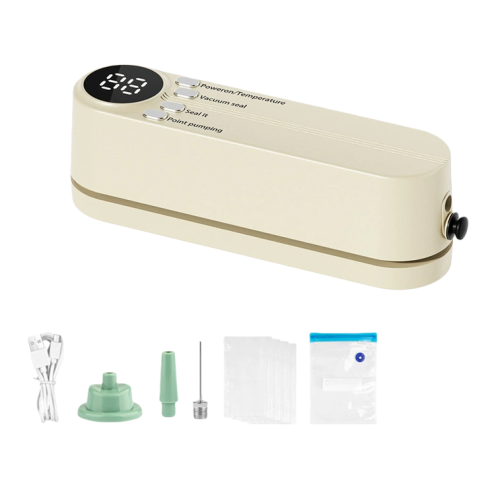
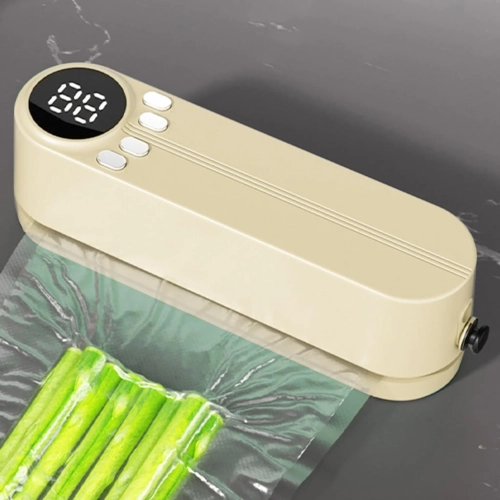
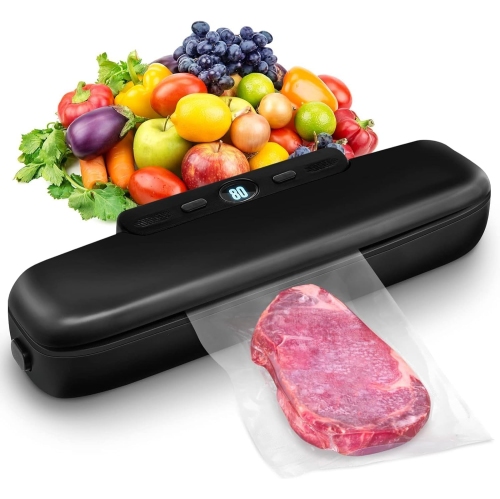
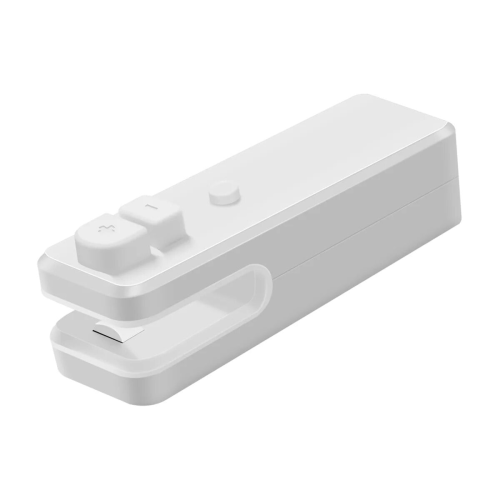
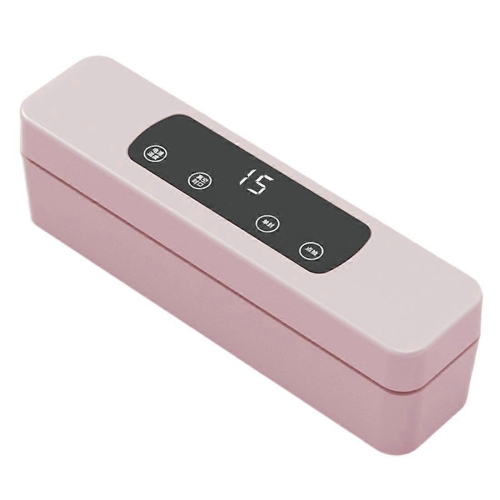
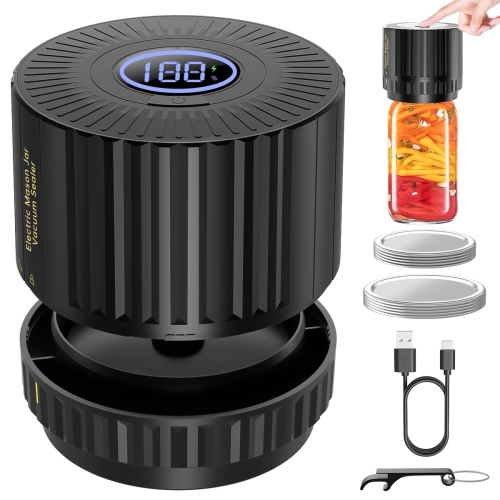
What to consider for faster, more consistent food storage
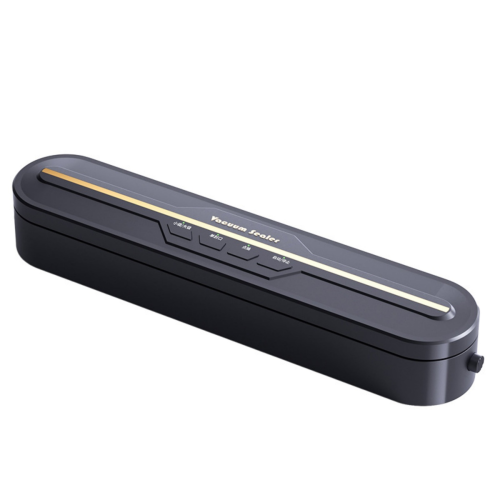
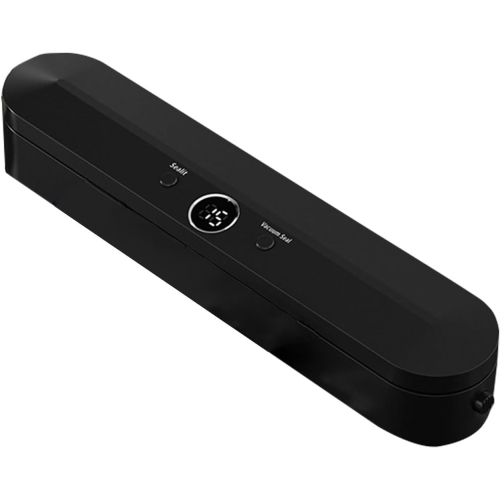
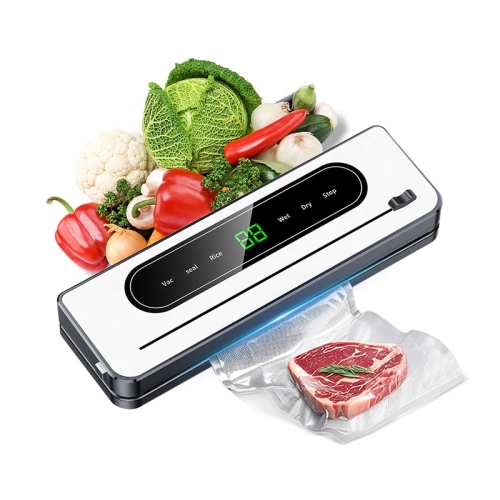
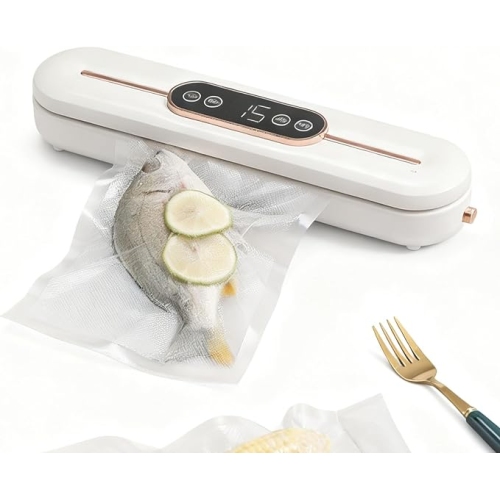
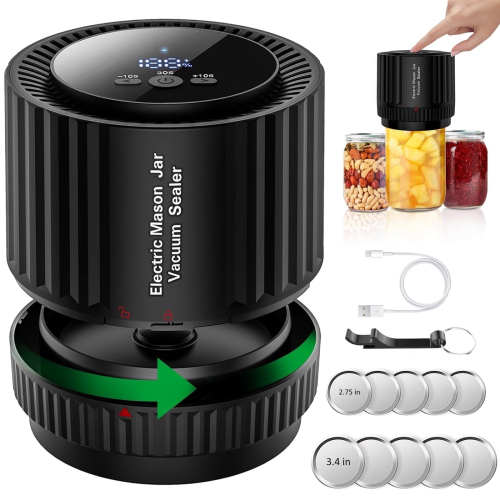
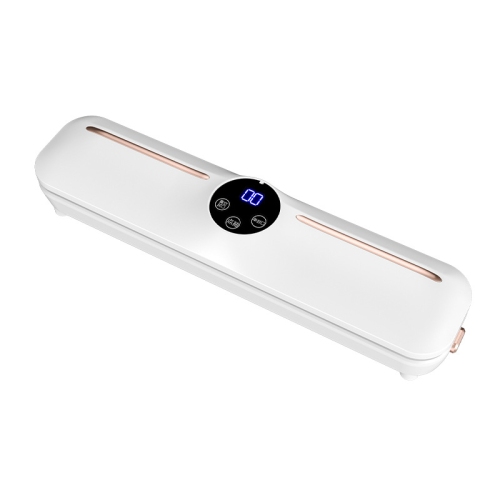
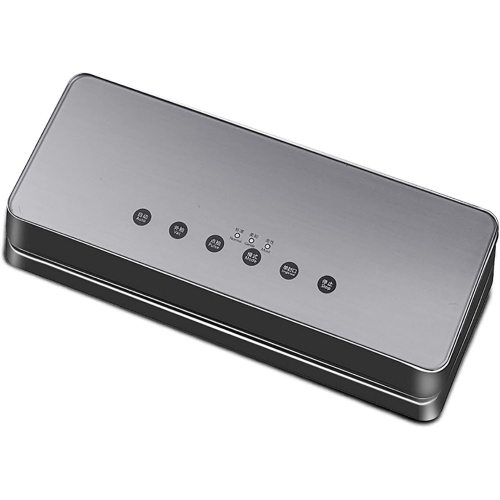
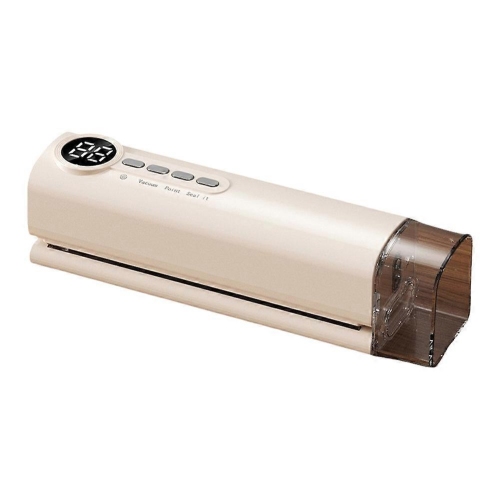
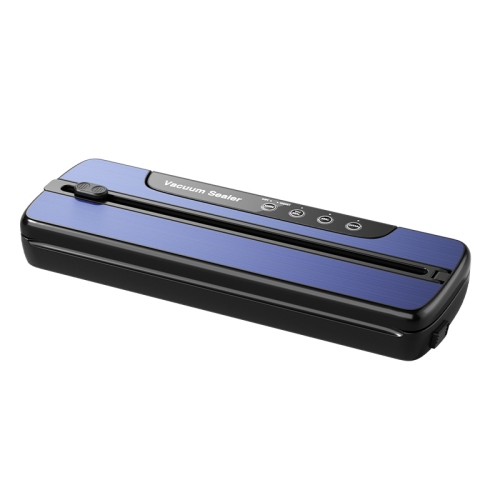
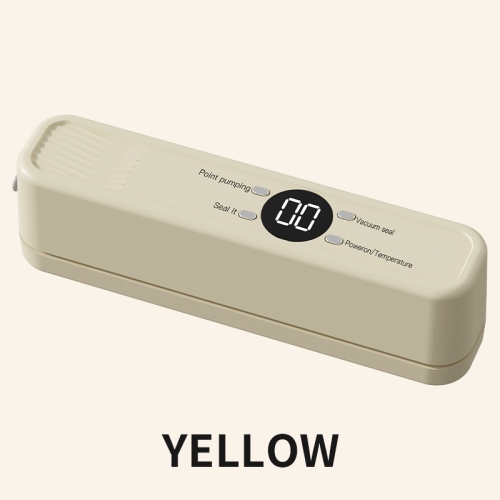
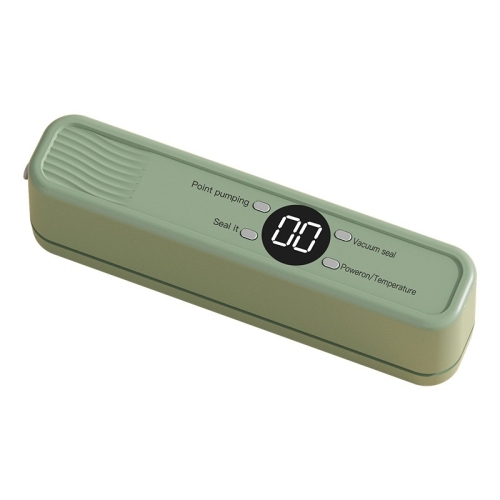
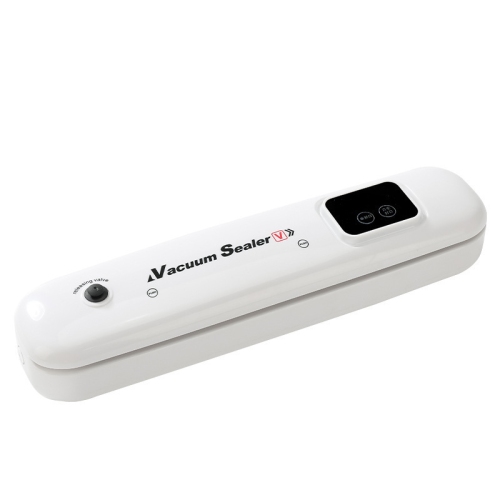
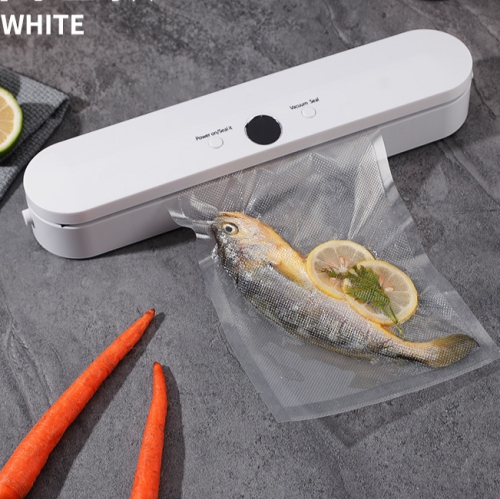
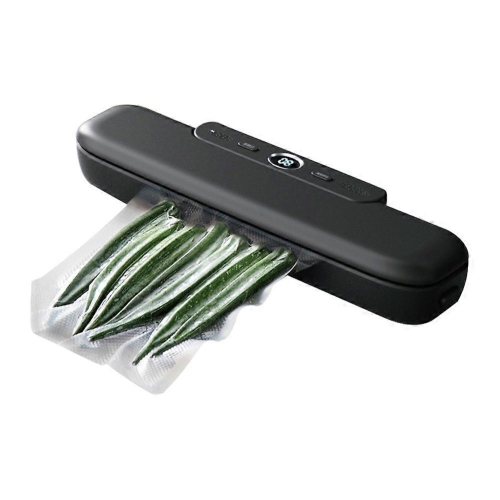
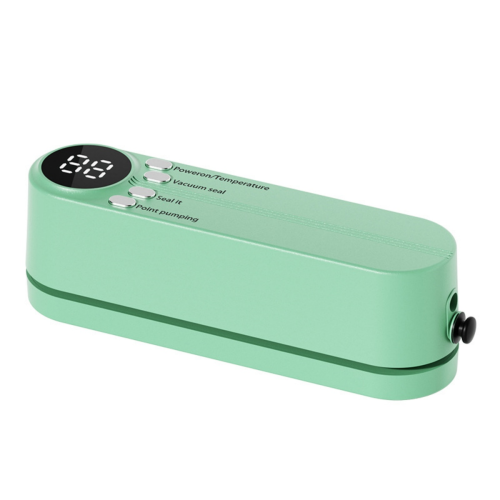
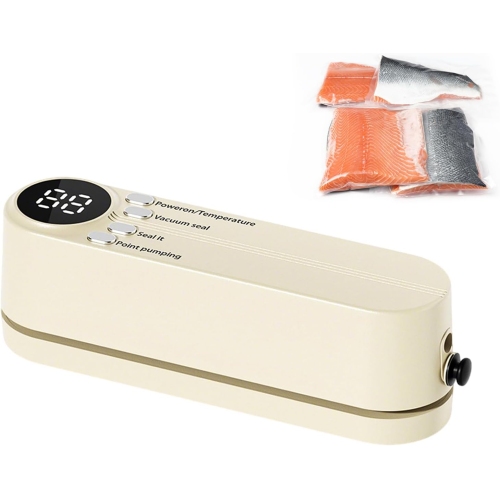
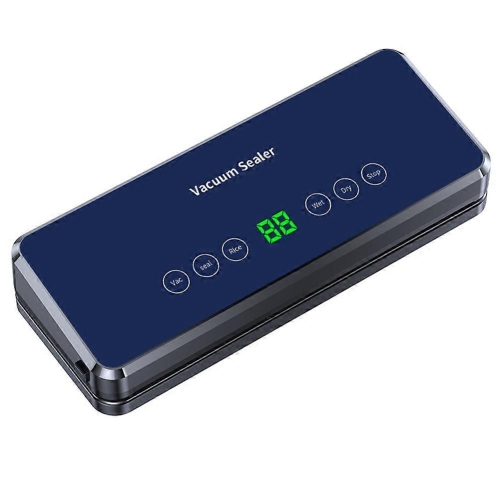
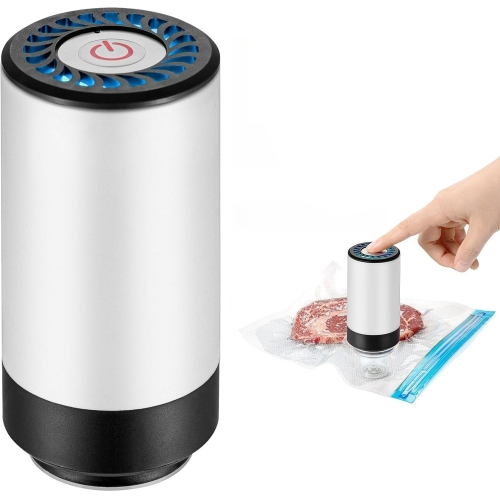
Professional vacuum sealer machines are designed for demanding food-preparation and storage routines where speed, consistency, and dependable seals matter. Unlike basic countertop units intended for occasional home use, professional models are built to handle larger quantities, thicker bags, frequent sealing, and a wider range of ingredients. They are commonly used in restaurants, butcher shops, catering operations, food trucks, commercial kitchens, hunting camps, and busy households that prepare meals or preserve ingredients in bulk. A well-sealed pouch can help protect food from air exposure, moisture loss, freezer burn, and odours while making portions easier to organize and label. These machines are also useful for sous vide cooking, where a secure seal helps keep water from entering the pouch during controlled-temperature cooking. During the cooler months, a professional vacuum sealer can become especially useful for portioning large cuts of meat, storing prepared soups and sauces, or organizing freezer meals before busy periods. It can also be a thoughtful gift for a serious home cook, avid hunter, cottage owner, or culinary enthusiast who values efficient food preparation and restaurant-style equipment. Shoppers comparing commercial-grade options may also wish to browse Vacuum Sealers to see additional formats suited to different kitchen routines and storage needs.
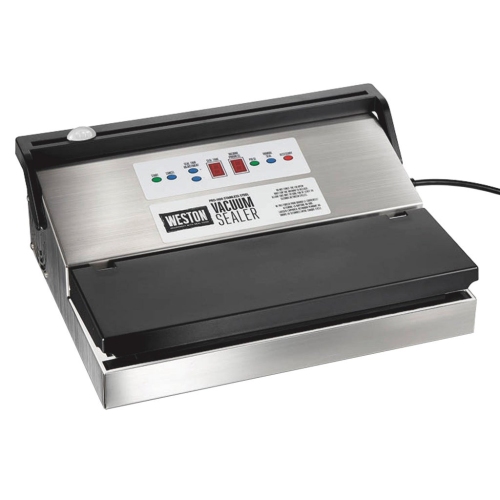
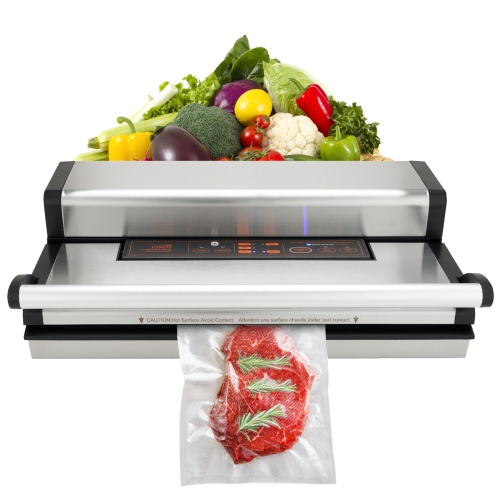
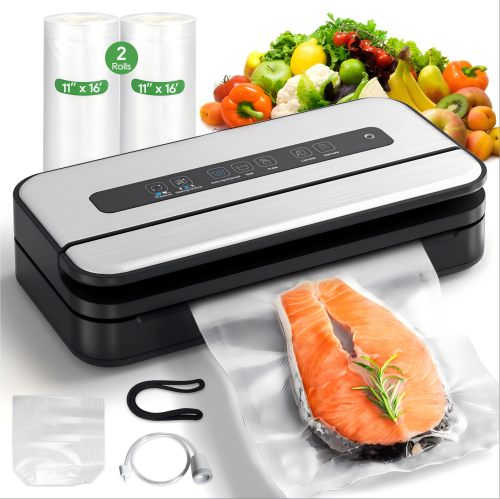
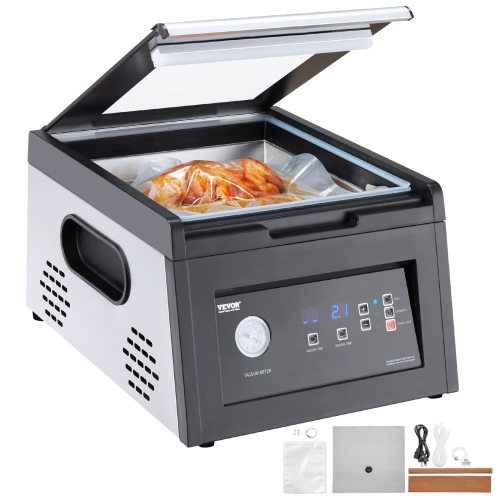
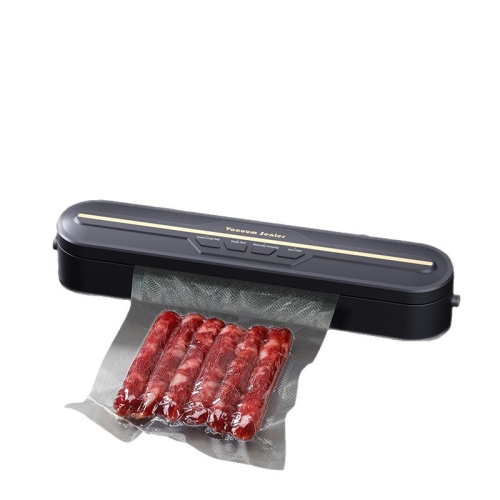
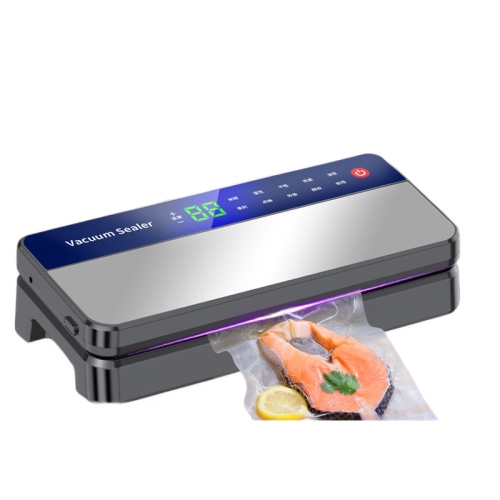
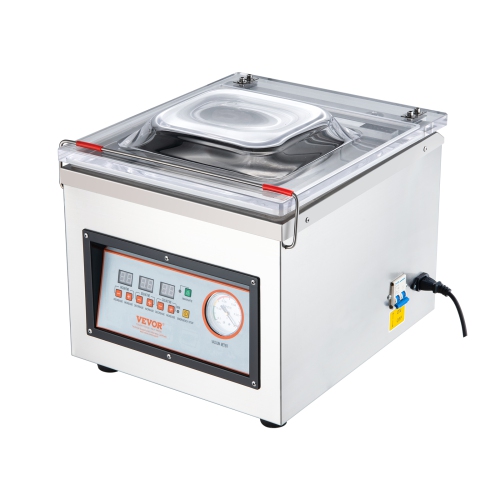
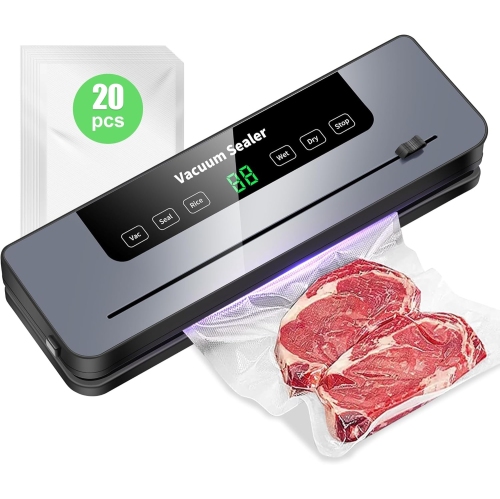
The first decision is usually between a chamber vacuum sealer and a heavy-duty external vacuum sealer. Chamber models place the open pouch inside an enclosed chamber and remove air from the entire compartment before sealing the bag. Because the pressure inside and outside the pouch changes together, liquids are less likely to be pulled into the pump, making this style well suited to soups, stews, marinades, sauces, brines, and other moist foods. A chamber machine can also produce consistent results with delicate foods and liquids that may be difficult to process using an external unit. External models draw air through a textured or specially designed bag, then seal the opening outside the machine. They can be a practical choice for dry goods, solid ingredients, meat, cheese, baked items, and general meal preparation, particularly when counter space or budget is limited. Professional external machines typically use stronger piston pumps and more robust sealing components than entry-level household units, but they may require pauses between cycles to manage heat. Oil-lubricated rotary pumps are often selected for higher-volume work because they can operate continuously for longer periods and create a deep, stable vacuum. They do require maintenance, including checking the oil and following the manufacturer’s service schedule. Dry piston pumps do not use oil and can be simpler to maintain, although their operating limits and required cool-down periods should be considered when a kitchen processes many pouches in succession. For any machine, the quality of the bag, the cleanliness of the pouch opening, and the arrangement of food inside the package are just as important as the pump itself. Liquids should be chilled before sealing, sharp bones or shells may need protection, and the top edge of the pouch should remain clean and flat so the heat seal can close evenly.
Capacity and workflow are equally important when choosing a professional vacuum sealer machine. Seal bar length determines the maximum pouch width and can affect how many smaller packages fit in one cycle. A compact bar may suit individual portions, while a longer bar can accommodate larger cuts of meat, broad fillets, catering portions, or several small pouches side by side. When a kitchen prepares dozens of packages in a day, a longer bar can reduce handling time and create a more orderly rhythm between filling, sealing, labelling, and storage. Chamber size matters as well: the pouch must lie comfortably inside the chamber with enough room for the lid to close, and taller chambers are helpful for larger containers or generous portions. Some commercial units include multiple seal bars or dual sealing capability, which can support faster processing and provide added confidence when packages will be frozen, transported, or handled frequently. Gas-flush functionality is another feature to consider for fragile foods such as chips, pasta, baked goods, or delicate produce. Instead of creating the deepest possible vacuum, the machine replaces some of the air with a chosen gas mixture before sealing, helping reduce crushing while maintaining a protective package. Controls may range from straightforward timed settings to programmable cycles that allow staff to repeat the same vacuum strength, sealing temperature, and sealing duration throughout a busy service. Look for durable construction, easy-to-clean surfaces, removable sealing components, accessible maintenance points, and a footprint that fits the intended work area. It is also worth accounting for electrical requirements, noise, chamber depth, bag availability, and the volume of food processed per session. The best professional vacuum sealer machine is not necessarily the largest one; it is the model that matches the ingredients, pouch sizes, available space, and pace of the people using it. With the right setup, it can bring a calm, repeatable rhythm to meal preparation, from neatly portioned proteins in a restaurant refrigerator to labelled sauces stacked in a home freezer for an easier dinner during the cooler months.
The first decision is usually between a chamber vacuum sealer and a heavy-duty external vacuum sealer. Chamber models place the open pouch inside an enclosed chamber and remove air from the entire compartment before sealing the bag. Because the pressure inside and outside the pouch changes together, liquids are less likely to be pulled into the pump, making this style well suited to soups, stews, marinades, sauces, brines, and other moist foods. A chamber machine can also produce consistent results with delicate foods and liquids that may be difficult to process using an external unit. External models draw air through a textured or specially designed bag, then seal the opening outside the machine. They can be a practical choice for dry goods, solid ingredients, meat, cheese, baked items, and general meal preparation, particularly when counter space or budget is limited. Professional external machines typically use stronger piston pumps and more robust sealing components than entry-level household units, but they may require pauses between cycles to manage heat. Oil-lubricated rotary pumps are often selected for higher-volume work because they can operate continuously for longer periods and create a deep, stable vacuum. They do require maintenance, including checking the oil and following the manufacturer’s service schedule. Dry piston pumps do not use oil and can be simpler to maintain, although their operating limits and required cool-down periods should be considered when a kitchen processes many pouches in succession. For any machine, the quality of the bag, the cleanliness of the pouch opening, and the arrangement of food inside the package are just as important as the pump itself. Liquids should be chilled before sealing, sharp bones or shells may need protection, and the top edge of the pouch should remain clean and flat so the heat seal can close evenly.
Capacity and workflow are equally important when choosing a professional vacuum sealer machine. Seal bar length determines the maximum pouch width and can affect how many smaller packages fit in one cycle. A compact bar may suit individual portions, while a longer bar can accommodate larger cuts of meat, broad fillets, catering portions, or several small pouches side by side. When a kitchen prepares dozens of packages in a day, a longer bar can reduce handling time and create a more orderly rhythm between filling, sealing, labelling, and storage. Chamber size matters as well: the pouch must lie comfortably inside the chamber with enough room for the lid to close, and taller chambers are helpful for larger containers or generous portions. Some commercial units include multiple seal bars or dual sealing capability, which can support faster processing and provide added confidence when packages will be frozen, transported, or handled frequently. Gas-flush functionality is another feature to consider for fragile foods such as chips, pasta, baked goods, or delicate produce. Instead of creating the deepest possible vacuum, the machine replaces some of the air with a chosen gas mixture before sealing, helping reduce crushing while maintaining a protective package. Controls may range from straightforward timed settings to programmable cycles that allow staff to repeat the same vacuum strength, sealing temperature, and sealing duration throughout a busy service. Look for durable construction, easy-to-clean surfaces, removable sealing components, accessible maintenance points, and a footprint that fits the intended work area. It is also worth accounting for electrical requirements, noise, chamber depth, bag availability, and the volume of food processed per session. The best professional vacuum sealer machine is not necessarily the largest one; it is the model that matches the ingredients, pouch sizes, available space, and pace of the people using it. With the right setup, it can bring a calm, repeatable rhythm to meal preparation, from neatly portioned proteins in a restaurant refrigerator to labelled sauces stacked in a home freezer for an easier dinner during the cooler months.
Top selling and popular products
-
 Your price for this item is $159.99
 -
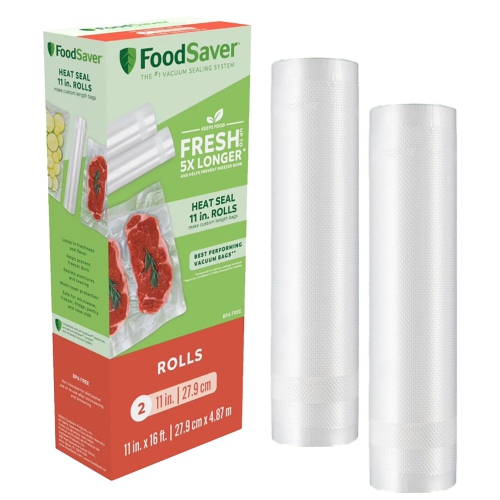 Your price for this item is $36.97
 -
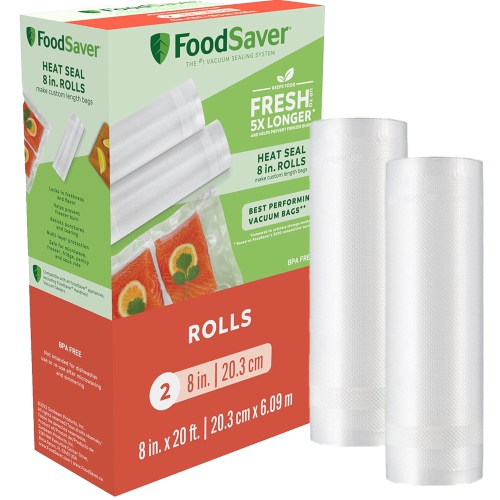 Your price for this item is $36.97
 -
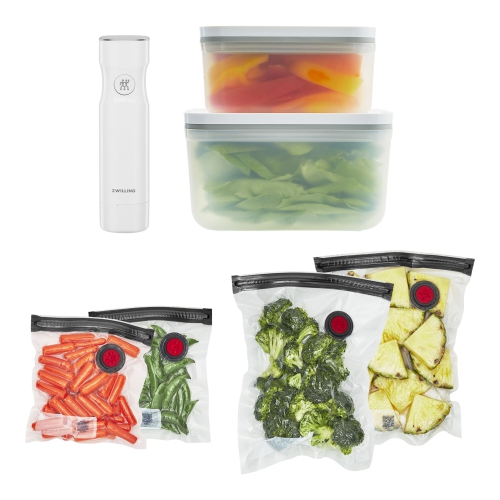 Your price for this item is $159.99
 -
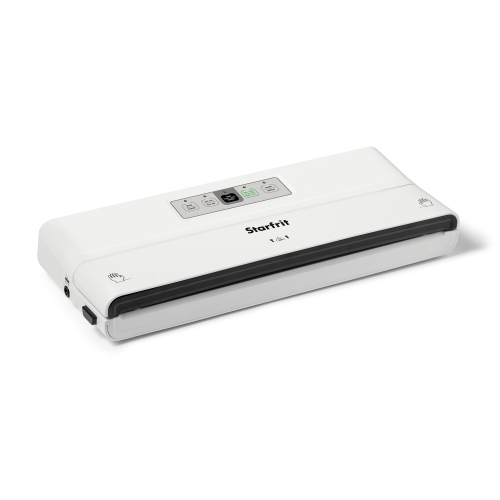 Your price for this item is $49.99
 -
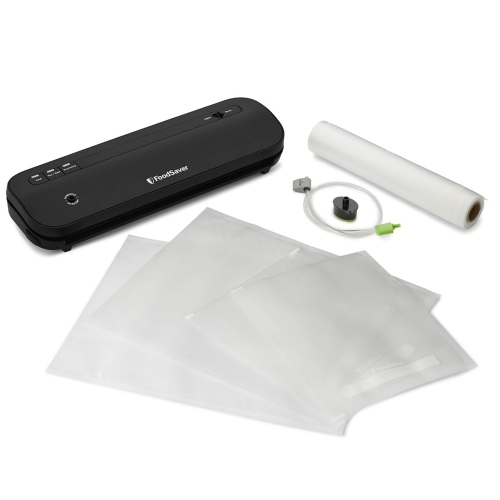 Your price for this item is $165.97
 -
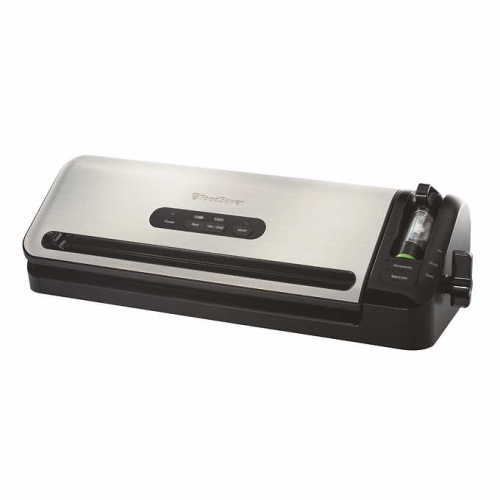 Your price for this item is $129.99
 -
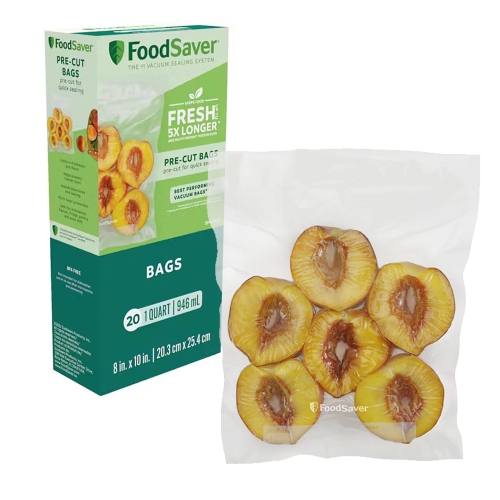 Your price for this item is $22.97
Discover more categories related to Professional Vacuum Sealer Machines
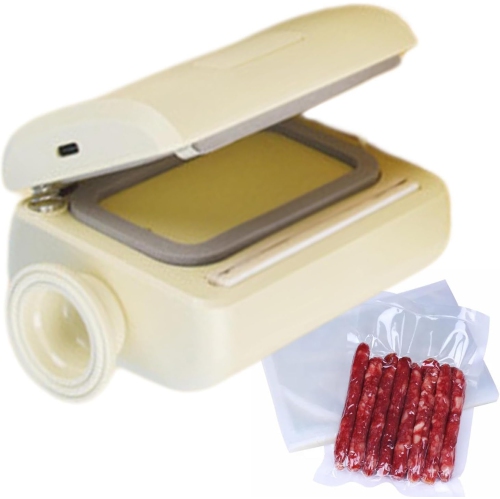
Top Collections:
Pokemon Centers, Best Cameras for Sports Photography, Kindle Devices, Samsung Galaxy Phones, Canon G7X Cameras, Pokémon 30th Celebration Cards, Refurbished Apple Laptops, iPhone 15 Apple, Laptops for Students, Budget Smartphones
Some products may be subject to Environmental Handling Fees
(EHF) depending on your province.
Learn more about EHFs.