Vacuum Sealers
Vacuum Sealers offer a convenient solution for keeping food fresh and organized in your kitchen. Perfect for home cooks and meal preppers, these devices help you store leftovers, portion ingredients, and maximize space in your refrigerator or pantry. With a variety of options available, finding the right vacuum sealer can simplify food storage and make meal planning easier. Explore the selection of Vacuum Sealers to discover models that suit your needs and help streamline your kitchen routine.
Sort
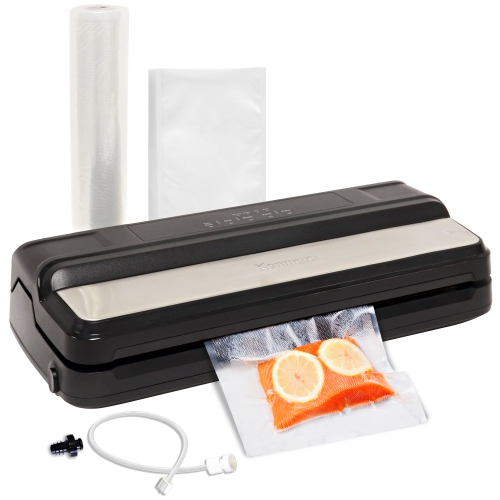


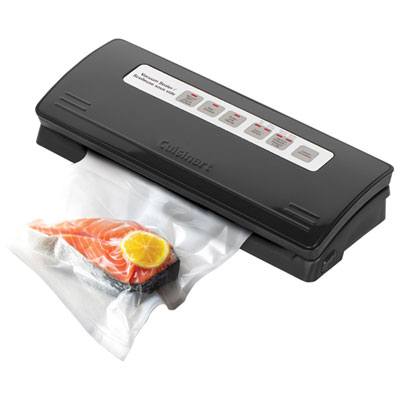
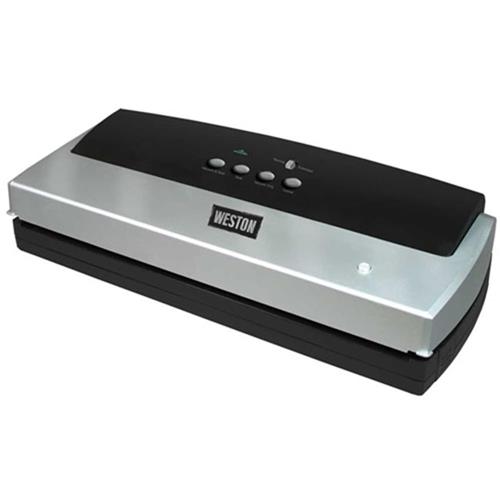
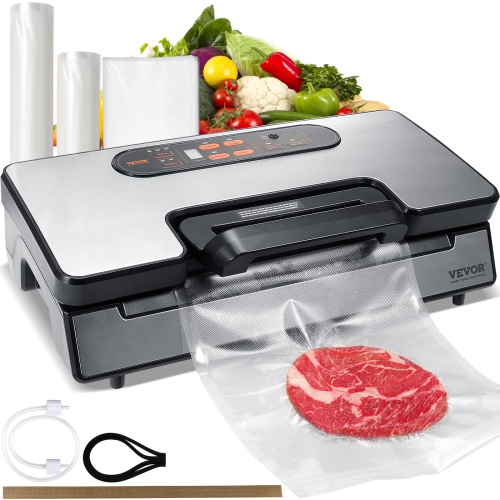
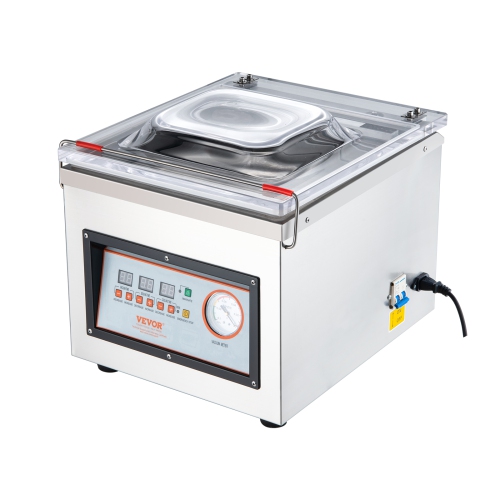
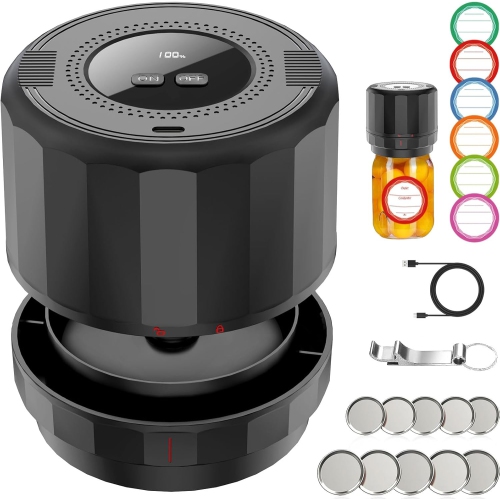
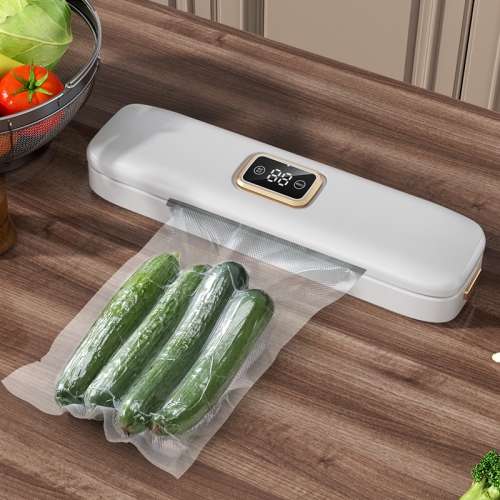
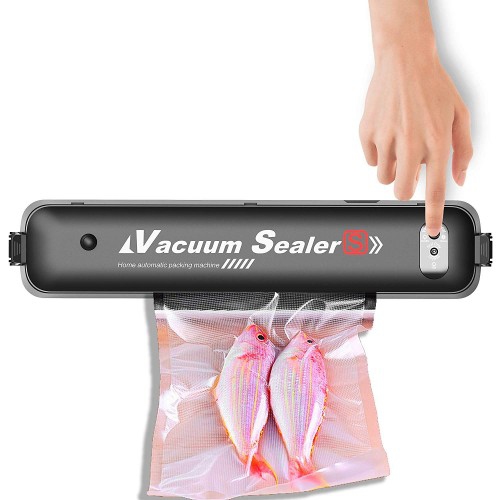
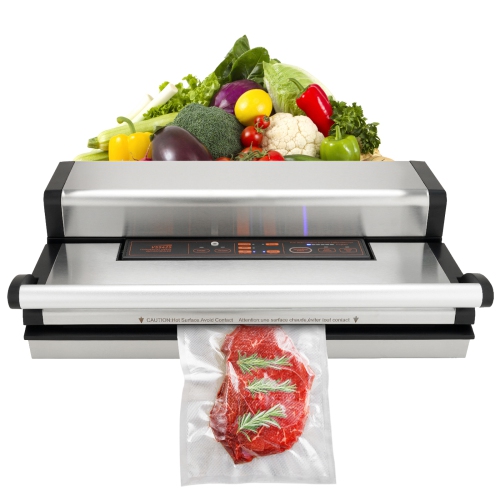
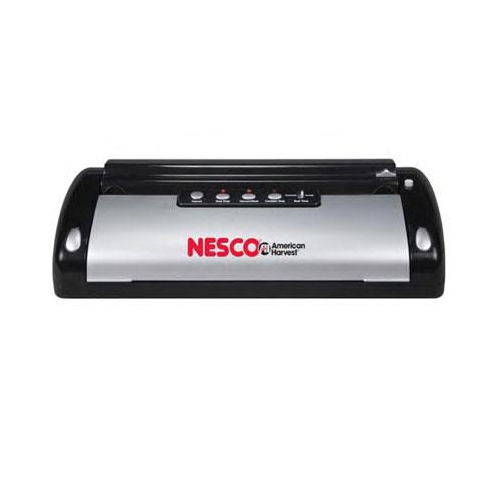
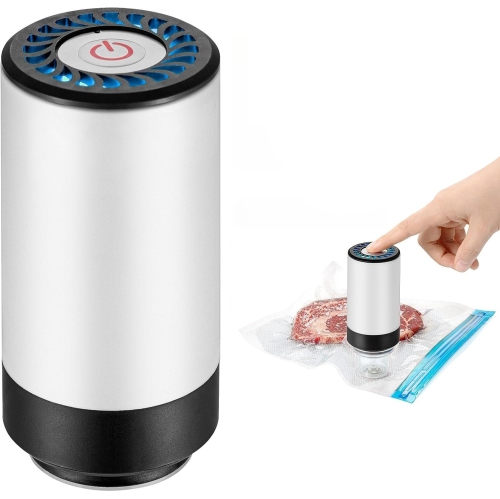
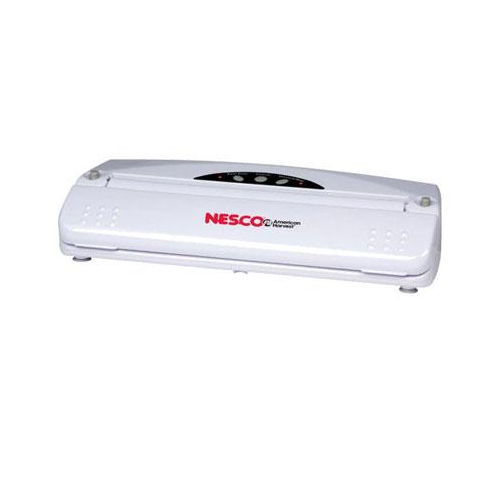
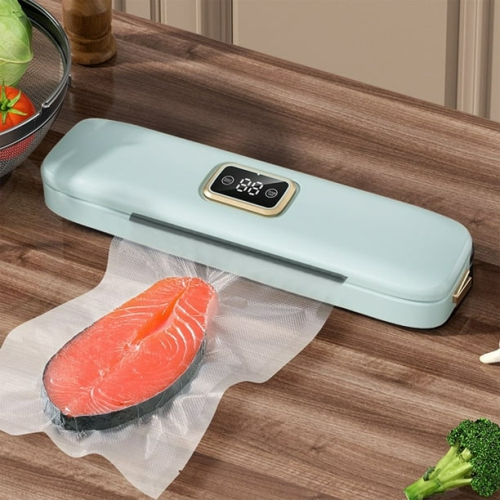
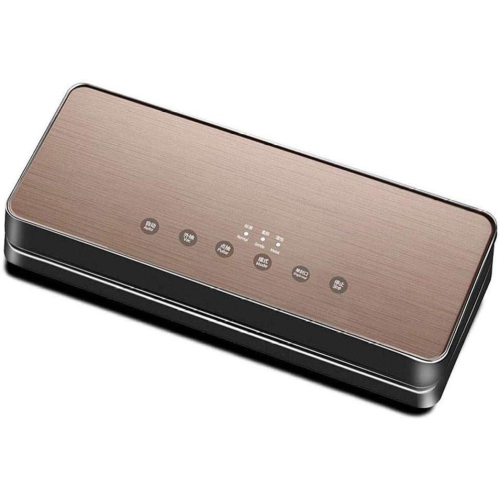
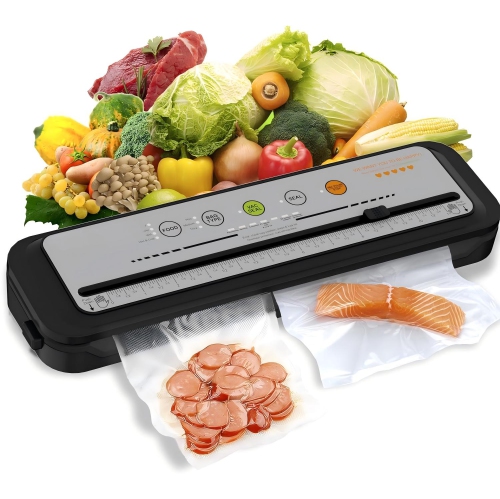
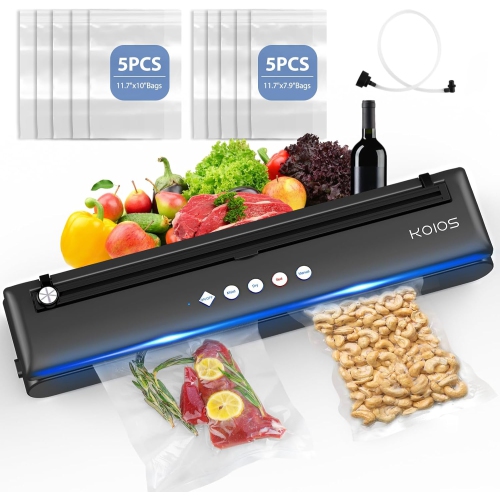
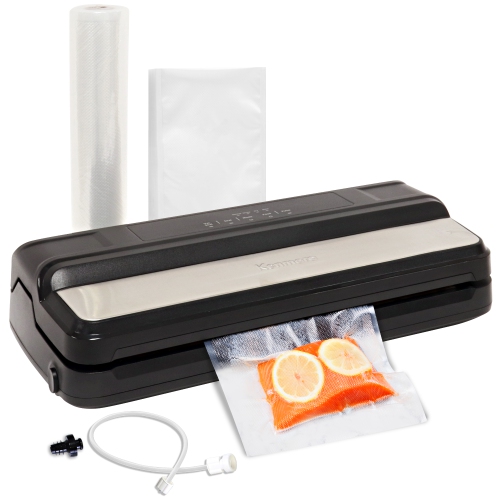
Less freezer burn and tidier portions for batch cooking
Vacuum sealers remove air from compatible bags or containers and create a closure that limits further air exposure. For food storage, this helps reduce freezer burn, slow oxidation, and preserve flavour and texture compared with loosely wrapped packaging. They suit a wide range of everyday kitchen routines, from dividing a family-sized pack of chicken into dinner portions to storing homemade pasta, coffee beans, or ingredients prepared for the week ahead. A neatly sealed portion takes up less space than an awkwardly wrapped package, while a clear bag makes its contents easy to identify. For households that cook in batches, vacuum sealing can turn a large recipe into separate meals without leaving each serving in a bulky container. Home cooks who prepare food for sous vide cooking also use vacuum sealers to package ingredients in bags rated for the intended cooking method and temperature. The practical benefit depends on the food, its condition before packaging, and how it is stored afterward; sealing cannot restore freshness or replace refrigeration. Vacuum sealers range from compact handheld devices for compatible valve bags and containers to countertop machines that seal open-ended pouches. Larger chamber machines serve a different purpose, particularly where frequent use, liquid-rich foods, or repeated packaging sessions are part of the routine. The right format depends less on kitchen size alone than on what regularly needs sealing. Someone packaging a few portions after grocery shopping has different requirements from a cook preparing dozens of servings at once. Vacuum sealers can also be useful gifts for enthusiastic home cooks, especially when the machine’s footprint, controls, and compatible supplies match the recipient’s kitchen habits. Clear labelling adds to their usefulness: the contents, portion size, and packaging date remain easier to track when several similar-looking bags share a freezer drawer. Flattening suitable foods before freezing can help create tidy, stackable portions, provided the bags are not overfilled and the sealing area stays clean.
The main differences between vacuum sealers involve how they remove air, which packaging they accept, and how much control they offer during sealing. External suction machines draw air through the open end of a bag, then use a heated strip to close it. Most require textured or embossed bags that provide channels for air to escape. Chamber vacuum sealers remove air from the chamber and the open pouch before sealing, and many can work with smooth chamber pouches. These packaging types are not automatically interchangeable, so machine compatibility matters as much as bag size. Handheld sealers usually connect to a valve on a matching bag or container rather than creating a new heat seal. Compatible Vacuum Seal Bags provide the correct fit for the sealing system and should be rated for their intended use, whether that is freezer storage or a supported cooking method. Roll material allows custom bag lengths, while pre-cut bags offer a consistent format for repeated portions. Seal-bar width determines the maximum opening a countertop machine can accommodate, and sufficient empty space above the food helps the bag lie flat across the sealing strip. For delicate foods such as berries, soft bread, or pastries, pulse control or adjustable suction can make it easier to stop before the contents are compressed. Dry and moist settings may adjust the sealing cycle, but a moist-food setting does not necessarily mean a machine can draw in liquid safely. Soups, sauces, and marinades require particular care with external suction machines; some are better packaged after partial freezing, while suitable chamber machines can handle chilled liquids within their stated limits. Built-in cutters, roll compartments, accessory ports, and hands-free locking mechanisms can simplify repeated tasks, although each feature adds value only when it supports regular use. Consistent seals, straightforward controls, and clear operating limits matter more than a long feature list.
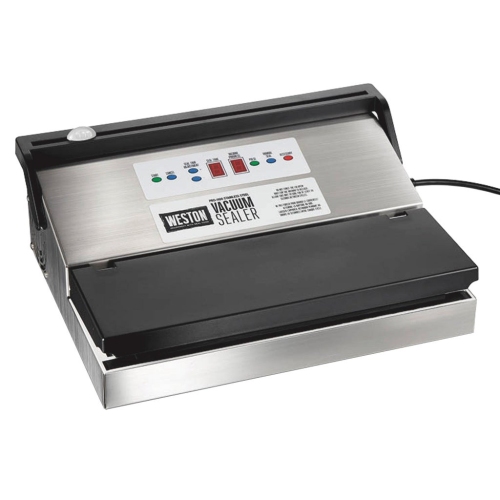
Materials, construction, and cleaning access influence how well a vacuum sealer fits into daily kitchen life. Plastic housings can keep a machine relatively light and easy to move, while stainless steel surfaces offer a sturdy feel and a finish that wipes clean. The casing alone does not determine durability: the condition of the sealing strip, gaskets, hinges, and locking mechanism also affects reliable operation. For frequent batch preparation, the permitted number of consecutive cycles and any required cooling pauses are important considerations. A machine that needs a rest between seals may be perfectly suitable for occasional portions but less convenient for a lengthy packaging session. Storage dimensions deserve similar attention, including space to open the lid, feed a bag straight into the sealing area, and reach any controls. Removable drip trays can make small spills easier to manage, while accessible gaskets help with routine inspection and cleaning. Unplugging the machine before cleaning, wiping away residue, and allowing cleaned parts to dry thoroughly help protect the appliance and keep the sealing area hygienic. The electrical base should not be immersed in water, and removable components should only go in a dishwasher if the manufacturer permits it. Bags also need appropriate handling: wrinkles, crumbs, grease, or moisture across the sealing line can leave channels that compromise the closure. A finished seal should be even and uninterrupted rather than folded or visibly incomplete. Food safety remains essential throughout the process. Vacuum sealing does not sterilize food, eliminate all bacteria, or make perishable ingredients safe to store at room temperature. Some harmful bacteria can grow with little oxygen, so refrigerated and frozen foods still require appropriate storage and handling. Cooked food needs prompt cooling and refrigeration, and raw ingredients should remain separate from ready-to-eat foods during preparation. Follow food-specific storage and thawing directions, particularly for vacuum-packed fish, which may require removal from its packaging before thawing. With suitable packaging, sensible portion sizes, and regular care, a vacuum sealer can become a dependable part of meal preparation and organized food storage.
Top selling and popular products
-
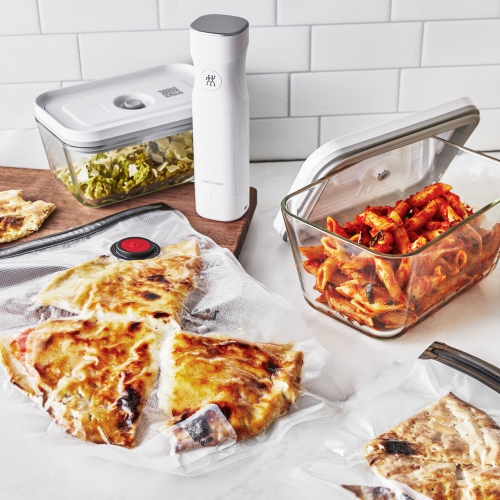 Your price for this item is $159.99
-
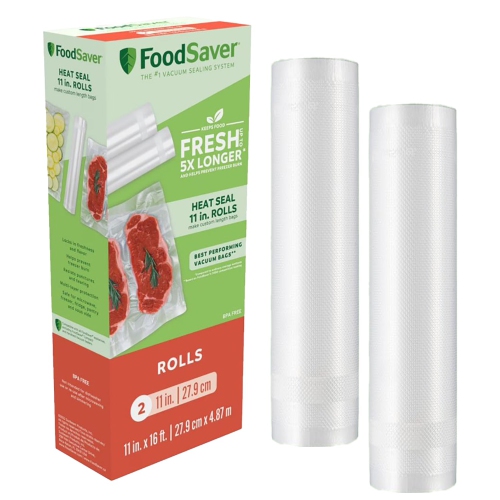 Your price for this item is $36.97
-
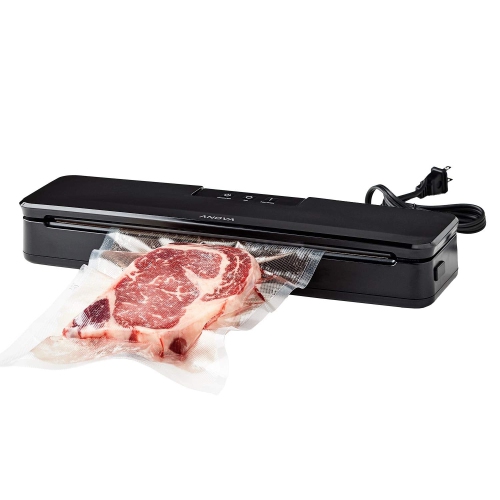 Your price for this item is $158.67
-
 Your price for this item is $99.99
-
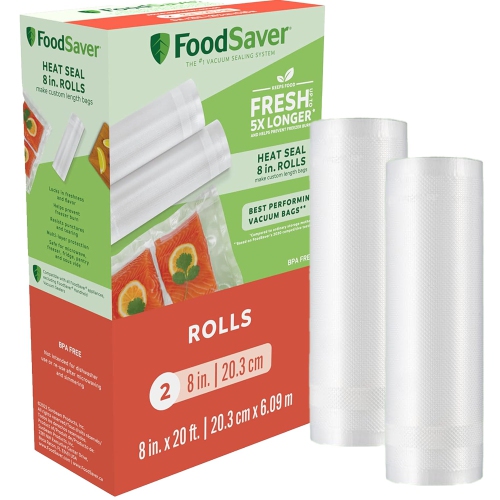 Your price for this item is $36.97
-
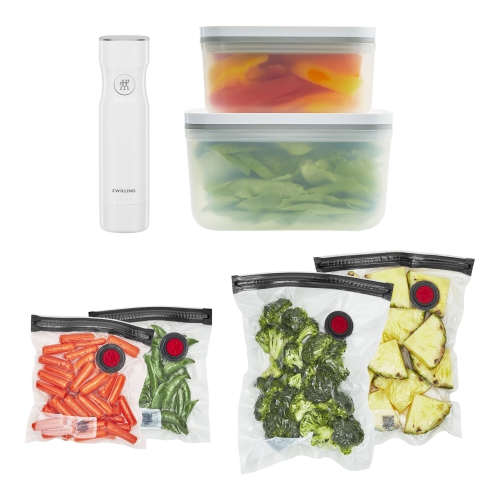 Your price for this item is $159.99
-
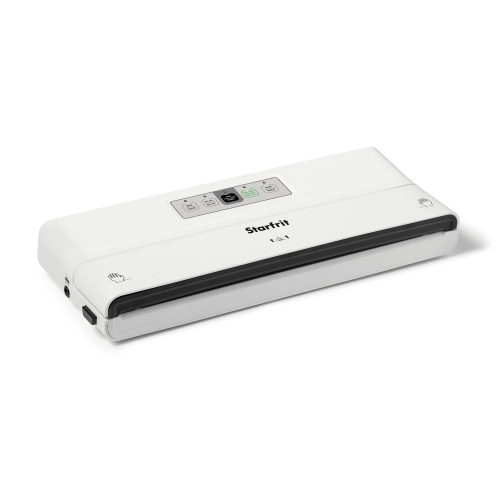 Your price for this item is $49.42
-
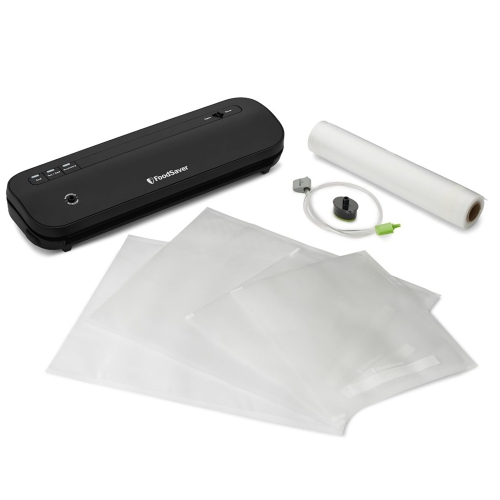 Your price for this item is $148.97
Discover more categories related to Vacuum Sealers
Top Collections:
Best Black Friday Deals This Year, Best Black Friday Deals On Electronics, Kindle Devices, Pokemon Centers, Best Black Friday Deals On Apple Products, Best Cameras for Sports Photography, Dyson Airwrap, Pokémon 30th Celebration Cards, Apple iPhone 17 Pro, Canon G7X Cameras
Some products may be subject to Environmental Handling Fees
(EHF) depending on your province.
Learn more about EHFs.