Projector Screens With Tripod Stand
Projector screens are a great tool for displaying your favorite movies and TV shows in the comfort of your own home. These screens can be used in a variety of settings, including classrooms, offices, and even outdoors. Tripod-stand projector screens are a great option for those who need a portable and versatile screen to use in different settings. Here are some great options available.
Sort
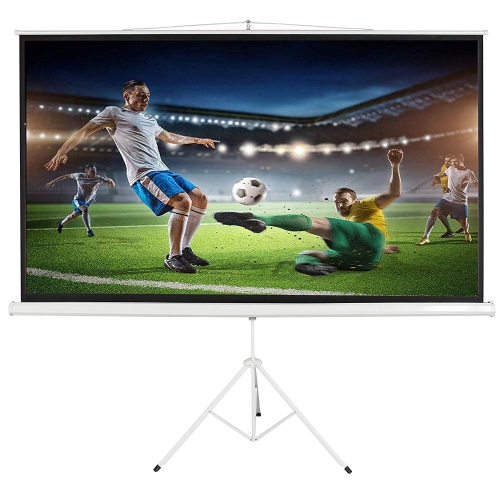
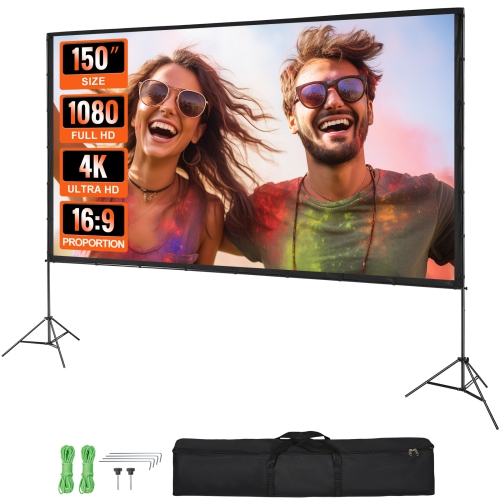
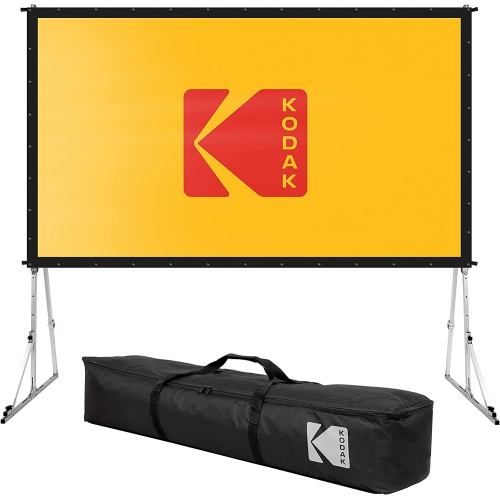
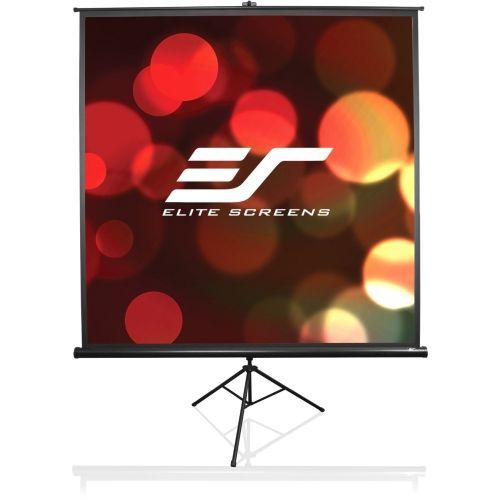

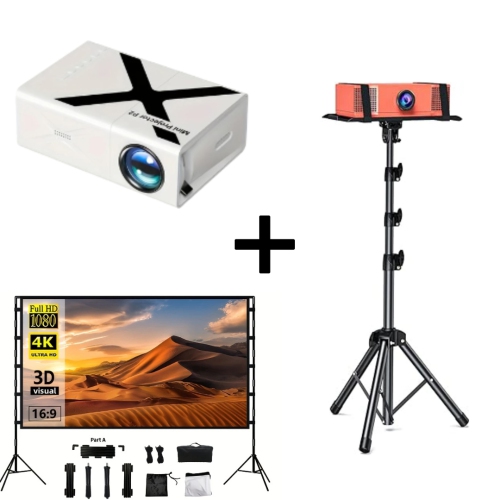
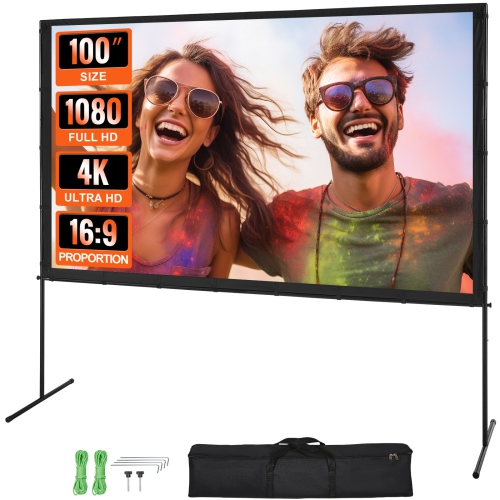
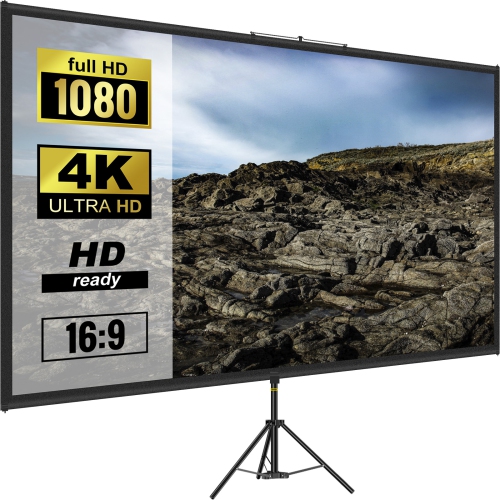
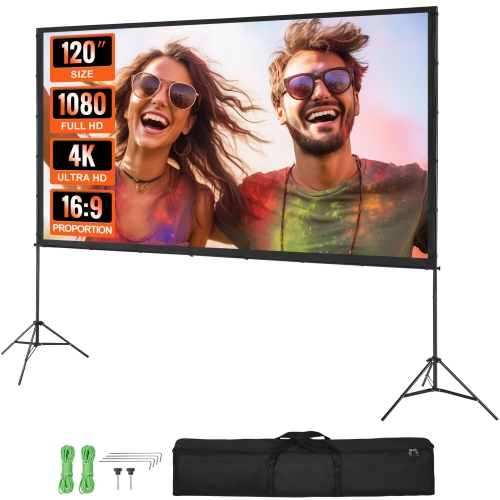
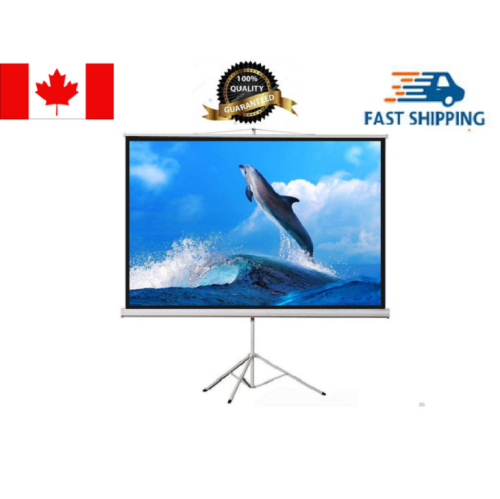
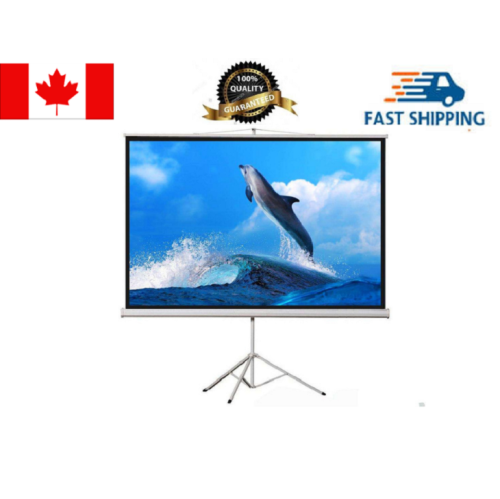
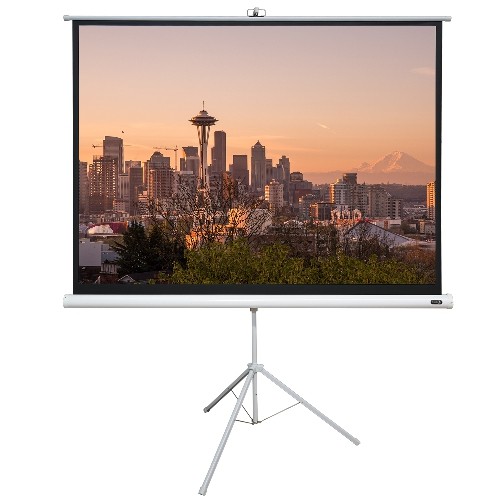
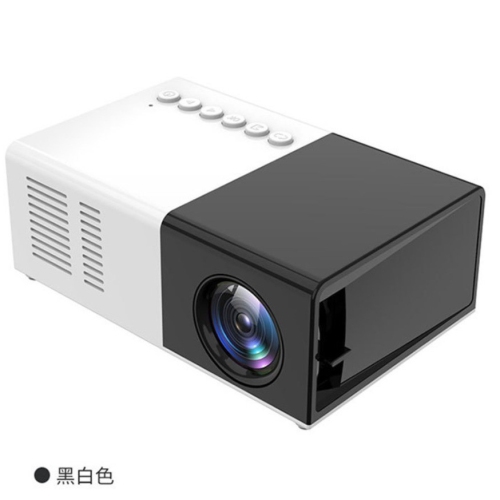
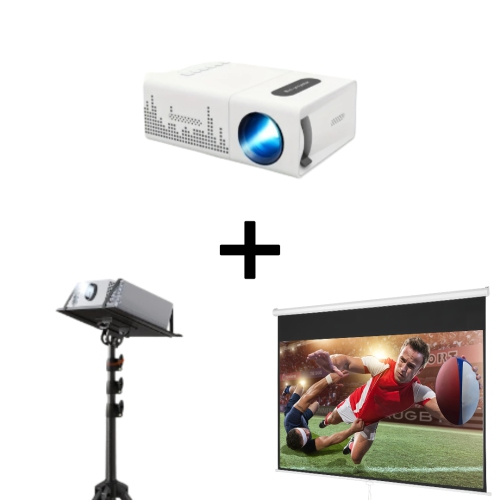
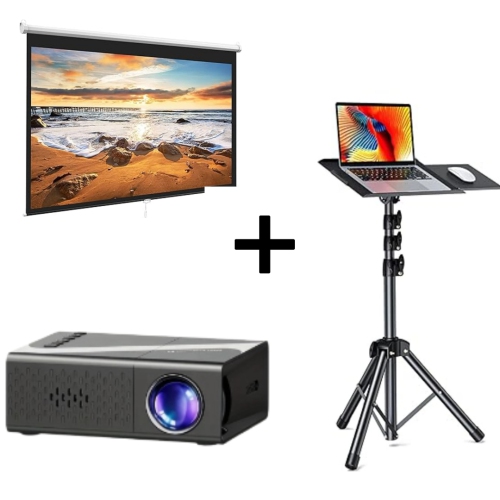
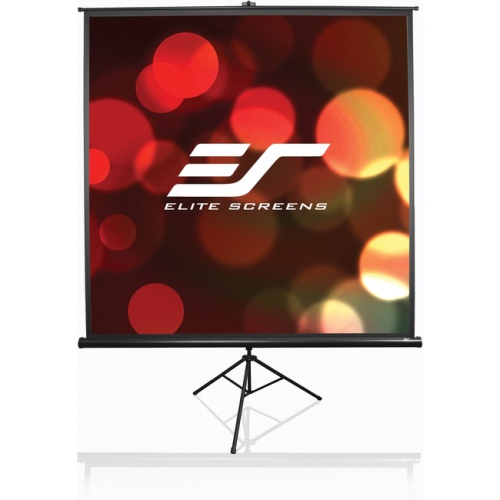
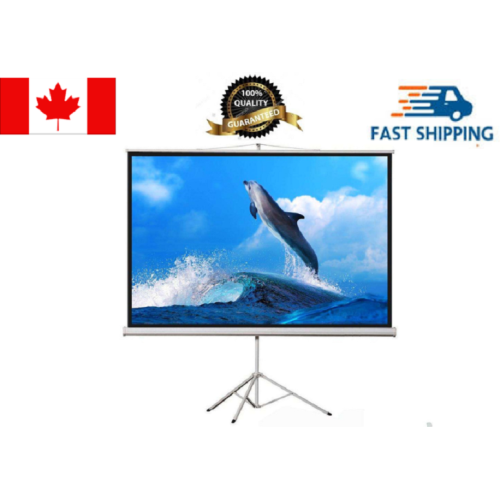
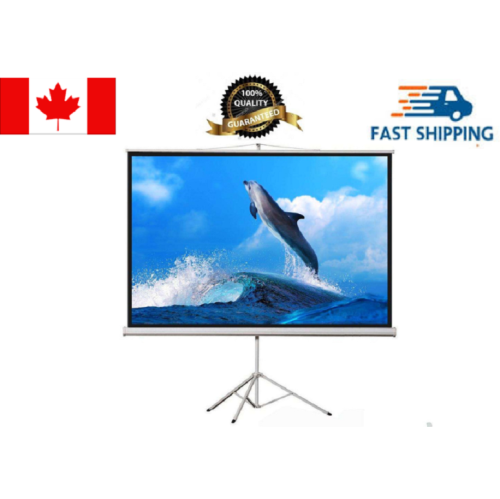
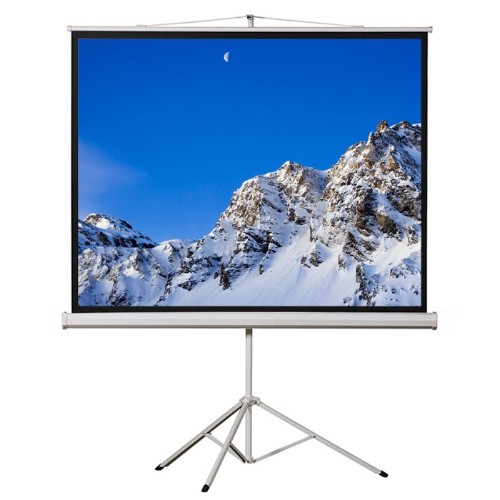

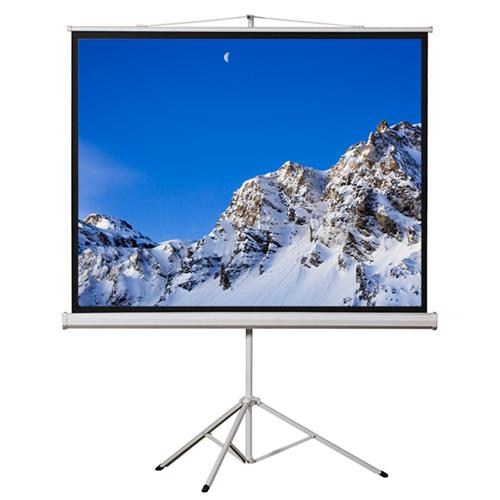
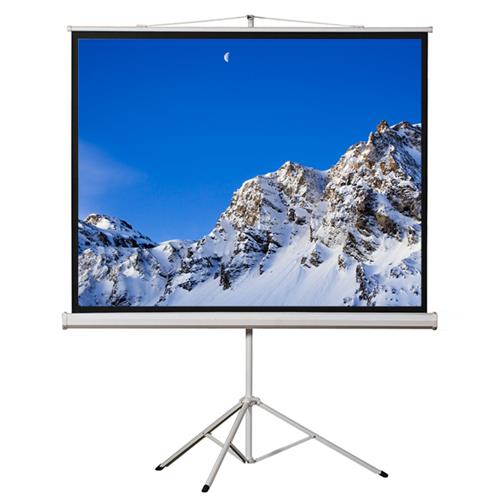

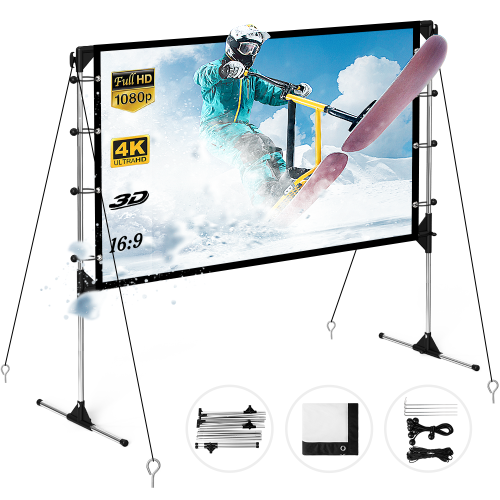
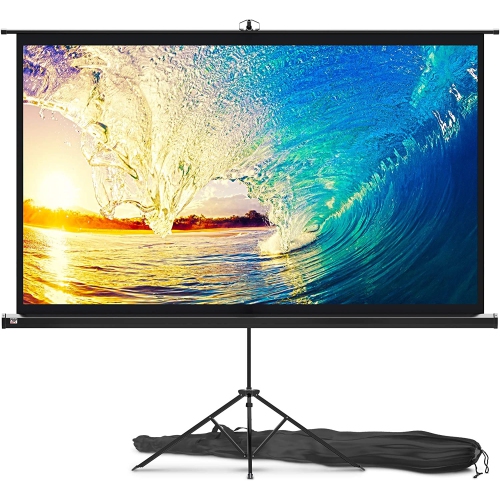
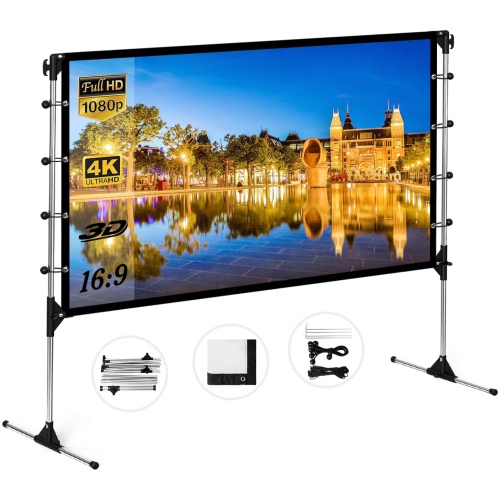
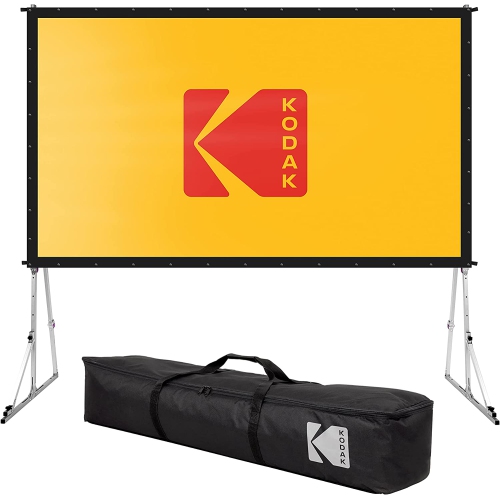
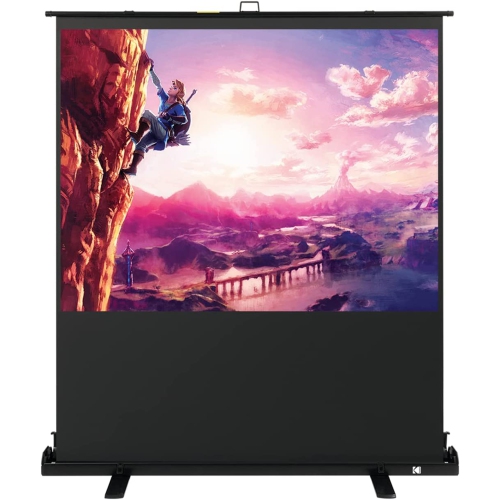
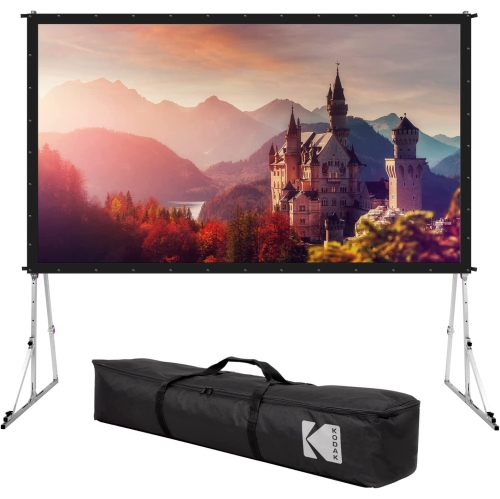
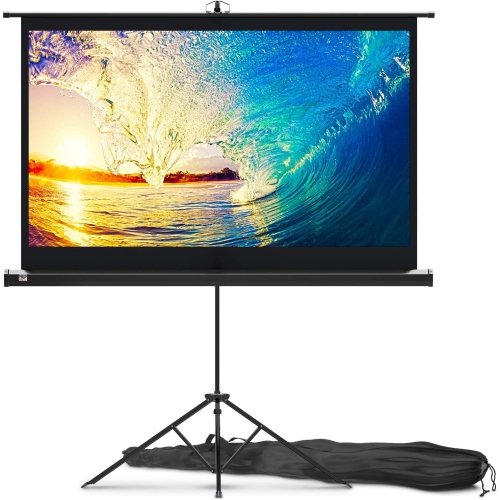
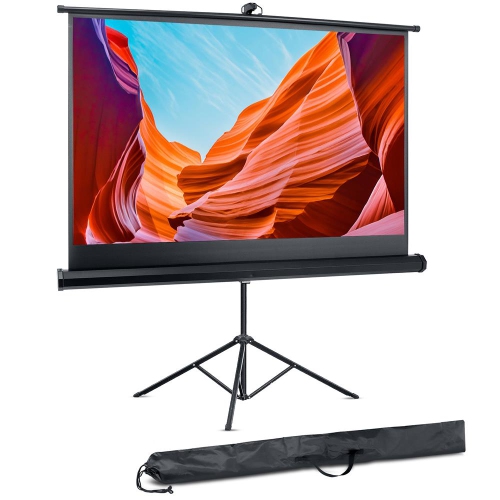
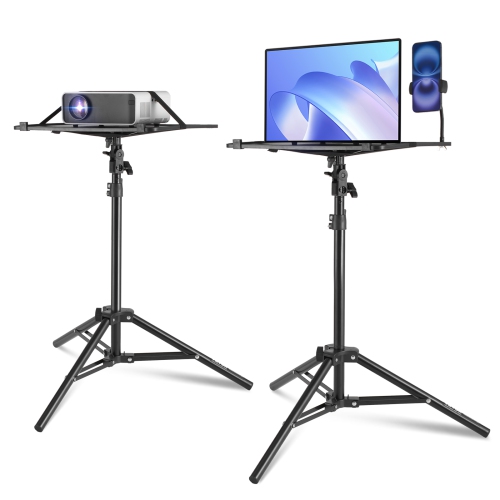
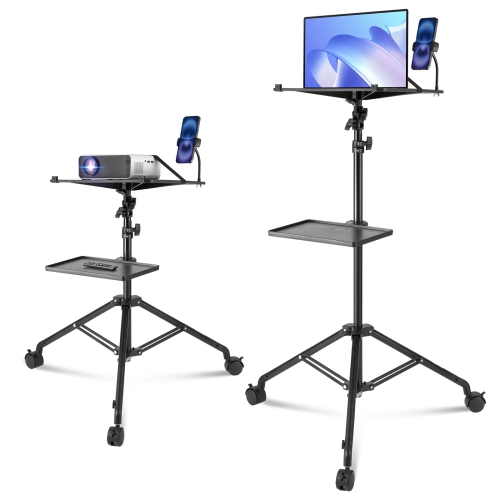
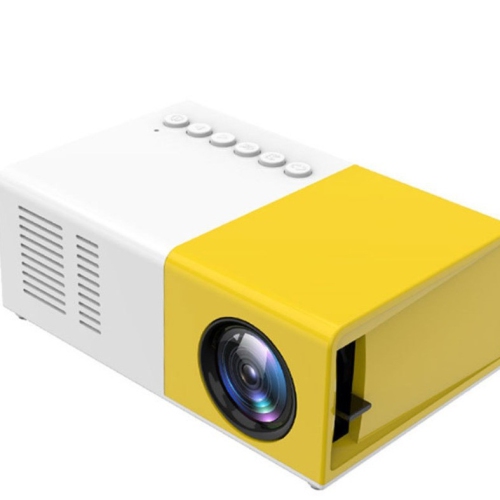
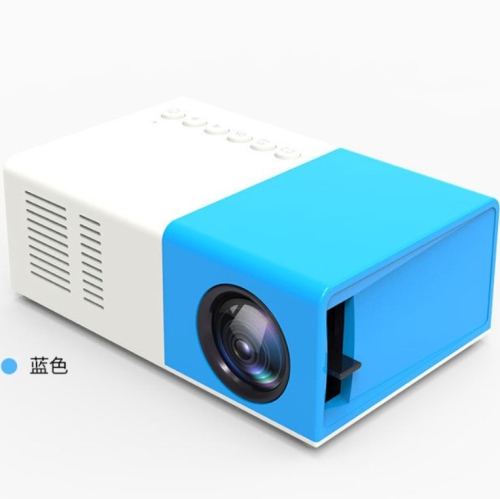
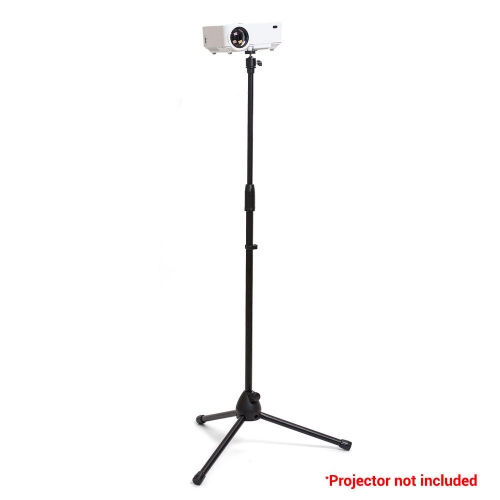
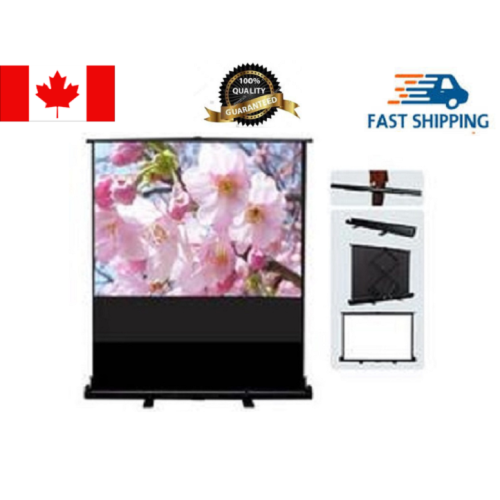
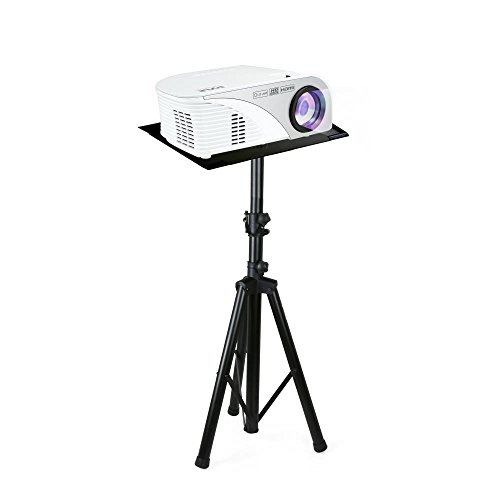

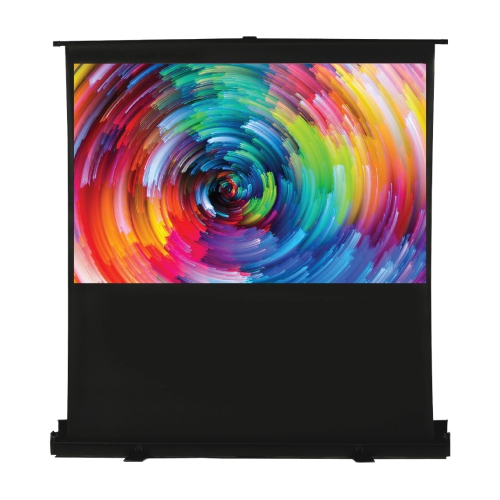
A dedicated viewing surface that packs away between uses
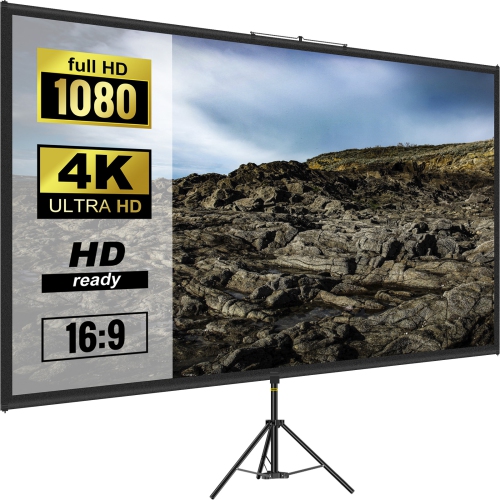
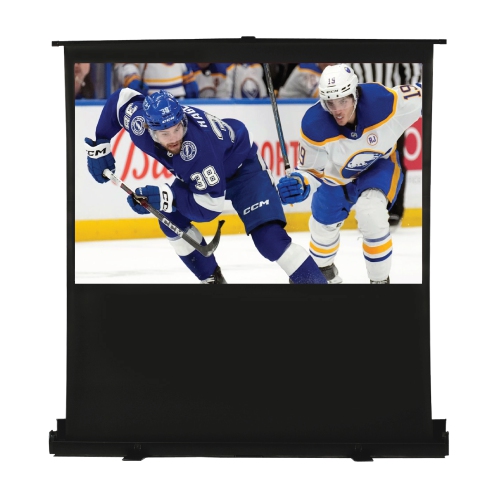
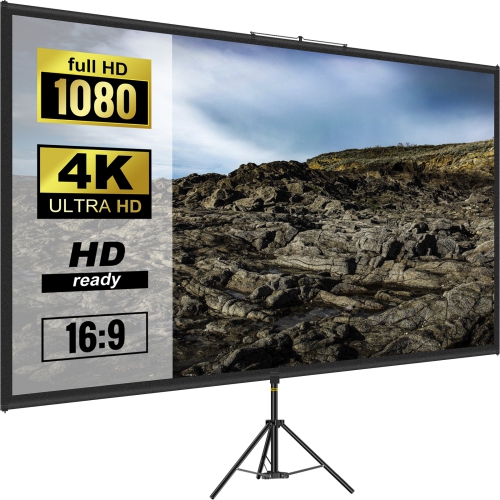
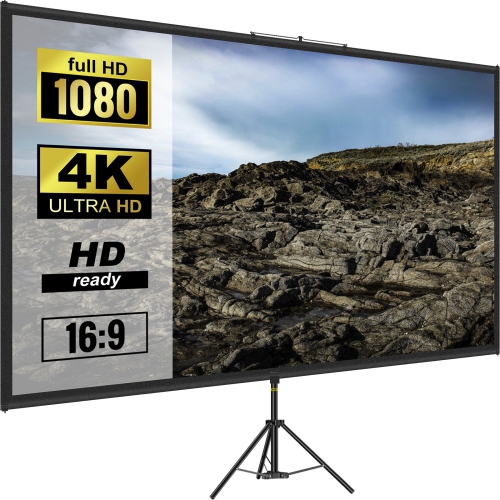
Projector screens with tripod stands provide a dedicated viewing surface without the permanent installation of a wall-mounted or ceiling-mounted screen. A freestanding, three-legged base supports the screen, making this format practical for living rooms, classrooms, meeting spaces, and other places where a display needs to be set up and put away between uses. In a typical retractable design, the screen pulls out of a protective housing and attaches to an adjustable upright support. The legs fold for storage, while height adjustments help position the image above furniture or within a comfortable sightline. This combination suits a film night in a shared living room just as well as a presentation in a rented meeting room. Unlike projecting onto a painted wall, a purpose-made screen offers a more consistent surface, without wall texture, picture hooks, or paint colour interfering with the image. Many screens use a matte white finish intended to distribute reflected light across a broad seating area, although viewing angles and brightness vary by material. Black borders can help define the picture, and an opaque backing can reduce light passing through from behind where that feature is included. The screen does not produce an image on its own: a separate projector supplies the picture, and speakers may be needed depending on the projector and the setting. Image quality comes from the complete setup, including the projector’s resolution and brightness, the content being played, room lighting, and the screen surface. A screen described as suitable for 4K content does not turn a lower-resolution projector into a 4K model. For households that want a larger picture without keeping a large display in place, or presenters who move between rooms, the appeal is straightforward: a defined projection area that can be stored away after the session. Teachers, trainers, community organizers, and casual home theatre viewers can all make use of that flexibility, provided the screen size and stand suit the space.
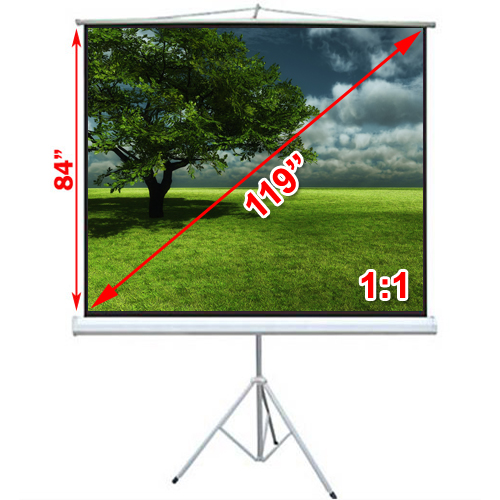
Screen dimensions, image shape, and the tripod footprint all affect how comfortably a portable projection screen fits into a room. Screen sizes are commonly expressed as a diagonal measurement in inches, but the usable image width and height are what determine whether the picture fits between furnishings and below the ceiling. A 100-inch screen, for example, has different proportions in a 16:9 format than in a 4:3 format. Widescreen 16:9 surfaces generally suit television programmes, many films, modern presentations, and console gaming. A 4:3 screen can suit older presentation layouts and other content created in that shape, while square formats offer flexibility when the retractable design allows the exposed surface height to be adjusted. Matching the screen’s aspect ratio to the main content reduces unused space, although films with wider cinema ratios can still display black bars. The projector’s throw distance matters just as much as the screen measurement: a larger surface is only useful if the projector can fill it from the available position. A compact meeting room may need a smaller image than a deep living room, even when both have enough wall space behind the stand. Tripod legs also extend beyond the central support, so the overall setup needs clear floor space rather than just an empty patch of wall. In a classroom, that can mean leaving a walkway beside the screen; at home, it can mean keeping the base clear of a sofa, doorway, or play area. Adjustable height helps with sightlines, but excessive elevation can make viewing uncomfortable for people seated close by. Surface gain, which describes how a screen reflects light relative to a reference surface, is another useful distinction. Higher gain can increase apparent brightness from certain positions, but may narrow the best viewing area. A broad seating arrangement often benefits from even light distribution rather than concentrated brightness. Screens with ambient light rejecting properties use specialized surfaces, and those properties should not be assumed for a standard matte white tripod screen. Compatibility with ultra-short-throw projectors also needs particular attention, since their steep projection angle can make surface ripples especially noticeable.
Materials and construction influence how a tripod projector screen feels to handle and how well it stands up to repeated setup. Metal legs and support poles provide the structural framework, with steel often contributing sturdiness and aluminium helping reduce carrying weight. Stability depends on the whole design, including leg spread, secure locking points, and the size and weight of the screen above the base. A tall screen with a narrow footprint needs careful placement, especially in a busy room where people may brush past it. Projection surfaces may use coated fabric, vinyl, or other layered materials, each with its own handling and cleaning requirements. A smooth surface helps keep straight lines in spreadsheets, subtitles, and architectural drawings looking straight, while creases or edge curl can distract from the picture. Retractable housings protect the material during transport, but the screen still benefits from controlled movement rather than being allowed to snap back. For frequent travel between an office and a training venue, the folded length, total weight, carrying handle, and protective bag can matter as much as the viewing dimensions. A screen that fits easily into a vehicle may still be awkward to carry through a stairwell or store in a shallow cupboard. Care is usually simple but should follow the manufacturer’s directions: loose dust may be removable with a soft cloth, while some coatings require a specific cleaning method and should not be scrubbed or treated with household cleaners. Keeping hands away from the viewing surface helps limit marks, and storing the screen clean and dry protects it between uses. The stand’s hinges and locks also deserve attention before each setup so the screen remains securely supported. For a complete portable viewing arrangement, Portable Tripod Projectors are a related consideration alongside the screen, source device, audio equipment, and necessary connections. A tripod screen can also be a thoughtful gift for someone who already owns a compatible projector, particularly when its dimensions suit both their room and their storage space. The most useful combination balances a clear, comfortable picture with a setup that is manageable enough to use regularly.
Screen dimensions, image shape, and the tripod footprint all affect how comfortably a portable projection screen fits into a room. Screen sizes are commonly expressed as a diagonal measurement in inches, but the usable image width and height are what determine whether the picture fits between furnishings and below the ceiling. A 100-inch screen, for example, has different proportions in a 16:9 format than in a 4:3 format. Widescreen 16:9 surfaces generally suit television programmes, many films, modern presentations, and console gaming. A 4:3 screen can suit older presentation layouts and other content created in that shape, while square formats offer flexibility when the retractable design allows the exposed surface height to be adjusted. Matching the screen’s aspect ratio to the main content reduces unused space, although films with wider cinema ratios can still display black bars. The projector’s throw distance matters just as much as the screen measurement: a larger surface is only useful if the projector can fill it from the available position. A compact meeting room may need a smaller image than a deep living room, even when both have enough wall space behind the stand. Tripod legs also extend beyond the central support, so the overall setup needs clear floor space rather than just an empty patch of wall. In a classroom, that can mean leaving a walkway beside the screen; at home, it can mean keeping the base clear of a sofa, doorway, or play area. Adjustable height helps with sightlines, but excessive elevation can make viewing uncomfortable for people seated close by. Surface gain, which describes how a screen reflects light relative to a reference surface, is another useful distinction. Higher gain can increase apparent brightness from certain positions, but may narrow the best viewing area. A broad seating arrangement often benefits from even light distribution rather than concentrated brightness. Screens with ambient light rejecting properties use specialized surfaces, and those properties should not be assumed for a standard matte white tripod screen. Compatibility with ultra-short-throw projectors also needs particular attention, since their steep projection angle can make surface ripples especially noticeable.
Materials and construction influence how a tripod projector screen feels to handle and how well it stands up to repeated setup. Metal legs and support poles provide the structural framework, with steel often contributing sturdiness and aluminium helping reduce carrying weight. Stability depends on the whole design, including leg spread, secure locking points, and the size and weight of the screen above the base. A tall screen with a narrow footprint needs careful placement, especially in a busy room where people may brush past it. Projection surfaces may use coated fabric, vinyl, or other layered materials, each with its own handling and cleaning requirements. A smooth surface helps keep straight lines in spreadsheets, subtitles, and architectural drawings looking straight, while creases or edge curl can distract from the picture. Retractable housings protect the material during transport, but the screen still benefits from controlled movement rather than being allowed to snap back. For frequent travel between an office and a training venue, the folded length, total weight, carrying handle, and protective bag can matter as much as the viewing dimensions. A screen that fits easily into a vehicle may still be awkward to carry through a stairwell or store in a shallow cupboard. Care is usually simple but should follow the manufacturer’s directions: loose dust may be removable with a soft cloth, while some coatings require a specific cleaning method and should not be scrubbed or treated with household cleaners. Keeping hands away from the viewing surface helps limit marks, and storing the screen clean and dry protects it between uses. The stand’s hinges and locks also deserve attention before each setup so the screen remains securely supported. For a complete portable viewing arrangement, Portable Tripod Projectors are a related consideration alongside the screen, source device, audio equipment, and necessary connections. A tripod screen can also be a thoughtful gift for someone who already owns a compatible projector, particularly when its dimensions suit both their room and their storage space. The most useful combination balances a clear, comfortable picture with a setup that is manageable enough to use regularly.
Top selling and popular products
-
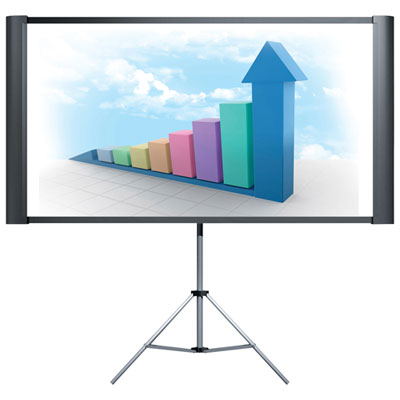 Your price for this item is $249.99
 -
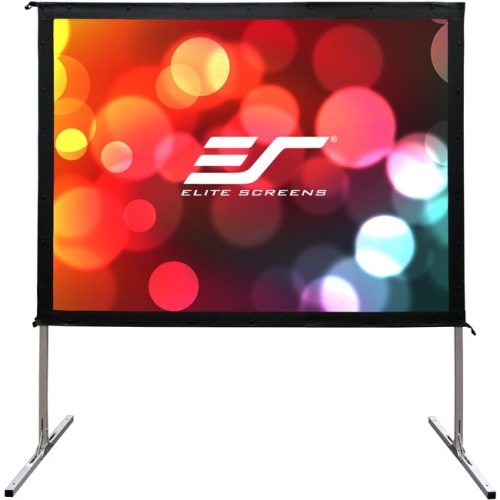 Your price for this item is $591.17
 -
 Your price for this item is $109.99
 -
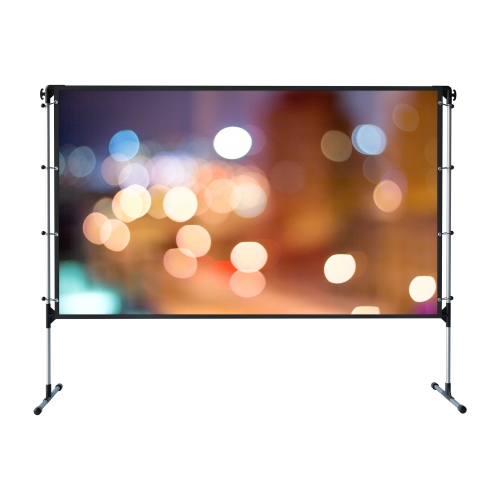 Your price for this item is $109.59
 -
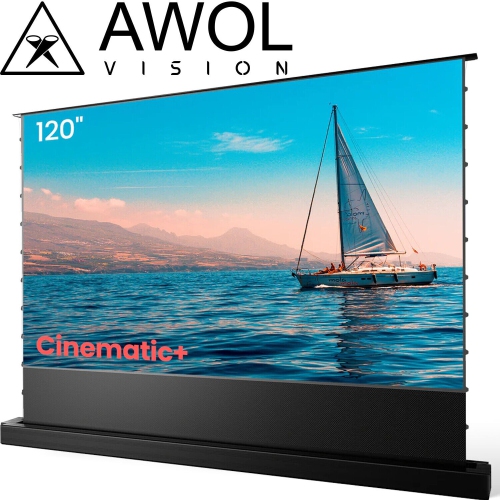 Your price for this item is $2453
 -
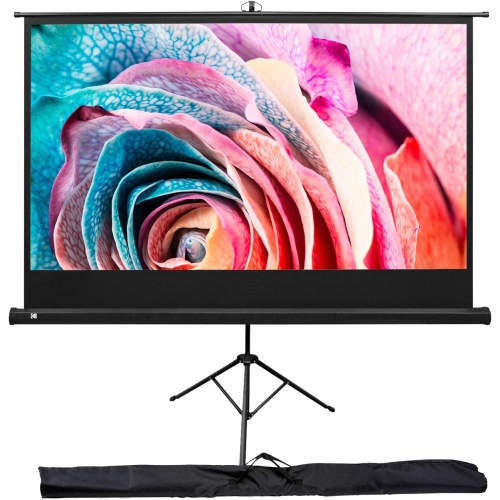 Your price for this item is $216.49
 -
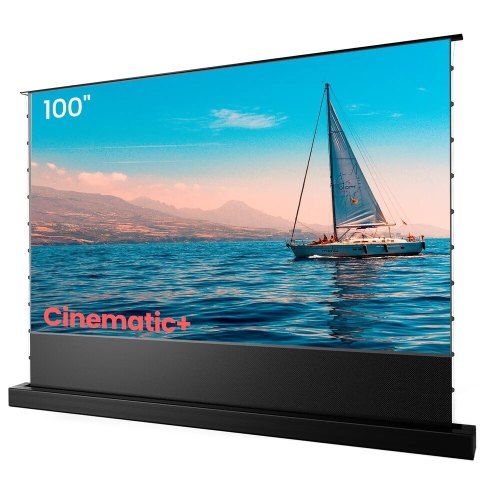 Your price for this item is $2435
 -
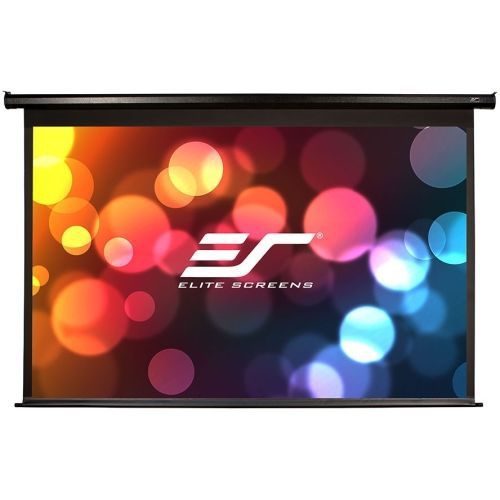 Your price for this item is $499
Discover more categories related to Projector Screens With Tripod Stand

Top Collections:
Pokemon Centers, Kindle Devices, Best Budget Office Chairs, Apple iPhones 16, Best Laptops for Writers, iPhone 15 Apple, Canon G7X Cameras, Refurbished Apple Laptops, Alarm Clock, Motorola Razr Phones
Some products may be subject to Environmental Handling Fees
(EHF) depending on your province.
Learn more about EHFs.