Quiet Roof Exhaust Fans
Quiet Roof Exhaust Fans provide an effective solution for maintaining fresh air and optimal ventilation in your home or workspace. Designed to operate discreetly, these fans help remove stale air and moisture while minimizing noise disruption. Quiet Roof Exhaust Fans are ideal for areas where peace and comfort are a priority, offering reliable performance for kitchens, bathrooms, attics, and other spaces that require efficient airflow. Explore a range of options to find the perfect fit for your ventilation needs.
Sort
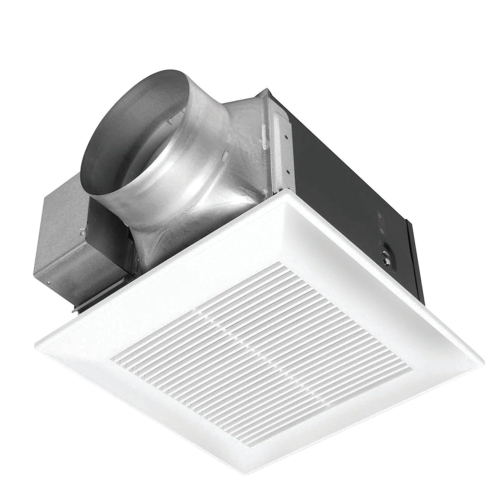
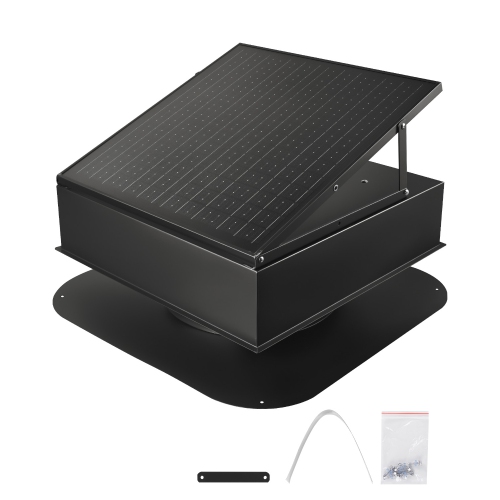
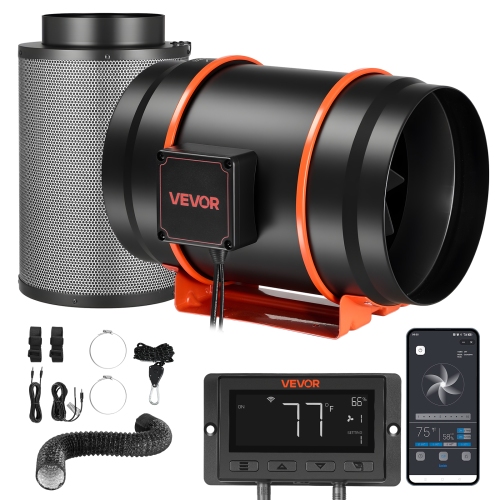
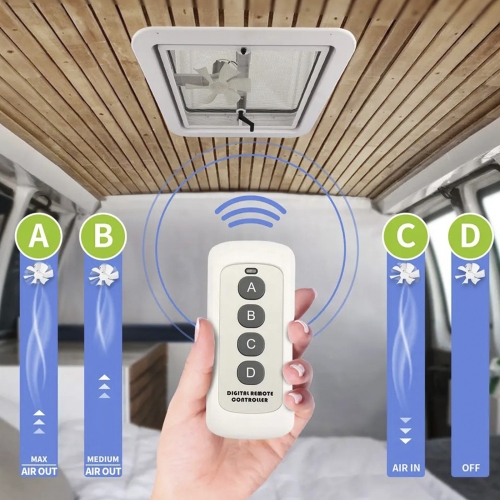
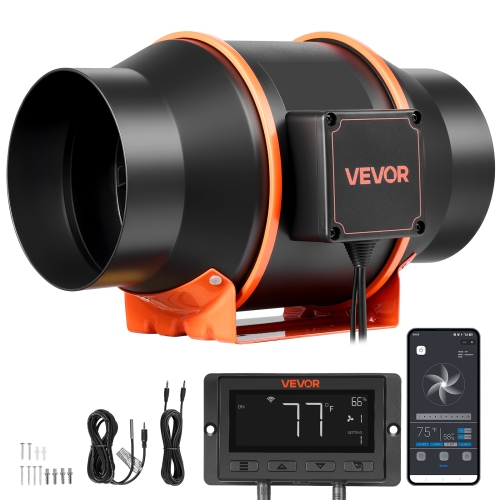
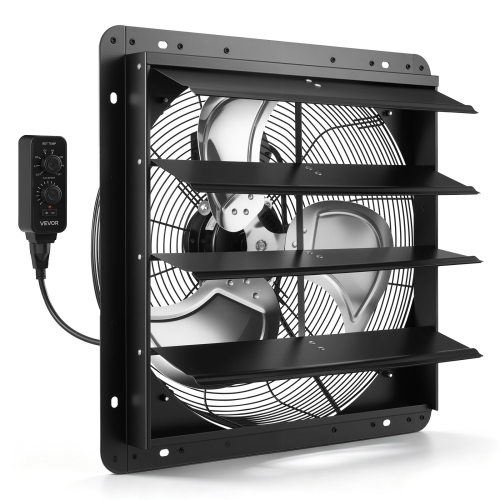
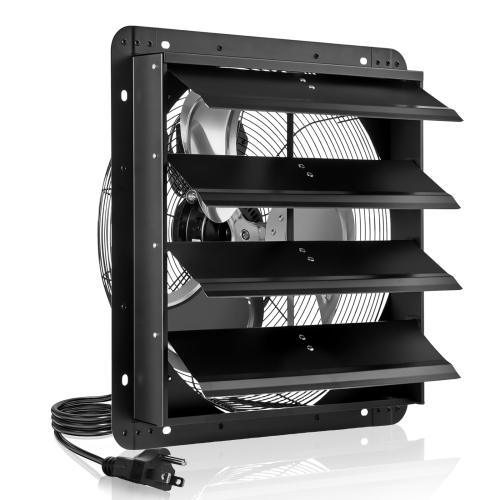
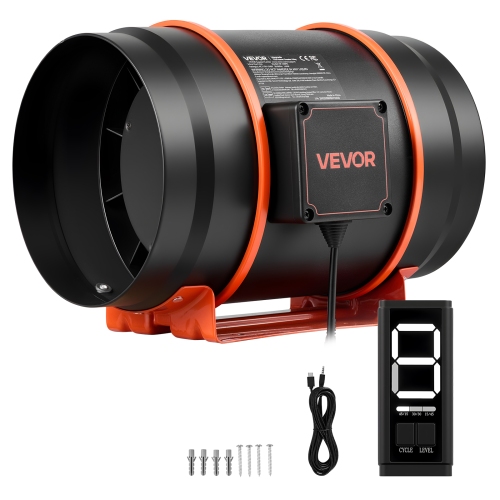

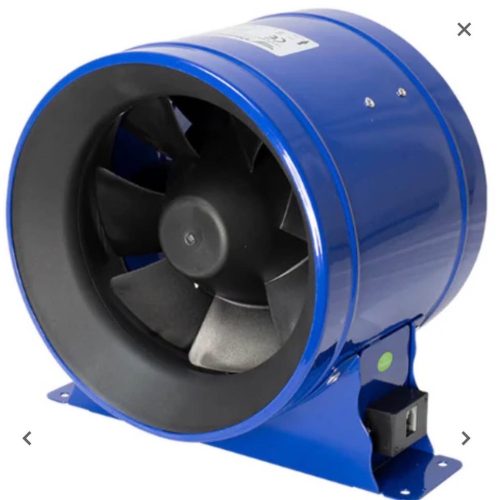
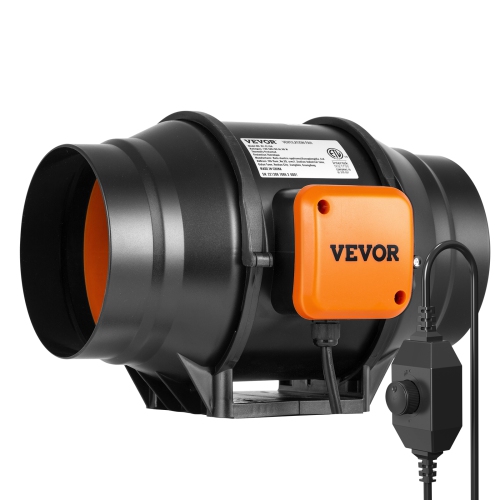
Why quieter ventilation takes more than a quiet motor
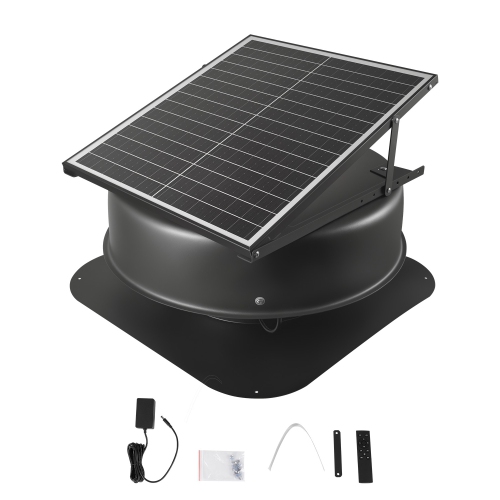
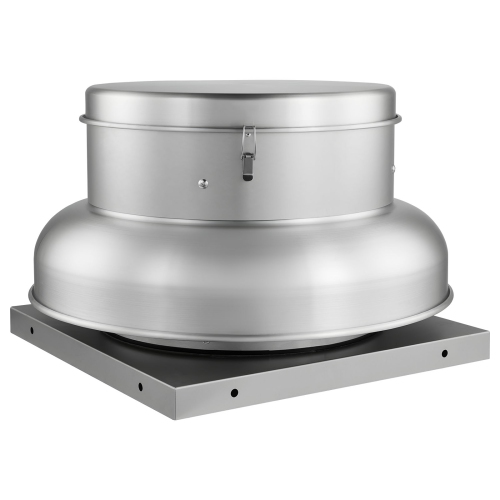
Quiet roof exhaust fans move air out of a building through a roof-mounted outlet while limiting the sound that reaches occupied rooms. Their purpose depends on the ventilation system: an attic exhaust fan removes air from the attic, while a duct-connected roof fan can extract air from an indoor space through a dedicated duct run. Those applications are not interchangeable, even when the exterior housings look similar. For homeowners, property managers, and people planning a renovation, the useful combination is suitable airflow, compatible construction, and a sound level that fits the space below. A fan above a bedroom, home office, or treatment room deserves particular attention to both airborne noise and vibration transmitted through the structure. Quiet operation comes from several features working together, including motor design, balanced blades or impellers, smooth airflow paths, and appropriate mounting. Electronically commutated motors can provide efficient, adjustable operation, but motor type alone does not establish how quiet a complete installation will be. Where sound ratings are provided, sones describe perceived loudness, while decibels describe sound level under stated measurement conditions. Ratings are most useful when compared using the same measurement method, operating speed, and airflow conditions; a low-speed rating does not describe performance at full output. Airflow is commonly stated in cubic feet per minute, or CFM, but the relevant figure is the airflow a fan can deliver against the resistance of the actual system. Long ducts, tight bends, restrictive grilles, and outlet fittings can all affect that result. A larger airflow number is therefore not automatically a better match. An appropriately sized fan with compatible speed control may meet the ventilation requirement without running at its highest setting, helping avoid an unnecessarily prominent hum. The distinction matters in everyday use: a fan that sounds unobtrusive from outside may still be noticeable from a quiet room directly beneath its mounting point.
Construction and fit are just as important as the motor when comparing quiet roof exhaust fans. Galvanized steel, aluminum, and suitable polymer components offer different combinations of weight, corrosion resistance, and durability, while the suitability of a finish depends on the installation location and exposure. A sturdy housing helps protect the working components, and balanced rotating parts reduce the vibration that can become a low rumble inside the building. Roof pitch, roofing material, opening dimensions, and mounting arrangement all affect compatibility. Curb-mounted equipment needs a suitable raised support, while other configurations use a different mounting base or flashing arrangement; these details should match the intended roof assembly rather than be treated as interchangeable accessories. A secure, watertight installation protects the building as well as the fan. For duct-connected systems, the fan connection must also suit the duct diameter and layout. Abrupt reductions and cramped connections can increase resistance and air noise, undermining the benefit of a quiet motor. Backdraft dampers, where appropriate, help limit reverse airflow when the fan is off, although their design and placement can influence sound and airflow too. Vibration-isolating components can reduce noise transfer when they are compatible with the equipment and installation requirements. These details are especially relevant where the roof structure sits close to a finished ceiling or where sound can travel along framing and rigid ductwork. Maintenance access also deserves attention before installation: a motor, damper, or screen that is difficult to reach can make routine care more involved. Roof fans should have the electrical ratings, certification, and installation clearances appropriate to their intended use in Canada. A general-purpose attic ventilator is not a substitute for equipment designed to handle grease-laden cooking exhaust, and a standard roof exhaust fan should not be assumed suitable for corrosive fumes or other specialized extraction needs. Matching the application protects performance and helps establish realistic expectations for both durability and sound.
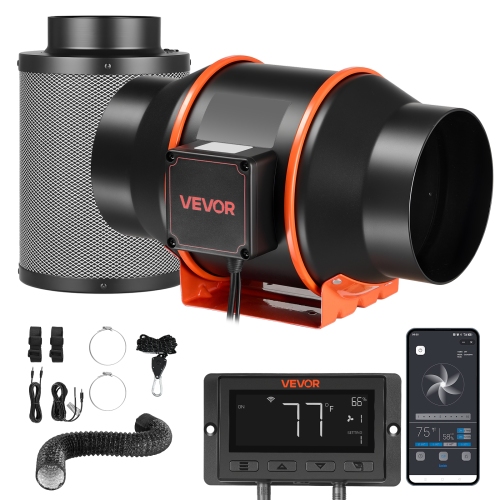
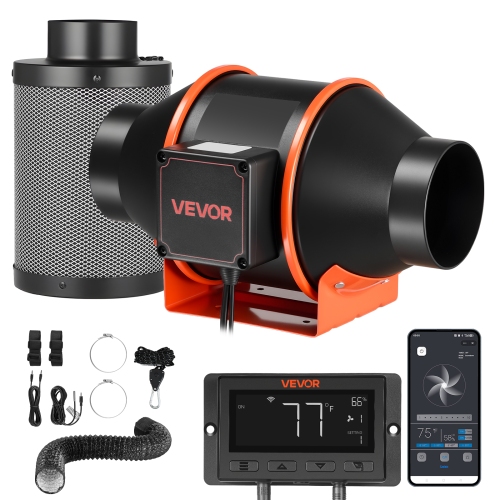
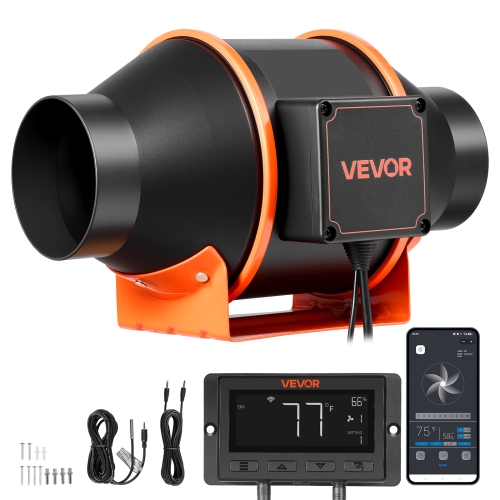
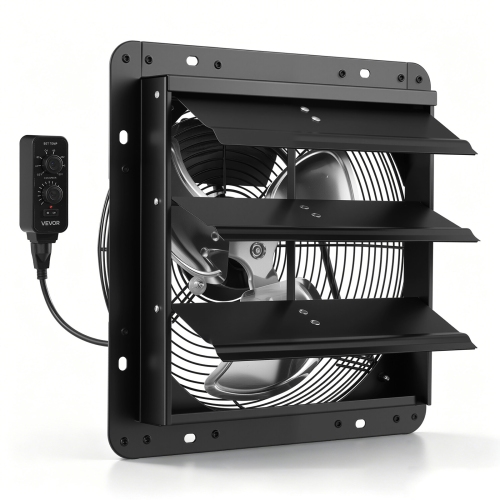
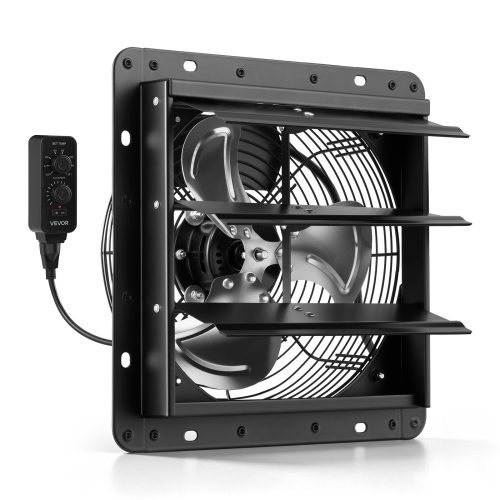
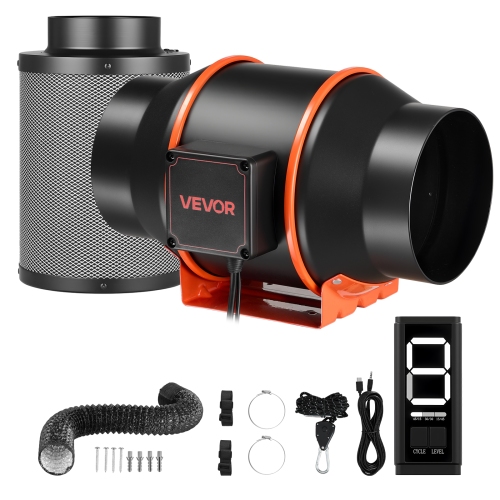
Controls shape how a roof exhaust fan behaves in daily use. Depending on the system, operation may be managed by a wall switch, timer, thermostat, humidistat, or compatible variable-speed controller. Temperature- or humidity-responsive controls can trigger ventilation when measured conditions call for it, rather than relying entirely on someone remembering to turn the fan on and off. App-enabled controls, where supported, may add scheduling, remote adjustment, or status information, but they do not inherently make a fan quieter. The practical benefit comes from having control over suitable operating speeds and run times. A compatible controller is important because not every motor supports every speed-control method, and an unsuitable pairing can cause humming or unreliable operation. In an attic application, adequate intake ventilation is part of the overall design; an exhaust fan needs a suitable path for replacement air rather than drawing it unintentionally from occupied rooms. Ducted exhaust systems also need an appropriate replacement-air strategy. Where fuel-burning appliances are present, a qualified professional can assess pressure effects and the risk of combustion gases being drawn back into the building. For ventilation centred on a cooking area, Quiet Kitchen Exhaust Fans address a different need from general attic ventilation, with requirements tied to the cooking equipment and exhaust path. Over time, dust accumulation, loose fasteners, worn bearings, or a sticking damper can change a fan’s sound. A new rattle, scrape, or persistent vibration deserves attention rather than simply being accepted as normal operation. Care typically involves inspections and cleaning as specified by the manufacturer, with power isolated before servicing and roof access left to someone equipped to work safely at height. Accessible service components and clear maintenance requirements are useful considerations for long-term ownership. The strongest fit is a roof exhaust fan that suits the building, moves the required air through the intended path, and remains unobtrusive enough for the rooms and activities beneath it.
Top selling and popular products
-
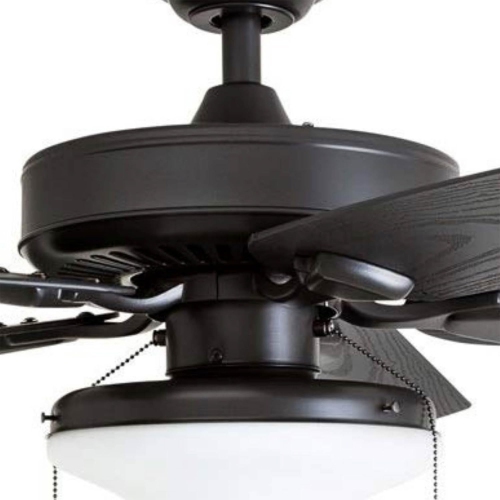 Your price for this item is $291.99
-
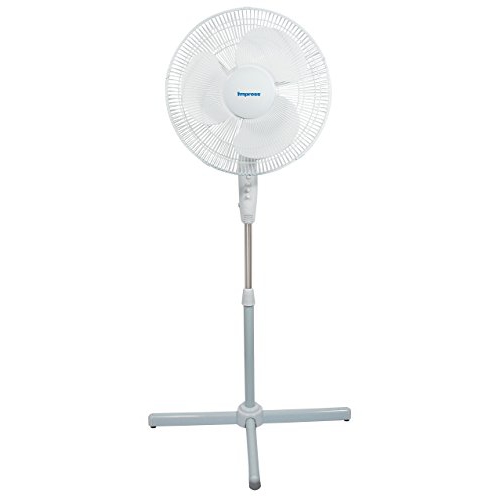 Your price for this item is $69.99
-
 Your price for this item is $69.99
-
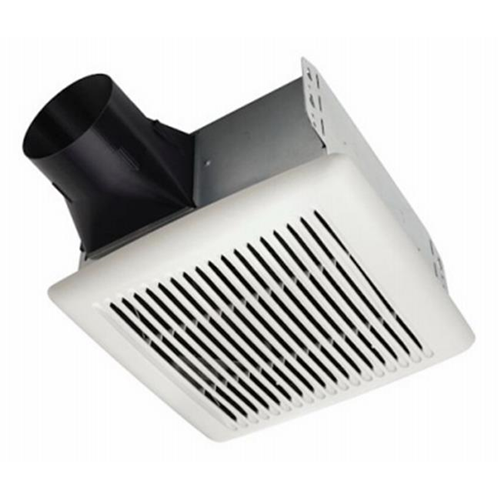 Your price for this item is $259.99
-
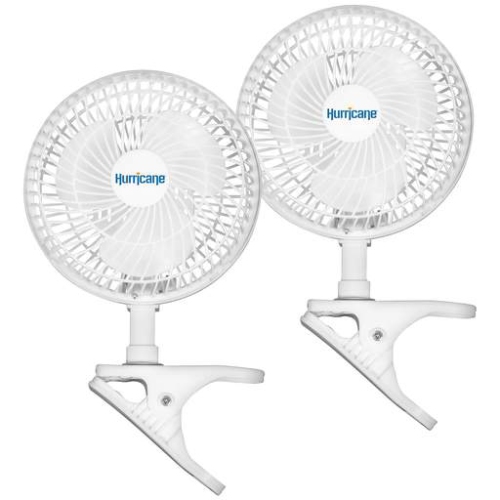 Your price for this item is $98.99
-
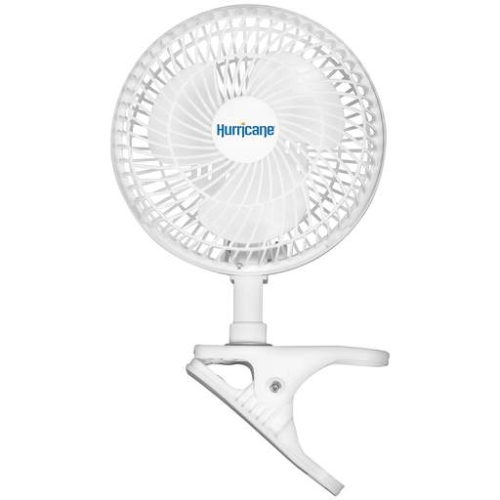 Your price for this item is $59.99
-
 Your price for this item is $458.99
-
 Your price for this item is $99.9
Discover more categories related to Quiet Roof Exhaust Fans

Top Collections:
Best Black Friday Deals This Year, Best Black Friday Deals On Electronics, Kindle Devices, Pokemon Centers, Best Black Friday Deals On Apple Products, Best Cameras for Sports Photography, Dyson Airwrap, Pokémon 30th Celebration Cards, Apple iPhone 17 Pro, Canon G7X Cameras
Some products may be subject to Environmental Handling Fees
(EHF) depending on your province.
Learn more about EHFs.