Quiet Kitchen Exhaust Fans
Looking to upgrade your kitchen with a more peaceful cooking experience? Say goodbye to noisy distractions and hello to tranquility with our range of quiet kitchen exhaust fans. Designed to efficiently remove smoke, odors, and steam from your culinary haven, these whisper-quiet appliances ensure a serene atmosphere while you whip up your favorite dishes. Whether you're a passionate chef or simply enjoy spending time in the kitchen, our collection of quiet kitchen exhaust fans is here to provide you with a peaceful and enjoyable cooking environment.
Sort

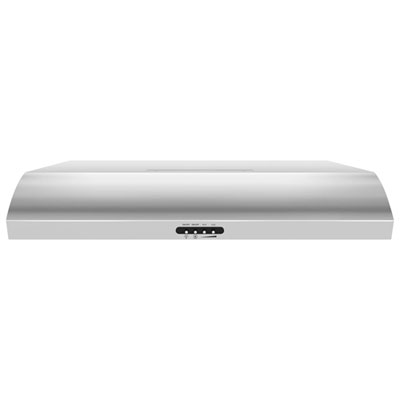
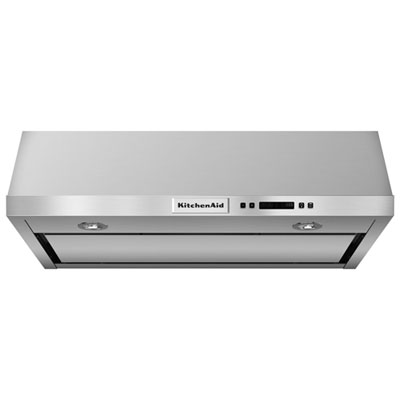
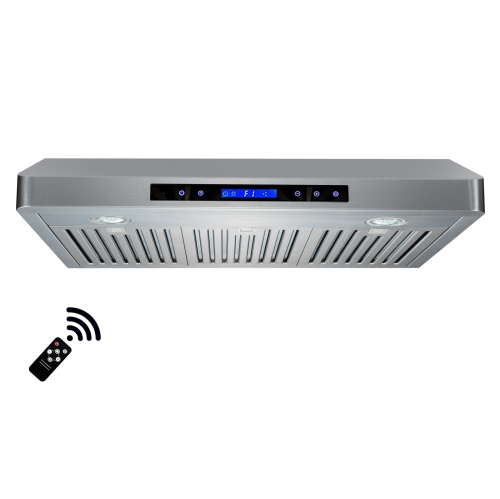
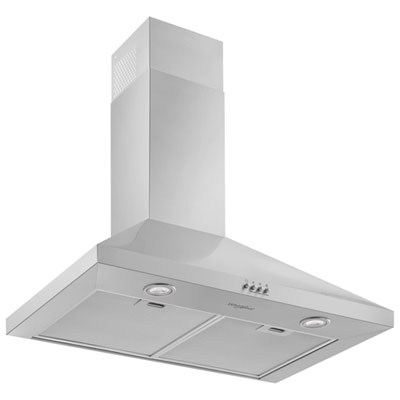
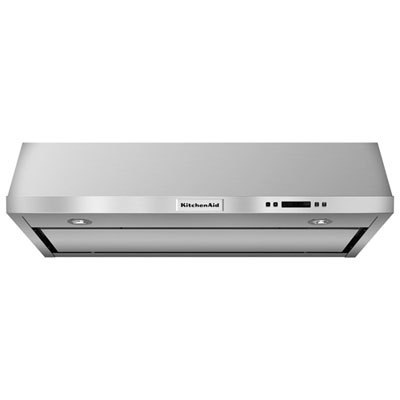
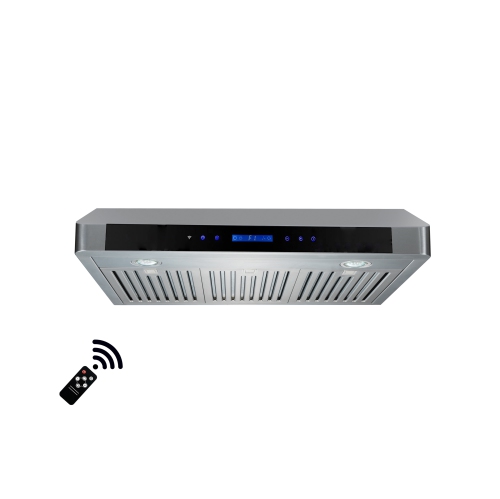
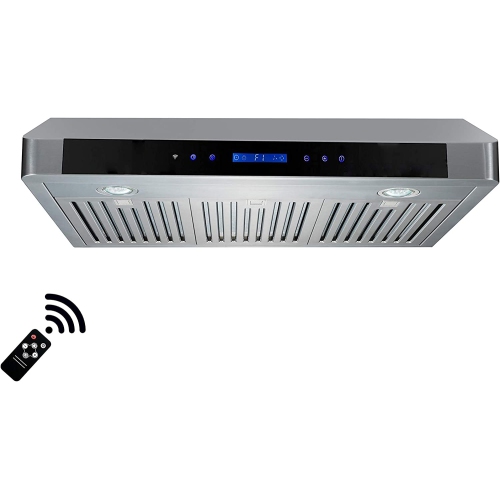
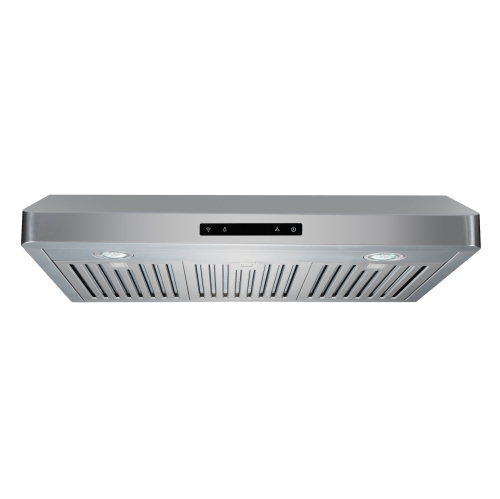
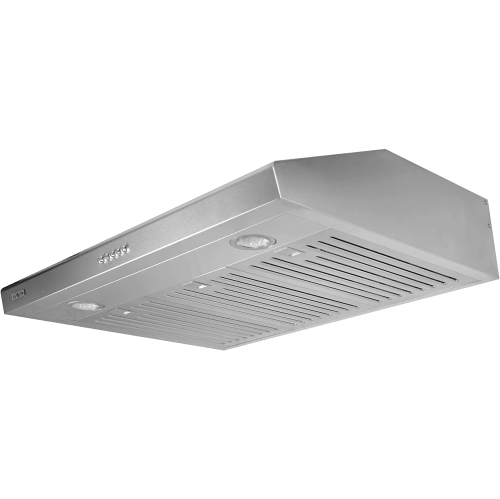
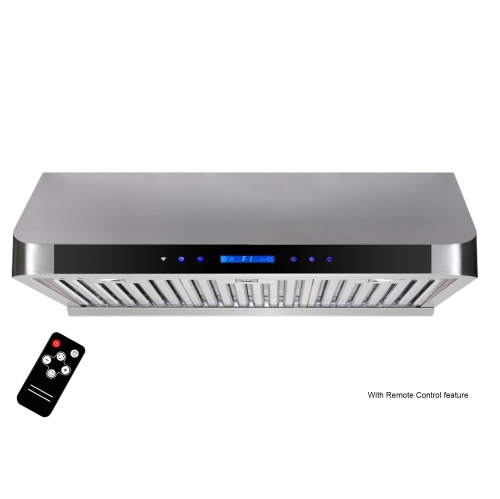
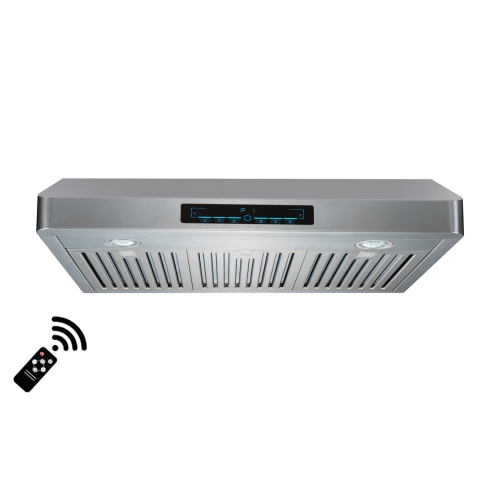
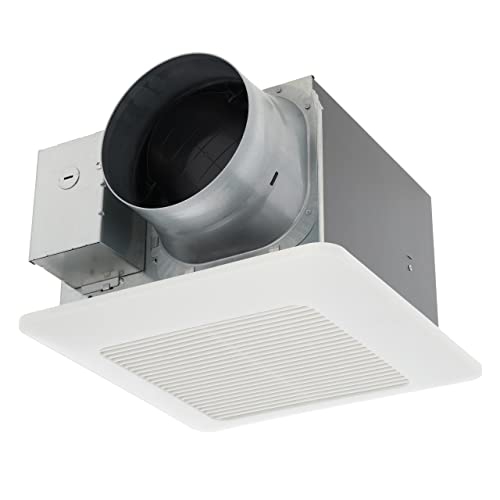
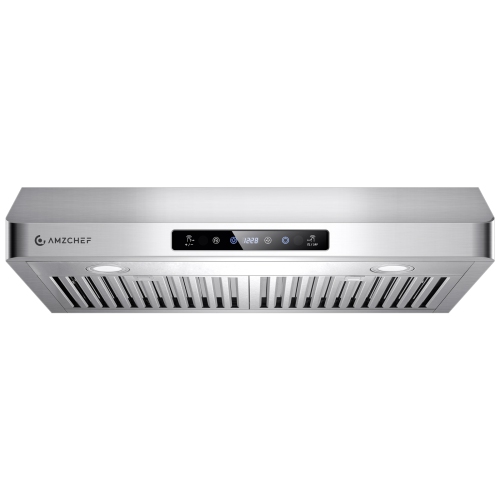
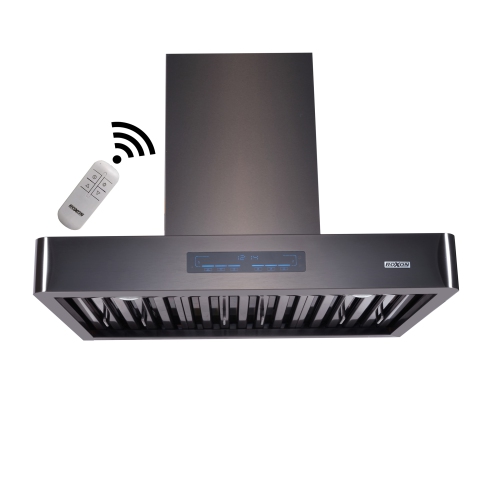
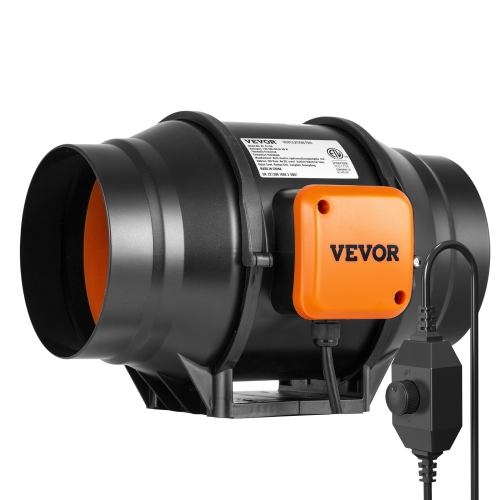
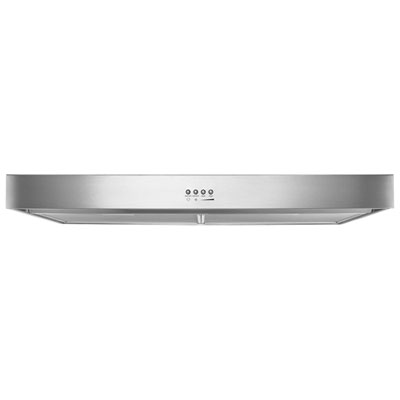
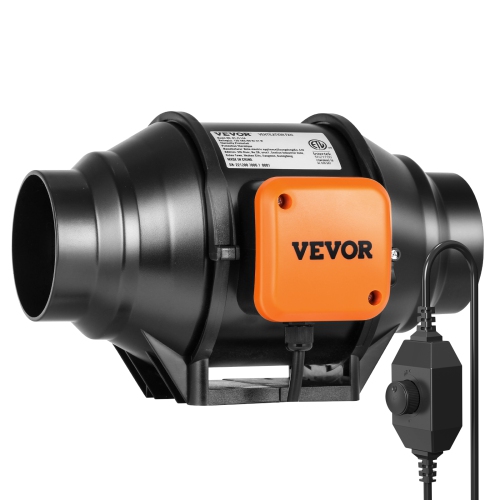
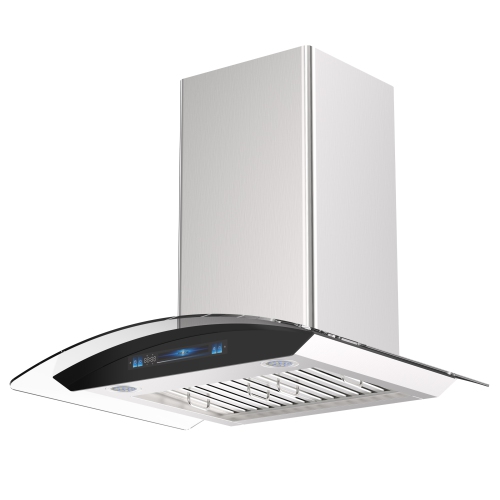
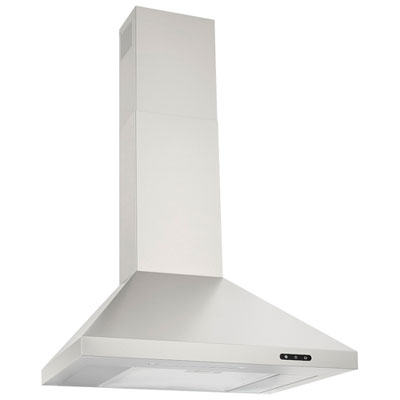
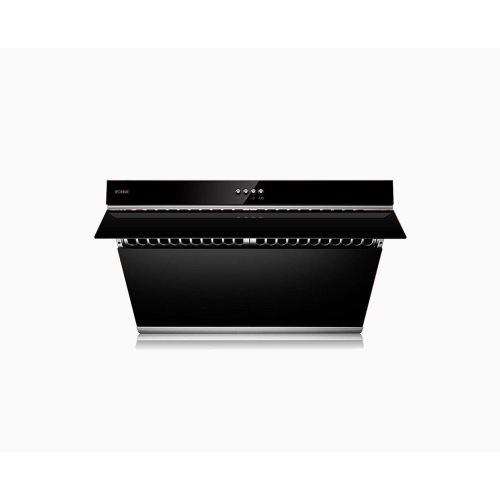
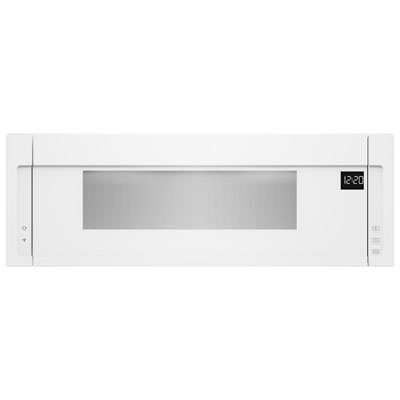
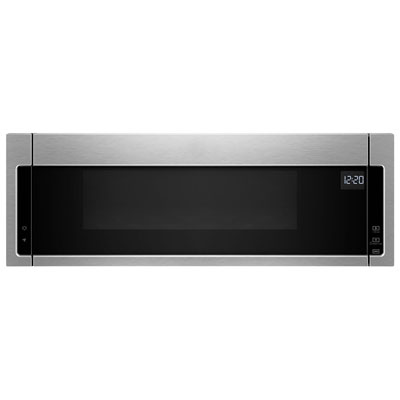
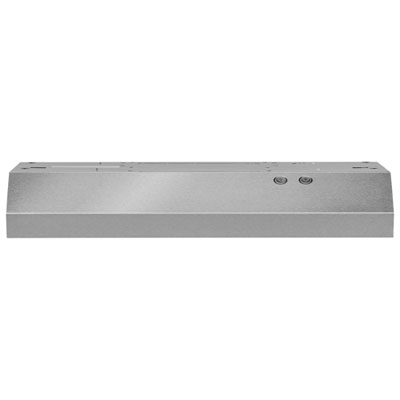
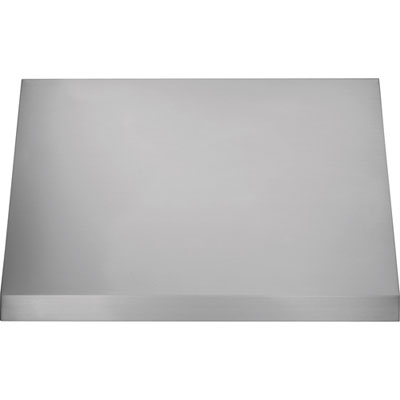
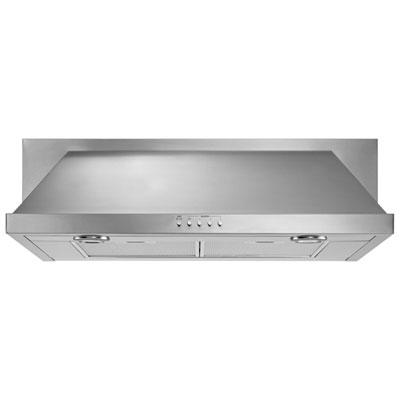
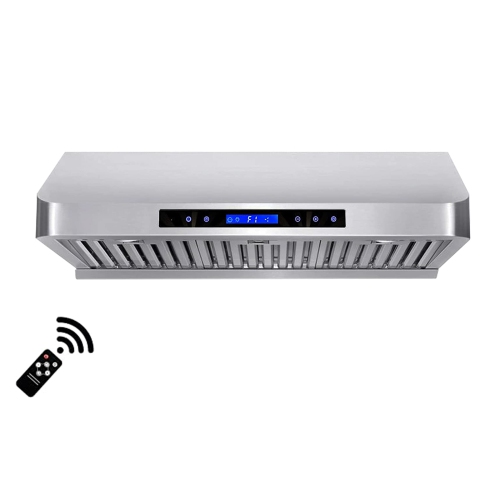
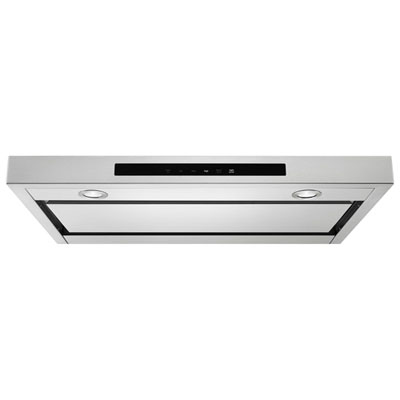
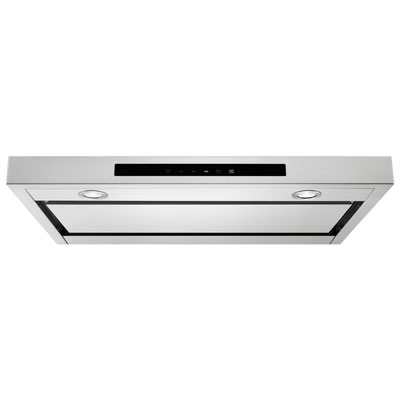
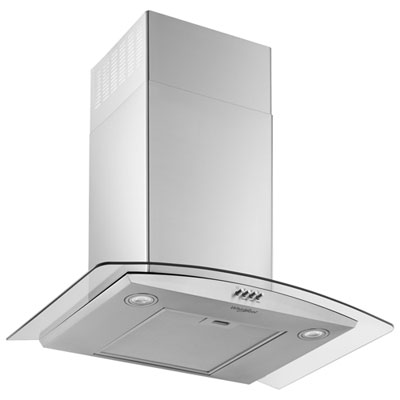
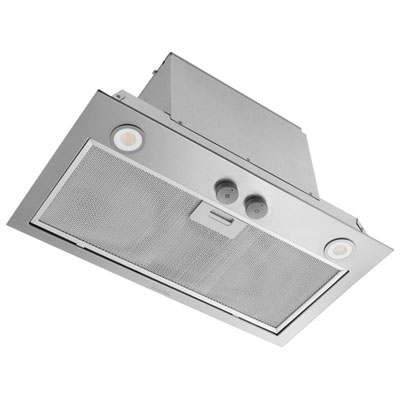
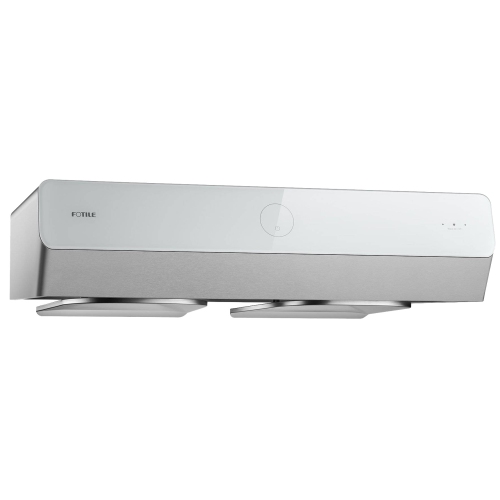

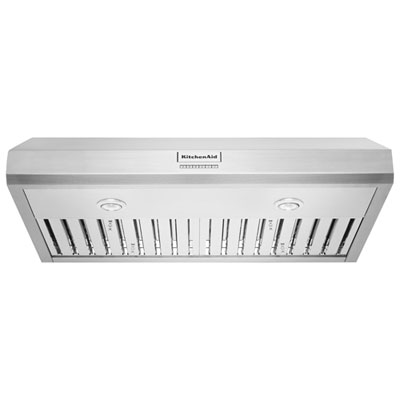
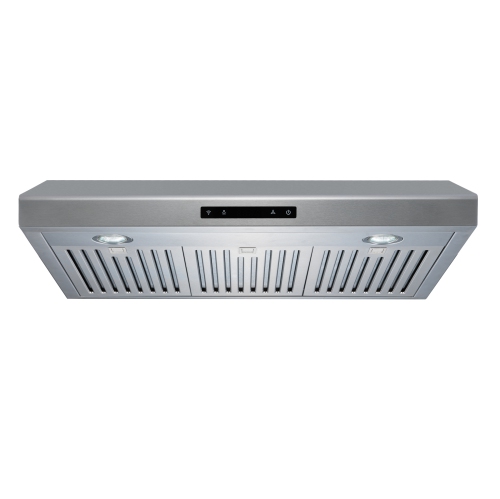
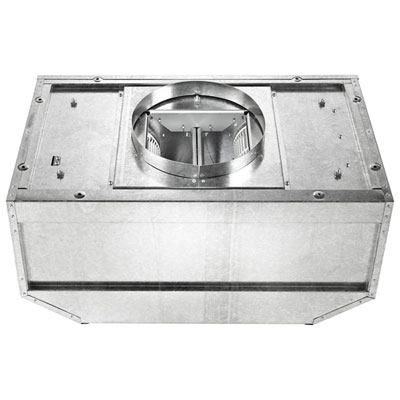

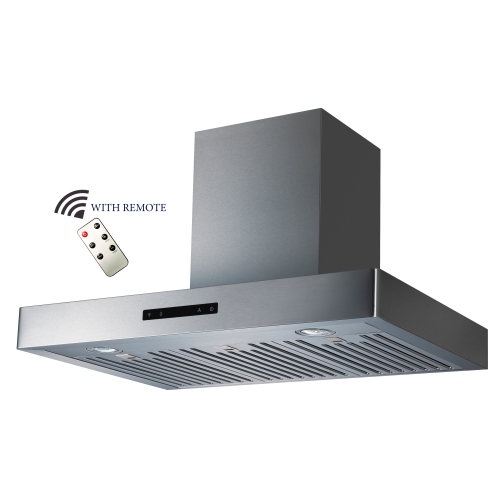
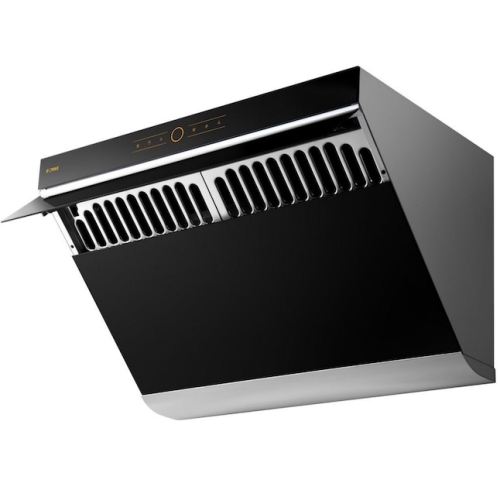
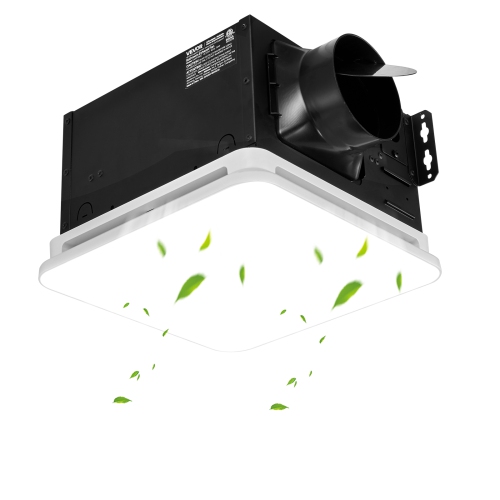
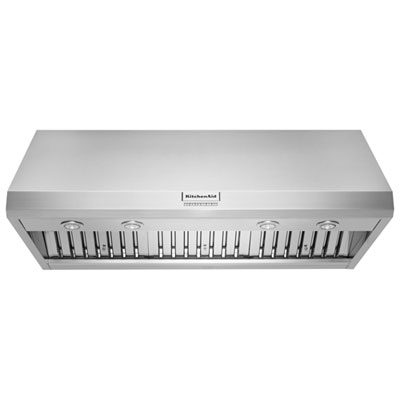
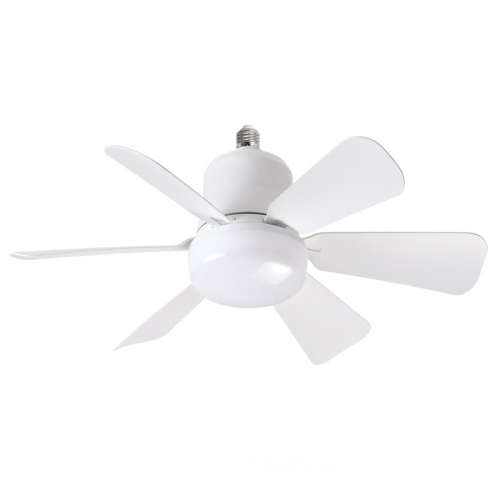
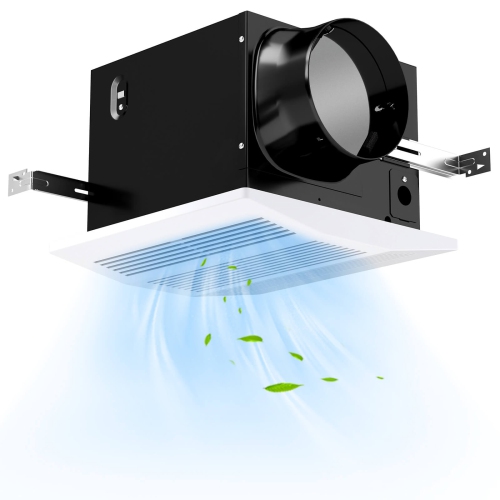
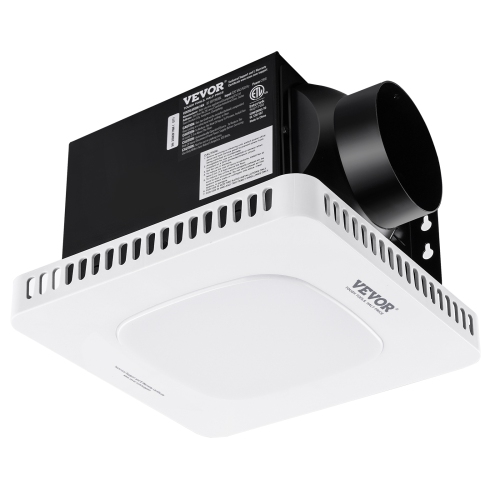
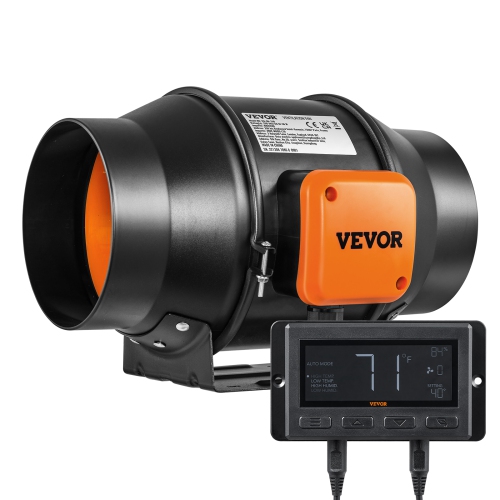
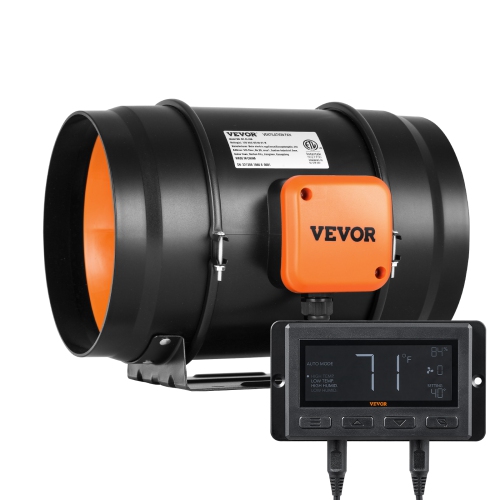

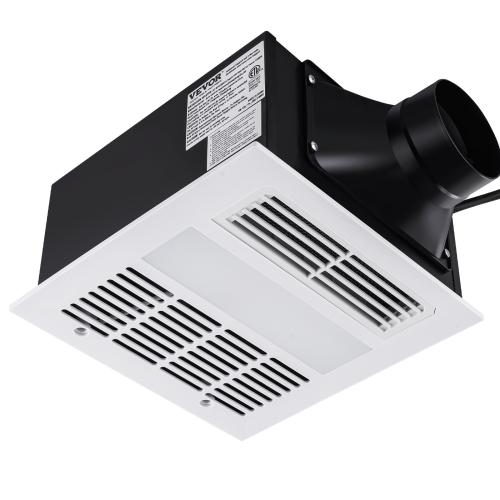

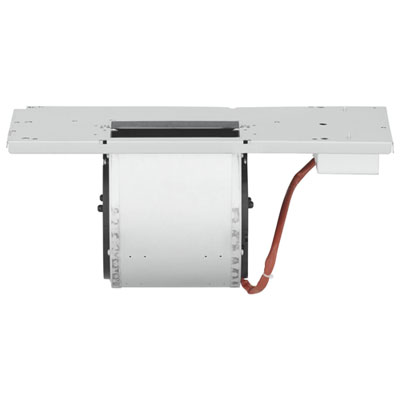
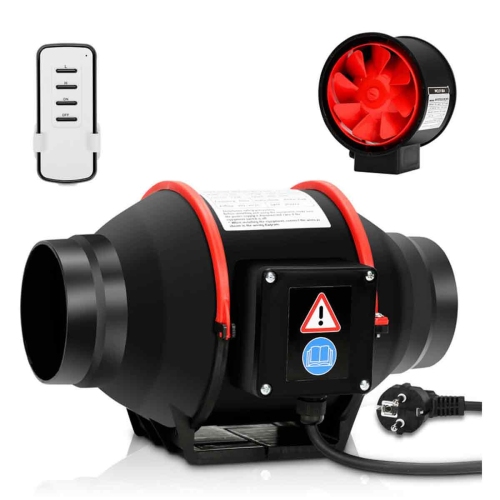
Understand how quieter ventilation supports comfortable everyday cooking
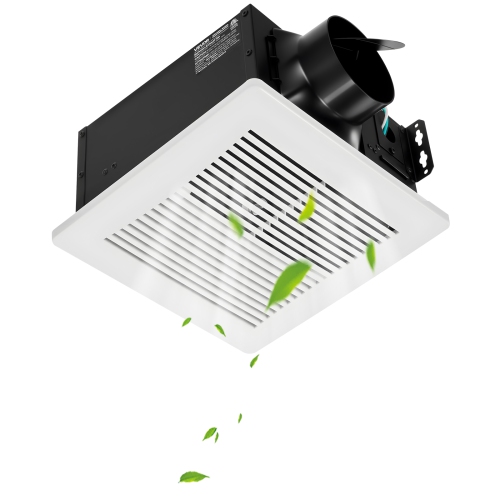
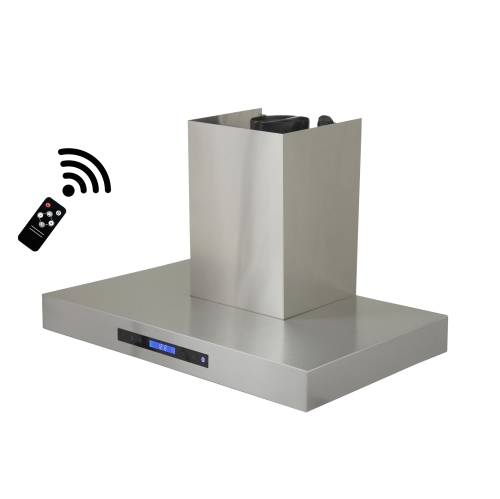
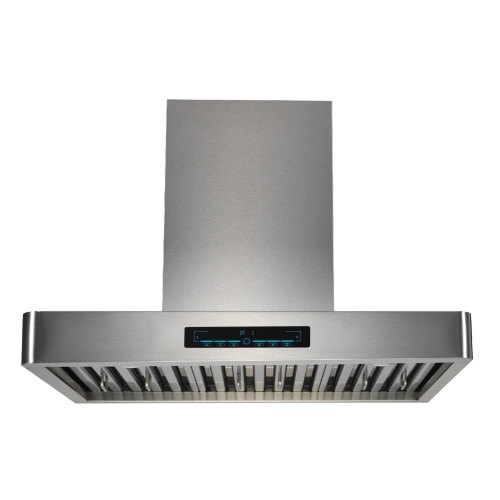
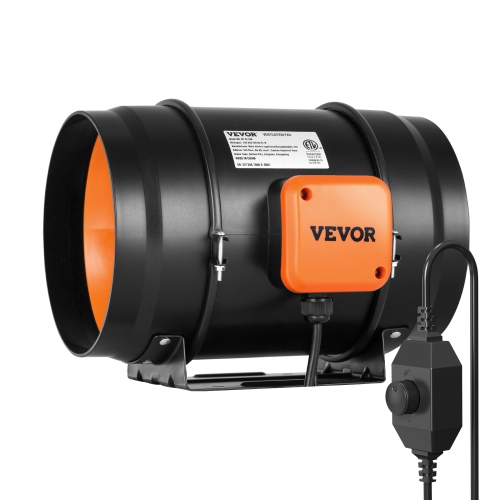
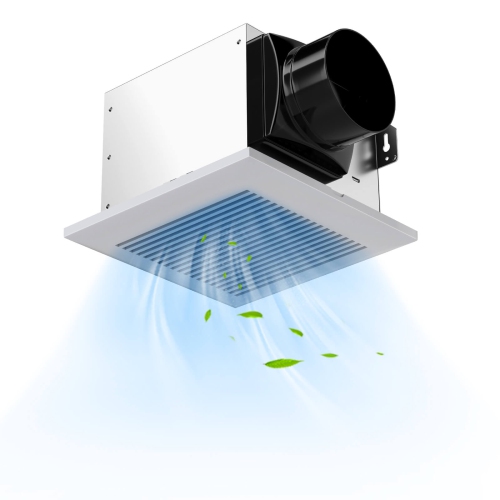
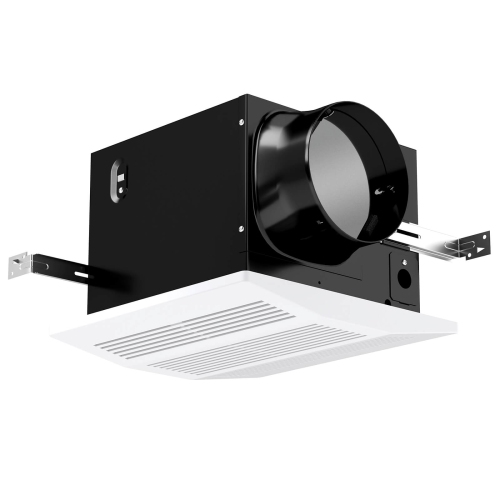
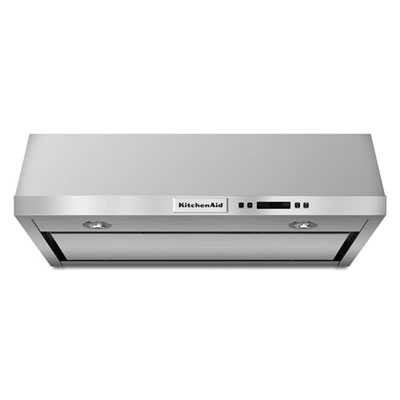
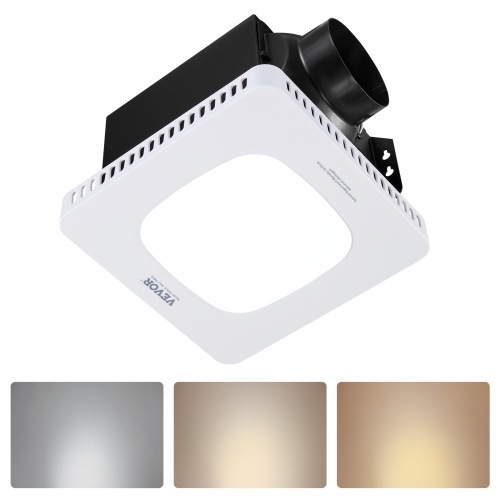
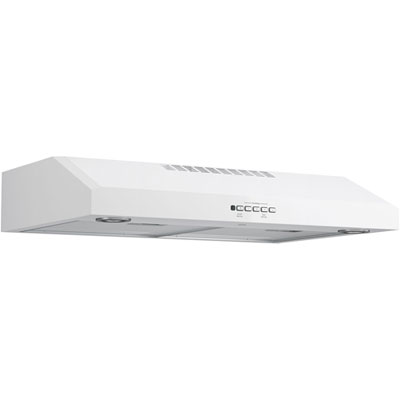
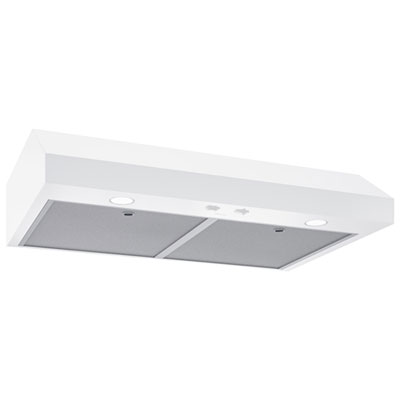
Quiet kitchen exhaust fans help keep cooking odours, steam, smoke, and airborne grease from lingering in the room without overwhelming conversations, music, or the gentle background sounds that make a kitchen feel comfortable. They can be especially useful in open-concept homes, where a loud hood may carry into the dining area or living room, and in smaller kitchens where the fan is close to the cooktop and seating. A quiet exhaust fan can also make everyday ventilation easier to use: instead of switching it off as soon as cooking is finished because of a loud motor, you may be more inclined to leave it running long enough to clear heat and odours. When comparing options, pay attention to both sones and decibels. Sones describe how loud a fan feels to the human ear, with one sone often compared with the sound of a quiet refrigerator. Models rated below 3 sones on a low setting are generally considered well suited to peaceful kitchens, while quiet operation may fall within roughly 38 to 45 dB on low, depending on the design and installation. Noise can increase at higher speeds, so look for a fan with multiple settings that lets you balance airflow and sound. A low setting may be enough for simmering soup or boiling pasta, while a higher setting can help capture smoke from searing, stir-frying, grilling, or other high-heat cooking. The right choice depends on more than the motor’s sound rating: fan placement, ductwork, mounting surface, filters, and the distance between the hood and the cooking surface all affect what you hear in the room.
Airflow is measured in CFM, or cubic feet per minute, and indicates how much air the exhaust fan can move. Many home kitchens need approximately 300 to 400 CFM for everyday ventilation, although the appropriate capacity varies with the size of the kitchen, the type of cooktop, the cooking habits in the household, and local installation requirements. Gas cooking, powerful burners, frequent frying, and high-heat searing may call for more ventilation than occasional light cooking on an electric cooktop. A higher CFM rating is not automatically better if the ductwork cannot support it, since restricted airflow can create extra turbulence, vibration, and motor noise. Check the fan’s width against the cooking surface and confirm that the installation style suits the kitchen layout. Under-cabinet models are designed to fit beneath cabinetry, while wall-mount options can make a visible feature of the ventilation area above a range. Ducted systems send air outdoors through a properly sized vent, which can provide effective removal of moisture, smoke, and cooking by-products. Ductless configurations recirculate filtered air back into the kitchen and may be practical where exterior ductwork is not available, but they require suitable filters and regular maintenance. Before choosing, measure the available space, identify whether existing ductwork is present, and check the required duct size, electrical connection, clearance, and mounting hardware. Smooth, rigid metal ducting typically creates less resistance and rattling than flexible ducting, while an appropriately sized exterior vent cap helps air leave the home without creating unnecessary pressure. A qualified installer can confirm that the setup meets applicable building and electrical requirements, particularly when replacing an older hood or installing ventilation near a gas appliance.
Maintenance has a direct effect on both performance and sound. Grease filters should be cleaned according to the manufacturer’s instructions so residue does not restrict airflow or make the motor work harder. Dishwasher-safe filters can make this routine easier, while replaceable charcoal filters are commonly used in ductless setups and need to be changed at suitable intervals. Wipe the hood’s exterior and controls with products recommended for the finish, and listen for new rattling, buzzing, or vibration that could indicate a loose filter, fastener, damper, or duct connection. A fan that is quiet on paper may sound much louder if it is mounted against a resonant cabinet, connected to undersized ducting, or affected by a loose backdraft damper. Look for features that support comfortable daily use, such as bright task lighting, simple controls, delay shut-off, adjustable speeds, and filters that are easy to remove. Quiet kitchen exhaust fans can be a thoughtful housewarming gift for someone moving into a new home, renovating a kitchen, or replacing a noisy older hood, although the recipient will need to confirm measurements and installation requirements before choosing. They can also suit households with young children, home workers, frequent entertainers, or anyone who enjoys cooking while keeping the surrounding space calm. For broader ventilation projects, explore Quiet Roof Exhaust Fans. Whether the goal is to clear steam during cooler months, reduce lingering odours after a family meal, or make a compact kitchen more pleasant for everyday cooking, selecting the right combination of airflow, sound control, fit, and maintenance can make ventilation feel like a seamless part of the room.
Airflow is measured in CFM, or cubic feet per minute, and indicates how much air the exhaust fan can move. Many home kitchens need approximately 300 to 400 CFM for everyday ventilation, although the appropriate capacity varies with the size of the kitchen, the type of cooktop, the cooking habits in the household, and local installation requirements. Gas cooking, powerful burners, frequent frying, and high-heat searing may call for more ventilation than occasional light cooking on an electric cooktop. A higher CFM rating is not automatically better if the ductwork cannot support it, since restricted airflow can create extra turbulence, vibration, and motor noise. Check the fan’s width against the cooking surface and confirm that the installation style suits the kitchen layout. Under-cabinet models are designed to fit beneath cabinetry, while wall-mount options can make a visible feature of the ventilation area above a range. Ducted systems send air outdoors through a properly sized vent, which can provide effective removal of moisture, smoke, and cooking by-products. Ductless configurations recirculate filtered air back into the kitchen and may be practical where exterior ductwork is not available, but they require suitable filters and regular maintenance. Before choosing, measure the available space, identify whether existing ductwork is present, and check the required duct size, electrical connection, clearance, and mounting hardware. Smooth, rigid metal ducting typically creates less resistance and rattling than flexible ducting, while an appropriately sized exterior vent cap helps air leave the home without creating unnecessary pressure. A qualified installer can confirm that the setup meets applicable building and electrical requirements, particularly when replacing an older hood or installing ventilation near a gas appliance.
Maintenance has a direct effect on both performance and sound. Grease filters should be cleaned according to the manufacturer’s instructions so residue does not restrict airflow or make the motor work harder. Dishwasher-safe filters can make this routine easier, while replaceable charcoal filters are commonly used in ductless setups and need to be changed at suitable intervals. Wipe the hood’s exterior and controls with products recommended for the finish, and listen for new rattling, buzzing, or vibration that could indicate a loose filter, fastener, damper, or duct connection. A fan that is quiet on paper may sound much louder if it is mounted against a resonant cabinet, connected to undersized ducting, or affected by a loose backdraft damper. Look for features that support comfortable daily use, such as bright task lighting, simple controls, delay shut-off, adjustable speeds, and filters that are easy to remove. Quiet kitchen exhaust fans can be a thoughtful housewarming gift for someone moving into a new home, renovating a kitchen, or replacing a noisy older hood, although the recipient will need to confirm measurements and installation requirements before choosing. They can also suit households with young children, home workers, frequent entertainers, or anyone who enjoys cooking while keeping the surrounding space calm. For broader ventilation projects, explore Quiet Roof Exhaust Fans. Whether the goal is to clear steam during cooler months, reduce lingering odours after a family meal, or make a compact kitchen more pleasant for everyday cooking, selecting the right combination of airflow, sound control, fit, and maintenance can make ventilation feel like a seamless part of the room.
Top selling and popular products
-
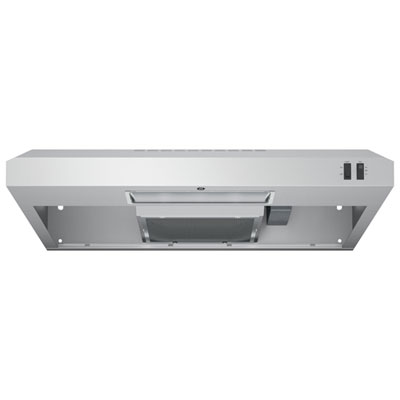 Your price for this item is $249.99
 -
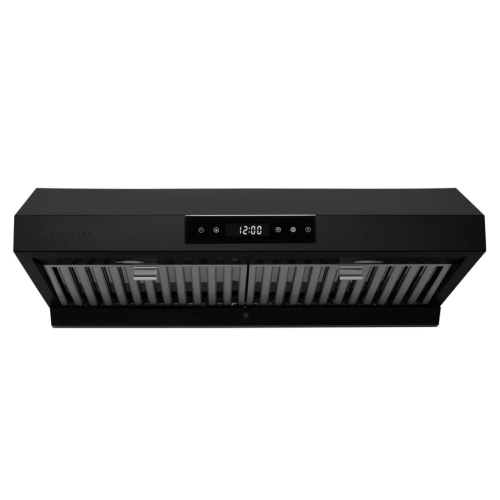 Your price for this item is $598.49
 -
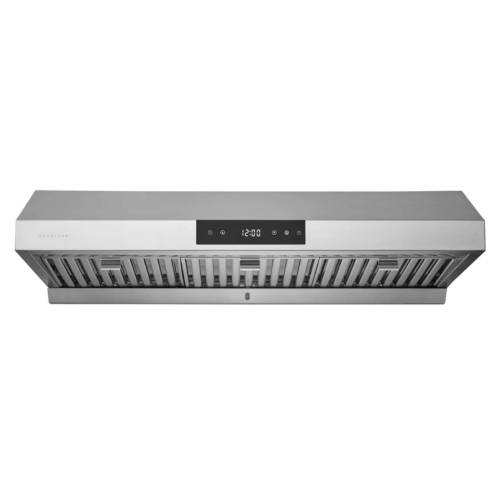 Your price for this item is $645.99
 -
 Your price for this item is $645.99
 -
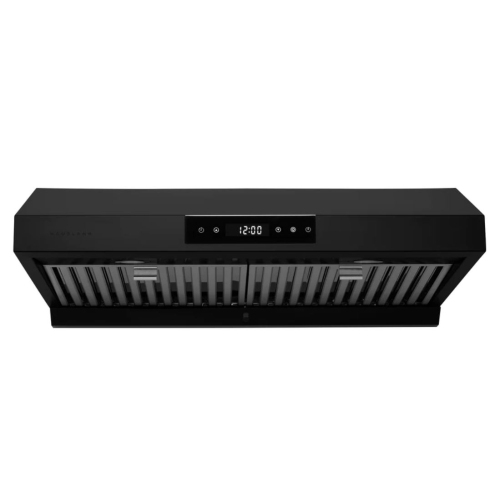 Your price for this item is $645.99
 -
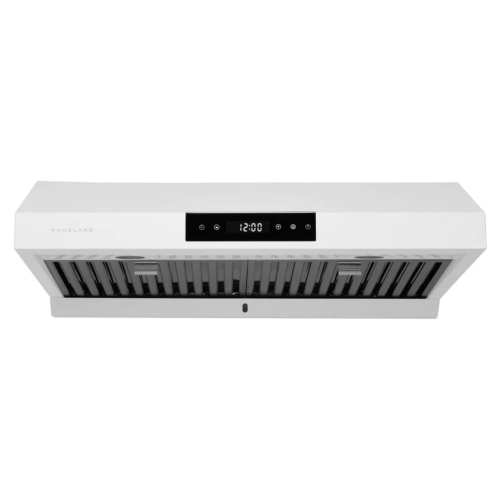 Your price for this item is $598.49
 -
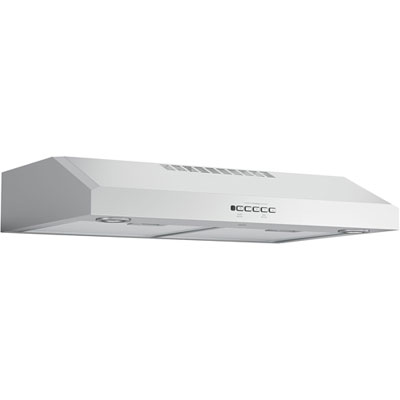 Your price for this item is $449.99
 -
 Your price for this item is $399.99
Discover more categories related to Quiet Kitchen Exhaust Fans
Top Collections:
Pokemon Centers, Kindle Devices, Best Budget Office Chairs, Apple iPhones 16, Best Laptops for Writers, iPhone 15 Apple, Canon G7X Cameras, Refurbished Apple Laptops, Alarm Clock, Motorola Razr Phones
Some products may be subject to Environmental Handling Fees
(EHF) depending on your province.
Learn more about EHFs.