Recirculating Range Hoods
A range hood is a must-have for almost any kitchen. A recirculating range hood is a type of ventilation system for cooking that pulls smoke, steam, and odors from the cooking area and exhausts them outside. They are typically found in restaurants and commercial kitchens, but they are also used in homes. Here are some great options for recirculating range hoods available today.
Sort

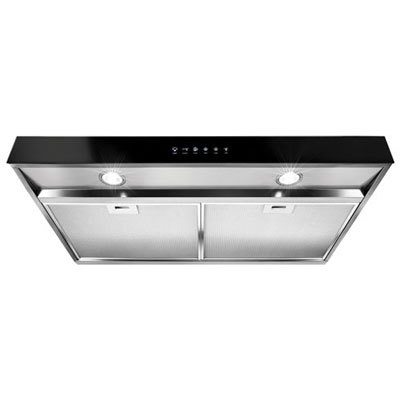
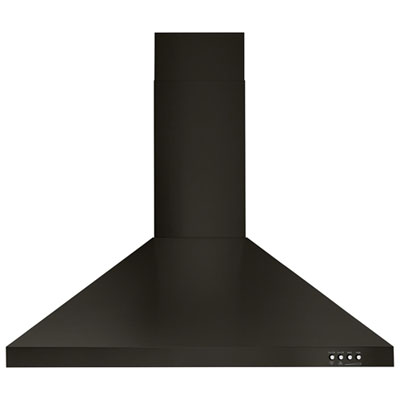
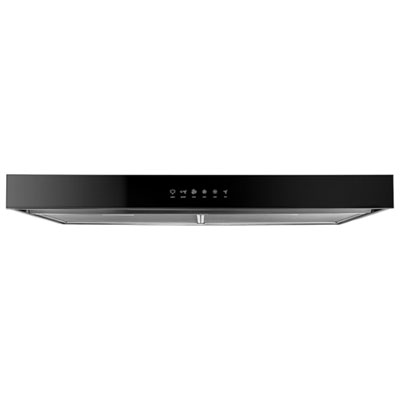

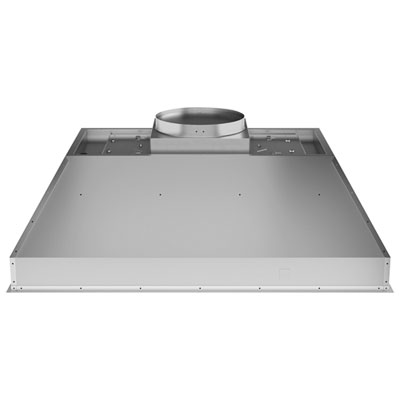

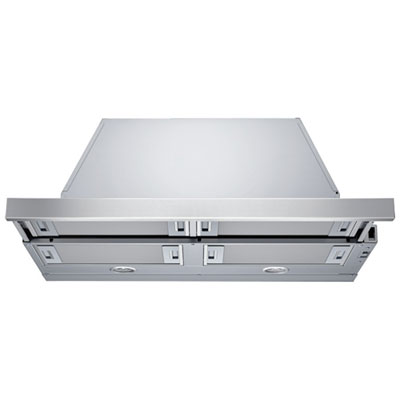
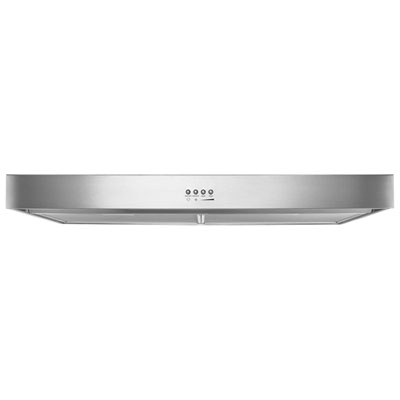
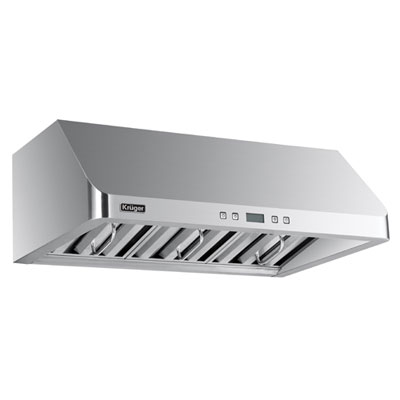
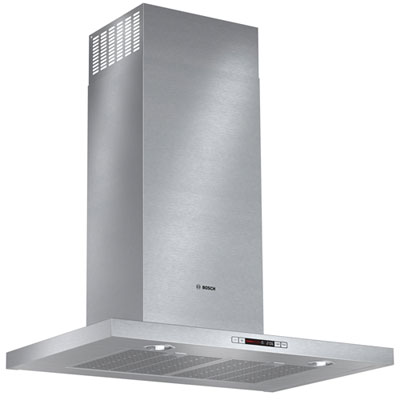
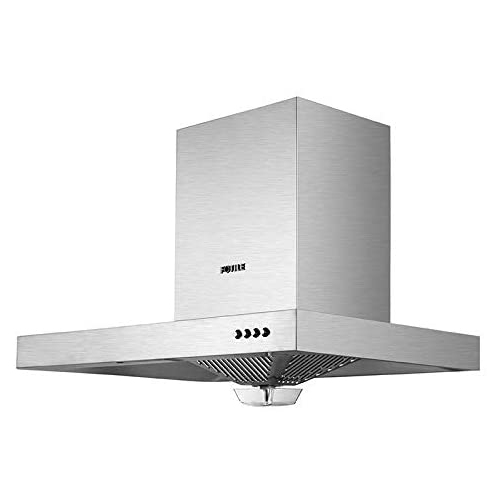

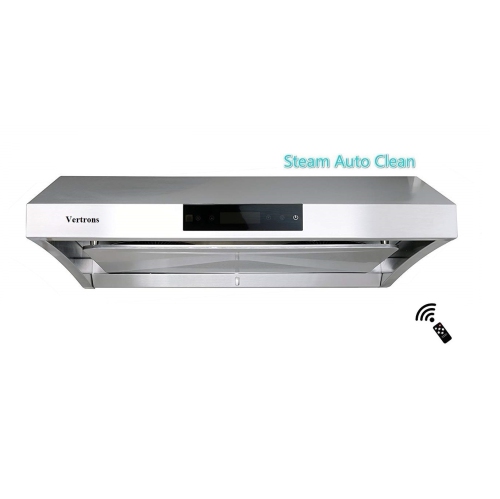

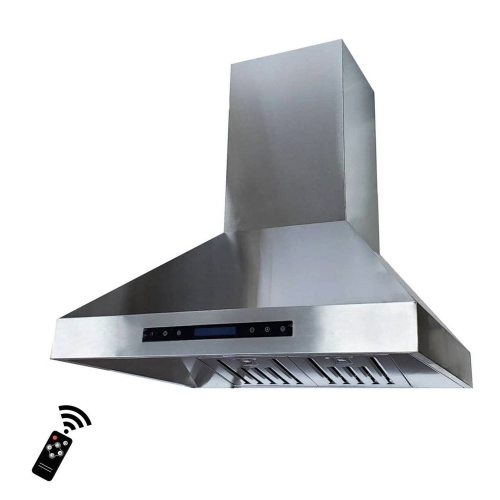
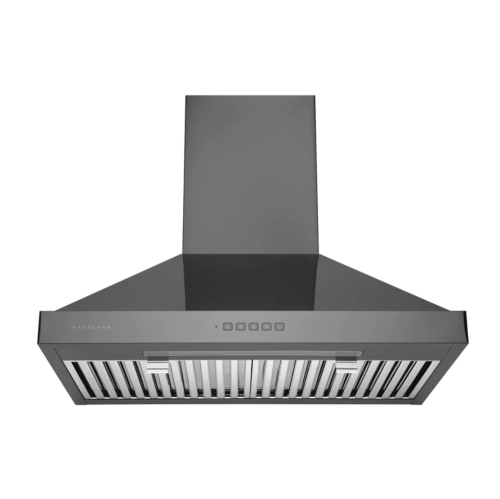
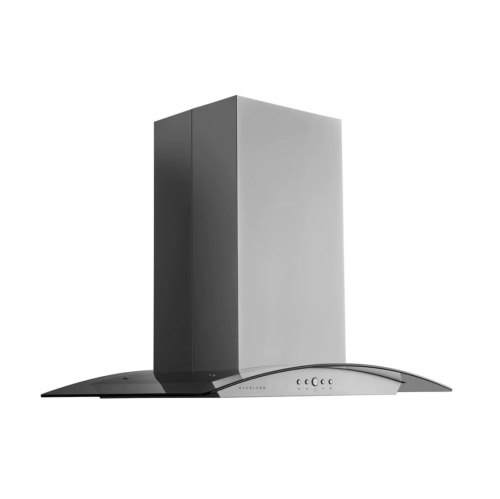
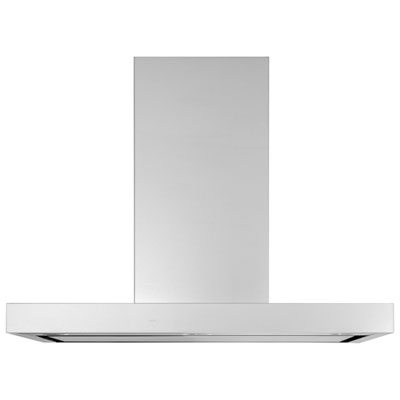
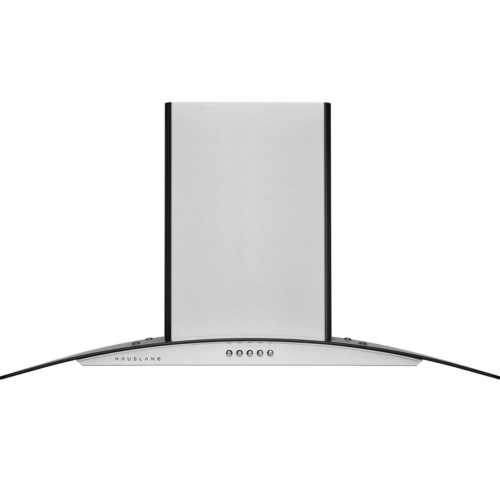
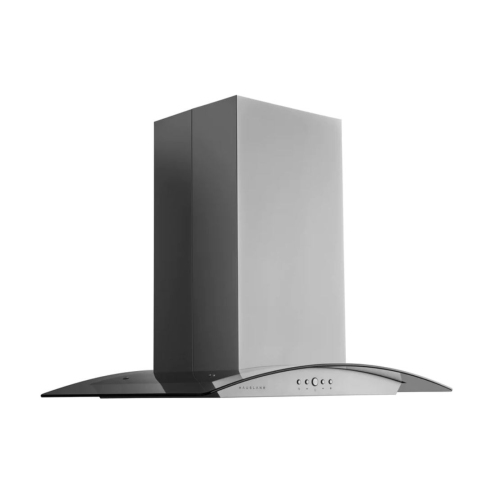

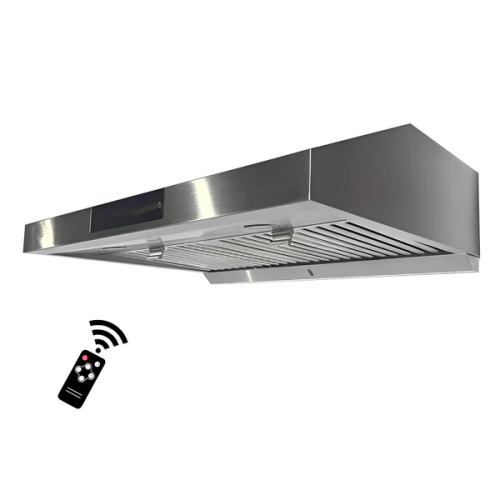

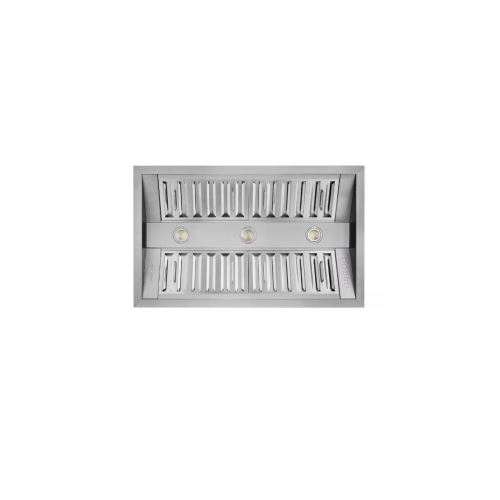
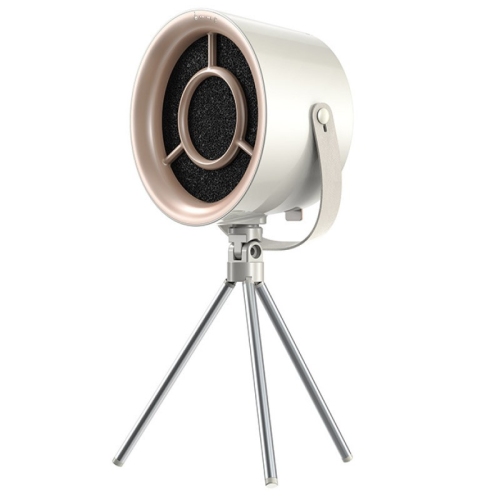
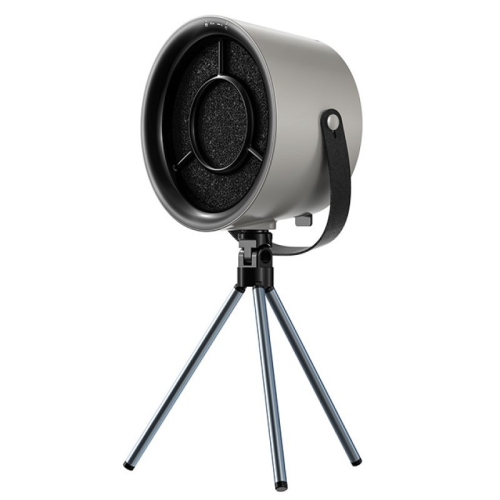
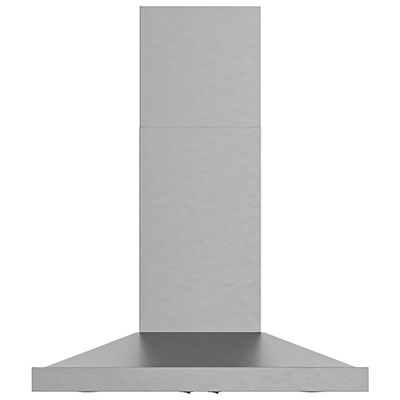
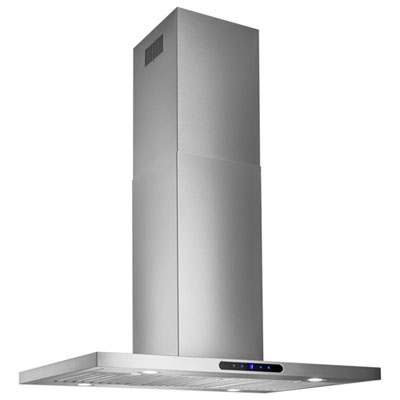
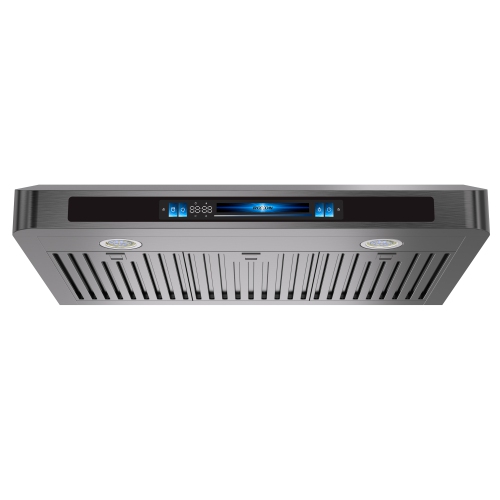

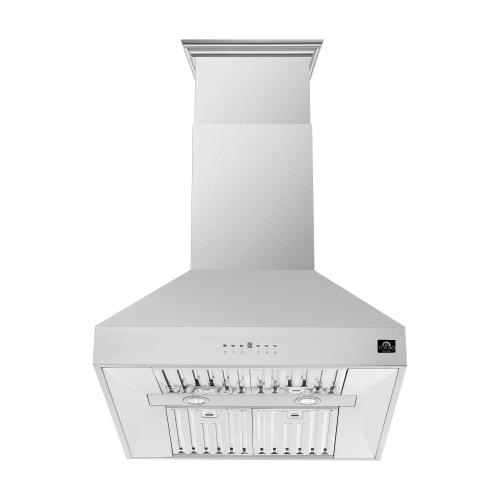
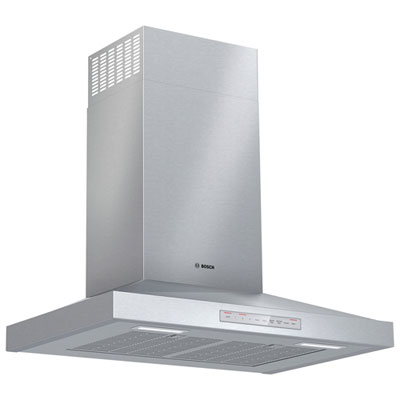
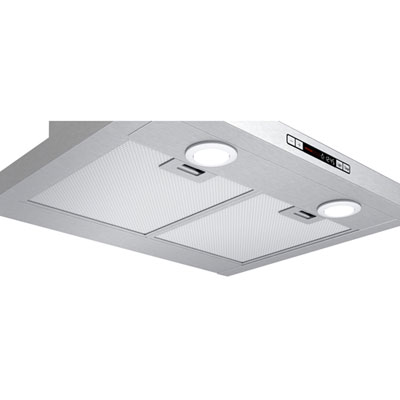
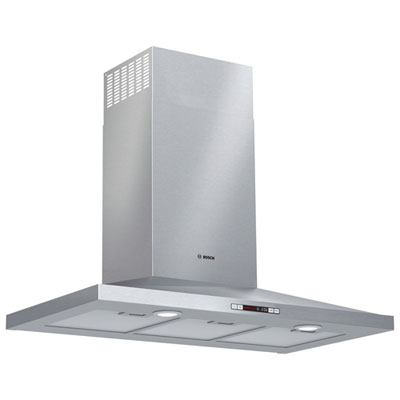
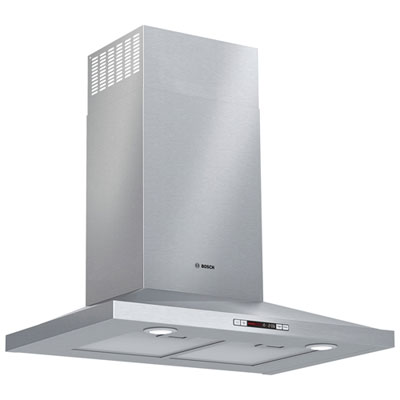
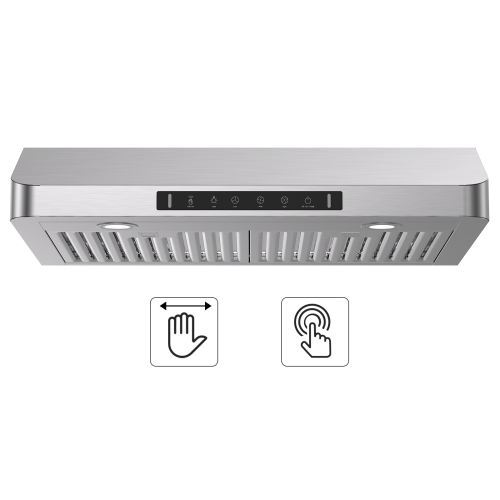
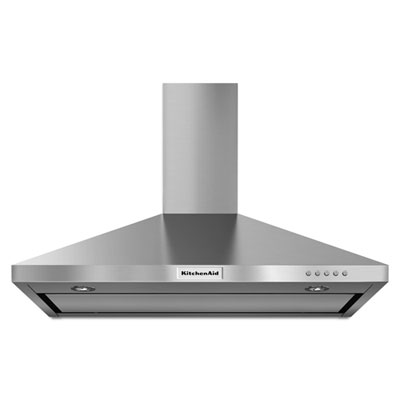
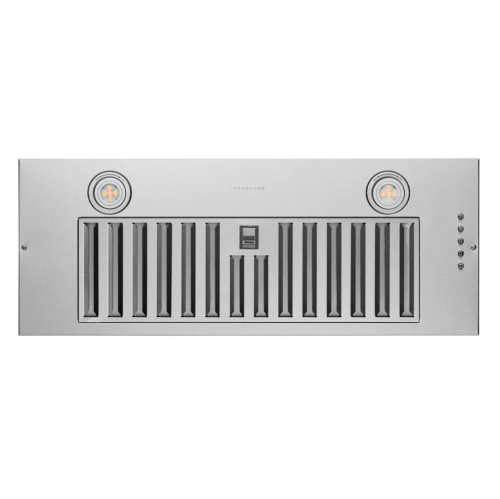
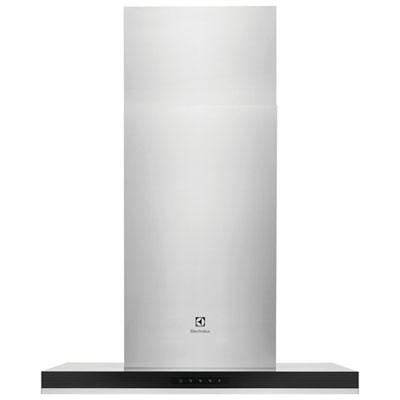
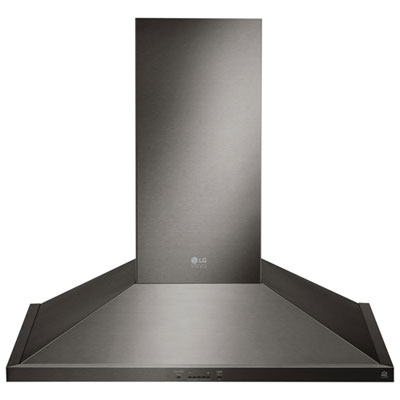
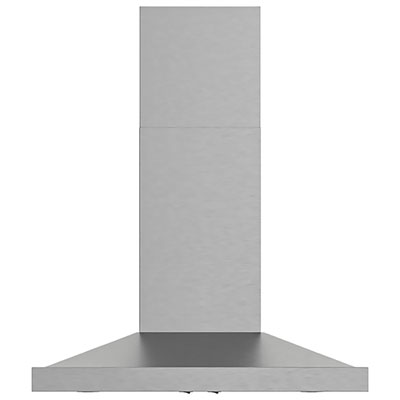
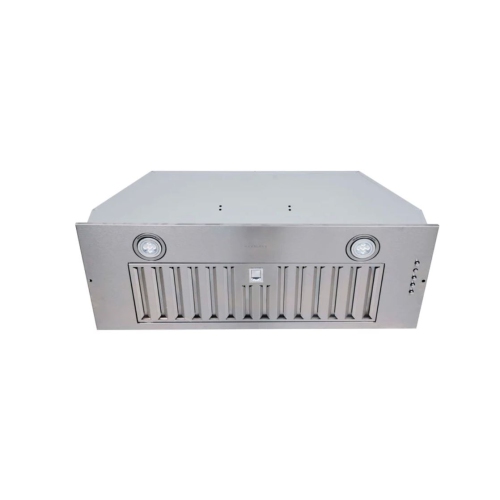
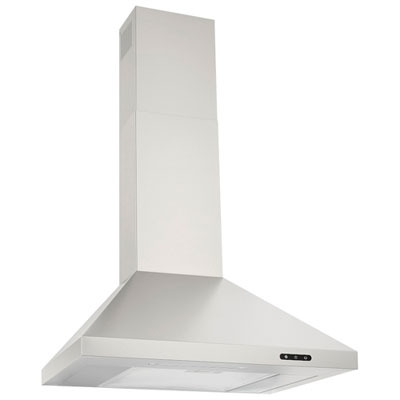


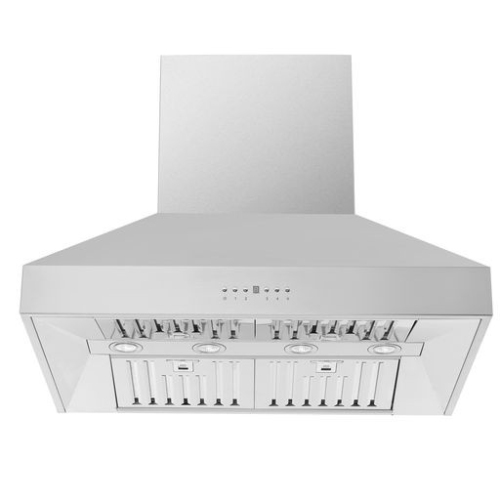
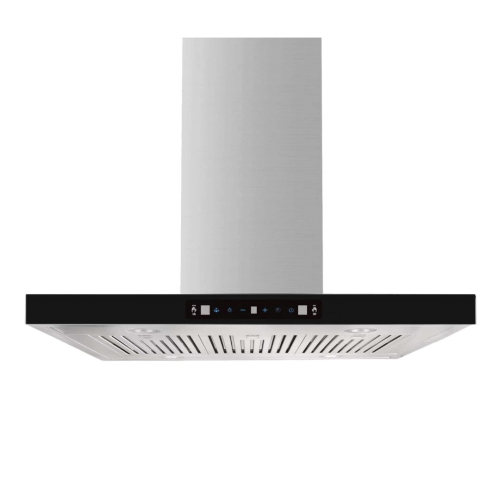
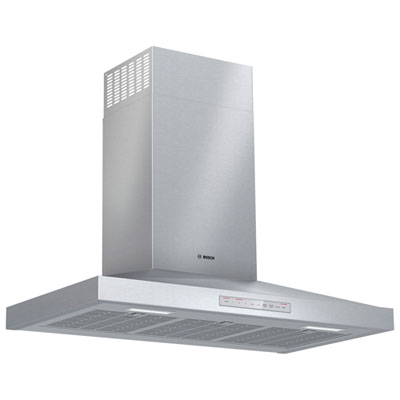
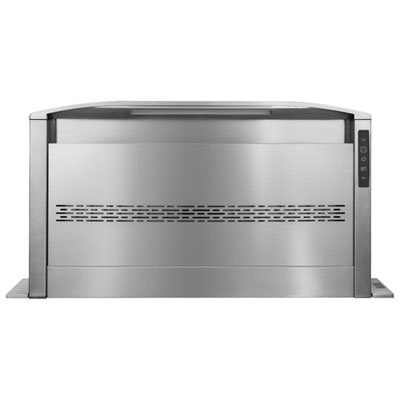


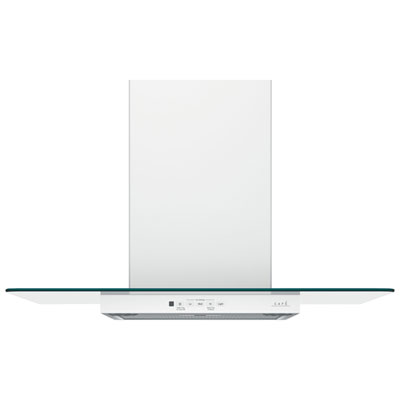
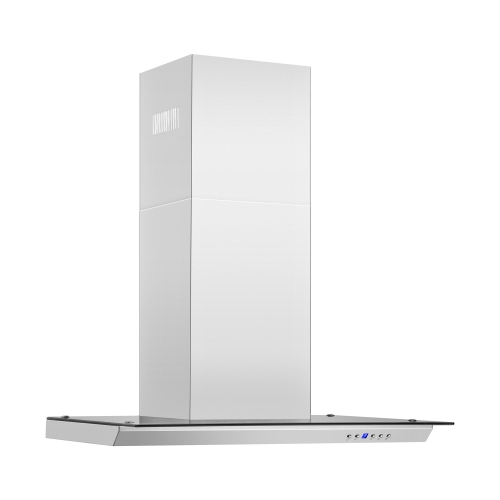
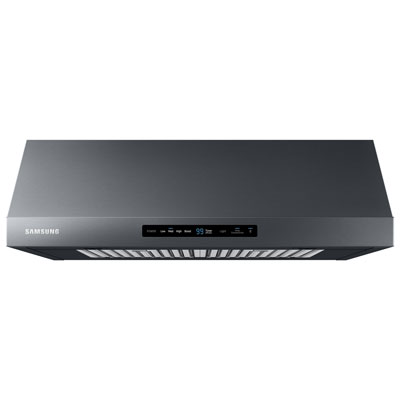
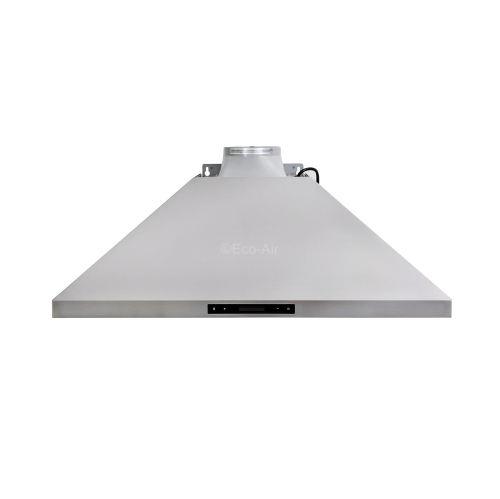
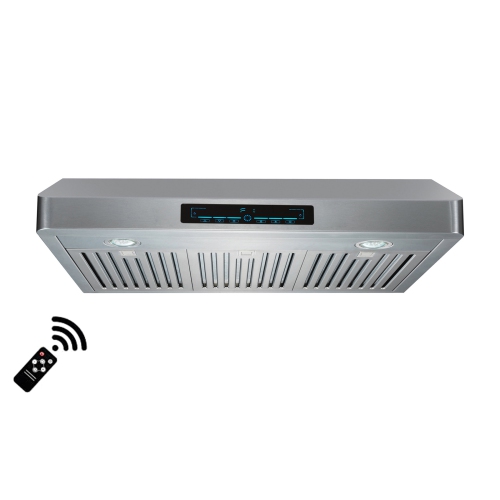
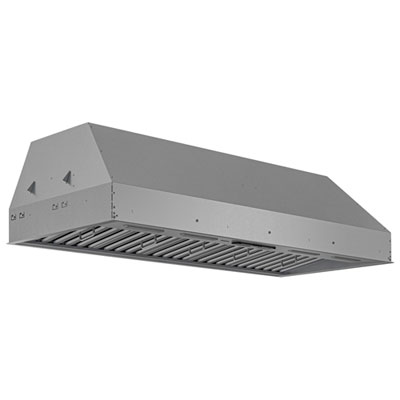
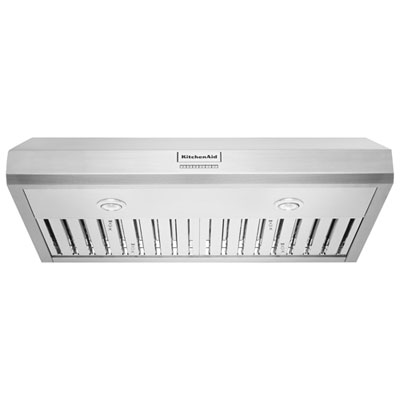
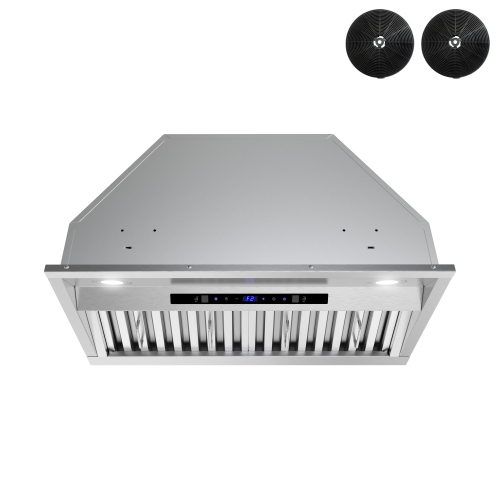
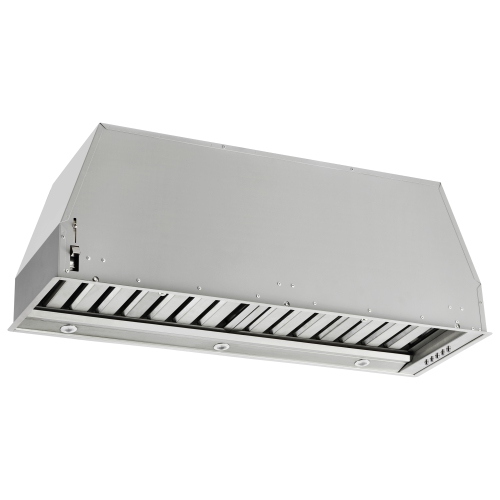

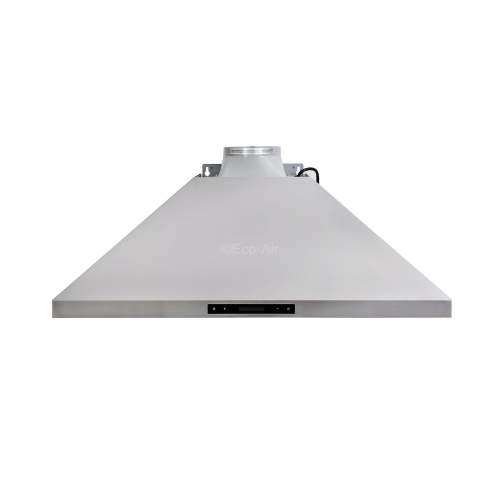
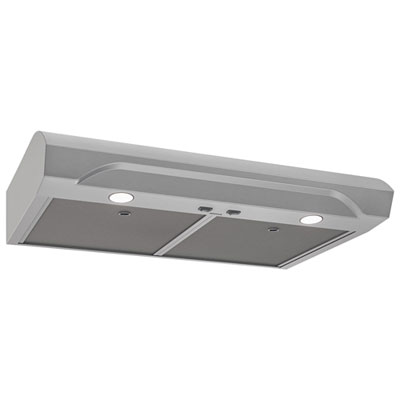

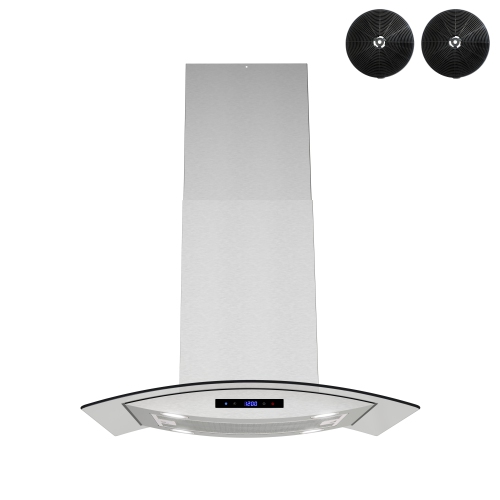
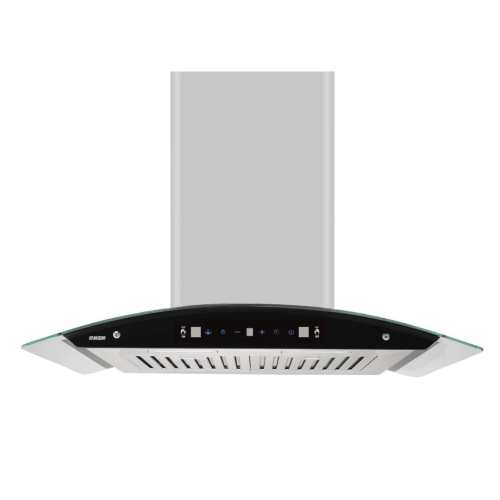
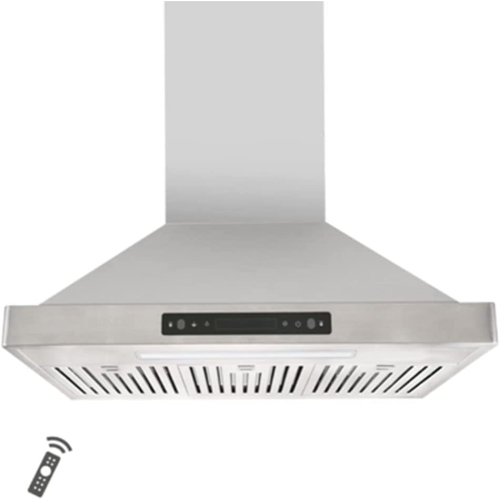
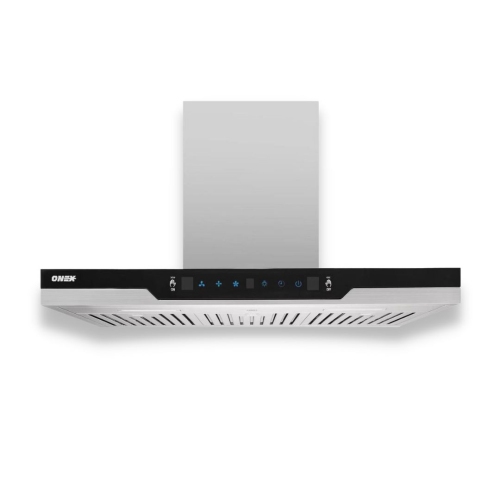


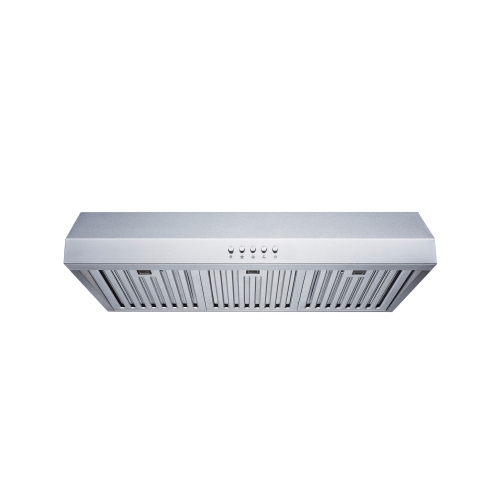

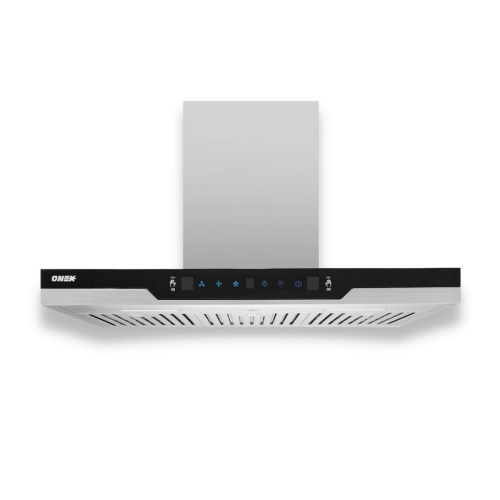

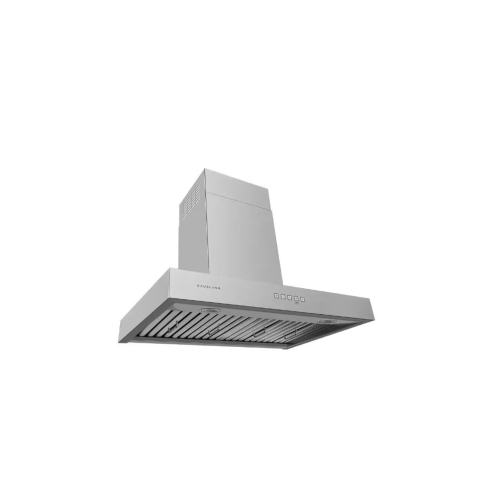
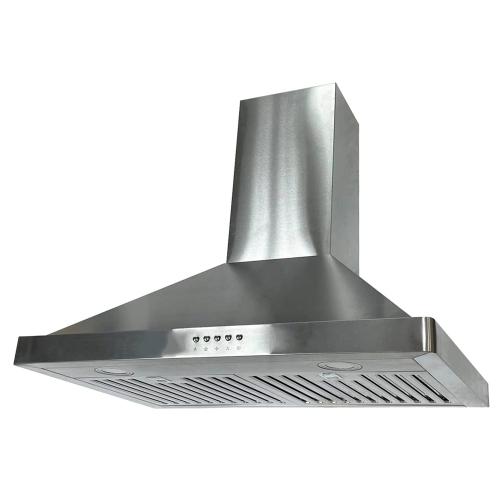
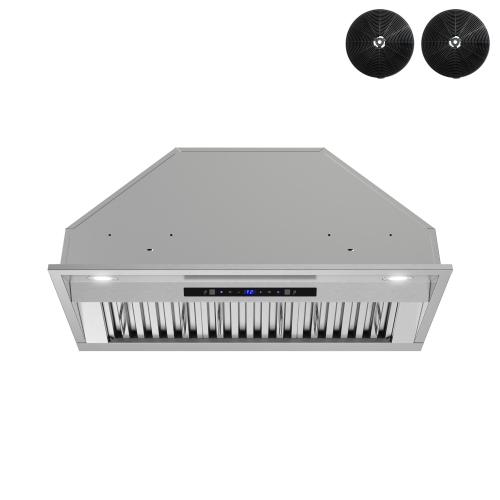
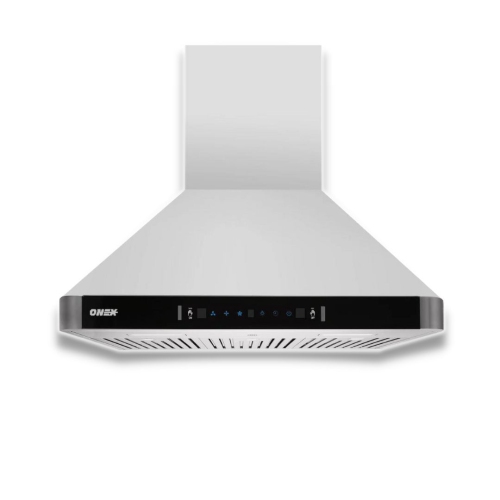
Why ductless hoods suit kitchens without exterior ductwork
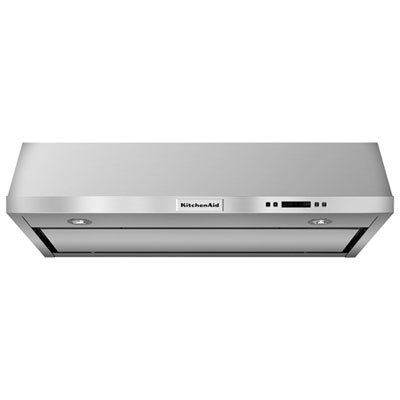
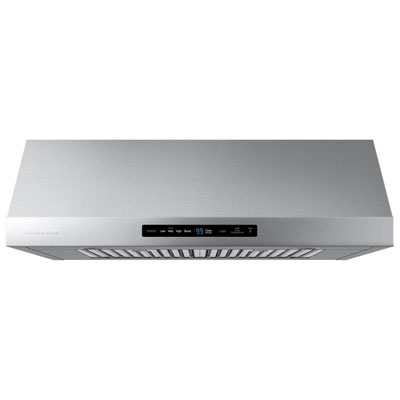
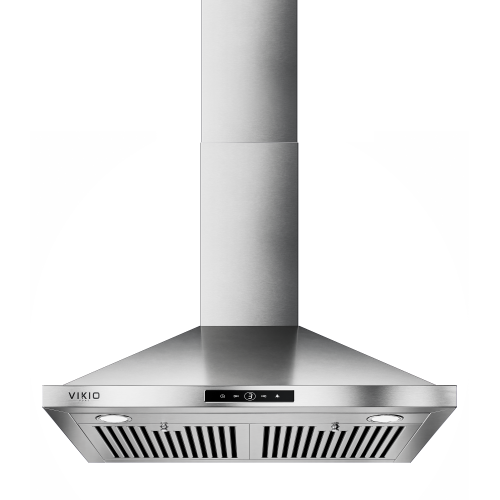
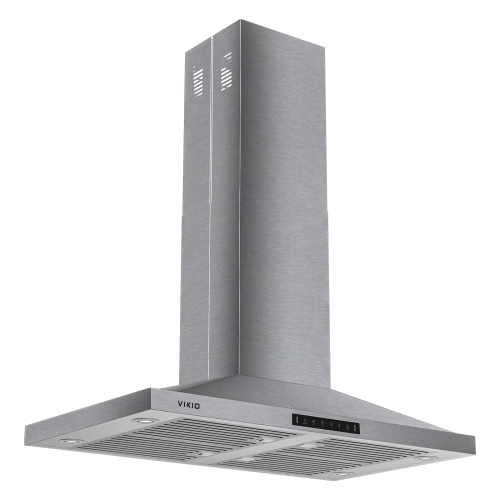
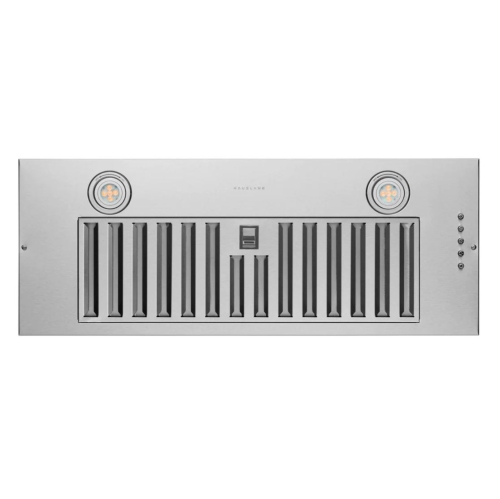
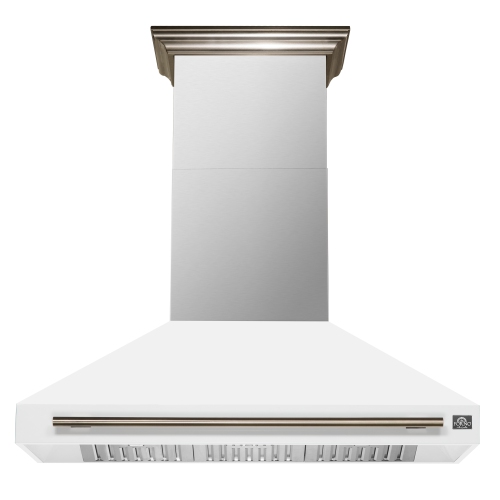
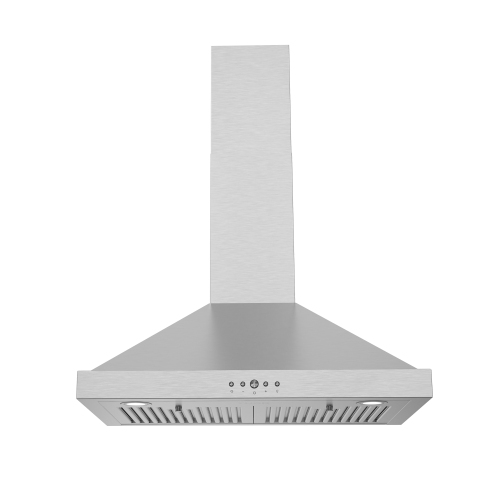
Recirculating range hoods, also called ductless range hoods, are designed for kitchens where exhausting air through an exterior wall or ceiling is not practical. Instead of sending cooking air outdoors, the hood draws steam, smoke, grease and odours upward through a series of filters before returning the filtered air to the room. A fan pulls exhaust from the cooking surface into the hood, where a grease filter catches airborne oil and larger particles. Many models also use an activated charcoal filter to help reduce food odours and smoke before the air is released back into the kitchen. This makes a recirculating range hood a useful option for condominiums, apartments, rental homes, basement suites and kitchens without existing ductwork. It can also be a convenient choice during a renovation when opening walls or installing new exterior ducting would add considerable time and cost. Although a ductless hood does not remove heat or moisture from the room in the same way as a vented hood, it can still improve the cooking environment by capturing much of the airborne residue created when sautéing, frying, simmering or searing. During the cooler months, when windows may stay closed and kitchen doors are often kept shut, a range hood can help keep lingering aromas from travelling through the home. The right hood can also add a finished look above a cooktop or range, with styles available for different layouts, cabinet arrangements and kitchen designs. Those comparing options may also want to browse Modern Range Hoods to see how contemporary shapes, finishes and control layouts can complement the rest of the kitchen.
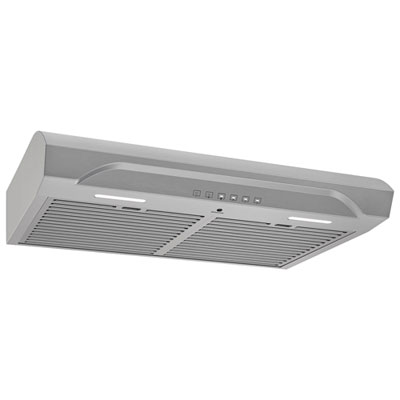
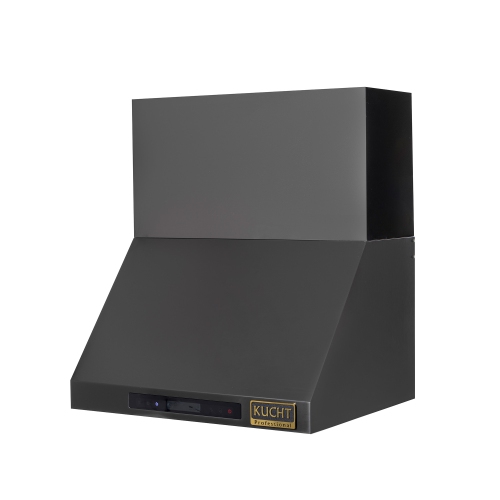
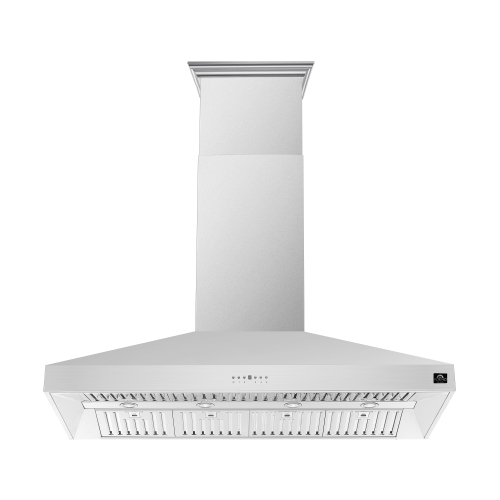
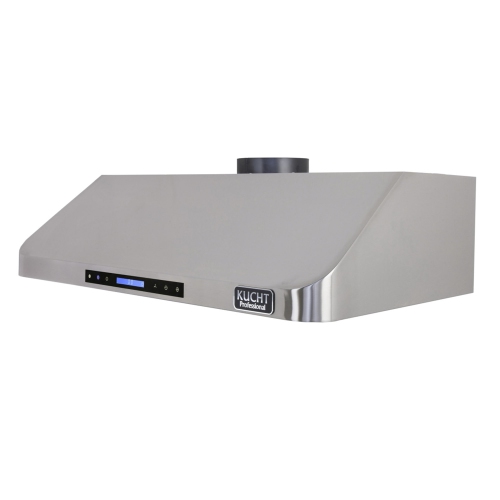
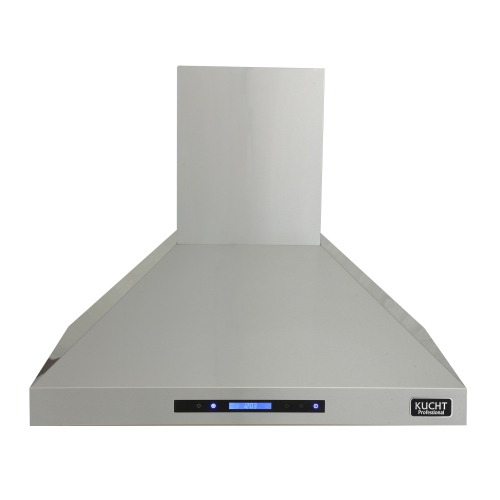
Start by matching the hood to the space above the cooking surface. Under-cabinet models are made to fit beneath existing cabinetry and are often well suited to compact kitchens or straightforward replacements. Wall-mount models can create a more prominent focal point above a range, while other configurations may be appropriate for kitchens with limited upper cabinetry or a particular island layout. Measure the available width, height and depth before shopping, and check the manufacturer’s installation requirements for clearance above gas, electric or induction cooking surfaces. A hood should generally be at least as wide as the range or cooktop beneath it so that rising exhaust is captured more effectively, though the kitchen layout and manufacturer instructions should guide the final choice. Fan performance is another important consideration. Airflow is commonly listed in cubic feet per minute, or CFM, and a higher rating may be helpful for frequent frying, wok cooking or other high-heat techniques. More airflow can also mean more operating noise, so look for sound ratings or multiple fan speeds if the hood will be used while people are talking, watching television or enjoying a meal nearby. A lower setting may be suitable for simmering soup or warming food, while a higher setting can provide stronger capture during frying or grilling. Controls should be easy to reach and understand, whether they use push buttons, a slider or touch-sensitive settings. Lighting is also worth considering: bright, well-positioned lights can make it easier to see browning onions, bubbling sauces or the surface of a pan, particularly when the hood is installed beneath deep cabinetry. Stainless steel and other smooth finishes can provide a clean, coordinated appearance, while removable filters make routine care less cumbersome. When comparing models, consider how the hood will look with nearby appliances, how much headroom remains above the cooking surface and whether the installation will require an electrician or other qualified professional.
Filter care is central to the performance of a recirculating range hood. Metal grease filters should be removed and cleaned regularly because a coating of oil and food residue can restrict airflow and reduce the hood’s ability to capture cooking exhaust. Depending on the design, these filters may be washable by hand or suitable for cleaning in a dishwasher; always follow the care instructions for the specific model. Charcoal filters cannot usually be washed back to their original effectiveness and need to be replaced at the recommended interval. The replacement schedule varies with cooking habits, household size and the amount of frying or high-heat cooking, so a kitchen that sees daily meals may need more frequent filter changes than one used mainly for light preparation. Keeping spare charcoal filters on hand can make maintenance easier and help prevent a familiar cooking smell from lingering in curtains, upholstery and adjacent rooms. Wiping the hood’s exterior and underside with an appropriate cleaner also helps prevent grease buildup, especially around the controls and lighting. A recirculating hood is a practical fit for cooks who want added odour and grease control without exterior ductwork, renters looking for an installation that suits their kitchen, and homeowners planning a simpler appliance update. It can be especially helpful in open-concept homes where aromas travel quickly from the kitchen into dining and living areas. For a household moving into a new apartment, setting up a first kitchen or refreshing a well-used cooking space, a properly sized hood offers everyday convenience rather than a once-in-a-while accessory. Choose a model that suits the cooking surface, fits the available installation area, provides comfortable noise and lighting levels, and has filters that are easy to access and maintain.
Top selling and popular products
-
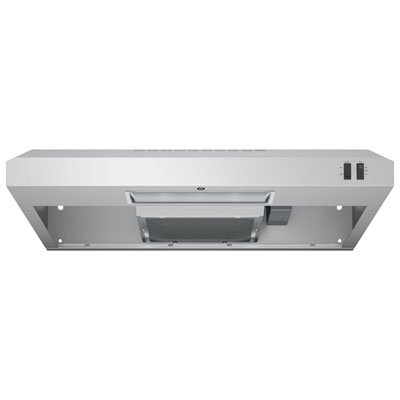 Your price for this item is $199.99
-
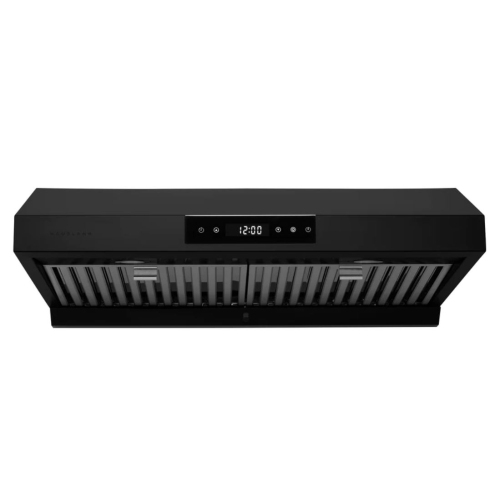 Your price for this item is $598.49
-
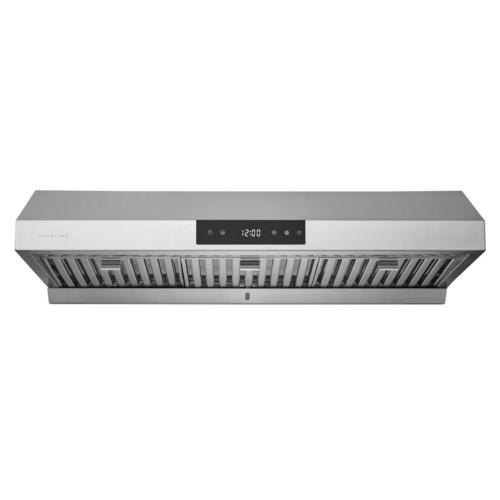 Your price for this item is $645.99
-
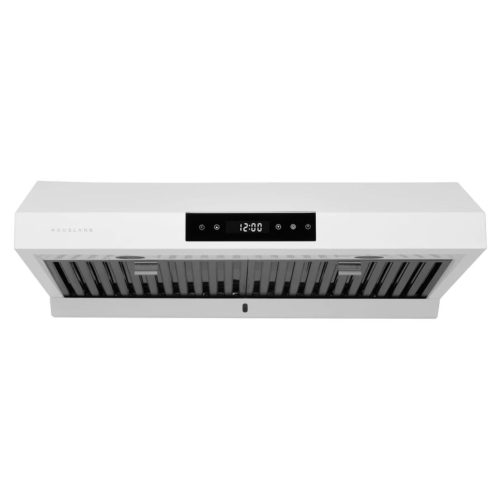 Your price for this item is $598.49
-
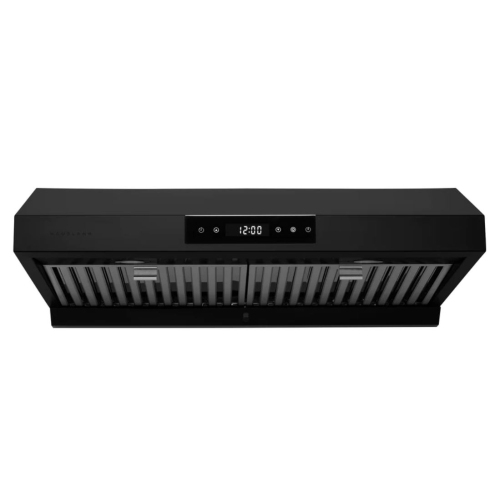 Your price for this item is $645.99
-
 Your price for this item is $645.99
-
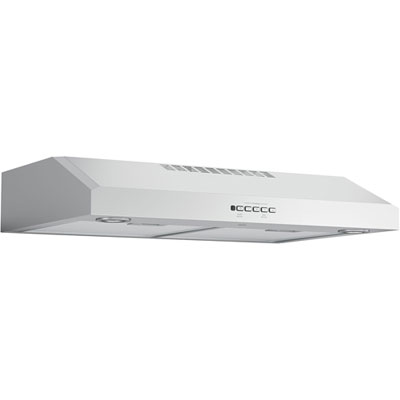 Your price for this item is $249.99
-
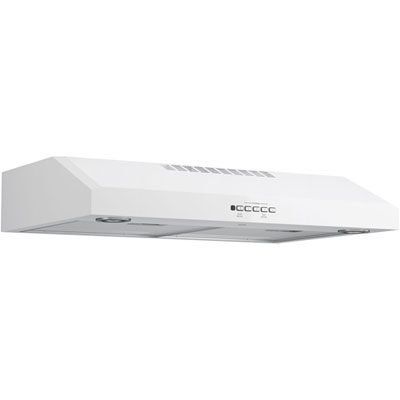 Your price for this item is $259.99
Discover more categories related to Recirculating Range Hoods
Top Collections:
Pokemon Centers, Kindle Devices, Best Budget Office Chairs, Canon G7X Cameras, Apple iPhones 16, Samsung Galaxy Phones, Refurbished Apple Laptops, Laptops for Students, iPhone 15 Apple, Budget Smartphones
Some products may be subject to Environmental Handling Fees
(EHF) depending on your province.
Learn more about EHFs.