Red Refrigerators
Add a bold pop of color to your kitchen with a Red Refrigerator, designed to combine style and functionality in any space. Perfect for those looking to make a statement, these eye-catching appliances create a vibrant focal point while offering reliable performance for everyday needs. Whether updating your home or outfitting a new space, explore a variety of Red Refrigerator options to find the ideal fit for your lifestyle and décor preferences.
Sort
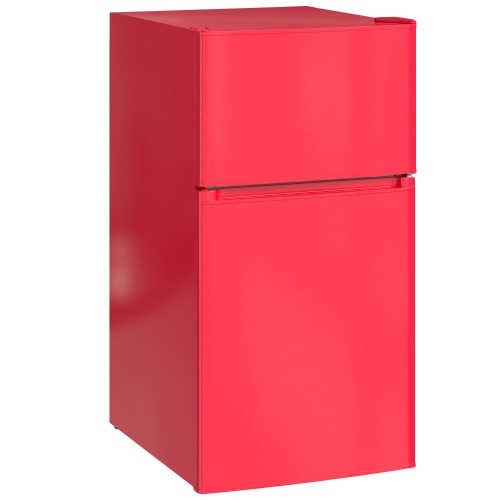
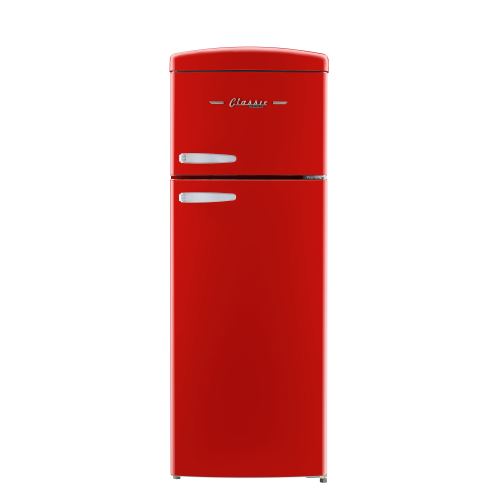
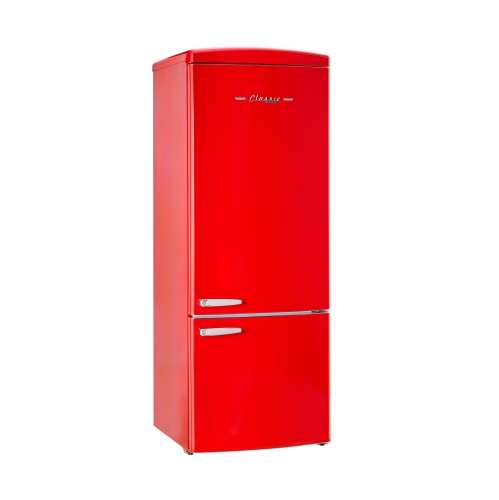
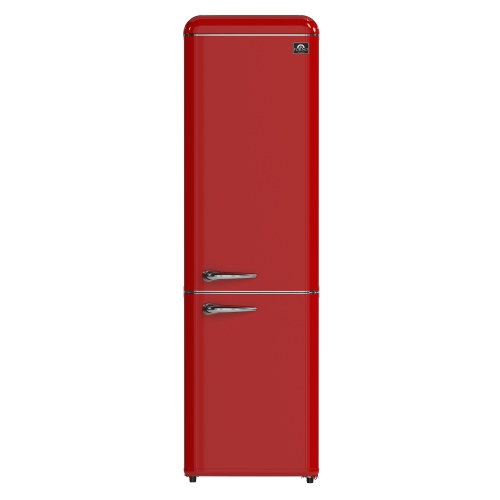
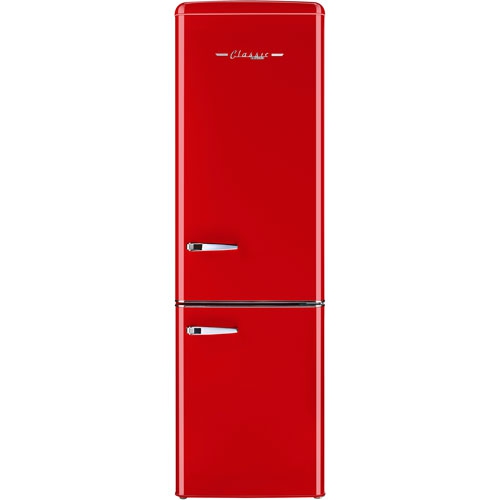
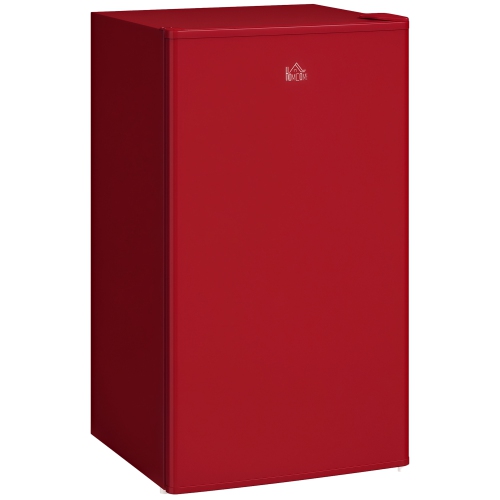
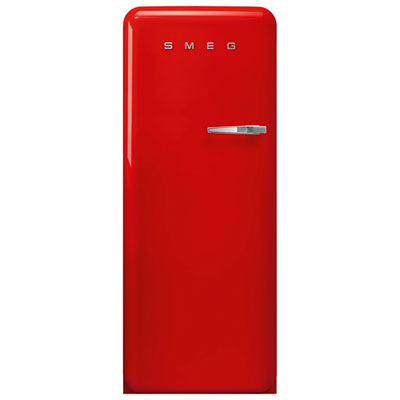
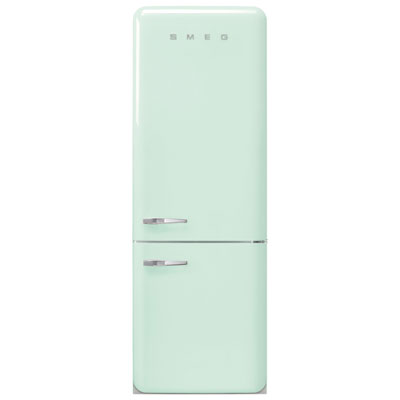
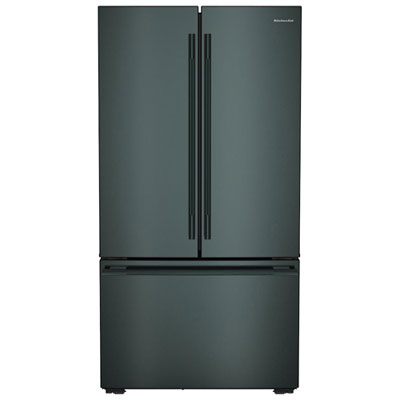
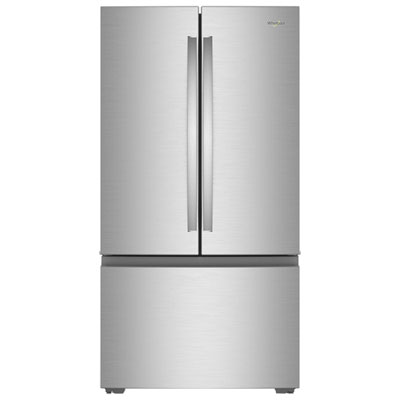
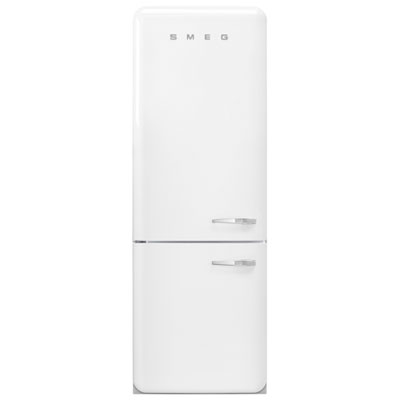
Standout colour with storage that suits your space
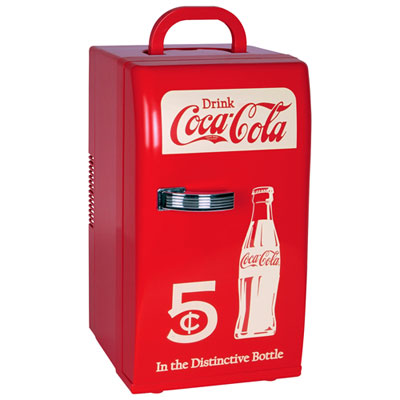
Red refrigerators pair everyday food storage with a colour that gives a kitchen, kitchenette, or recreation room a distinct focal point. The category spans compact refrigerators, all-fridge layouts, and full-size designs with separate freezer compartments, so a red finish does not have to mean a small appliance or a particular storage arrangement. Retro-inspired styles often feature rounded corners, prominent handles, and glossy doors, while more streamlined designs use flatter surfaces and simpler detailing. Shades can range from bright cherry red to deeper burgundy tones, and the combination of colour, sheen, and hardware can change the overall impression considerably. A glossy red door beside white cabinetry creates a crisp contrast; a deeper red finish alongside wood cabinets and dark hardware can feel more understated. In an open-plan room, the refrigerator may also be visible from a dining area or living space, making its proportions and side-panel finish worth considering alongside its front view. Compact formats can suit a home office, a permitted residence room, or a separate snack area, while larger refrigerators serve households that need room for groceries, leftovers, produce, and frozen food in one appliance. For someone who cooks frequently, the useful distinction is not simply compact versus full-size, but how the interior accommodates real routines: a tall bottle on the door, a wide dish on a shelf, or several containers prepared for the days ahead. An all-fridge design dedicates its interior to refrigerated storage, whereas a fridge-freezer divides that space between fresh and frozen food. A compact refrigerator with a small internal freezing compartment should not automatically be treated as equivalent to a model with a separate freezer; its stated capabilities determine what it can store. A look through Best Red Fridges can help connect a preferred appearance with the size and storage arrangement a room needs. The strongest match is a refrigerator whose colour feels intentional and whose layout supports daily use without making ordinary tasks awkward.
Fit involves more than checking whether the refrigerator’s cabinet will slide into an opening. Width, height, and depth need to account for the appliance’s handles, hinges, required ventilation space, and the room needed to open the door properly. A refrigerator beside a wall may fit neatly when closed yet leave too little clearance to pull out a crisper or remove a shelf. In a narrow kitchen, the door swing also affects movement between the sink, cooking area, and nearby cabinets. Reversible doors can offer flexibility where the design supports them, but that feature should be confirmed rather than assumed. The route into the room matters, too: doorways, stair turns, and tight hallways can be more restrictive than the final installation space. Inside, capacity measured in litres provides a useful reference, although shelf spacing and compartment shape often determine how practical that capacity feels. Adjustable shelves can make room for a tall pitcher or a covered pot, while door bins may keep smaller containers from crowding the main shelves. For a household that buys plenty of fresh produce, usable crisper space can matter more than an extra door shelf. Someone who freezes prepared meals may place greater value on a separate freezer with an accessible layout. Top-freezer and bottom-freezer arrangements put different compartments within easiest reach, so the better choice depends on which foods are used most often and whether bending or reaching presents a difficulty. Lighting, readable controls, and handles that are comfortable to grip also influence everyday convenience. In a studio or an office near a work surface, operating sound deserves attention because compressor cycles and other normal refrigerator sounds may be more noticeable nearby. Installation requirements remain important in these smaller spaces: a freestanding refrigerator should not be enclosed in cabinetry unless its specifications permit that use, and a compact footprint does not remove the need for ventilation or an appropriate electrical connection.
The red exterior may be the first detail that draws attention, but construction and care influence how well the refrigerator keeps its appearance. Painted metal panels, plastic trim, glass shelves, and interior liners each need cleaning methods suited to their materials. Finish details vary, so the manufacturer’s care instructions are the best reference for choosing cleaners and cloths. A soft cloth and a suitable mild cleaner can remove everyday marks without the abrasion of a scouring pad; spills around handles and door edges are easier to manage before they dry. On a glossy finish, fingerprints and fine surface scratches may be more apparent under direct light, while textured surfaces can require extra attention around their recesses. Keeping frequently used objects off the top and avoiding impacts from nearby cabinet handles can help protect visible panels from scratches and dents. Inside, removable shelves and bins make it easier to clean up a leaking container or rearrange storage after a larger grocery trip. Door seals also deserve regular attention: crumbs and sticky residue can interfere with a clean closing surface, and damaged seals should be addressed according to the appliance’s service guidance. Defrosting requirements vary between designs, with manual-defrost compartments needing a different routine from frost-free systems; ice should never be chipped away with a sharp tool. Reliable food storage also depends on following the recommended settings, leaving interior air passages unobstructed, and using an appliance thermometer when needed to check conditions. These practical details are particularly useful when a red refrigerator serves as a main kitchen appliance rather than an occasional drinks station. For a shared home, accessible shelves and clearly organized compartments can make daily use easier for everyone. For a dedicated entertaining area, flexible space for pitchers, snacks, and serving dishes may take priority. Across these uses, the lasting appeal comes from a balance of distinctive colour, comfortable access, manageable upkeep, and enough well-arranged storage for the way the space is actually used.
Top selling and popular products
-
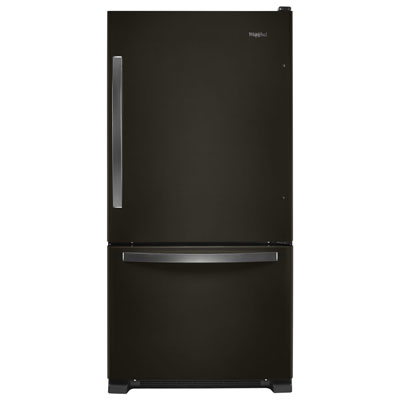 Your price for this item is $2299.99
-
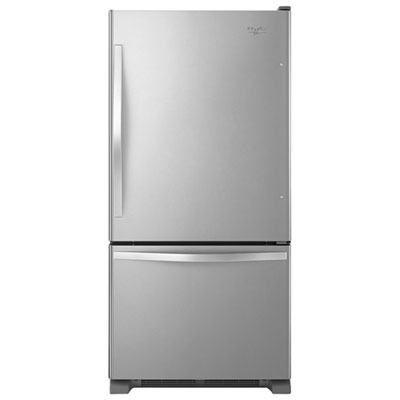 Your price for this item is $2199.99
-
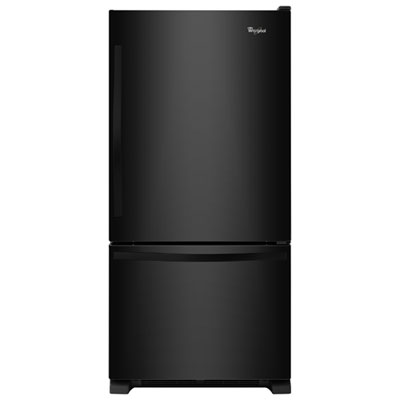 Your price for this item is $2149.99
-
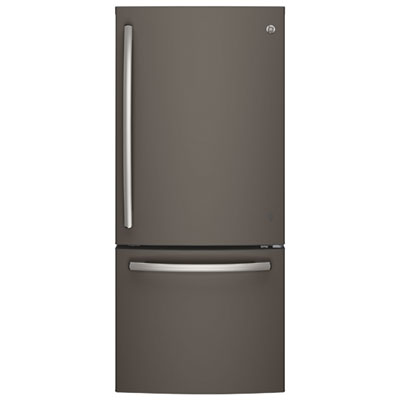 Your price for this item is $1299.99
-
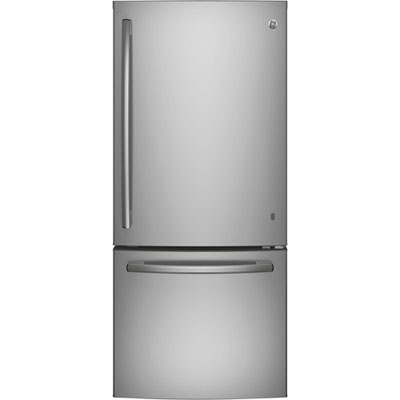 Your price for this item is $1299.99
-
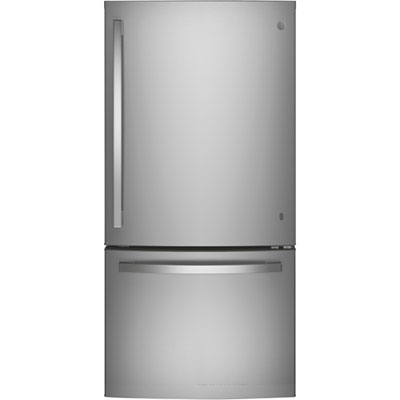 Your price for this item is $1599.99
-
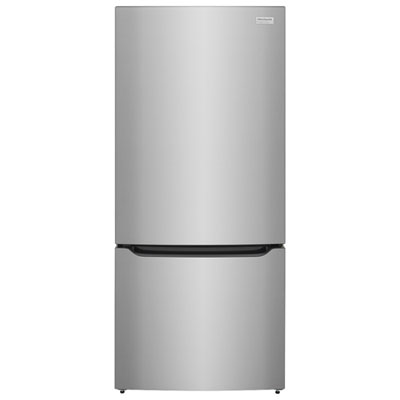 Your price for this item is $1699.99
-
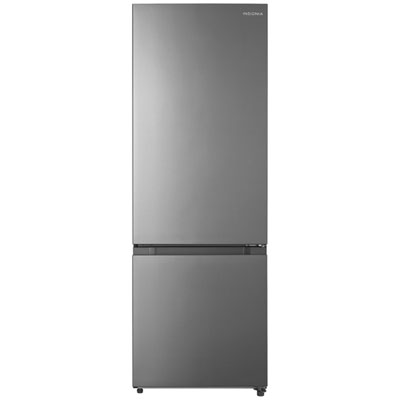 Your price for this item is $549.99
Discover more categories related to Red Refrigerators

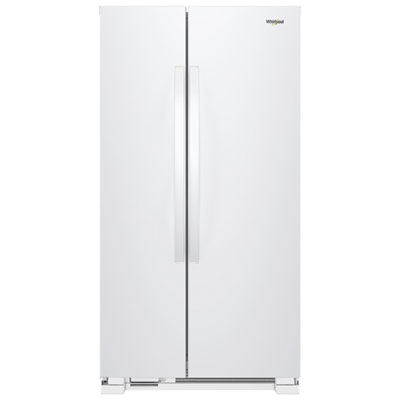
Top Collections:
Best Black Friday Deals This Year, Best Black Friday Deals On Electronics, Kindle Devices, Pokemon Centers, Best Black Friday Deals On Apple Products, Best Cameras for Sports Photography, Dyson Airwrap, Pokémon 30th Celebration Cards, Apple iPhone 17 Pro, Canon G7X Cameras
Some products may be subject to Environmental Handling Fees
(EHF) depending on your province.
Learn more about EHFs.