Refrigerators With Adjustable Shelves
Refrigerators With Adjustable Shelves offer flexible storage solutions to help you organize your kitchen with ease. Whether you need extra space for large platters or want to keep everyday items within reach, adjustable shelving provides the versatility to accommodate your changing needs. Explore a wide variety of styles and sizes designed to fit seamlessly into any home, making it simple to customize your refrigerator’s interior layout for maximum convenience. Find the perfect option to keep your food fresh and your kitchen organized.
Sort
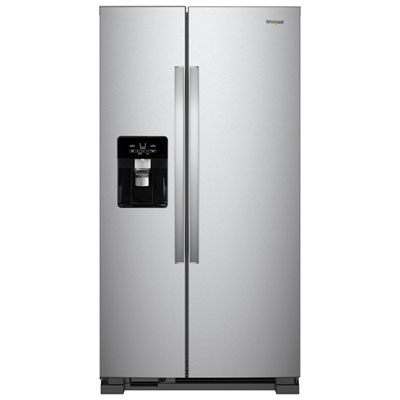
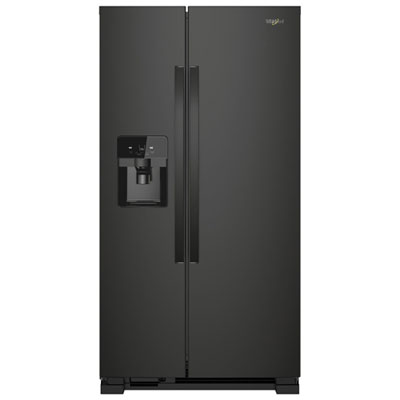
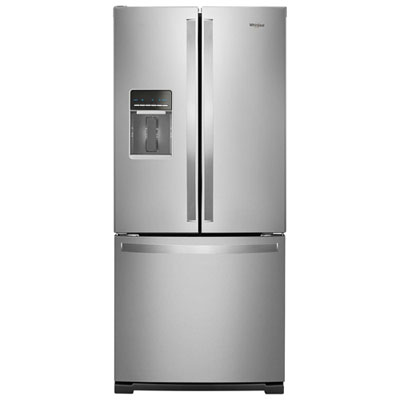
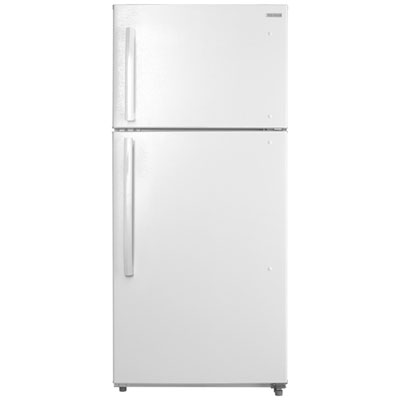
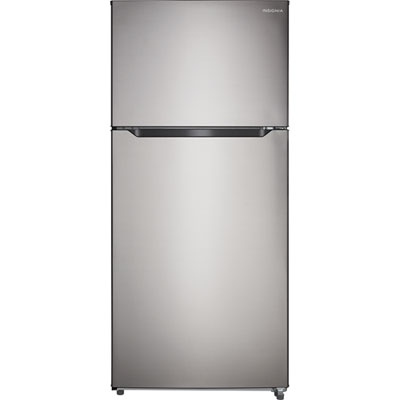
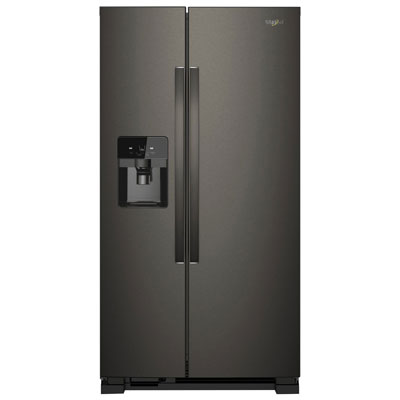
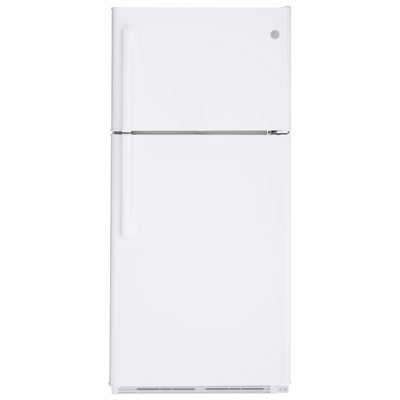
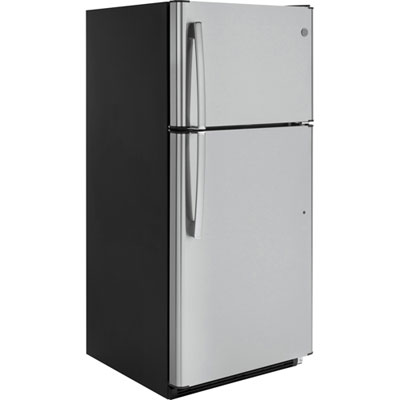
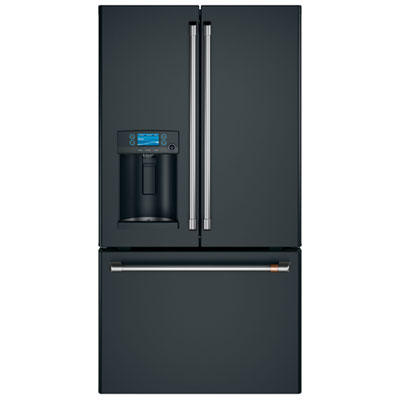
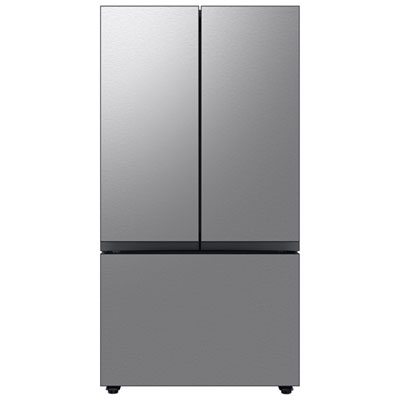
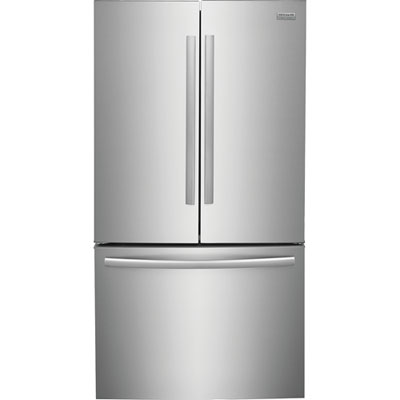
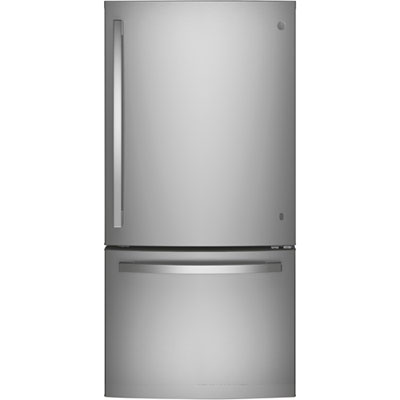
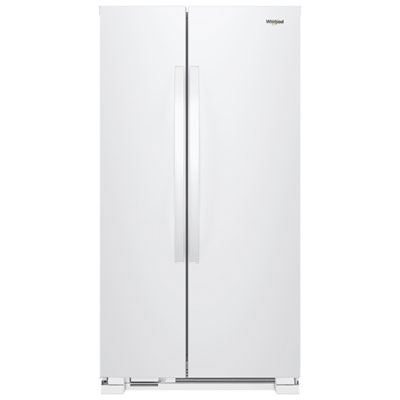
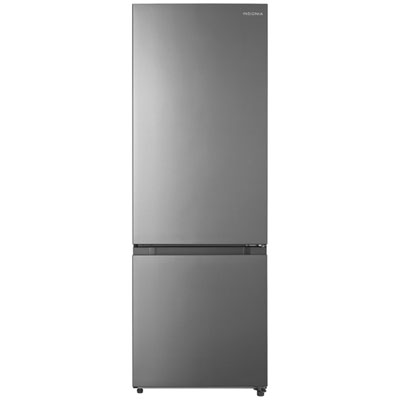
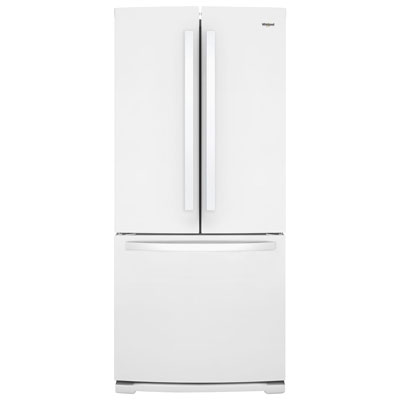
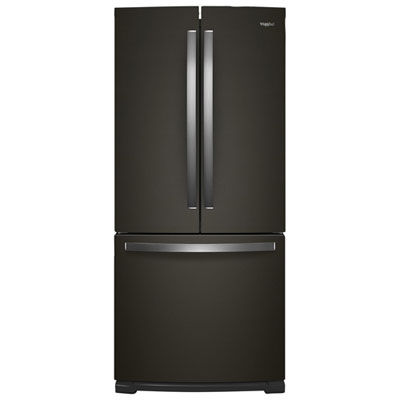
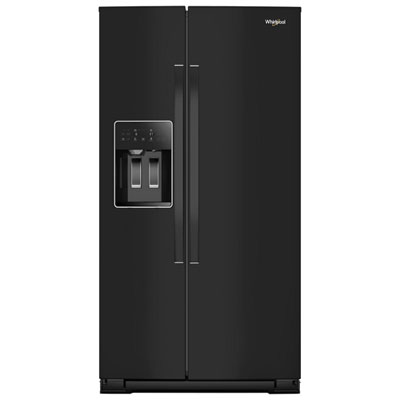
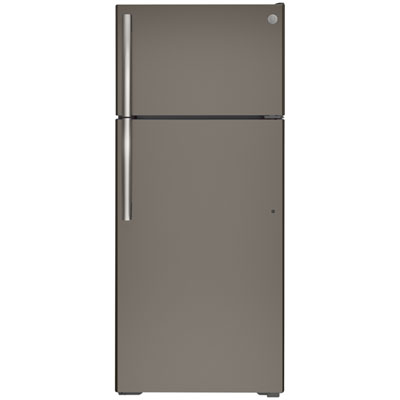
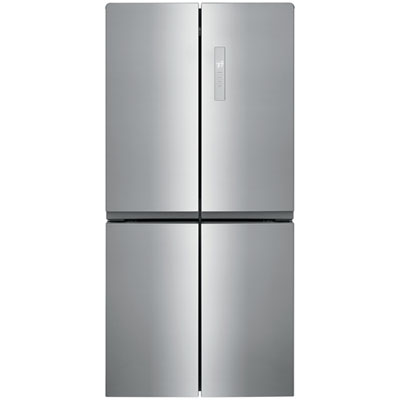
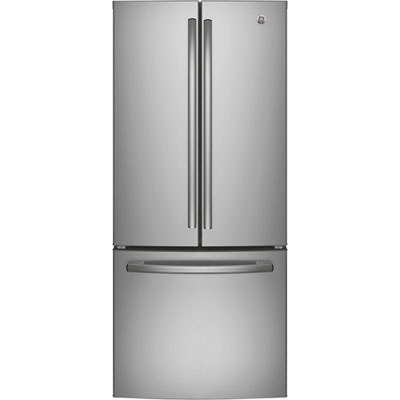
Flexible fridge space for tall pitchers and wide platters
Refrigerators with adjustable shelves let you change the height or arrangement of interior shelving to fit groceries of different shapes and sizes. Instead of working around fixed gaps, you can make space for a tall pitcher, a covered roasting dish, or a stack of meal-prep containers while keeping everyday essentials within easy reach. Depending on the design, shelves may rest on moulded supports, slide into side grooves, or attach to brackets along the back wall. Some move as a full-width piece, while split shelves allow one side of the compartment to hold taller items without sacrificing the shelf space beside it. Certain designs also include a section that slides underneath another section or folds away, creating extra clearance without removing the entire shelf. These differences matter in daily use: a household that stores large pots needs a different arrangement from one that keeps several rows of small lunch containers. Adjustable shelving can be found across French-door, side-by-side, top-freezer, and bottom-freezer refrigerator styles, although the range of shelf positions and the way each shelf moves vary by model. Full-width shelves provide a broad surface for platters and wide dishes, while independently adjustable sections offer more flexibility for mixed grocery loads. For families, that might mean keeping yoghurt and prepared snacks on a reachable shelf while leaving room above for taller containers. For roommates, separate shelf levels can help divide shared storage. People who cook in batches may appreciate being able to organize several covered dishes without balancing them on top of one another. Even a smaller household can benefit when its usual grocery routine changes, such as bringing home a taller beverage container or preparing food for guests. The practical value is not simply having more shelf positions; it is being able to use the interior space in ways that match the food, cookware, and containers that regularly pass through the kitchen.
Shelf construction affects visibility, cleaning, and how confidently different containers sit inside the refrigerator. Tempered glass is common because it creates a smooth, transparent surface that supports small jars and containers with narrow bases. Shelves described as spill-resistant typically have raised edges or trim designed to help contain minor drips, although they are not a substitute for wiping up a leak promptly. Wire shelving has an open structure, but small containers may sit less evenly on widely spaced bars, and liquid can drip through to food below. Frames, brackets, and support rails also deserve attention because they determine how a shelf locks into position and how easily it can be removed for cleaning. A shelf should sit securely on all its designated supports, without rocking or leaving a bracket partly engaged. The manufacturer's load limits still apply after adjustment; a heavy pot or several large beverage containers should never be treated as an unlimited load simply because they fit. Interior layout matters just as much as total capacity. A refrigerator with generous capacity may still be awkward for a favourite serving tray if its shelves are narrow, its door bins project deeply into the compartment, or an internal dispenser takes up usable space. Shelf depth, spacing between adjustment points, and clearance above drawers all influence what can be stored comfortably. Exterior fit is equally important. Measure the kitchen opening for width, height, and depth, then account for the installation clearances specified by the manufacturer. Include handles and door swing when assessing nearby walls, counters, and walkways. Some shelves and drawers need the doors open beyond a certain angle before they can be pulled out, so an appliance that fits the opening may still need extra side clearance for convenient use. Counter-depth designs can create a more aligned look with surrounding cabinetry, but their interior shelf depth may differ from that of deeper refrigerators. Stainless steel, coated metal, and other exterior finishes affect the kitchen's appearance and the cleaning routine, while the shelf layout determines how well the interior handles everyday storage.
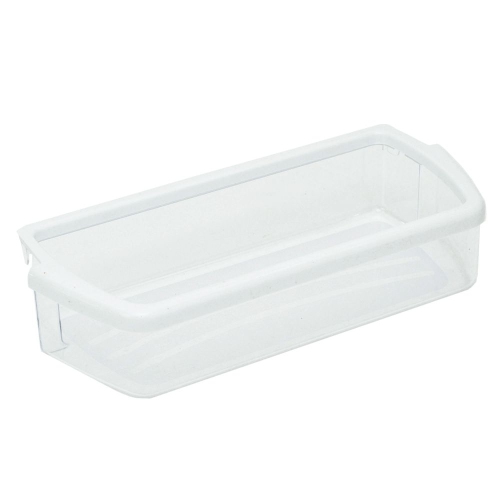
Adjustable refrigerator shelving works best when the arrangement leaves food visible and allows air to circulate around it. Raising a shelf for a tall stockpot can solve one storage problem, but it should not force other groceries against an air vent or prevent a drawer from opening. Leaving suitable gaps around stored food, as directed in the appliance manual, supports the refrigerator's intended operation. Clear containers and sensible shelf spacing also make it easier to see leftovers before they disappear behind larger packages. Keep raw meat, poultry, and seafood contained on a lower shelf to reduce the chance of juices dripping onto ready-to-eat food. Before repositioning any shelf, remove its contents and follow the specified lifting or release method rather than forcing it past a stop. Glass panels can be heavy or slippery when wet, particularly when surrounded by trim, so a clear work surface nearby makes cleaning more manageable. Let a cold glass shelf reach room temperature before washing it with warmer water to reduce the risk of damage from a sudden temperature change. Mild cleaning products and soft cloths are generally suitable, but care directions take priority, especially for decorative trim, coatings, and removable components. Avoid abrasive tools, and do not put shelves in a dishwasher unless the manufacturer permits it. Inspect shelf edges, supports, and retaining tabs during cleaning; cracked glass or damaged mounting parts should be addressed before the shelf is used again. Door storage is a separate part of the layout, often suited to condiments and other items identified in the appliance's storage guidance. If a door bin becomes damaged, Replacement Refrigerator Door Shelves can help restore that storage space, provided the replacement matches the refrigerator's model number and mounting design. Interior shelves also require exact compatibility rather than a match based only on approximate dimensions. With suitable care and a layout tailored to the household, adjustable shelves make routine tasks more straightforward, from putting away groceries to finding ingredients and clearing space for a prepared dish.
Shelf construction affects visibility, cleaning, and how confidently different containers sit inside the refrigerator. Tempered glass is common because it creates a smooth, transparent surface that supports small jars and containers with narrow bases. Shelves described as spill-resistant typically have raised edges or trim designed to help contain minor drips, although they are not a substitute for wiping up a leak promptly. Wire shelving has an open structure, but small containers may sit less evenly on widely spaced bars, and liquid can drip through to food below. Frames, brackets, and support rails also deserve attention because they determine how a shelf locks into position and how easily it can be removed for cleaning. A shelf should sit securely on all its designated supports, without rocking or leaving a bracket partly engaged. The manufacturer's load limits still apply after adjustment; a heavy pot or several large beverage containers should never be treated as an unlimited load simply because they fit. Interior layout matters just as much as total capacity. A refrigerator with generous capacity may still be awkward for a favourite serving tray if its shelves are narrow, its door bins project deeply into the compartment, or an internal dispenser takes up usable space. Shelf depth, spacing between adjustment points, and clearance above drawers all influence what can be stored comfortably. Exterior fit is equally important. Measure the kitchen opening for width, height, and depth, then account for the installation clearances specified by the manufacturer. Include handles and door swing when assessing nearby walls, counters, and walkways. Some shelves and drawers need the doors open beyond a certain angle before they can be pulled out, so an appliance that fits the opening may still need extra side clearance for convenient use. Counter-depth designs can create a more aligned look with surrounding cabinetry, but their interior shelf depth may differ from that of deeper refrigerators. Stainless steel, coated metal, and other exterior finishes affect the kitchen's appearance and the cleaning routine, while the shelf layout determines how well the interior handles everyday storage.
Adjustable refrigerator shelving works best when the arrangement leaves food visible and allows air to circulate around it. Raising a shelf for a tall stockpot can solve one storage problem, but it should not force other groceries against an air vent or prevent a drawer from opening. Leaving suitable gaps around stored food, as directed in the appliance manual, supports the refrigerator's intended operation. Clear containers and sensible shelf spacing also make it easier to see leftovers before they disappear behind larger packages. Keep raw meat, poultry, and seafood contained on a lower shelf to reduce the chance of juices dripping onto ready-to-eat food. Before repositioning any shelf, remove its contents and follow the specified lifting or release method rather than forcing it past a stop. Glass panels can be heavy or slippery when wet, particularly when surrounded by trim, so a clear work surface nearby makes cleaning more manageable. Let a cold glass shelf reach room temperature before washing it with warmer water to reduce the risk of damage from a sudden temperature change. Mild cleaning products and soft cloths are generally suitable, but care directions take priority, especially for decorative trim, coatings, and removable components. Avoid abrasive tools, and do not put shelves in a dishwasher unless the manufacturer permits it. Inspect shelf edges, supports, and retaining tabs during cleaning; cracked glass or damaged mounting parts should be addressed before the shelf is used again. Door storage is a separate part of the layout, often suited to condiments and other items identified in the appliance's storage guidance. If a door bin becomes damaged, Replacement Refrigerator Door Shelves can help restore that storage space, provided the replacement matches the refrigerator's model number and mounting design. Interior shelves also require exact compatibility rather than a match based only on approximate dimensions. With suitable care and a layout tailored to the household, adjustable shelves make routine tasks more straightforward, from putting away groceries to finding ingredients and clearing space for a prepared dish.
Top selling and popular products
-
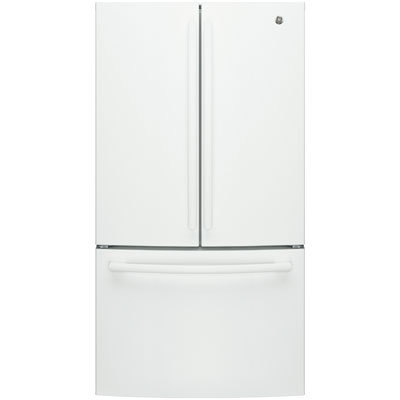 Your price for this item is $3299.99
 -
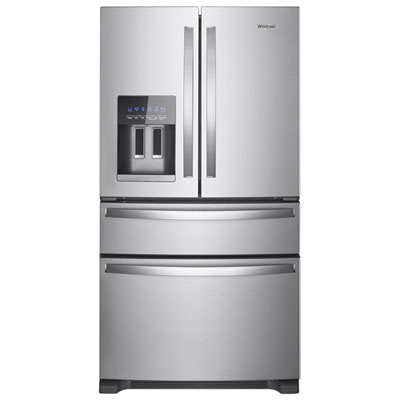 Your price for this item is $2999.99
 -
 Your price for this item is $2899.99
 -
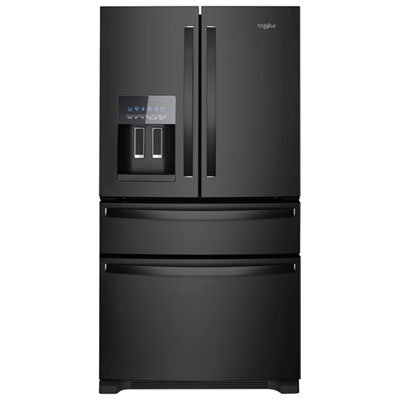 Your price for this item is $2949.99
 -
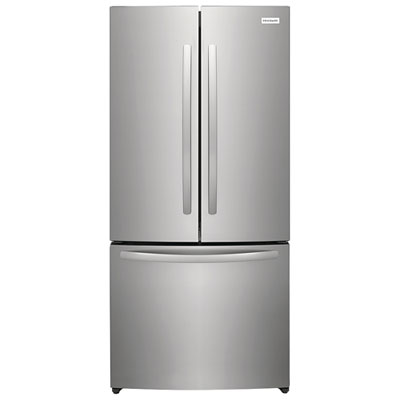 Your price for this item is $1599.99
 -
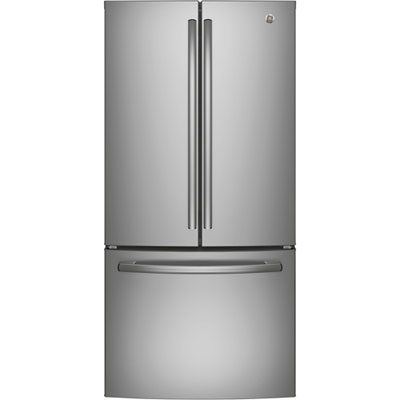 Your price for this item is $2399.99
 -
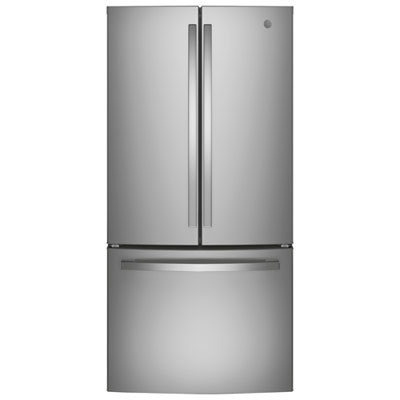 Your price for this item is $2499.99
 -
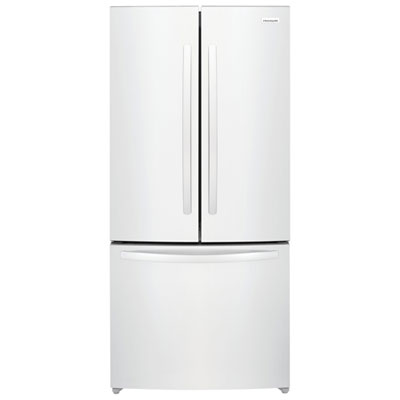 Your price for this item is $1949.99
Discover more categories related to Refrigerators With Adjustable Shelves

Top Collections:
Pokemon Centers, Kindle Devices, Best Budget Office Chairs, Apple iPhones 16, Best Laptops for Writers, iPhone 15 Apple, Canon G7X Cameras, Refurbished Apple Laptops, Alarm Clock, Motorola Razr Phones
Some products may be subject to Environmental Handling Fees
(EHF) depending on your province.
Learn more about EHFs.