Robot Vacuums for Wood Floors
Maintaining the pristine beauty of your wood floors has never been easier with the help of robot vacuums. Designed for wood floors, these innovative cleaning devices are equipped with advanced technology to effectively remove dirt, dust, and pet hair without causing any damage. Say goodbye to the hassle of traditional sweeping and mopping, as these robotic assistants effortlessly glide across your floors, leaving them spotless and gleaming. Whether you have hardwood, laminate, or engineered wood flooring, a robot vacuum is a smart investment that will simplify your cleaning routine and keep your floors looking their best.
Sort
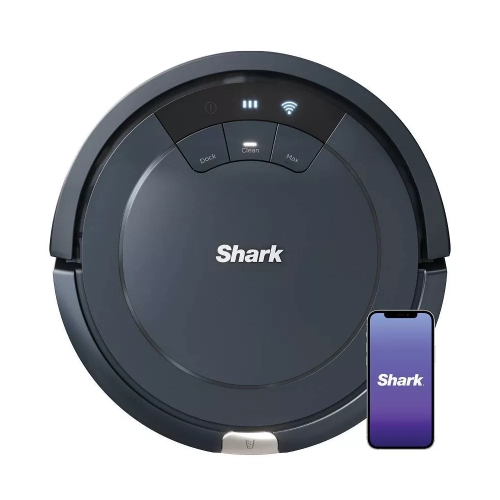
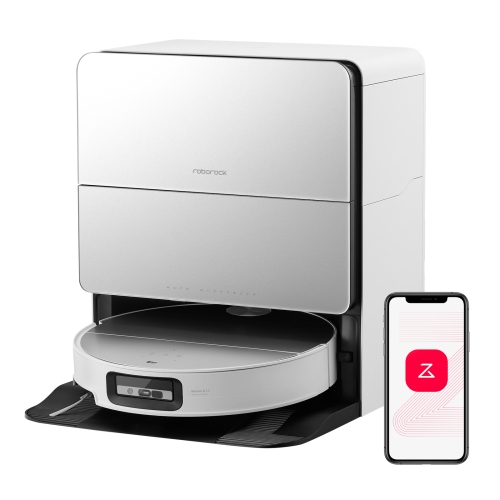

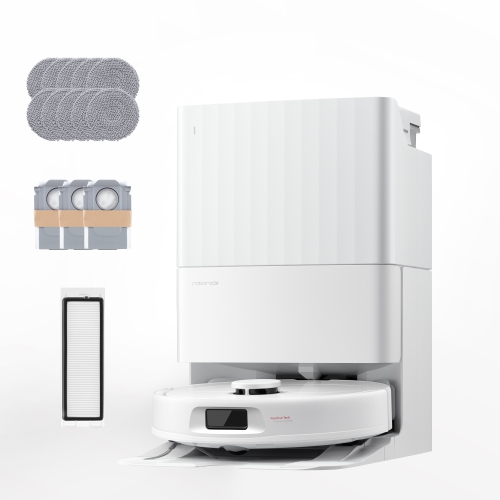
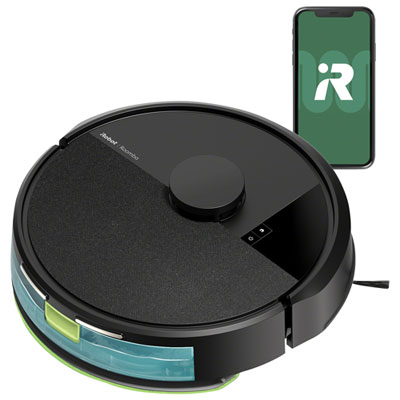
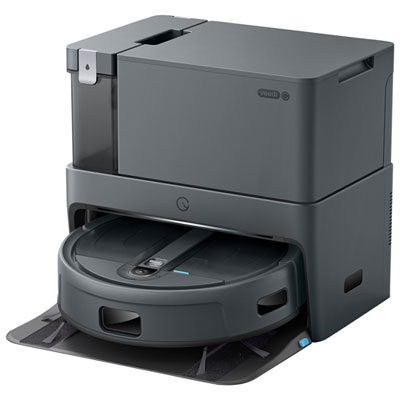
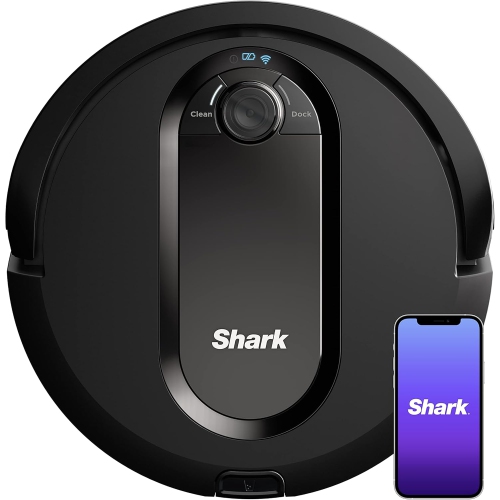
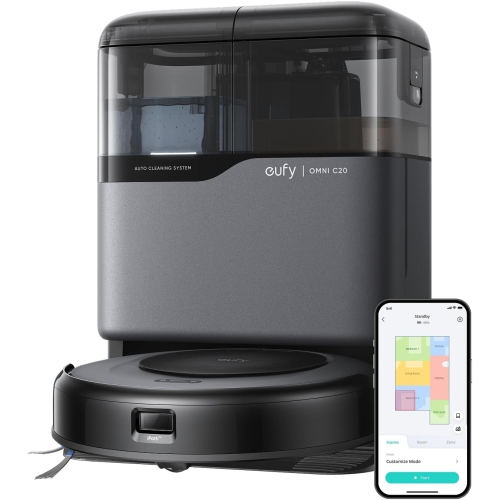
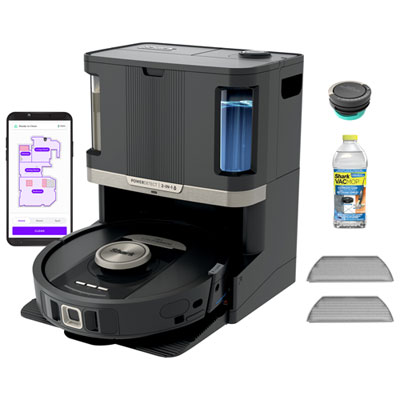
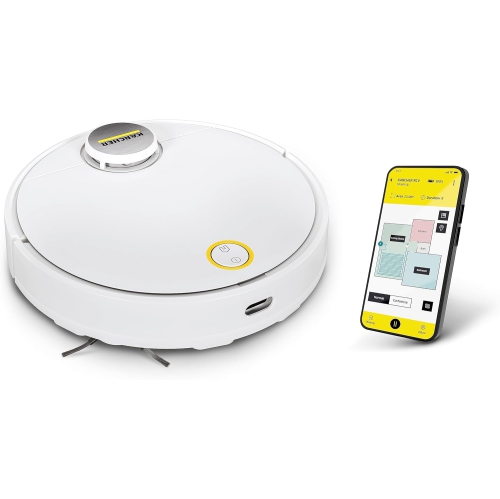
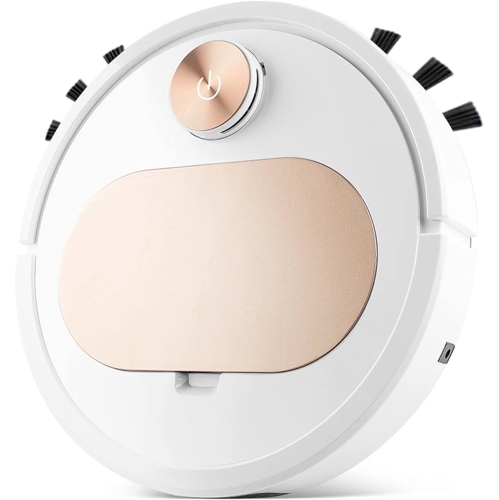
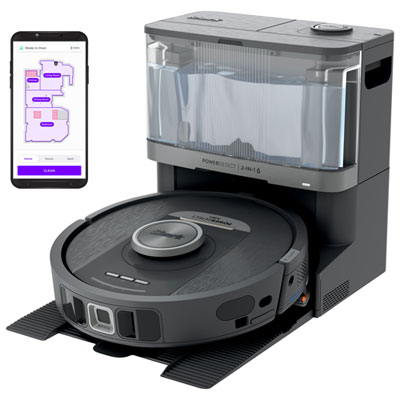
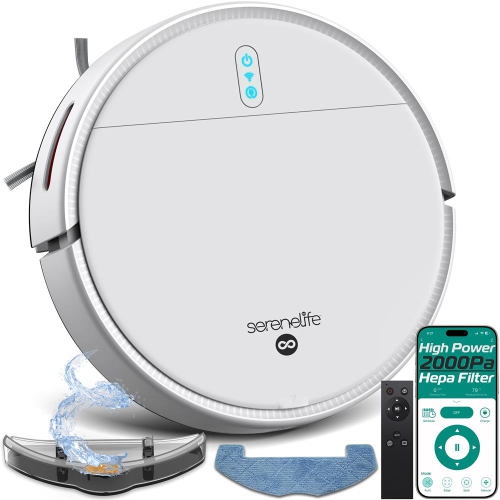
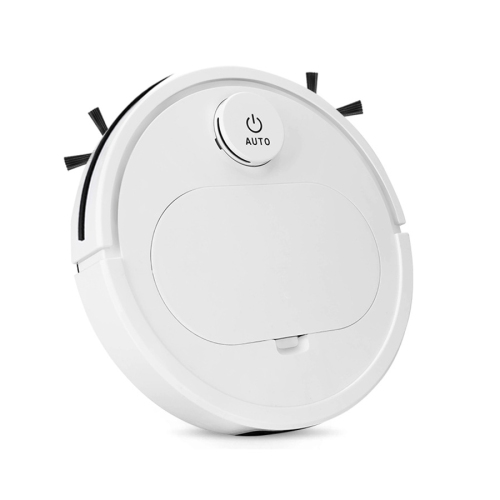
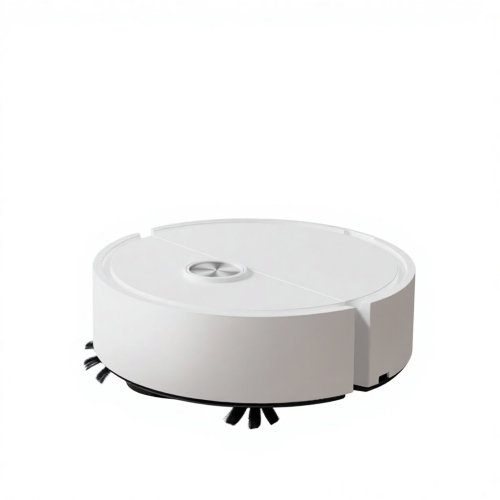
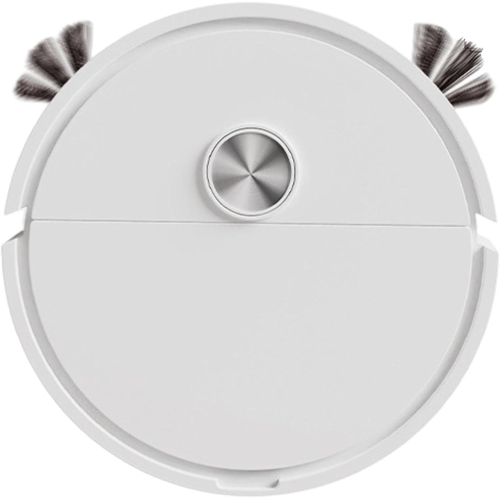
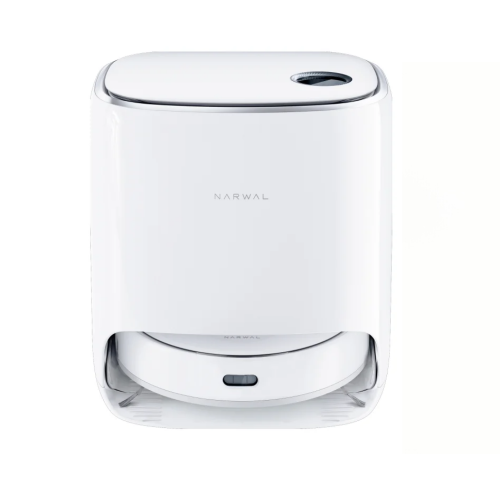
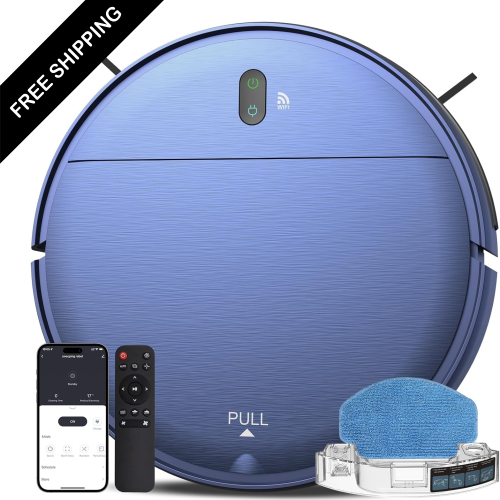
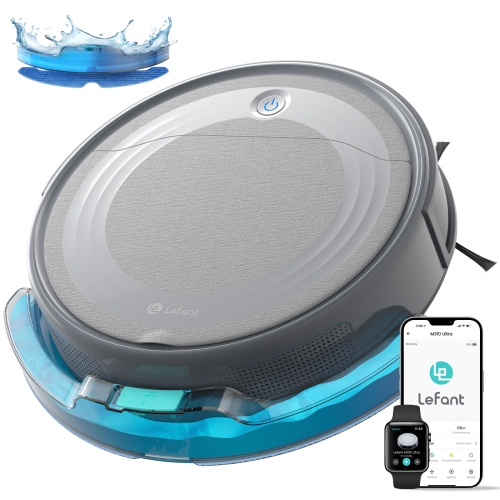
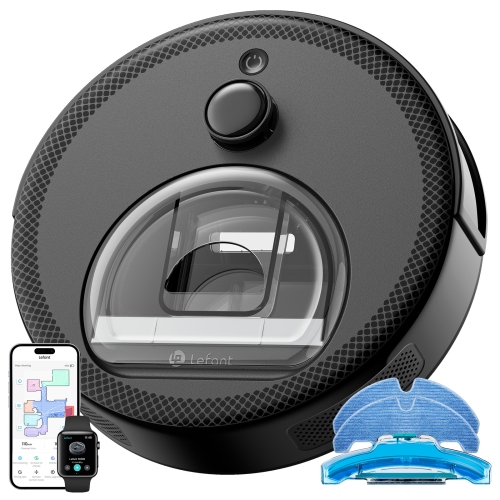
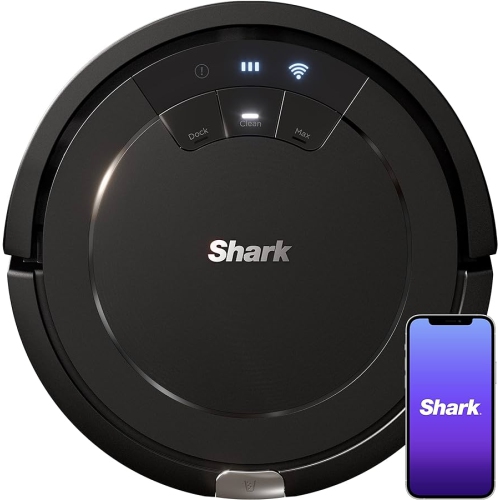
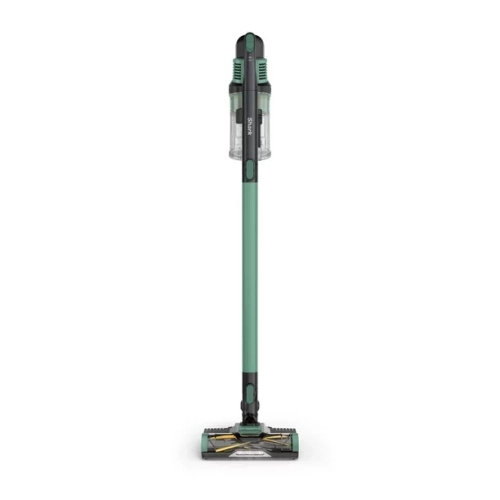
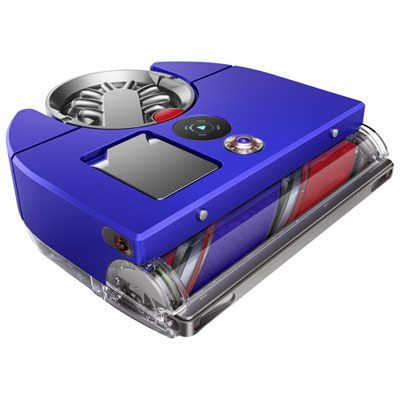
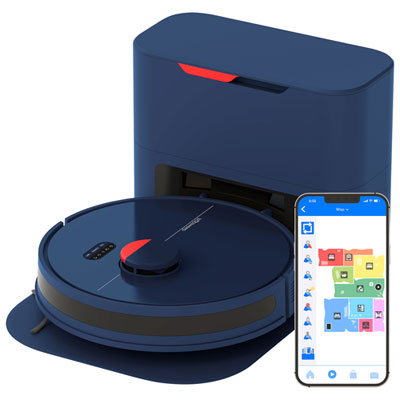
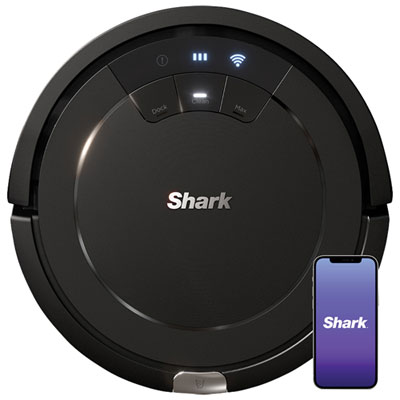
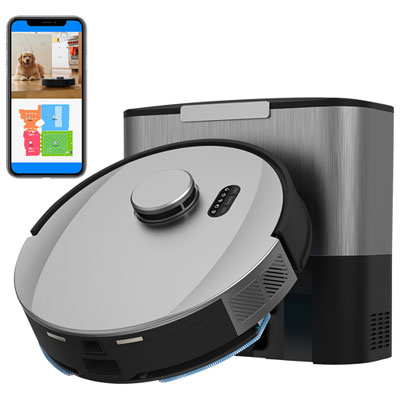
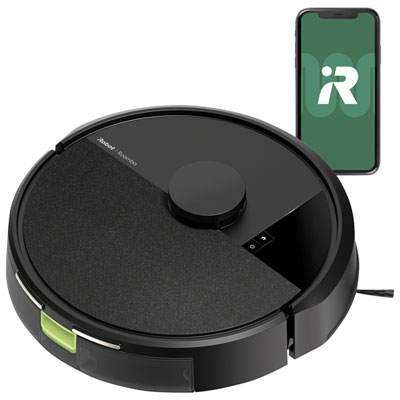
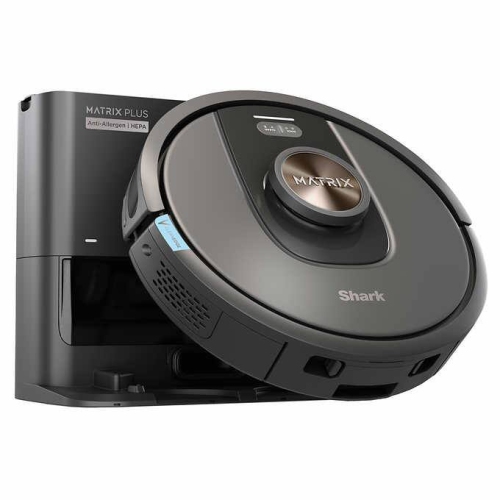
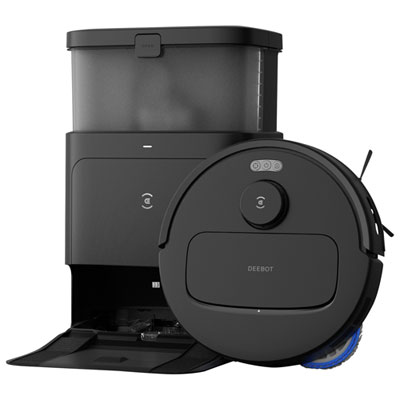
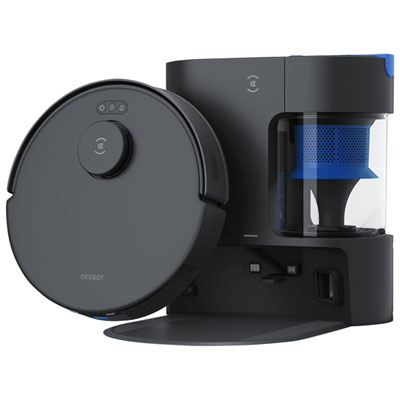
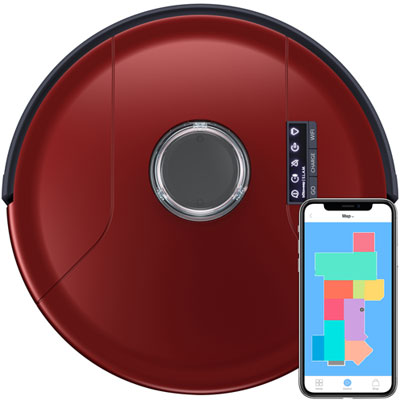
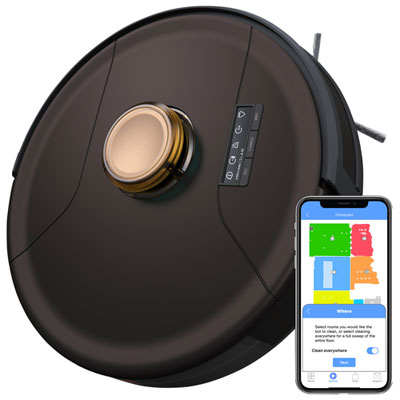
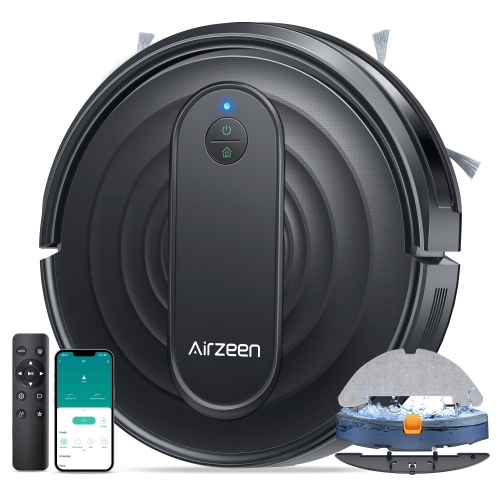

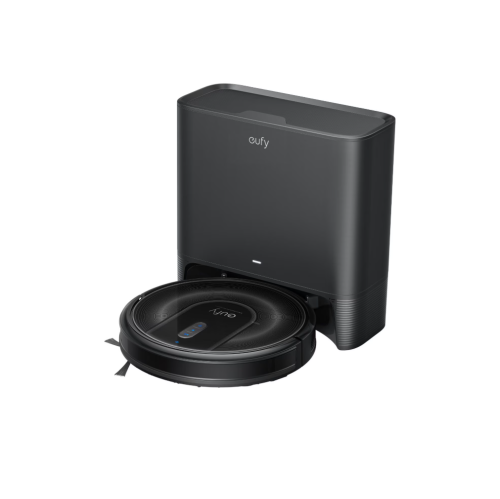
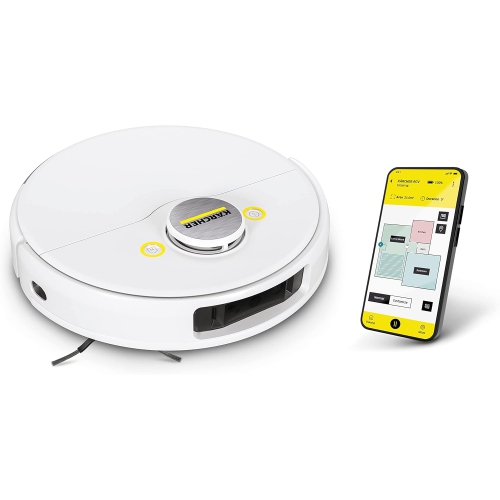
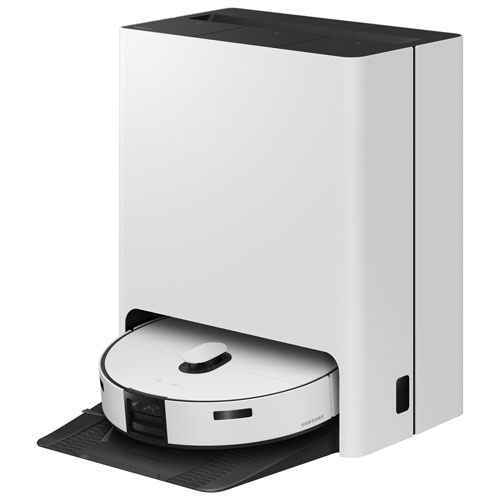
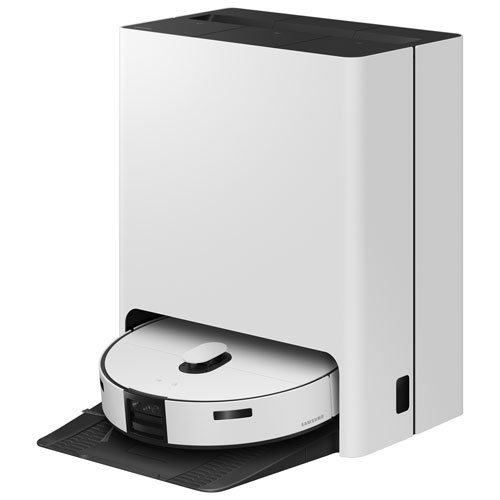
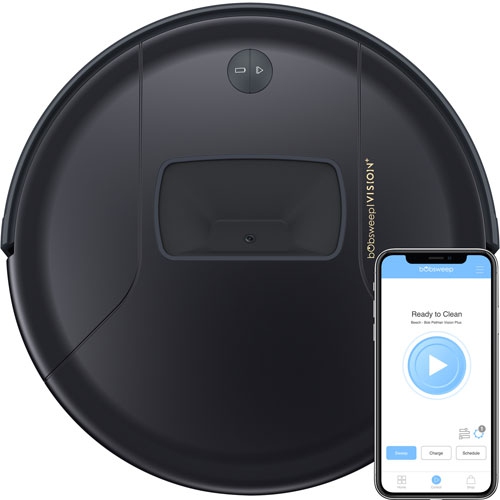
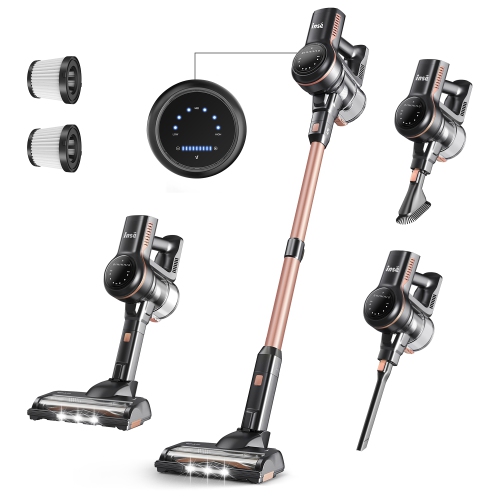
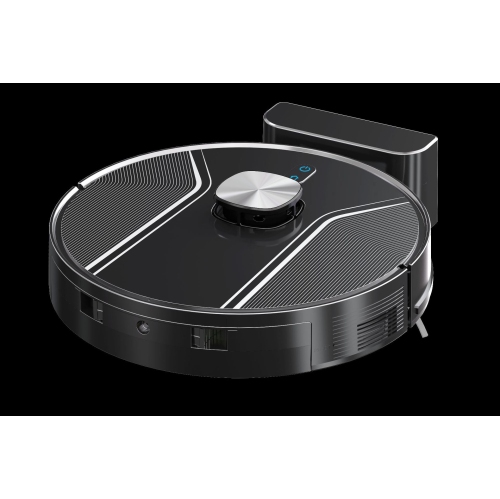
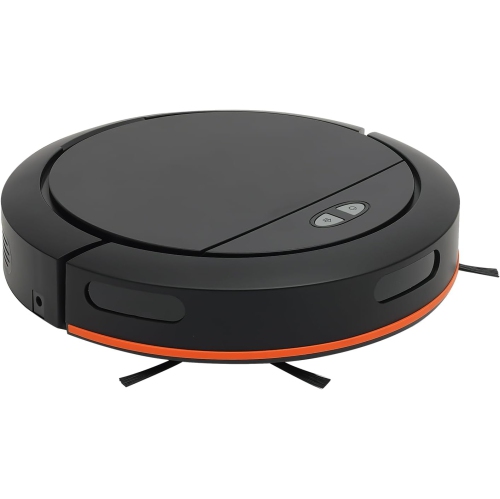
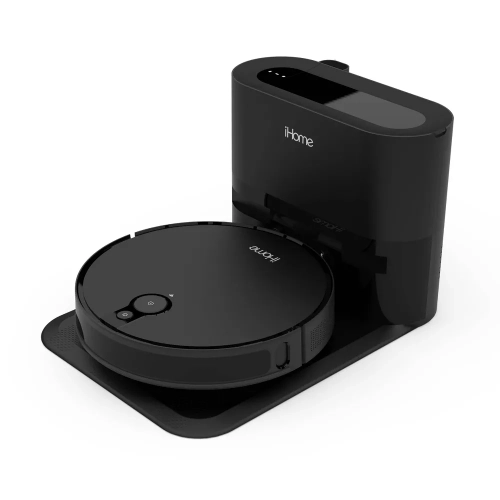
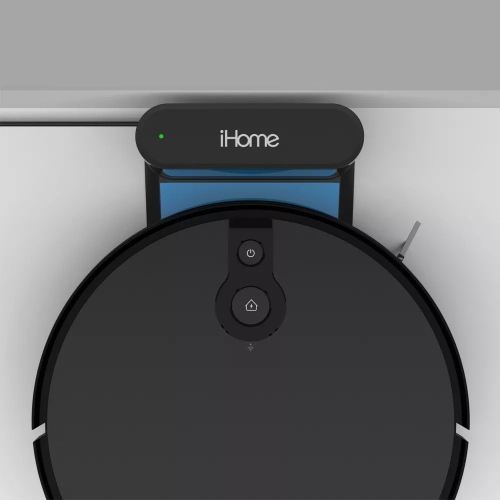
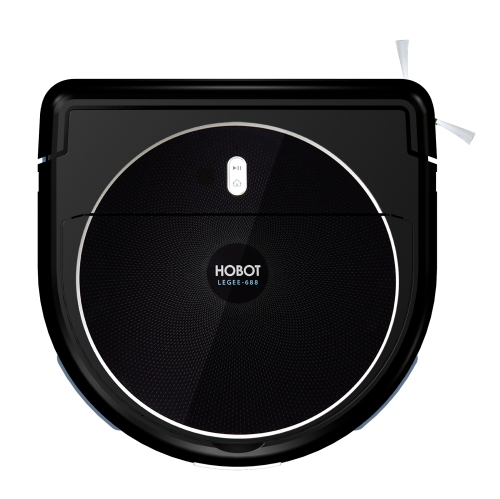
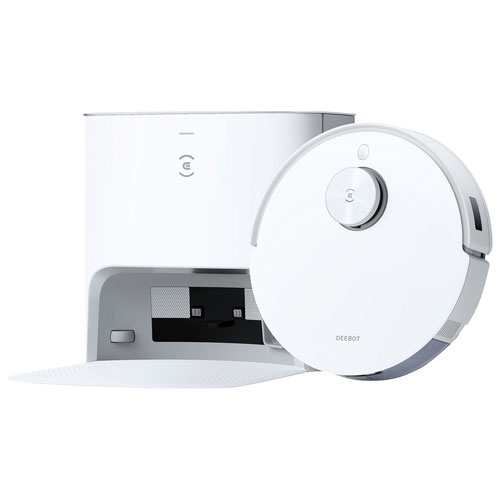
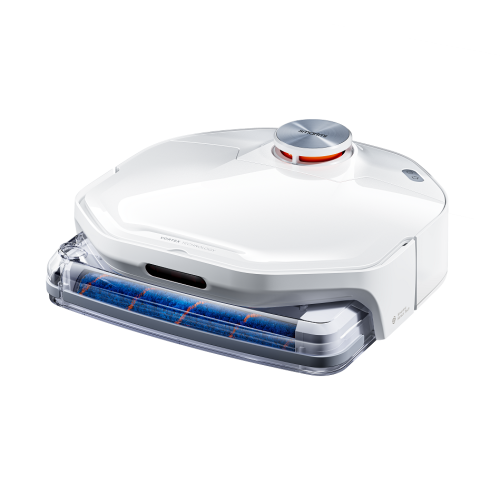
Gentle cleaning features that help protect wood floors
Robot vacuums for wood floors are designed to make everyday floor care easier while helping you preserve the clean, polished look of hardwood, engineered wood, laminate, and other smooth floor surfaces. They can be especially useful in open-concept homes where dust, crumbs, pet hair, and grit travel easily from the kitchen and entryway into living rooms and hallways. A robot vacuum can quietly move through these spaces on a regular schedule, collecting the fine particles that are easy to overlook between deeper cleaning sessions. During the warmer months, it can help manage dust brought in through open doors and windows; during the cooler months, it can collect tracked-in grit, dry leaves, and debris from boots before they are ground into the finish. Many models also include mopping functions, making it possible to vacuum loose debris and wipe sealed hard floors in the same cleaning cycle. For a broader selection organized around different hard-floor surfaces and home layouts, explore Robot Vacuums for Floor. When shopping for a model intended for wood floors, pay close attention to the design of the cleaning head. Rubber roller brushes are often a practical choice because they can pick up fine dust and hair without the stiff bristles that may be less suitable for delicate finishes or that can scatter larger particles across a smooth surface. A brush that resists hair wrapping is also helpful for homes with long hair or pets. Strong suction can lift dust from the narrow lines between boards, while adjustable suction settings let you choose a gentler cleaning mode for routine maintenance. Soft wheels and a carefully cushioned underside are important details as well, since hard casters or trapped grit can leave track marks or small scuffs as the robot moves across the room. Floor type matters: sealed hardwood and engineered wood may tolerate light damp cleaning, while unfinished wood, worn areas, or floors with open seams may require vacuum-only care. Always follow the flooring manufacturer’s recommendations and the robot vacuum’s instructions before using water or cleaning solution.
A robot vacuum with mapping and room recognition can be particularly convenient on wood floors because it can follow a repeatable route instead of moving randomly from one area to another. Sensors help it identify furniture, walls, stairs, and changes in floor height, while saved maps can make it easier to send the robot to the kitchen after meal preparation or the hallway after people come in from outdoors. Virtual boundaries and no-go zones are useful for keeping the machine away from pet bowls, delicate furniture, loose cables, floor vents, or areas where a small rug has a fringe that could catch in the brush. If your home combines wood flooring with low-pile rugs, look for a model that can detect carpet and adjust its cleaning pattern. A mop-lift feature is especially useful because it can raise the mop pads when crossing a rug rather than carrying moisture onto the fabric. For wood floors, precise water-flow control is another important consideration. The ability to select a low-moisture setting, stop water flow when the robot is parked, or avoid mopping specific rooms can help reduce the risk of excess moisture reaching seams or edges. Damp wiping should leave the surface lightly refreshed, not visibly wet or streaked. A robot that vacuums before mopping can also prevent crumbs and grit from being dragged across the floor during the damp pass. Consider the shape of the home, too. Edge-cleaning brushes can gather dust along baseboards, while a compact body may fit beneath sofas, beds, and cabinets where a full-size vacuum cannot easily reach. Battery life is worth comparing for larger homes or multi-level layouts, although a model that automatically returns to its dock, recharges, and resumes cleaning can cover more ground without supervision. Self-emptying docks may be useful for households with pets or frequent shedding, while a washable filter and accessible brush roll can simplify regular upkeep. Even the most automated model works best when its sensors are kept clear, its wheels are checked for trapped debris, and its dustbin, filter, mop pads, and brushes are cleaned according to the care instructions.
Robot vacuums for wood floors can suit a wide range of households, from busy families trying to keep crumbs under control to apartment residents who want routine cleaning without storing a large upright vacuum in a small closet. They can also be helpful for people with pets, especially when fur collects in bright patches beneath a dining table or gathers along the edges of a hallway. Homes with children may benefit from frequent scheduled runs in play areas and kitchens, where small bits of cereal, craft material, and outdoor grit tend to appear throughout the day. For someone moving into a new home, renovating a living space, or setting up a first apartment, a robot vacuum can be a practical gift that supports an easier household routine. It may also appeal to older adults or anyone who finds repeated bending and pushing uncomfortable, although floors should be cleared of cords, clothing, toys, and other obstacles before each run. A good cleaning routine begins with a quick check of the floor: pick up small objects, secure dangling cables, move fragile items, and make sure spills have been wiped up before the robot starts. Use the vacuum frequently enough to prevent abrasive grit from building up, and reserve damp mopping for floors that are approved for it. If the home has a mix of sealed wood, tile, and rugs, choose settings that match each room rather than treating every surface the same way. Features such as app scheduling, voice control, room selection, and cleaning history can make routine care feel almost invisible, but practical details remain just as important as smart functions. Noise level may matter in a home office or bedroom area, and dock placement should provide a clear path for the robot to leave and return without brushing against furniture. With the right roller, gentle wheels, controlled moisture, and dependable navigation, a robot vacuum can help keep wood floors looking neat through changing household routines, from sandy footwear near the entrance to the fine dust that settles during quiet evenings at home.
A robot vacuum with mapping and room recognition can be particularly convenient on wood floors because it can follow a repeatable route instead of moving randomly from one area to another. Sensors help it identify furniture, walls, stairs, and changes in floor height, while saved maps can make it easier to send the robot to the kitchen after meal preparation or the hallway after people come in from outdoors. Virtual boundaries and no-go zones are useful for keeping the machine away from pet bowls, delicate furniture, loose cables, floor vents, or areas where a small rug has a fringe that could catch in the brush. If your home combines wood flooring with low-pile rugs, look for a model that can detect carpet and adjust its cleaning pattern. A mop-lift feature is especially useful because it can raise the mop pads when crossing a rug rather than carrying moisture onto the fabric. For wood floors, precise water-flow control is another important consideration. The ability to select a low-moisture setting, stop water flow when the robot is parked, or avoid mopping specific rooms can help reduce the risk of excess moisture reaching seams or edges. Damp wiping should leave the surface lightly refreshed, not visibly wet or streaked. A robot that vacuums before mopping can also prevent crumbs and grit from being dragged across the floor during the damp pass. Consider the shape of the home, too. Edge-cleaning brushes can gather dust along baseboards, while a compact body may fit beneath sofas, beds, and cabinets where a full-size vacuum cannot easily reach. Battery life is worth comparing for larger homes or multi-level layouts, although a model that automatically returns to its dock, recharges, and resumes cleaning can cover more ground without supervision. Self-emptying docks may be useful for households with pets or frequent shedding, while a washable filter and accessible brush roll can simplify regular upkeep. Even the most automated model works best when its sensors are kept clear, its wheels are checked for trapped debris, and its dustbin, filter, mop pads, and brushes are cleaned according to the care instructions.
Robot vacuums for wood floors can suit a wide range of households, from busy families trying to keep crumbs under control to apartment residents who want routine cleaning without storing a large upright vacuum in a small closet. They can also be helpful for people with pets, especially when fur collects in bright patches beneath a dining table or gathers along the edges of a hallway. Homes with children may benefit from frequent scheduled runs in play areas and kitchens, where small bits of cereal, craft material, and outdoor grit tend to appear throughout the day. For someone moving into a new home, renovating a living space, or setting up a first apartment, a robot vacuum can be a practical gift that supports an easier household routine. It may also appeal to older adults or anyone who finds repeated bending and pushing uncomfortable, although floors should be cleared of cords, clothing, toys, and other obstacles before each run. A good cleaning routine begins with a quick check of the floor: pick up small objects, secure dangling cables, move fragile items, and make sure spills have been wiped up before the robot starts. Use the vacuum frequently enough to prevent abrasive grit from building up, and reserve damp mopping for floors that are approved for it. If the home has a mix of sealed wood, tile, and rugs, choose settings that match each room rather than treating every surface the same way. Features such as app scheduling, voice control, room selection, and cleaning history can make routine care feel almost invisible, but practical details remain just as important as smart functions. Noise level may matter in a home office or bedroom area, and dock placement should provide a clear path for the robot to leave and return without brushing against furniture. With the right roller, gentle wheels, controlled moisture, and dependable navigation, a robot vacuum can help keep wood floors looking neat through changing household routines, from sandy footwear near the entrance to the fine dust that settles during quiet evenings at home.
Top selling and popular products
-
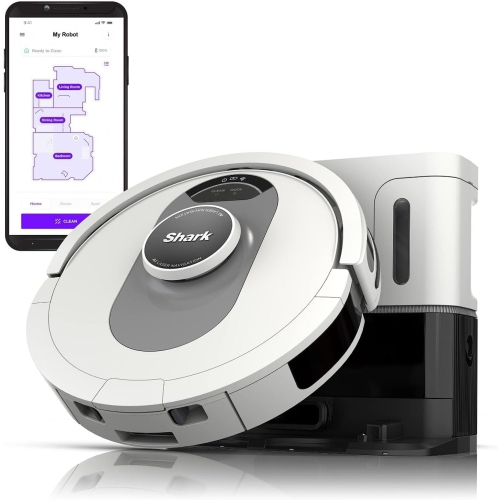 Your price for this item is $699.99
 -
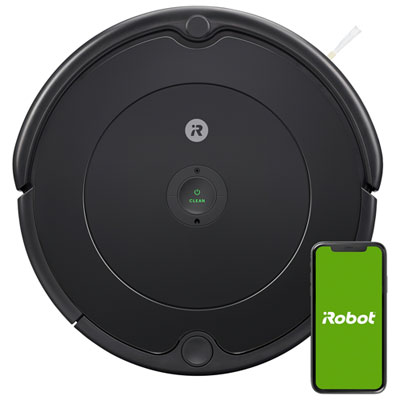 Your price for this item is $289.97
 -
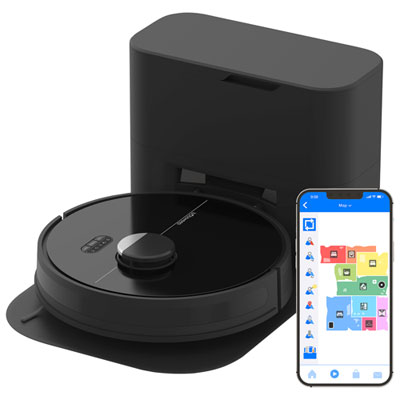 Your price for this item is $219.99
 -
 Your price for this item is $999
 -
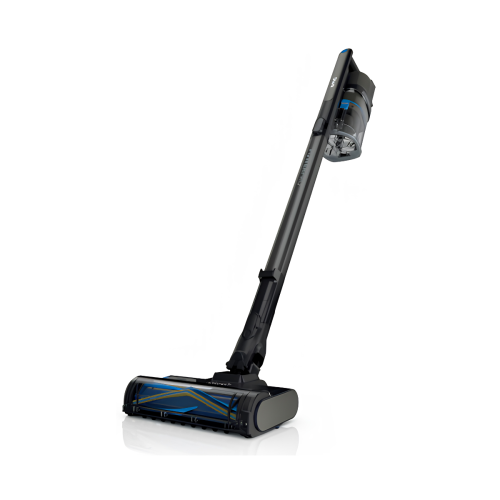 Your price for this item is $399.99
 -
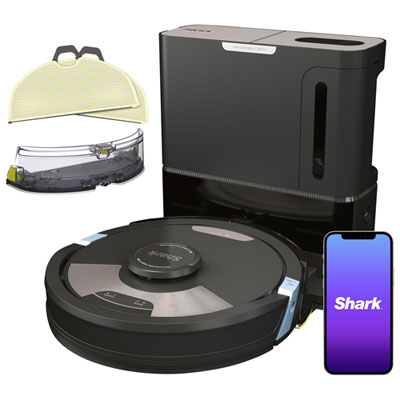 Your price for this item is $899.99
 -
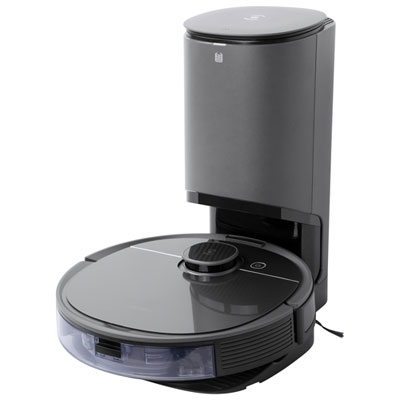 Your price for this item is $799.95
 -
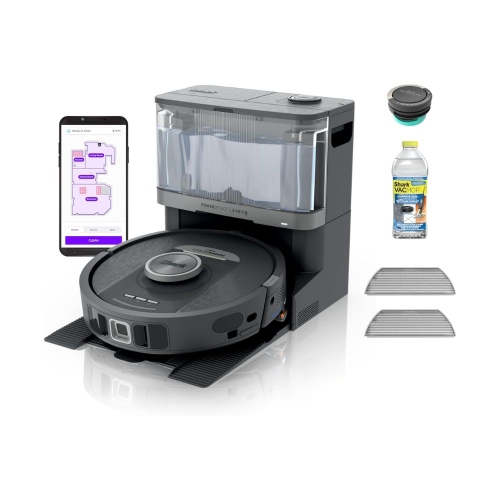 Your price for this item is $1149.99
Discover more categories related to Robot Vacuums for Wood Floors
Top Collections:
Pokemon Centers, Kindle Devices, Best Budget Office Chairs, Apple iPhones 16, Best Laptops for Writers, iPhone 15 Apple, Canon G7X Cameras, Refurbished Apple Laptops, Alarm Clock, Motorola Razr Phones
Some products may be subject to Environmental Handling Fees
(EHF) depending on your province.
Learn more about EHFs.