RV Roof Fans
Upgrade your RV's ventilation system with this selection of top-quality RV roof fans. Perfect for keeping your vehicle cool and comfortable during those hot summer days, these roof fans are designed to provide optimal airflow and circulation while on the road or parked at your favorite camping spot. Say goodbye to stuffy interiors and hello to a fresh breeze with this range of efficient and durable RV roof fans that are easy to install and operate.
Sort


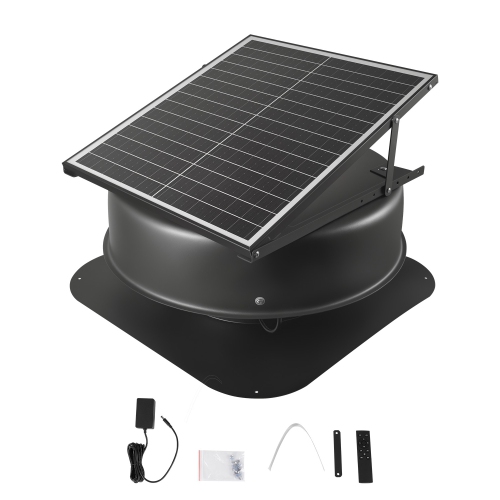

How powered ventilation helps compact campers feel less stuffy
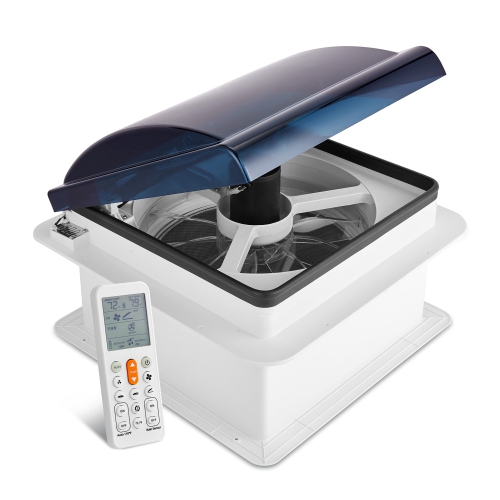
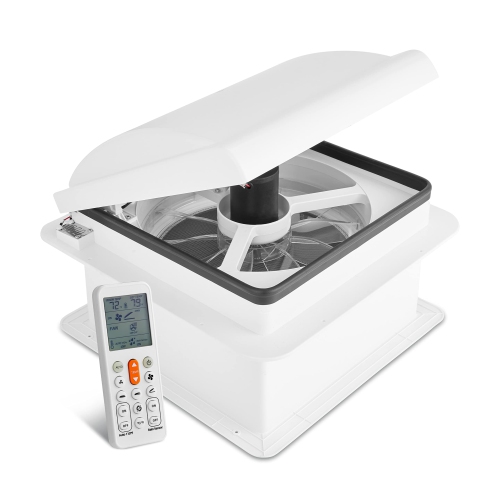
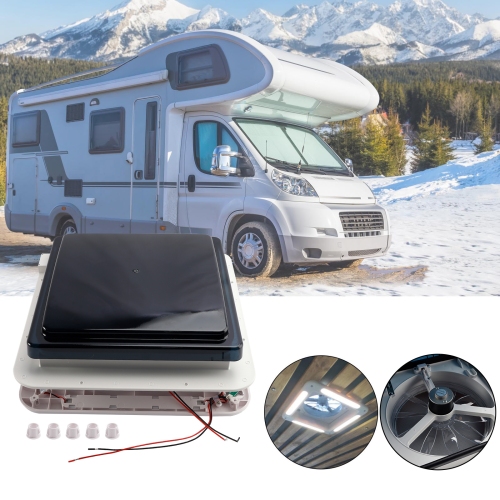
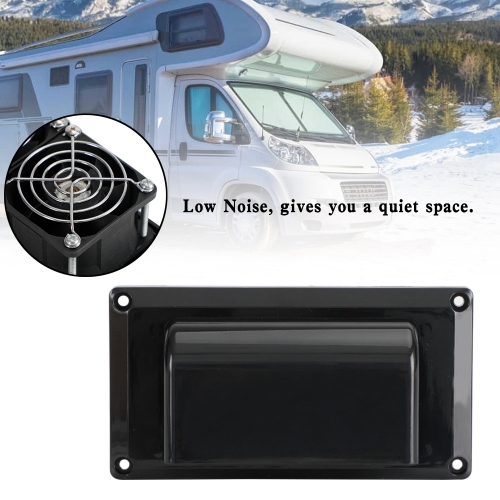
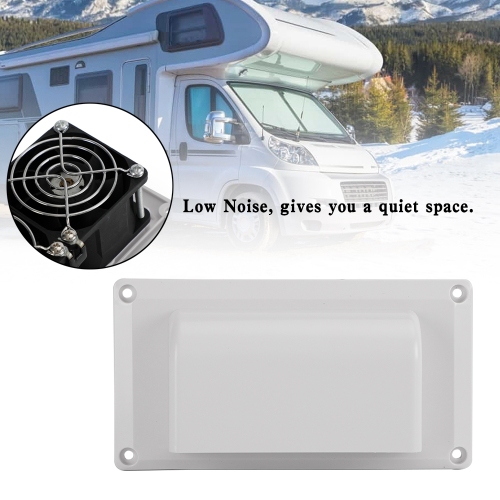
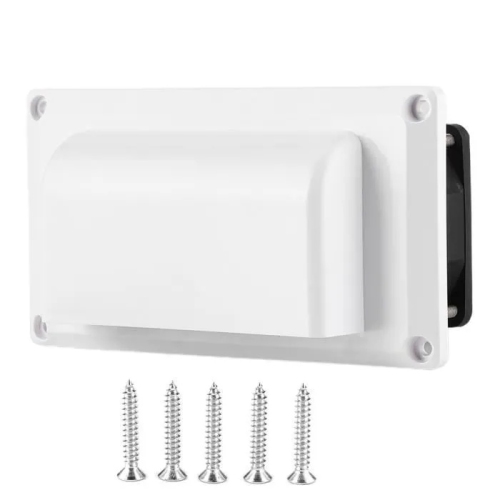
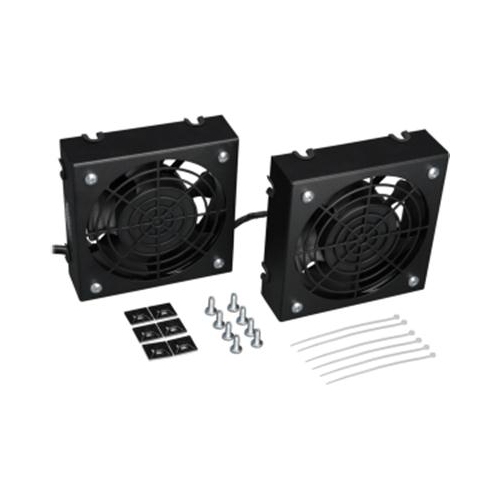
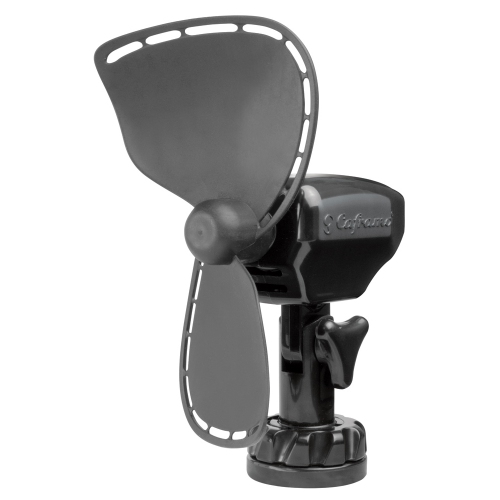
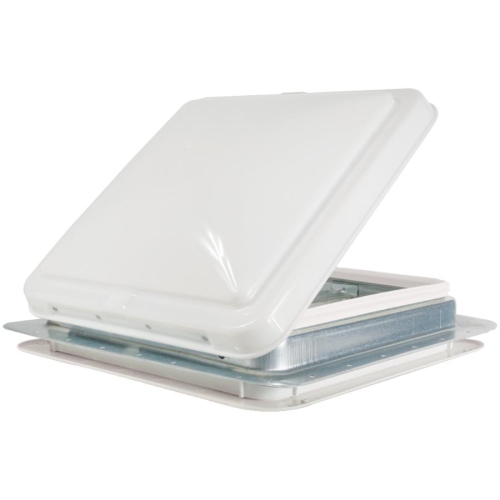
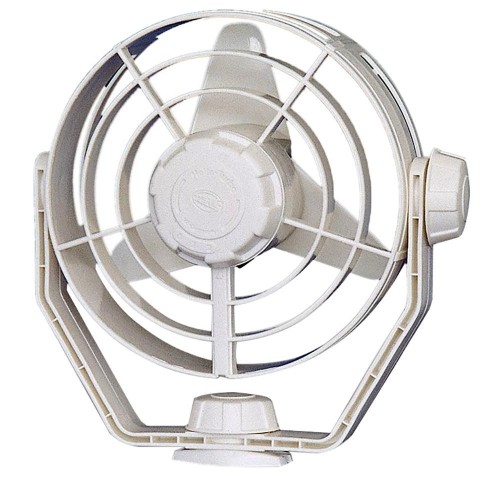
RV roof fans are powered ventilation units that help move stale air, moisture, cooking odours, and trapped heat out of recreational vehicles. Many run on a 12-volt DC electrical system and fit a nominal 14-inch by 14-inch roof opening, although dimensions and installation requirements vary. Installed above the living area, kitchen, or bathroom, an RV roof vent fan creates airflow where a small window or passive vent may not provide enough circulation. That can make a noticeable difference after a shower, while preparing a meal, or when several people share a compact travel trailer. Exhaust fans draw interior air upwards and outside, while reversible models can also bring outside air in. An open window or another suitable vent provides a path for replacement air when the fan is exhausting, helping air move through the space rather than only around the ceiling. These fans suit motorhomes, travel trailers, fifth wheels, truck campers, and converted vans, provided the roof structure and electrical supply are compatible. They are useful for weekend campers, families taking extended road trips, and owners replacing an ageing manual roof vent with powered ventilation. A fan positioned near a bathroom can help carry away shower moisture before it settles on surrounding surfaces; one in the main living area can help clear lingering food smells after dinner. Related Camper Vent Fans offer another way to explore ventilation options for compact camping spaces. The important distinction is between moving air and actively cooling it: a roof fan does not work like an air conditioner and cannot bring the interior below the temperature of the incoming air. Its value lies in steady air exchange, adjustable circulation, and helping an enclosed vehicle feel less stuffy during everyday use.
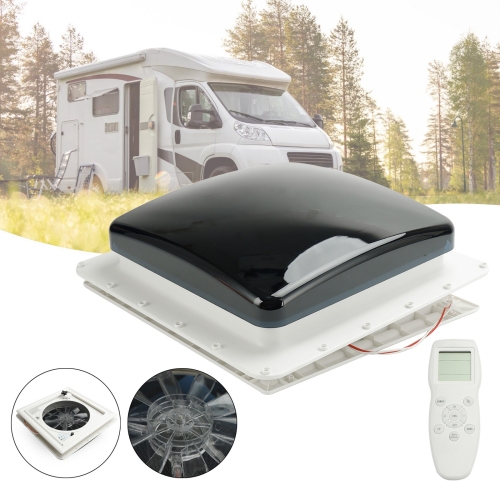
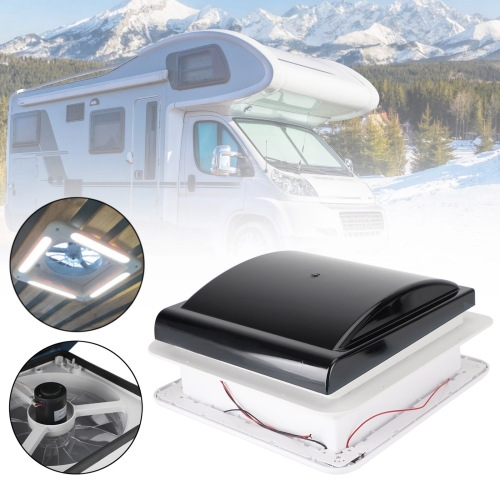
Fit involves more than matching the visible size of an existing vent. The roof cutout, roof thickness, interior trim depth, mounting surface, and clearance around nearby equipment all affect compatibility. A replacement fan may fit the original opening but still require a different interior garnish or mounting arrangement. Roof racks, solar panels, antennas, and air-conditioning units can also limit the space available for a lid to open fully or for an additional vent cover. Common construction materials include moulded plastic housings and lids, metal mounting components, and removable interior screens. UV-resistant plastics and corrosion-resistant hardware are useful durability features for equipment exposed on a vehicle roof, while a secure lid and suitable seals help protect the opening from water intrusion. A tinted or translucent lid may admit daylight; an opaque lid may be preferable above a sleeping area. Controls range from a straightforward manual lift and speed dial to powered lid operation, remote controls, multiple fan speeds, and thermostat settings. Some models offer ten speeds, but the useful range matters more than the number alone: a gentle setting can support quiet background ventilation, while stronger airflow can help clear moisture or odours more quickly. A thermostat can switch compatible fans on or off around a chosen setting, though it does not provide refrigerated cooling. Rain protection also differs between designs. A rain sensor may trigger an automatic lid closure, whereas a compatible rain shield or purpose-built cover may allow ventilation during rain within the manufacturer's stated limits. These features are not interchangeable, and permission to operate beneath a cover does not automatically mean a lid can remain open while driving. Electrical compatibility includes voltage, current draw, wiring, and circuit protection, particularly when replacing an unpowered vent. Installation needs to preserve the roof's watertight seal and follow the requirements for both the fan and the RV roof material.
Daily comfort often comes down to details that are easy to overlook in a feature list. A reachable control matters when the fan sits above a narrow aisle, and a remote can be helpful when the ceiling is high or the controls are difficult to access. For sleeping areas, low-speed sound and the ability to dim or switch off indicator lights may matter as much as maximum airflow. Published airflow ratings can help compare ventilation capacity, but noise also depends on speed, mounting, and how freely air can enter the vehicle. In a compact camper, opening a suitable window away from the fan can encourage airflow across the occupied space instead of drawing air through the nearest opening. Reversible operation adds flexibility, although intake should always be kept away from exhaust outlets and other sources of contaminated air. Roof ventilation is not a substitute for working smoke and carbon monoxide alarms, required appliance ventilation, or safe practices around fuel-burning equipment. It also should not be relied on to make an unattended RV safe for pets. For regular care, accessible screens and removable components can make cleaning less awkward, especially when dust, lint, or cooking residue begins to collect. Maintenance requirements vary, but gentle cleaning methods and materials approved by the manufacturer help avoid damage to plastic surfaces, seals, and electrical parts. Power should be disconnected before cleaning or servicing the fan, and roof access requires appropriate precautions. Periodic attention to the lid, hinge, mounting hardware, and surrounding sealant can help identify looseness, cracks, or gaps before they lead to a larger repair. Sealants must be compatible with the roof covering and fan components rather than chosen solely by appearance. Replacement screens, lids, lift mechanisms, and controls can also affect how practical a fan is to maintain over time, so serviceability is worth considering alongside convenience features. Whether the goal is to replace a noisy unit, add powered extraction above a shower, or improve circulation through a small living space, a well-matched RV roof fan combines appropriate fit, manageable controls, dependable construction, and maintenance access that suits the vehicle.
Top selling and popular products
-
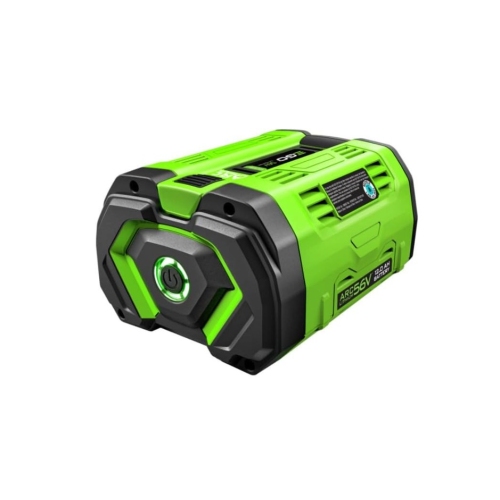 Your price for this item is $674.99
-
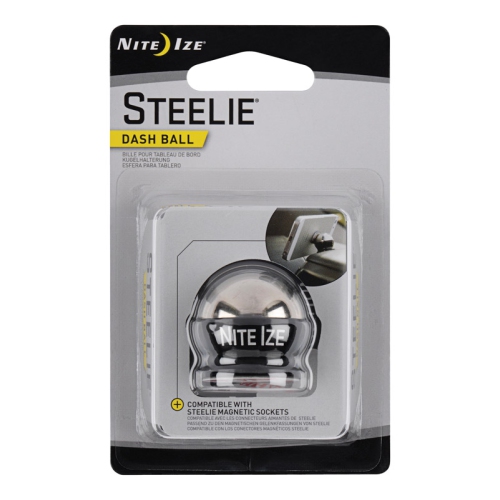 Your price for this item is $39.99
-
 Your price for this item is $112.99
-
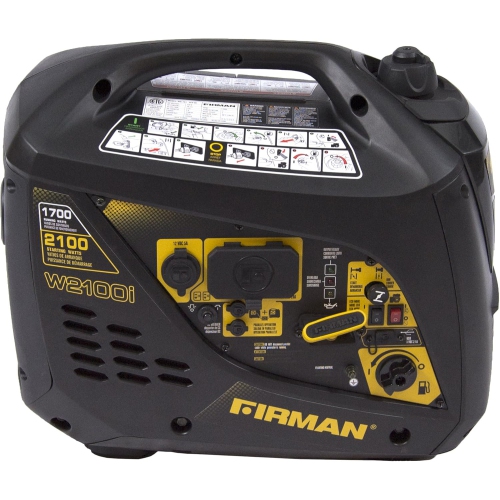 Your price for this item is $854.05
-
 Your price for this item is $1282.99
-
 Your price for this item is $99.99
-
 Your price for this item is $258.99
-
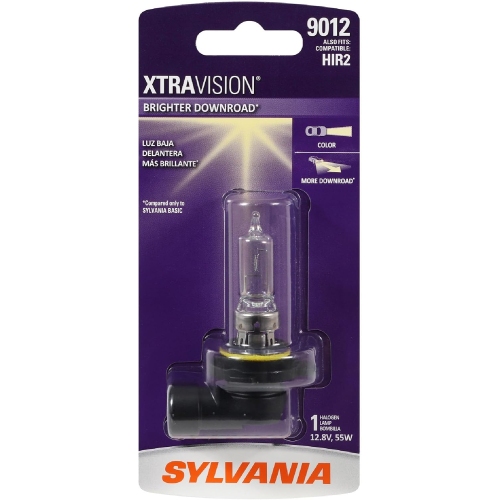 Your price for this item is $49.99
Discover more categories related to RV Roof Fans
Top Collections:
Best Black Friday Deals This Year, Best Black Friday Deals On Electronics, Kindle Devices, Pokemon Centers, Best Black Friday Deals On Apple Products, Best Cameras for Sports Photography, Dyson Airwrap, Pokémon 30th Celebration Cards, Apple iPhone 17 Pro, Canon G7X Cameras
Some products may be subject to Environmental Handling Fees
(EHF) depending on your province.
Learn more about EHFs.