Camper Vent Fans
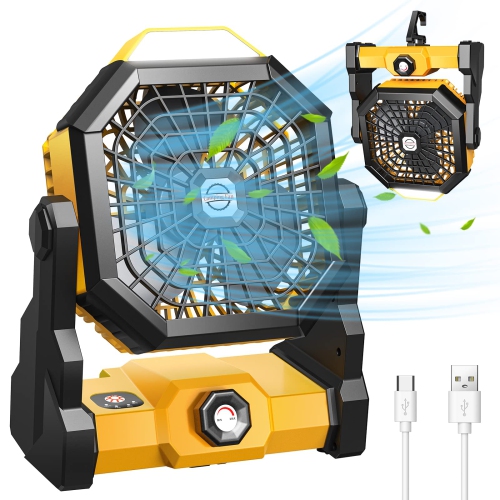
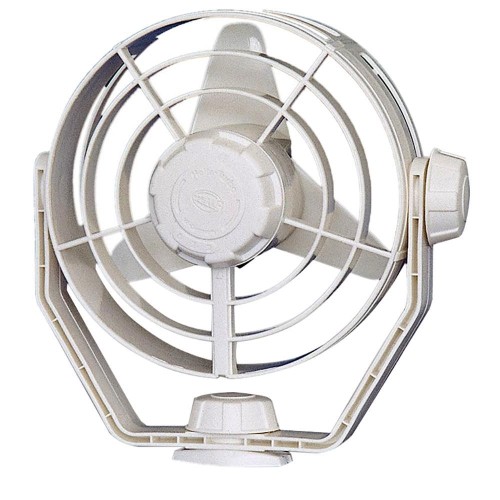
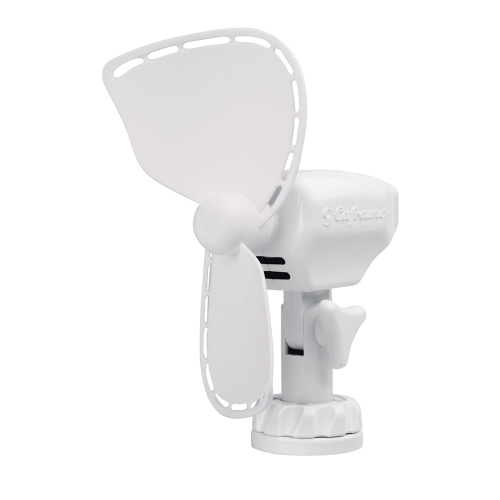
Looking to enhance your camping experience with better ventilation in your camper? Look no further than camper vent fans! These essential accessories are designed to keep the air circulating inside your camper, helping to reduce stuffiness and maintain a comfortable environment. Whether you're camping in hot summer weather or need to eliminate cooking odors, camper vent fans provide the solution to keep your space fresh and breezy. Discover a range of options to suit your camper's needs and enjoy a more enjoyable camping adventure with improved air circulation.
Sort
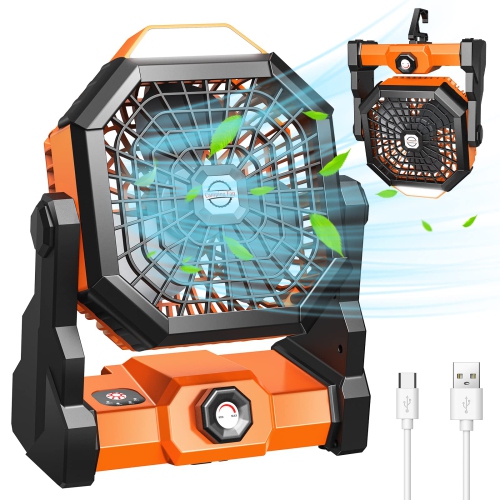
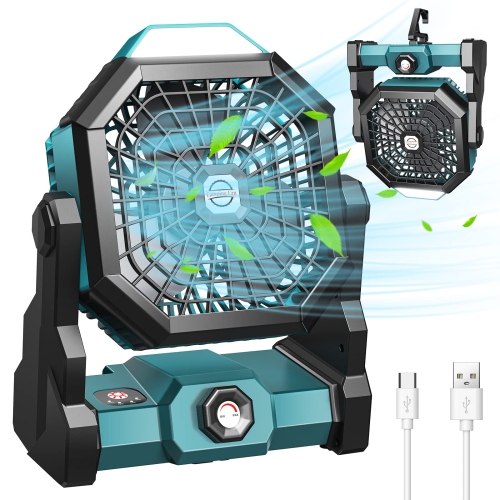
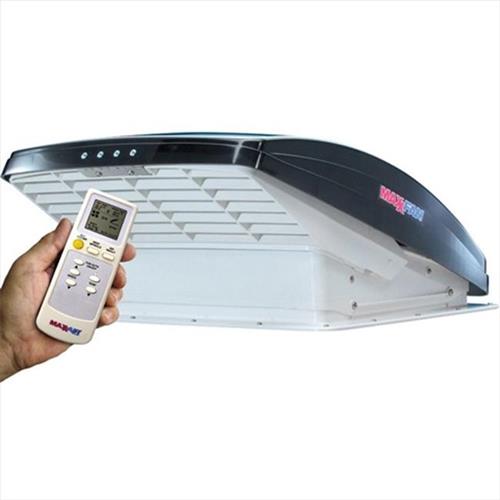
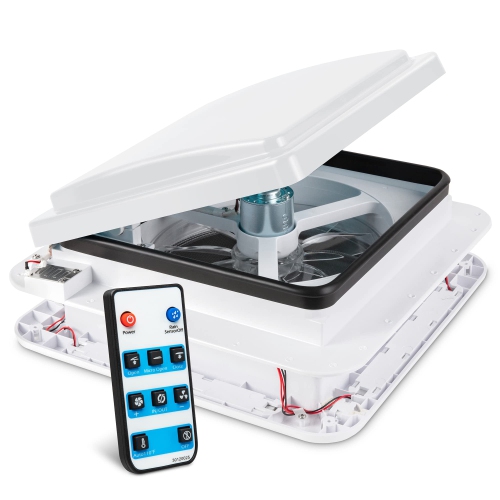
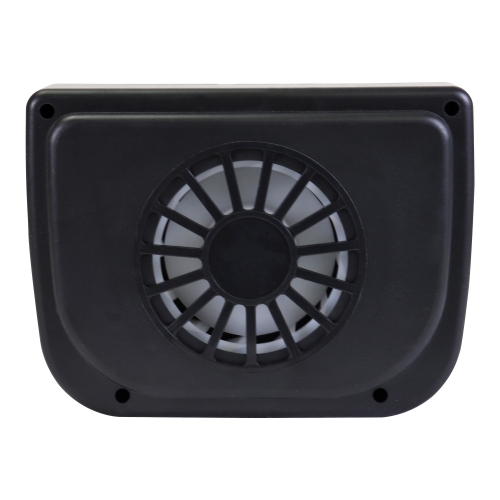
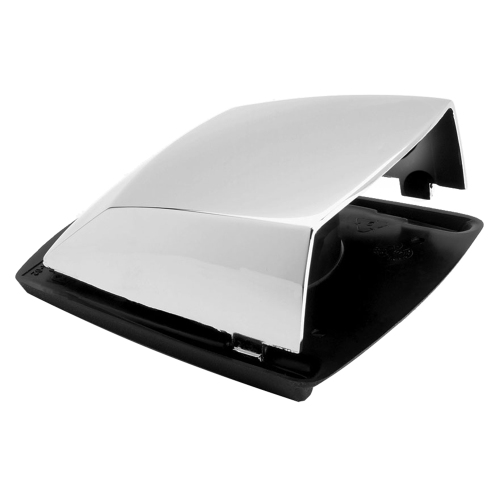
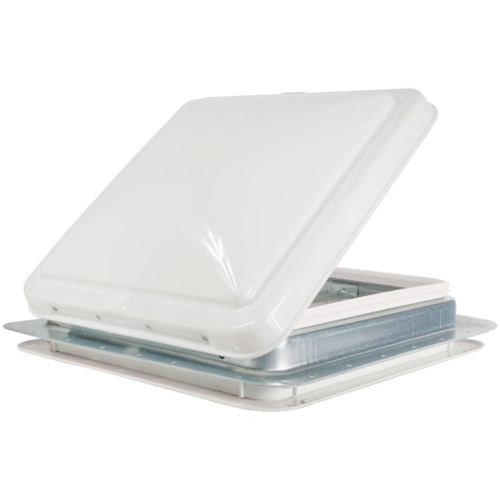
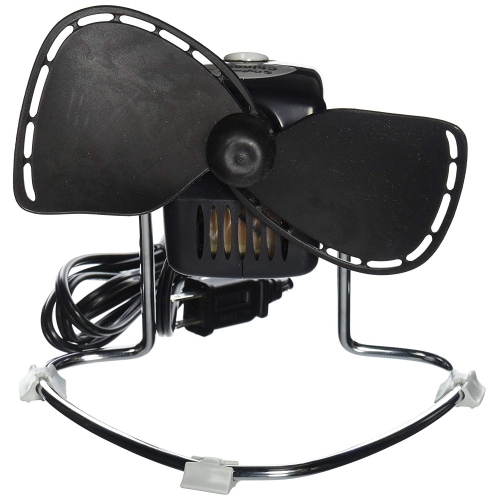

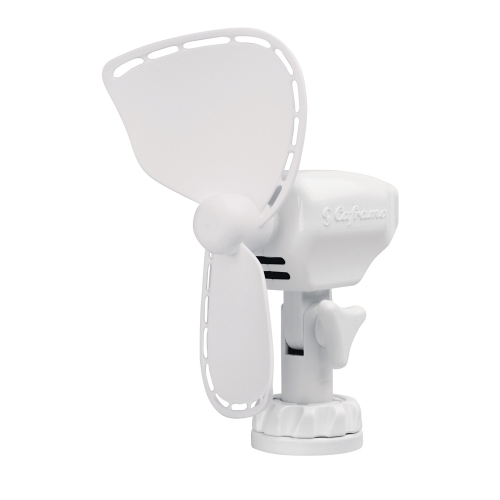
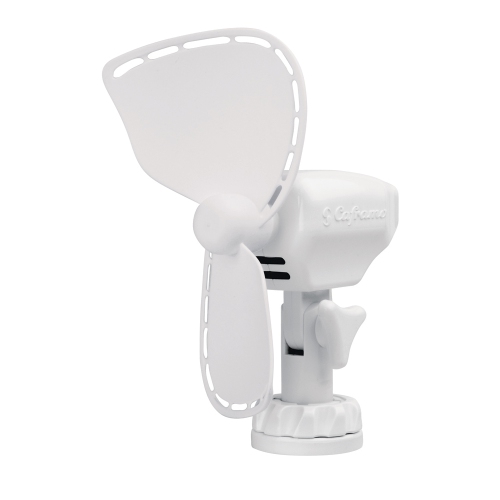
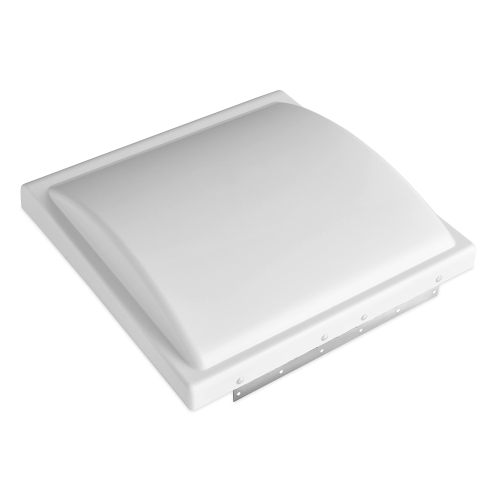
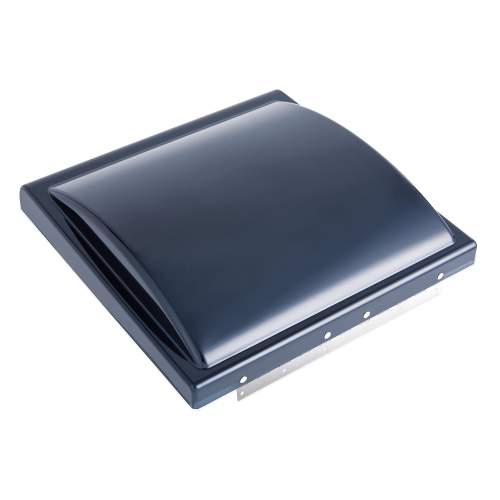
More comfortable RV interiors with fresher, better-circulated air
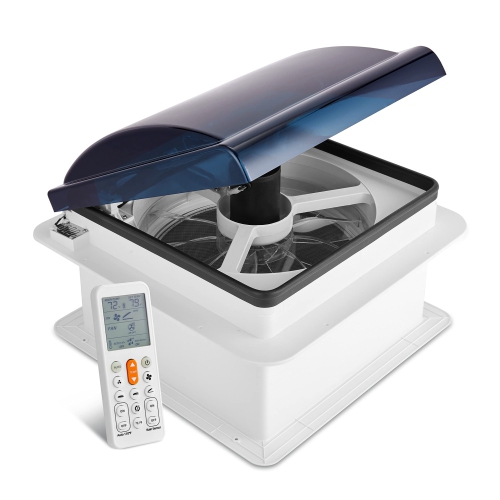
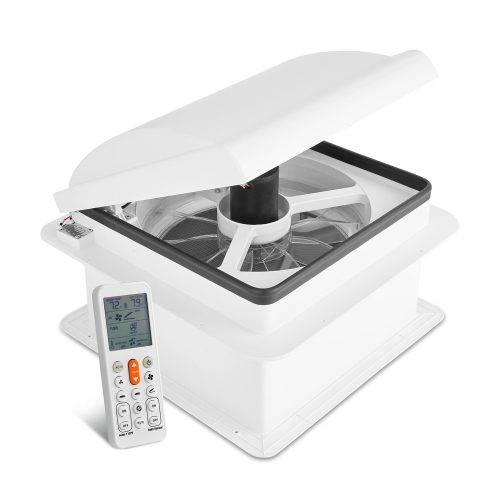
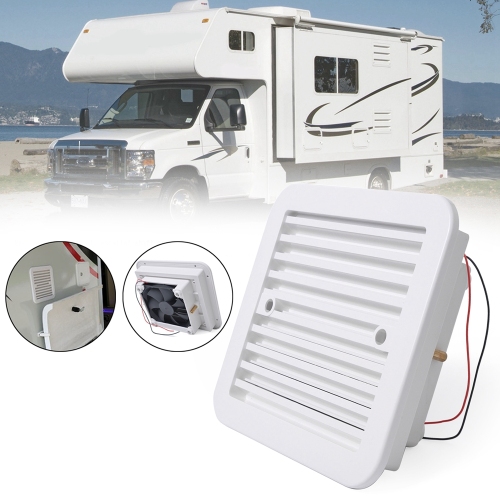
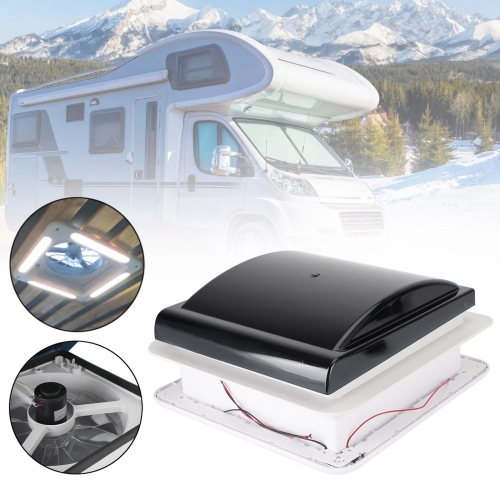
Camper vent fans are a practical way to improve airflow inside a travel trailer, motorhome, camper van, or other recreational vehicle without relying entirely on air conditioning. A compact roof-mounted fan can draw cooking odours, condensation, and warm, stale air out of the living area while helping fresh air circulate through the cabin. This is especially useful after preparing a meal, drying damp towels, or spending a cool evening indoors with the windows closed. Many camper vent fans offer reversible airflow, allowing you to switch between exhausting indoor air and bringing outdoor air inside. Multiple speed settings provide more control for different conditions, from a quiet low setting while sleeping to stronger airflow when the interior feels stuffy. Before selecting a fan, check the size and shape of the existing roof opening. A large number of powered RV vent fans are designed for standard 14 x 14-inch openings, but dimensions can vary, particularly in older campers, compact trailers, and custom conversions. Measuring the opening, checking the roof thickness, and confirming the available electrical connection can help ensure the replacement or upgrade is compatible. It is also worth considering whether the fan is intended for a new installation or a direct replacement, since the required trim, wiring, mounting hardware, and sealant may differ. For additional options that complement powered airflow, browse Roof Vents for Rvs.
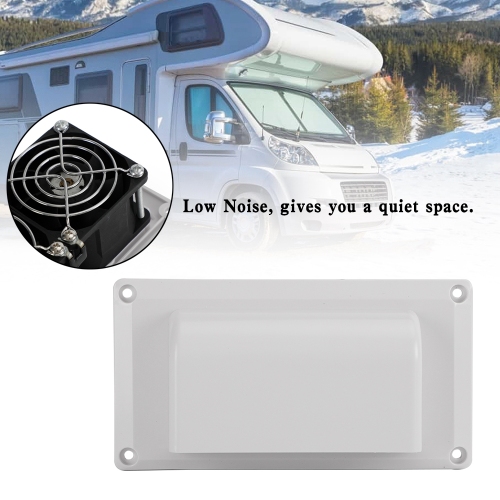
Weather protection is another important consideration when comparing camper vent fans. A built-in cover can help shield the opening from rain while the fan is operating, which is convenient when weather changes during a trip or when the vehicle is parked for an extended period. Some designs use a manual cover, while others include automatic rain detection that closes the vent when moisture is detected. A covered fan can also help keep leaves, dust, and insects from entering the camper when the vent is not in use. Look for controls that are easy to reach and understand, particularly if the fan will be used at night or by several people. A thermostat can help maintain a more comfortable interior by adjusting operation as temperatures rise, while a remote control may be useful when the fan is mounted above a bed or seating area. Noise level matters as well. A quiet motor is less distracting in a small sleeping space, where even a modest hum can seem noticeable after dark. Consider the fan’s airflow capacity in relation to the size of the camper, since a compact vehicle may not need the same level of circulation as a larger recreational vehicle. Materials and construction should suit the conditions in which the fan will be used, including exposure to road vibration, temperature changes, and occasional moisture. If the fan will operate from the camper’s battery when the vehicle is disconnected from shore power, review its electrical requirements and expected power draw. Good airflow also depends on having a path for replacement air, so opening a window or another vent slightly may improve circulation and help the fan work more effectively.
Camper vent fans appeal to a wide range of recreational vehicle owners, including weekend travellers, seasonal campers, full-time RV residents, and people who have converted vans or trailers for road trips. They can make a noticeable difference during cooking, when steam and odours would otherwise linger in a confined interior, and they can help reduce the heavy, humid feeling that develops after several people spend time inside. During the cooler months, a vent fan can still be useful for briefly clearing condensation from windows and walls without leaving doors open for long periods. It may also be a thoughtful gift for someone preparing a trailer for travel, updating an older RV, or creating a more comfortable sleeping area in a camper van. When choosing from a product list, compare airflow settings, control options, rain protection, opening compatibility, power requirements, and installation details rather than focusing on appearance alone. Replacement projects may involve removing an old vent, cleaning the surrounding surface, inspecting the roof opening, connecting the wiring, and applying an appropriate seal around the frame to help prevent leaks. Anyone unsure about roof work or electrical connections may prefer professional installation, particularly when the existing opening has water damage or the wiring does not match the new fan. With the right fit and dependable weather protection, a camper vent fan can become one of those small upgrades that quietly improves everyday comfort: air feels fresher after a meal, bedding dries more easily, and the interior stays more pleasant while the vehicle is parked, travelling, or resting at a scenic campsite.
Weather protection is another important consideration when comparing camper vent fans. A built-in cover can help shield the opening from rain while the fan is operating, which is convenient when weather changes during a trip or when the vehicle is parked for an extended period. Some designs use a manual cover, while others include automatic rain detection that closes the vent when moisture is detected. A covered fan can also help keep leaves, dust, and insects from entering the camper when the vent is not in use. Look for controls that are easy to reach and understand, particularly if the fan will be used at night or by several people. A thermostat can help maintain a more comfortable interior by adjusting operation as temperatures rise, while a remote control may be useful when the fan is mounted above a bed or seating area. Noise level matters as well. A quiet motor is less distracting in a small sleeping space, where even a modest hum can seem noticeable after dark. Consider the fan’s airflow capacity in relation to the size of the camper, since a compact vehicle may not need the same level of circulation as a larger recreational vehicle. Materials and construction should suit the conditions in which the fan will be used, including exposure to road vibration, temperature changes, and occasional moisture. If the fan will operate from the camper’s battery when the vehicle is disconnected from shore power, review its electrical requirements and expected power draw. Good airflow also depends on having a path for replacement air, so opening a window or another vent slightly may improve circulation and help the fan work more effectively.
Camper vent fans appeal to a wide range of recreational vehicle owners, including weekend travellers, seasonal campers, full-time RV residents, and people who have converted vans or trailers for road trips. They can make a noticeable difference during cooking, when steam and odours would otherwise linger in a confined interior, and they can help reduce the heavy, humid feeling that develops after several people spend time inside. During the cooler months, a vent fan can still be useful for briefly clearing condensation from windows and walls without leaving doors open for long periods. It may also be a thoughtful gift for someone preparing a trailer for travel, updating an older RV, or creating a more comfortable sleeping area in a camper van. When choosing from a product list, compare airflow settings, control options, rain protection, opening compatibility, power requirements, and installation details rather than focusing on appearance alone. Replacement projects may involve removing an old vent, cleaning the surrounding surface, inspecting the roof opening, connecting the wiring, and applying an appropriate seal around the frame to help prevent leaks. Anyone unsure about roof work or electrical connections may prefer professional installation, particularly when the existing opening has water damage or the wiring does not match the new fan. With the right fit and dependable weather protection, a camper vent fan can become one of those small upgrades that quietly improves everyday comfort: air feels fresher after a meal, bedding dries more easily, and the interior stays more pleasant while the vehicle is parked, travelling, or resting at a scenic campsite.
Top selling and popular products
-
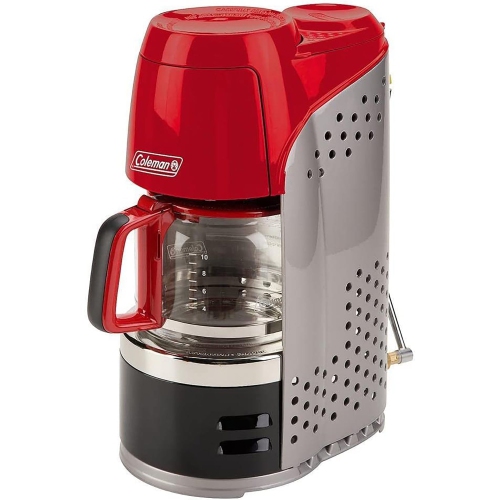 Your price for this item is $274.21
 -
 Your price for this item is $109.95
 -
 Your price for this item is $109.95
 -
 Your price for this item is $109.95
 -
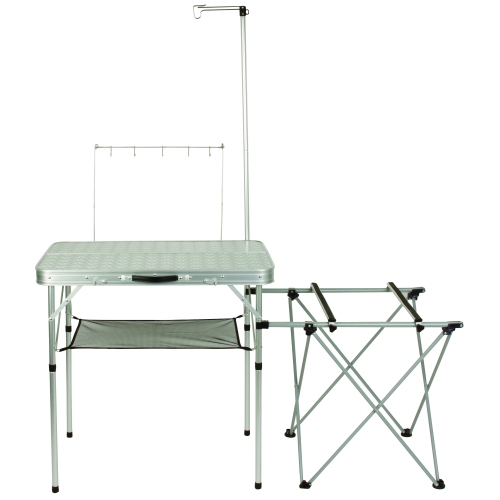 Your price for this item is $176.99
 -
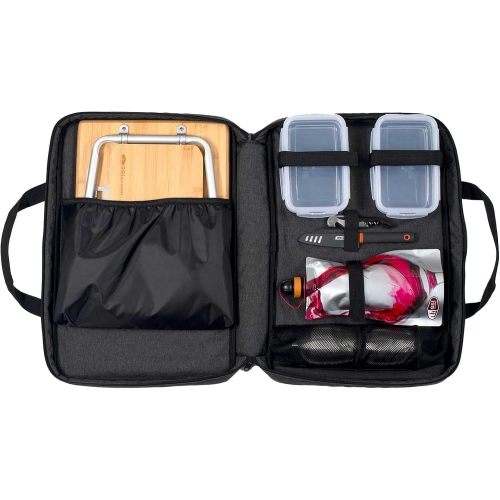 Your price for this item is $199
 -
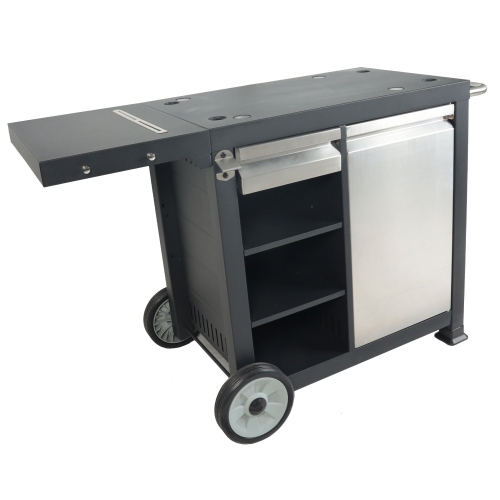 Your price for this item is $416.99
 -
 Your price for this item is $319.99
Discover more categories related to Camper Vent Fans
Top Collections:
Pokemon Centers, Kindle Devices, Best Budget Office Chairs, Apple iPhones 16, Best Laptops for Writers, iPhone 15 Apple, Canon G7X Cameras, Refurbished Apple Laptops, Alarm Clock, Motorola Razr Phones
Some products may be subject to Environmental Handling Fees
(EHF) depending on your province.
Learn more about EHFs.