Silent Fans for Room
Silent Fans for Room offer an ideal solution for creating a peaceful and comfortable environment in your home. Whether you're looking to enhance relaxation in your bedroom, maintain a quiet workspace, or enjoy undisturbed sleep, these fans are designed to circulate air efficiently while keeping noise to a minimum. Discover a variety of options that blend seamlessly with any décor, helping you achieve the perfect balance of comfort and tranquility throughout your living spaces. Explore Silent Fans for Room to find the right fit for your needs and enjoy a quieter, more refreshing atmosphere every day.
Sort




Quiet airflow depends on more than a decibel rating
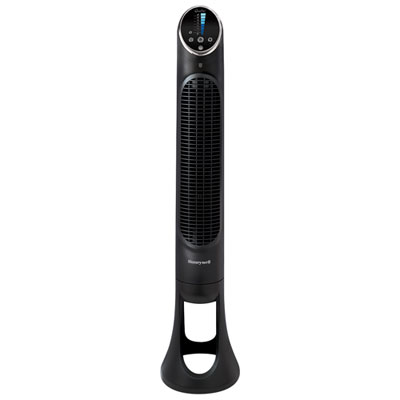
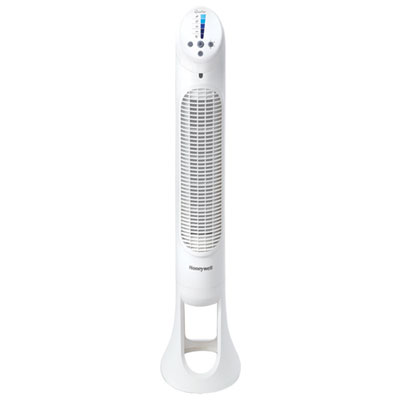
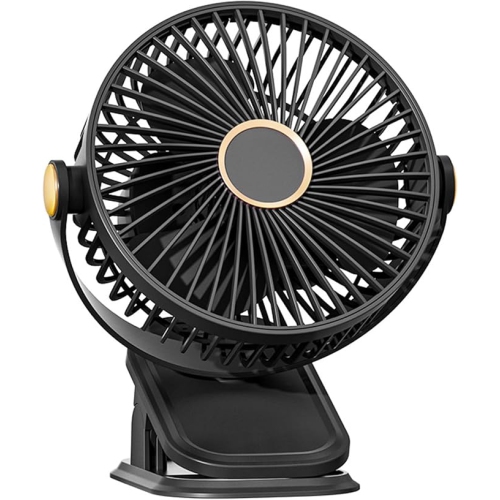
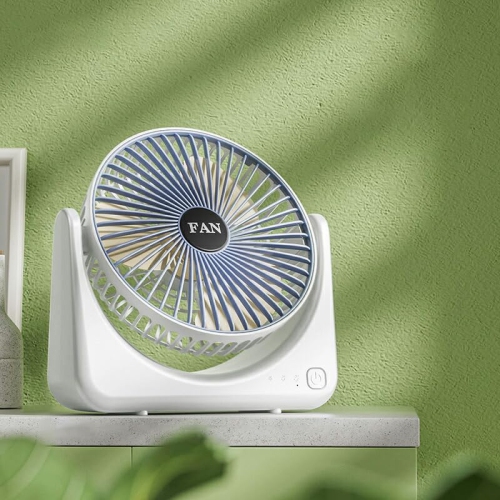
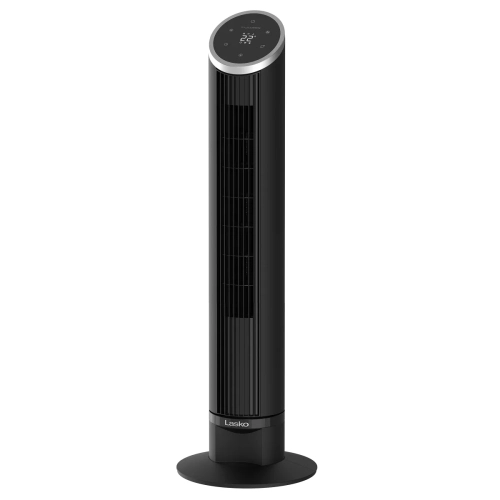
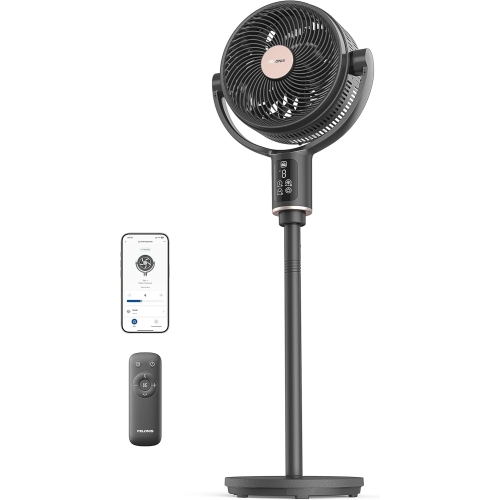
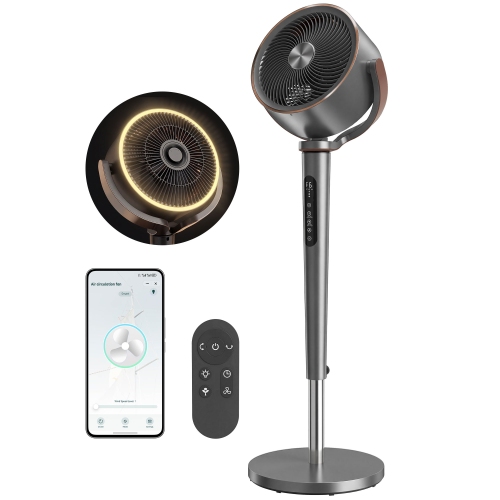
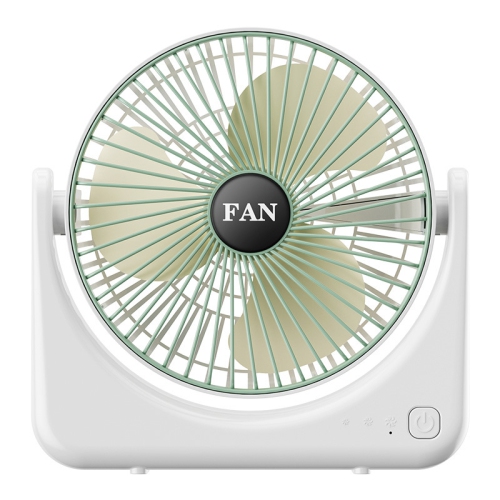
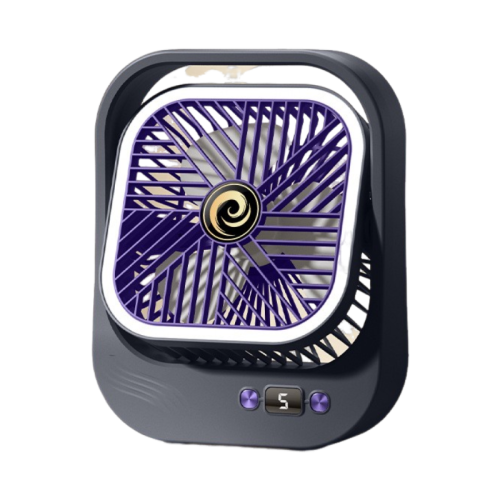
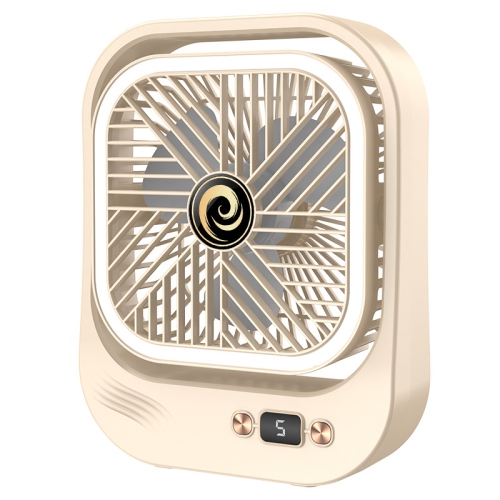
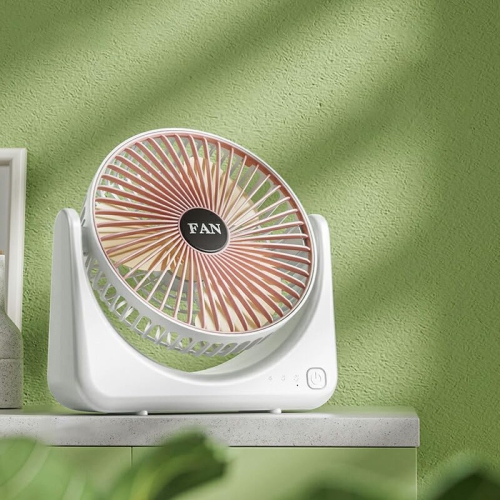
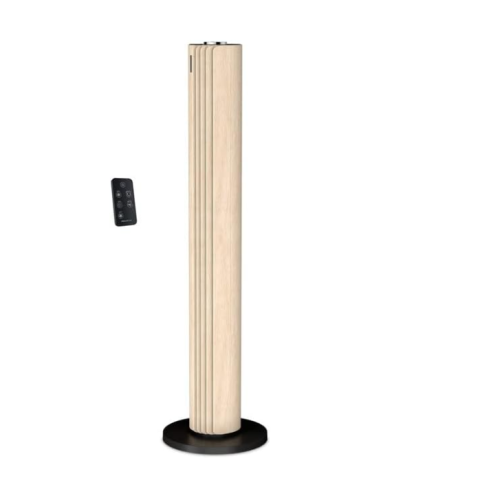
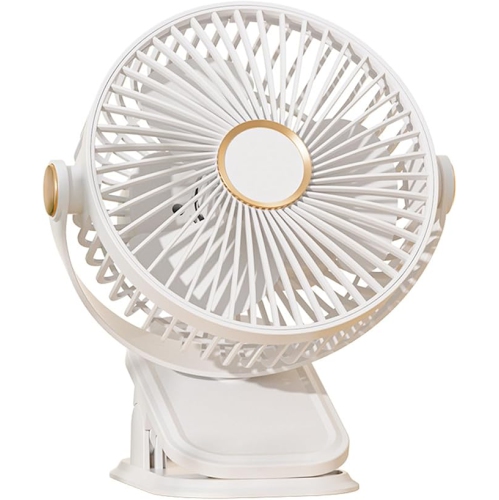
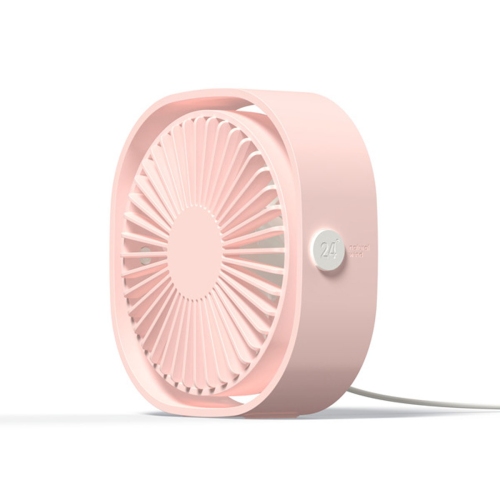
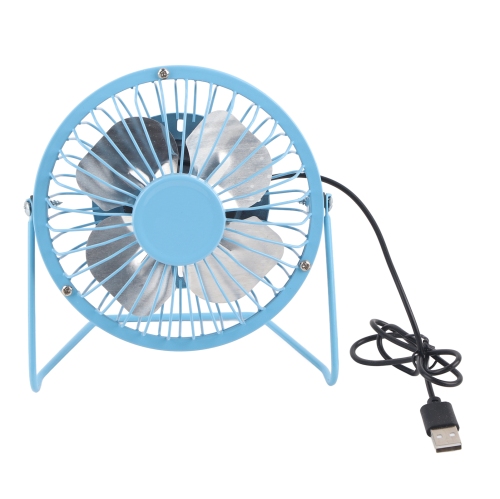
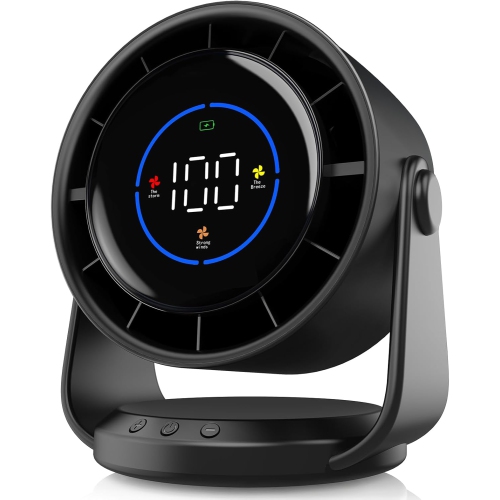
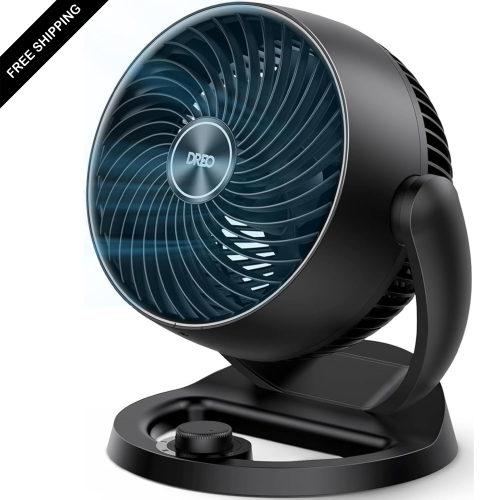
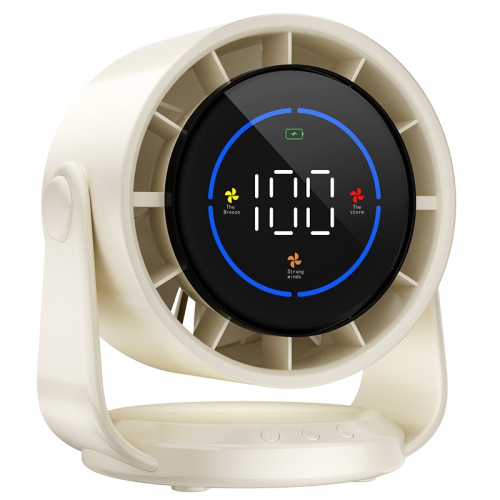
Silent fans for rooms are designed to circulate air with less motor hum, blade noise, and vibration, making them useful in bedrooms, home offices, and shared living spaces. The word silent generally describes quieter operation rather than a complete absence of sound: moving air still creates noise, particularly at higher speeds. A published noise rating around 20 to 25 dB can indicate very quiet operation at a specified setting, but the measurement distance, fan speed, and testing method all affect what that figure means. Ratings measured under different conditions are not directly comparable, and a low hum that disappears beneath conversation may be noticeable beside a bed. The character of the sound matters alongside its volume. A steady, soft airflow can be less distracting than a repeating click, a high-pitched motor tone, or vibration passing through a tabletop. Different fan formats suit different room layouts. A compact desk fan directs air towards one person without occupying much surface space, while a tower fan offers a narrow footprint beside a sofa or dresser. Pedestal fans provide adjustable height, making it easier to position airflow above a desk edge or towards a seating area. Floor fans and air circulators can support broader air movement, though their size and output should suit the space rather than overwhelm it. In a home office, a gentle setting may provide enough circulation without competing with a video call microphone. In a living room, wider oscillation can share airflow between several seats instead of keeping it aimed at one person. Physical fit includes more than the width of the base: an oscillating head needs clearance, a tilted fan needs room to move, and controls should remain reachable once furniture is in place. A fan that fits comfortably into the room is easier to position away from loose papers, curtains, and other objects that can interrupt airflow or create an unwanted rustle.
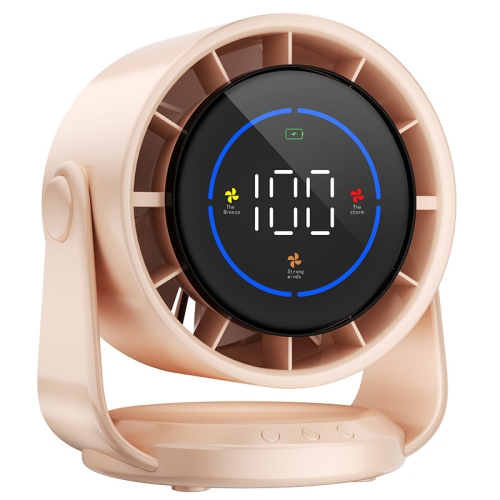
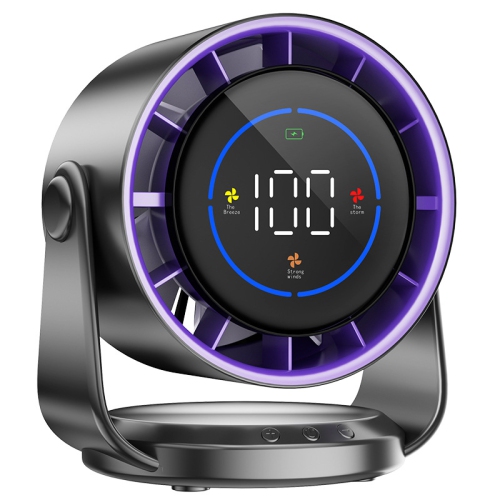
Quiet performance is most useful when the controls make it easy to maintain. Multiple speed settings allow smaller adjustments between a barely perceptible breeze and more noticeable air movement, rather than forcing a choice between too little airflow and an intrusive rush of sound. A brushless DC motor can support fine speed control, although motor type alone does not establish how quietly a complete fan will operate. Blade shape, grille design, assembly quality, and the surface beneath the base also contribute. Oscillation spreads airflow across a wider area, while an adjustable tilt helps direct it towards a particular seat or open part of the room. For someone reading nearby, a stationary stream may feel more consistent; for two people sharing a sofa, a slow sweep may be more practical. Timers are useful when a fan is needed only for part of an evening or a rest period, and a remote control reduces the need to cross the room to change a setting. Where connected controls are included, compatibility with a home’s Wi-Fi network and preferred devices determines how useful those functions will be. In sleeping spaces, display brightness deserves attention alongside sound. A dimmable display or an option to switch indicator lights off can prevent a small light from becoming a distraction across a dark room. Sleep modes vary: some reduce speed gradually, while others use changing airflow patterns, so the name alone does not describe exactly how a fan behaves. A bedside setup has its own priorities, making Quiet Fans for Bedrooms a useful related category for spaces where gentle airflow and minimal disturbance matter. Controls that are easy to identify by touch, a stable base, and predictable operation can be more valuable in everyday use than a long list of functions. For shared rooms, the ability to adjust direction and speed helps accommodate different preferences without constantly moving the fan.
Materials, construction, and care influence how well a room fan holds up to regular use. Moulded plastic housings are often relatively light and easy to reposition, while metal grilles and supports can provide a more substantial feel; neither material alone guarantees quieter operation or greater durability. Secure joints, a balanced rotating assembly, and a base that sits evenly help limit rattles and movement. Rubberized feet can reduce vibration transfer on suitable surfaces, but a fan still needs a firm, level position rather than a cushion, bed, or unstable stack of books. In a bedroom, that might mean a clear section of a bedside table; in a study, it could mean a separate shelf that does not amplify vibration through the desk. Cable length and outlet location also affect placement, particularly where a cord might otherwise cross a walkway or become trapped behind furniture. Households with children or pets benefit from protected moving parts, secure positioning, and cords kept out of reach, although no fan design replaces appropriate supervision. Dust gradually collects on grilles and blades, and keeping these areas clean helps maintain airflow and can prevent dust-related imbalance or rattling. Cleaning access matters: removable grilles can make routine care easier where the manufacturer permits their removal, while enclosed designs may call for a different method. The fan should be switched off and unplugged before cleaning, with the motor housing kept dry and all parts reassembled as directed before use. Wiping accessible surfaces and using a soft brush where permitted is generally more practical than allowing a thick layer of dust to build up. A carrying handle and manageable weight are helpful for anyone moving a fan between a work area and a reading corner. For regular use, the strongest fit is a fan whose sound, airflow, footprint, and maintenance needs suit the room and the people spending time in it.
Top selling and popular products
-
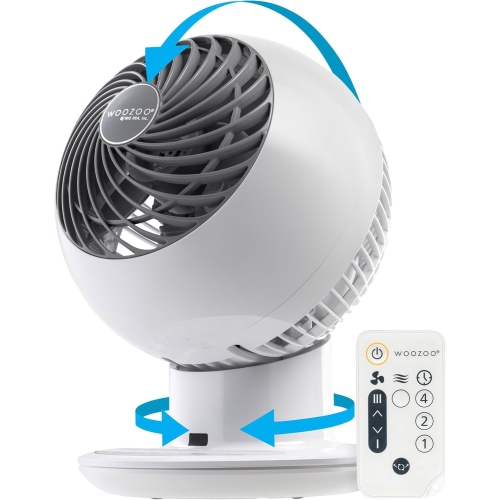 Your price for this item is $64.08
-
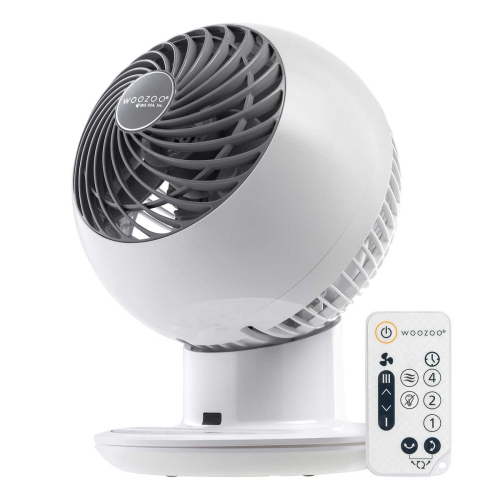 Your price for this item is $64.08
-
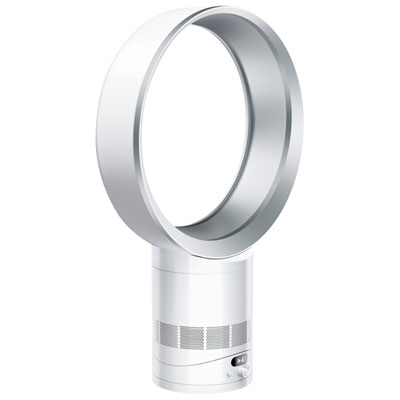 Your price for this item is $379.99
-
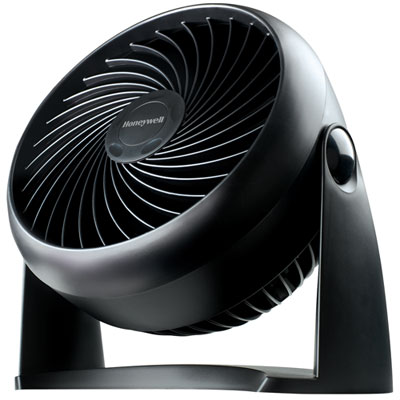 Your price for this item is $24.99
-
 Your price for this item is $49.99
-
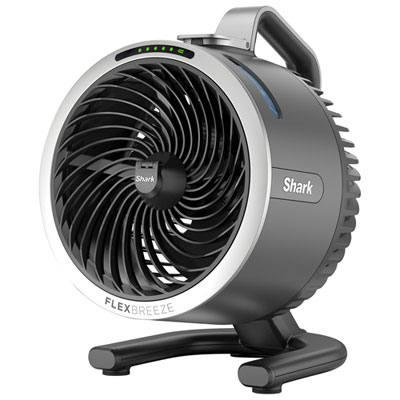 Your price for this item is $129.99
-
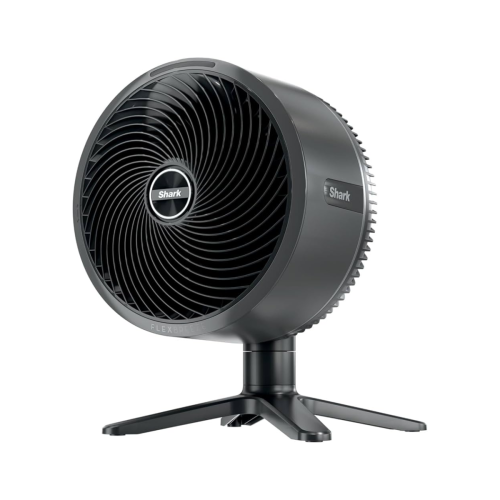 Your price for this item is $199.99
-
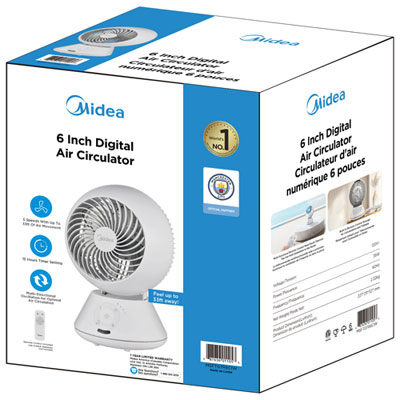 Your price for this item is $44.99
Discover more categories related to Silent Fans for Room
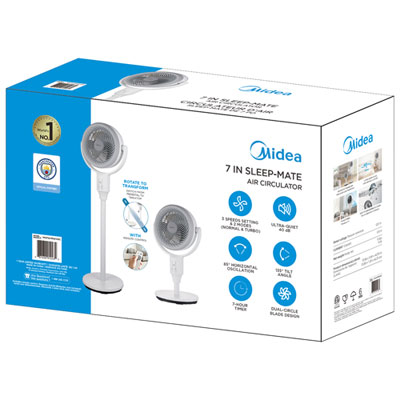
Top Collections:
Best Black Friday Deals This Year, Best Black Friday Deals On Electronics, Kindle Devices, Pokemon Centers, Best Black Friday Deals On Apple Products, Best Cameras for Sports Photography, Dyson Airwrap, Pokémon 30th Celebration Cards, Apple iPhone 17 Pro, Canon G7X Cameras
Some products may be subject to Environmental Handling Fees
(EHF) depending on your province.
Learn more about EHFs.