Single Serve Espresso Machines
Looking to enjoy a barista-quality espresso in the comfort of your own home? Look no further than our wide selection of single-serve espresso machines. These sleek and compact appliances are designed to deliver the perfect cup of espresso with just the touch of a button. With their advanced features and intuitive controls, you can enjoy a rich and flavorful espresso without the hassle of traditional brewing methods.
Sort
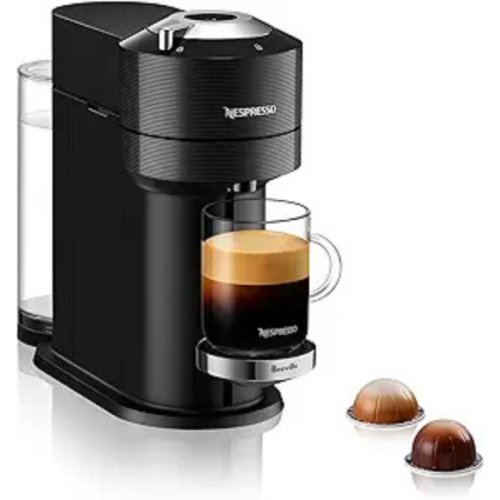
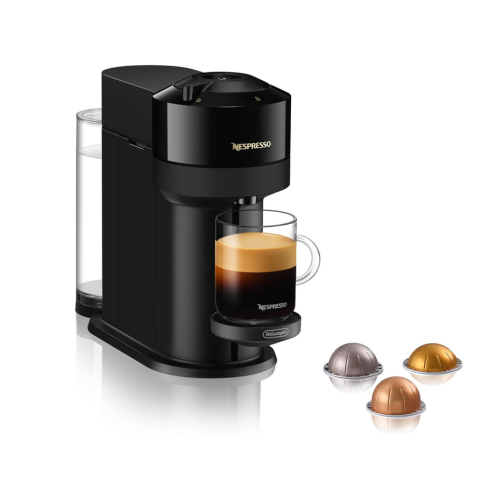
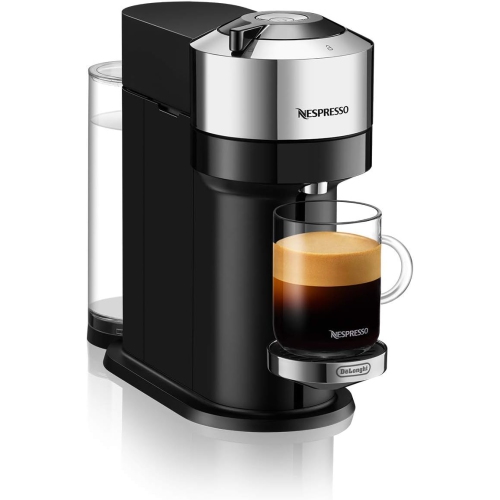
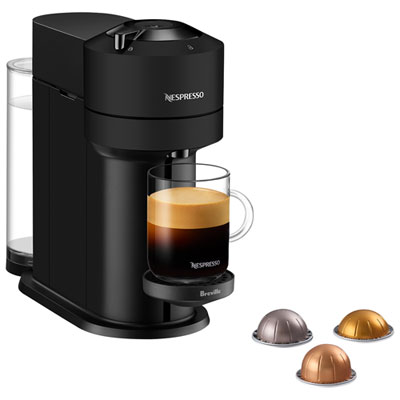
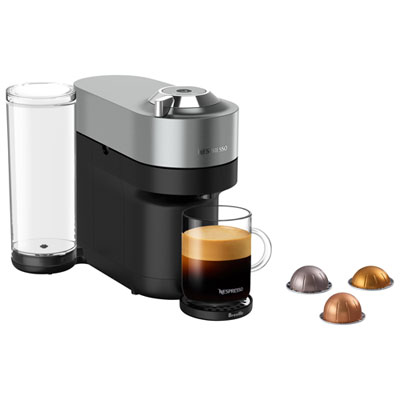
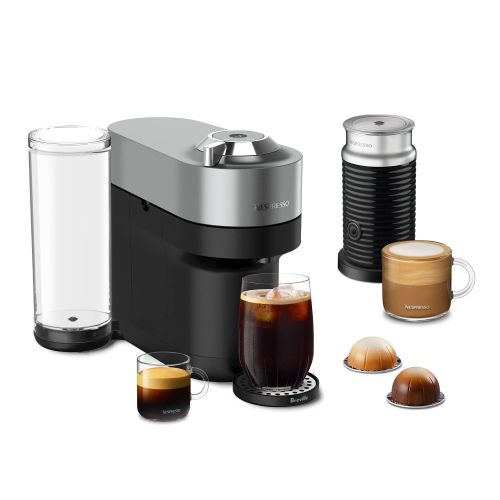
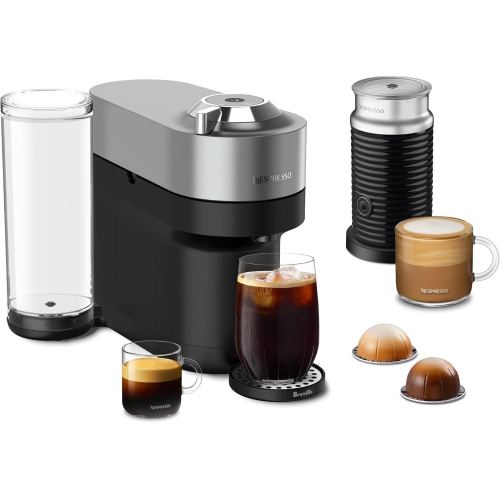
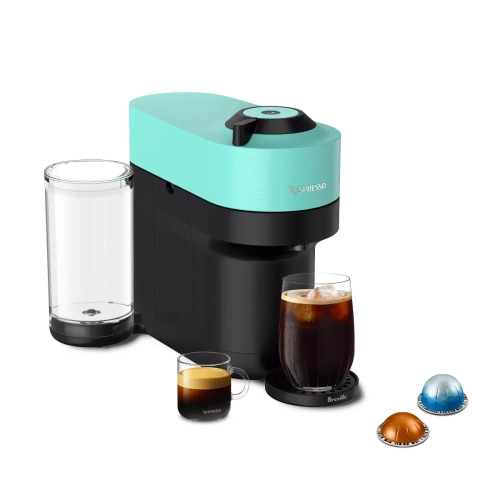
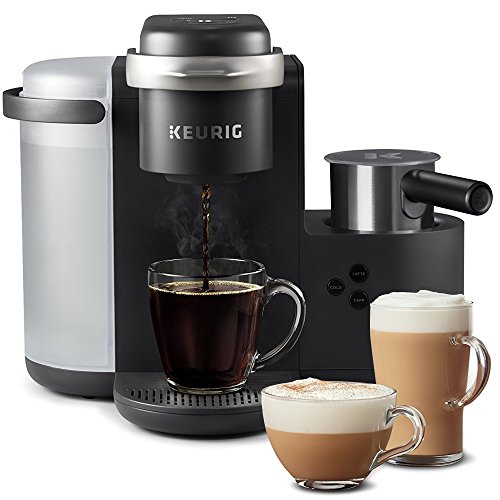
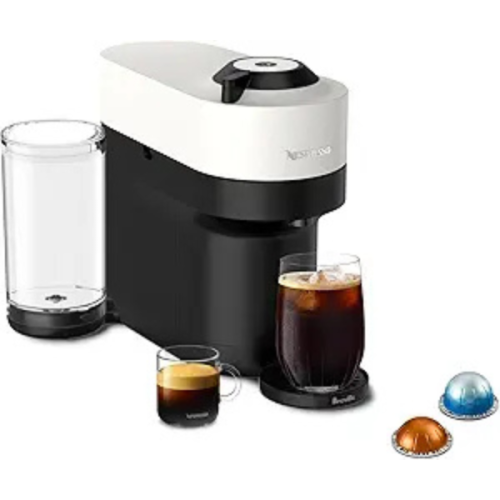
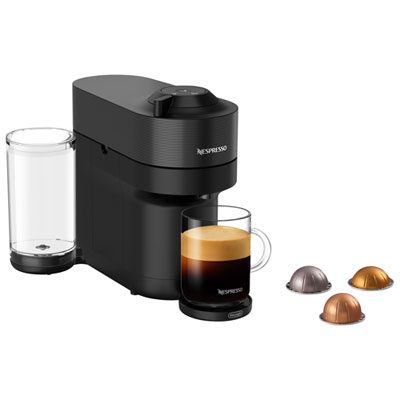
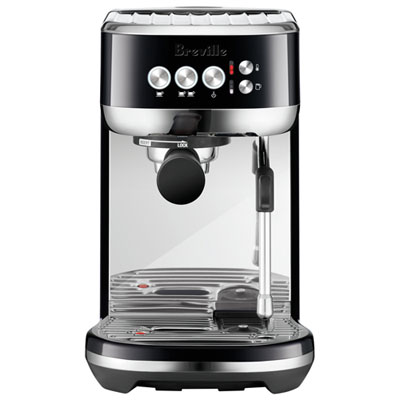
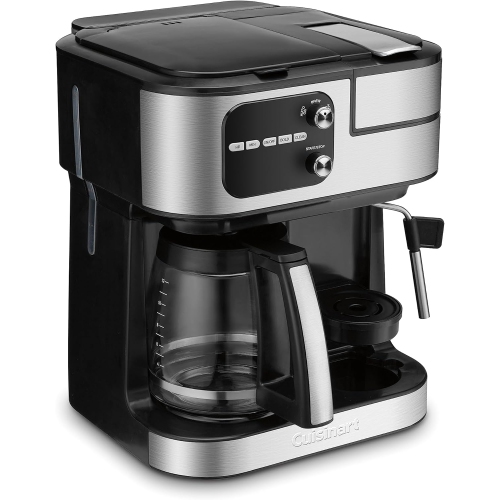
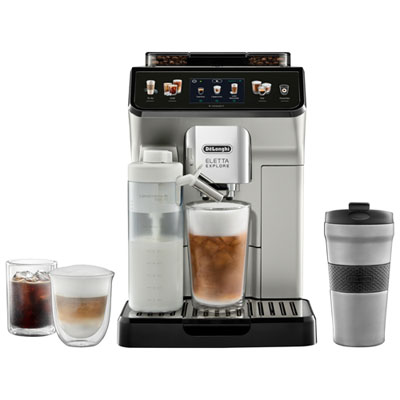
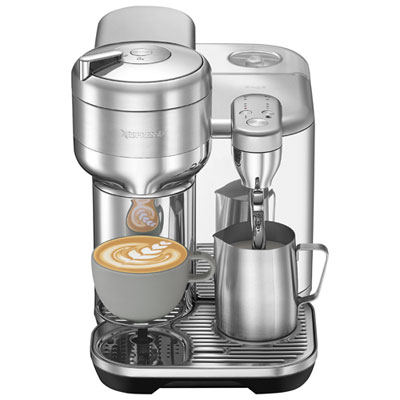
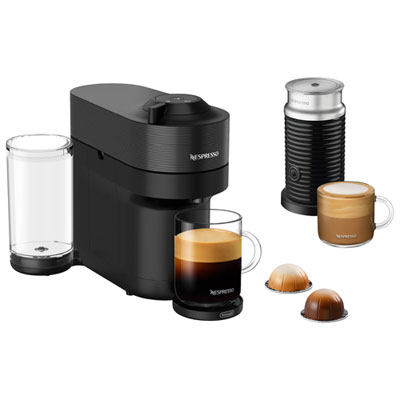
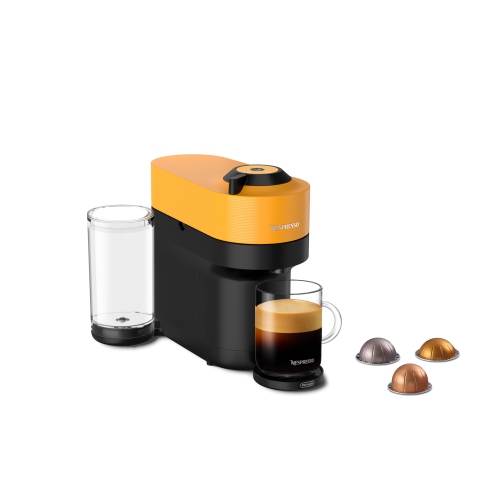
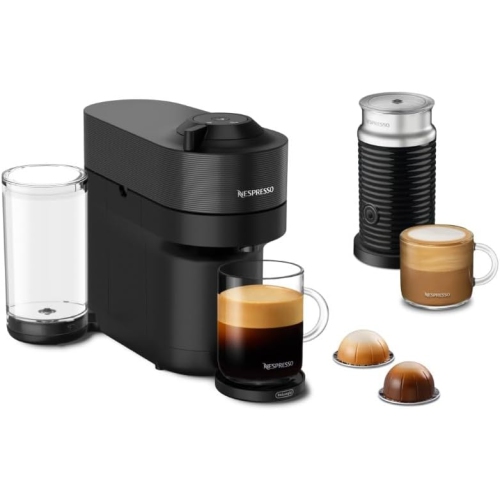
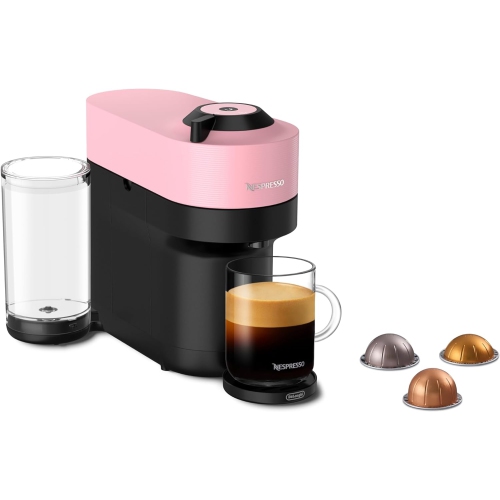
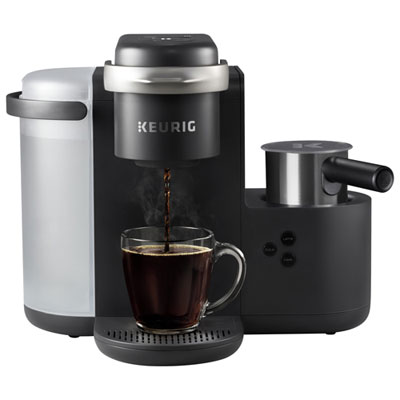
Capsules or grounds shape your daily espresso routine
Single-serve espresso machines prepare individual servings of concentrated coffee, making them a practical fit for anyone who enjoys an espresso on its own or as the base for a latte, cappuccino, or Americano. Rather than brewing a full pot, these appliances focus on a small serving made when it is wanted. Depending on the design, they use compatible capsules, espresso pods, or measured portions of ground coffee. Capsule systems keep preparation straightforward: insert a capsule, place a cup beneath the spout, and select the supported serving size. Machines that accept ground coffee offer more freedom to choose beans and adjust the dose, although they also involve more preparation and cleaning. Not every single-serve coffee maker produces espresso, so the brewing method matters more than the single-cup label alone. Espresso uses pressure to pass water through finely ground coffee, producing a concentrated drink with a flavour and texture distinct from drip coffee. Some capsule systems use other extraction methods to create espresso-style servings, with results that vary by system. Serving options also differ: a machine may prepare a single espresso, a double espresso, or several programmed volumes, but a larger cup setting does not necessarily mean it brews a full mug of conventional coffee. For someone who drinks a short espresso before leaving home, a simple machine with a quick start-up routine can be a comfortable match. A household that alternates between espresso and milk drinks may get more use from adjustable serving sizes and a milk-frothing option. The appeal is not limited to experienced coffee drinkers. Straightforward controls and repeatable settings can make these machines approachable for a first apartment, a shared kitchen, or a personal coffee station. The best fit depends on the drinks being made and how much hands-on preparation feels enjoyable. A one-touch capsule routine suits a hurried breakfast, while grinding beans and preparing a small filter basket can become a satisfying part of a quieter morning.
Size and layout shape how comfortably a single-serve espresso machine fits into everyday life. A narrow body can leave room for a cutting board or toaster, but width is only one part of the footprint. Space above the machine may be needed to open a capsule lever, and clearance behind or beside it may be necessary to remove the water reservoir. Cup height is another useful consideration. A small espresso cup should sit securely beneath the outlet, while a taller latte glass may require an adjustable platform or a removable drip tray. Reservoir capacity affects how often water needs topping up, particularly when several people make drinks in succession. A compact tank may suit one espresso drinker, whereas a larger removable tank can make a shared routine easier. For a dedicated coffee station, countertop espresso machines offer a broader range of formats, including designs with more room for milk preparation and cup clearance. Materials contribute to both appearance and daily upkeep. Stainless steel panels can coordinate with other kitchen appliances, although polished surfaces may show fingerprints; plastic housings can be lighter and easy to wipe clean. Exterior material alone does not establish durability. Secure fittings, a stable base, well-seated trays, and accessible components also influence how a machine holds up to regular use. Milk preparation deserves particular attention for latte and cappuccino drinkers. A steam wand offers hands-on control over milk texture, while an automatic milk system handles more of the process. A separate electric frother can be convenient when the espresso machine has no milk function, though it needs its own storage or counter space. These approaches produce different textures, and not every frother can create the fine, silky foam associated with latte art. Someone who mostly drinks espresso may prefer to avoid the extra milk components altogether. Clear controls, readable water-level markings, and removable parts can matter more in daily use than a long list of drink settings that rarely get selected.
Coffee compatibility and routine care have a lasting effect on satisfaction with a single-serve espresso machine. Capsule shapes and brewing systems are not universally interchangeable, and soft espresso pods are different from rigid capsules. A machine designed for one format may not accept another, even when both are described as single-serve. Ground-coffee models bring their own requirements: the appropriate grind, dose, and preparation depend on the filter basket and brewing design. Some baskets are more forgiving of pre-ground espresso coffee, while others benefit from a grinder capable of small, consistent adjustments. Freshness, water quality, and the balance between the amount of coffee used and the finished serving all influence flavour. A high advertised pump-pressure figure alone does not guarantee a better-tasting shot, and a thick layer of crema is not a complete measure of quality. In everyday use, dependable results come from a compatible coffee format, suitable settings, and a clean brewing path. Removable drip trays and capsule containers need regular emptying, and coffee residue should not be left to accumulate around outlets or baskets. Steam wands need prompt cleaning after milk use, following the machine’s directions, while detachable milk containers and tubing may require additional washing. Descaling helps address mineral build-up inside the water circuit; the appropriate interval depends on water hardness, usage, and the manufacturer’s recommendations. Water filters do not necessarily remove the need for descaling, and removable components should only go in the dishwasher if they are identified as dishwasher-safe. These practical details are especially relevant when choosing a gift. A compact capsule machine may suit a recipient who values a tidy, predictable routine, while a ground-coffee design may appeal to someone who enjoys adjusting flavour and technique. For shared spaces, easy refilling and uncomplicated cleaning help keep the machine pleasant for the next person. Matching the brewing format, footprint, and care requirements to the intended user makes a single-serve espresso machine more likely to become a well-used part of the kitchen rather than an appliance reserved for occasional use.
Size and layout shape how comfortably a single-serve espresso machine fits into everyday life. A narrow body can leave room for a cutting board or toaster, but width is only one part of the footprint. Space above the machine may be needed to open a capsule lever, and clearance behind or beside it may be necessary to remove the water reservoir. Cup height is another useful consideration. A small espresso cup should sit securely beneath the outlet, while a taller latte glass may require an adjustable platform or a removable drip tray. Reservoir capacity affects how often water needs topping up, particularly when several people make drinks in succession. A compact tank may suit one espresso drinker, whereas a larger removable tank can make a shared routine easier. For a dedicated coffee station, countertop espresso machines offer a broader range of formats, including designs with more room for milk preparation and cup clearance. Materials contribute to both appearance and daily upkeep. Stainless steel panels can coordinate with other kitchen appliances, although polished surfaces may show fingerprints; plastic housings can be lighter and easy to wipe clean. Exterior material alone does not establish durability. Secure fittings, a stable base, well-seated trays, and accessible components also influence how a machine holds up to regular use. Milk preparation deserves particular attention for latte and cappuccino drinkers. A steam wand offers hands-on control over milk texture, while an automatic milk system handles more of the process. A separate electric frother can be convenient when the espresso machine has no milk function, though it needs its own storage or counter space. These approaches produce different textures, and not every frother can create the fine, silky foam associated with latte art. Someone who mostly drinks espresso may prefer to avoid the extra milk components altogether. Clear controls, readable water-level markings, and removable parts can matter more in daily use than a long list of drink settings that rarely get selected.
Coffee compatibility and routine care have a lasting effect on satisfaction with a single-serve espresso machine. Capsule shapes and brewing systems are not universally interchangeable, and soft espresso pods are different from rigid capsules. A machine designed for one format may not accept another, even when both are described as single-serve. Ground-coffee models bring their own requirements: the appropriate grind, dose, and preparation depend on the filter basket and brewing design. Some baskets are more forgiving of pre-ground espresso coffee, while others benefit from a grinder capable of small, consistent adjustments. Freshness, water quality, and the balance between the amount of coffee used and the finished serving all influence flavour. A high advertised pump-pressure figure alone does not guarantee a better-tasting shot, and a thick layer of crema is not a complete measure of quality. In everyday use, dependable results come from a compatible coffee format, suitable settings, and a clean brewing path. Removable drip trays and capsule containers need regular emptying, and coffee residue should not be left to accumulate around outlets or baskets. Steam wands need prompt cleaning after milk use, following the machine’s directions, while detachable milk containers and tubing may require additional washing. Descaling helps address mineral build-up inside the water circuit; the appropriate interval depends on water hardness, usage, and the manufacturer’s recommendations. Water filters do not necessarily remove the need for descaling, and removable components should only go in the dishwasher if they are identified as dishwasher-safe. These practical details are especially relevant when choosing a gift. A compact capsule machine may suit a recipient who values a tidy, predictable routine, while a ground-coffee design may appeal to someone who enjoys adjusting flavour and technique. For shared spaces, easy refilling and uncomplicated cleaning help keep the machine pleasant for the next person. Matching the brewing format, footprint, and care requirements to the intended user makes a single-serve espresso machine more likely to become a well-used part of the kitchen rather than an appliance reserved for occasional use.
Top selling and popular products
-
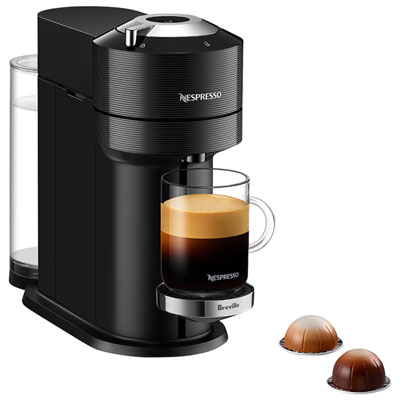 Your price for this item is $249.99
 -
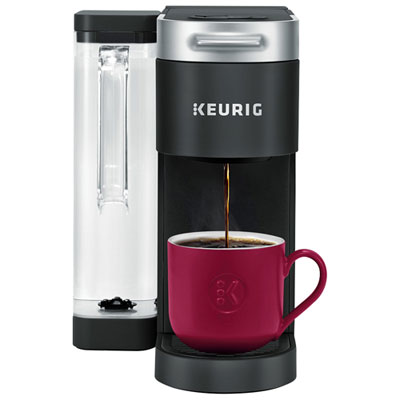 Your price for this item is $162.98
 -
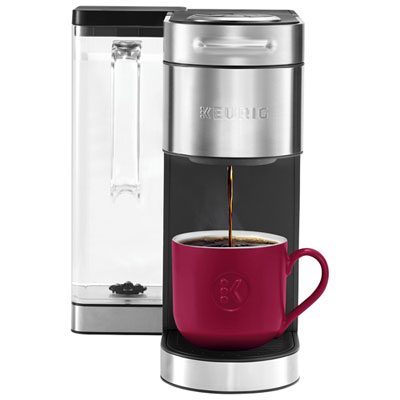 Your price for this item is $239.99
 -
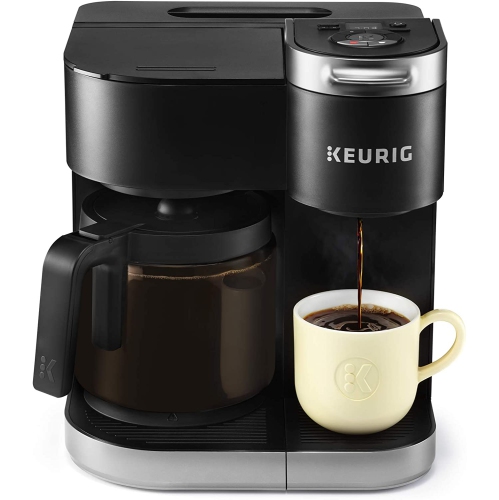 Your price for this item is $493.21
 -
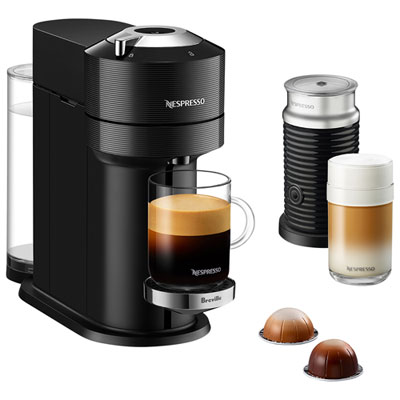 Your price for this item is $319.99
 -
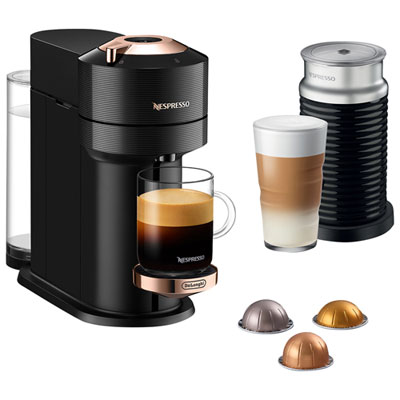 Your price for this item is $319.99
 -
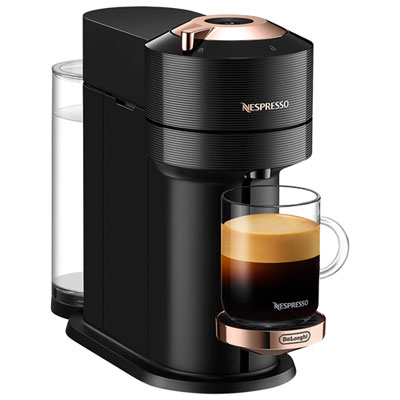 Your price for this item is $249.99
 -
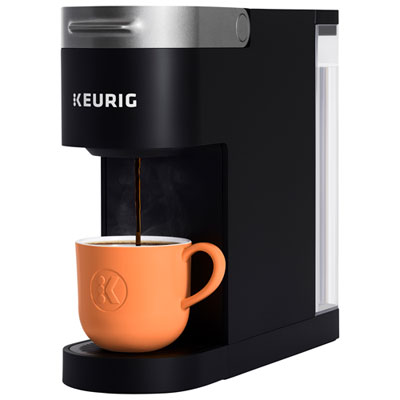 Your price for this item is $169.99
Discover more categories related to Single Serve Espresso Machines
Top Collections:
Pokemon Centers, Kindle Devices, Best Budget Office Chairs, Apple iPhones 16, Best Laptops for Writers, iPhone 15 Apple, Canon G7X Cameras, Refurbished Apple Laptops, Alarm Clock, Motorola Razr Phones
Some products may be subject to Environmental Handling Fees
(EHF) depending on your province.
Learn more about EHFs.