Slim Range Hoods for Streamlined Kitchen Designs
A well-designed kitchen is the heart of almost any home, and if you're looking to create a sleek and streamlined space, a slim range hood is a must-have. These modern marvels not only effectively remove smoke, steam, and odors from your cooking area, but they also add a touch of elegance to your kitchen design. With their slim profiles and innovative features, these range hoods are perfect for maximizing space in smaller kitchens or creating a minimalist look in larger ones. Discover the benefits of slim range hoods and how they can transform your kitchen into a stylish and functional culinary haven.
Sort
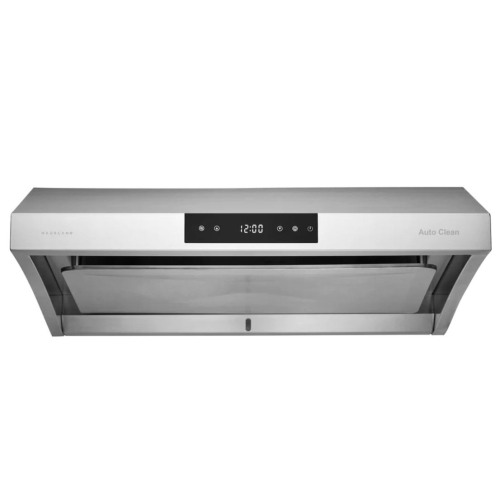
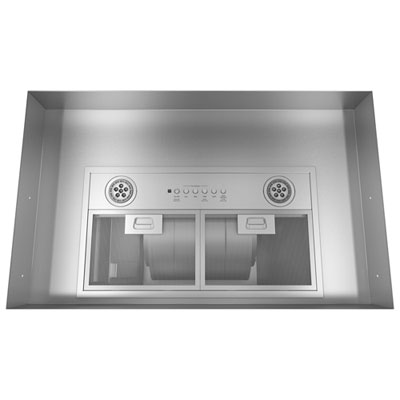
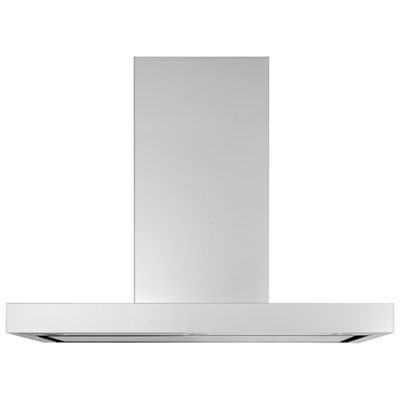
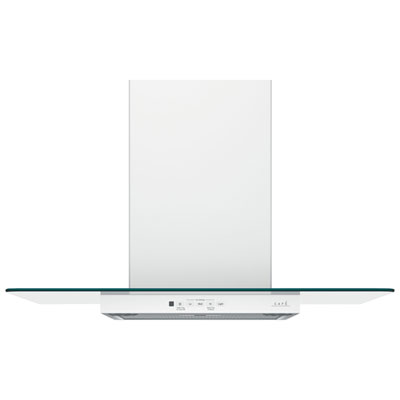
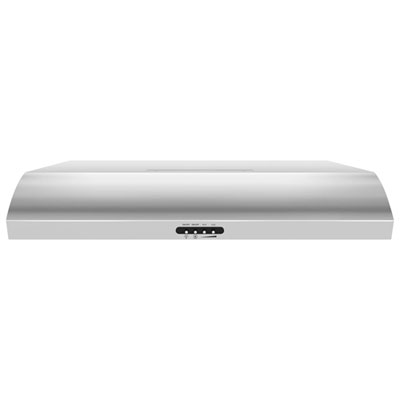
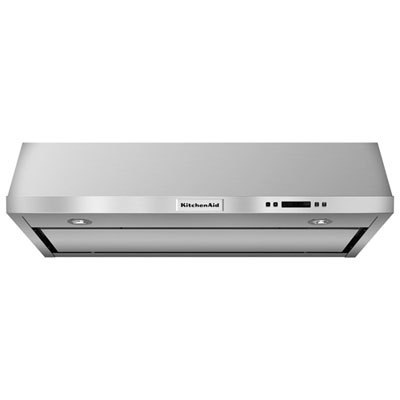
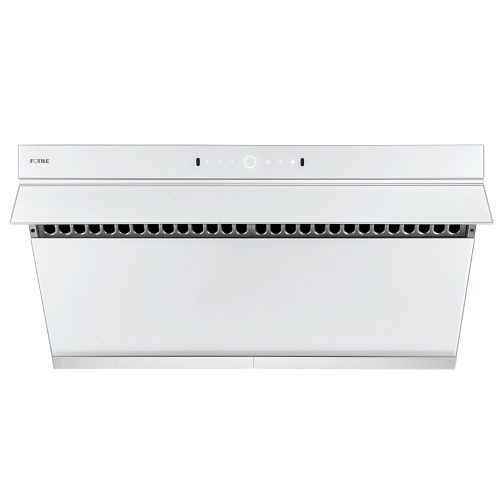
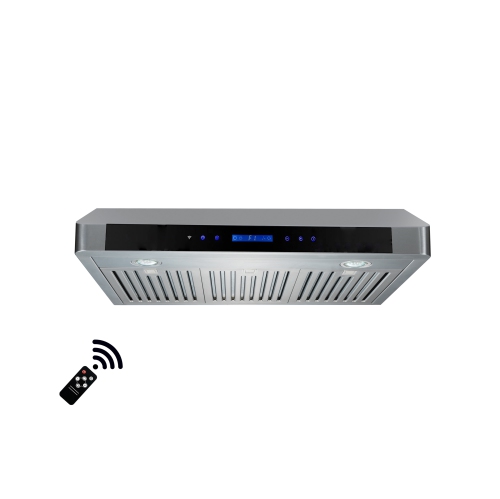
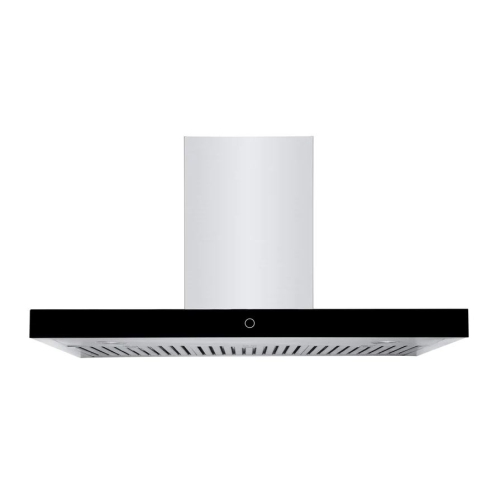
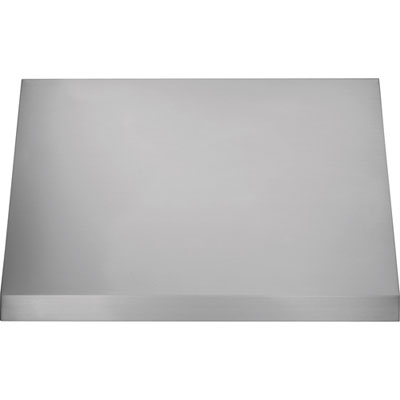
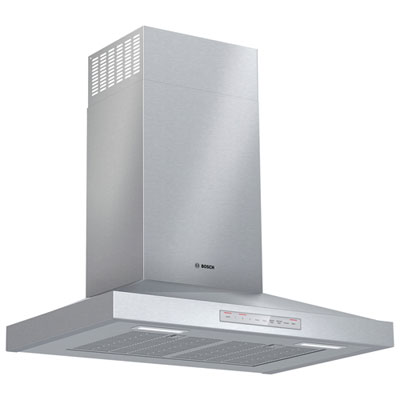

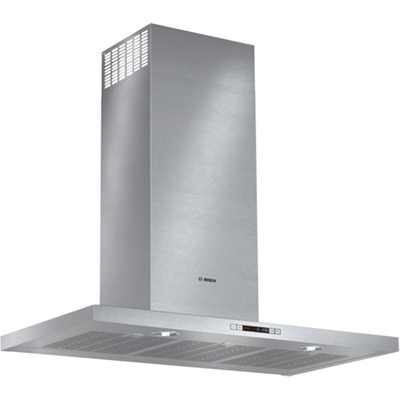
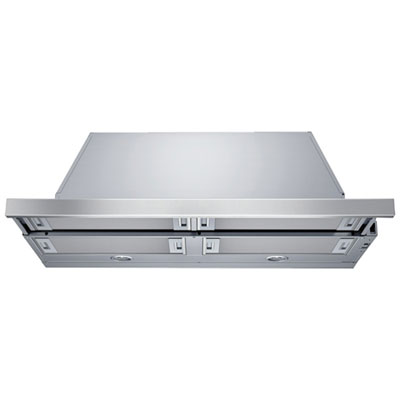
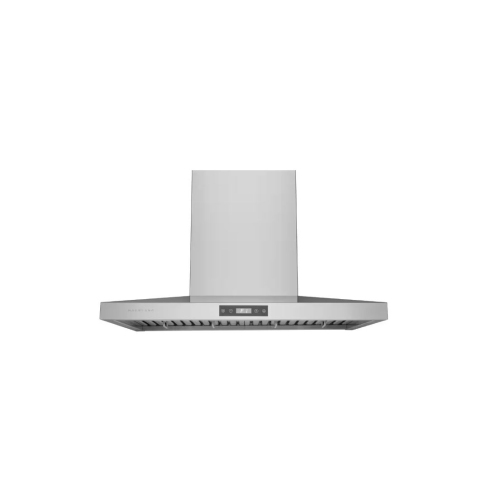
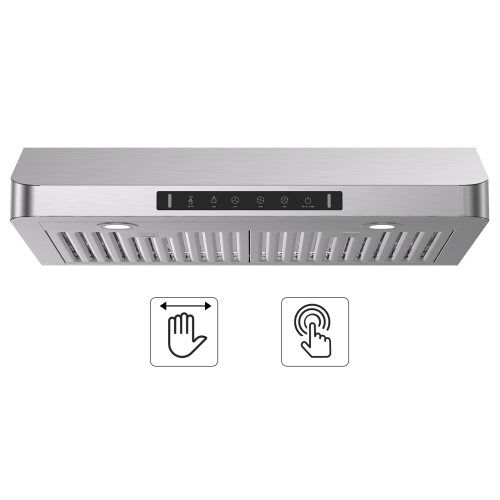
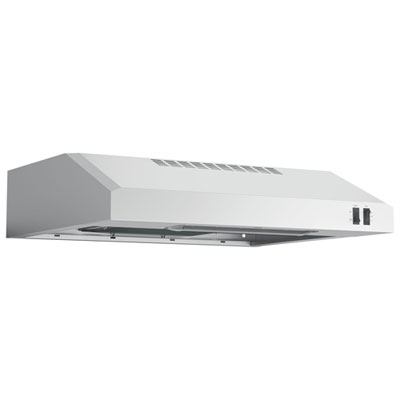
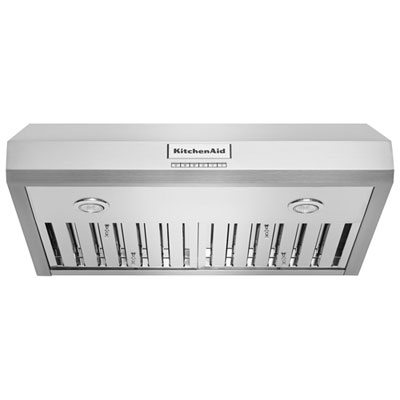
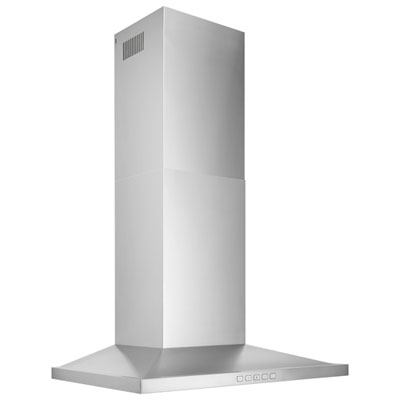
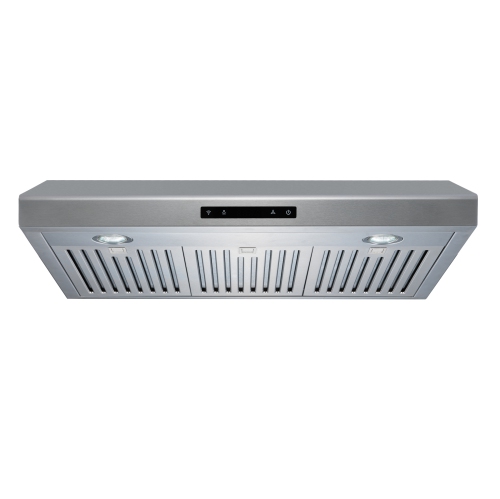
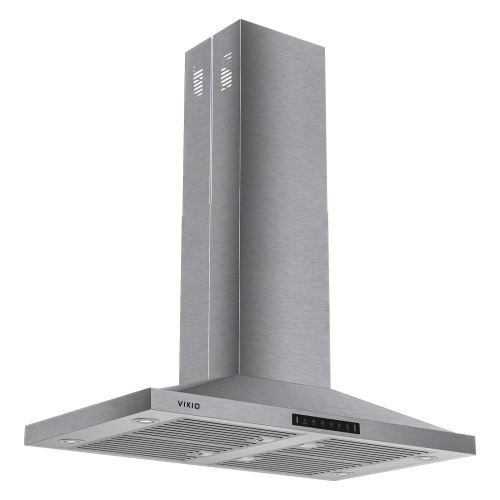
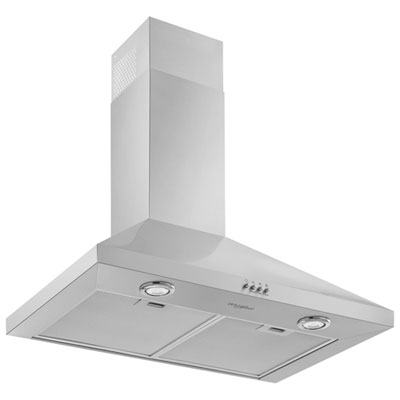
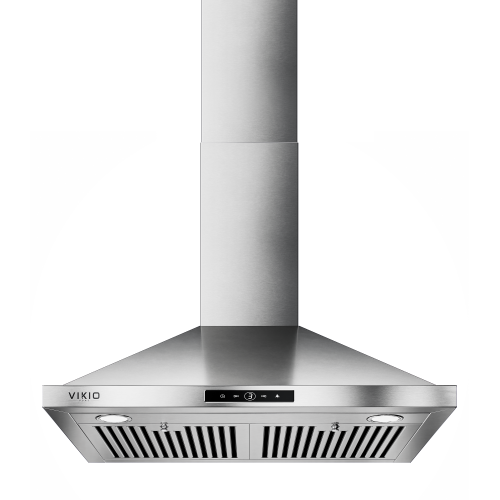
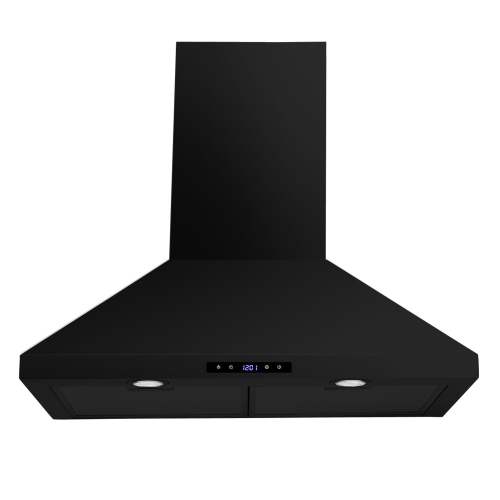
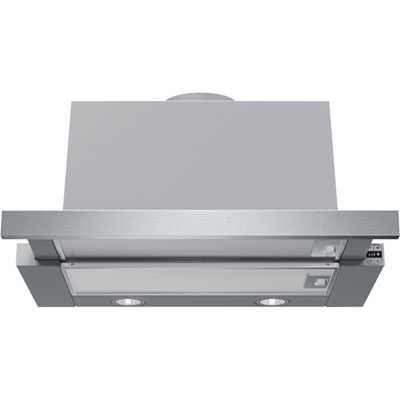
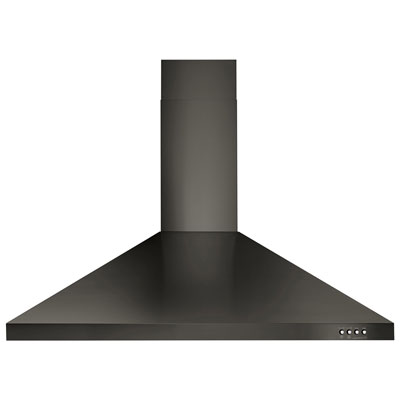

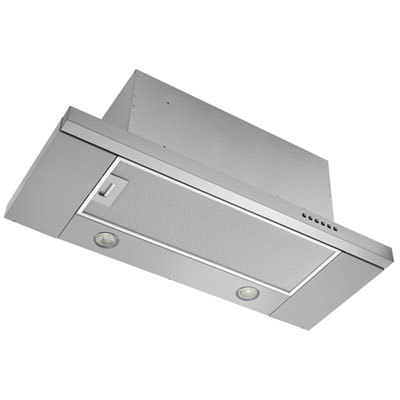

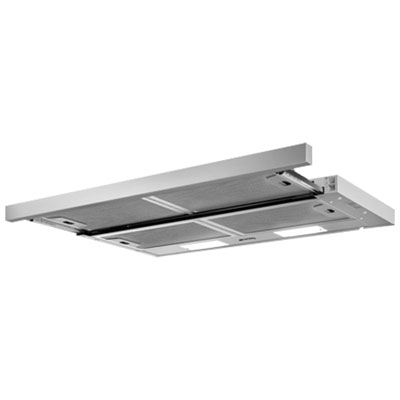
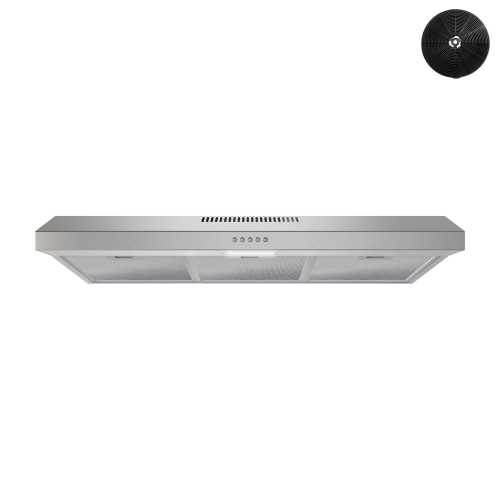
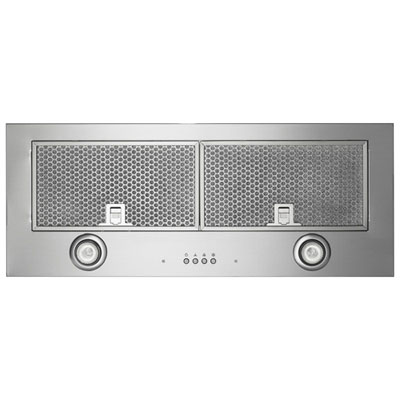
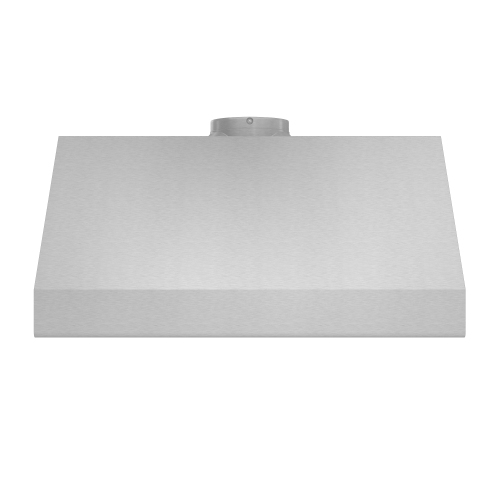
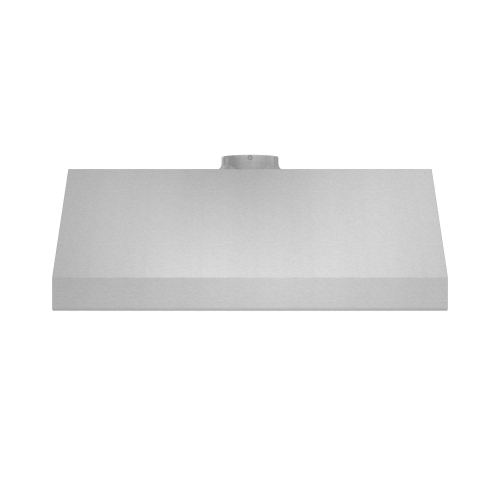
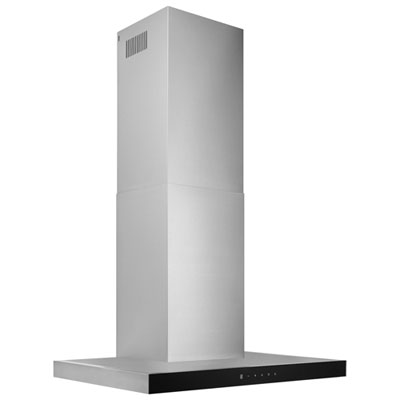
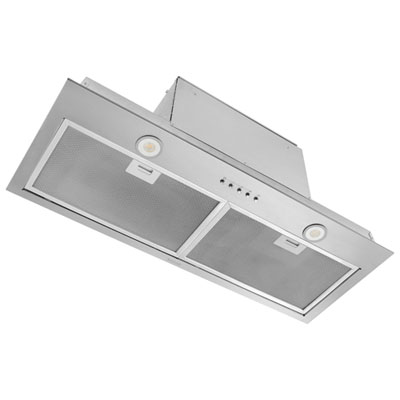
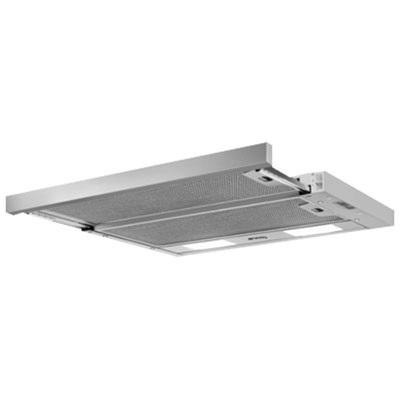
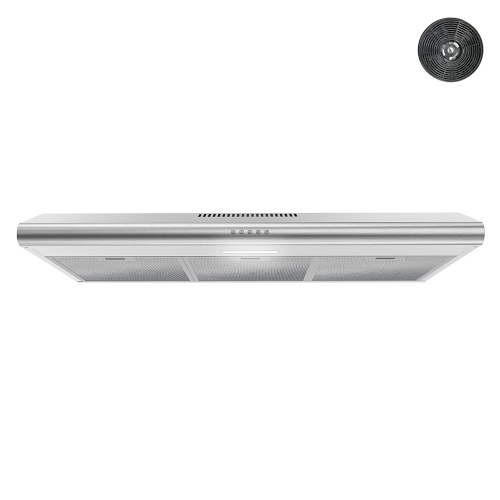
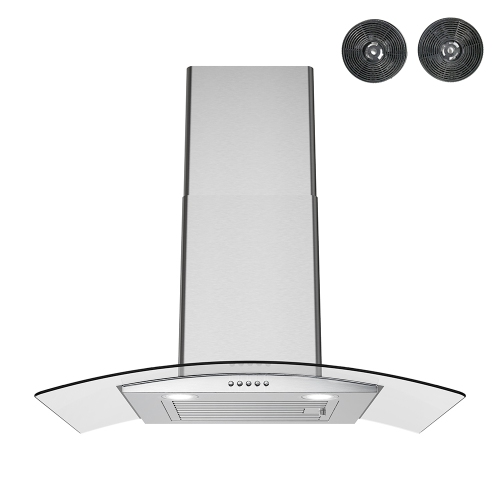
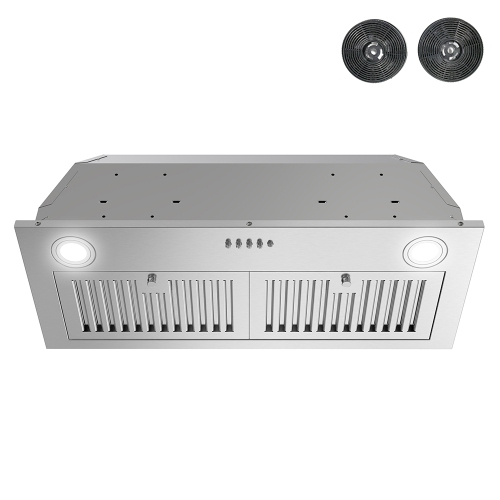
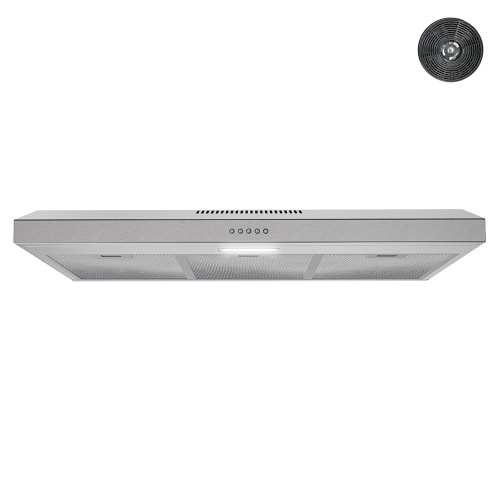
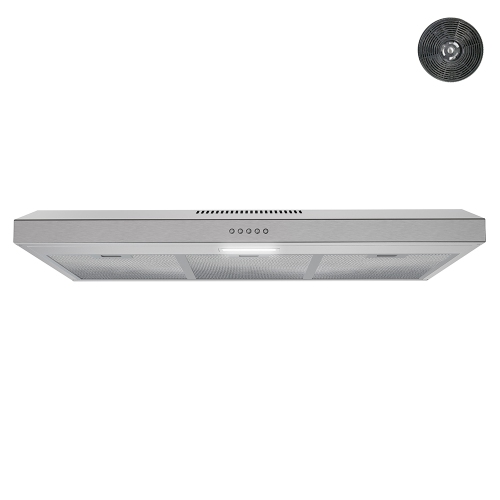
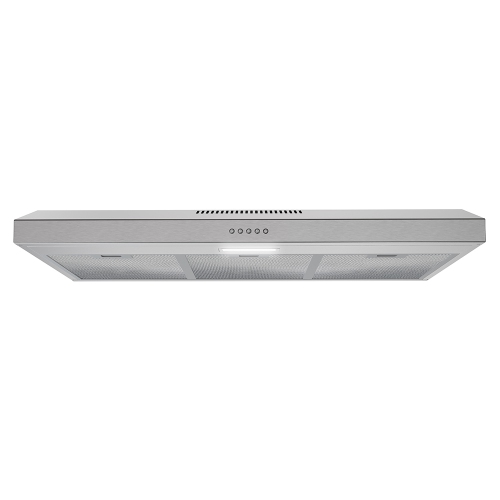
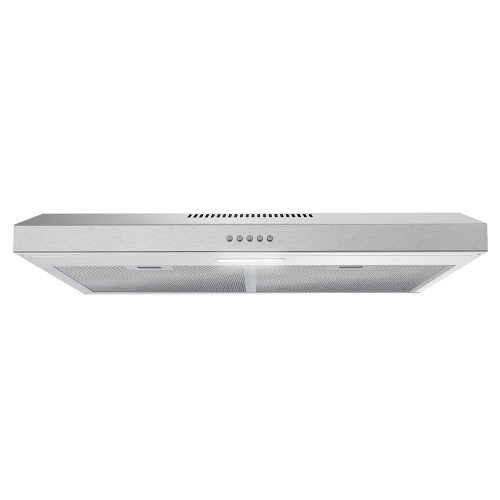
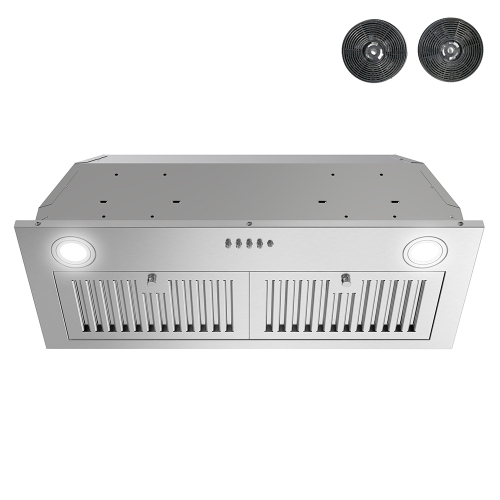
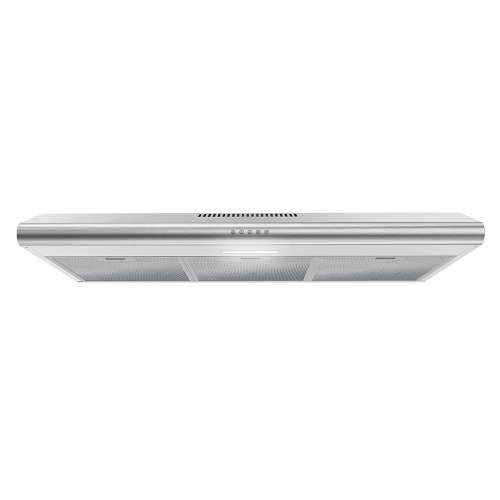
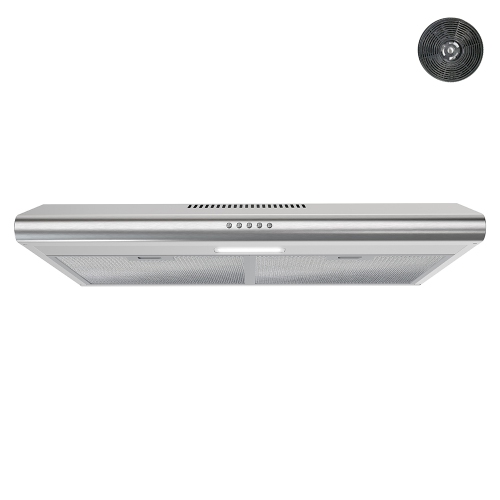
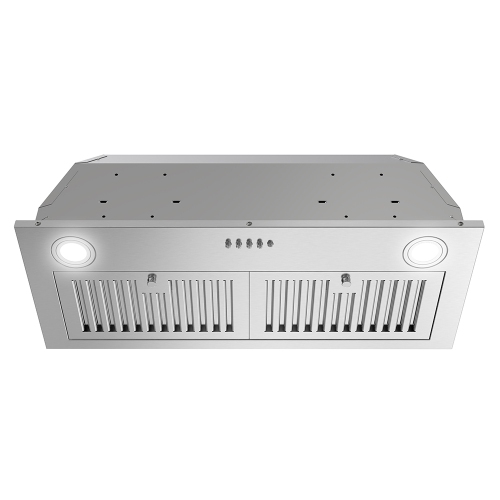
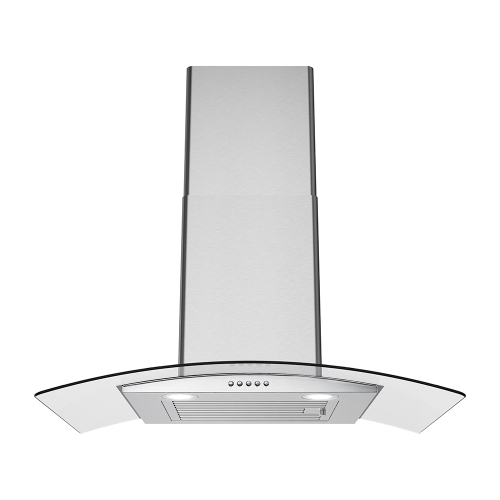
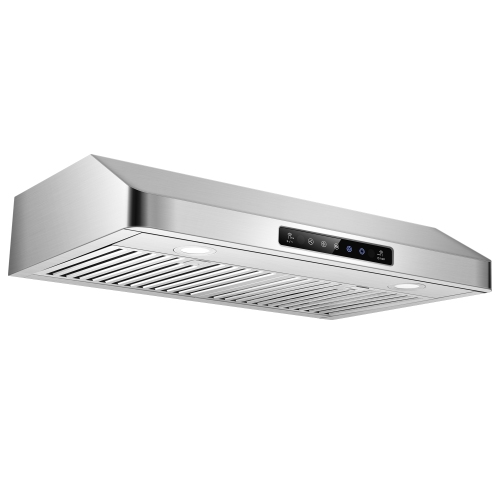
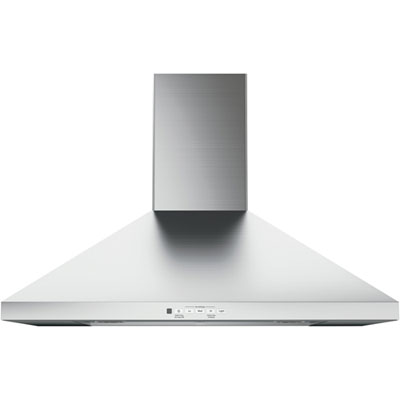
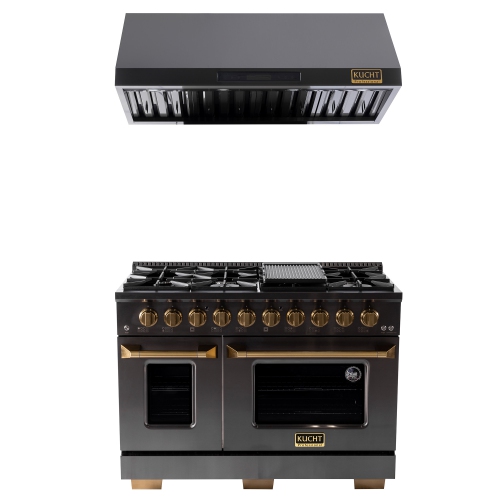
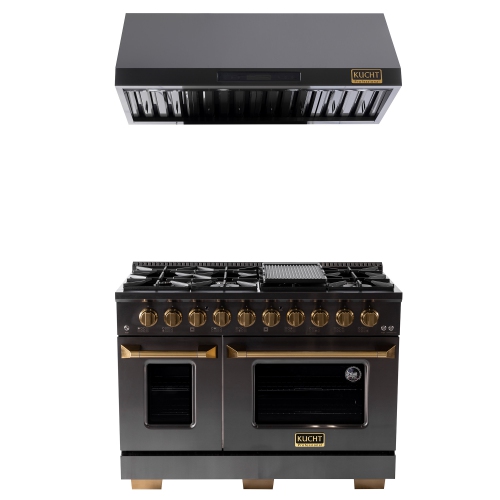
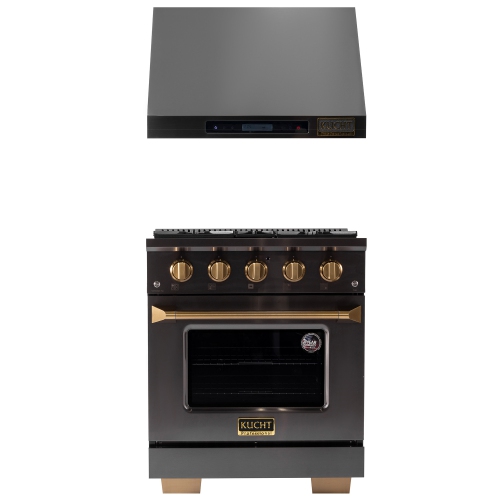
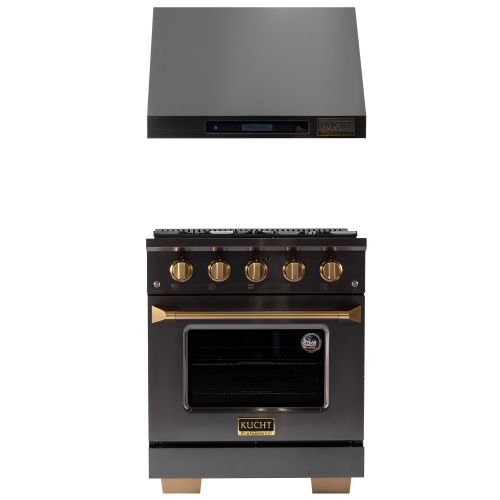
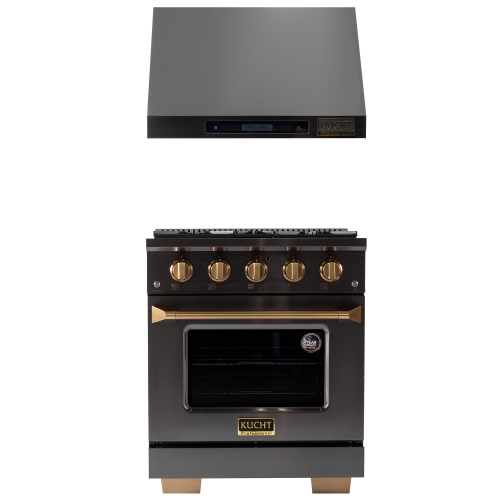
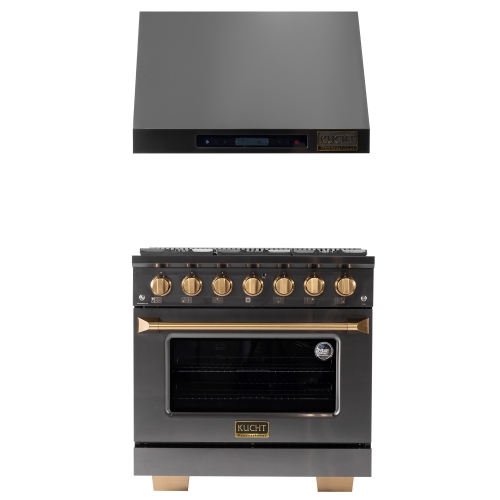
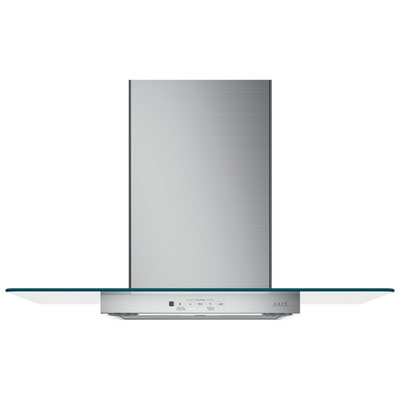

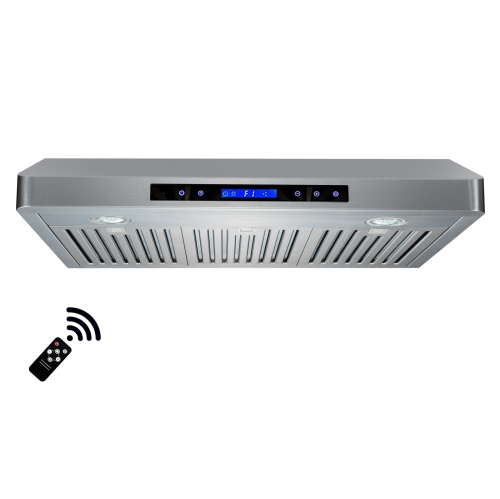
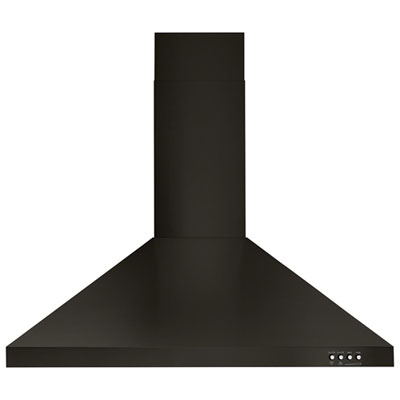
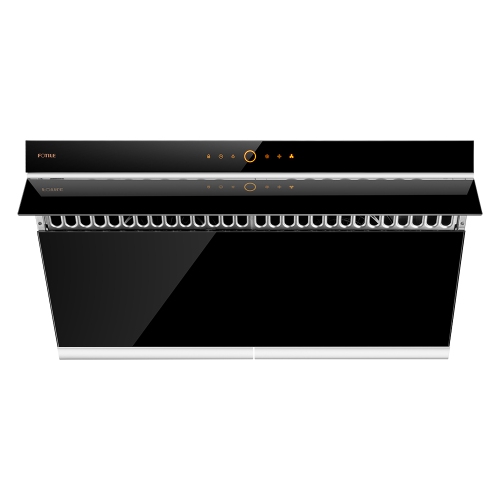
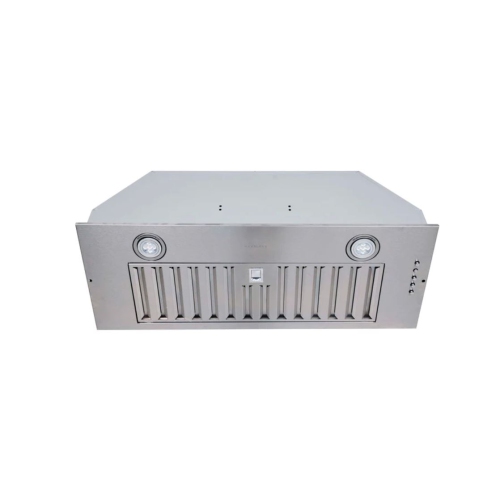
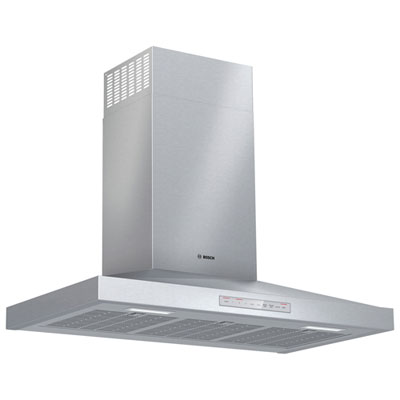
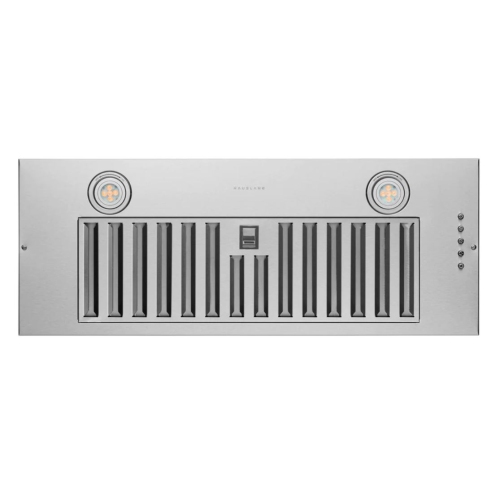
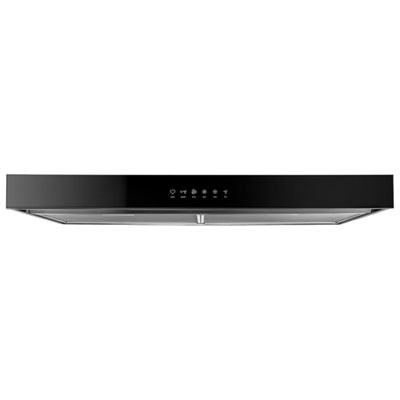
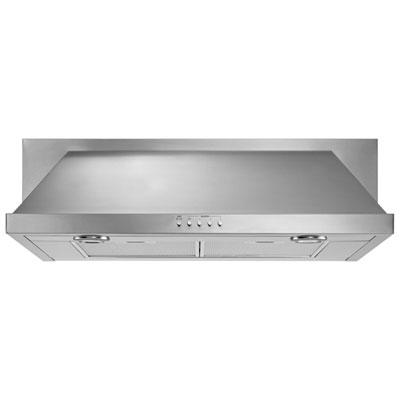
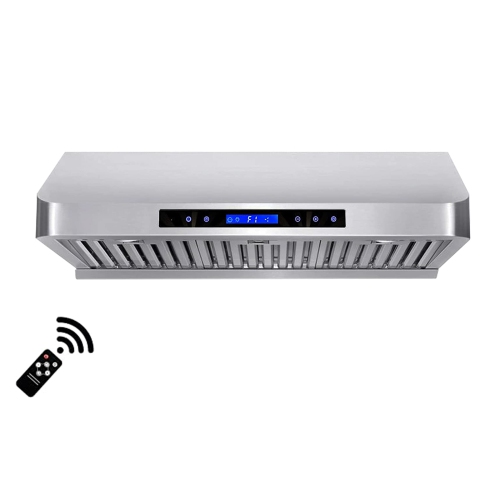
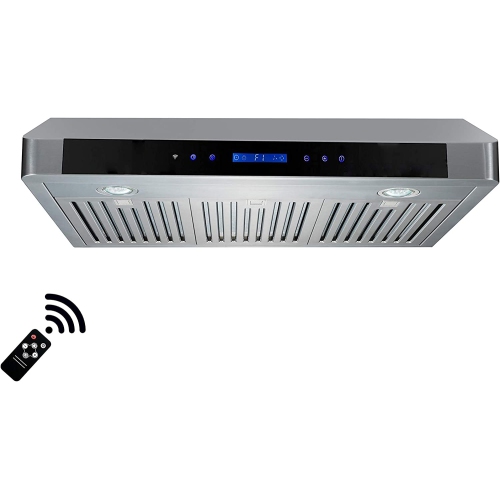
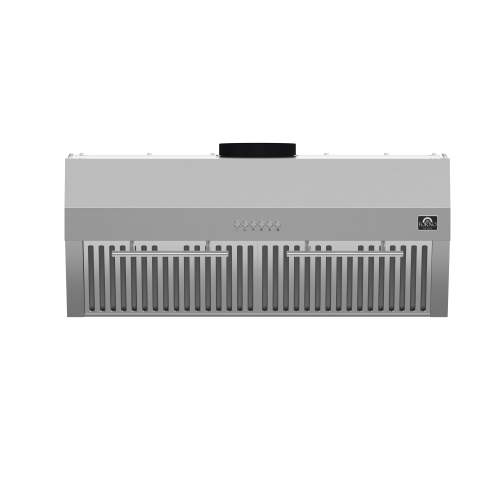
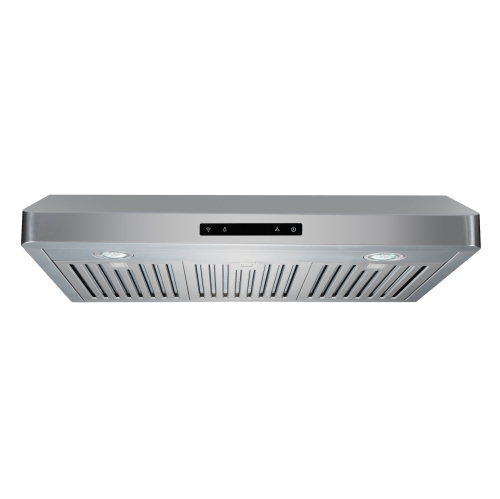
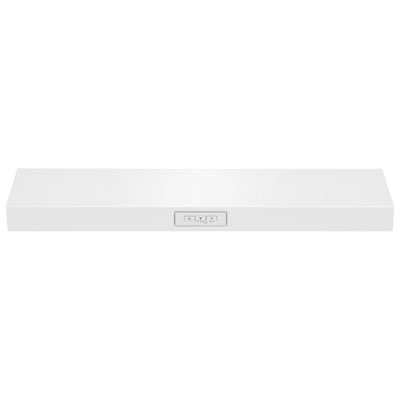
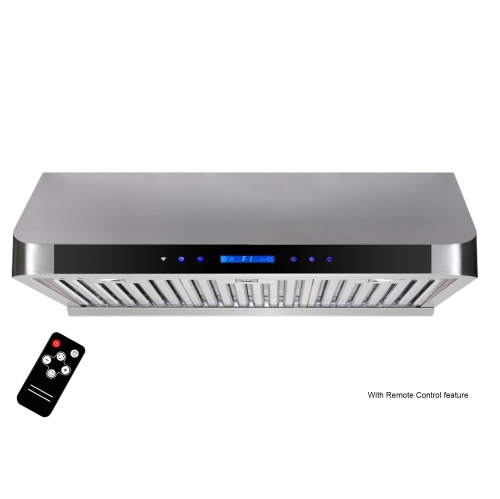
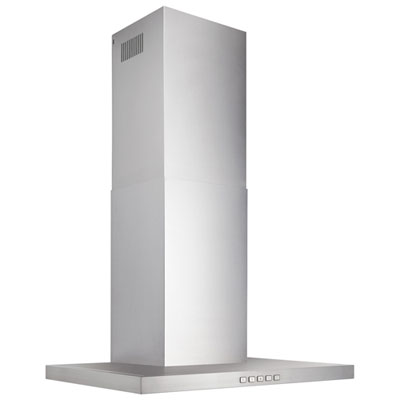
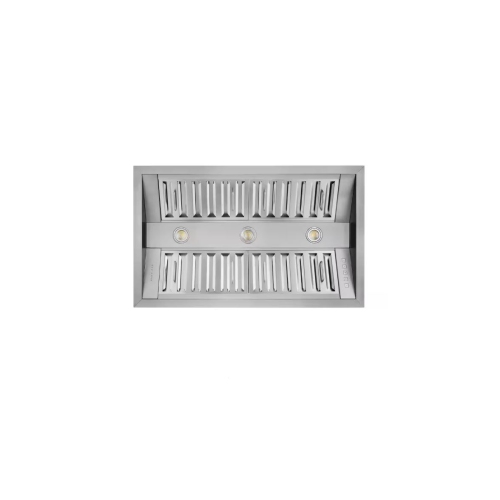
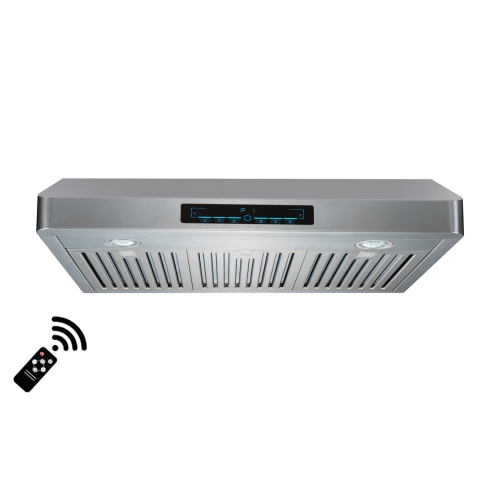

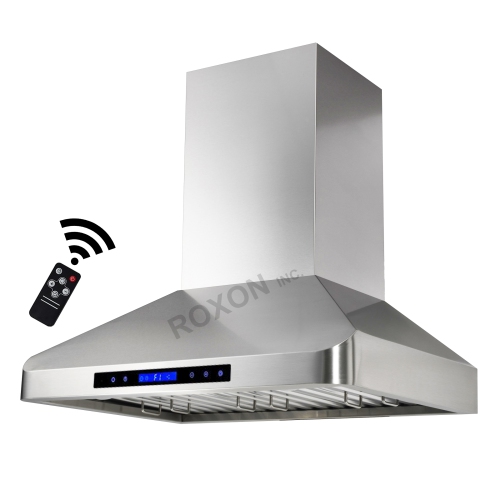
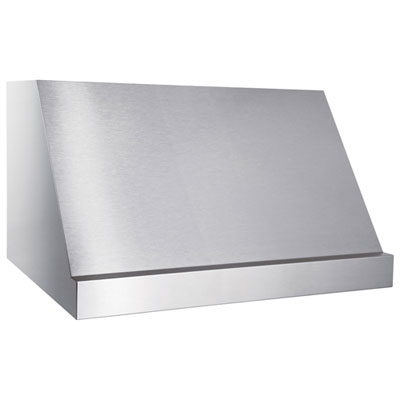
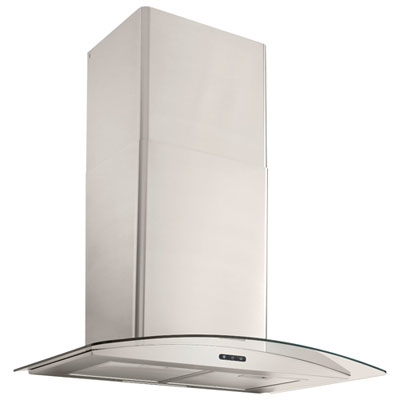
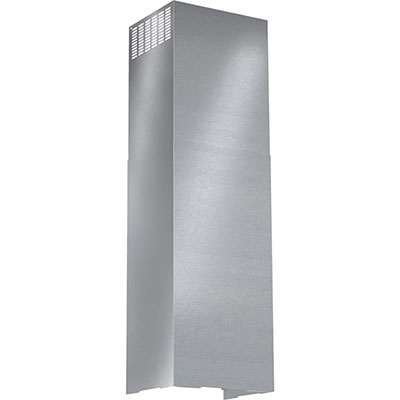
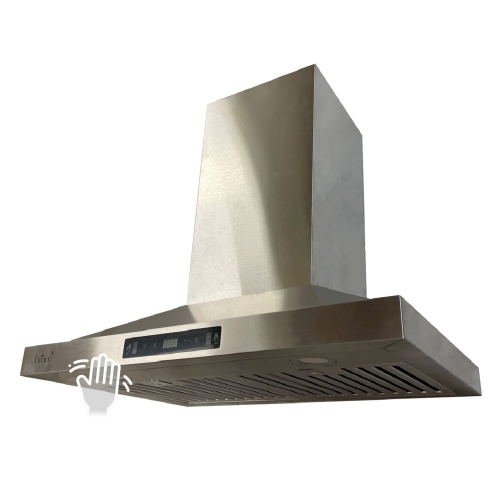
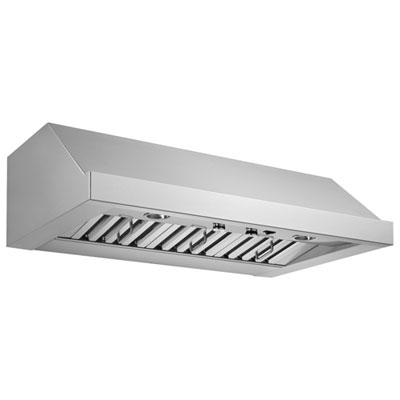
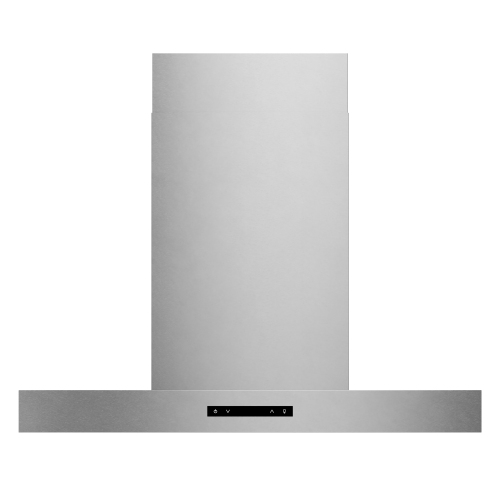

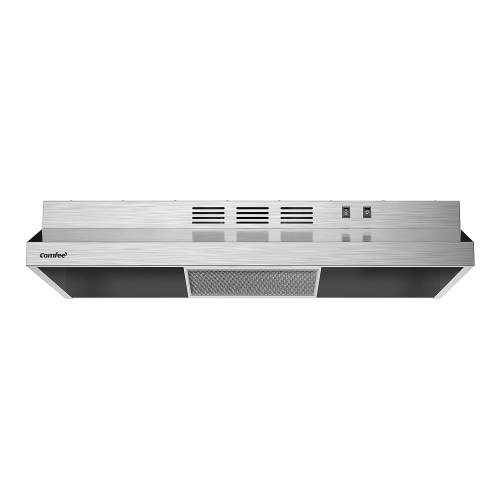
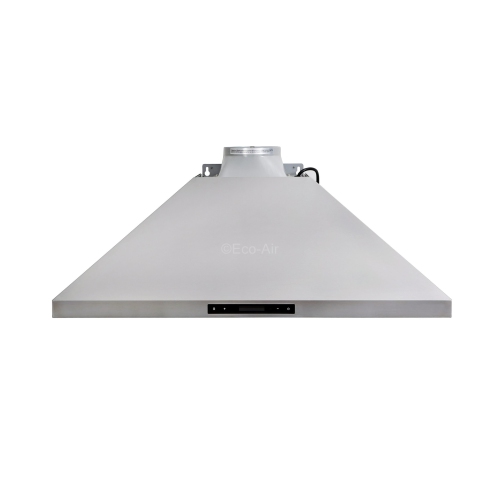
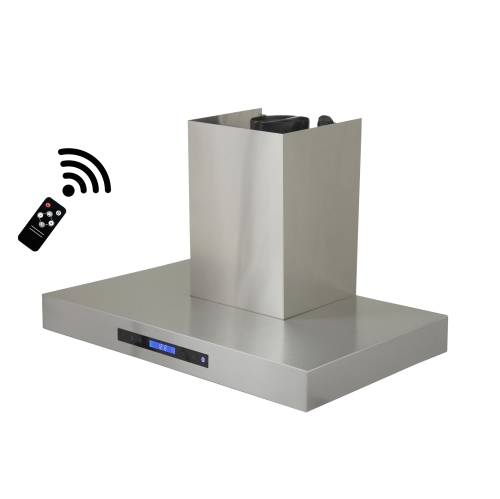
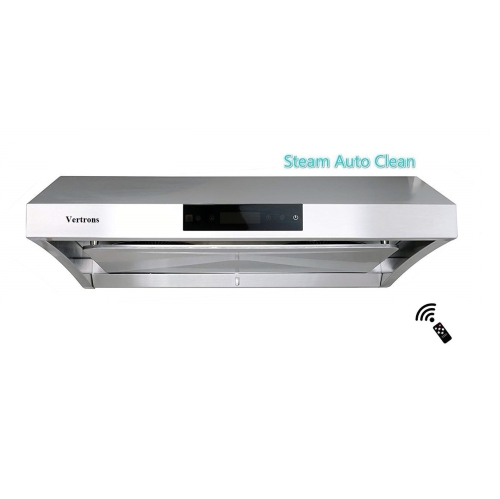
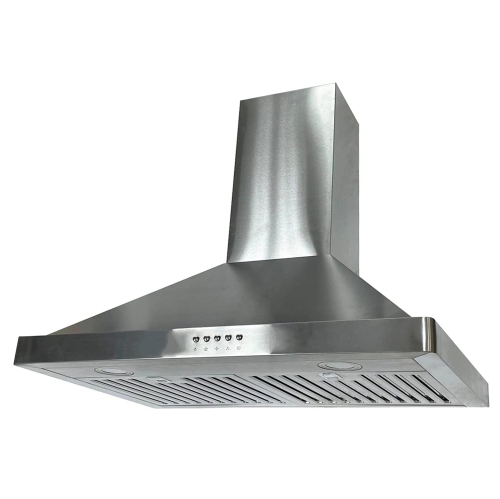
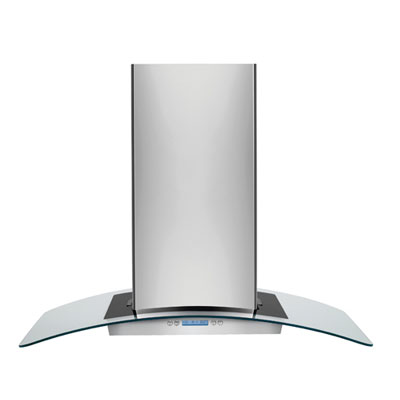
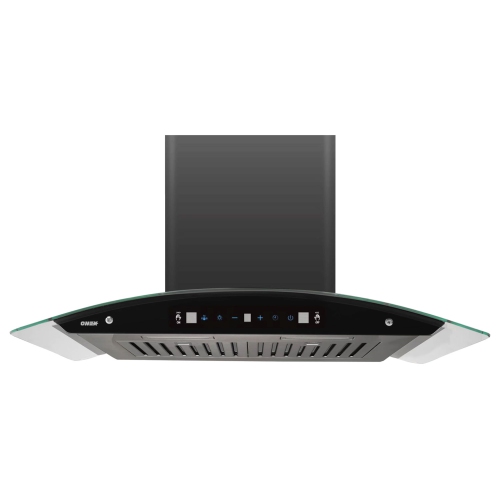
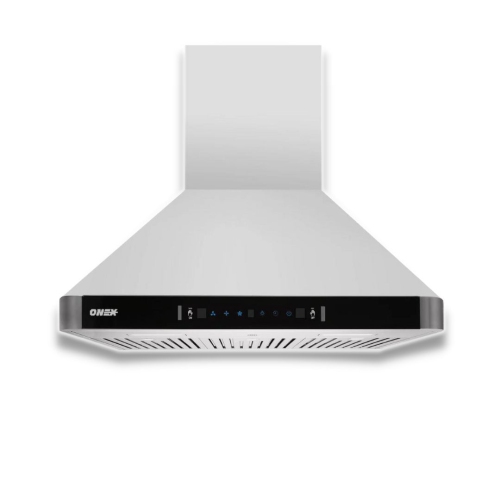
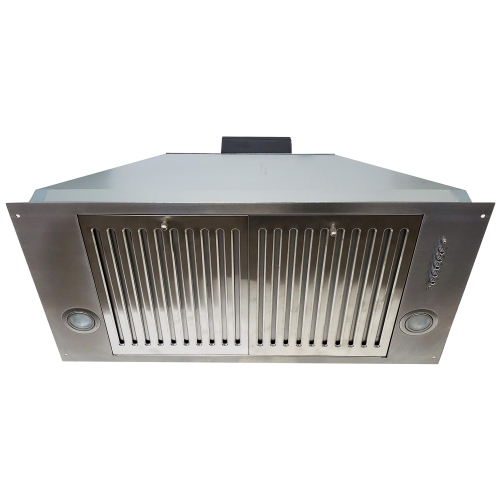
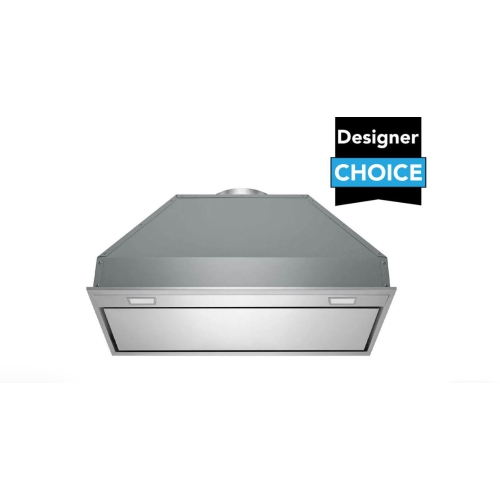
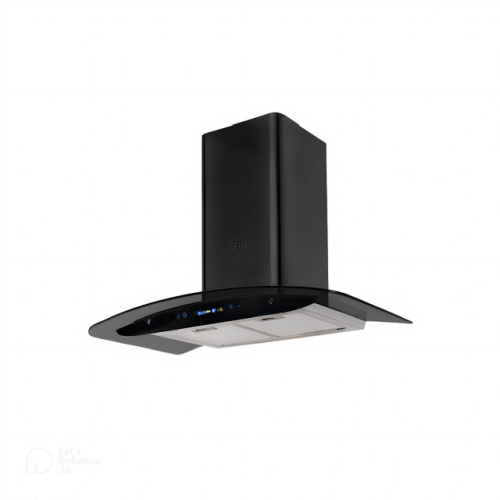
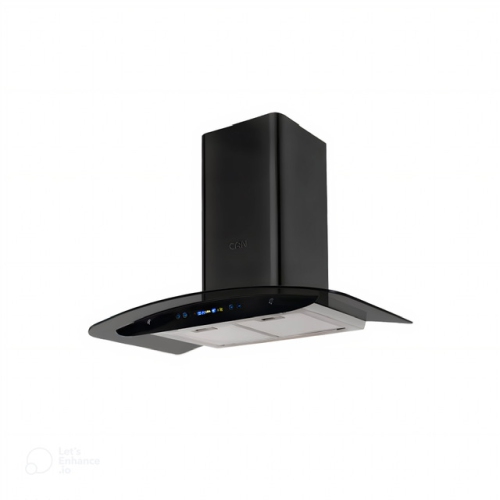
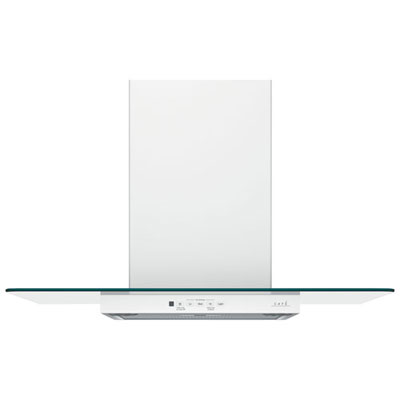
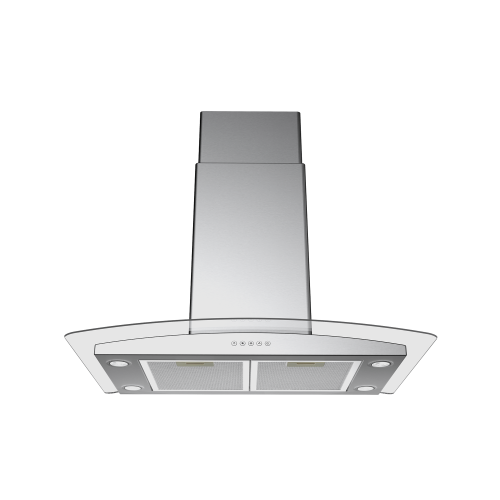
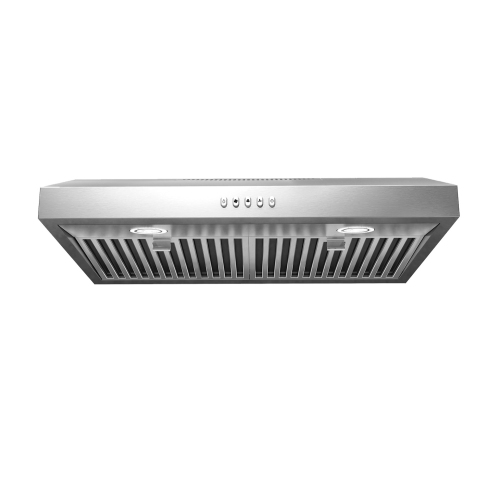
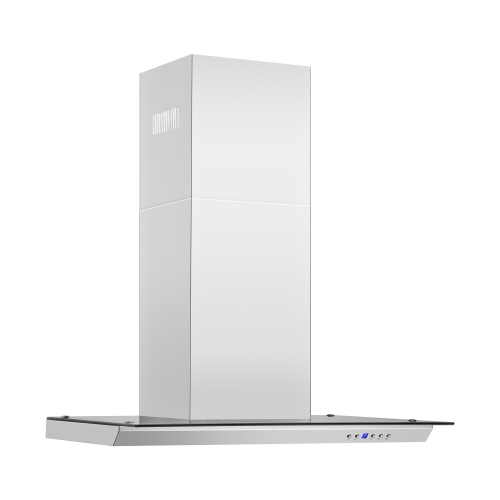
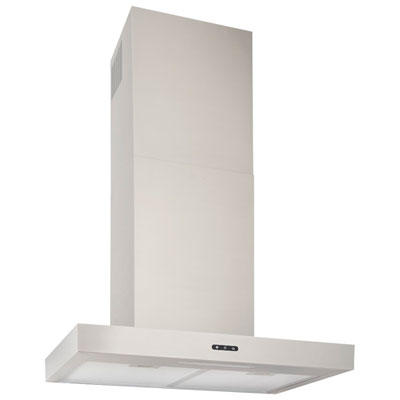
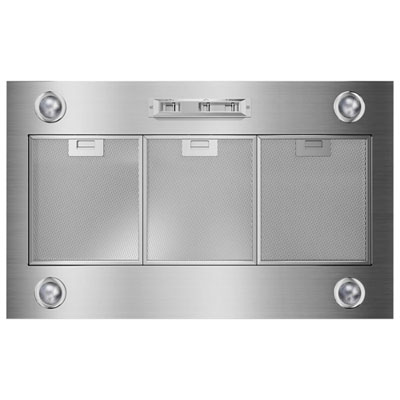
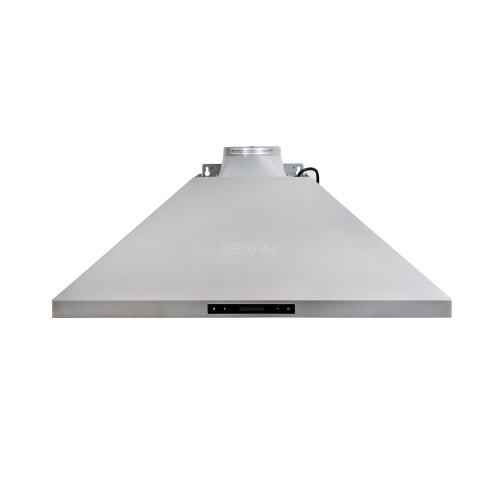
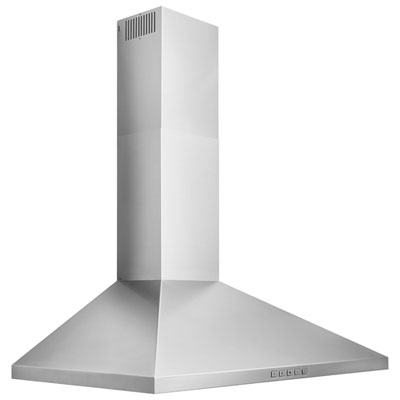
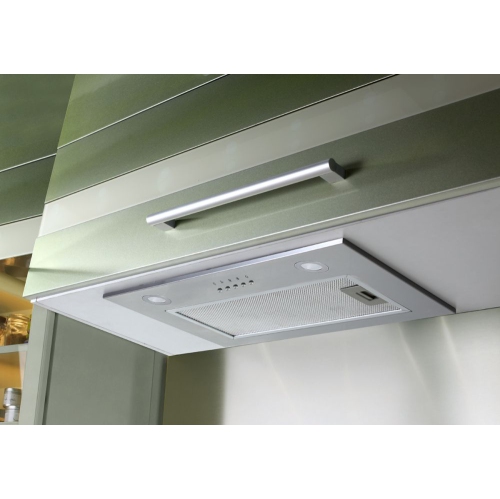
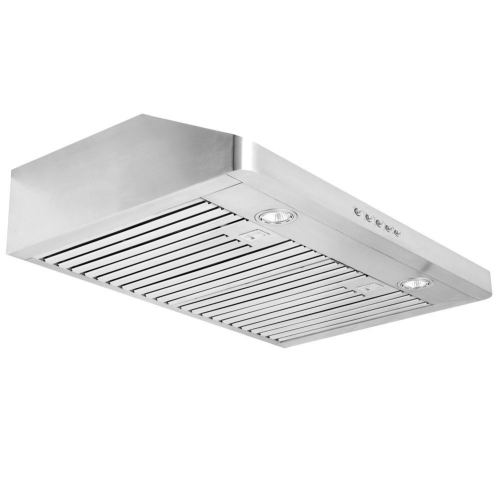
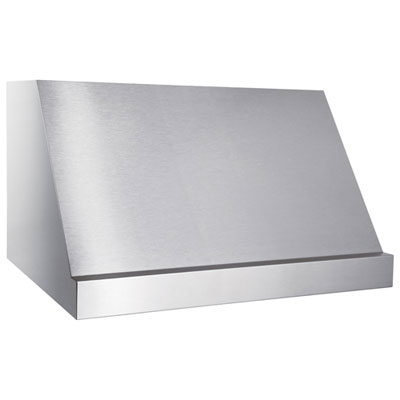
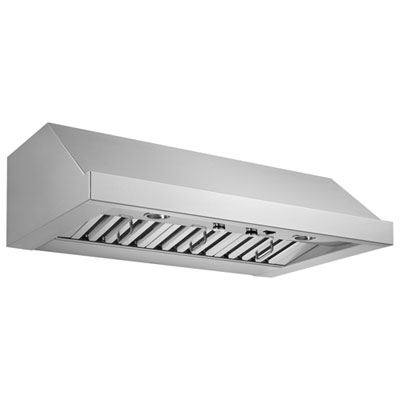
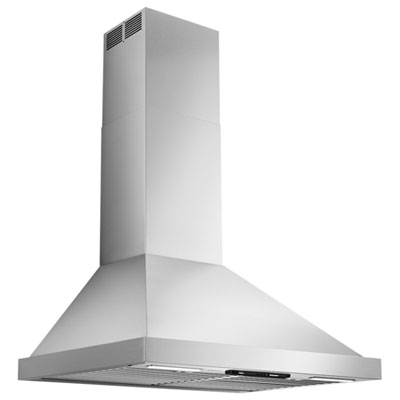
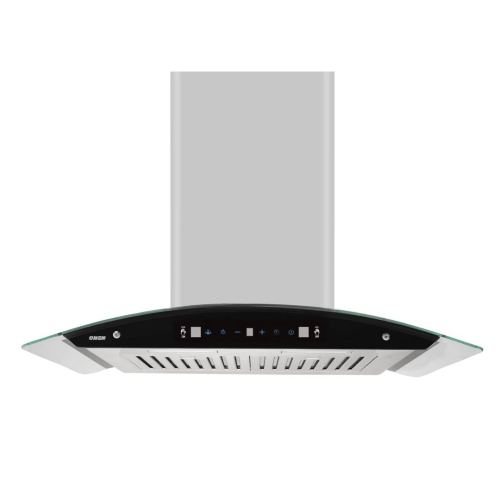
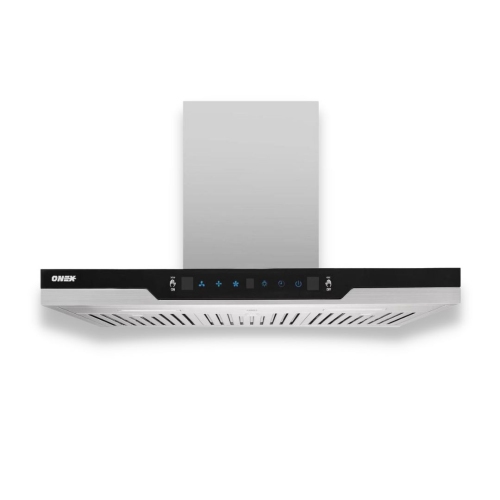

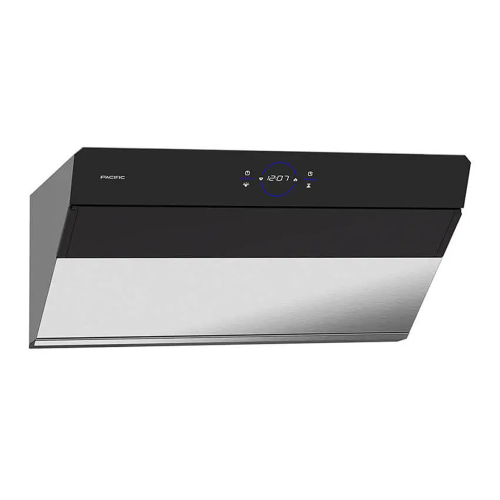
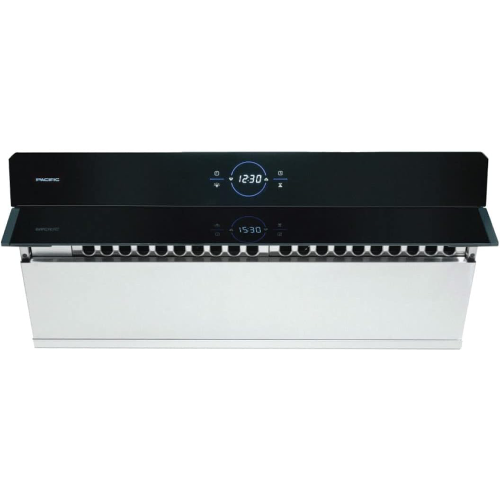
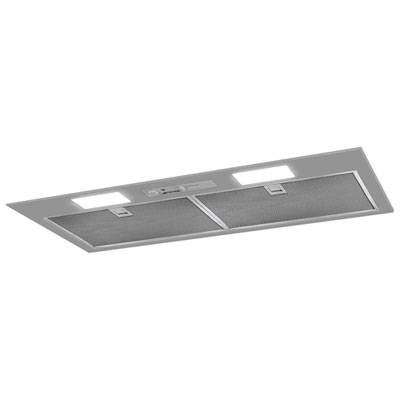
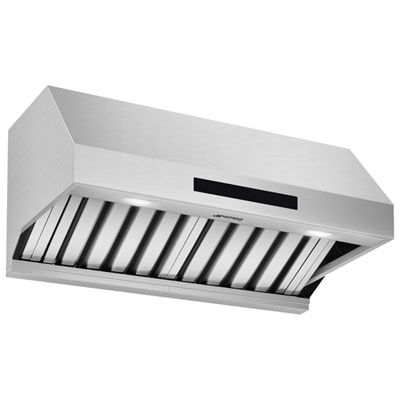
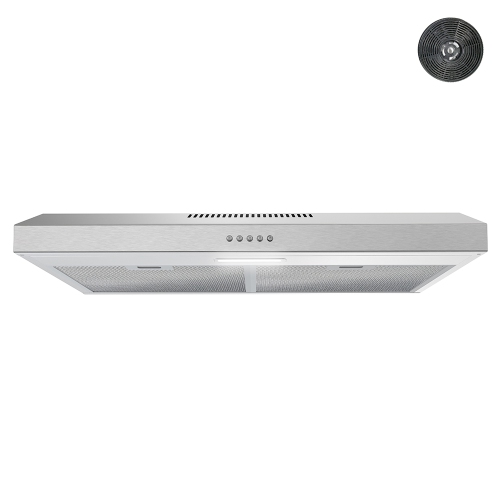
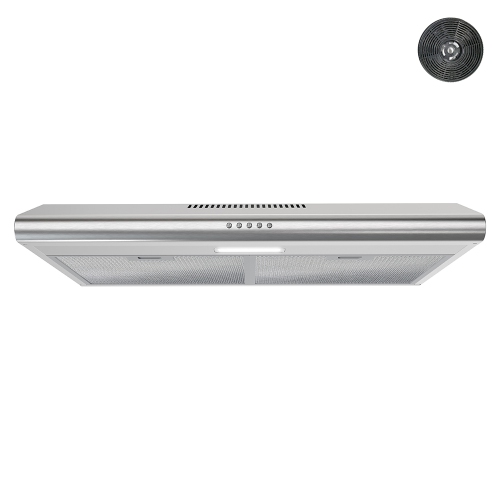
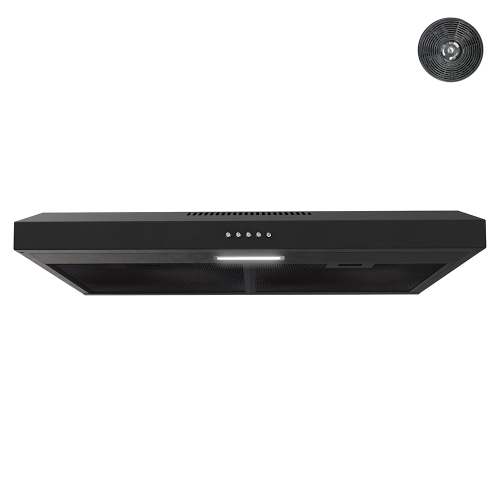
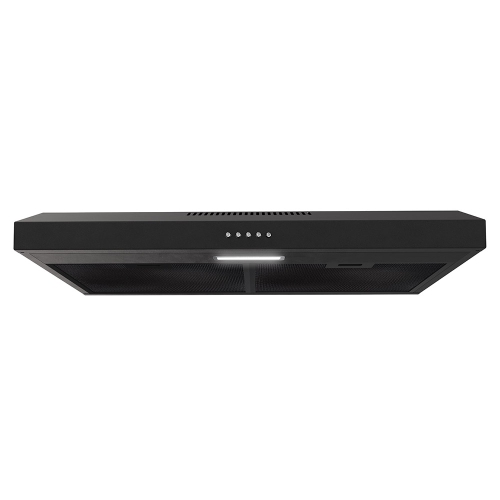
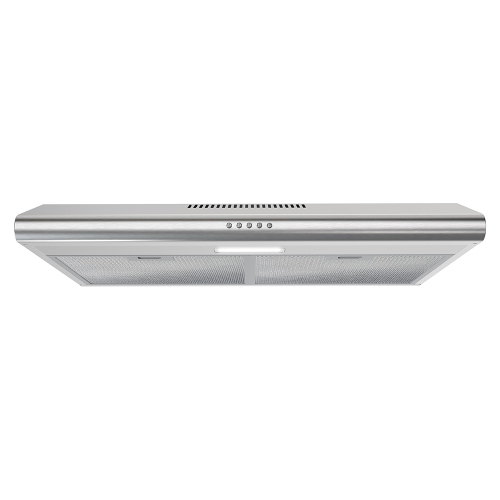
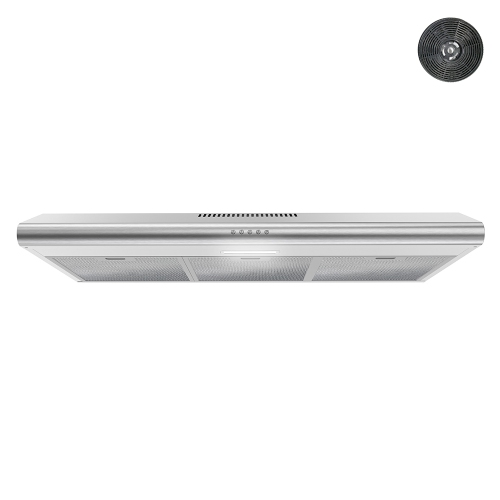
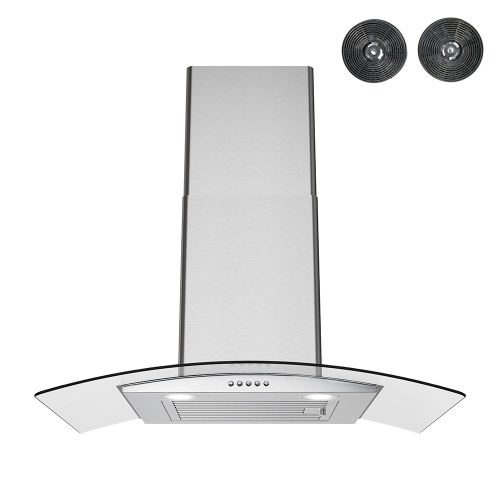
Low-profile ventilation for compact kitchens and open-concept spaces
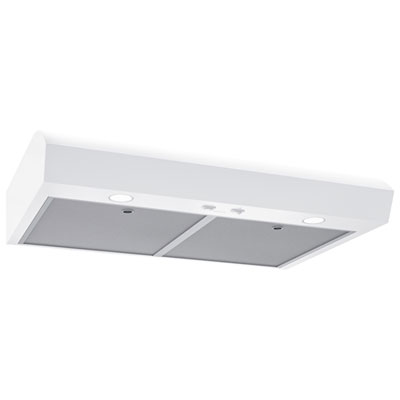
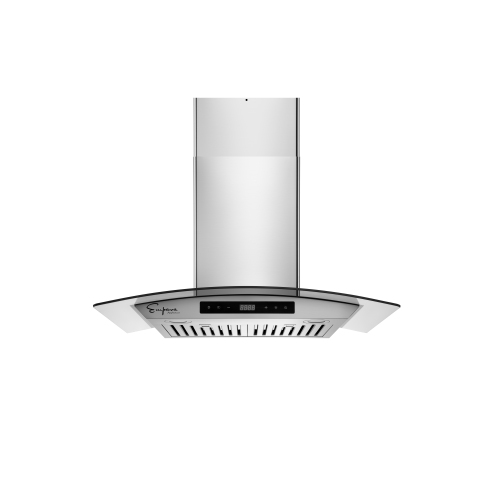
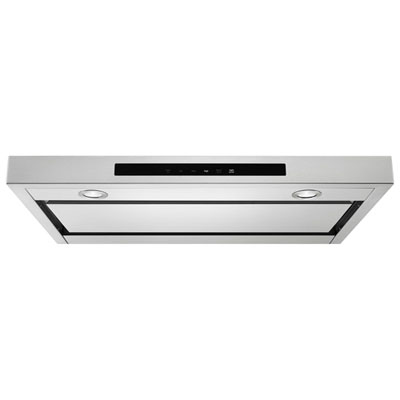
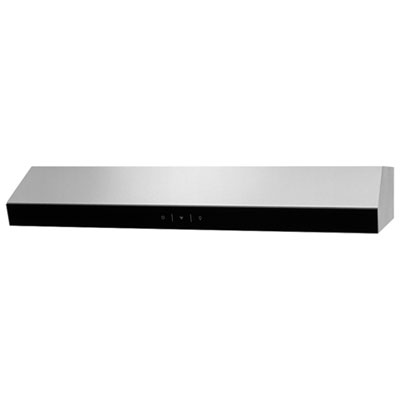
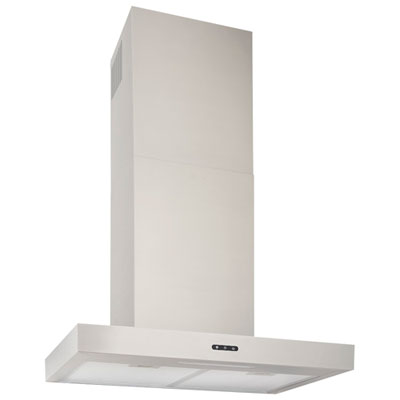
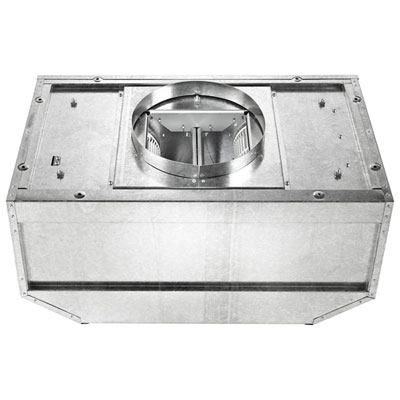
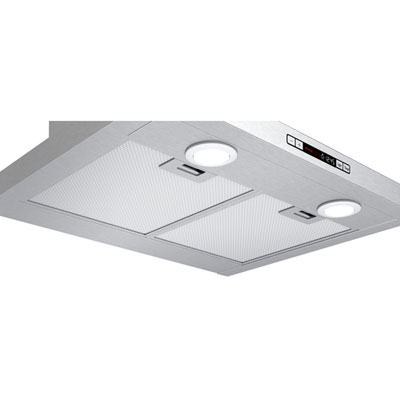
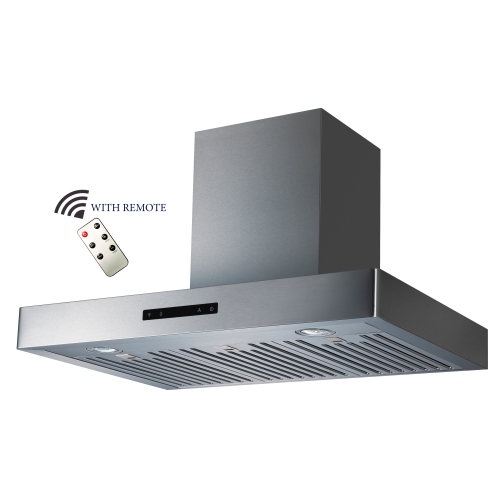
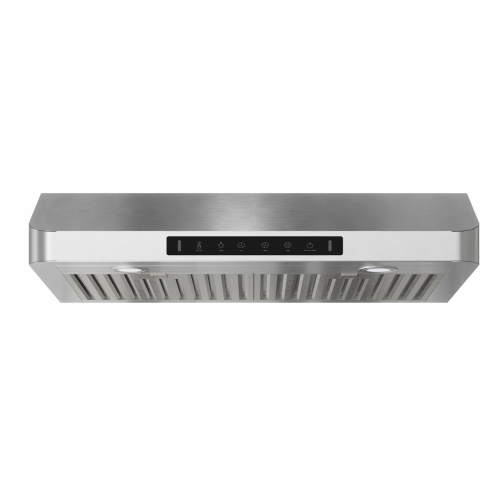
Slim range hoods are designed for kitchens where effective ventilation matters, but a large canopy should not dominate the room. Their low-profile construction fits neatly beneath cabinets or against a wall, helping preserve sightlines and leaving more room for open shelving, lighting, artwork, or a carefully chosen backsplash. This makes them especially useful in apartments, condominiums, galley kitchens, basement suites, and compact homes where every centimetre of wall and cabinet space has a purpose. They can also suit larger kitchens with a streamlined design, particularly when the goal is a calm, uncluttered appearance. By clearing smoke, steam, heat, and cooking odours from the area above the cooktop, a slim range hood helps the kitchen feel fresher during everything from quick breakfasts to long, simmering meals. The best choice depends on the layout of the room, the width of the cooking surface, and the type of ventilation available. A hood should generally be at least as wide as the range or cooktop beneath it, while the installation height should follow the manufacturer’s requirements and the specifications for the appliance. Measuring the available cabinet or wall space before shopping is important, as even a slim hood needs enough clearance for safe operation, access to controls, and proper airflow. Consider the depth as well as the width: a shallow design can be a practical solution beneath cabinetry, while a wall-mounted model may offer a cleaner fit where upper cabinets are not present. A streamlined profile can make a noticeable difference in a smaller room, where a bulky hood may make the kitchen feel crowded or interrupt the visual flow between the cooking area and adjoining living spaces.
Airflow is another important consideration when comparing slim range hoods. A model’s capacity is commonly expressed in CFM, or cubic feet per minute, which indicates how much air it can move. The right level depends on the size of the kitchen, the type of cooking you do, and the heat or smoke produced by the cooktop. Light everyday cooking may call for a different airflow level than frequent frying, searing, wok cooking, or meals prepared over high heat. Higher airflow is not the only measure of performance, however. A well-designed hood should move air efficiently while keeping sound at a comfortable level, especially in open-concept homes where the kitchen shares space with a dining or living area. Look for clearly stated airflow and noise specifications, along with accessible controls that make it simple to adjust the fan speed and lighting while cooking. Grease filters also deserve attention. Stainless steel baffle filters are built to capture grease and can provide a durable, easy-to-maintain option, while other removable filters may be suitable depending on the design. Check how the filters are removed and cleaned, since convenient maintenance encourages regular upkeep and helps the hood continue working as intended. A ducted installation vents air outside through a dedicated duct, while a ductless or recirculating installation passes air through filters before returning it to the kitchen. Ductless models can be helpful when exterior venting is not practical, but they require compatible filters and regular replacement or cleaning. Before choosing, confirm whether your home already has ductwork, where the vent is located, and whether any installation work or professional assistance may be needed. For shoppers who prefer clear, responsive settings, Slim Range Hoods With Electronic Controls for Precise Operation can help narrow the selection to designs with electronic operation.
The appearance and everyday details of a slim range hood can be just as important as its ventilation performance. Stainless steel, black, white, and other finishes can coordinate with surrounding appliances, cabinet hardware, and backsplash materials, while a simple rectangular shape can complement modern, transitional, or minimalist kitchens. A low-profile hood is often chosen to keep the cooking area visually quiet, allowing stone veining, patterned tile, wood shelving, or statement lighting to remain the focus. Built-in lighting can improve visibility over the cooking surface, making it easier to monitor browning food, read a recipe, or safely handle hot cookware during the cooler months when indoor cooking becomes part of the daily routine. A hood may also be a thoughtful housewarming or renovation gift for someone moving into a first home, updating a condominium kitchen, or replacing an older ventilation unit that no longer suits the room. It is a practical choice for home cooks, busy families, renters with permitted appliance upgrades, and anyone who enjoys preparing aromatic meals but wants to reduce lingering odours in nearby rooms. When giving one as a gift, confirm the recipient’s cooktop width, cabinet configuration, ducted or ductless setup, available electrical connection, and preferred finish before making a selection. Installation requirements should never be overlooked, particularly in homes with custom cabinetry or limited clearance around the cooking surface. With the right dimensions, airflow, controls, filter design, and ventilation configuration, a slim range hood can support comfortable cooking while preserving the clean lines of a carefully planned kitchen. It offers a balanced combination of function and understated style, helping the room remain inviting before, during, and after meals.
Airflow is another important consideration when comparing slim range hoods. A model’s capacity is commonly expressed in CFM, or cubic feet per minute, which indicates how much air it can move. The right level depends on the size of the kitchen, the type of cooking you do, and the heat or smoke produced by the cooktop. Light everyday cooking may call for a different airflow level than frequent frying, searing, wok cooking, or meals prepared over high heat. Higher airflow is not the only measure of performance, however. A well-designed hood should move air efficiently while keeping sound at a comfortable level, especially in open-concept homes where the kitchen shares space with a dining or living area. Look for clearly stated airflow and noise specifications, along with accessible controls that make it simple to adjust the fan speed and lighting while cooking. Grease filters also deserve attention. Stainless steel baffle filters are built to capture grease and can provide a durable, easy-to-maintain option, while other removable filters may be suitable depending on the design. Check how the filters are removed and cleaned, since convenient maintenance encourages regular upkeep and helps the hood continue working as intended. A ducted installation vents air outside through a dedicated duct, while a ductless or recirculating installation passes air through filters before returning it to the kitchen. Ductless models can be helpful when exterior venting is not practical, but they require compatible filters and regular replacement or cleaning. Before choosing, confirm whether your home already has ductwork, where the vent is located, and whether any installation work or professional assistance may be needed. For shoppers who prefer clear, responsive settings, Slim Range Hoods With Electronic Controls for Precise Operation can help narrow the selection to designs with electronic operation.
The appearance and everyday details of a slim range hood can be just as important as its ventilation performance. Stainless steel, black, white, and other finishes can coordinate with surrounding appliances, cabinet hardware, and backsplash materials, while a simple rectangular shape can complement modern, transitional, or minimalist kitchens. A low-profile hood is often chosen to keep the cooking area visually quiet, allowing stone veining, patterned tile, wood shelving, or statement lighting to remain the focus. Built-in lighting can improve visibility over the cooking surface, making it easier to monitor browning food, read a recipe, or safely handle hot cookware during the cooler months when indoor cooking becomes part of the daily routine. A hood may also be a thoughtful housewarming or renovation gift for someone moving into a first home, updating a condominium kitchen, or replacing an older ventilation unit that no longer suits the room. It is a practical choice for home cooks, busy families, renters with permitted appliance upgrades, and anyone who enjoys preparing aromatic meals but wants to reduce lingering odours in nearby rooms. When giving one as a gift, confirm the recipient’s cooktop width, cabinet configuration, ducted or ductless setup, available electrical connection, and preferred finish before making a selection. Installation requirements should never be overlooked, particularly in homes with custom cabinetry or limited clearance around the cooking surface. With the right dimensions, airflow, controls, filter design, and ventilation configuration, a slim range hood can support comfortable cooking while preserving the clean lines of a carefully planned kitchen. It offers a balanced combination of function and understated style, helping the room remain inviting before, during, and after meals.
Top selling and popular products
-
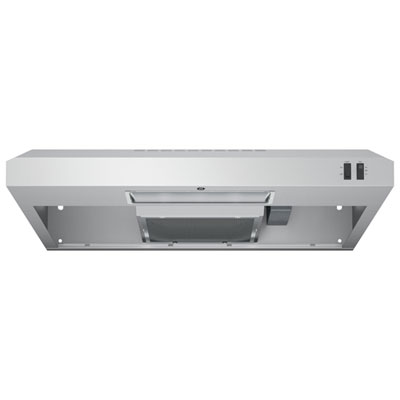 Your price for this item is $249.99
 -
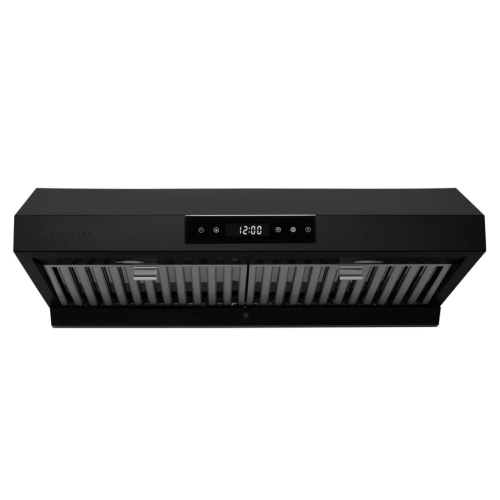 Your price for this item is $598.49
 -
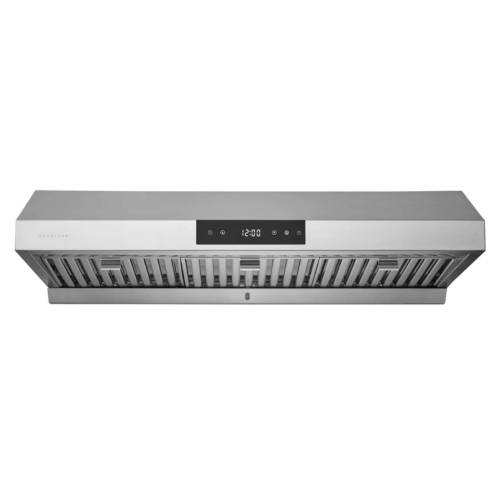 Your price for this item is $645.99
 -
 Your price for this item is $645.99
 -
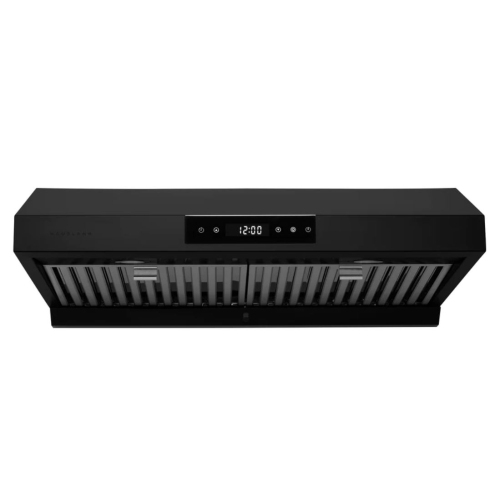 Your price for this item is $645.99
 -
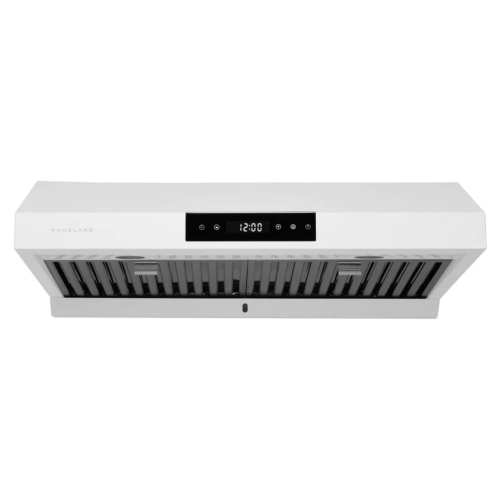 Your price for this item is $598.49
 -
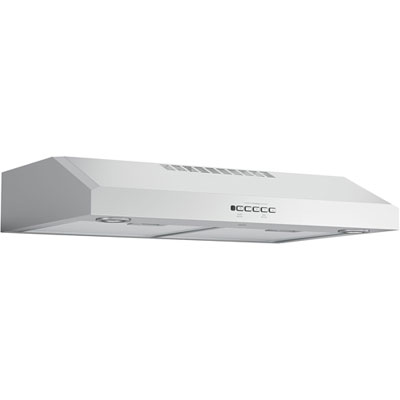 Your price for this item is $449.99
 -
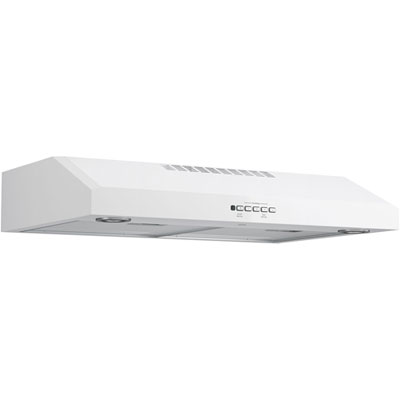 Your price for this item is $399.99
Discover more categories related to Slim Range Hoods for Streamlined Kitchen Designs

Top Collections:
Pokemon Centers, Kindle Devices, Best Budget Office Chairs, Apple iPhones 16, Best Laptops for Writers, iPhone 15 Apple, Canon G7X Cameras, Refurbished Apple Laptops, Alarm Clock, Motorola Razr Phones
Some products may be subject to Environmental Handling Fees
(EHF) depending on your province.
Learn more about EHFs.