Small Convection Ovens
Small Convection Ovens offer a convenient and versatile solution for preparing meals in any kitchen, big or small. Perfect for quick snacks, family dinners, or entertaining guests, these ovens deliver reliable performance without taking up too much counter space. With a range of options to suit different cooking needs, Small Convection Ovens make it easy to enjoy delicious results every time. Explore the selection to find the ideal addition to your home or office kitchen setup.
Sort
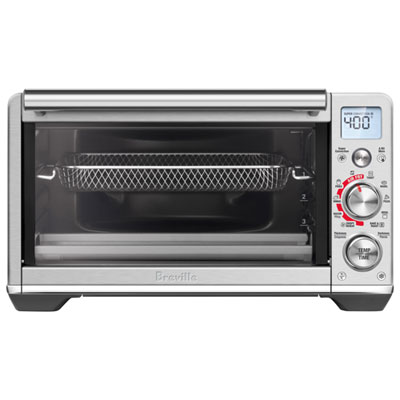
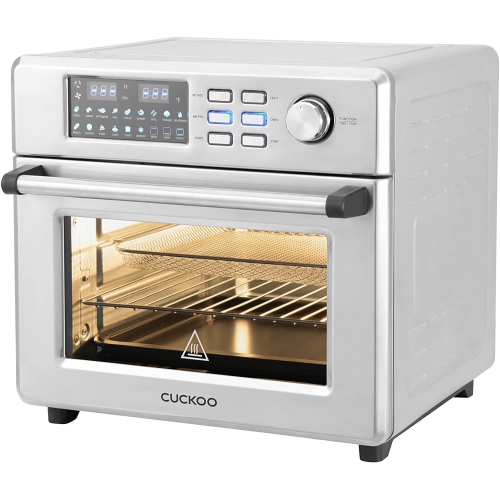


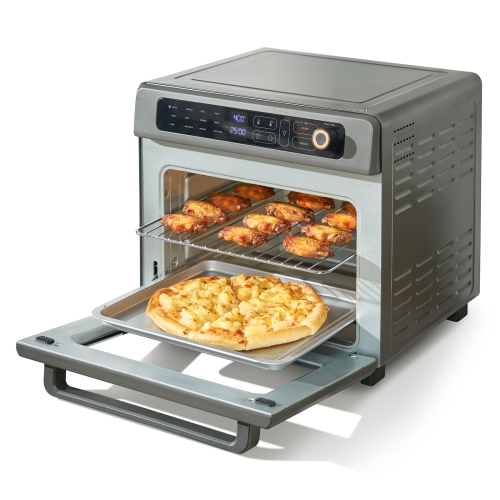

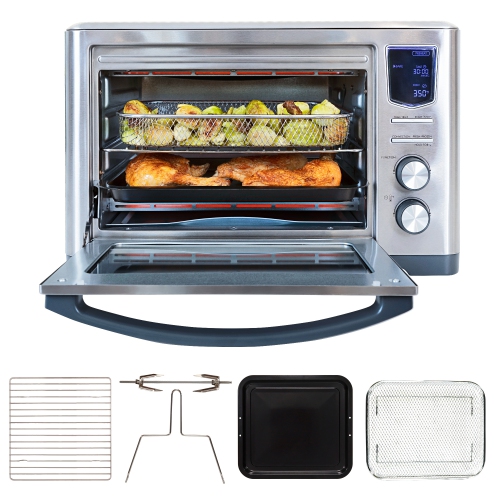

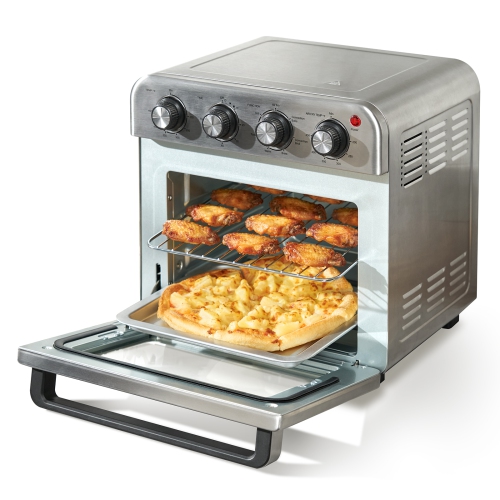

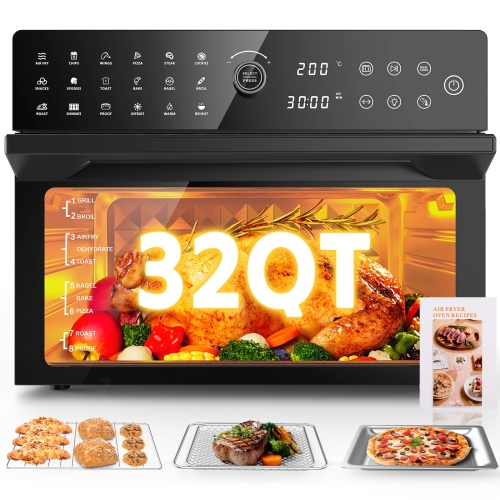
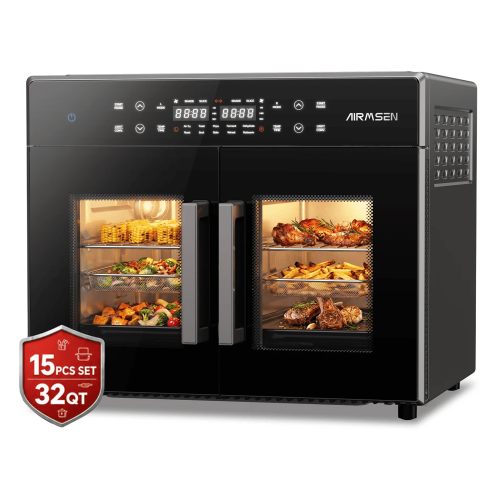
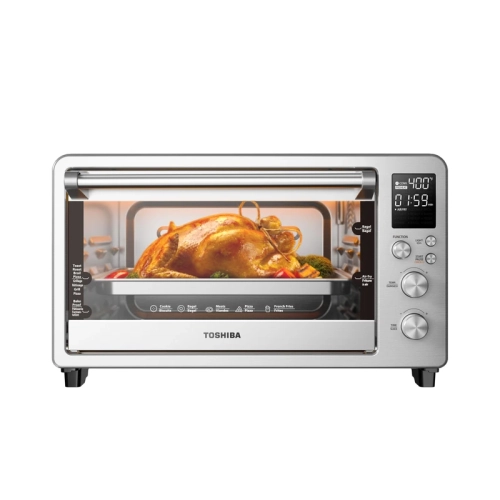
Crisp leftovers and small meals without the full-size oven
Small convection ovens bring baking, roasting, toasting, and reheating into a compact countertop format. Unlike a conventional toaster oven that relies primarily on radiant heat, a convection oven uses a fan to circulate hot air around the food. That moving air can encourage more even browning and shorten cooking times for some recipes, although results depend on the food, temperature setting, and oven design. For a one-person household, a couple, or a kitchen where smaller portions are the norm, this format makes everyday meals manageable without turning on a full-size oven. A tray of roasted vegetables, a small casserole, or a few pieces of fish can fit naturally into the evening routine. Leftover pizza and breaded foods can also regain a crisp exterior more readily than they would in a microwave. The useful size of a small countertop convection oven involves more than its outside dimensions, however. Interior width, rack positions, and the distance between the rack and upper heating elements all affect what fits comfortably. Capacity described in slices of bread or pizza diameter provides a starting point, but the shape of a baking dish matters too. A round 9-inch pan and a rectangular dish with projecting handles may need quite different amounts of room. Exterior depth should account for the handle, while the counter must also provide the ventilation clearances specified by the manufacturer. Space above the appliance matters when it sits beneath cabinetry, and an open oven door needs room in front. In an apartment, condo, or shared kitchen, a compact footprint is most useful when it still accommodates the meals cooked regularly. A smaller oven that fits a favourite baking dish can be more practical than a larger appliance whose extra capacity rarely gets used, especially when worktop space also needs to accommodate chopping and serving.
Cooking functions distinguish small convection ovens from simpler countertop toasters, but the value of each setting depends on everyday eating habits. Bake mode suits muffins, small cakes, and casseroles; broil directs intense heat towards the top of the food for tasks such as browning a cheese topping; and toast settings are designed around bread, bagels, and similar foods. Keep-warm functions can help coordinate serving times, though they are not a substitute for safe food handling or refrigeration. Some compact convection ovens also include an air-fry mode, usually combining vigorous airflow with a perforated basket or tray. That feature can suit potato wedges or breaded vegetables, but not every convection oven includes it, and basket capacity may be smaller than the oven’s overall interior suggests. Rotisserie cooking likewise requires dedicated hardware and sufficient clearance rather than simply a large-looking cavity. Controls range from straightforward dials to digital displays with adjustable time and temperature settings. Clear markings, an easy-to-read timer, and accessible buttons can matter as much as a long list of presets, particularly when the oven is used several times a day. An interior light and a clear viewing window make it easier to check browning without repeatedly opening the door. Multiple rack positions provide flexibility for moving a pan closer to or farther from the heating elements, while a fan that can be switched off adds options for recipes that benefit from gentler airflow. Convection cooking can require a lower temperature or shorter cooking time than a conventional recipe specifies, so the appliance instructions provide the best starting point. Leaving space around food and avoiding overcrowded trays helps the moving air reach exposed surfaces. For a broader look at related countertop formats, Best Convection Toaster Ovens offers another way to explore this appliance category. The most useful combination of functions is the one that supports familiar meals, whether that means crisp toast at breakfast or a small baked pasta dish at dinner.
Materials, construction, and cleaning access influence how well a small convection oven fits into daily life over time. Stainless steel exteriors offer a familiar kitchen finish, while painted metal surfaces provide other colour options; either can show fingerprints, grease splashes, or scratches depending on the finish and handling. Inside, a removable crumb tray catches loose crumbs and small spills before they accumulate near the heating elements. Slide-out racks and accessible corners make routine wiping easier, especially after cooking foods that release fat or splatter sauce. Non-stick trays can simplify cleanup, but they need utensils and cleaning methods suited to their coating. Dishwasher compatibility varies, so removable parts should only go into the dishwasher when the manufacturer permits it. Letting the appliance cool, unplugging it before cleaning, and keeping water away from electrical components are basic parts of care. Abrasive pads and oven-cleaning sprays may damage surfaces or coatings unless specifically approved for the appliance. For durability, details such as a firmly attached handle, racks that sit securely in their supports, and controls that turn or press smoothly are worth attention. A well-fitting tray should slide into place without scraping against the door or tilting unexpectedly. Heat-resistant cookware must also be suitable for the oven’s operating conditions; a container that is safe in a microwave is not necessarily suitable for a convection oven. During use, the appliance belongs on a stable, heat-resistant surface, away from loose towels and other combustible materials, with its vents unobstructed. These practical details matter for busy households reheating separate meals, home cooks preparing side dishes alongside a larger roast, and people furnishing a first kitchen. As a housewarming or wedding gift, a small convection oven can be thoughtful when the recipient has suitable counter space and enjoys cooking smaller portions. Its lasting usefulness comes from an appropriate fit: enough interior room for regular meals, manageable controls, and parts that are straightforward to keep clean.
Top selling and popular products
-
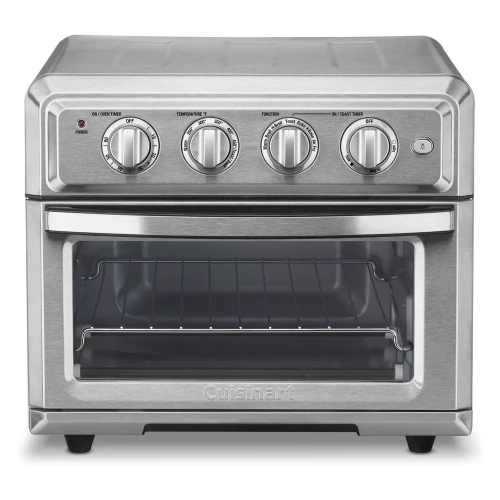 Your price for this item is $395.99
-
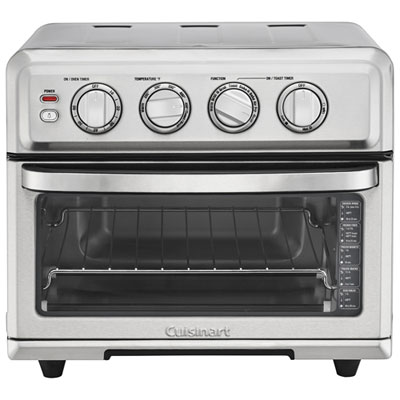 Your price for this item is $499.99
-
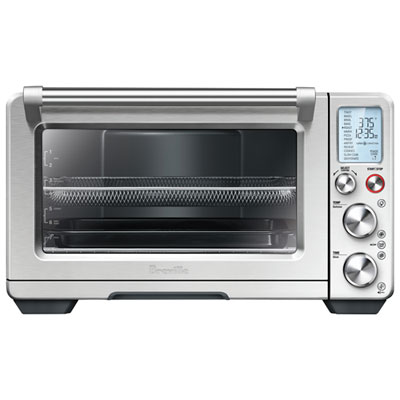 Your price for this item is $479.99
-
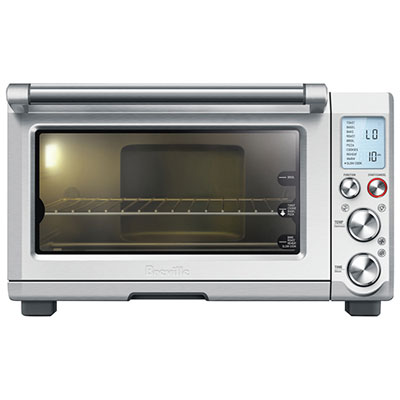 Your price for this item is $399.99
-
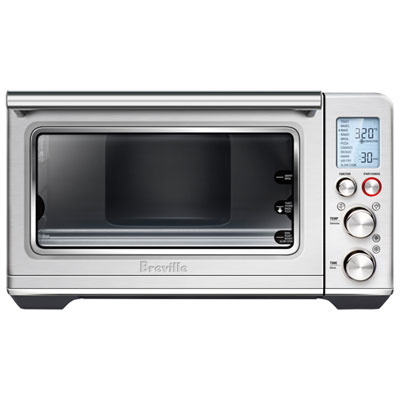 Your price for this item is $399.99
-
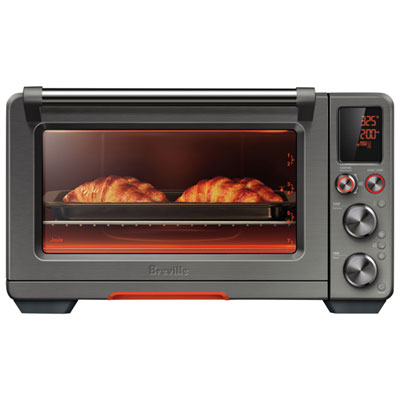 Your price for this item is $799.99
-
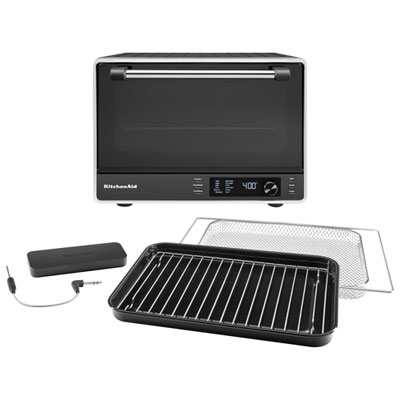 Your price for this item is $419.99
-
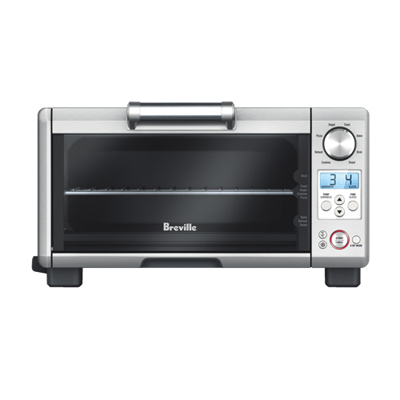 Your price for this item is $229.98
Discover more categories related to Small Convection Ovens

Top Collections:
Best Black Friday Deals This Year, Best Black Friday Deals On Electronics, Kindle Devices, Pokemon Centers, Best Black Friday Deals On Apple Products, Best Cameras for Sports Photography, Dyson Airwrap, Pokémon 30th Celebration Cards, Apple iPhone 17 Pro, Canon G7X Cameras
Some products may be subject to Environmental Handling Fees
(EHF) depending on your province.
Learn more about EHFs.