Small Professional Ovens
A small professional oven is a kitchen appliance that can be used to bake, roast, and broil food. It is designed for use in restaurants, catered events, catered settings, and other commercial environments. Small professional ovens may also be used at home. Here are some great options for small professional ovens.
Sort
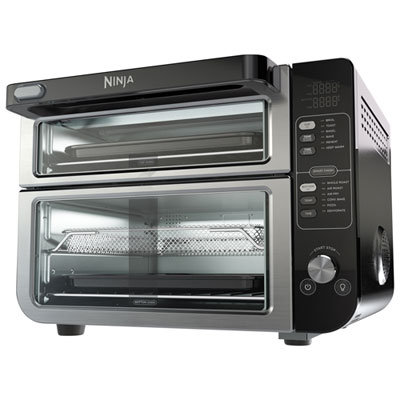
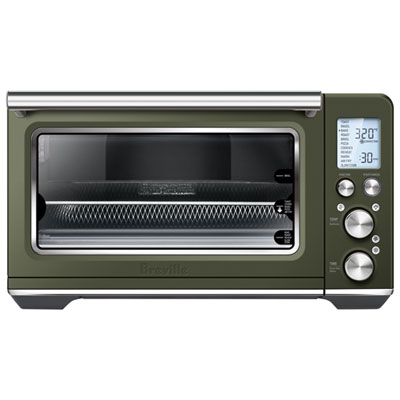
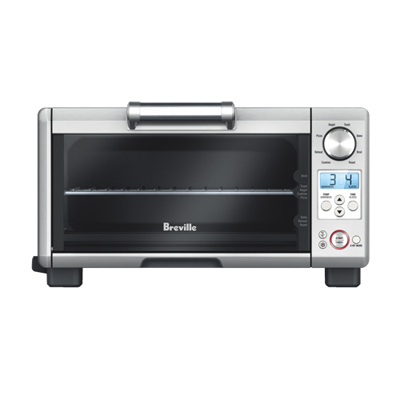
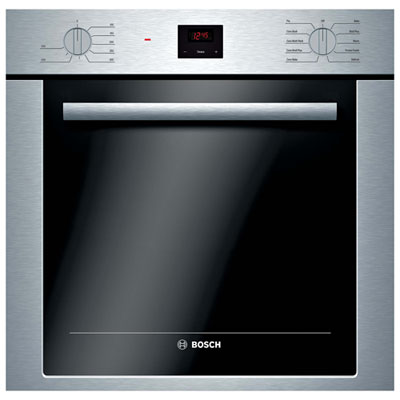
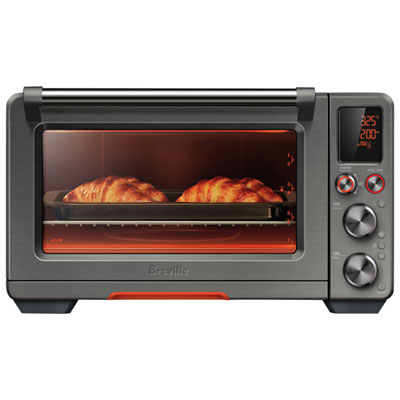
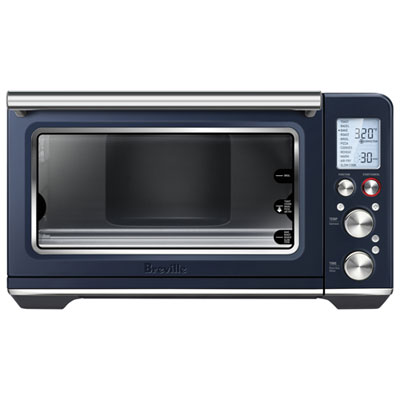

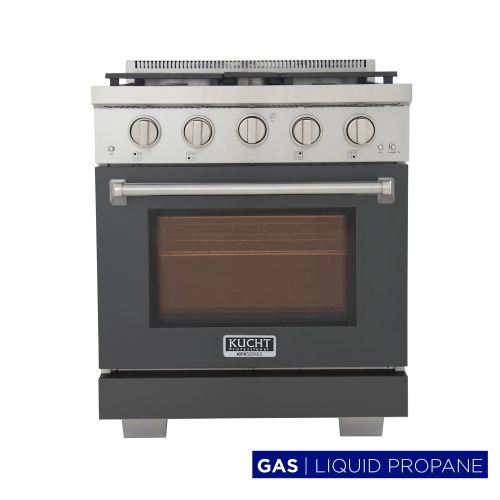
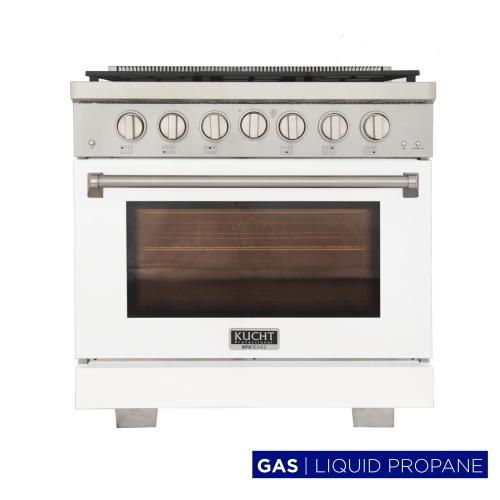
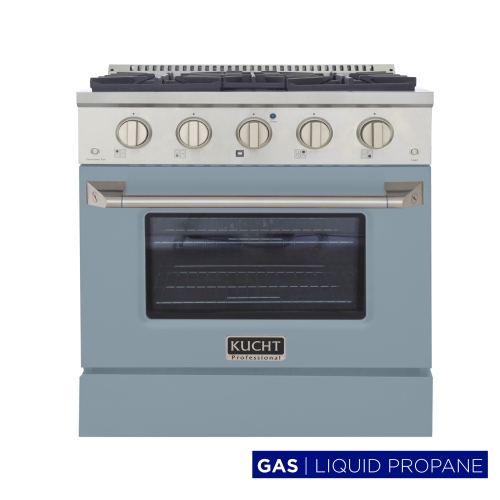
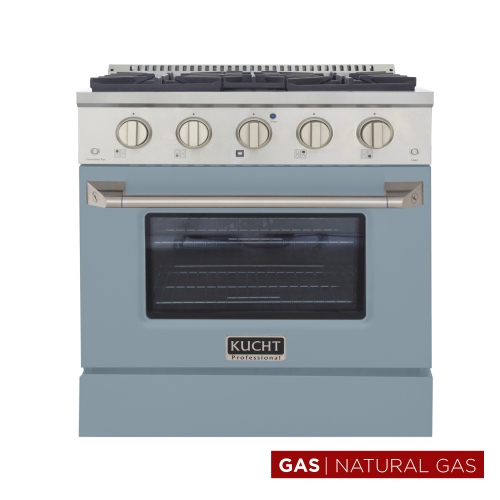
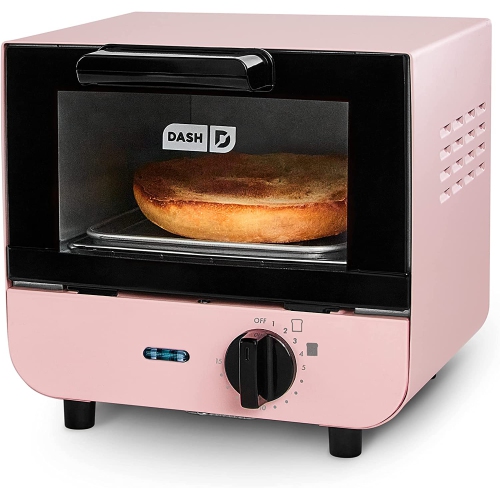
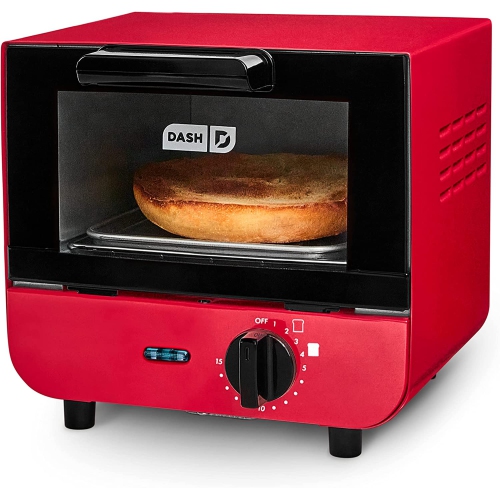
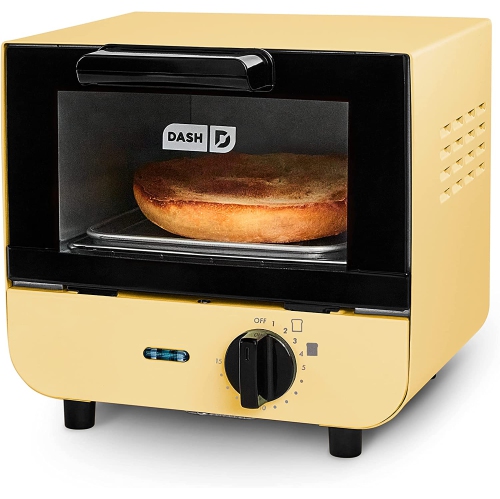
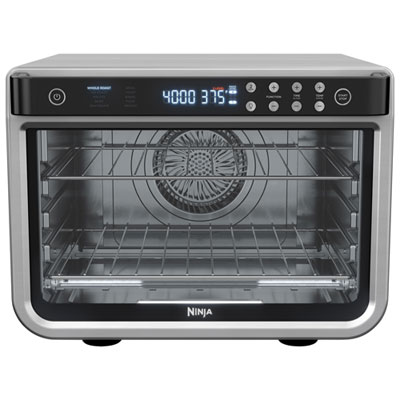
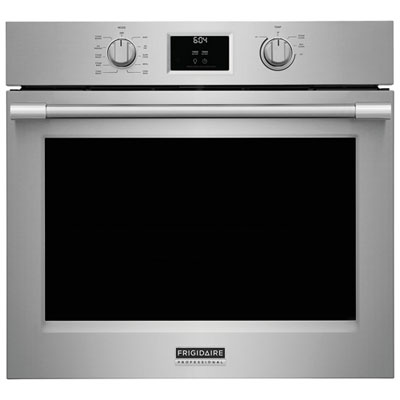
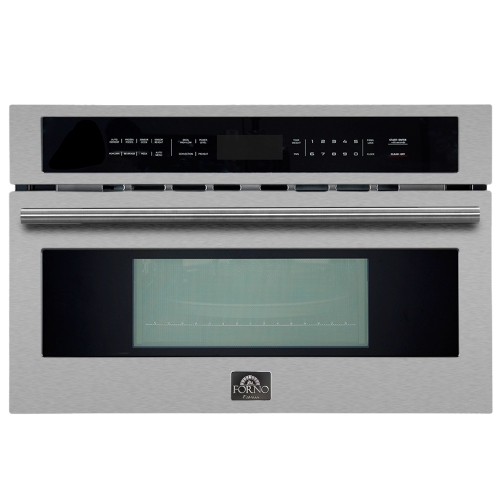
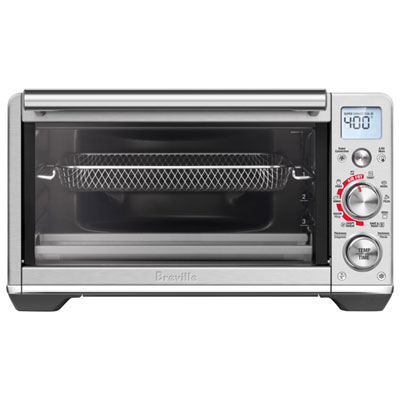
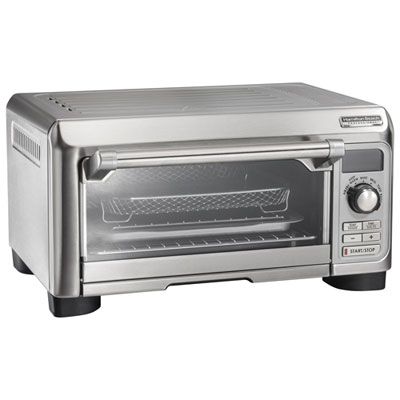
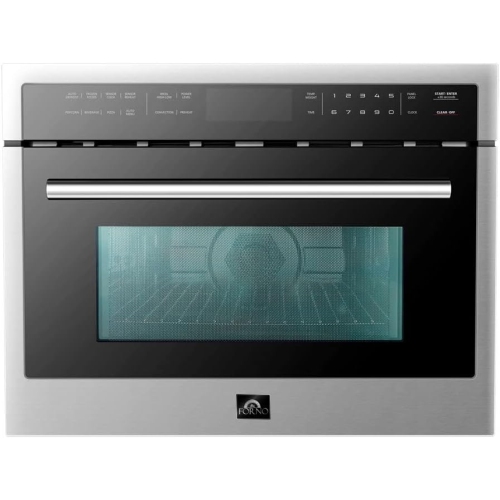

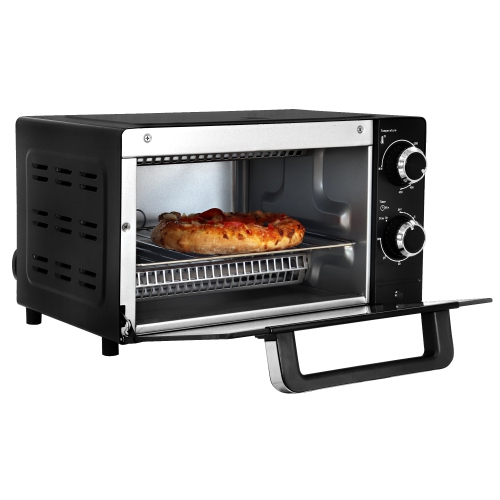
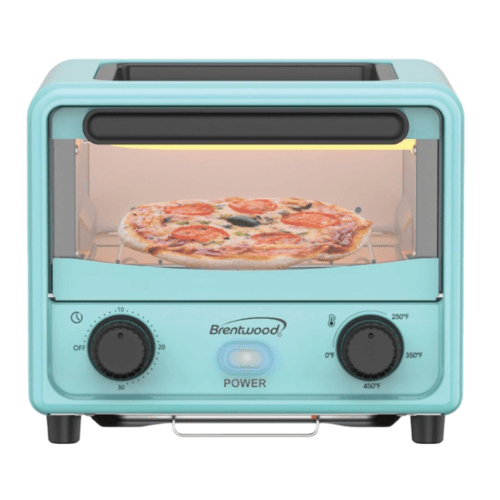
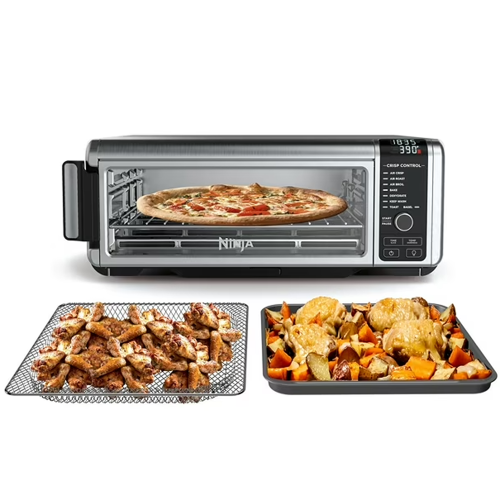


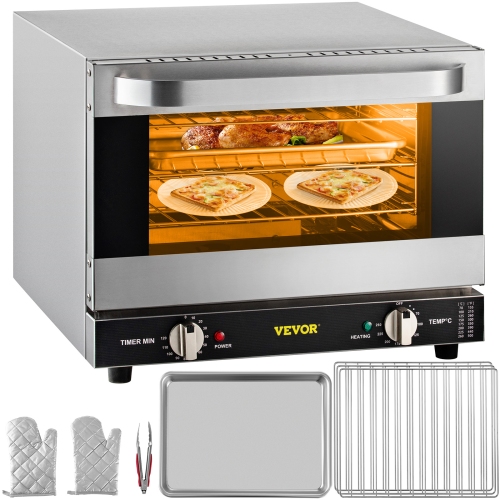
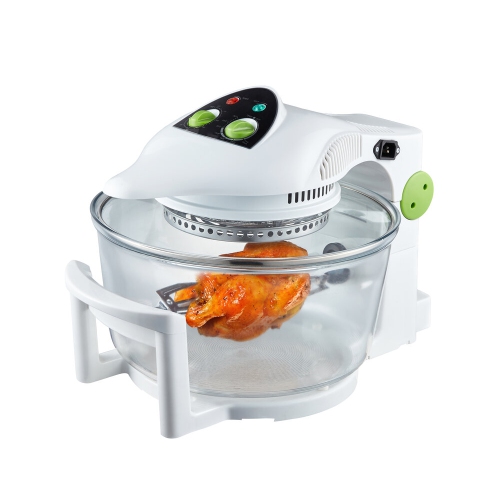

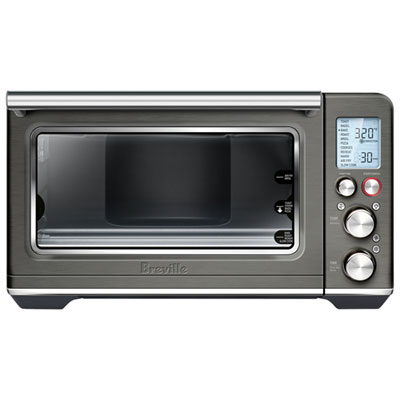
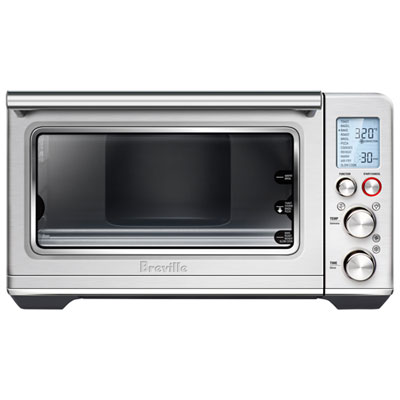
Small-batch baking for kitchens short on counter space
Small professional ovens bring baking, roasting, and reheating capability to kitchens where counter space is limited but dependable results still matter. These compact appliances can suit cafés preparing pastries, sandwich shops finishing hot lunches, catering kitchens handling small batches, and dedicated home cooks who want a separate oven for frequent baking. Their appeal is not simply a smaller footprint: a well-matched countertop oven can keep a tray of cookies moving while a larger oven handles a roast, or let a café bake modest quantities throughout service rather than prepare everything at once. Within this category, convection ovens use a fan to circulate heated air around food, helping support even browning and efficient heat transfer. Results still depend on tray placement, loading, and the recipe, especially with delicate cakes or lightweight pastry that may respond differently to strong airflow. Shoppers interested specifically in fan-assisted countertop cooking can also explore Small Convection Ovens, where the emphasis is on compact convection formats. Professional use involves more than an appliance’s appearance or name. A stainless steel exterior, digital display, or high maximum temperature does not by itself establish that an oven is approved for commercial operation. Intended use, applicable certifications, warranty terms, and installation requirements help distinguish equipment designed for a food-service setting from appliances intended for a household kitchen. Some compact ovens are best suited to occasional finishing and reheating, while others are built for repeated batches during a working day. The difference matters when an oven must brown several trays of breakfast pastries, recover heat after the door opens, and then move straight into lunch preparation. For many small operations, useful performance comes from balancing chamber size, controls, and workload rather than choosing the largest appliance that fits on the counter. A manageable batch size can also make it easier to serve food close to its intended texture, whether that means a crisp pastry shell or a tender baked centre.
Capacity is most meaningful when expressed in the pans and portions a kitchen actually uses. Interior volume gives a broad sense of size, but rack dimensions, usable depth, and clearance above each tray determine whether a familiar baking sheet or covered dish will fit. A half-size commercial sheet pan typically measures 18 by 13 inches, while a quarter-size pan typically measures 13 by 9 inches; compatibility should still be checked against the oven’s stated pan capacity and interior dimensions. Handles, rolled rims, and space needed for airflow can affect the fit. An oven with several rack positions may offer flexibility without having enough room to bake tall loaves on every level at the same time. Closely packed trays can also restrict circulation, so practical output depends on the food as well as the number of shelves. A café warming flat pastries has different needs from a baker working with rising bread dough or a caterer roasting deep pans of vegetables. Exterior measurements deserve equal attention. The countertop needs enough depth and load capacity for the appliance, along with the manufacturer’s required clearances and room to open the door fully. A drop-down door changes the space needed in front, while a side-opening door affects access beside the oven. Nearby shelving, wall finishes, and the route used to carry hot trays all influence placement. Electrical requirements vary substantially across small professional ovens. Some operate on 120 V power, while others require 208 V or 240 V service, a compatible receptacle, and a suitably rated circuit. A familiar-looking plug does not confirm that a shared outlet is appropriate for the appliance’s electrical load. Installation instructions and assessment by a qualified electrician help establish the correct connection. Where applicable, ventilation, fire safety, and local public health requirements also affect whether a countertop location is suitable. Ovens with steam or humidity functions may have additional water supply, drainage, or clearance requirements, making the complete installation more important than the footprint alone.
Materials and everyday handling have a lasting effect on how a compact professional oven performs in a busy kitchen. Stainless steel is common because it tolerates frequent wiping and offers a hard-wearing surface, although finishes can still scratch or stain when treated with abrasive pads or unsuitable cleaners. Inside the chamber, removable racks and accessible tray supports make it easier to clear crumbs, grease, and baked-on spills once the appliance has cooled as directed. Interior finishes vary, so cleaning methods need to match the manufacturer’s instructions rather than habits developed with another oven. Door seals, hinges, and handles see repeated use; keeping seals clean and checking for damage helps the door close properly and limits unwanted heat loss. Glass doors and interior lighting, where included, allow staff to judge colour and rise without opening the chamber as often. Controls also shape the daily experience. Straightforward dials can be convenient for a small menu with familiar settings, while digital controls and programmable stages may help repeat a process across different shifts. A timer may provide an alert without switching off the heat, so its actual function matters during overlapping tasks. Adjustable fan settings, where offered, can provide more flexibility for foods that benefit from gentler airflow. Steam or humidity features serve a different purpose from convection alone: on suitably equipped ovens, added moisture can influence crust formation and help certain baked foods retain moisture, but results depend on the recipe and how the function is used. For bread, pastries, roasted vegetables, and reheated portions, the most useful temperature range is the one that supports the regular menu, not simply the highest setting on the dial. Frequent users may also value replaceable door seals, accessible servicing, and warranty coverage appropriate to the intended setting. In a home kitchen, a small professional-style oven can appeal to an enthusiastic baker or someone who regularly prepares separate dishes, provided household installation and permitted use are confirmed. In either setting, the strongest match is an oven whose capacity, construction, and controls support the work it will perform day after day.
Capacity is most meaningful when expressed in the pans and portions a kitchen actually uses. Interior volume gives a broad sense of size, but rack dimensions, usable depth, and clearance above each tray determine whether a familiar baking sheet or covered dish will fit. A half-size commercial sheet pan typically measures 18 by 13 inches, while a quarter-size pan typically measures 13 by 9 inches; compatibility should still be checked against the oven’s stated pan capacity and interior dimensions. Handles, rolled rims, and space needed for airflow can affect the fit. An oven with several rack positions may offer flexibility without having enough room to bake tall loaves on every level at the same time. Closely packed trays can also restrict circulation, so practical output depends on the food as well as the number of shelves. A café warming flat pastries has different needs from a baker working with rising bread dough or a caterer roasting deep pans of vegetables. Exterior measurements deserve equal attention. The countertop needs enough depth and load capacity for the appliance, along with the manufacturer’s required clearances and room to open the door fully. A drop-down door changes the space needed in front, while a side-opening door affects access beside the oven. Nearby shelving, wall finishes, and the route used to carry hot trays all influence placement. Electrical requirements vary substantially across small professional ovens. Some operate on 120 V power, while others require 208 V or 240 V service, a compatible receptacle, and a suitably rated circuit. A familiar-looking plug does not confirm that a shared outlet is appropriate for the appliance’s electrical load. Installation instructions and assessment by a qualified electrician help establish the correct connection. Where applicable, ventilation, fire safety, and local public health requirements also affect whether a countertop location is suitable. Ovens with steam or humidity functions may have additional water supply, drainage, or clearance requirements, making the complete installation more important than the footprint alone.
Materials and everyday handling have a lasting effect on how a compact professional oven performs in a busy kitchen. Stainless steel is common because it tolerates frequent wiping and offers a hard-wearing surface, although finishes can still scratch or stain when treated with abrasive pads or unsuitable cleaners. Inside the chamber, removable racks and accessible tray supports make it easier to clear crumbs, grease, and baked-on spills once the appliance has cooled as directed. Interior finishes vary, so cleaning methods need to match the manufacturer’s instructions rather than habits developed with another oven. Door seals, hinges, and handles see repeated use; keeping seals clean and checking for damage helps the door close properly and limits unwanted heat loss. Glass doors and interior lighting, where included, allow staff to judge colour and rise without opening the chamber as often. Controls also shape the daily experience. Straightforward dials can be convenient for a small menu with familiar settings, while digital controls and programmable stages may help repeat a process across different shifts. A timer may provide an alert without switching off the heat, so its actual function matters during overlapping tasks. Adjustable fan settings, where offered, can provide more flexibility for foods that benefit from gentler airflow. Steam or humidity features serve a different purpose from convection alone: on suitably equipped ovens, added moisture can influence crust formation and help certain baked foods retain moisture, but results depend on the recipe and how the function is used. For bread, pastries, roasted vegetables, and reheated portions, the most useful temperature range is the one that supports the regular menu, not simply the highest setting on the dial. Frequent users may also value replaceable door seals, accessible servicing, and warranty coverage appropriate to the intended setting. In a home kitchen, a small professional-style oven can appeal to an enthusiastic baker or someone who regularly prepares separate dishes, provided household installation and permitted use are confirmed. In either setting, the strongest match is an oven whose capacity, construction, and controls support the work it will perform day after day.
Top selling and popular products
-
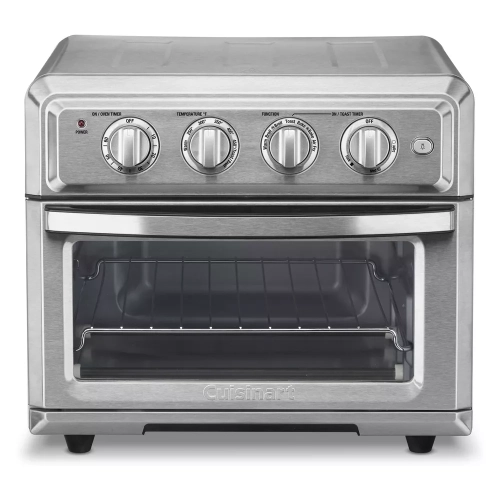 Your price for this item is $395.99
 -
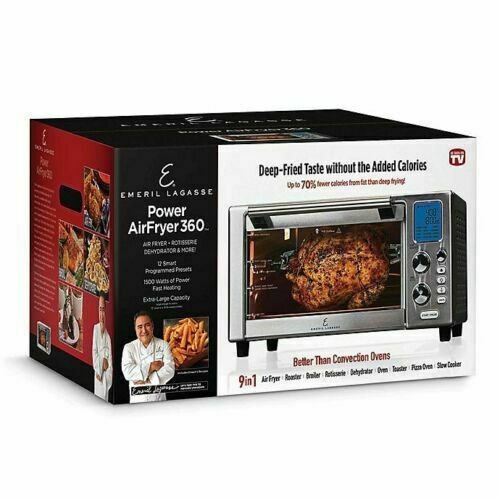 Your price for this item is $540.04
 -
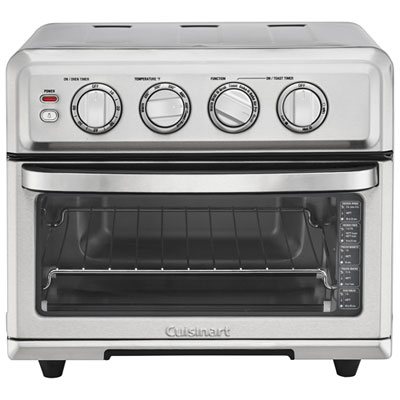 Your price for this item is $189.99
 -
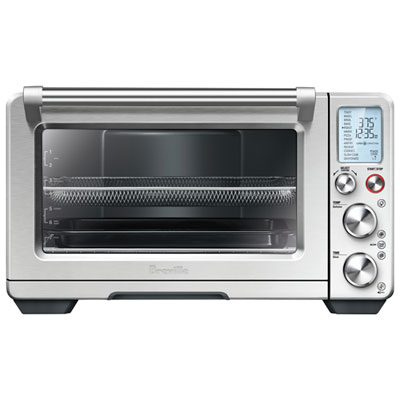 Your price for this item is $479.99
 -
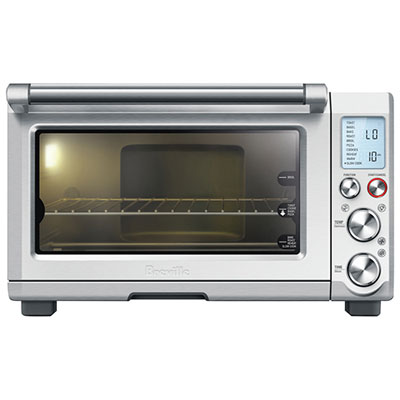 Your price for this item is $299.98
 -
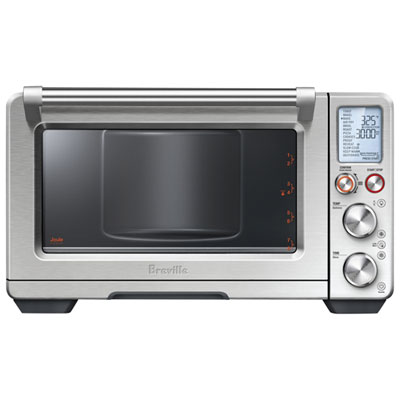 Your price for this item is $599.99
 -
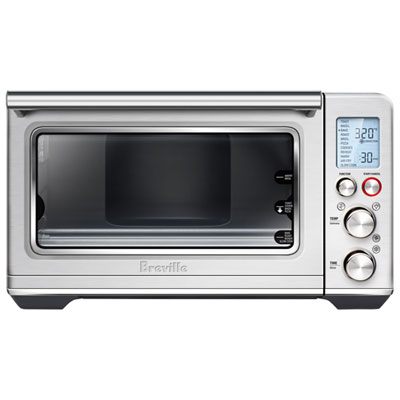 Your price for this item is $399.99
 -
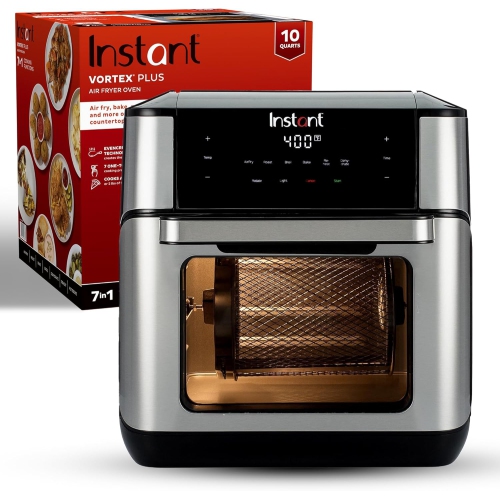 Your price for this item is $249.99
Discover more categories related to Small Professional Ovens

Top Collections:
Pokemon Centers, Kindle Devices, Best Budget Office Chairs, Apple iPhones 16, Best Laptops for Writers, iPhone 15 Apple, Canon G7X Cameras, Refurbished Apple Laptops, Alarm Clock, Motorola Razr Phones
Some products may be subject to Environmental Handling Fees
(EHF) depending on your province.
Learn more about EHFs.