Small Desktop Electric Fans
Small Desktop Electric Fan options provide a convenient way to keep your workspace cool and comfortable. Designed to fit easily on any desk or tabletop, these compact fans are perfect for offices, dorm rooms, or home study areas. With a variety of styles and sizes available, finding the right Small Desktop Electric Fan to suit your needs is simple. Enjoy a refreshing breeze while you work or relax, and discover how these practical fans can enhance your daily routine.
Sort
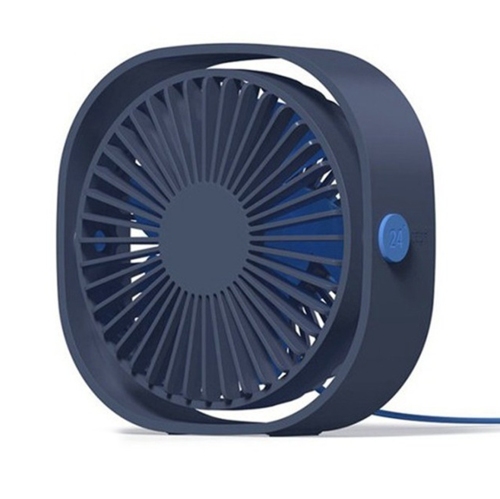
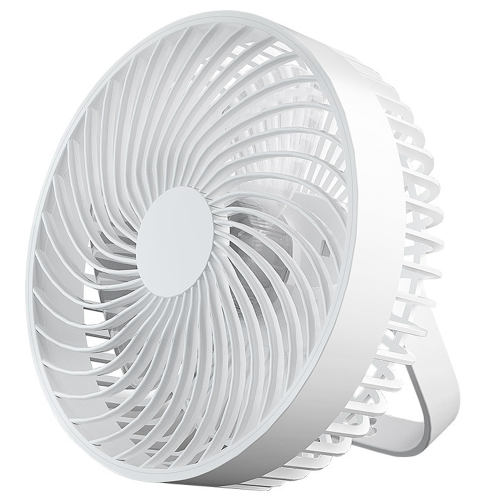
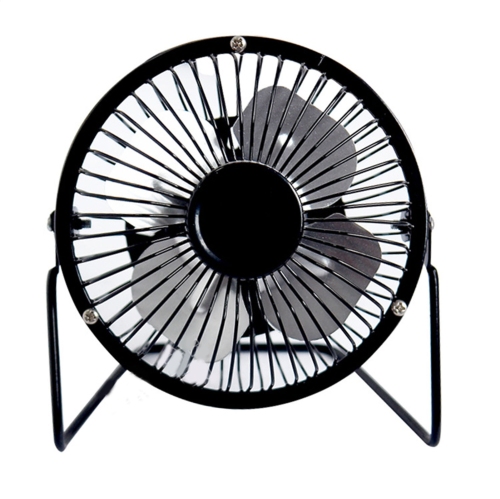


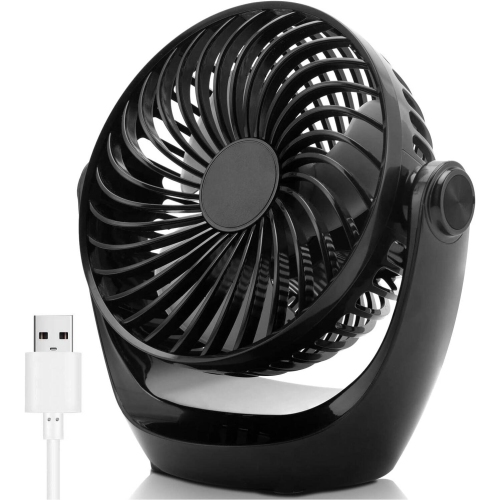
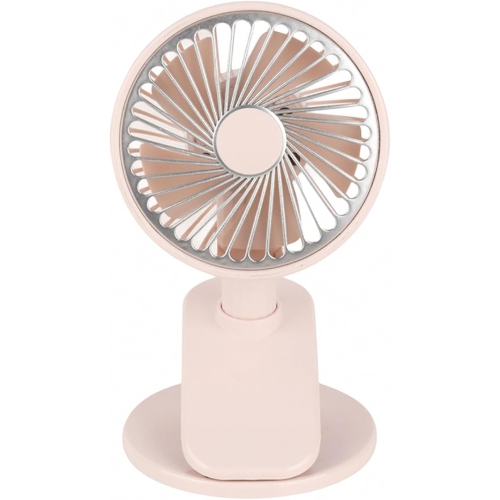
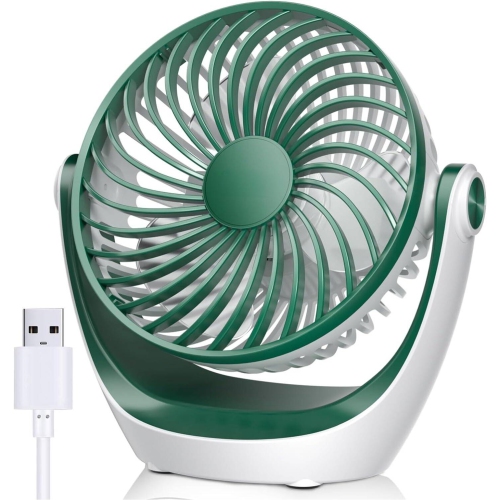
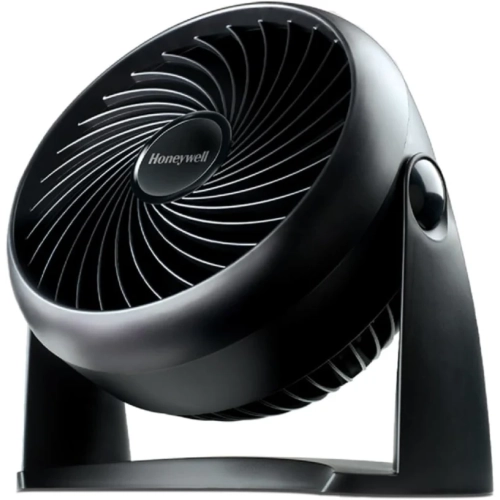
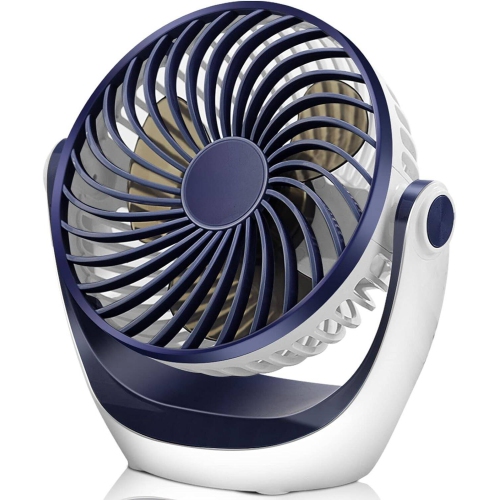
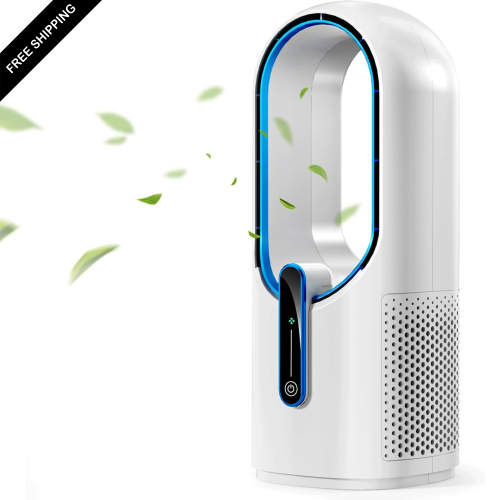
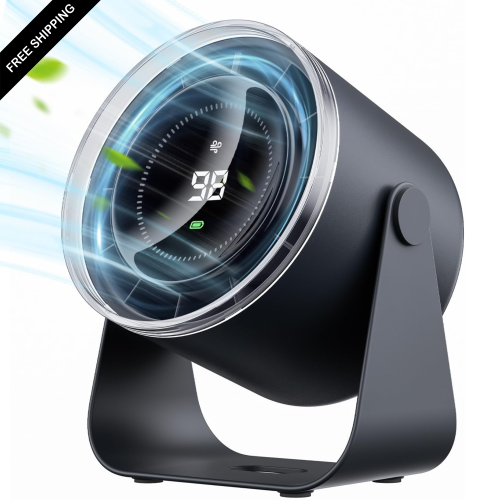
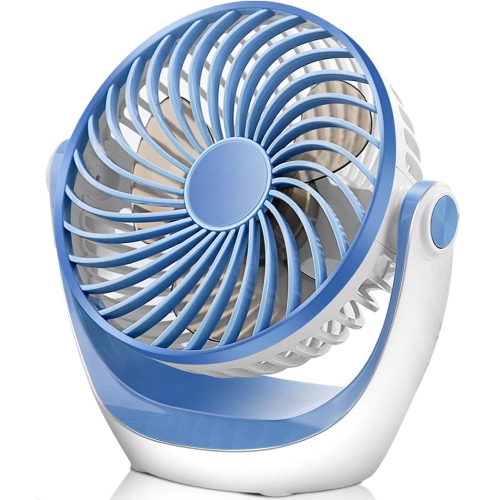
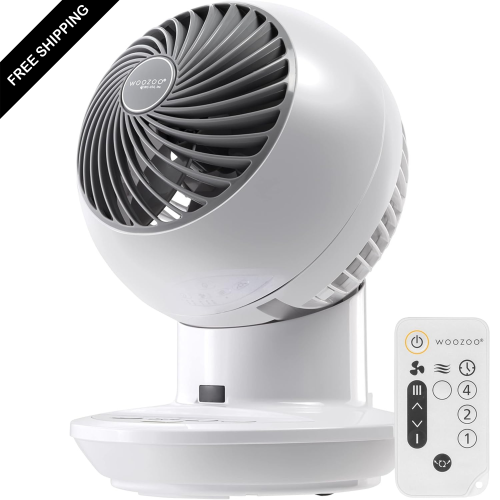
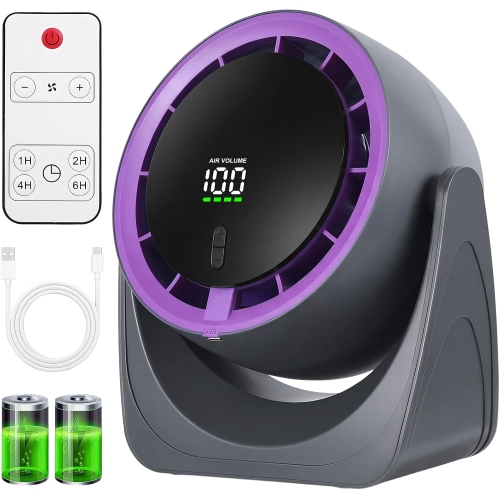
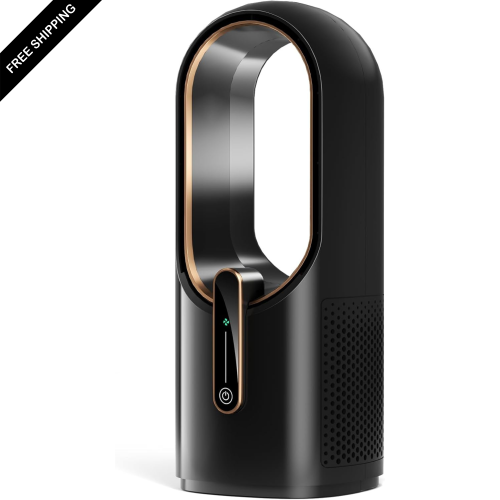
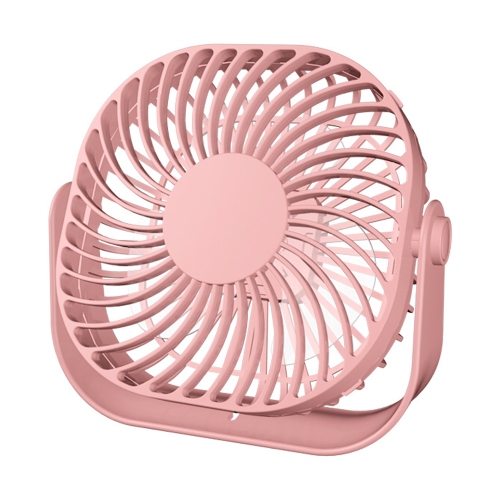
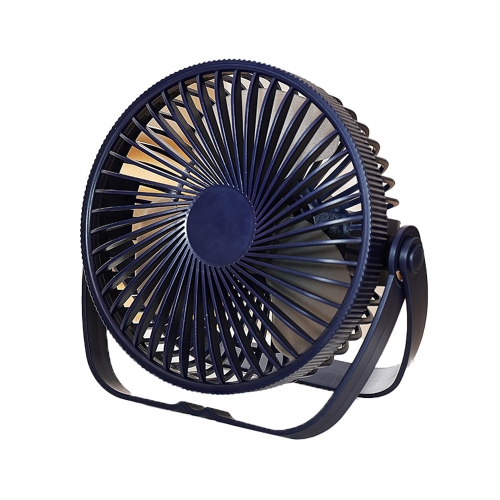
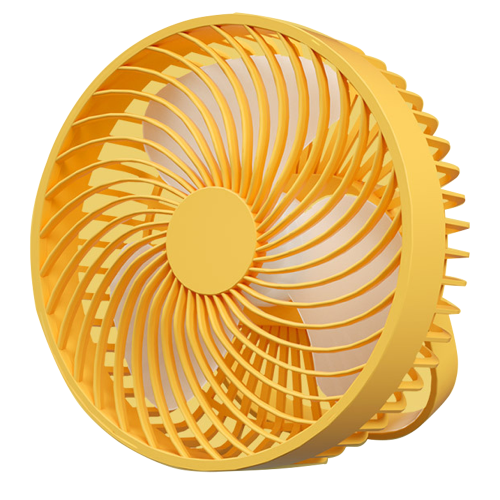
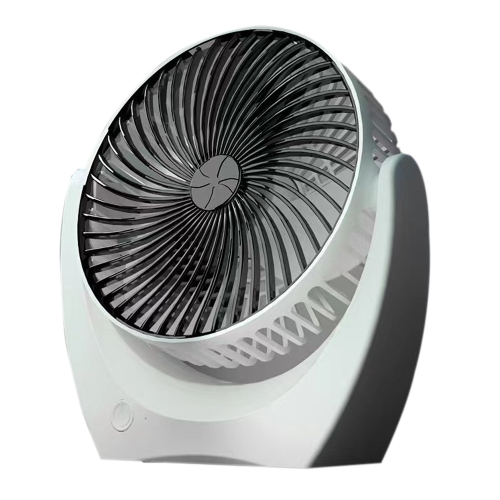
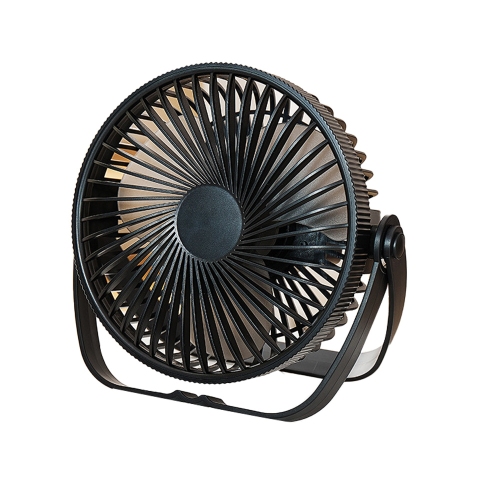
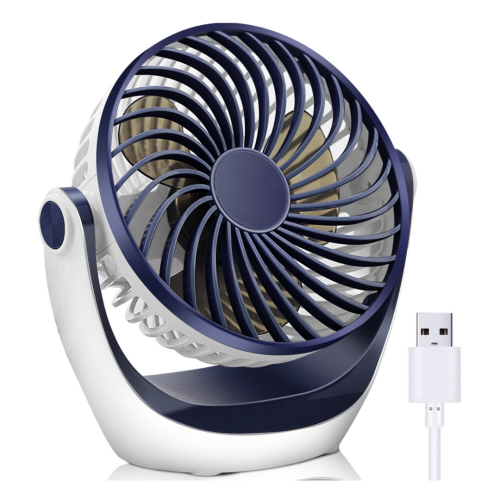
A personal breeze without crowding your desk
Small desktop electric fans provide focused airflow for desks, nightstands, and other personal spaces without taking up the room needed for a full-size floor fan. Their compact proportions make them a practical fit beside a computer monitor, on a study table, or at the edge of a home office workstation. Rather than circulating air throughout a large room, a desktop fan directs a breeze towards the person sitting nearby. That distinction matters when comparing designs: a small fan positioned within comfortable reach can be more suitable for individual use than a larger model placed across the room. The space around the fan is just as important as its overall dimensions. A narrow base can leave more room for a keyboard and notebook, while a broader base may offer greater stability on a busy desk. The depth of the housing, the clearance behind the grille, and the sweep of an oscillating head all affect how neatly a fan fits among everyday essentials. An adjustable head makes it easier to direct airflow towards the upper body without blowing loose papers across the work surface. Oscillation, where included, spreads airflow from side to side instead of keeping it trained on one spot. Fixed-direction designs offer a more concentrated breeze, which can be useful when sharing a workspace with someone who prefers less air movement. Multiple speed settings provide flexibility for different tasks, from quiet reading to an afternoon of computer work. Blade diameter alone does not tell the whole story; motor speed, blade shape, grille design, and distance from the user also influence how the airflow feels. For a compact desk setup, a fan that delivers a comfortable breeze at its intended sitting distance is more useful than one selected simply for its highest setting. A tidy footprint and an easily adjusted angle help the fan become part of the workspace rather than another object to work around.
Power options shape where a small desktop electric fan can be used and how easily it moves between spaces. USB-powered designs can suit a computer desk with a compatible powered port or wall adapter, although connection requirements and included accessories vary. A USB connector does not necessarily mean that a fan contains a battery, so rechargeable operation and plug-in operation are separate features to consider. Rechargeable designs allow cordless placement during use, making it easier to move from a desk to a side table without finding another outlet. Battery runtime depends on factors such as the speed setting, battery capacity, and whether additional functions are operating; a stated maximum runtime may apply only to the lowest setting. Corded designs offer continuous operation when connected to a suitable power source, with cord length affecting placement. A cable that reaches the outlet without crossing a walkway or stretching tightly across the desk helps keep the arrangement practical. Within the broader selection of Small Electric Fans, desktop designs are especially suited to close-range use on a stable, level surface. Their controls and sound characteristics deserve attention alongside their size. Clearly marked buttons, a straightforward dial, or an accessible touch panel can make everyday adjustments easier, particularly when the fan sits beside a monitor. Sound is especially noticeable during video calls, concentrated study, or bedside use. A lower speed may provide a gentler breeze with less audible motor and airflow noise, though performance varies by design. Vibration can also travel through a hollow desk or lightweight shelf, so a stable base and well-fitted non-slip feet are useful details. For a nightstand, the brightness of an indicator light and the position of the controls can matter as much as airflow. A timer, when included, allows the fan to switch off after a selected period. These details help distinguish a fan suited to occasional use from one that fits naturally into a daily routine.
Materials and construction influence how a desktop fan feels, how easily it can be moved, and how well it stands up to regular handling. Plastic housings are often lightweight and easy to reposition, while metal housings or grilles can offer a more substantial feel. Neither material alone guarantees durability: secure joints, a steady base, smooth adjustment, and a well-supported grille are equally relevant. A tilt mechanism should hold its position during operation rather than gradually drooping, and an oscillating head needs enough clear space to move without striking a wall, cable, or nearby object. Compact fans also vary in appearance, from simple neutral finishes that blend into a shared office to more distinctive colours that add character to a study corner. Rounded housings and compact bases can sit comfortably alongside a desk lamp or stationery holder, but appearance should not come at the expense of unobstructed airflow. Dust can collect on blades and grilles, so care requirements are worth considering before making a fan part of an everyday setup. Cleaning should follow the manufacturer’s directions, with the fan switched off and disconnected from its power source. Some grilles can be removed for access, while others are intended to be cleaned from the outside; a housing should not be forced open. Keeping moisture away from electrical parts and allowing any permitted damp-wiped surfaces to dry before use helps protect the fan. Positioning also matters in homes with children or pets: a desktop fan belongs on a secure surface with its cord managed and its moving parts out of reach. It should remain clear of drinks, loose fabric, and anything that could block the grille. As a practical gift, a small desktop electric fan can suit a student setting up a study space, someone furnishing a first home office, or a person who likes individual control over nearby airflow. The most useful fit comes from matching its footprint, power connection, sound level, and adjustments to the place where it will be used.
Top selling and popular products
-
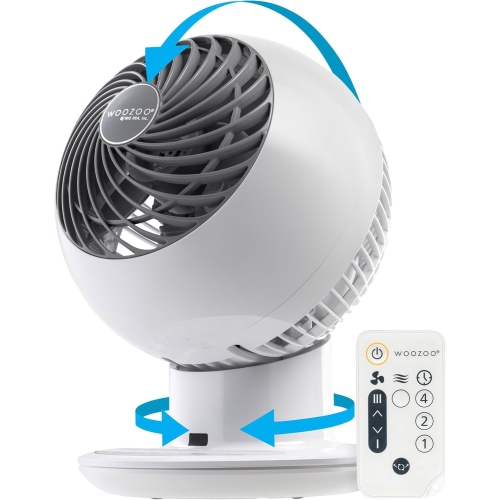 Your price for this item is $64.08
-
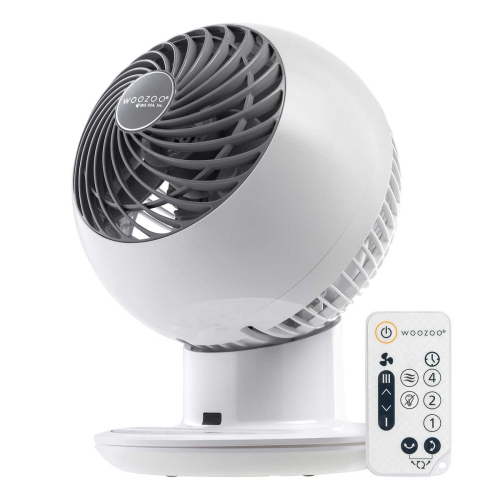 Your price for this item is $64.08
-
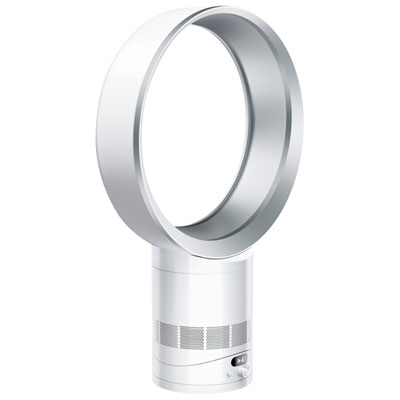 Your price for this item is $379.99
-
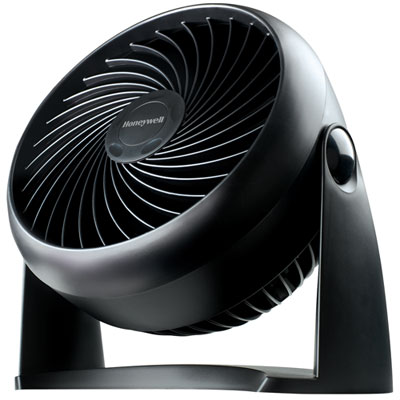 Your price for this item is $24.99
-
 Your price for this item is $49.99
-
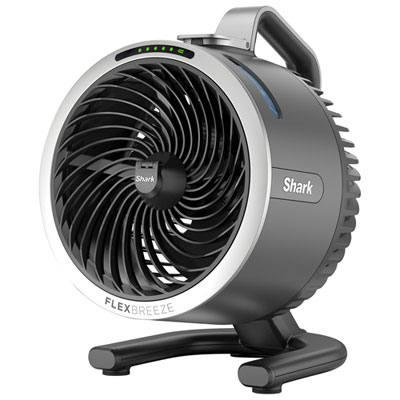 Your price for this item is $129.99
-
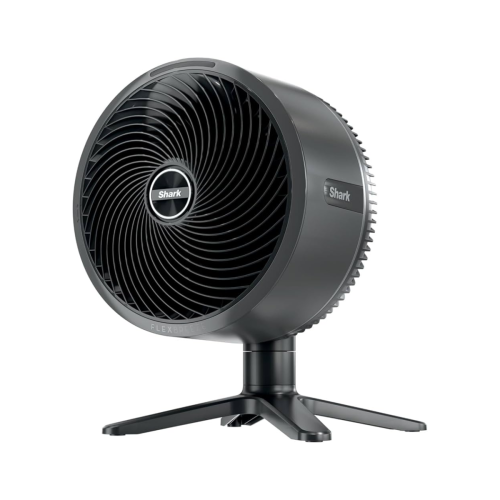 Your price for this item is $199.99
-
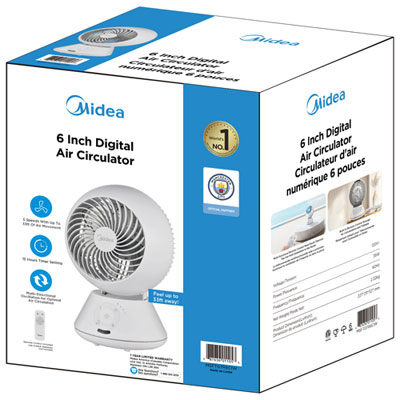 Your price for this item is $44.99
Discover more categories related to Small Desktop Electric Fans
Top Collections:
Best Black Friday Deals This Year, Best Black Friday Deals On Electronics, Kindle Devices, Pokemon Centers, Best Black Friday Deals On Apple Products, Best Cameras for Sports Photography, Dyson Airwrap, Pokémon 30th Celebration Cards, Apple iPhone 17 Pro, Canon G7X Cameras
Some products may be subject to Environmental Handling Fees
(EHF) depending on your province.
Learn more about EHFs.