Small Electric Heaters
Small Electric Heater options offer a convenient way to add warmth to any room in your home or office. Compact and easy to move, these heaters are ideal for bedrooms, living spaces, or work areas where you need a little extra comfort. With a variety of designs and sizes available, finding the right Small Electric Heater is simple. Explore models that fit seamlessly into your space while providing reliable heat when you need it most.
Sort
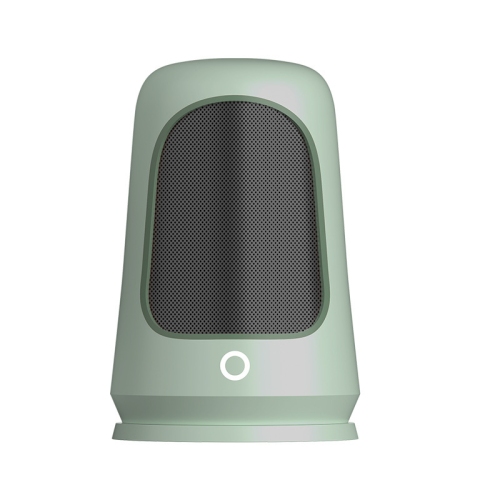
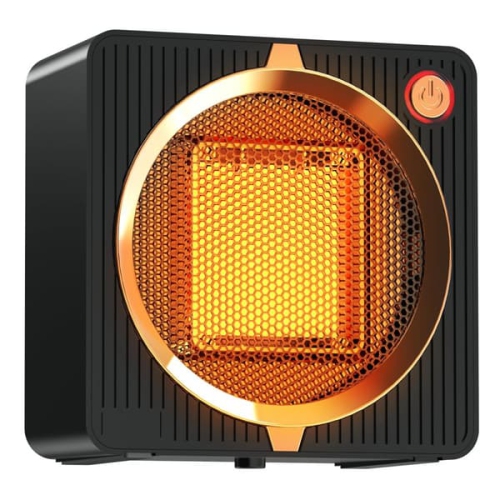
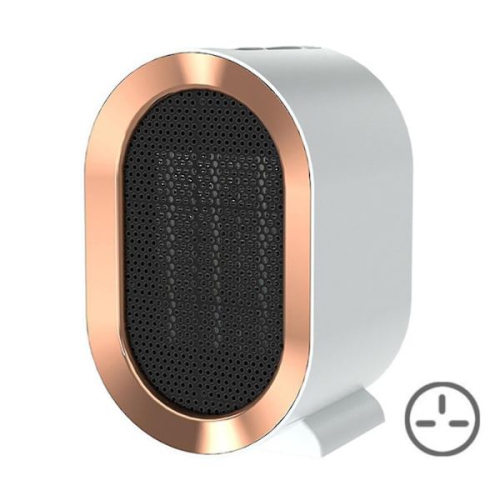
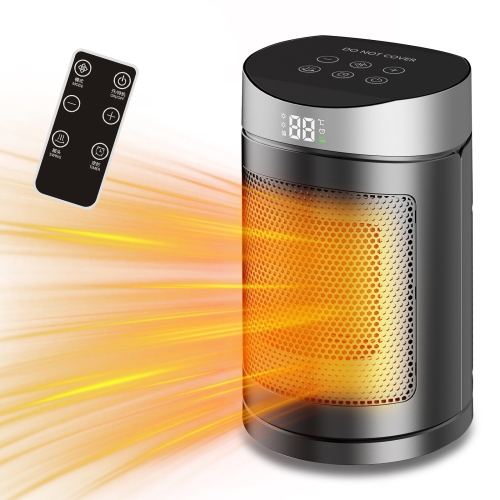
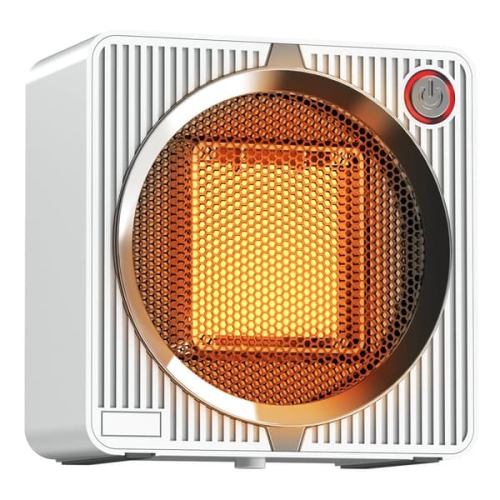
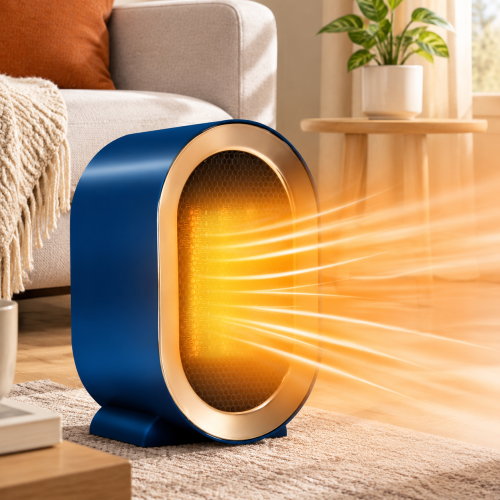
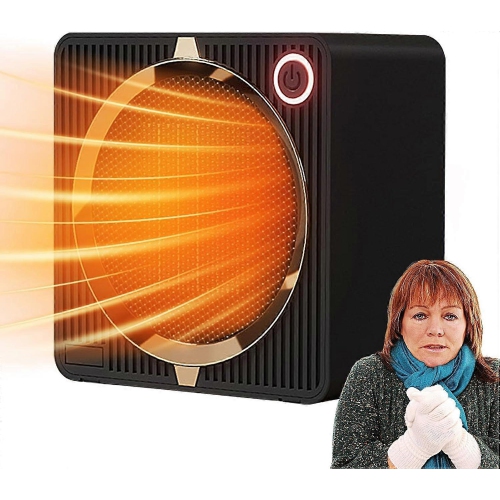
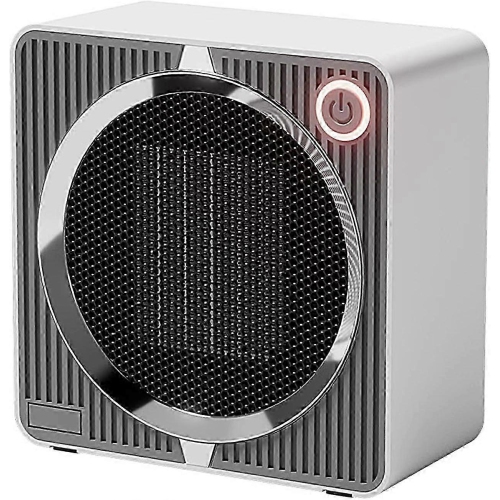



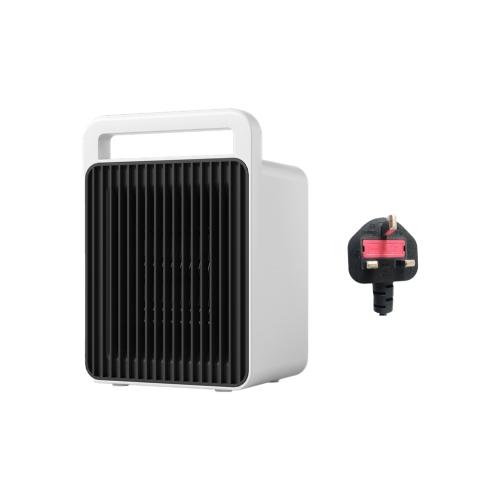
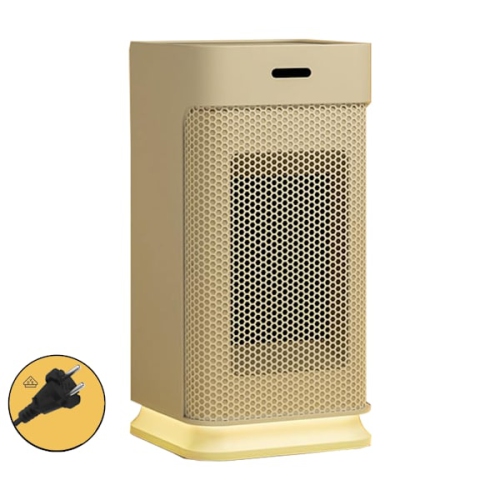
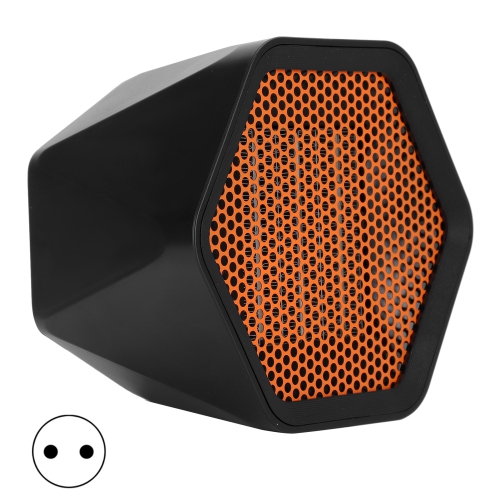
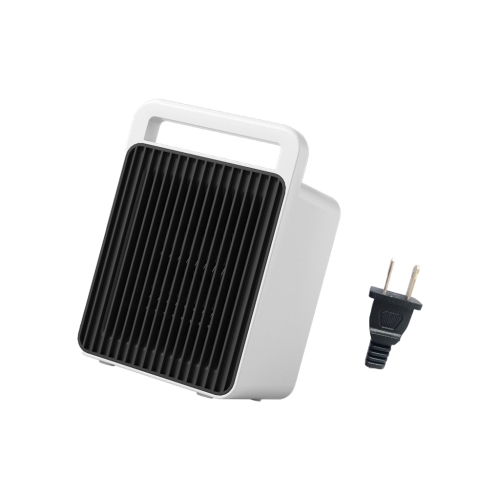
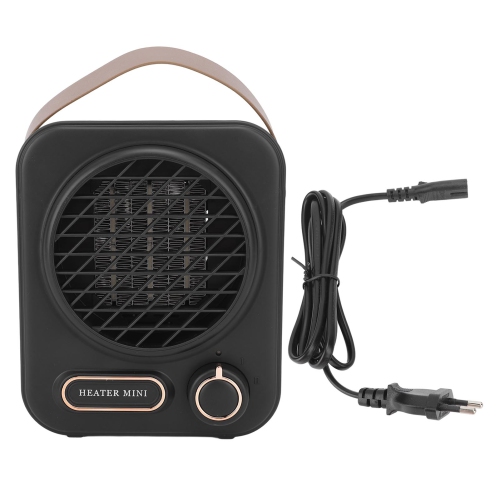

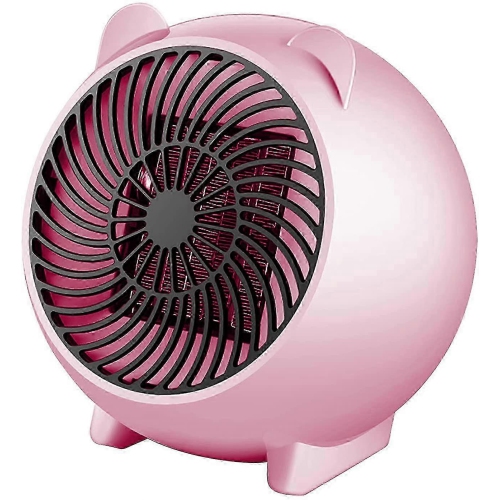
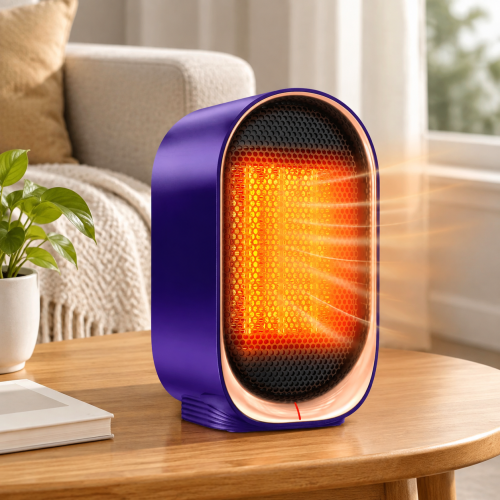
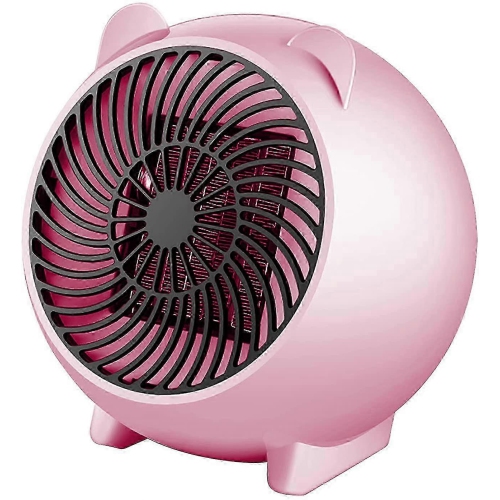
Targeted warmth for home offices and reading corners
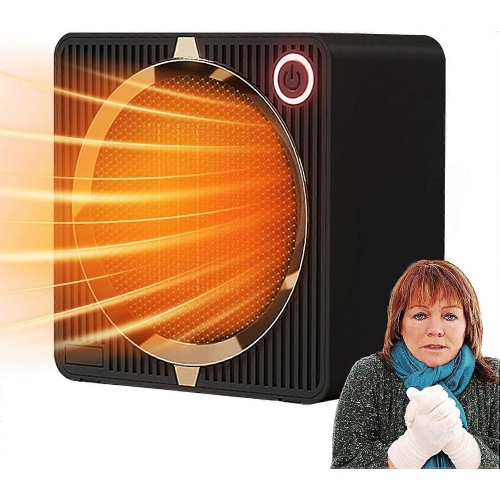
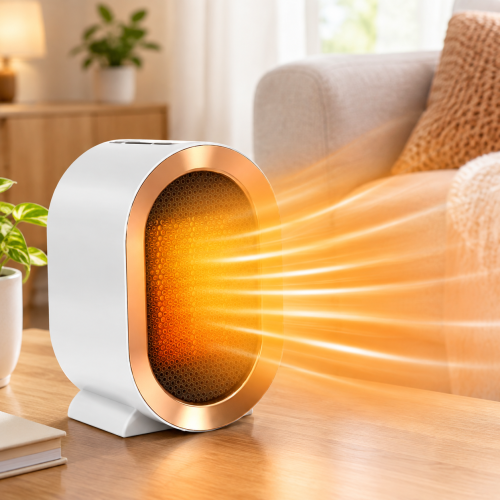
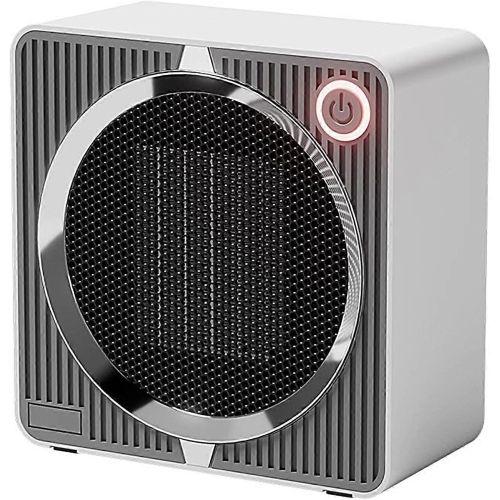
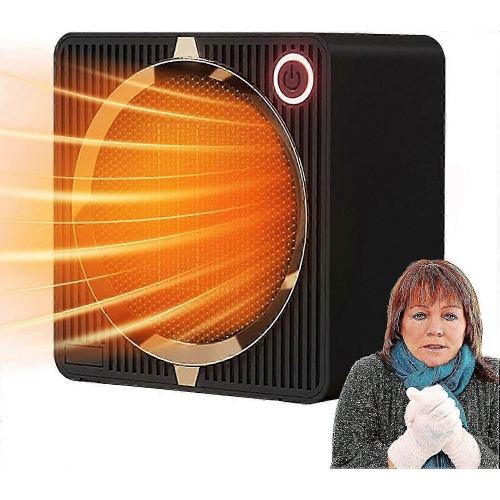
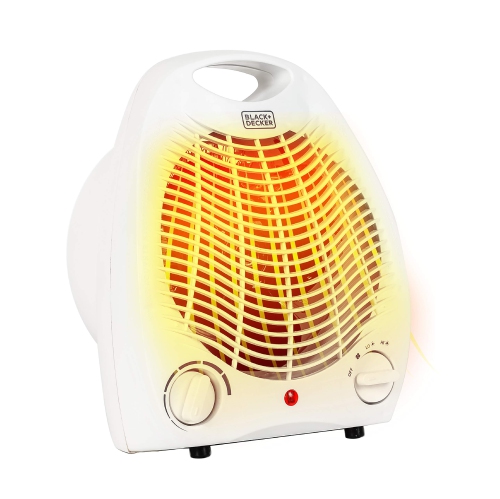
Small electric heaters are compact, plug-in appliances that provide targeted warmth in offices, small rooms, and personal workspaces. They are generally intended to supplement a home’s main heating system rather than heat an entire house. Their appeal is practical: a reading chair beside a draughty window, a home office that feels cooler than the hallway, or a small sitting area can benefit from warmth directed where people spend time. The category includes several heating styles, each with a different feel in everyday use. Ceramic heaters use an electrically heated ceramic element, usually paired with a fan that moves warm air into the surrounding space. Their compact housings and relatively quick response make them a familiar choice for personal heating. Small Electric Fan Heaters distribute warmth through moving air, which can be useful when the goal is to take the chill off a small occupied area rather than warm a single spot. Radiant heaters deliver heat more directly to nearby people and surfaces within their path, while compact oil-filled radiators gradually warm their sealed fluid and release heat through a metal body. Oil-filled designs typically take longer to warm up and may be heavier than small fan heaters, but they can suit spaces where steady heat and minimal fan noise matter. A heater’s physical size does not, by itself, establish how much space it can warm. Heating output, ceiling height, insulation, window area, and an open doorway all affect the result. A compact heater near a desk may make the workspace more comfortable without creating an even temperature throughout an adjoining room. For someone who works from home, reads in a quiet corner, or spends time at a hobby table, the most suitable design is often the one whose heat delivery matches that particular activity and the space around it. Even within a small room, placement and airflow can make a noticeable difference to how the warmth feels.
Everyday comfort also depends on controls, sound, and how easily a heater fits into a room. Many portable electric heaters operate from a standard household outlet, with some offering a maximum setting of 1,500 watts; the electrical rating on the appliance identifies its requirements. Higher wattage generally means greater heat output, although heaters with the same wattage can distribute that heat differently. A lower setting can be useful for maintaining comfort in a small occupied area, while an adjustable thermostat helps regulate operation around a selected temperature. Digital displays may show a temperature setting, whereas simple rotary controls provide a more basic way to adjust heat. The temperature near the heater can differ from the temperature across the room, so thermostat readings are best understood in the context of placement. Oscillation spreads airflow across a wider angle, and adjustable louvers can help direct it towards an open area. For video calls, concentrated work, or listening to music, fan sound may be just as important as the strength of the airflow. Fanless designs avoid blower noise, though thermostats and expanding materials can still make occasional sounds. Size considerations extend beyond the height and width of the casing: the footprint, required clearance, cord length, and position of the wall outlet all influence whether a heater fits comfortably beside furniture. A carrying handle is helpful when moving a cooled appliance between rooms, while a broad, stable base supports secure placement. Metal grilles, ceramic heating components, and heat-resistant housings serve different purposes within the construction. Exterior materials do not necessarily indicate that a surface stays cool, and even a small unit can have a hot grille or casing during use. For a shared home office or sitting room, easy-to-read controls and clearly marked settings can be more useful than a long list of functions. A timer can limit a heating session, but it does not replace supervision or make unattended operation appropriate.
Safe placement and routine care are essential parts of living with a small electric heater. The appliance belongs on a firm, level surface approved by its manufacturer, where it cannot easily be knocked over and where its air intake and outlet remain unobstructed. A clear spot on the floor may be more suitable than a crowded desktop, particularly when papers, charging cables, or a sleeve could come close to the heat. Portable heaters should generally remain at least 0.9 metres, or 3 feet, from curtains, bedding, upholstered furniture, and other combustible materials, with any greater manufacturer-specified clearance taking priority. They should plug directly into a suitable wall outlet rather than an extension cord or power bar, and the cord should not run beneath a rug or through a doorway where it could be damaged. A heater drawing substantial power can also overload a circuit shared with other high-demand appliances. Tip-over protection and overheat protection are valuable safety features, but neither makes a heater safe to cover, leave unattended, or operate while sleeping. Homes with children or pets need particular attention to access, stability, and hot surfaces. Ordinary portable heaters are not suitable for use near water; bathroom use requires a model specifically approved for that location and installation that follows its instructions. For care, the heater should be switched off, unplugged, and allowed to cool before its exterior or accessible intake grille is cleaned as directed. Dust can collect around vents, especially near rugs or pet beds, so keeping those openings clear supports proper airflow. The cord, plug, housing, and grille should remain free of damage; unusual smells, sparking, a loose outlet connection, or excessive heat at the plug call for stopping use. When the heater is put away, a dry storage space and a loosely arranged cord help protect its components. With suitable placement and straightforward maintenance, a small electric heater can provide convenient, localized comfort without occupying much of a room’s usable floor space.
Top selling and popular products
-
 Your price for this item is $549.99
-
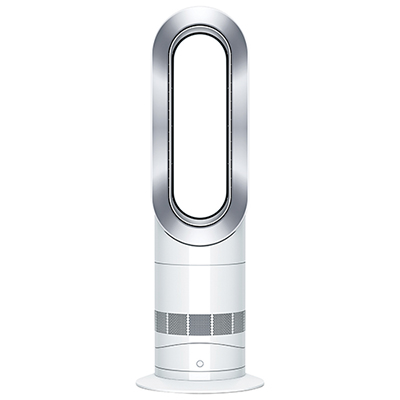 Your price for this item is $549.99
-
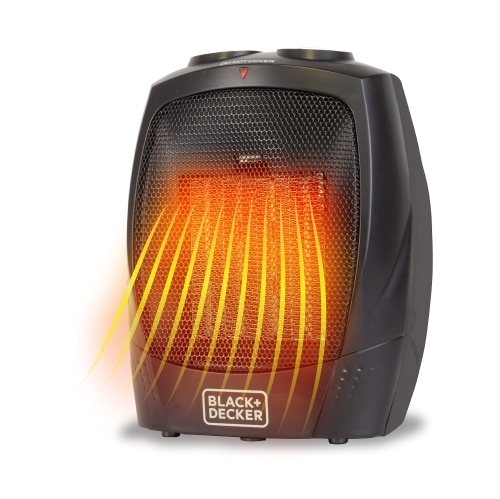 Your price for this item is $41.99
-
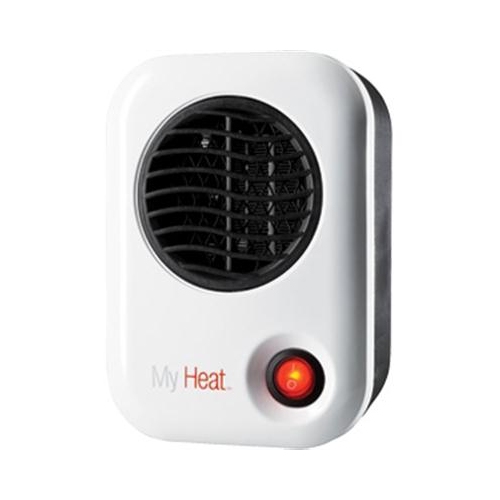 Your price for this item is $136.99
-
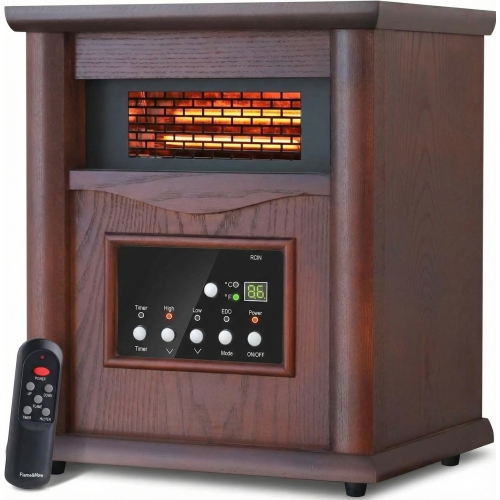 Your price for this item is $159.95
-
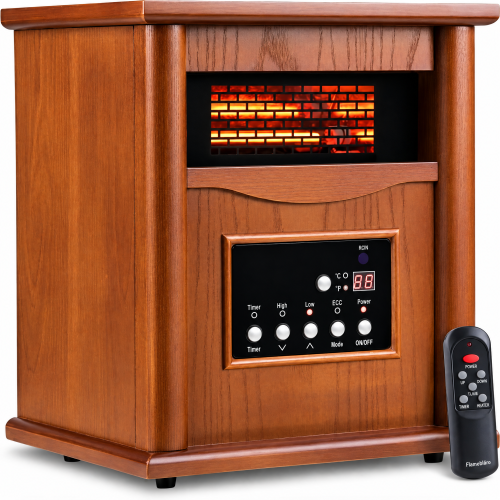 Your price for this item is $159.95
-
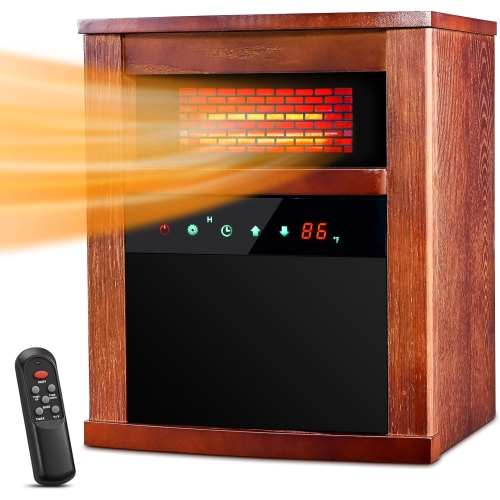 Your price for this item is $219.95
-
 Your price for this item is $159.95
Discover more categories related to Small Electric Heaters
Top Collections:
Best Black Friday Deals This Year, Best Black Friday Deals On Electronics, Kindle Devices, Pokemon Centers, Best Black Friday Deals On Apple Products, Best Cameras for Sports Photography, Dyson Airwrap, Pokémon 30th Celebration Cards, Apple iPhone 17 Pro, Canon G7X Cameras
Some products may be subject to Environmental Handling Fees
(EHF) depending on your province.
Learn more about EHFs.