Single Room Heaters
Single Room Heater options provide an ideal solution for maintaining a comfortable temperature in any individual space. Whether you’re looking to add extra warmth to your bedroom, home office, or living area, these heaters are designed to efficiently heat single rooms with ease. Explore a wide selection of Single Room Heater choices that fit various styles and preferences, making it simple to find the perfect match for your needs. Enjoy cozy comfort during colder months with reliable heating solutions crafted for convenience and performance.
Sort
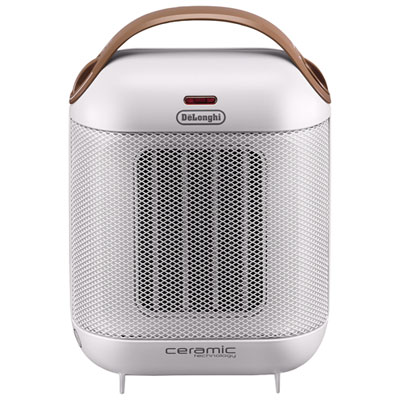
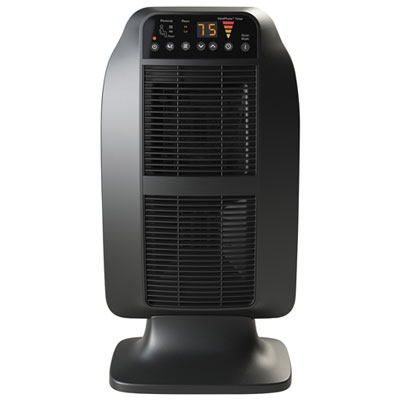
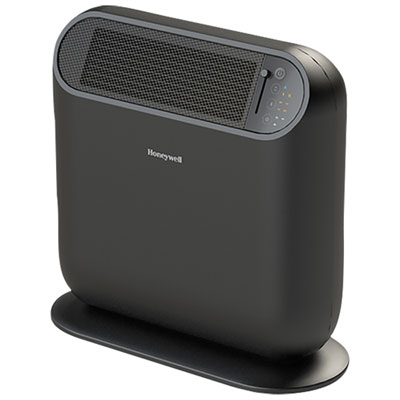
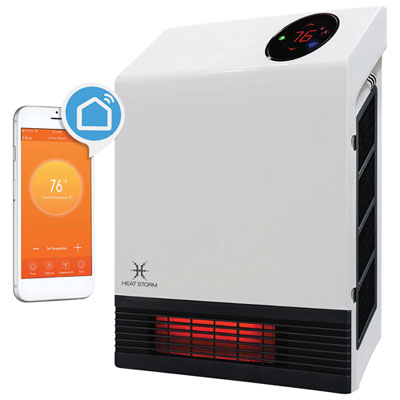
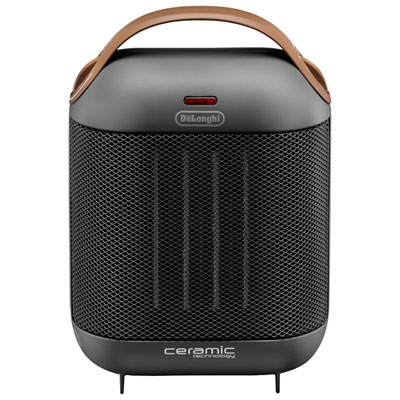
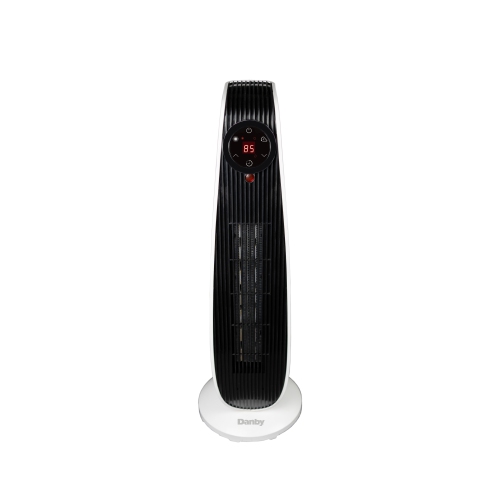
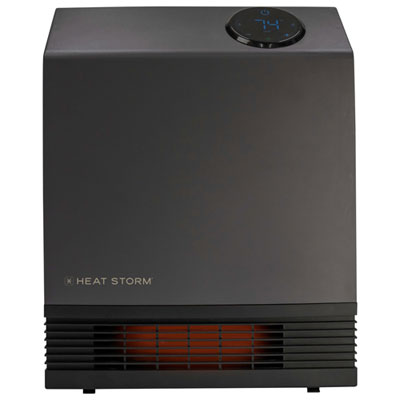
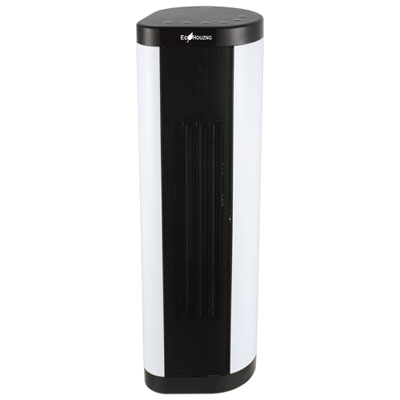
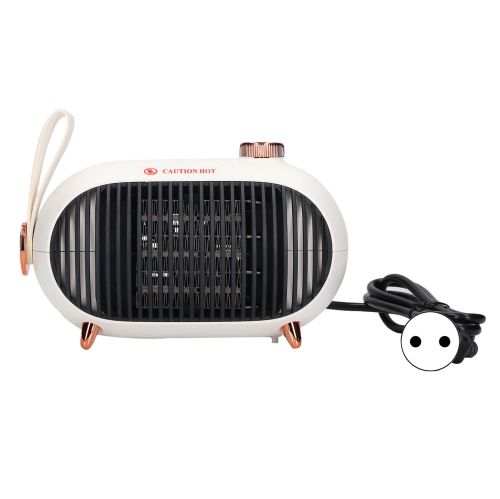

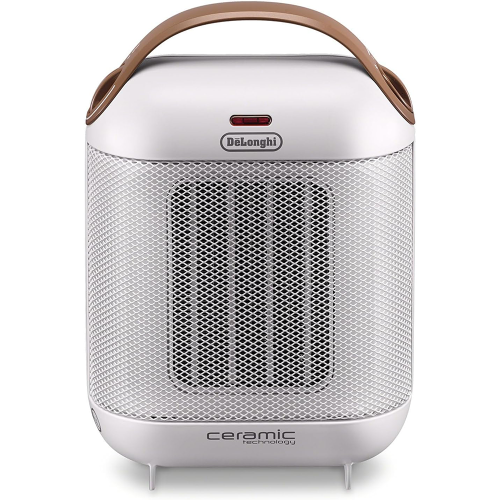
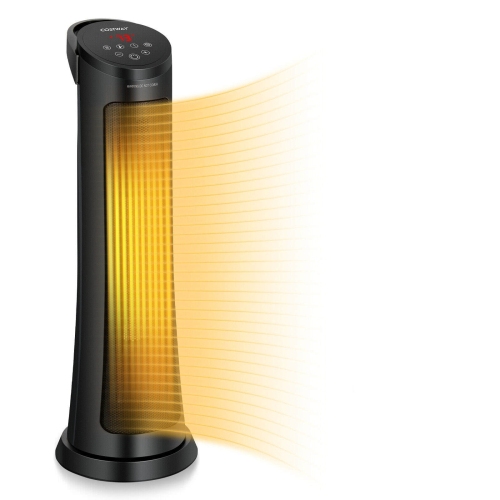
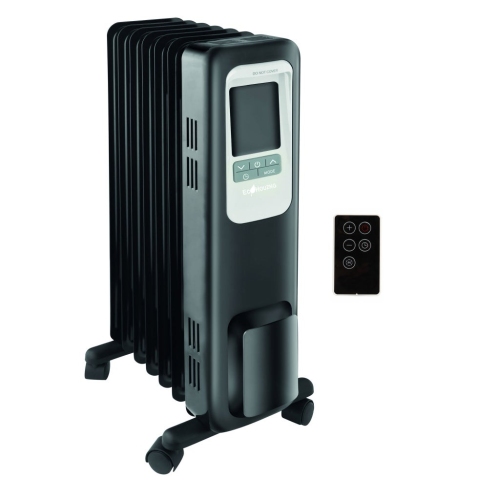

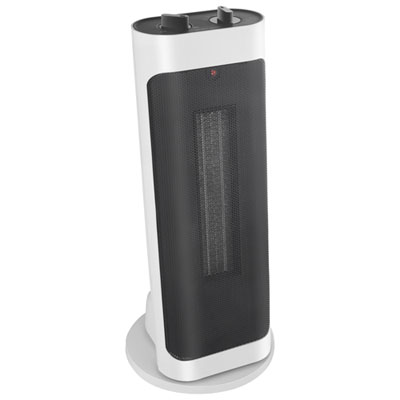
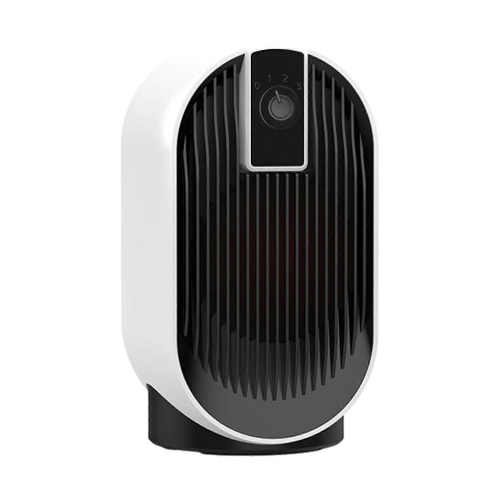
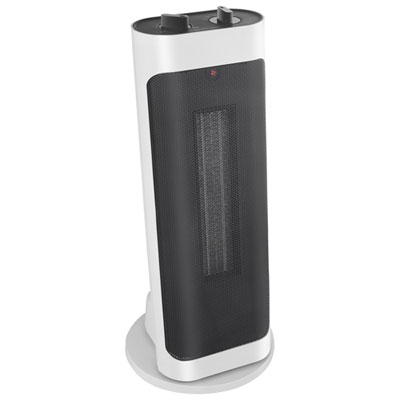
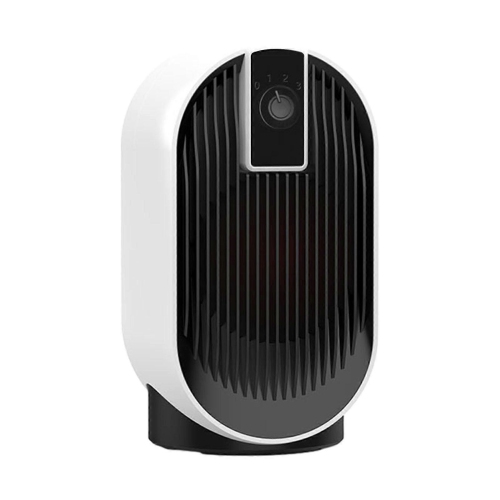

Quick warmth or quiet heat: what suits your room
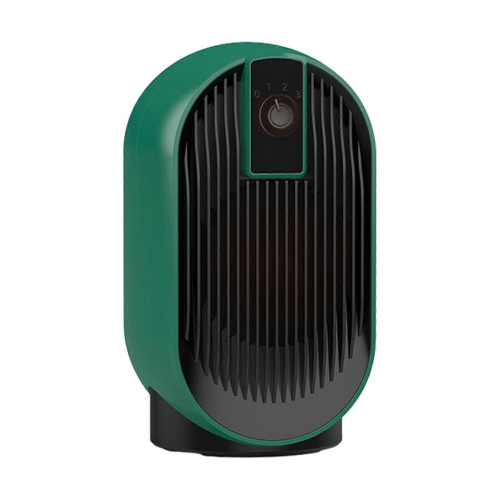
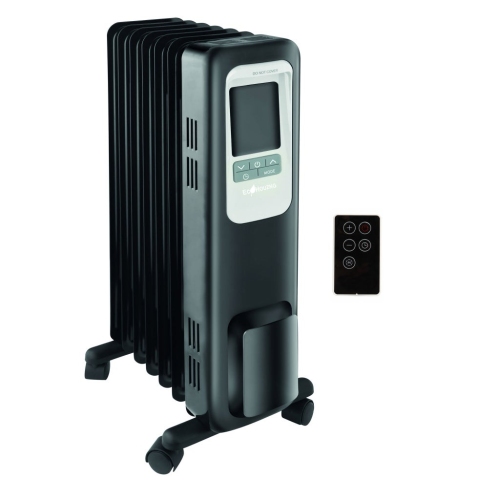
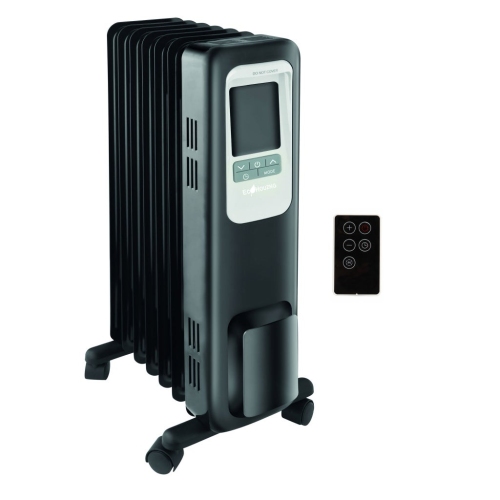
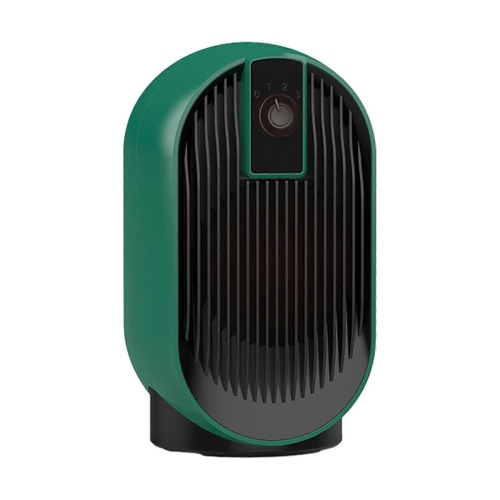
Single room heaters provide supplemental warmth for a bedroom, home office, living room, or another enclosed space without changing the temperature setting for the entire home. The most suitable type depends on whether the priority is quick warmth, quiet operation, or steady heating over a longer period. Ceramic fan heaters move air across a heated ceramic element and into the room, making them useful when a workspace needs to feel comfortable shortly after someone sits down. Their compact housings can fit smaller spaces, although the fan produces some sound. Oil-filled radiators warm a sealed fluid inside metal columns, delivering gradual, consistent heat without a fan. They take longer to warm up and remain hot after being switched off, but their quiet operation can suit reading, conversation, or focused work. The fluid stays inside the sealed unit and does not need routine refilling. Radiant heaters direct warmth towards people and objects in their path, which can be helpful beside a reading chair or at a stationary workspace; their effect is more localized than the circulating warmth of a fan heater. Convection heaters warm the surrounding air and rely on air movement, sometimes assisted by a fan, to distribute heat. Each approach has a different feel, even when the electrical rating is similar. Two electric resistance heaters drawing the same wattage produce broadly comparable amounts of heat, so a taller housing or a larger grille does not automatically mean greater heating capacity. Room dimensions, ceiling height, insulation, draughts, and open doorways all influence the result. A small enclosed office is a different task from an open living and dining area, where warmth can spread beyond the intended space. Manufacturer room-size recommendations provide a useful starting point, but they work best alongside an understanding of the room itself. A heater intended for personal comfort near a chair may not be suitable for maintaining an even temperature throughout a large room.
The way a heater fits into daily life matters as much as its heating method. A broad, low-profile design may sit neatly along an unobstructed wall, while a tower uses less floor area and may offer oscillation to sweep warm air across a seating area. Neither shape removes the need for the clearances specified in the instructions. Measurements should include usable space around the heater, not just the dimensions of its base, especially near curtains, bedding, upholstered furniture, or a busy walkway. For a workstation where warmth is needed close by, Desk Heaters offer a more focused category to consider, with placement and clearance requirements still taking priority over convenience. An adjustable thermostat helps maintain a chosen comfort level by cycling the heat, while multiple heat settings provide flexibility when full output is unnecessary. A digital temperature setting can be easier to interpret than an unmarked dial, though the sensor measures conditions near the heater rather than at every point in the room. Oscillation can improve coverage, but it does not increase the heater’s maximum heat output. Fan noise, audible clicks, and display brightness are worth considering for spaces used for calls, reading, or evening relaxation. Large, clearly marked controls can also make everyday adjustments easier. A timer is useful for limiting operating time, but it is not a substitute for supervision. Materials affect both handling and care: metal radiator bodies retain warmth, while many compact heaters combine a plastic outer housing with metal grilles and internal heating components. A carry handle, stable base, and manageable weight can make moving a cooled heater between suitable locations easier. Any wheels should roll securely and remain stable during use. Durable construction also means controls that feel secure, grilles that stay firmly attached, and a cord that can reach an appropriate wall outlet without being stretched across a route people use.
Safe placement and routine care are essential parts of using any portable room heater. Look for a certification mark recognized in Canada, along with protective features such as overheat protection and, for freestanding models, a tip-over shut-off. These features add protection but do not make unsafe placement acceptable. Set the heater on the firm, level surface specified by its manufacturer, and keep combustible materials at least the required distance away; many portable heaters call for approximately one metre of separation from furnishings and fabrics. Do not place a heater on a bed, sofa, or other soft surface, or use it to dry clothing. Plug a portable electric heater directly into a suitable wall outlet rather than an extension cord or power bar, and avoid sharing the circuit with other high-draw appliances. The cord should remain visible and uncovered, never tucked beneath a rug. A loose outlet, damaged plug, or signs of scorching require attention before further use. Heaters should be switched off when the room is unattended and before going to sleep, even when a thermostat or timer is fitted. Keep children and pets away from hot surfaces, and allow the unit to cool fully before moving or cleaning it. Bathrooms and other damp spaces require heaters specifically approved for that location; an ordinary portable heater should not be treated as suitable simply because it fits. For maintenance, unplug the heater and follow its cleaning instructions, removing dust from accessible vents with a suitable brush or vacuum attachment where permitted. Wipe exterior surfaces only as directed, keeping moisture out of openings and never immersing the unit. Regular checks for blocked airflow, damaged grilles, and worn cords help identify problems early. Used within its intended setting, a single room heater can make an occupied space more comfortable while the home’s main heating system continues to provide its normal coverage.
Top selling and popular products
-
 Your price for this item is $549.99
-
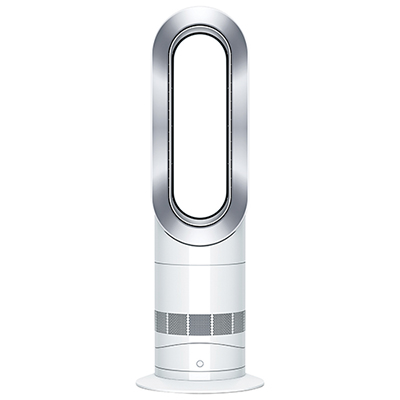 Your price for this item is $549.99
-
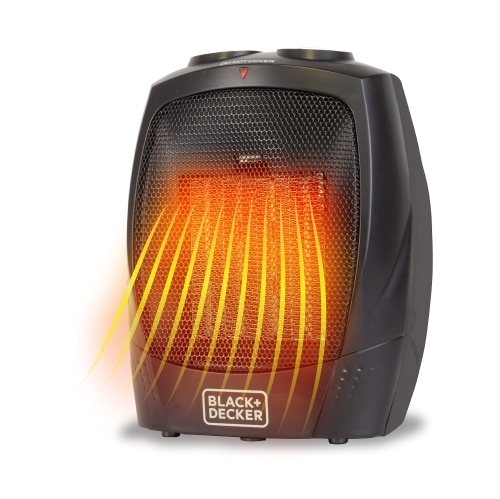 Your price for this item is $41.99
-
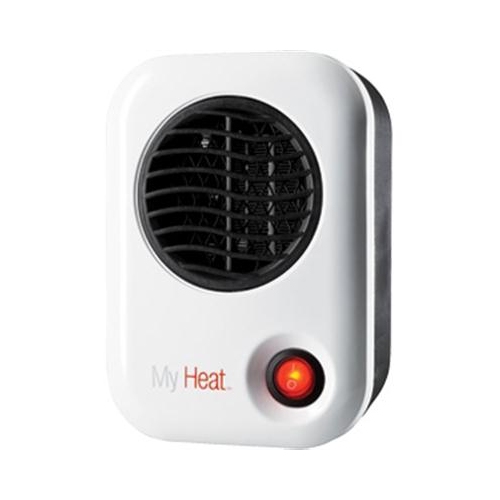 Your price for this item is $136.99
-
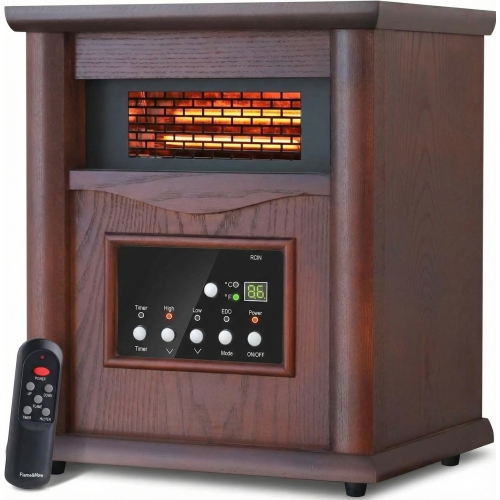 Your price for this item is $159.95
-
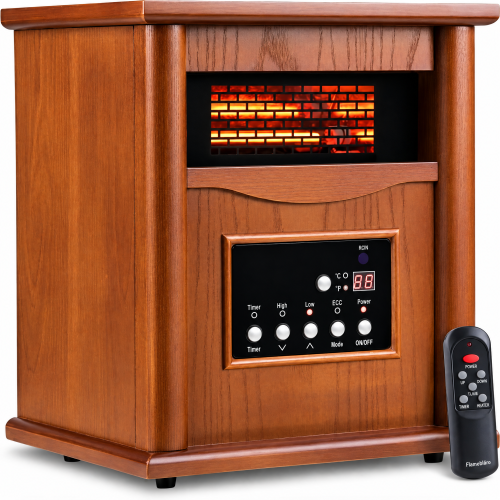 Your price for this item is $159.95
-
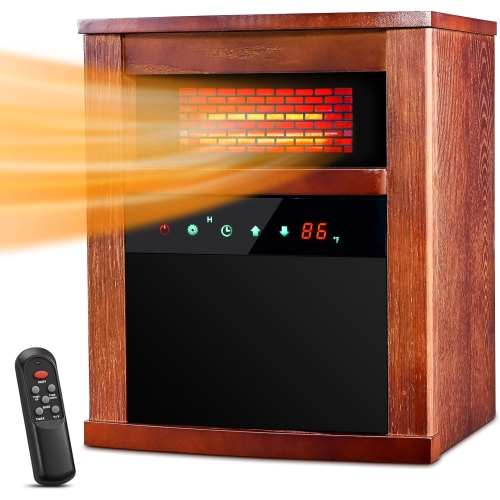 Your price for this item is $219.95
-
 Your price for this item is $159.95
Discover more categories related to Single Room Heaters
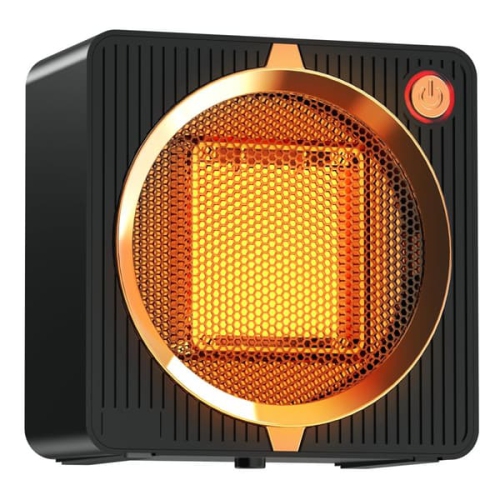
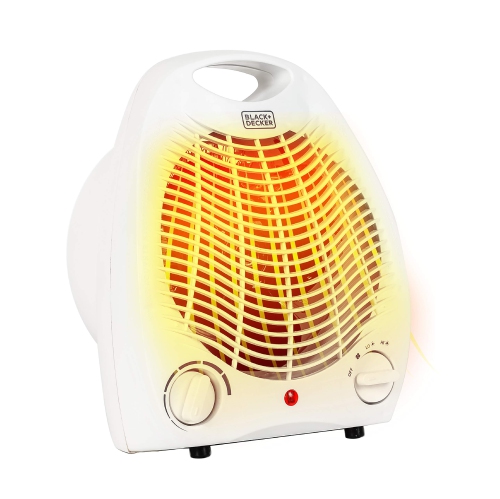
Top Collections:
Best Black Friday Deals This Year, Best Black Friday Deals On Electronics, Kindle Devices, Pokemon Centers, Best Black Friday Deals On Apple Products, Best Cameras for Sports Photography, Dyson Airwrap, Pokémon 30th Celebration Cards, Apple iPhone 17 Pro, Canon G7X Cameras
Some products may be subject to Environmental Handling Fees
(EHF) depending on your province.
Learn more about EHFs.