Small Space Heaters for Office
If you work in an office, you know that the space can be chilly. If you're looking for a way to keep your toes warm during the winter months, or just want to make sure your feet are toasty on cold days, consider one of these space heaters. Here are some great options for a small space heater for the office.
Sort
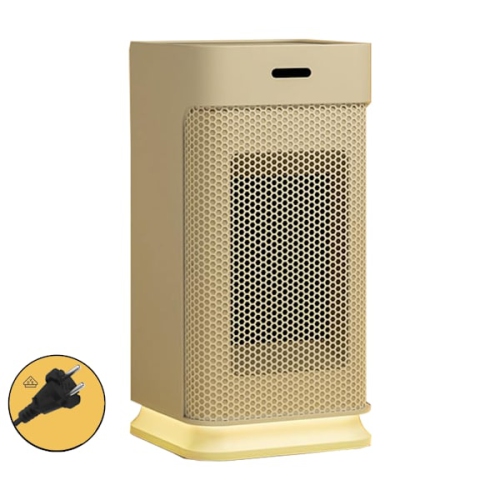
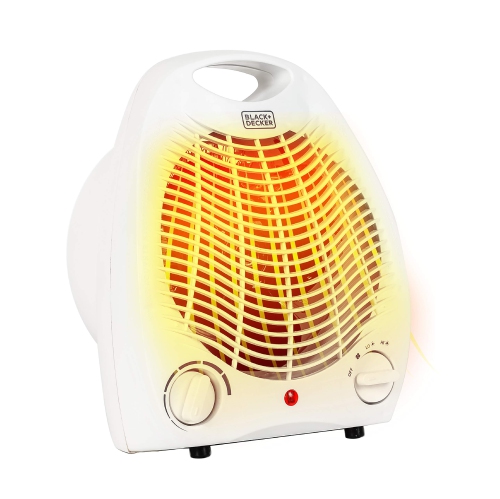
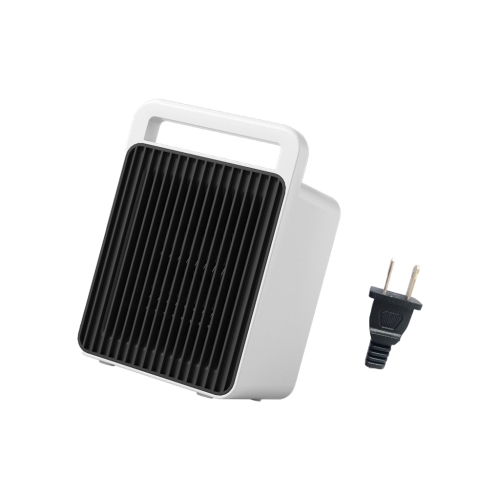

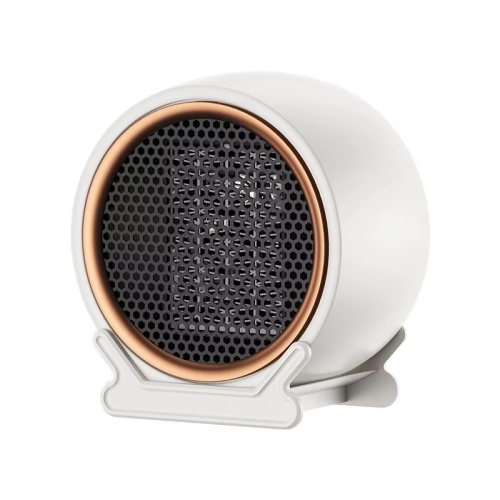
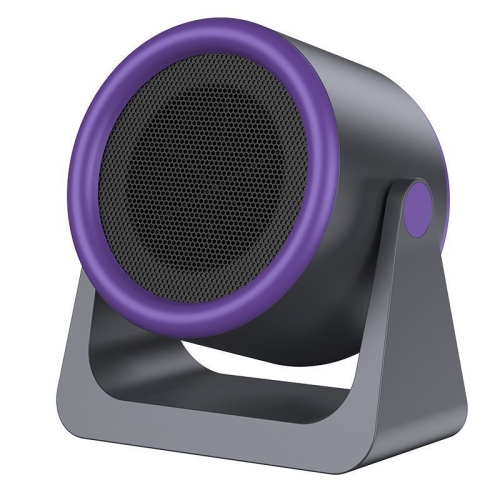
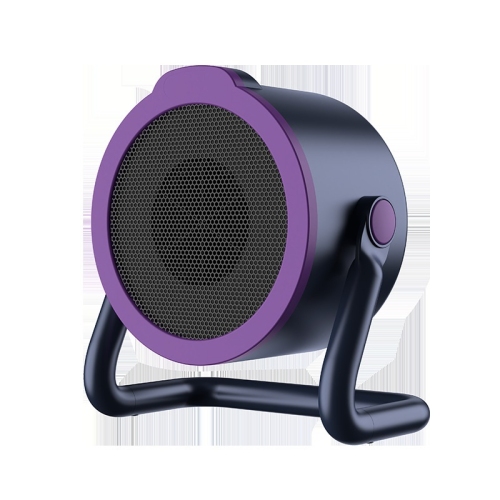
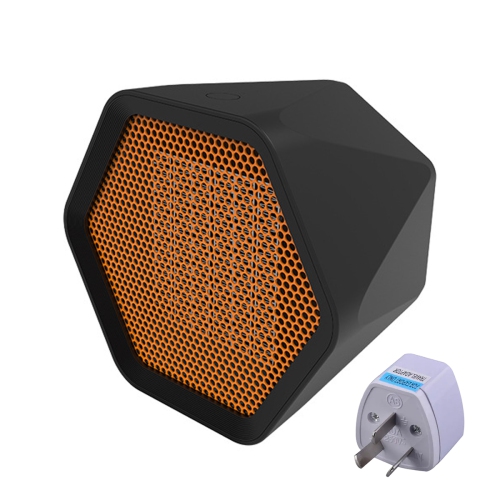
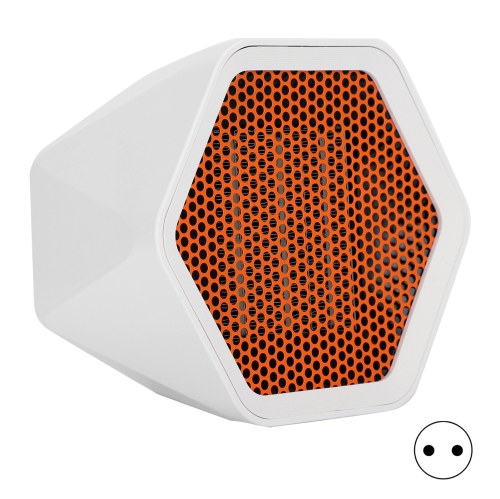


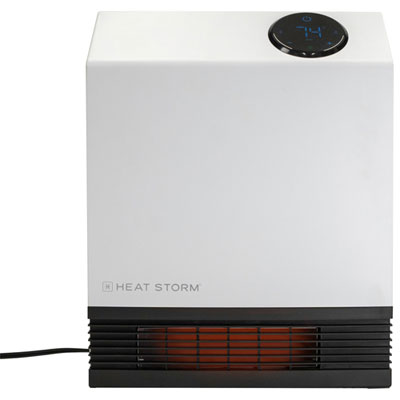

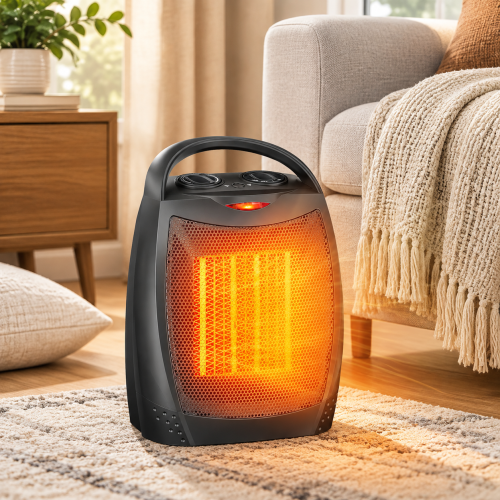
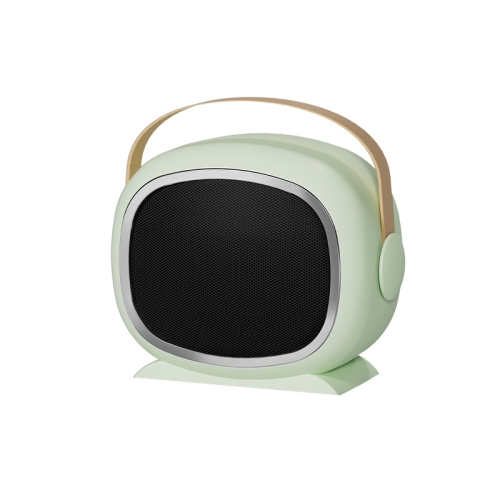
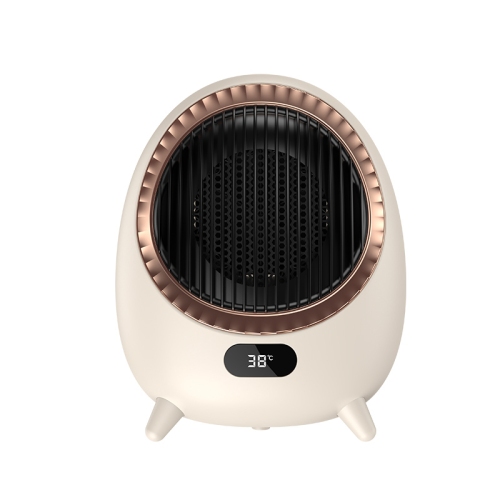


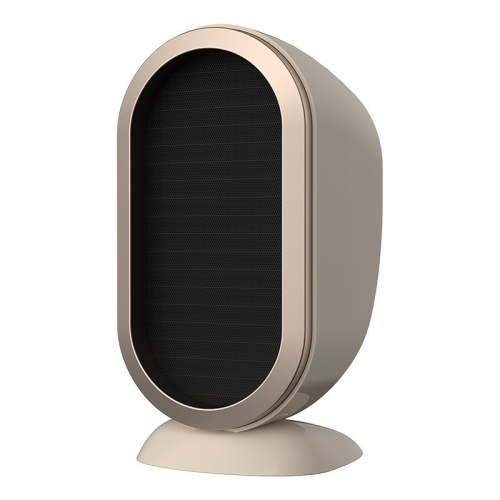

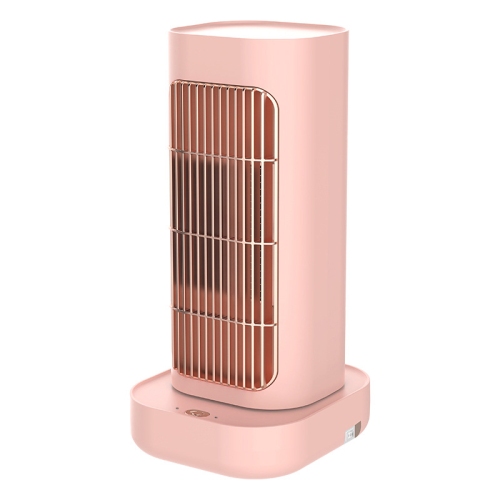
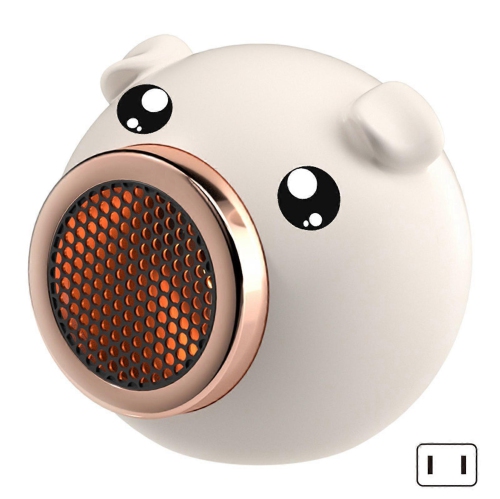
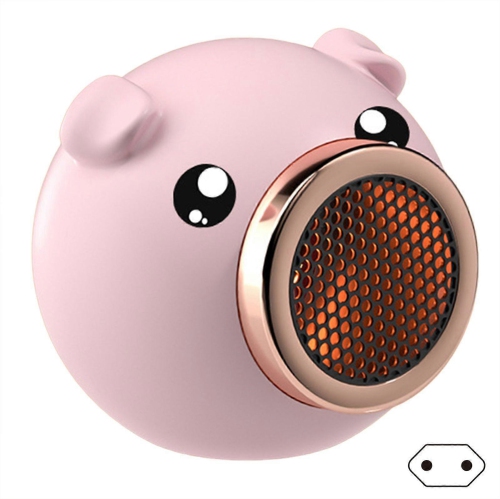
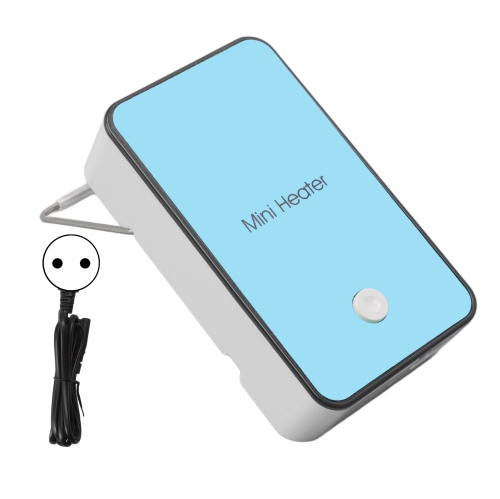
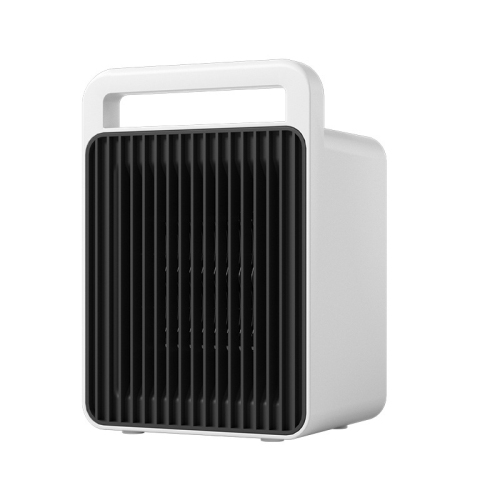
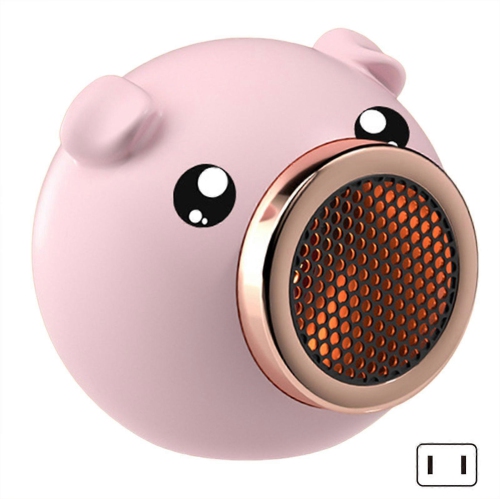
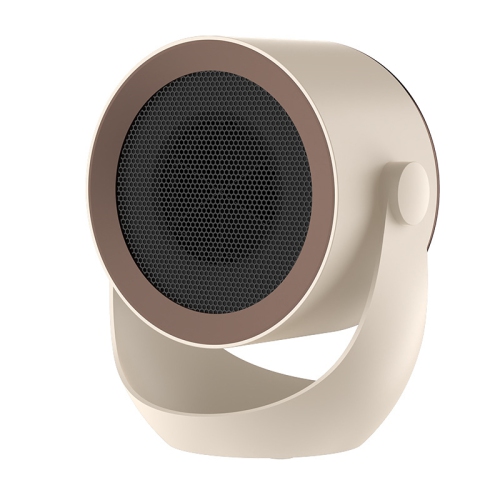
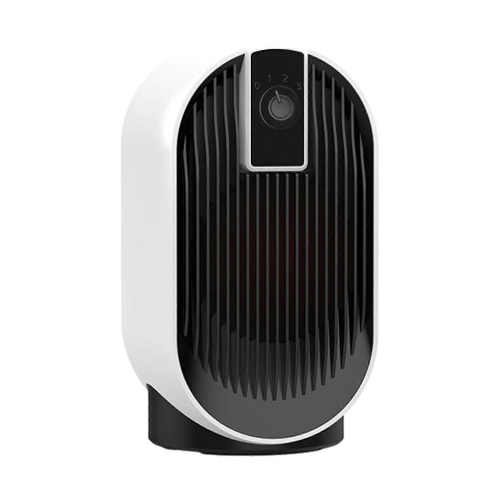
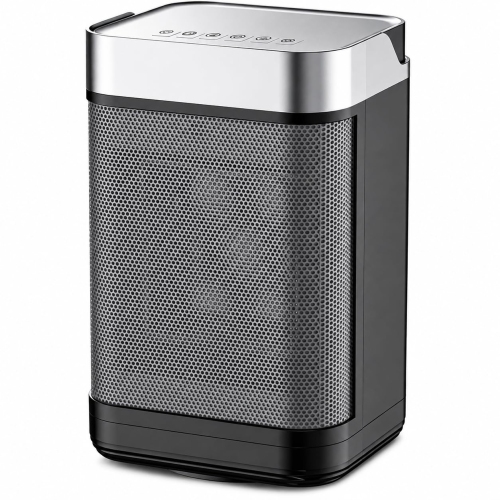
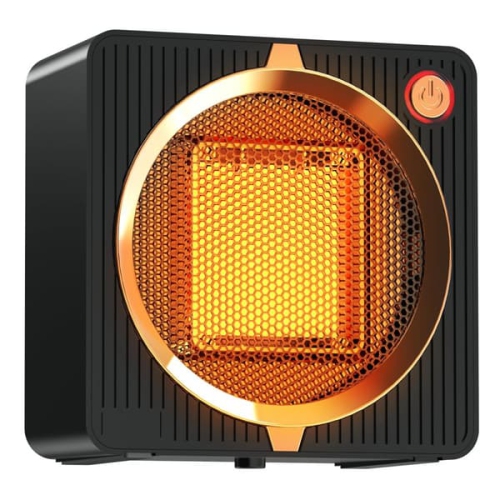
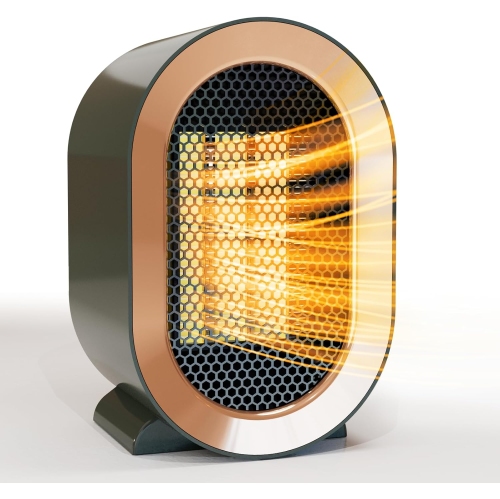

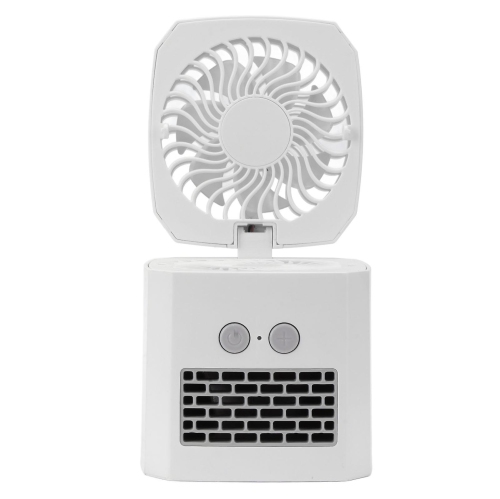
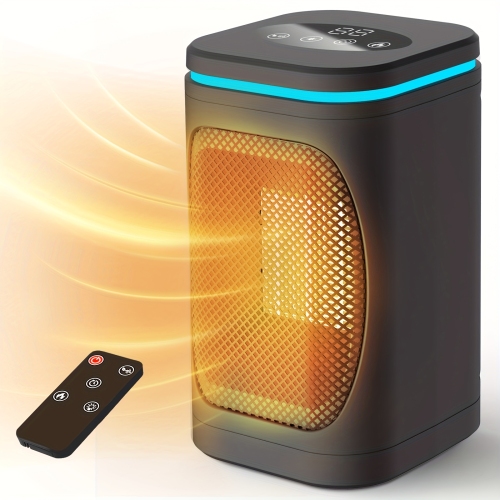
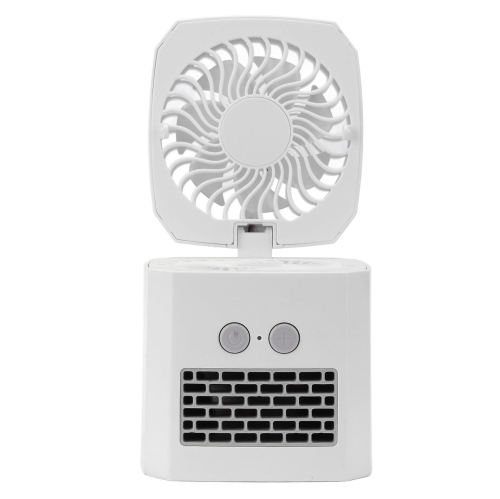
What to consider for comfortable, focused office warmth
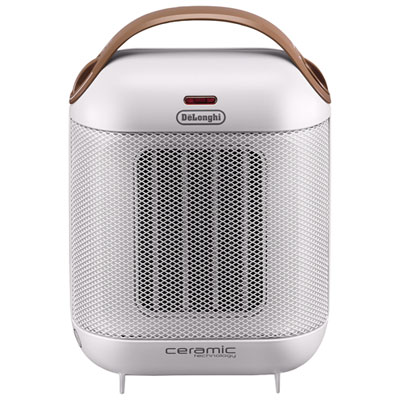
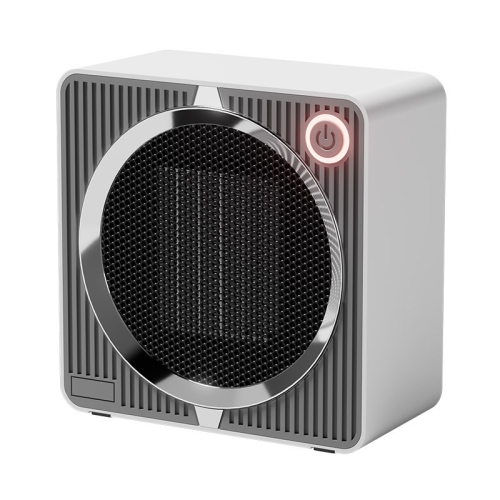
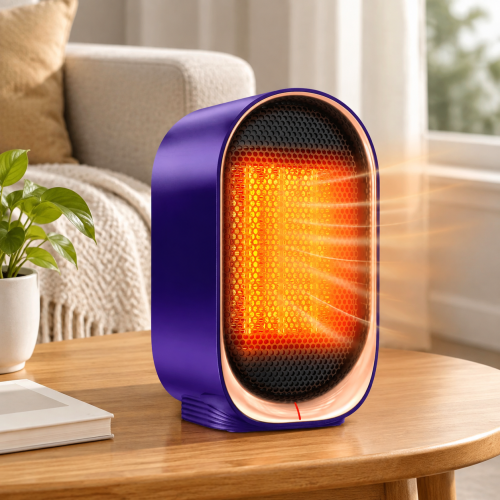
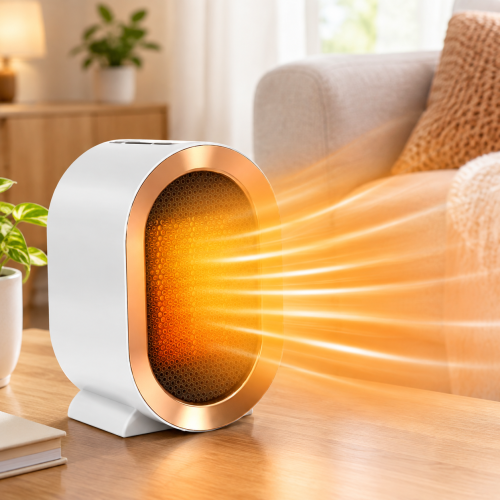
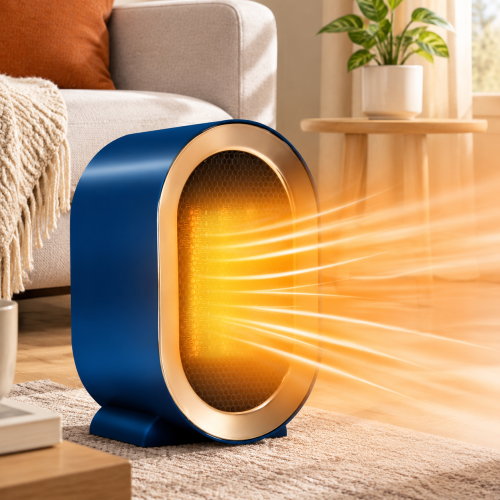
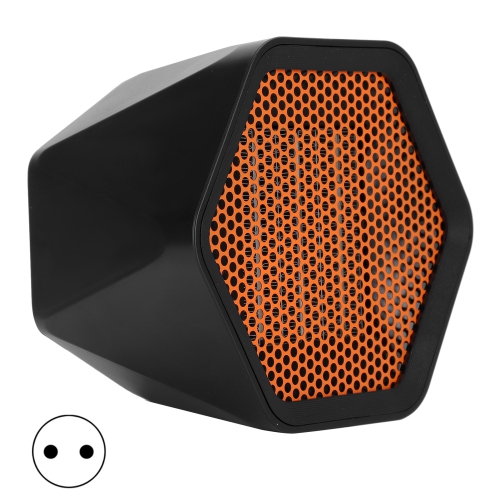
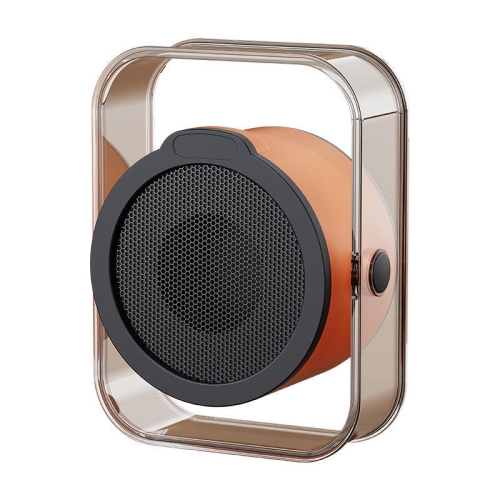
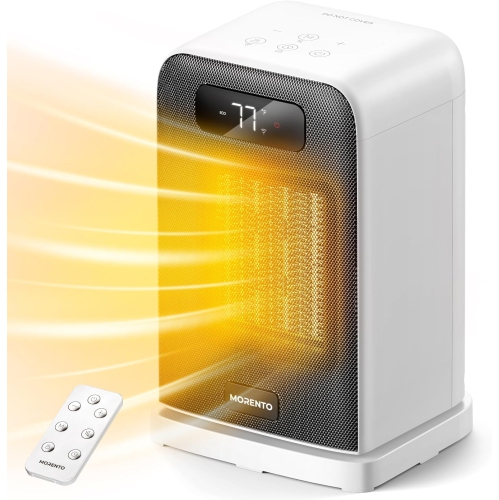
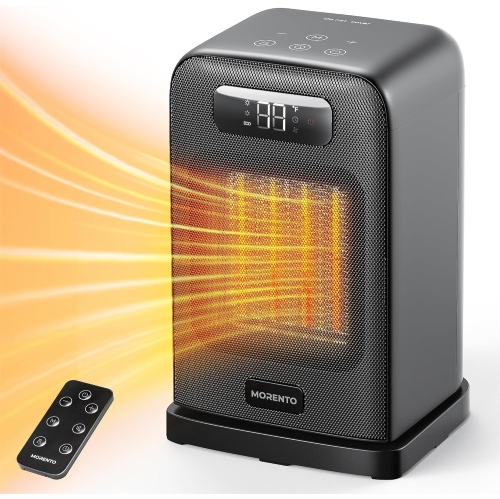
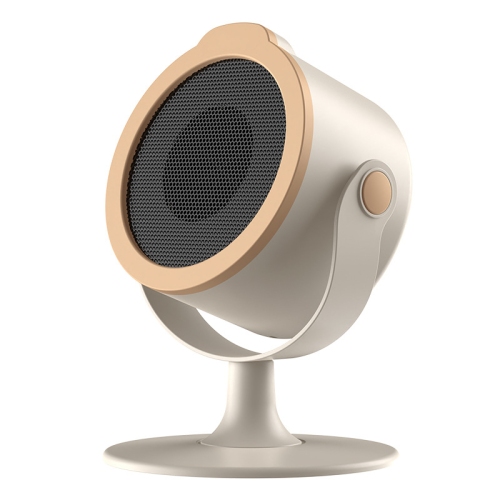
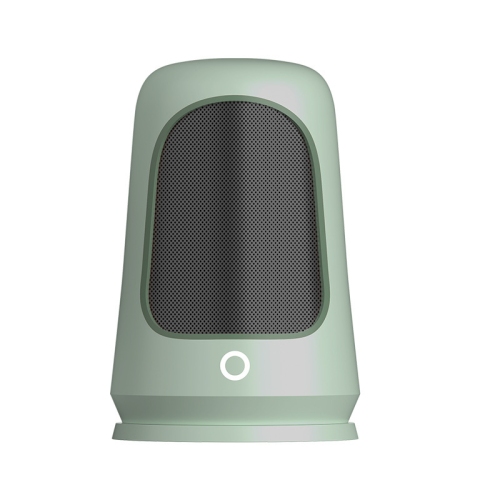
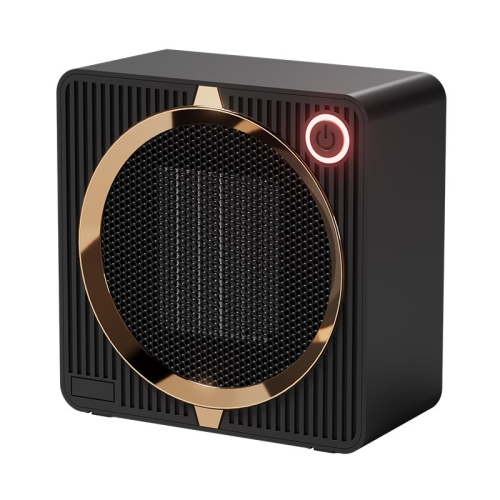
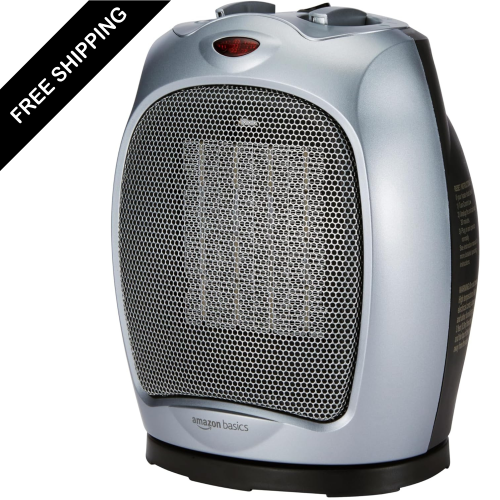
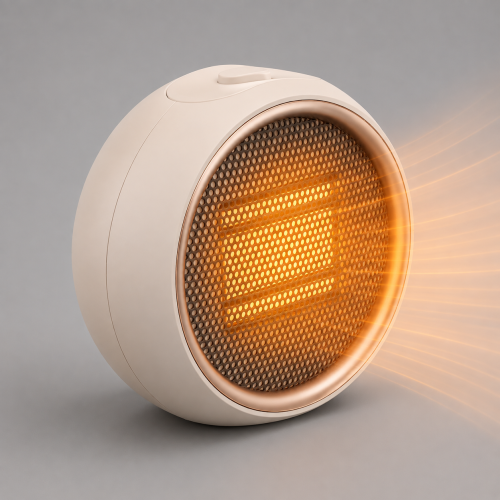
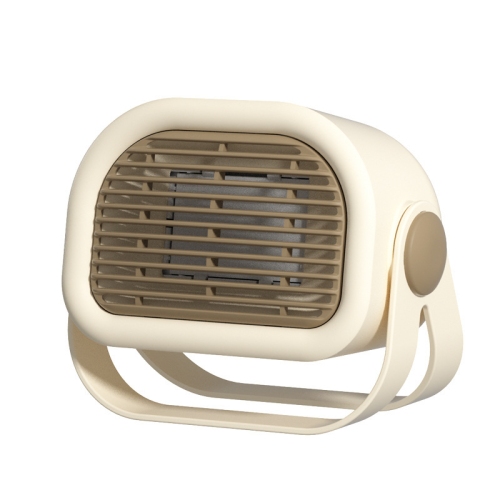
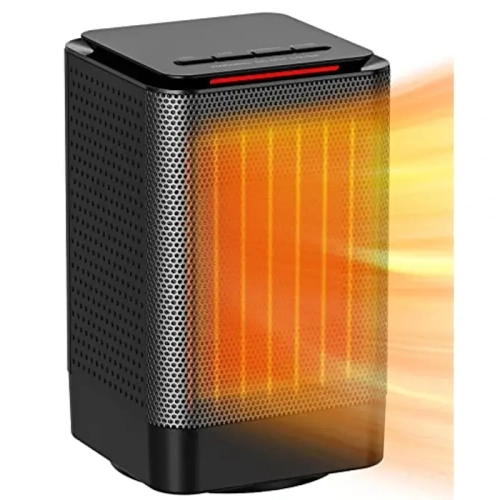
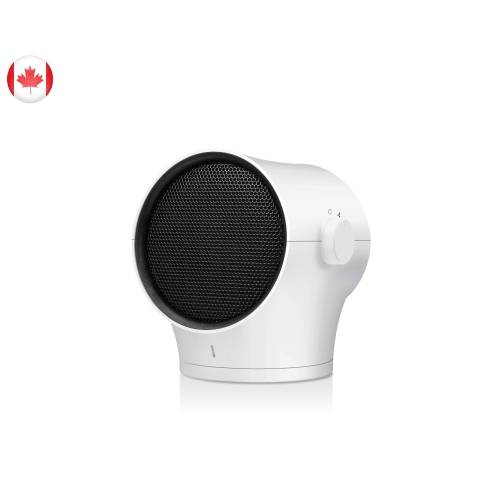
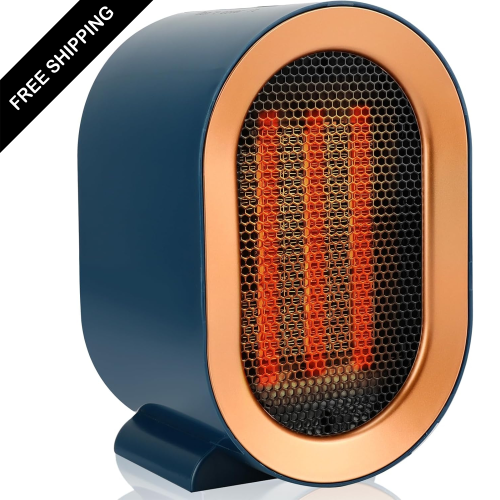
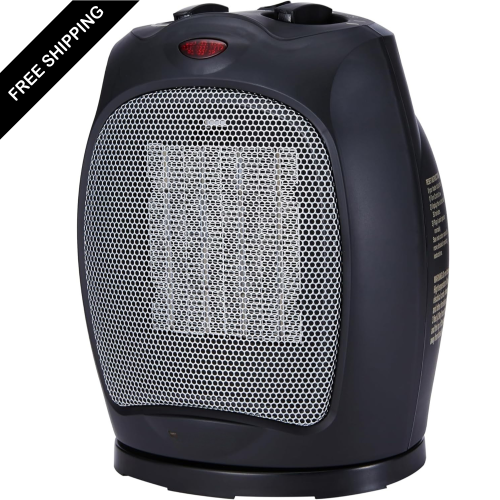
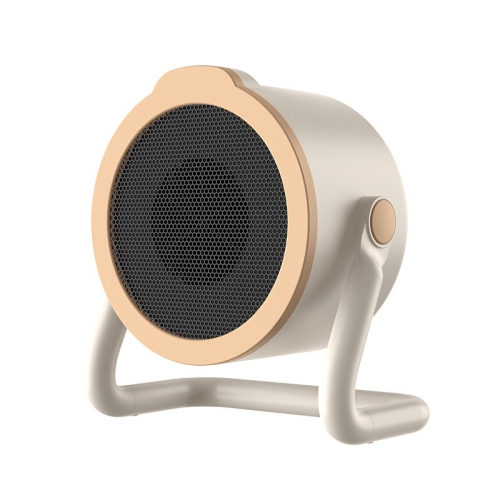
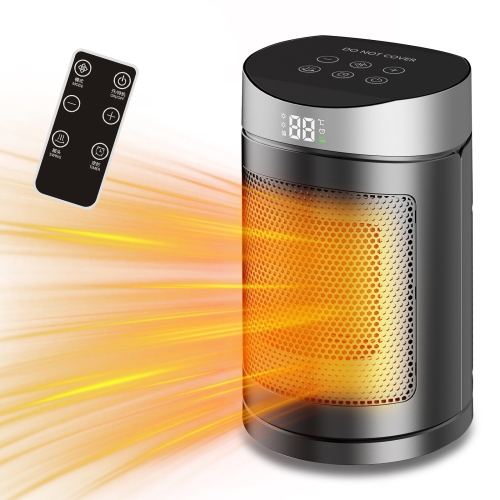
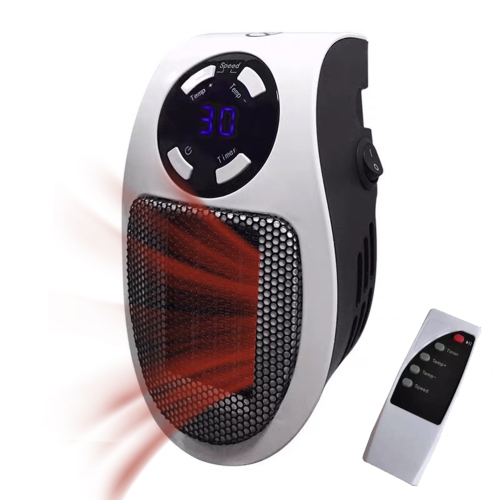
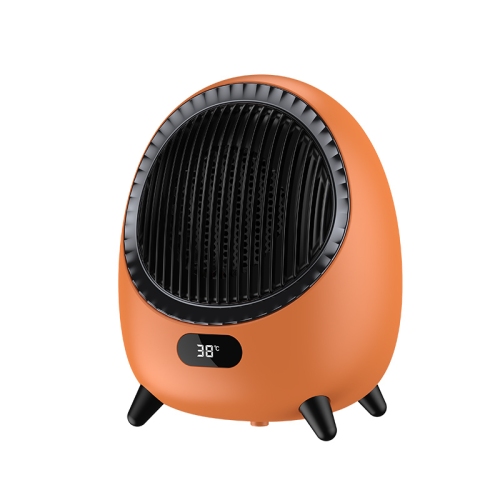
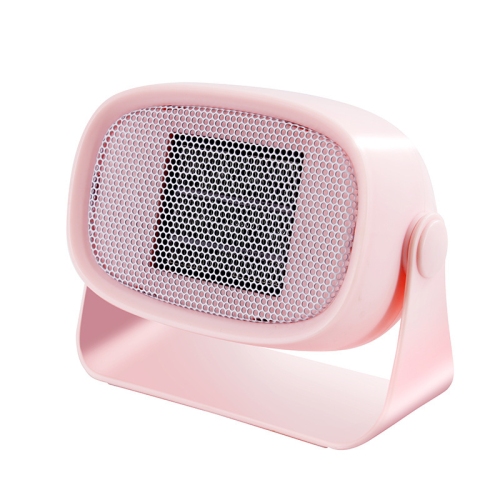
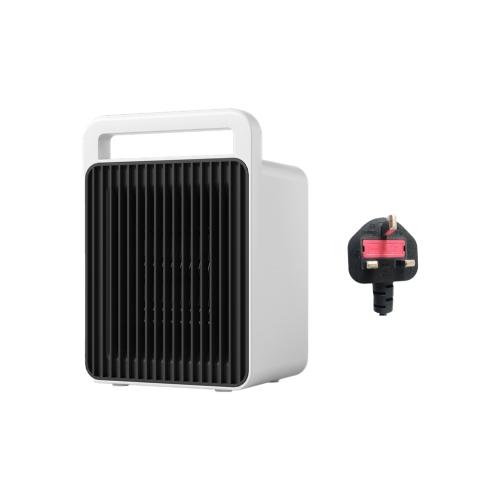
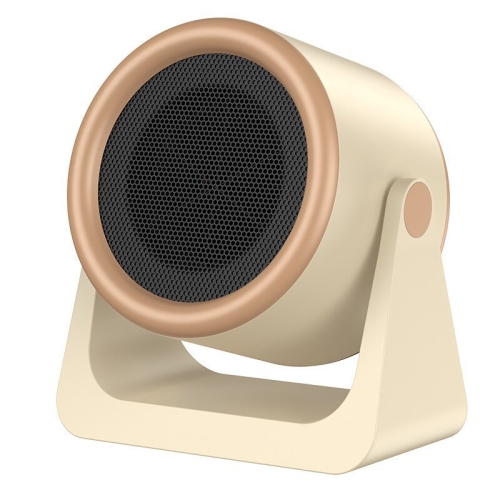
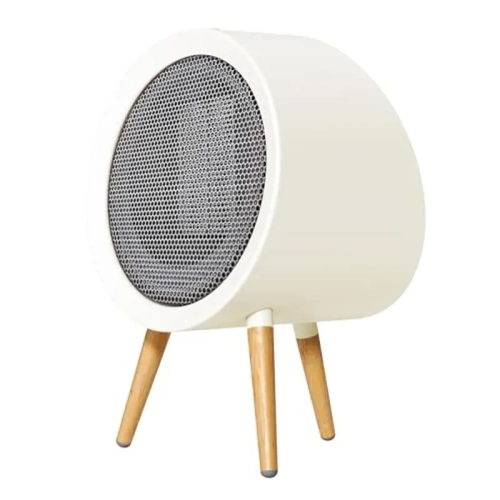
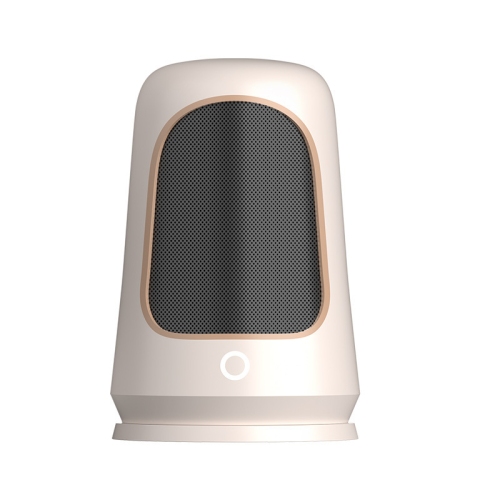
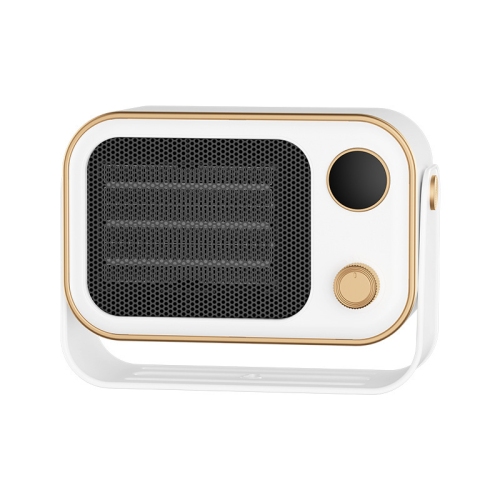
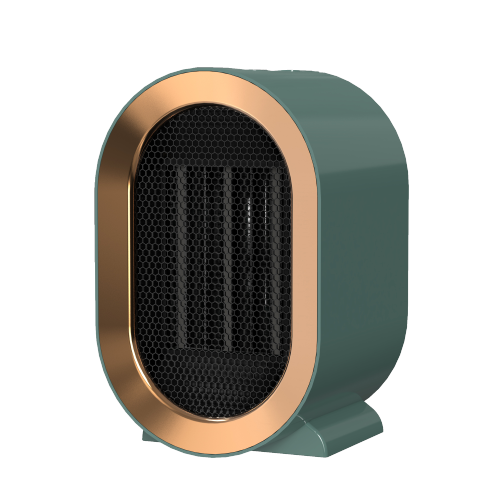
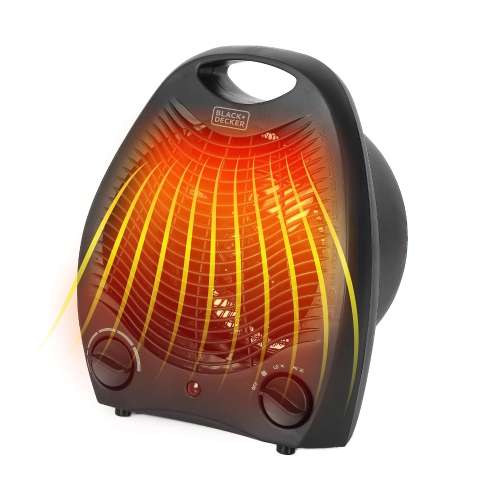
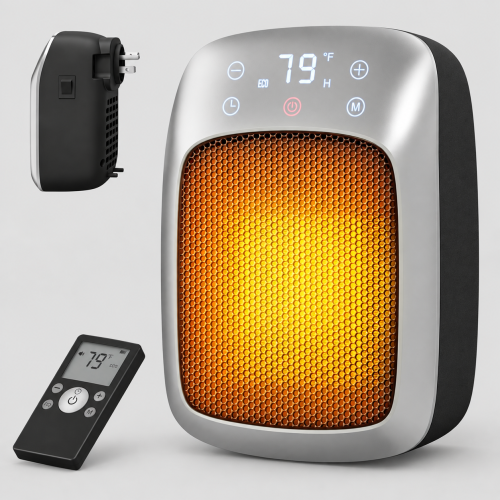
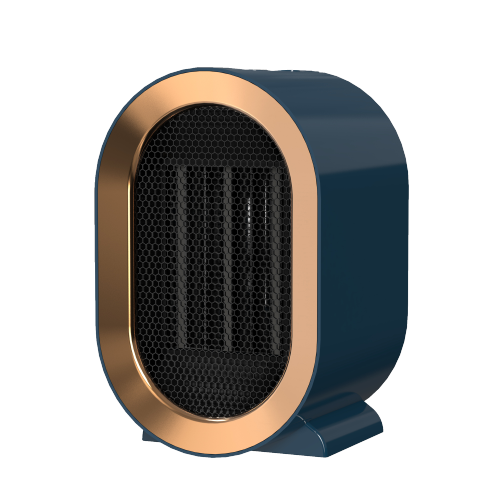
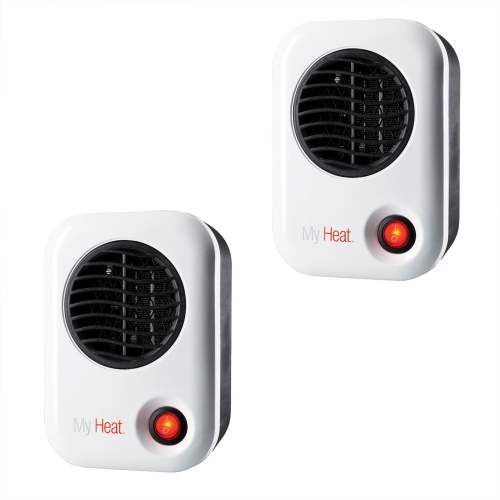
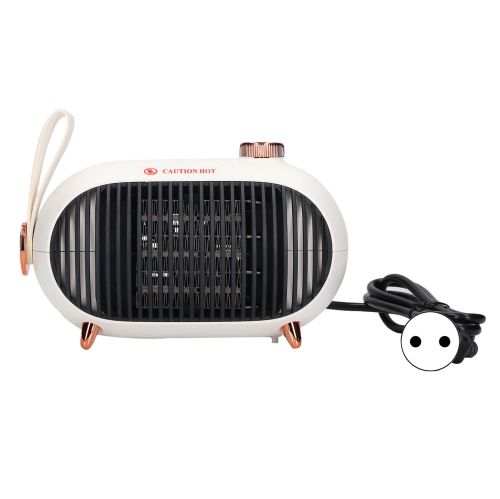
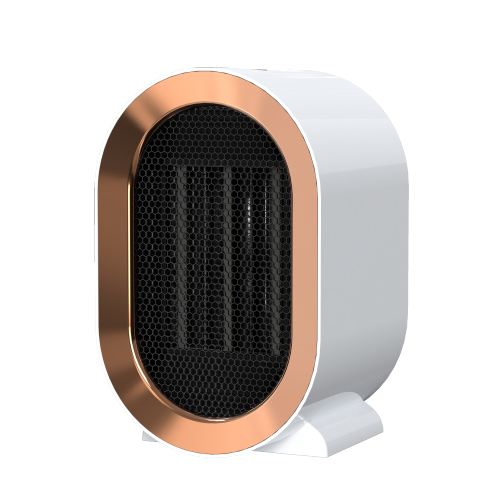
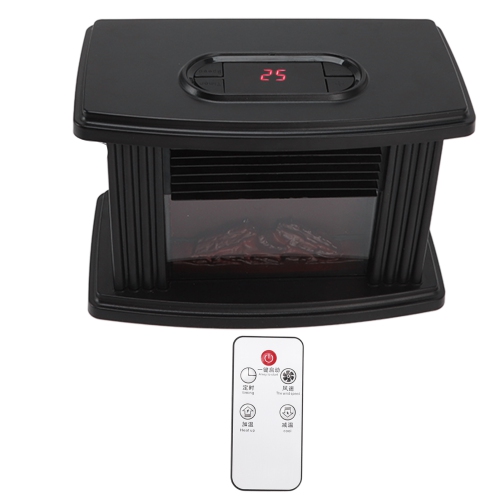
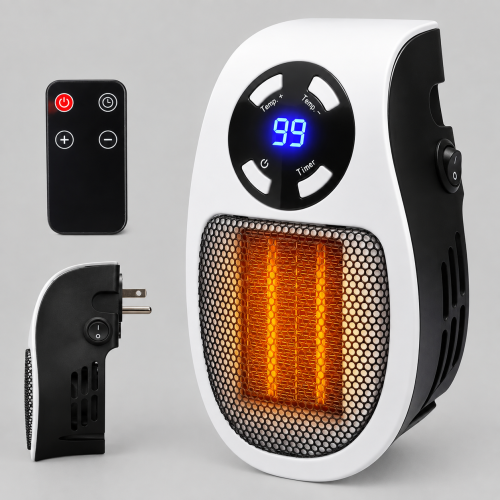
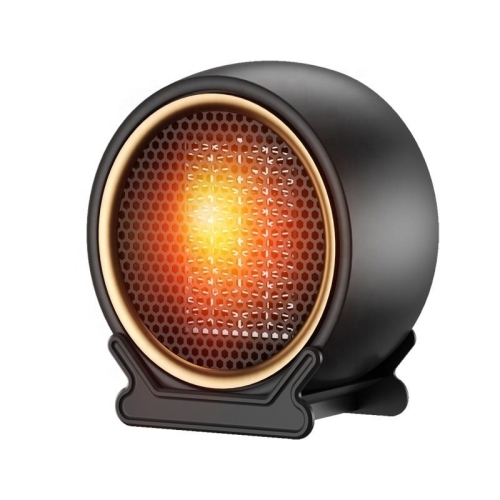
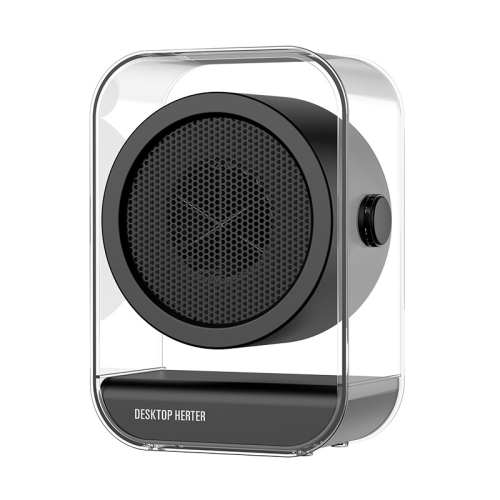
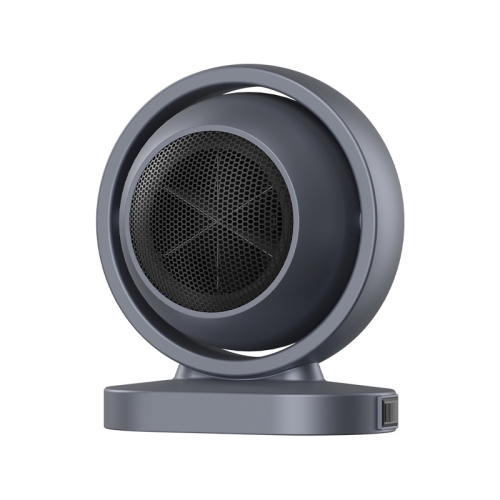
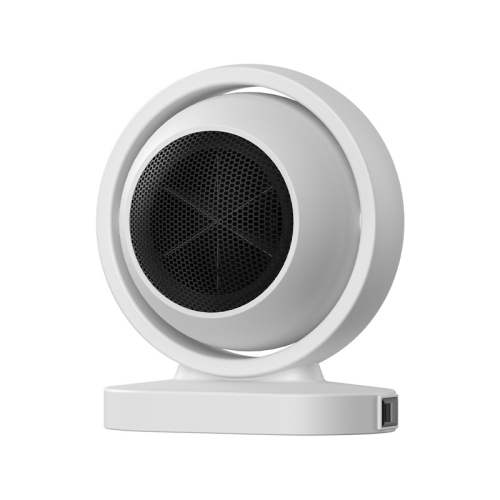
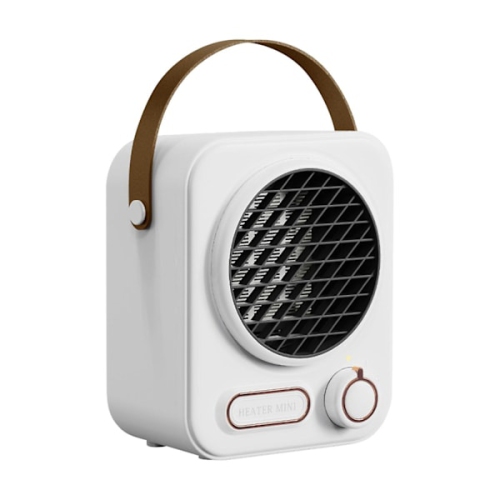
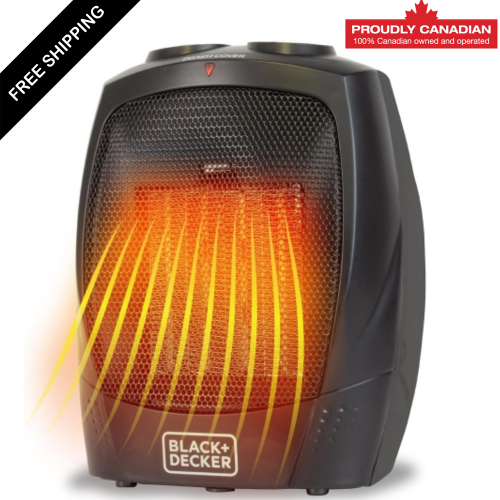
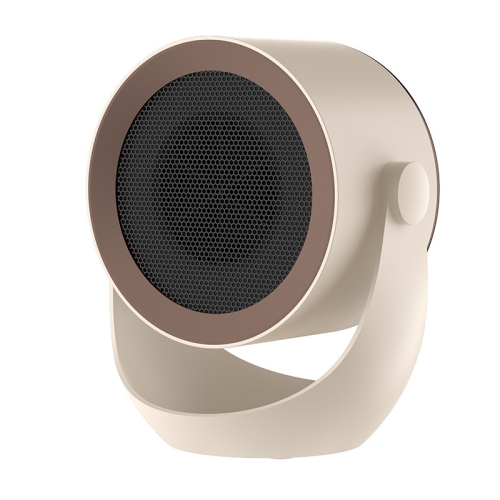
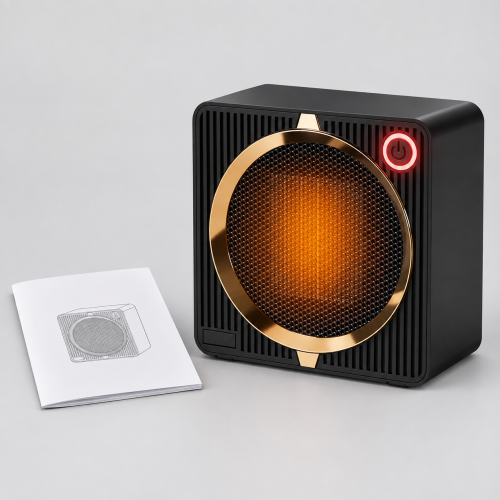
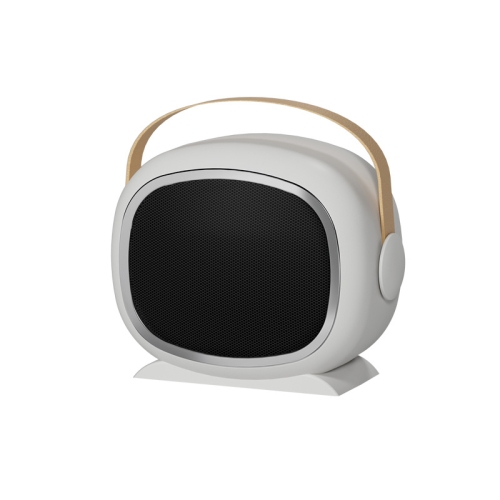
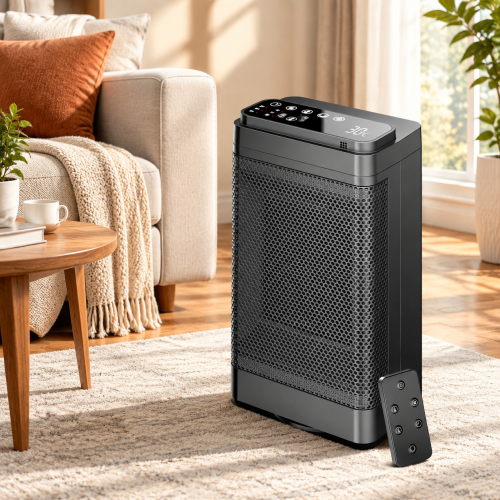
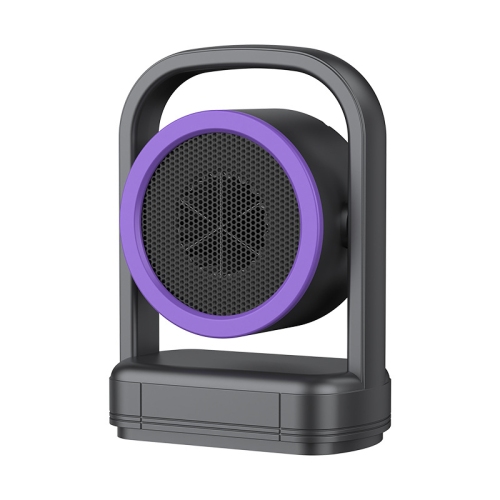
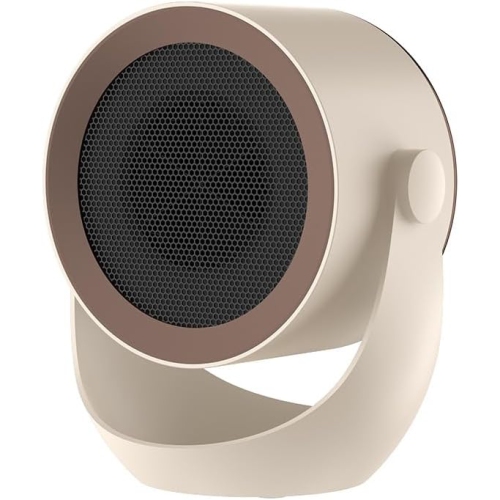
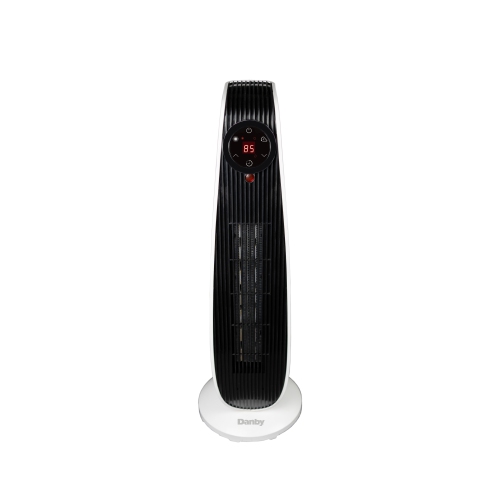
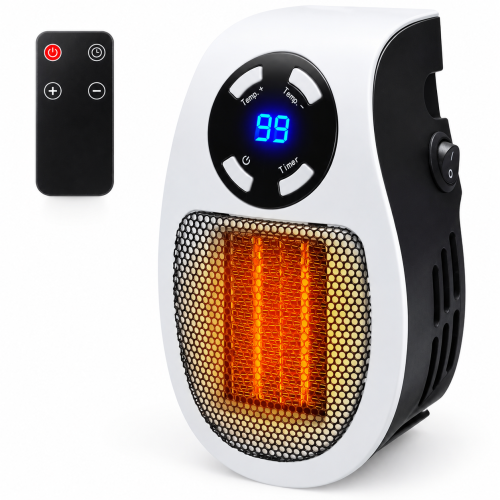
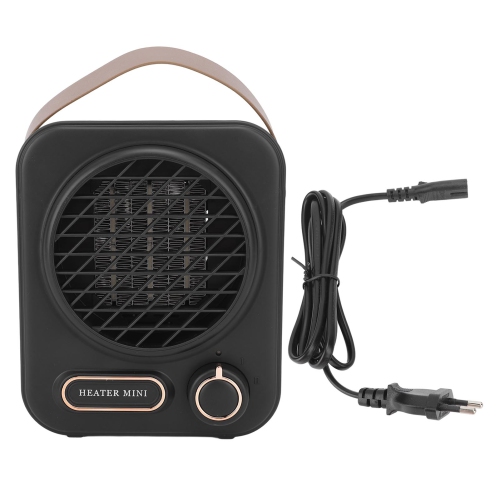
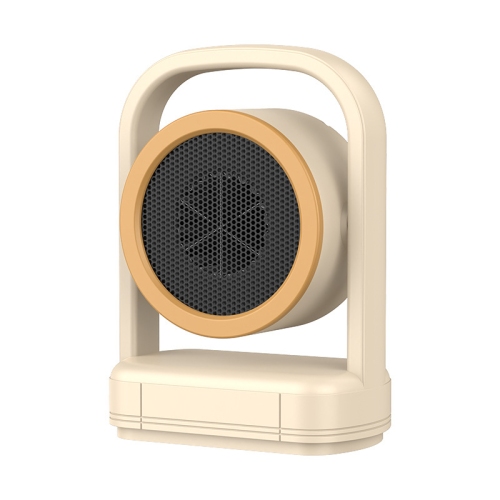
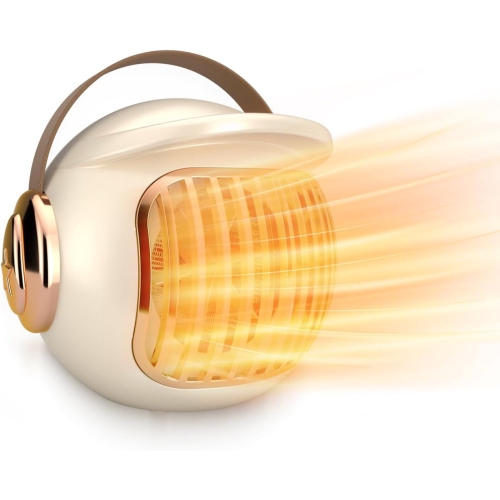
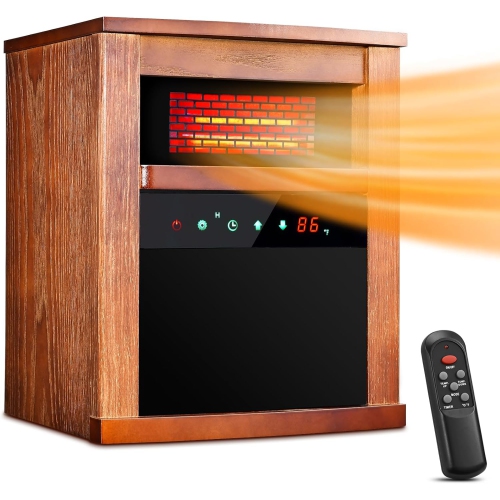
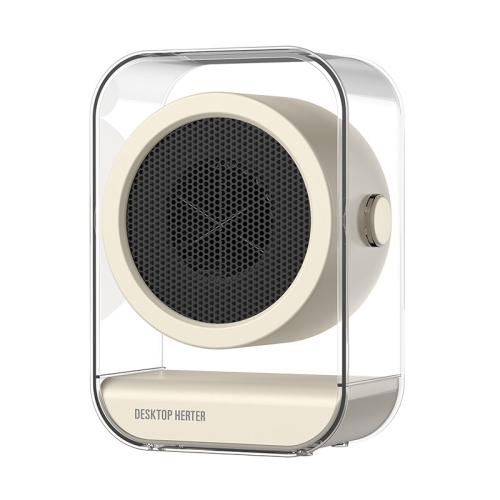
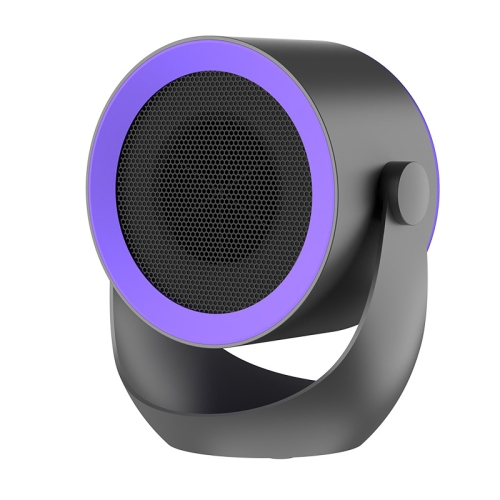
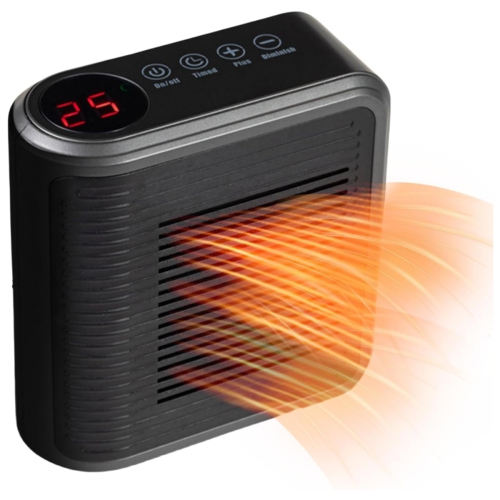
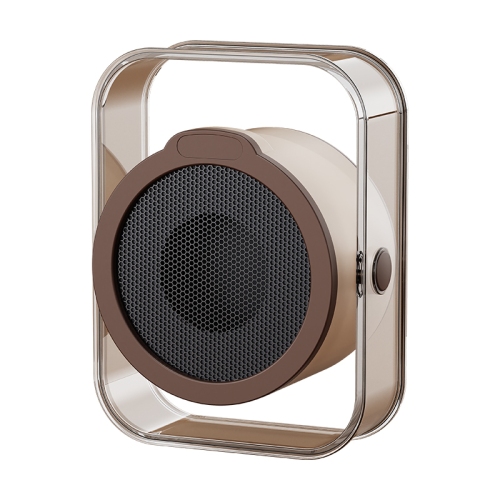
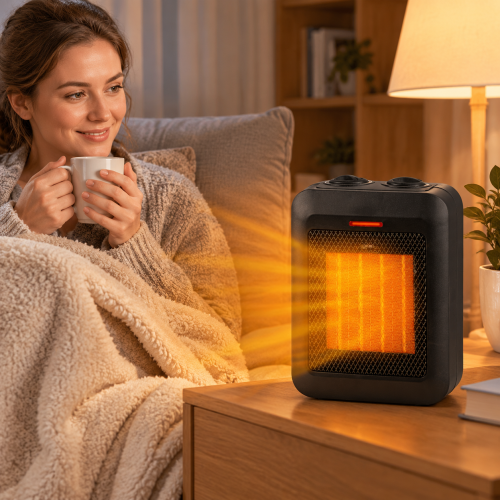
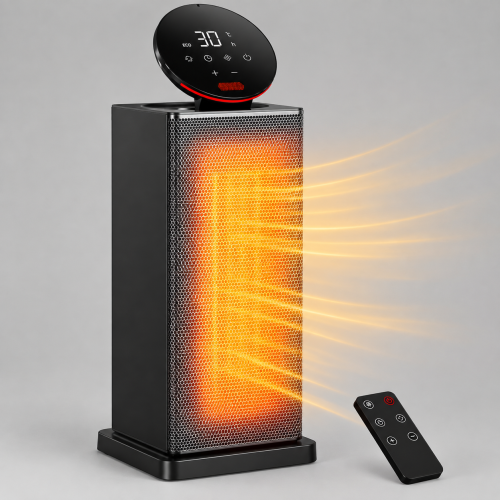
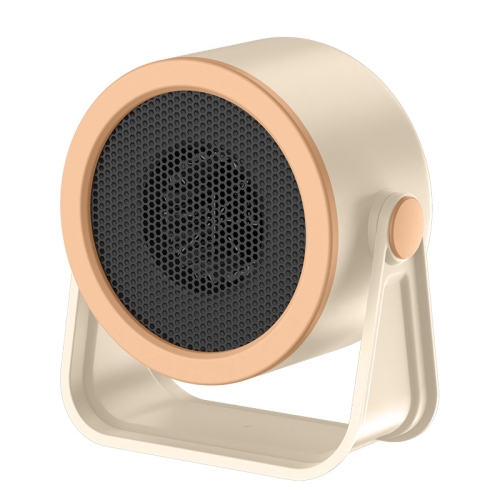
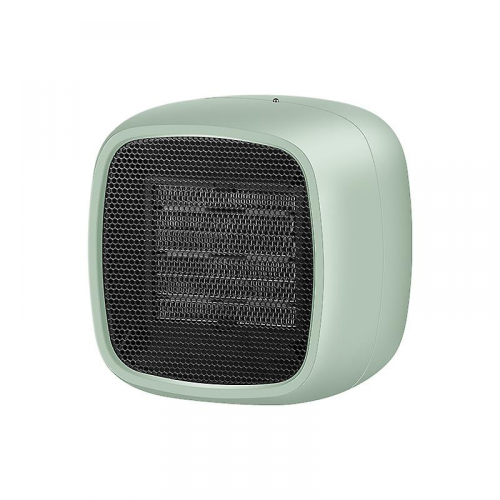
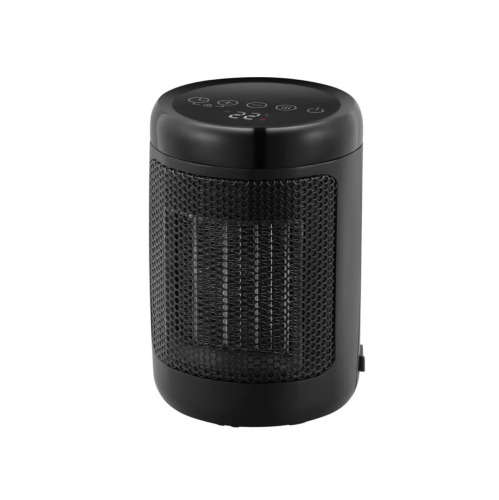
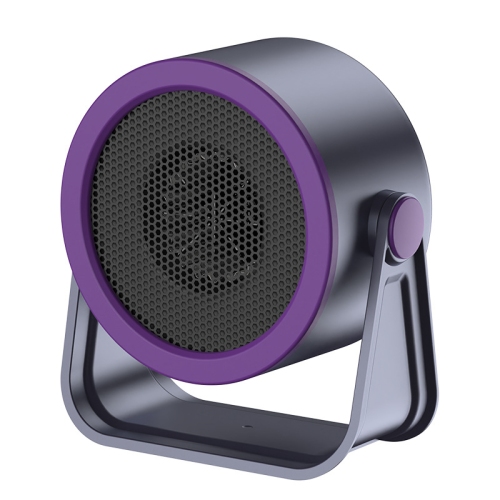
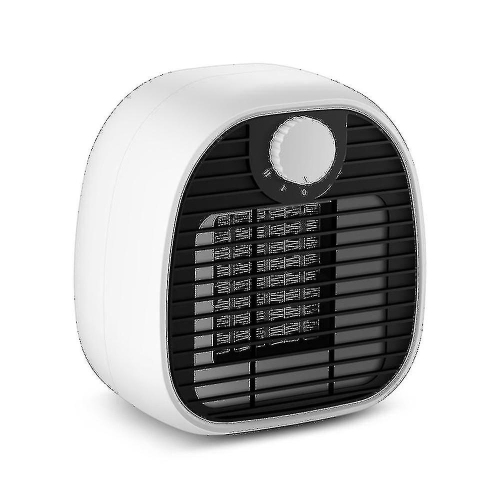
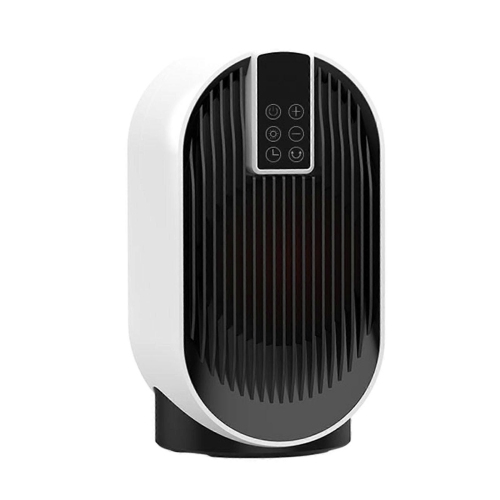
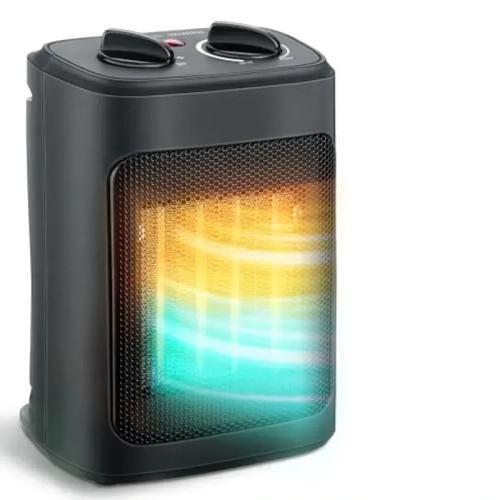
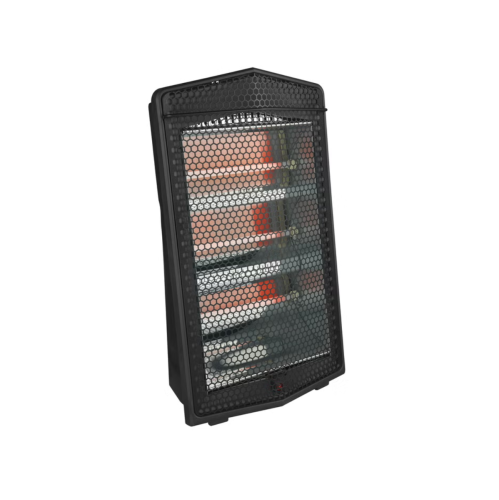
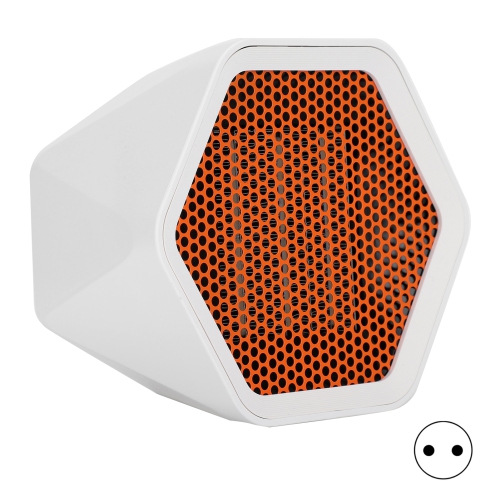
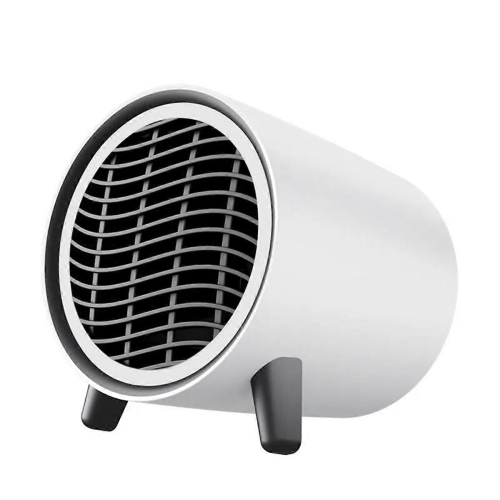
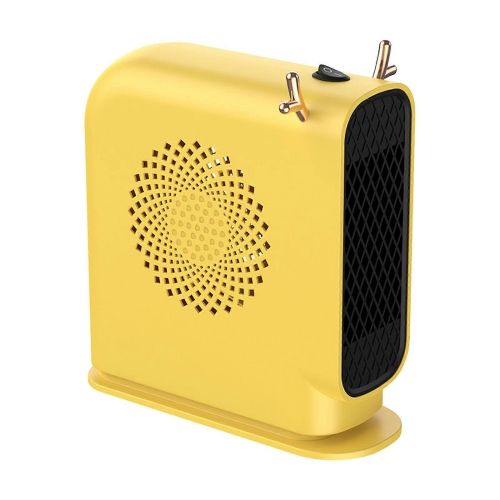
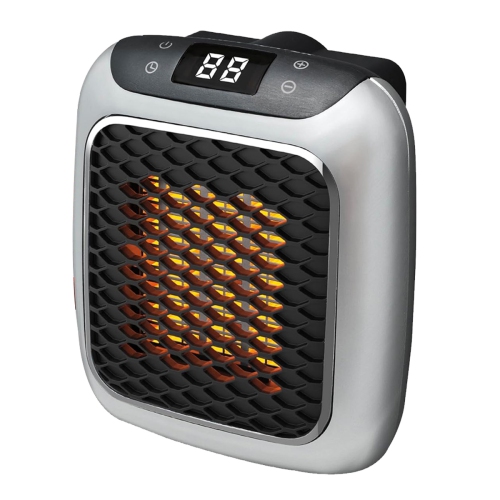
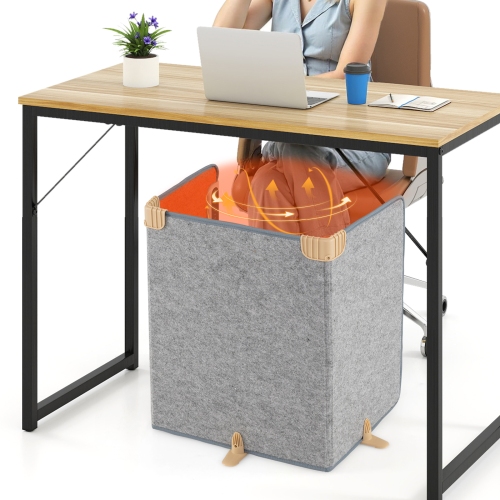
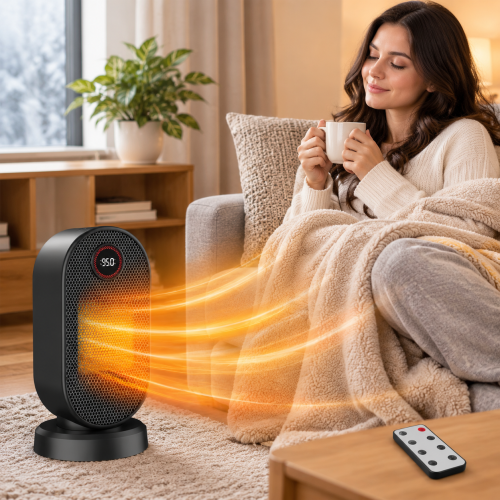
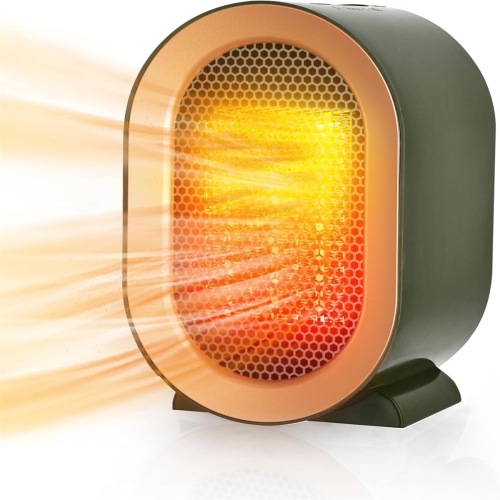
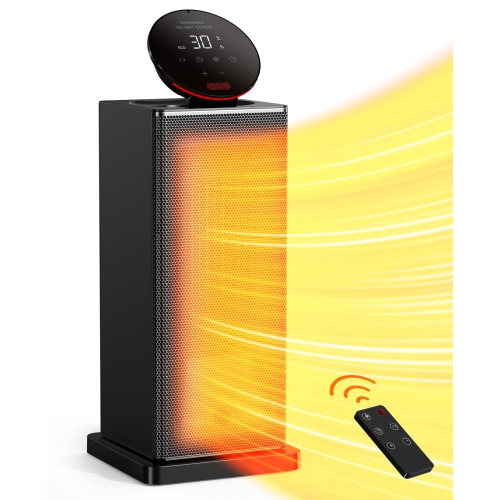
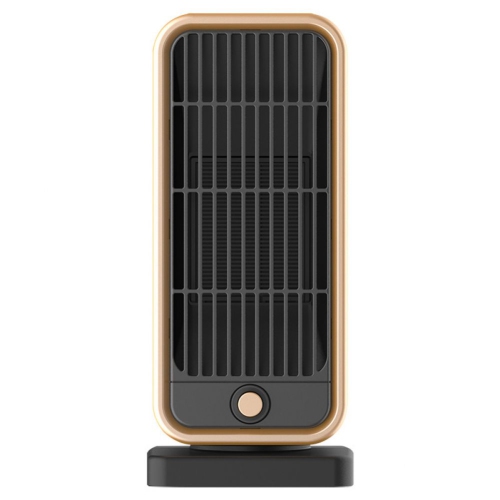
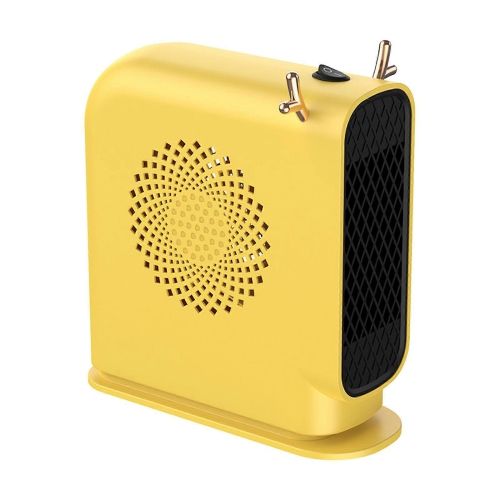
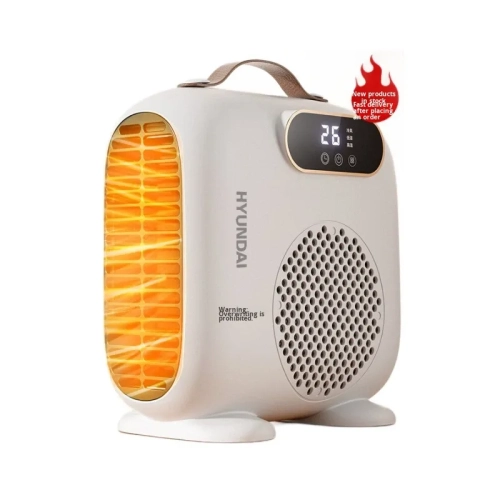
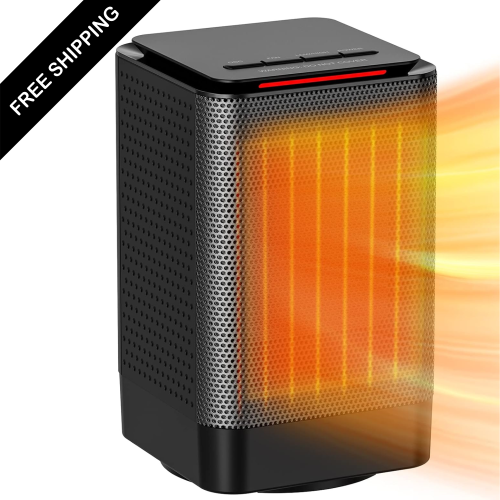
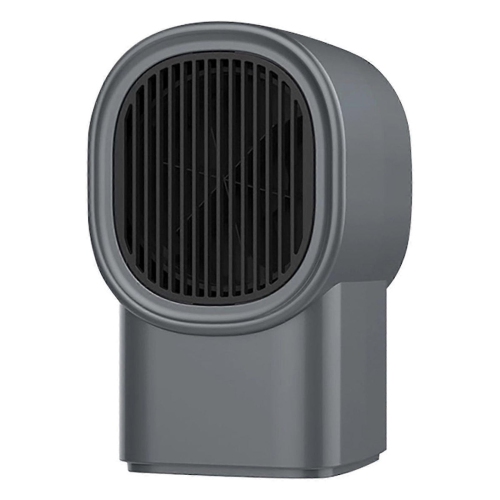
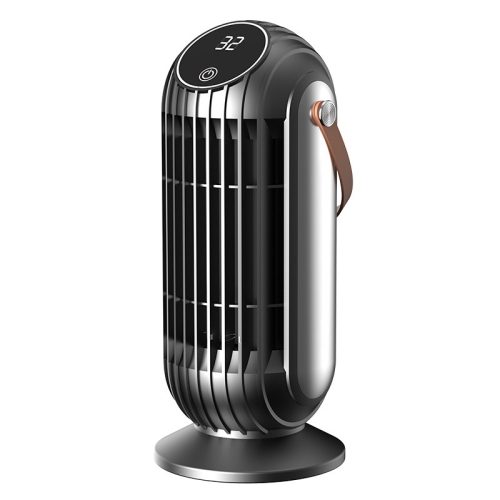
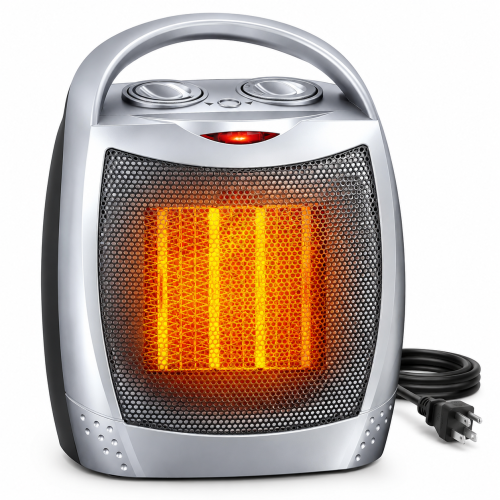
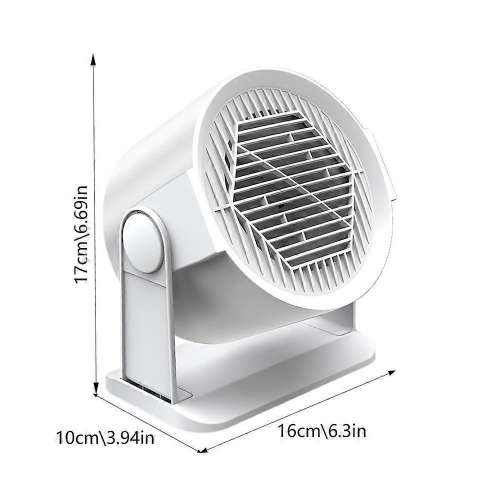
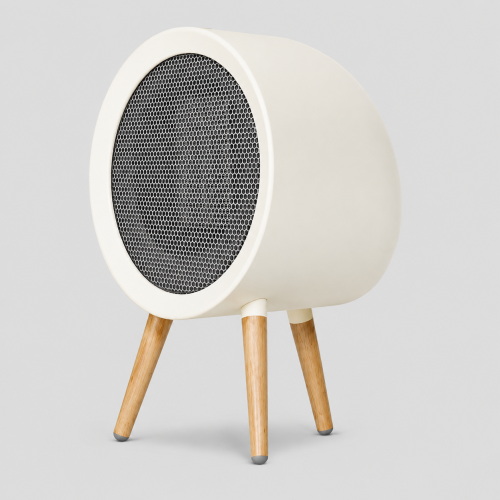
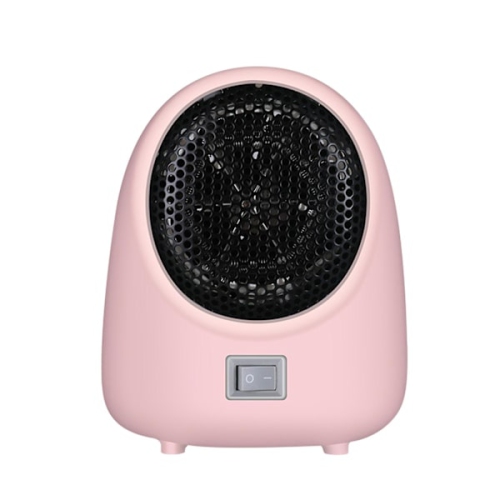
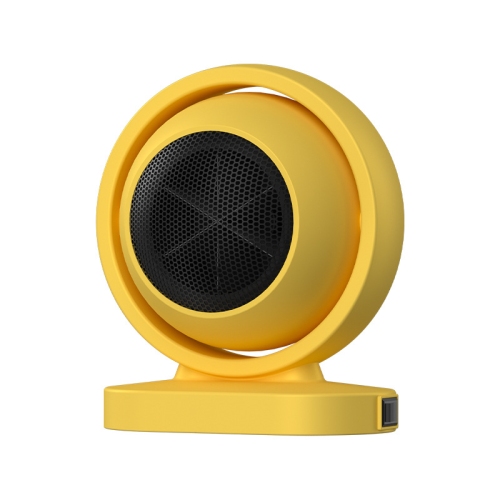
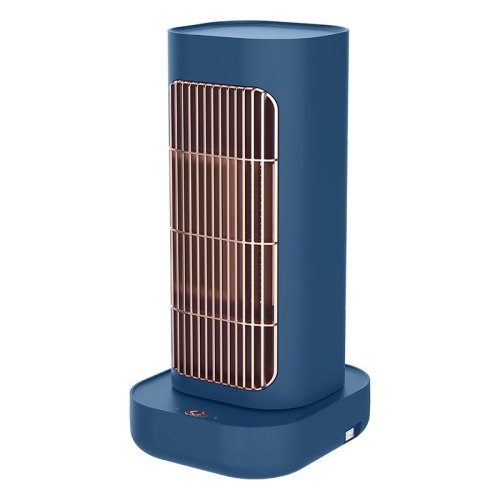
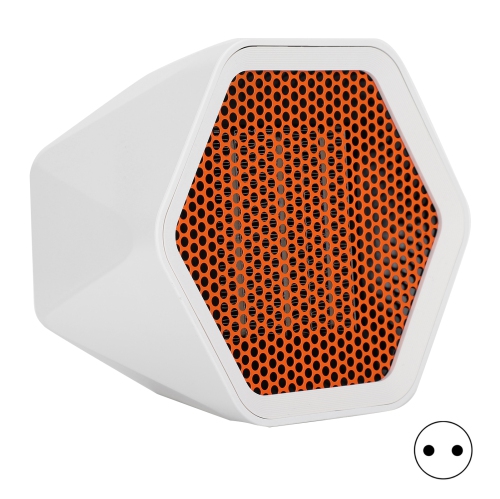
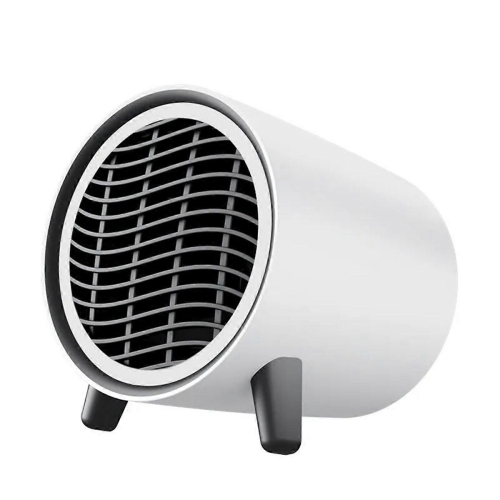
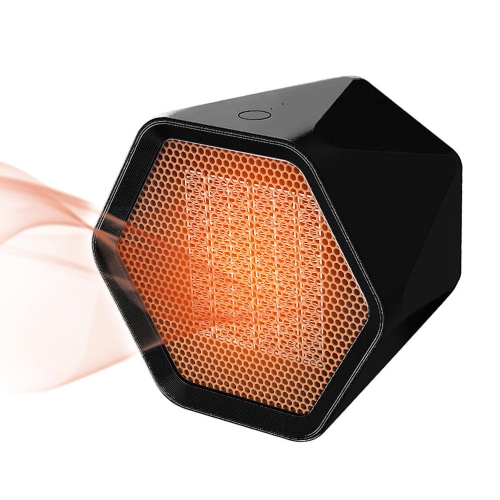
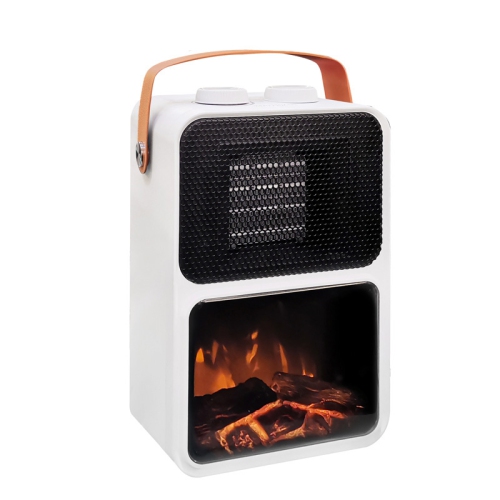
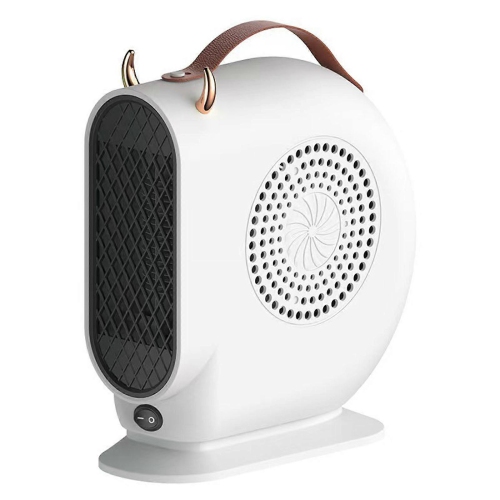
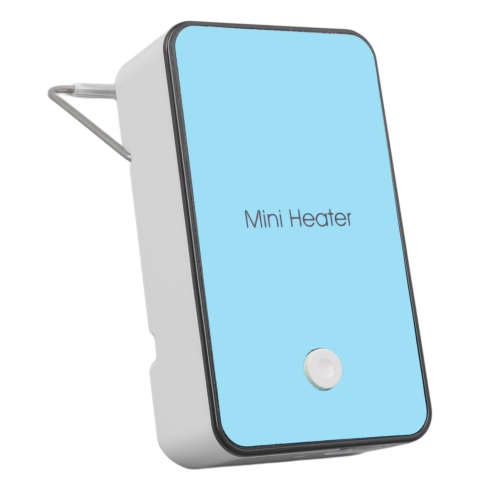
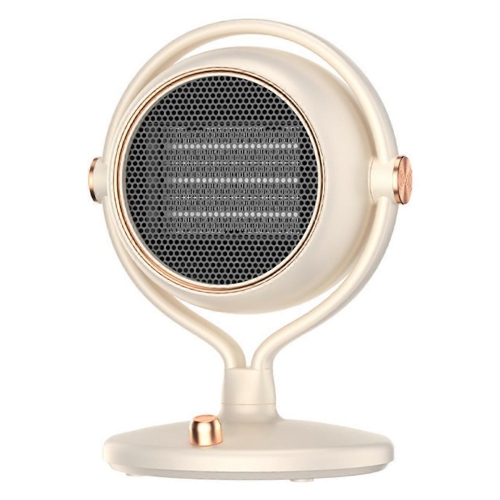
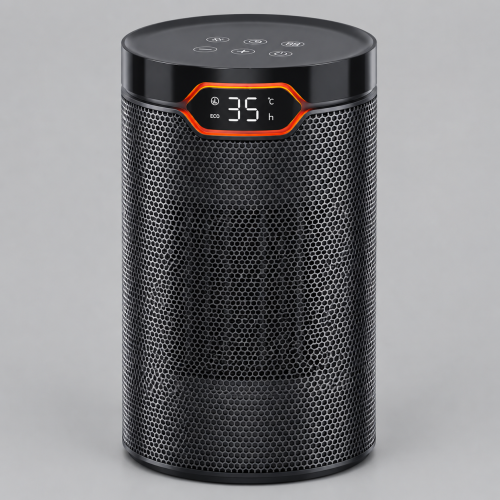
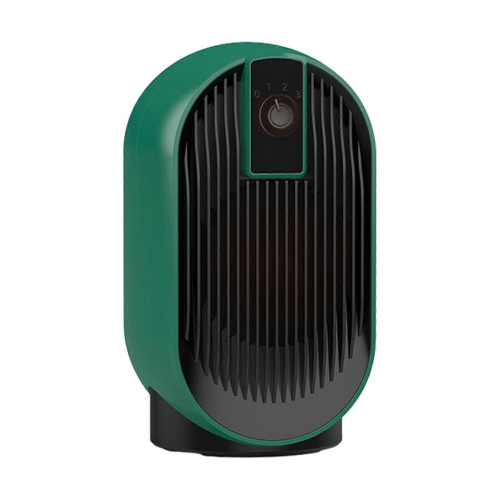
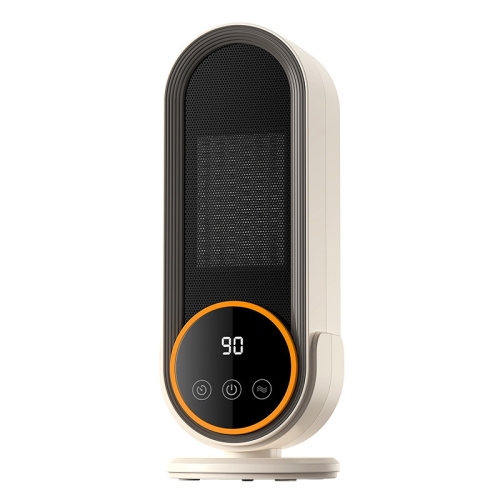
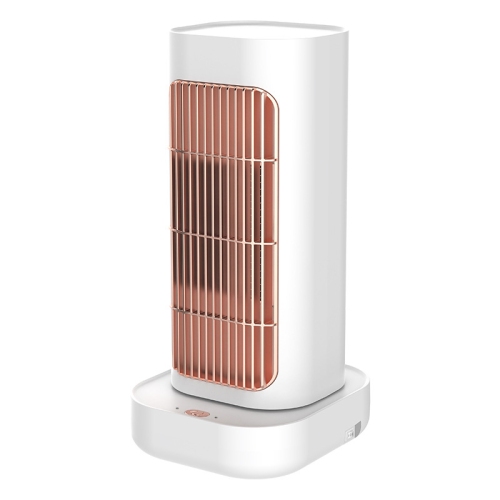
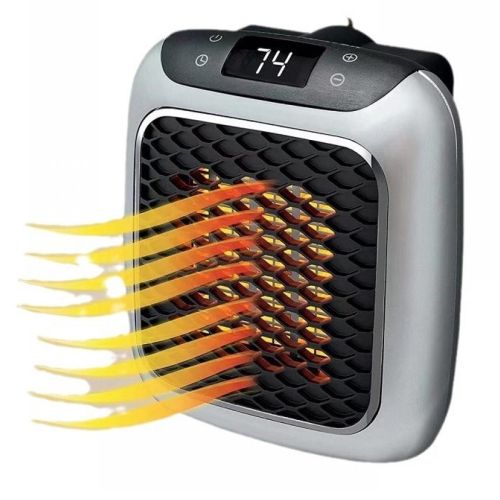
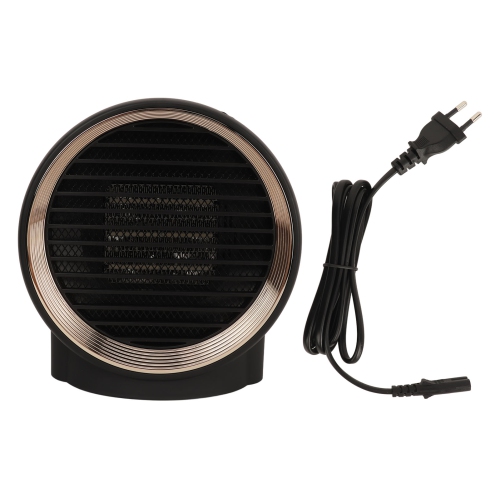
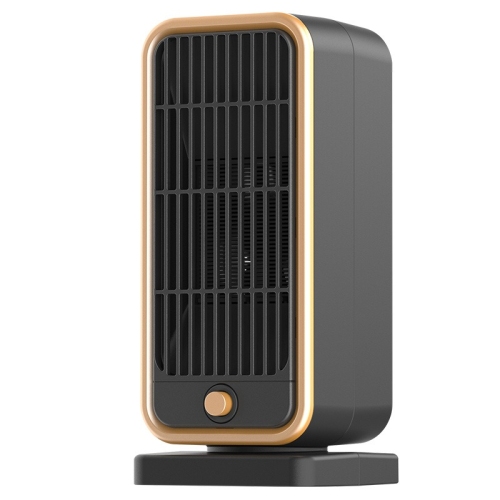
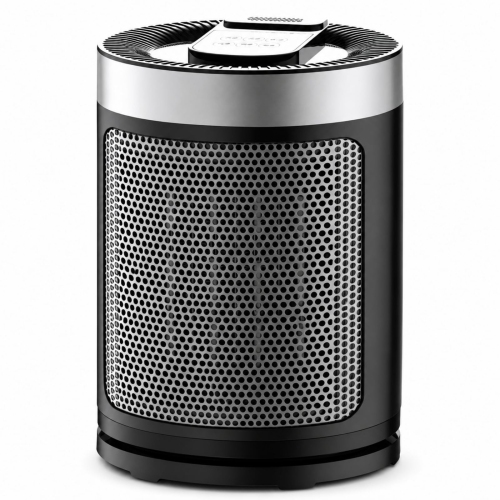
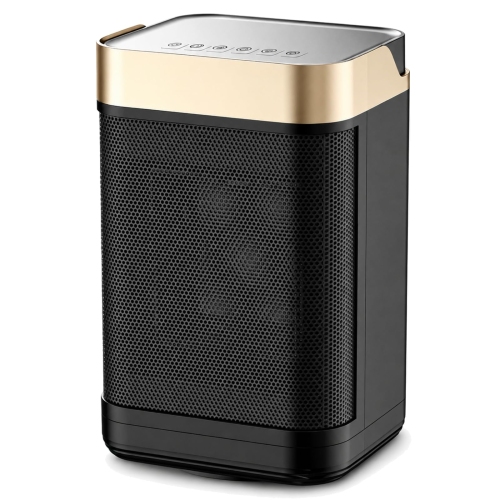
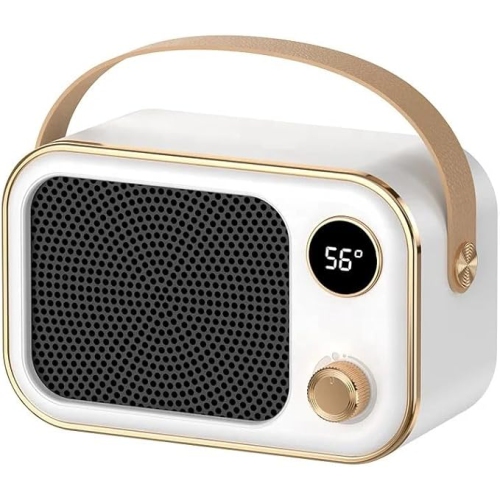
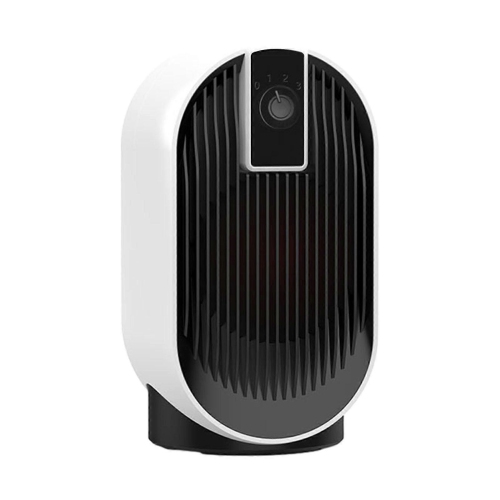
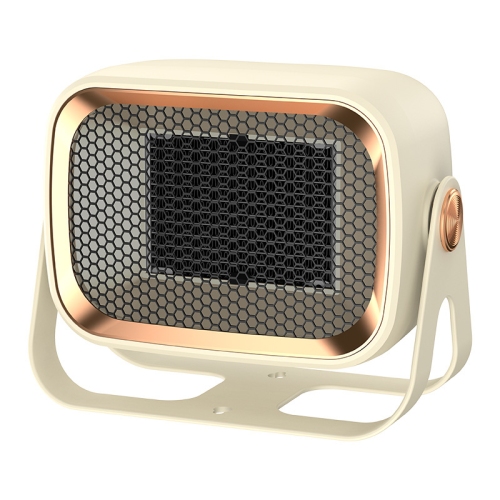
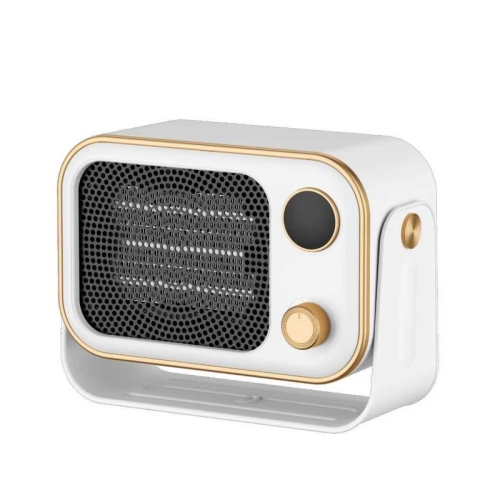
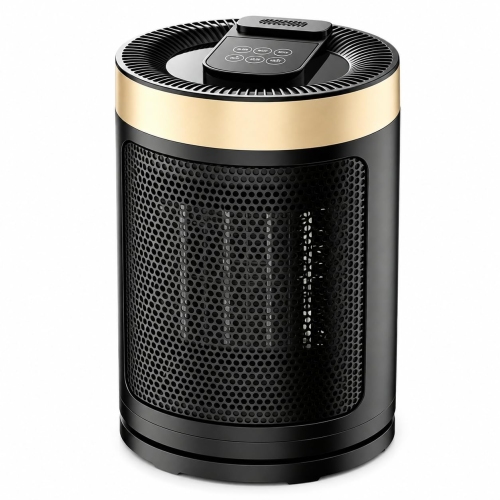
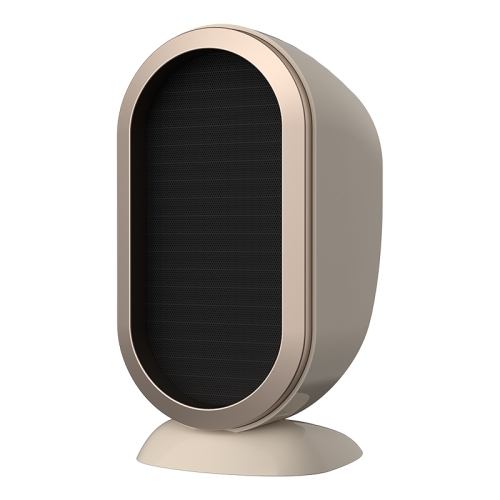
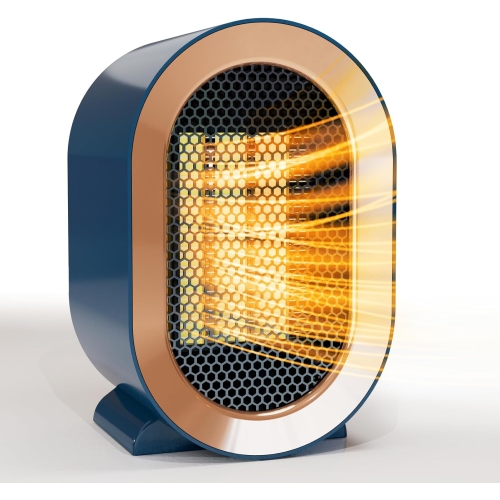
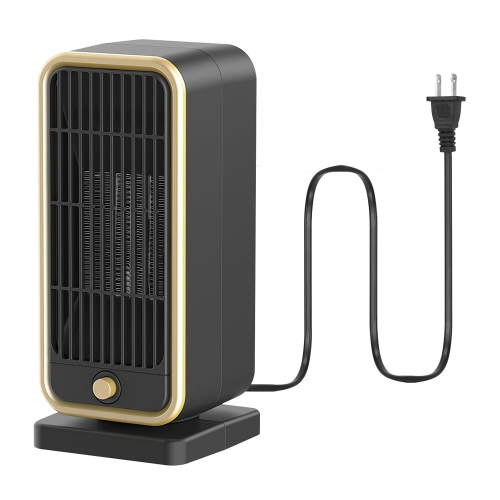
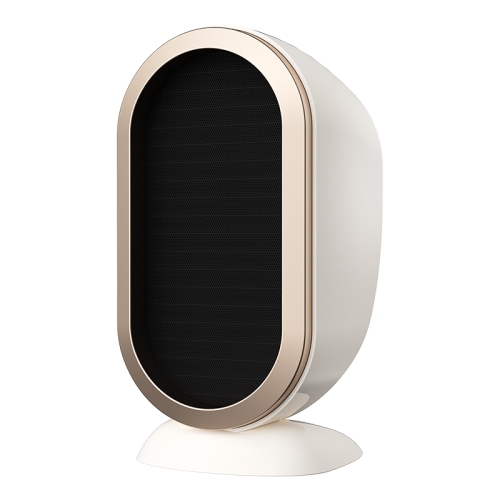
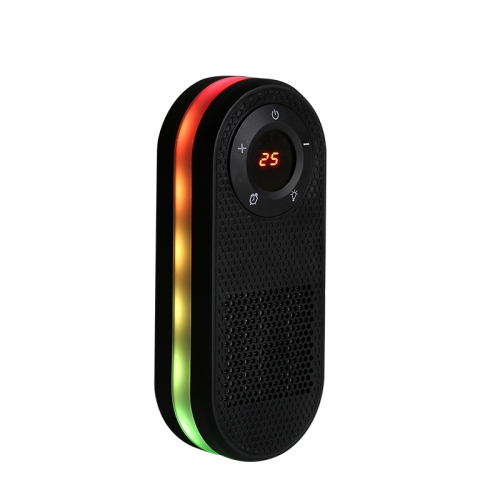
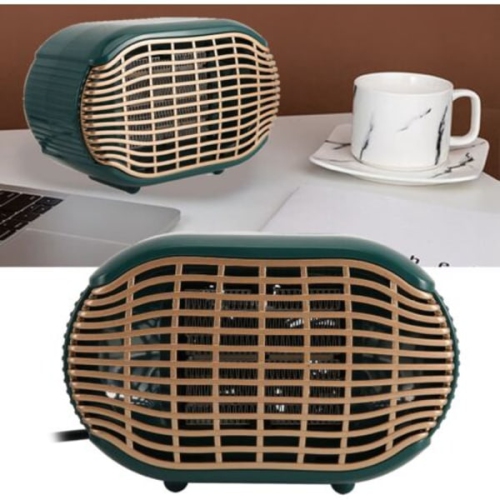
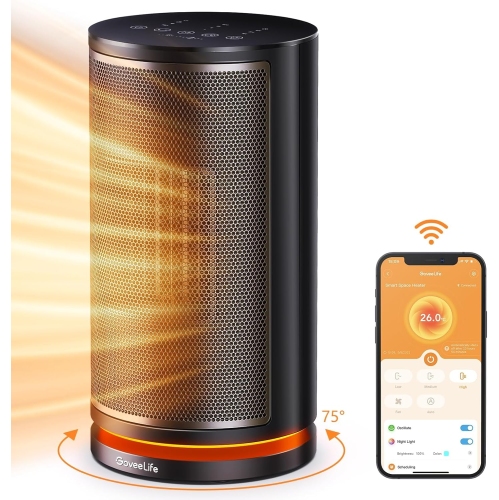
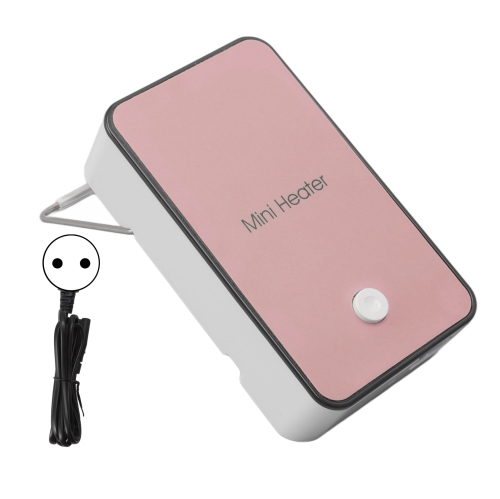
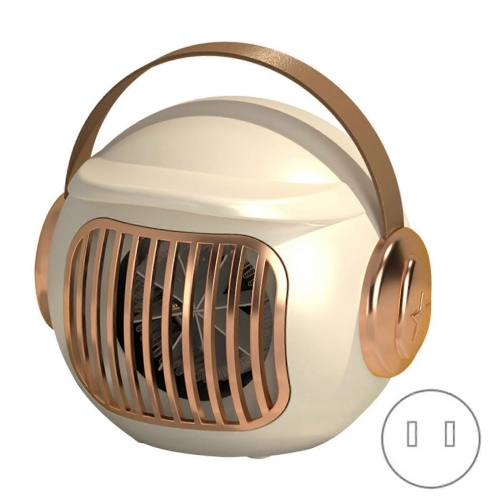
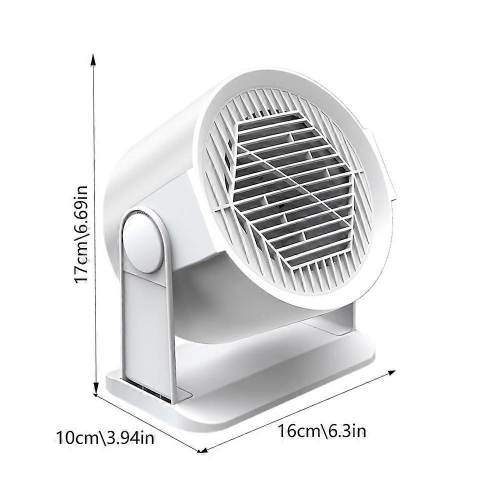
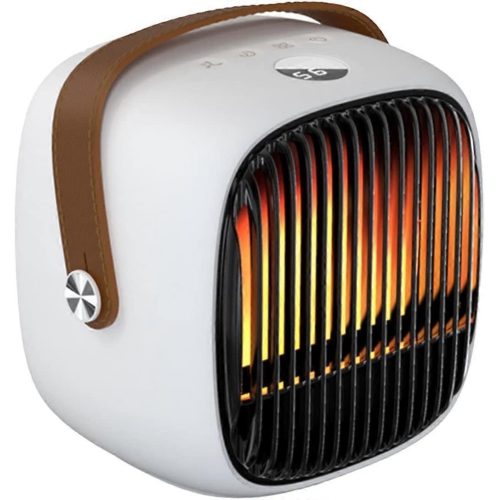
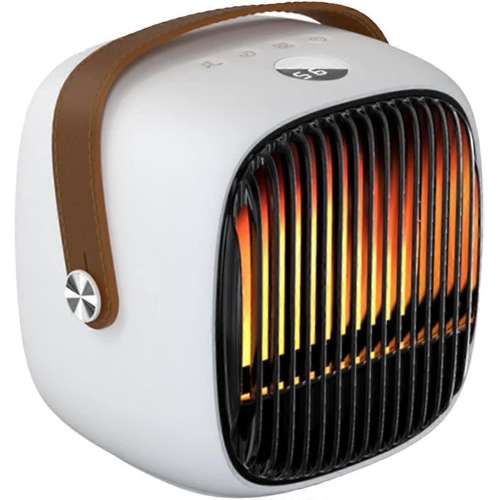
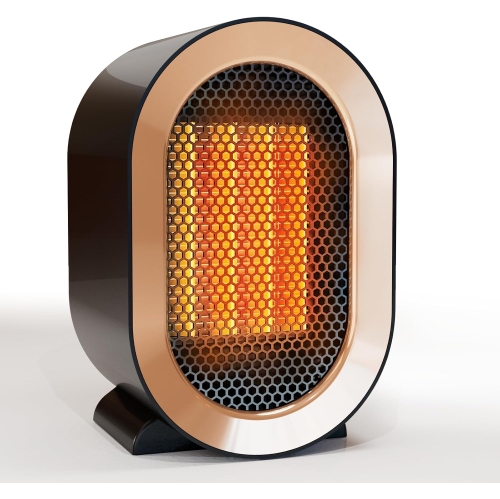
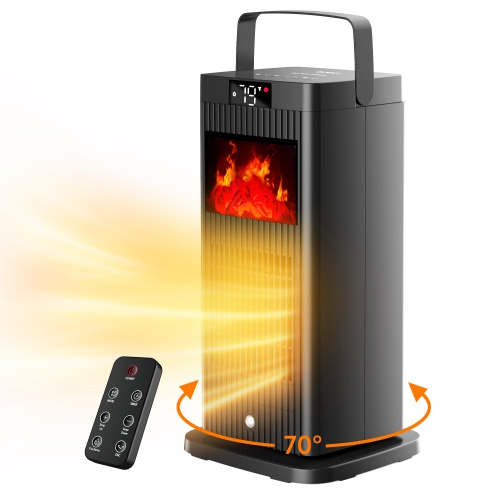
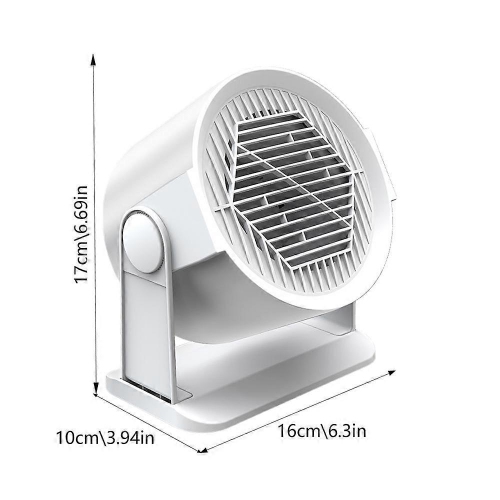
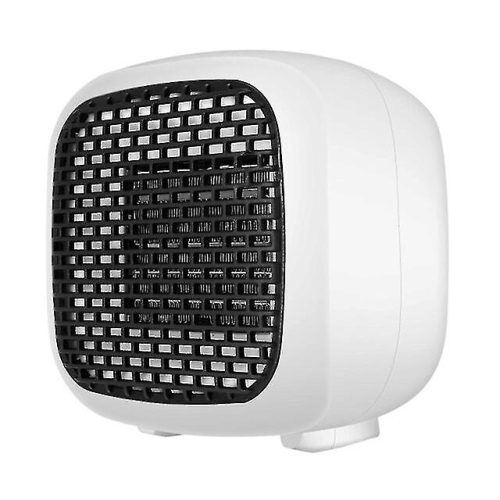
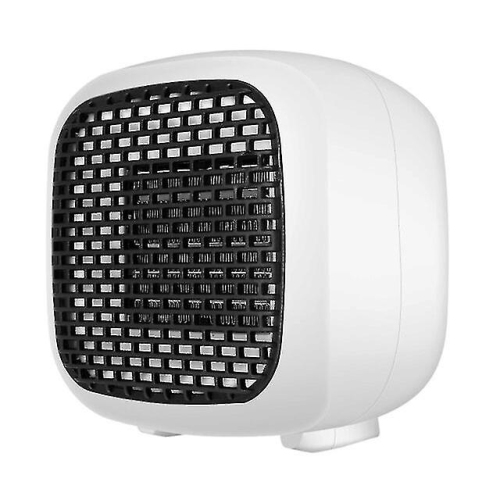
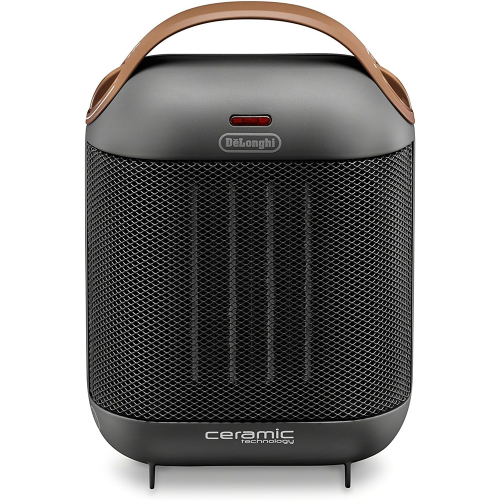
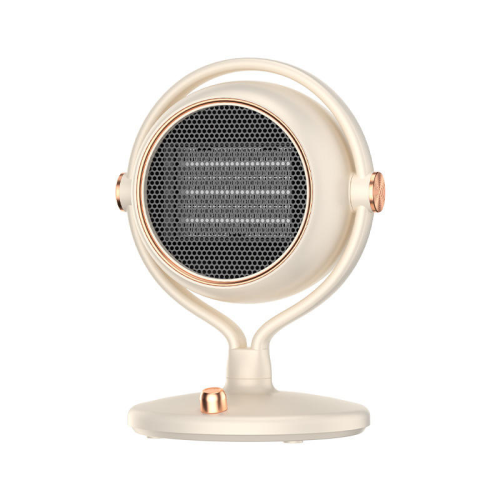
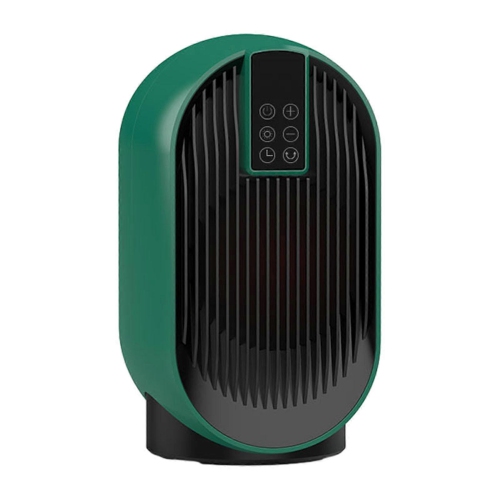
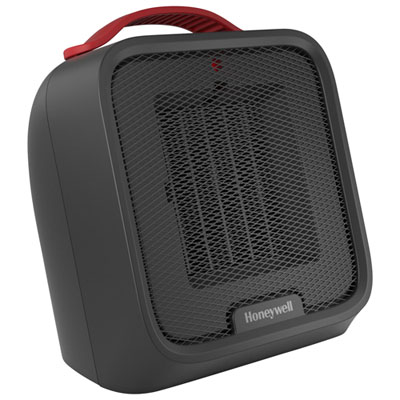
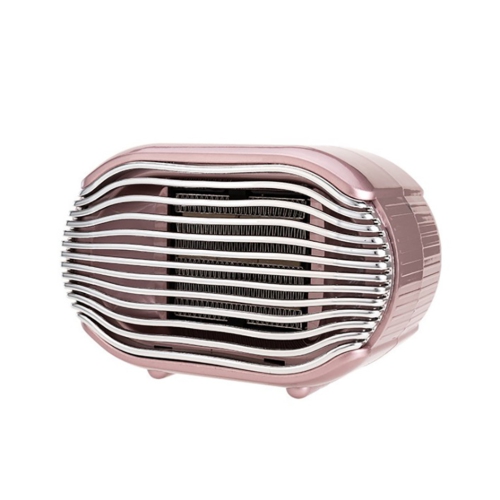
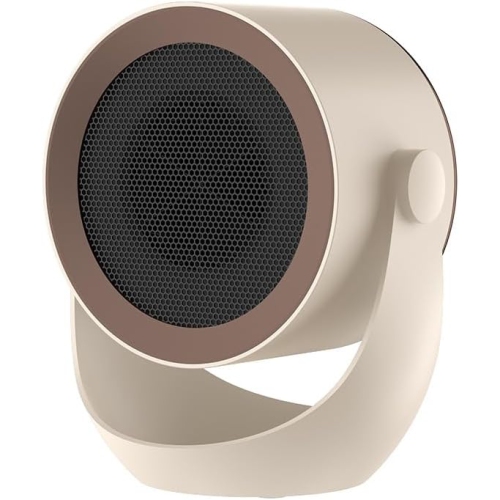
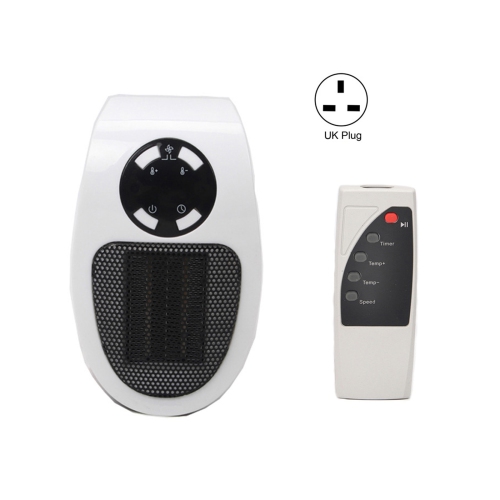
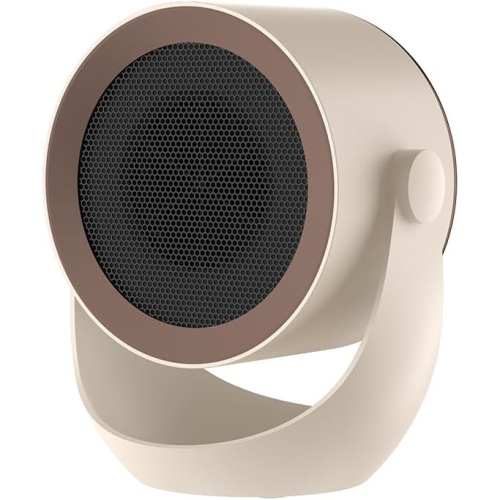
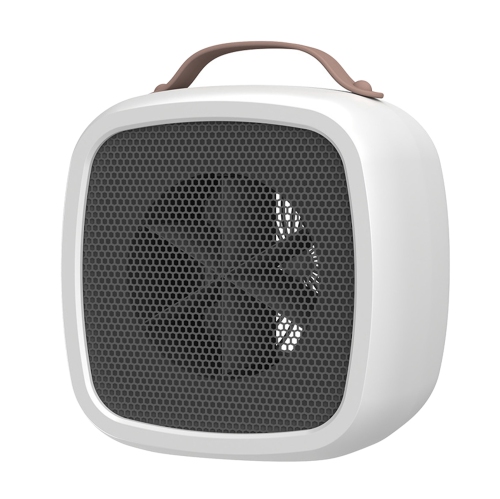
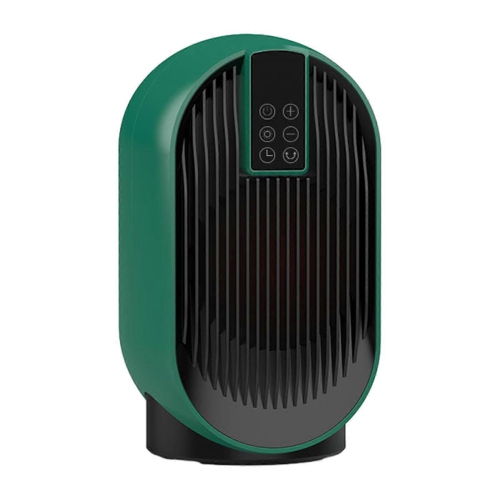
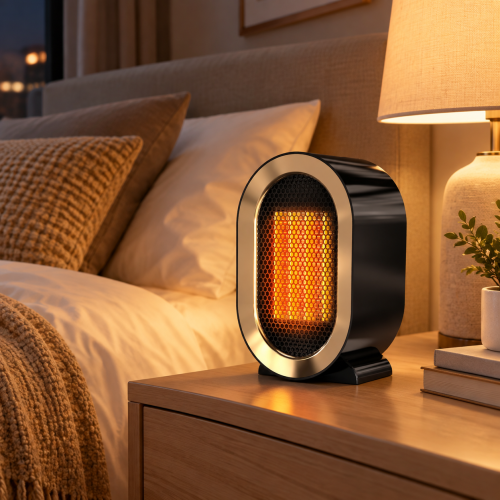
Small space heaters for office use can make a noticeable difference when a workspace feels chilly, particularly in rooms with uneven heating, large windows, exterior walls, or air vents that leave one area cooler than another. Compact models are designed to provide personal warmth without taking up the floor space required by a full-size room heater. A desktop heater can sit beside a monitor or on a nearby table, while an under-desk model can direct warmth toward your legs and feet during long periods of sitting. These heaters are also useful in home offices, study areas, reception desks, workshops, dorm rooms, and other compact workspaces where targeted heat is more practical than warming the entire room. When choosing a small space heater for an office, consider the available footprint first. Measure the desk, shelf, or floor area where the heater will be placed, allowing enough clearance around the unit for air circulation. Lightweight designs with a carry handle can be convenient for moving between a home office and another room, while a compact profile may be better for a crowded desk. Some models offer lower and higher heat settings, such as 750-watt and 1,500-watt options, allowing you to adjust warmth to suit the room and your comfort. A thermostat can help maintain a more consistent temperature instead of requiring frequent manual adjustments. For shared offices, quieter operation is especially helpful, as a low operating sound is less likely to distract nearby colleagues during phone calls, meetings, or focused tasks. Oscillation can spread warmth across a broader area, whereas a fixed directional design may be preferable when the goal is to warm one person at a desk. Controls may include a simple dial, push buttons, a digital display, or a remote, depending on the model and the level of convenience you prefer.
Safety features should be a central part of any office space heater comparison. Look for automatic overheat protection and tip-over shutoff, which can help stop the heater if it becomes too hot or is accidentally knocked over. A sturdy base is useful on a desk or floor, while a cool-touch exterior can make handling more comfortable when repositioning the unit. Even a small heater needs careful placement: keep it on a stable, level surface and away from paper, notebooks, curtains, clothing, furniture, boxes, and other materials that can obstruct airflow or be affected by heat. Avoid placing a heater directly beneath a desk where cords, bags, wastebaskets, or stored items could crowd the unit, and keep the power cord out of walking paths to reduce tripping hazards. Plug the heater directly into an appropriate wall outlet rather than relying on an extension cord or overloaded power bar, unless the manufacturer specifically states otherwise. Check that vents are not blocked by a wall, monitor stand, partition, or pile of documents, and turn the unit off when leaving the office or going to sleep. A heater with a timer or automatic shutoff may add convenience, but it should not replace attentive use. Follow the manufacturer’s instructions for operating clearances, cleaning, storage, and electrical requirements. Offices with children, pets, or frequent foot traffic may benefit from a compact unit with particularly stable construction and clear controls, while a quiet desktop model may suit a private office or study area where personal comfort is the main priority. For students furnishing a dorm room, residence room, or small study space, the selection of Portable Student Space Heaters can provide another place to browse compact heating options suited to smaller rooms.
The best choice depends on how the office is used and where warmth is needed most. A desktop heater works well for someone who spends most of the day at a computer and wants warmth close to their hands and upper body without heating the full room. An under-desk heater is often a better fit for people whose feet and lower legs become cold while sitting, especially when the desktop is already crowded with monitors, paperwork, and accessories. A small oscillating ceramic heater may be useful in a compact office shared by two people, as its movement can distribute warmth more evenly than a fixed stream of air. If conversations, virtual meetings, or quiet concentration are part of the workday, compare noise levels and choose controls that are easy to use without reaching behind furniture. A carrying handle is practical for people who move between rooms, and a compact shape can make storage easier when the weather warms. These heaters can also be thoughtful gifts for a student, remote worker, new homeowner, office colleague, or anyone who spends long hours in a drafty workspace; a personal heater is especially useful when different people prefer different temperatures in the same building. Consider the room’s size, the distance between the heater and the person using it, the available outlet, and whether warmth should be directed at one spot or circulated across a small area. A heater intended for personal comfort is not necessarily designed to heat a large open-plan office, so matching the unit to the workspace helps set realistic expectations. Reviewing heat settings, thermostat controls, portability, operating sound, oscillation, and built-in protection makes it easier to narrow the selection to a model that suits your routine. With the right placement and careful operation, a small space heater can add focused comfort to an office during the cooler months, whether you need a gentle stream of warmth beside your keyboard or a compact source of heat beneath your desk.
Top selling and popular products
-
 Your price for this item is $549.99
-
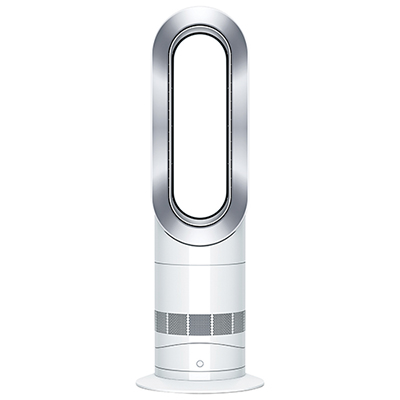 Your price for this item is $549.99
-
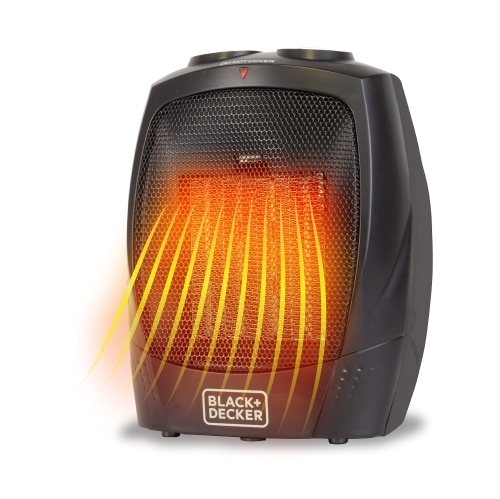 Your price for this item is $41.99
-
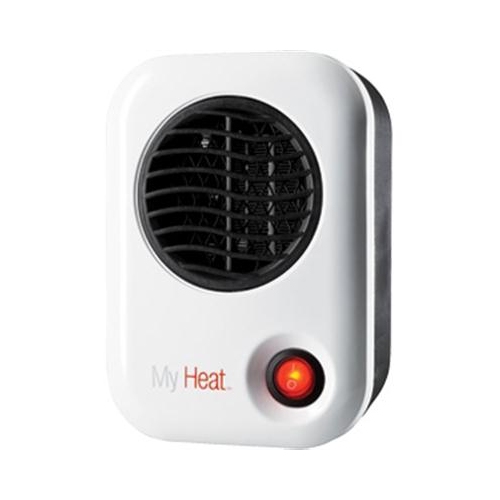 Your price for this item is $136.99
-
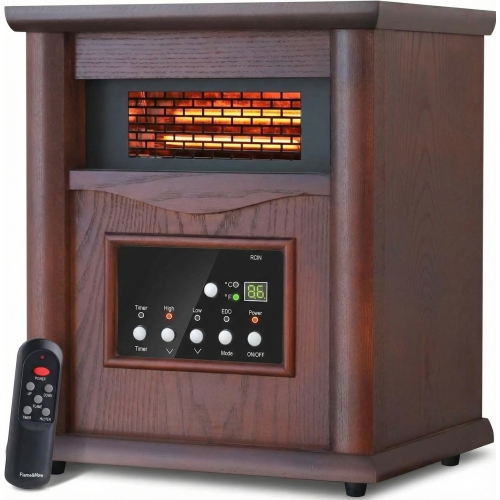 Your price for this item is $159.95
-
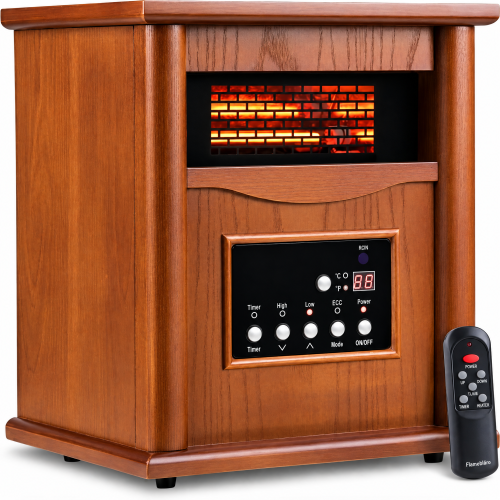 Your price for this item is $159.95
-
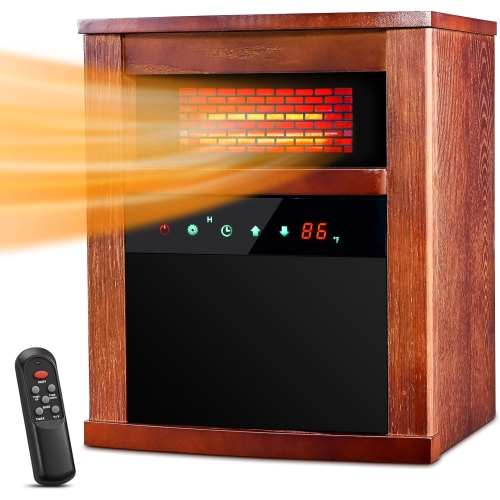 Your price for this item is $219.95
-
 Your price for this item is $159.95
Discover more categories related to Small Space Heaters for Office
Top Collections:
Best Black Friday Deals This Year, Best Black Friday Deals On Electronics, Kindle Devices, Pokemon Centers, Best Black Friday Deals On Apple Products, Best Cameras for Sports Photography, Dyson Airwrap, Pokémon 30th Celebration Cards, Apple iPhone 17 Pro, Canon G7X Cameras
Some products may be subject to Environmental Handling Fees
(EHF) depending on your province.
Learn more about EHFs.