Heaters for Small Spaces
If you live in a small space, you know how important it is to have a heater that can fit. These heaters are designed for small spaces and can help you save space while providing the warmth you need. Choose the right one for your space and keep your home cozy all winter long. Below are the best heaters for small spaces.
Sort
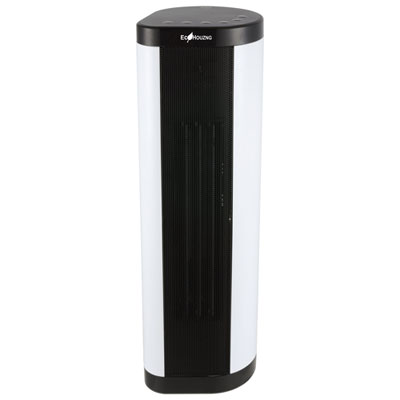
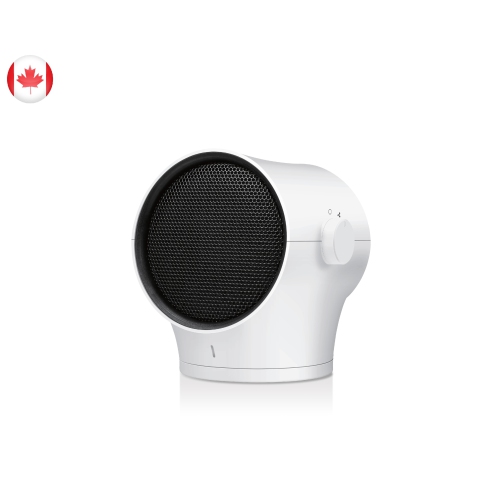
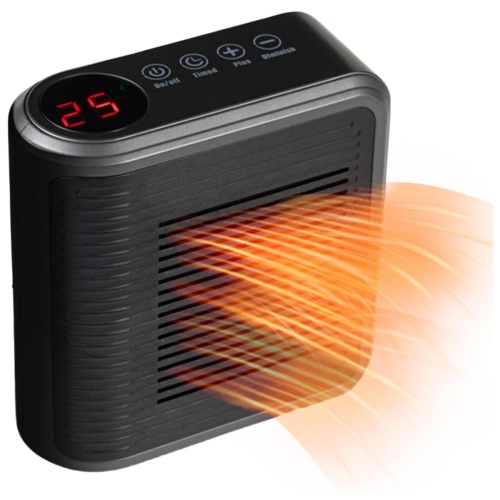
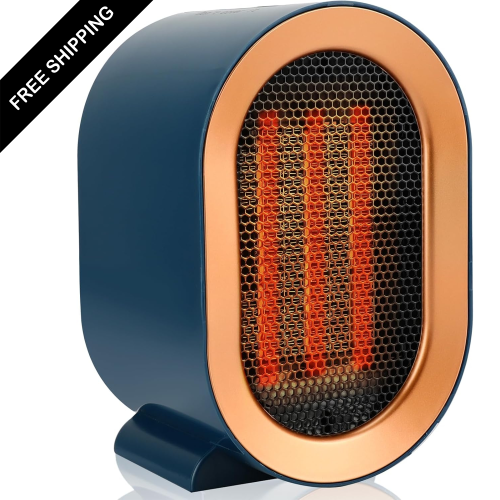
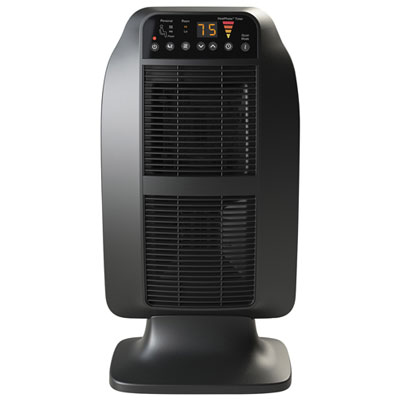
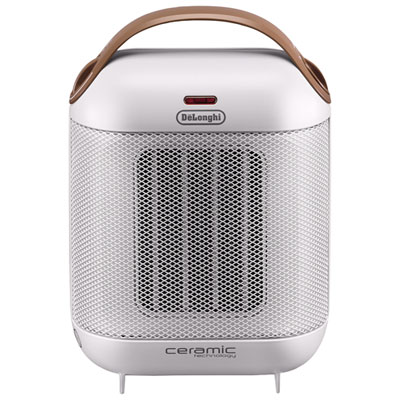
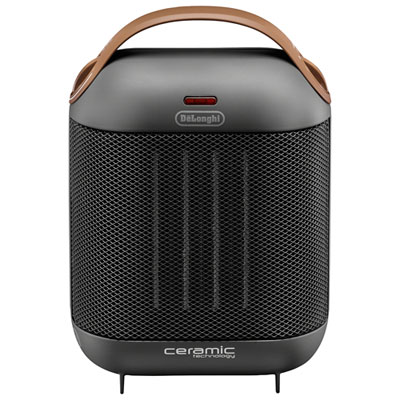
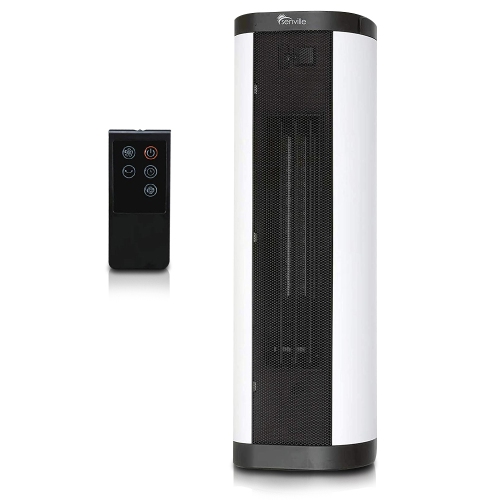
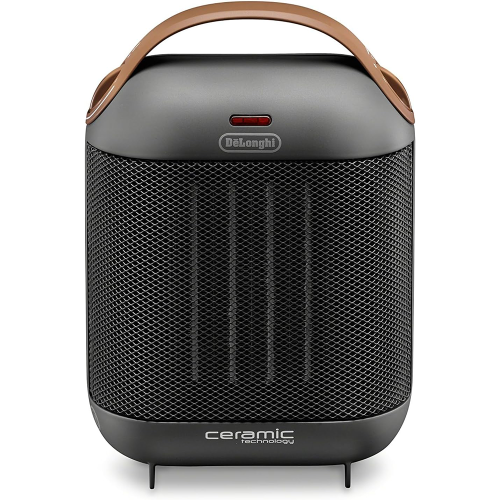

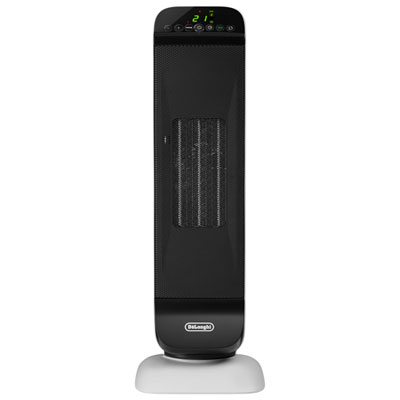
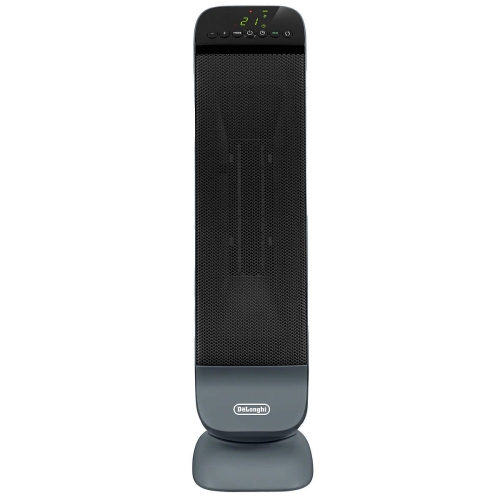
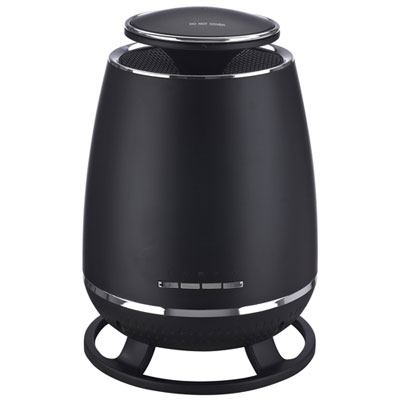



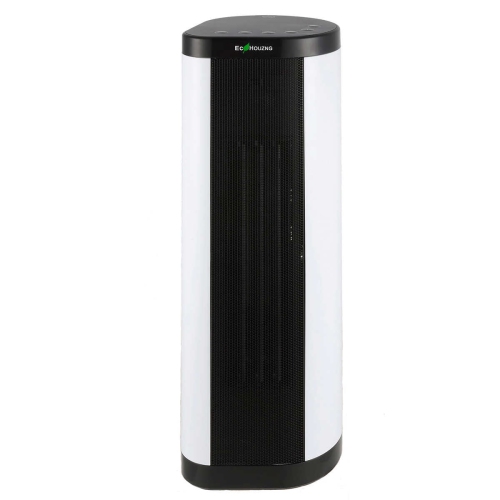
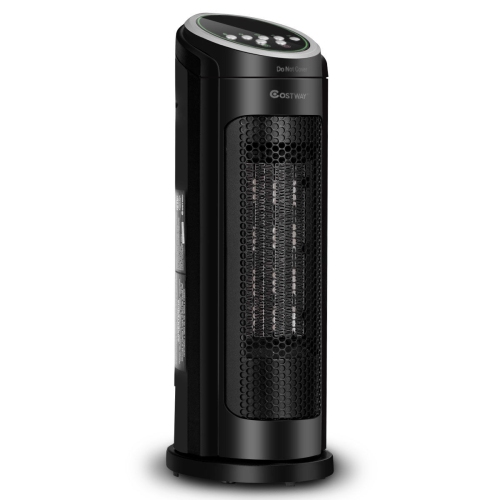
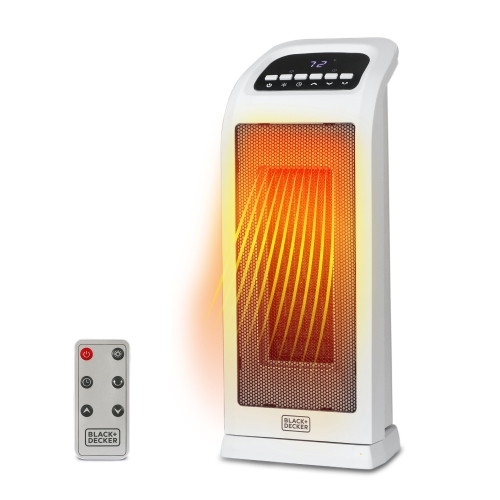
A heater’s fit goes beyond its footprint
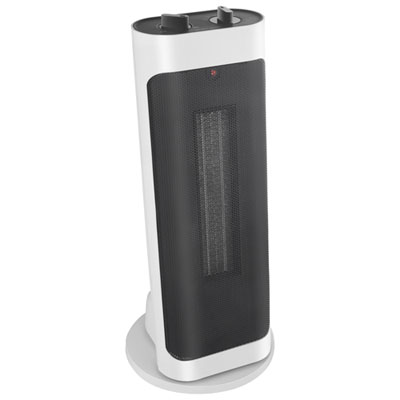
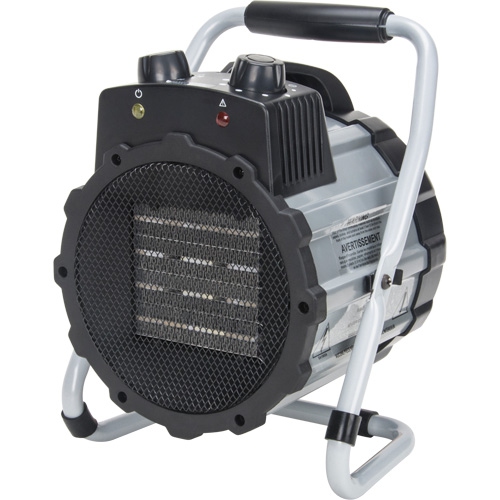
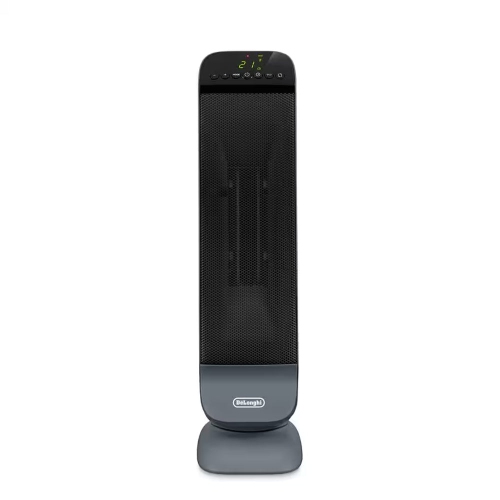
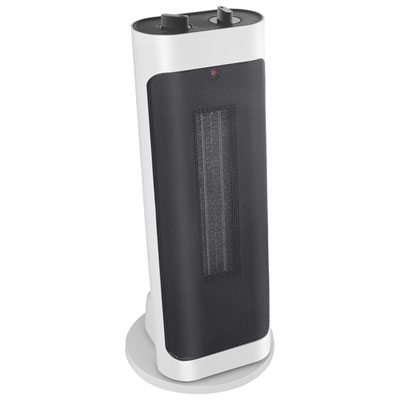
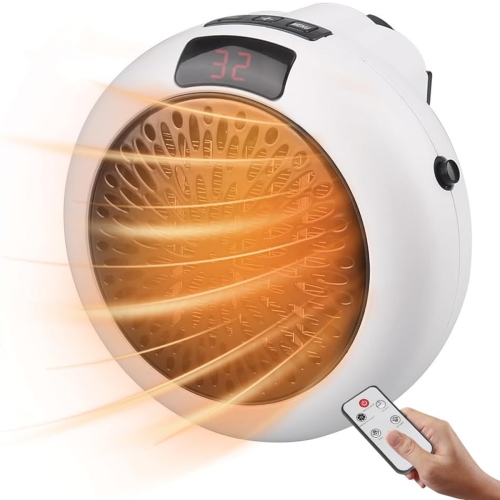
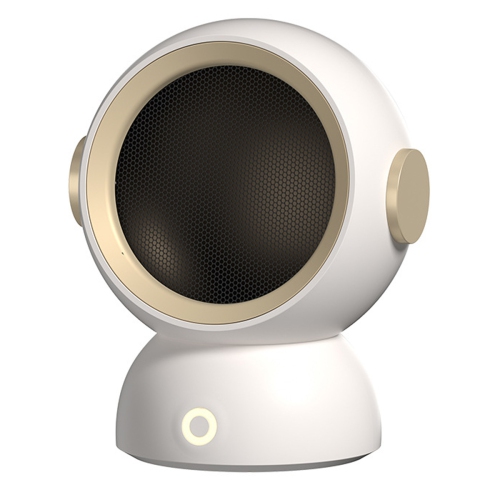
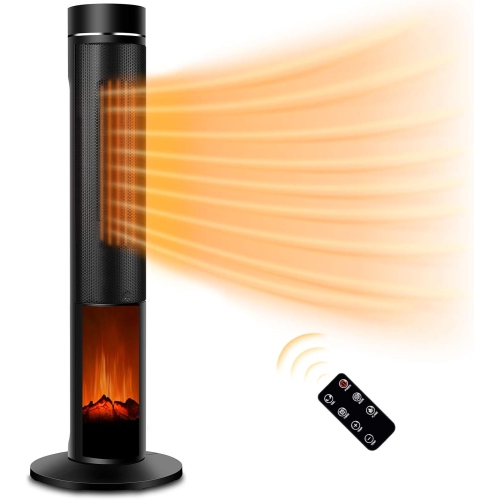
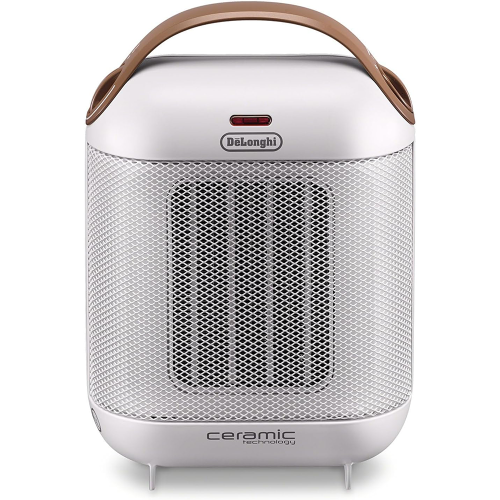
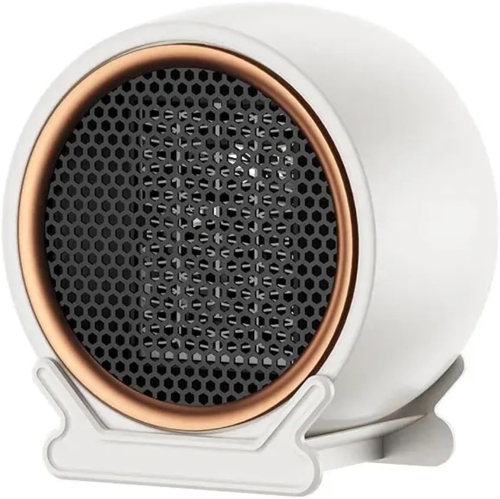
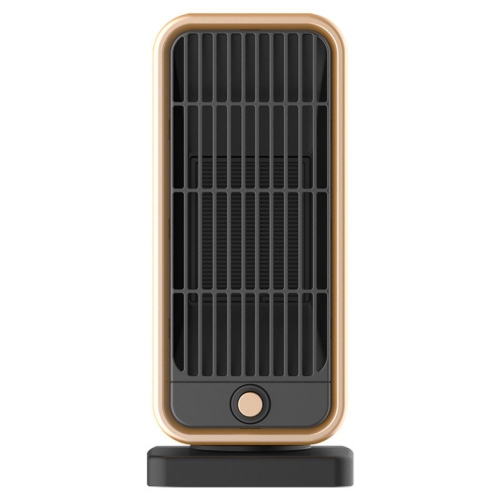
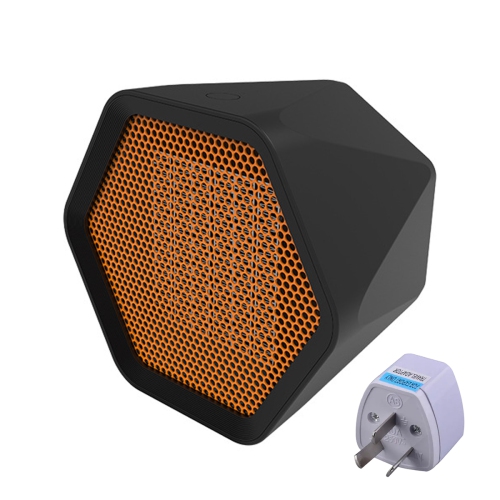
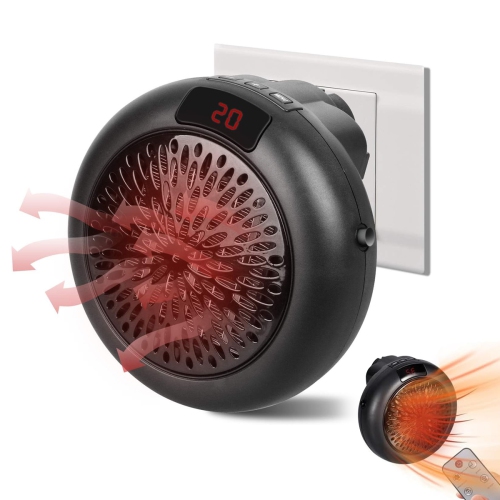
Heaters for small spaces provide supplemental warmth where a central heating system may not deliver the comfort needed, from a compact home office to a reading nook or a small living room. Their appeal is practical: a portable heater can make an occupied area more comfortable without requiring a permanent installation. The right fit depends on whether the goal is warmth close to one person or more even heating throughout an enclosed room. Personal heaters with outputs around 250 to 500 watts are generally suited to close-range comfort, while compact heaters with higher heat settings can serve a broader area. Wattage describes electrical input, however, not a guaranteed room size. Ceiling height, insulation, draughts, windows, and open doorways all affect how much warmth stays in a space. A small office with a closed door presents a different heating task from an equally sized seating area connected to an open hallway. Ceramic fan heaters use a fan to move air across a heated ceramic element, making them useful when prompt, directed warmth is the priority. Radiant heaters deliver heat more directly to people and objects within their reach, while convection heaters warm air that circulates through the room. Oil-filled radiators contain sealed heat-transfer fluid and typically warm up more gradually, offering steady heat without a fan; they do not burn the oil or need routine refilling. These differences matter in everyday use. Someone working through video calls may value quieter operation, while someone settling into a chair to read may prefer targeted warmth rather than stronger airflow across the room. Fan noise, clicks from a thermostat, and the brightness of a control display can all influence how unobtrusive a heater feels. For a bedroom, supplemental heating is best used while someone is awake and present, with the heater switched off before sleep. A compact shape makes storage and movement easier, but it does not remove the need for clear space around the appliance.
Physical fit involves more than finding a heater narrow enough to sit beside a desk. The usable footprint includes the manufacturer's required clearance around the housing, air intake, and outlet, along with a safe route for the power cord. A low-profile heater may suit an open stretch of floor, while a slim tower shape takes up less width but needs a stable base and room for any oscillating movement. Desk placement is appropriate only for heaters specifically designed for that use, on a suitable surface with papers, cables, and other objects kept clear. Tucking a heater beneath a crowded desk, behind a curtain, or between furniture can obstruct airflow and put nearby materials too close to heat. Housing materials also influence handling and care. Moulded plastic can keep a portable heater lightweight, while metal housings and radiator fins offer a different construction and finish; either type may have surfaces that become hot during operation. A carrying handle, secure feet, a sturdy grille, and controls that are easy to read can matter more in daily use than decorative details. A neutral colour can blend into a home office or sitting area, but safe placement should always take precedence over hiding the appliance. Adjustable heat levels help match output to the task, and a thermostat cycles the heater to maintain an approximate setting rather than supplying maximum heat continuously. The temperature at a heater's sensor may differ from the temperature across the room, especially near a draughty door or window. Oscillation spreads directed airflow over a wider angle, while a remote control can make adjustments easier from a chair. Simple dials may suit someone who prefers straightforward operation; digital controls may offer a clearer view of settings and timer functions. For people moving a heater between rooms, manageable weight and a comfortable handle are useful, although the unit should always be switched off, unplugged, and allowed to cool before being moved. A timer adds convenience, but it is not a substitute for supervision.
Safe operation is an essential part of choosing and living with a small space heater. Tip-over shut-off and automatic overheat protection provide useful safeguards, but neither makes obstructed airflow or unattended use safe. Look for an electrical certification mark recognized in Canada, such as CSA, cUL, or cETL, and follow the instructions supplied with the heater. Place it on a firm, level surface appropriate to its design, away from traffic routes, children, and pets. Keep combustible materials such as bedding, curtains, upholstery, and paper at least 0.9 metres, or 3 feet, away, and observe any greater clearance specified by the manufacturer. Portable electric heaters should plug directly into a suitable wall outlet, not an extension cord or power bar. A 1,500-watt heater draws about 12.5 amps at 120 volts, which represents a substantial load on a household circuit. Lower-wattage personal heaters draw less power, but they can still contribute to an overload when other appliances share that circuit. A loose plug, damaged cord, discolouration, or unusual heat at the outlet is a reason to stop using the heater and have the issue checked. Bathrooms require particular care because a general-purpose portable heater is not automatically suitable near water. The Small Space Heaters for Bathroom category is relevant to that setting, but suitability must be confirmed in each heater's documentation, including permitted placement and electrical requirements. Never assume that compact size or a protective housing makes a heater safe beside a bath or shower. For routine care, unplug the appliance and let it cool before cleaning the exterior or removing dust from accessible grilles as directed. Keep moisture out of the housing, and clean a removable filter only if the design includes one and the instructions permit it. Regular inspection of the cord, plug, base, and air openings helps keep the heater ready for use. When it is no longer needed, store it clean and dry without tightly wrapping or pinching the cord. Thoughtful sizing, clear placement, and straightforward maintenance make supplemental heating a more practical addition to a small room.
Physical fit involves more than finding a heater narrow enough to sit beside a desk. The usable footprint includes the manufacturer's required clearance around the housing, air intake, and outlet, along with a safe route for the power cord. A low-profile heater may suit an open stretch of floor, while a slim tower shape takes up less width but needs a stable base and room for any oscillating movement. Desk placement is appropriate only for heaters specifically designed for that use, on a suitable surface with papers, cables, and other objects kept clear. Tucking a heater beneath a crowded desk, behind a curtain, or between furniture can obstruct airflow and put nearby materials too close to heat. Housing materials also influence handling and care. Moulded plastic can keep a portable heater lightweight, while metal housings and radiator fins offer a different construction and finish; either type may have surfaces that become hot during operation. A carrying handle, secure feet, a sturdy grille, and controls that are easy to read can matter more in daily use than decorative details. A neutral colour can blend into a home office or sitting area, but safe placement should always take precedence over hiding the appliance. Adjustable heat levels help match output to the task, and a thermostat cycles the heater to maintain an approximate setting rather than supplying maximum heat continuously. The temperature at a heater's sensor may differ from the temperature across the room, especially near a draughty door or window. Oscillation spreads directed airflow over a wider angle, while a remote control can make adjustments easier from a chair. Simple dials may suit someone who prefers straightforward operation; digital controls may offer a clearer view of settings and timer functions. For people moving a heater between rooms, manageable weight and a comfortable handle are useful, although the unit should always be switched off, unplugged, and allowed to cool before being moved. A timer adds convenience, but it is not a substitute for supervision.
Safe operation is an essential part of choosing and living with a small space heater. Tip-over shut-off and automatic overheat protection provide useful safeguards, but neither makes obstructed airflow or unattended use safe. Look for an electrical certification mark recognized in Canada, such as CSA, cUL, or cETL, and follow the instructions supplied with the heater. Place it on a firm, level surface appropriate to its design, away from traffic routes, children, and pets. Keep combustible materials such as bedding, curtains, upholstery, and paper at least 0.9 metres, or 3 feet, away, and observe any greater clearance specified by the manufacturer. Portable electric heaters should plug directly into a suitable wall outlet, not an extension cord or power bar. A 1,500-watt heater draws about 12.5 amps at 120 volts, which represents a substantial load on a household circuit. Lower-wattage personal heaters draw less power, but they can still contribute to an overload when other appliances share that circuit. A loose plug, damaged cord, discolouration, or unusual heat at the outlet is a reason to stop using the heater and have the issue checked. Bathrooms require particular care because a general-purpose portable heater is not automatically suitable near water. The Small Space Heaters for Bathroom category is relevant to that setting, but suitability must be confirmed in each heater's documentation, including permitted placement and electrical requirements. Never assume that compact size or a protective housing makes a heater safe beside a bath or shower. For routine care, unplug the appliance and let it cool before cleaning the exterior or removing dust from accessible grilles as directed. Keep moisture out of the housing, and clean a removable filter only if the design includes one and the instructions permit it. Regular inspection of the cord, plug, base, and air openings helps keep the heater ready for use. When it is no longer needed, store it clean and dry without tightly wrapping or pinching the cord. Thoughtful sizing, clear placement, and straightforward maintenance make supplemental heating a more practical addition to a small room.
Top selling and popular products
-
 Your price for this item is $179.99
 -
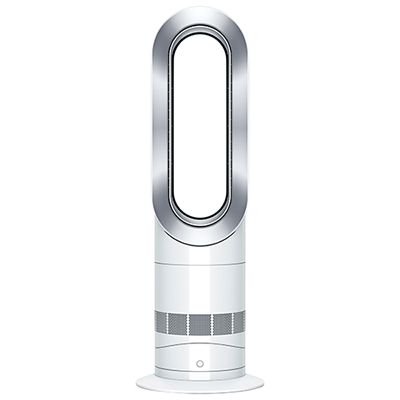 Your price for this item is $549.99
 -
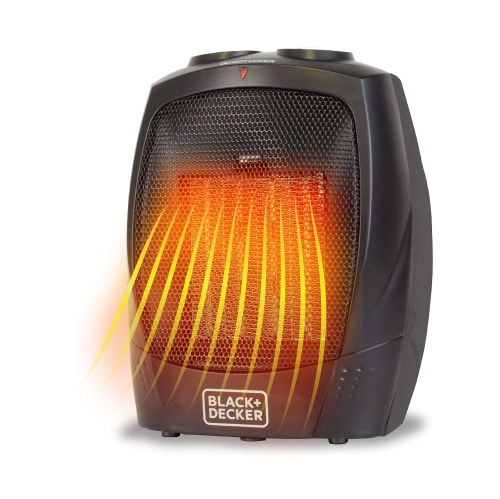 Your price for this item is $41.99
 -
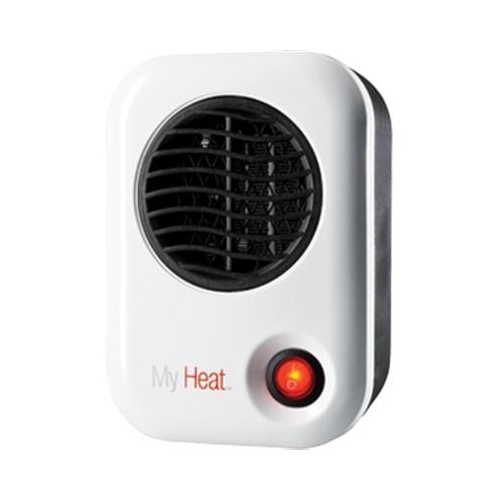 Your price for this item is $100.99
 -
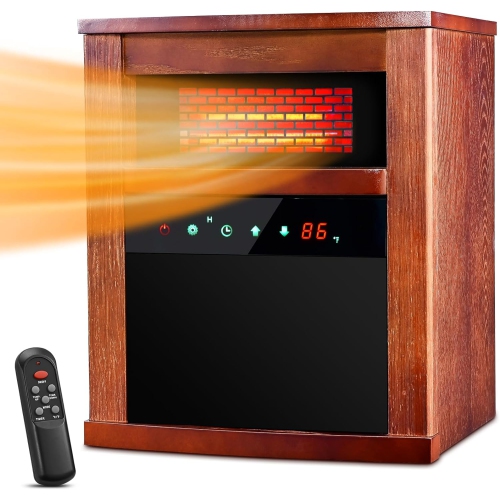 Your price for this item is $219.95
 -
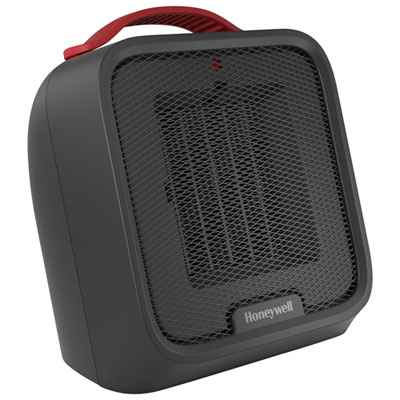 Your price for this item is $64.98
 -
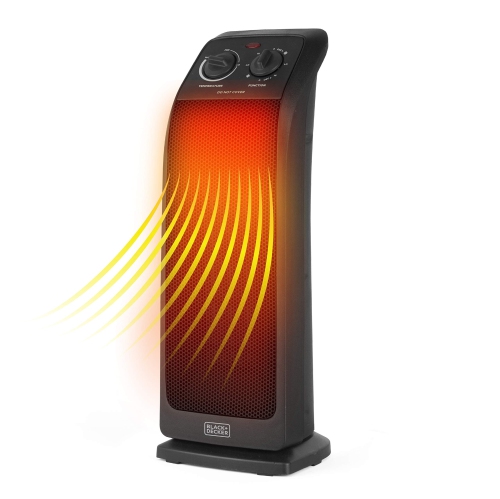 Your price for this item is $68.99
 -
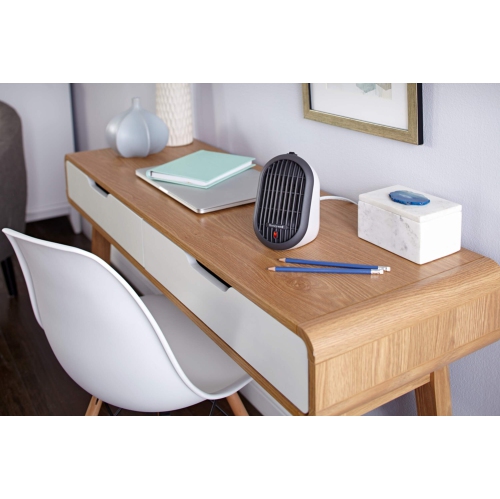 Your price for this item is $50
Discover more categories related to Heaters for Small Spaces
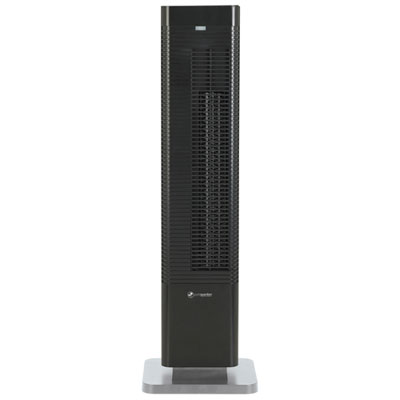
Top Collections:
Pokemon Centers, Kindle Devices, Best Budget Office Chairs, Apple iPhones 16, Best Laptops for Writers, iPhone 15 Apple, Canon G7X Cameras, Refurbished Apple Laptops, Alarm Clock, Motorola Razr Phones
Some products may be subject to Environmental Handling Fees
(EHF) depending on your province.
Learn more about EHFs.