Small Washer Dryer Combos
Discover the convenience and versatility of a Small Washer Dryer Combo, perfect for maximizing laundry efficiency in compact spaces. Whether you're outfitting an apartment, condo, or a smaller home, these all-in-one units are designed to fit seamlessly into your lifestyle. Explore a variety of options that help you save space without compromising on performance, making laundry day easier and more manageable. Find the ideal Small Washer Dryer Combo to suit your needs and enjoy hassle-free washing and drying in one convenient appliance.
Sort

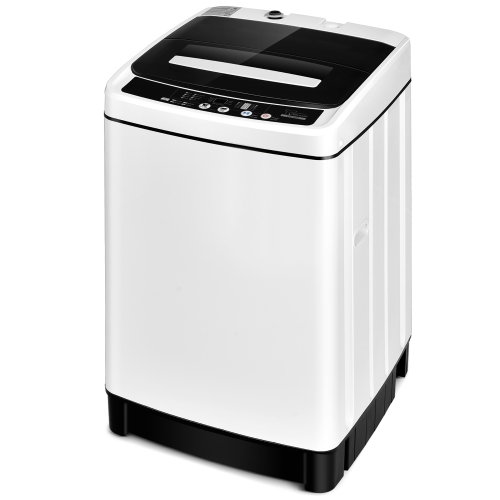
There’s more to compact laundry than floor space
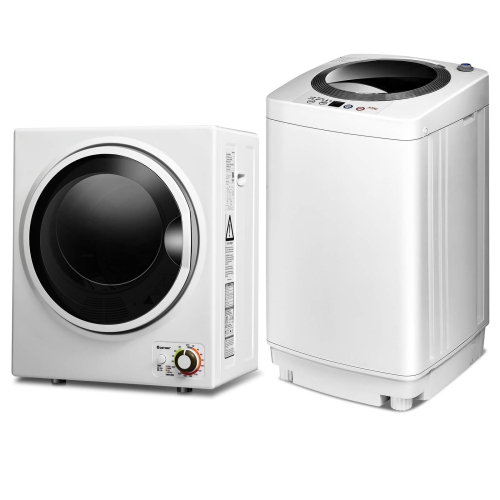
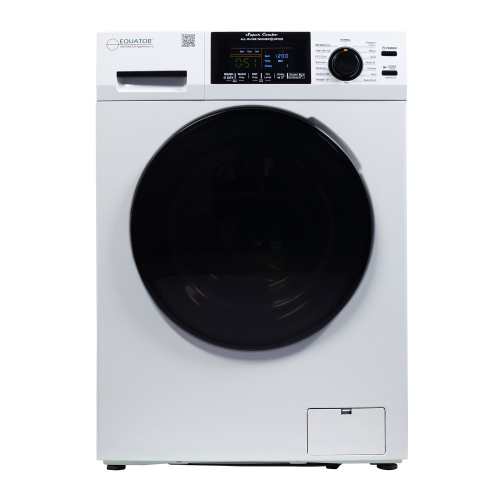
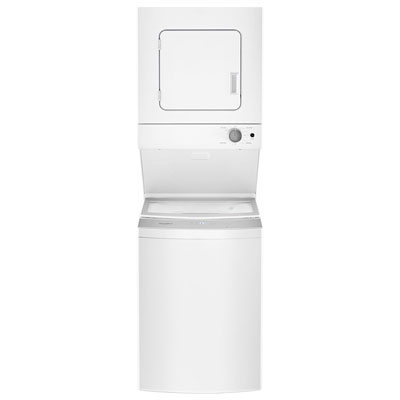
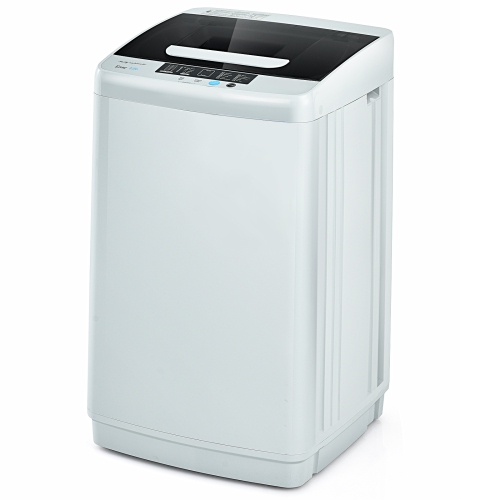
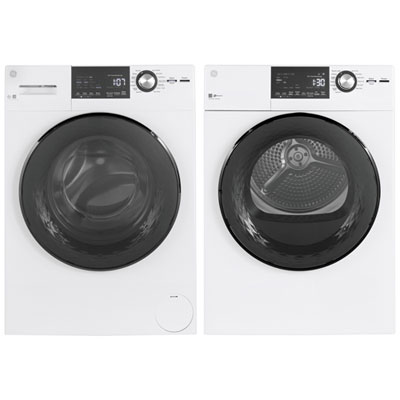
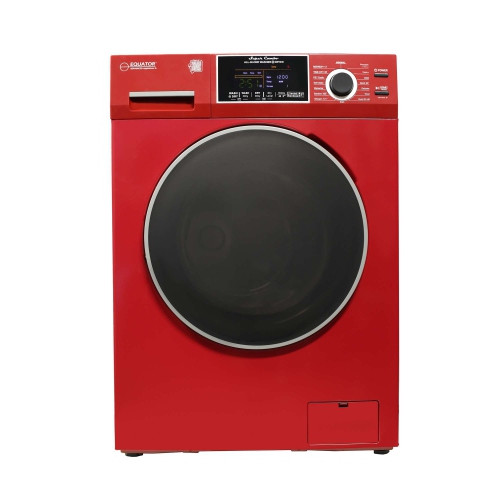
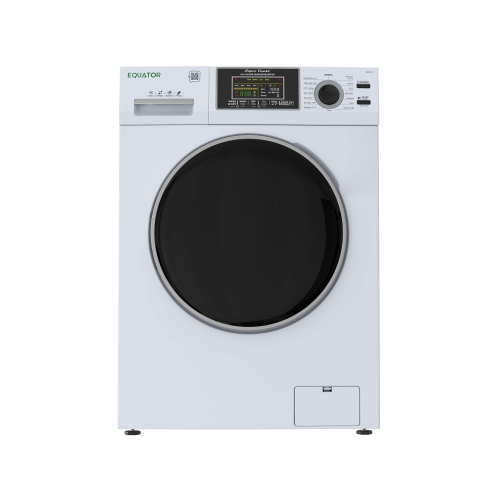
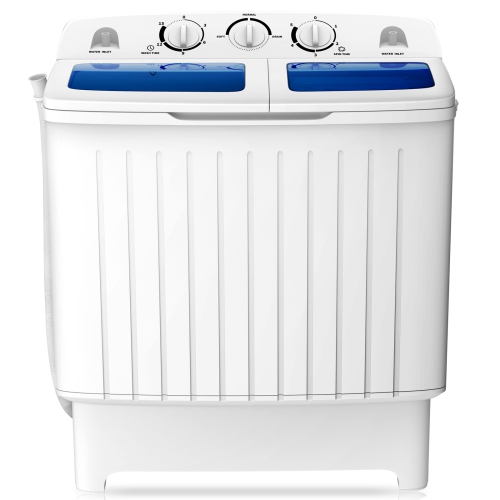
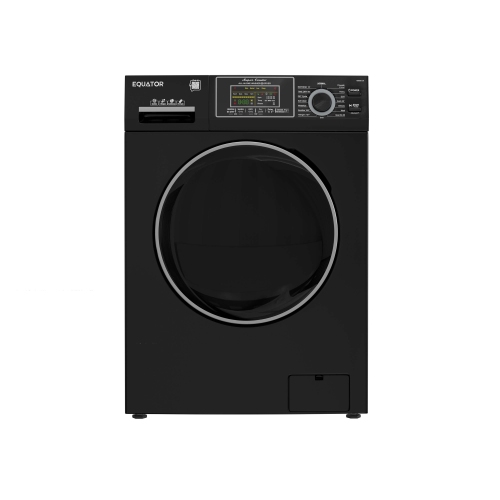
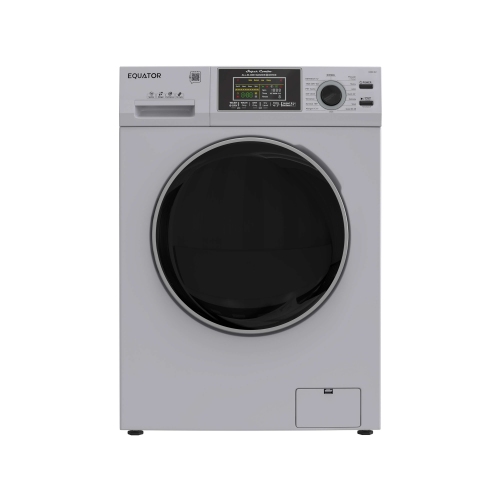
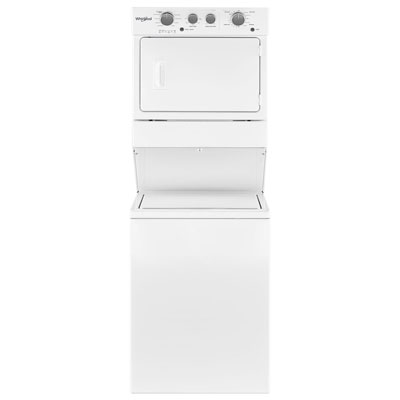
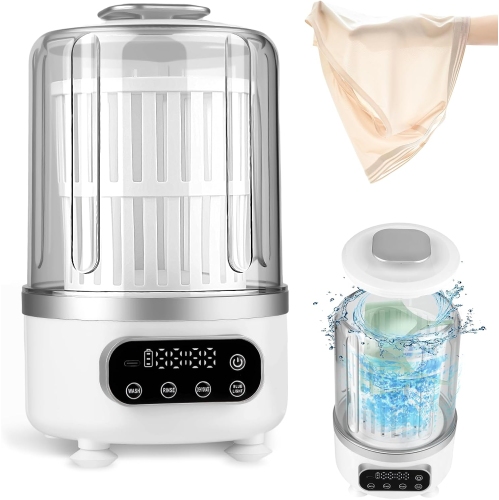
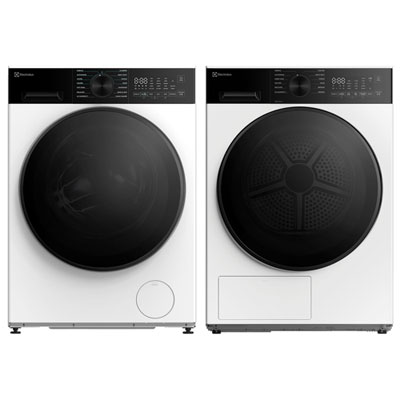
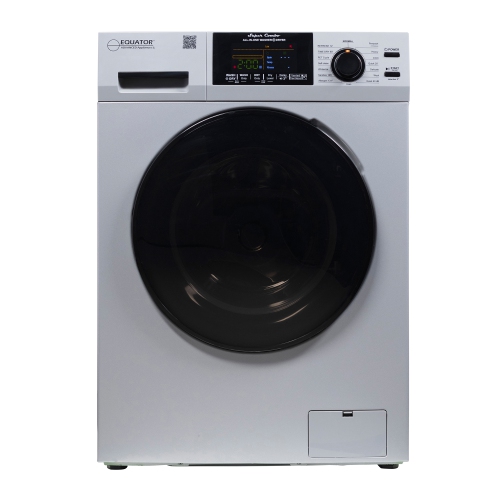
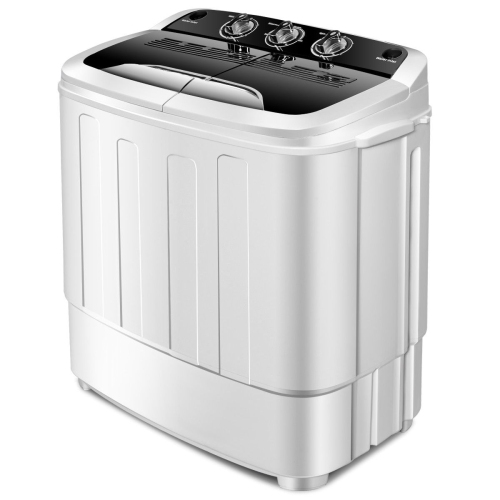
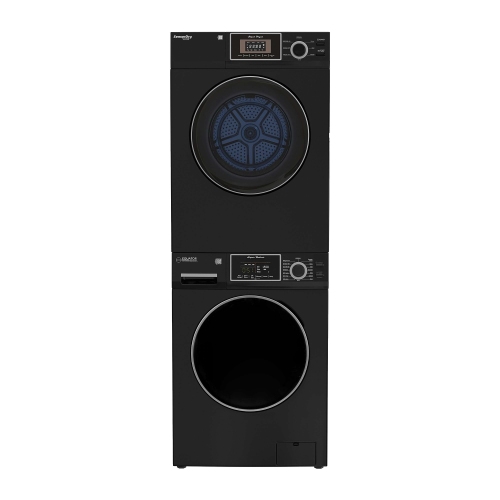
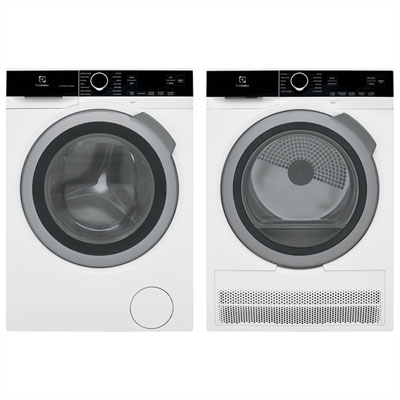
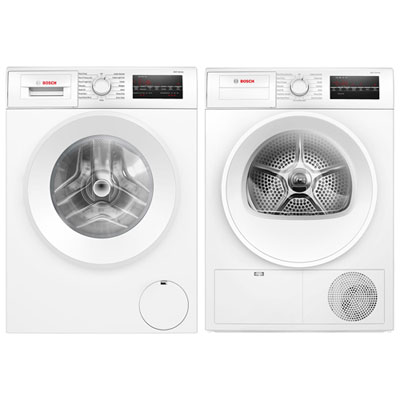
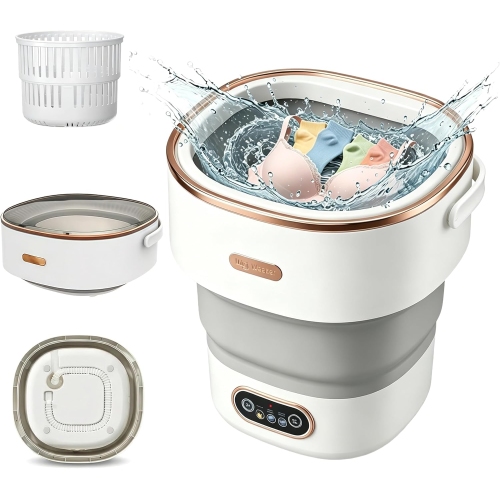
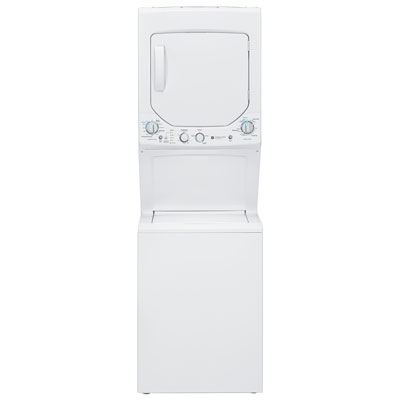
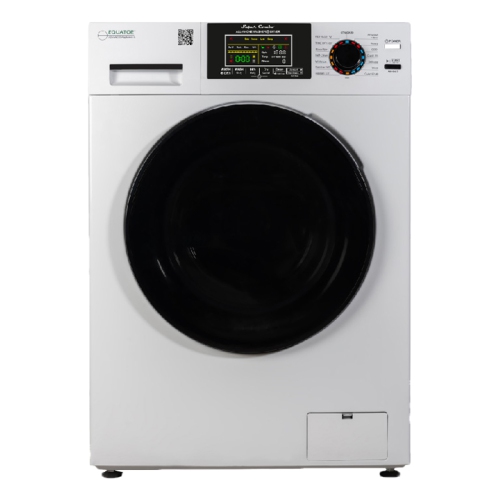
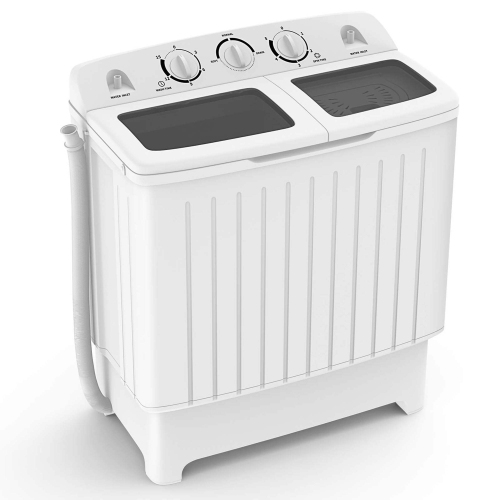
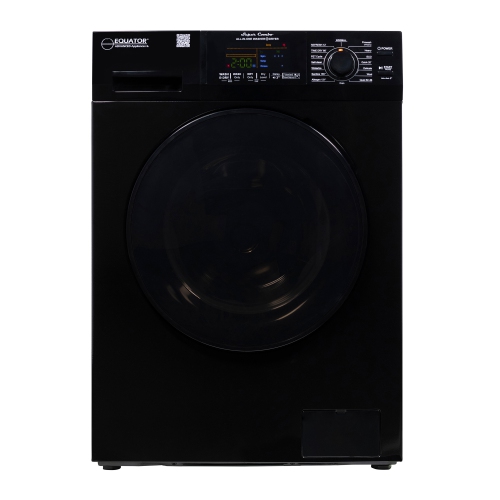
Small washer dryer combos bring washing and drying functions into a smaller footprint, making laundry easier to accommodate in condos, apartments, compact houses, and other homes where a full laundry room is not practical. The term covers a few different configurations, and the distinction matters in everyday use. An all-in-one washer dryer washes and dries clothes in the same drum, so a suitable load can move through both stages without being transferred to another appliance. A compact stacked laundry centre places a washer and dryer vertically, while a stackable pair consists of separate appliances designed to work together with compatible mounting hardware. These arrangements save floor space but are not the same as a single-drum combination machine. Portable twin-tub machines take a different approach, with separate washing and spin compartments that generally require clothes to be moved by hand. Their spin function removes excess water rather than drying fabric with heat, so garments usually need to finish drying on a rack or clothesline. Within the broader category of Compact Washer Dryer Combos, the right configuration depends as much on laundry habits as it does on room size. A person washing work clothes and a few towels may find a smaller drum practical, while a household regularly washing bedding needs to pay closer attention to usable capacity. Washing capacity and drying capacity are not always equal; a machine may wash a larger load than it can dry effectively in one cycle. Leaving room for clothing to tumble helps reduce tangling and supports more even drying. Smaller combinations are especially useful for people who prefer frequent, manageable loads instead of saving everything for one large laundry day. The convenience is most noticeable with everyday essentials such as shirts, socks, sleepwear, and lightweight linens. Bulky duvets, thick blankets, and oversized bedding may still need a larger machine, even when their dry weight appears to fall within the stated capacity.
Fit involves more than matching an appliance’s width to an empty corner. Small washer dryer combos need sufficient depth for water connections, drain hoses, power cords, and any required ventilation, along with clearance for opening the door and reaching controls. A shallow closet can look suitable until the door swing or hose connections are taken into account. In a narrow hallway, the delivery route also matters: doorways, tight turns, stairs, and elevator dimensions can affect whether an appliance reaches its intended location. Front-loading designs may fit beneath a suitable work surface, provided the installation requirements allow it, while top-loading portable machines need clear space above the lid. The floor should be firm and level enough to support the appliance and its movement during a spin cycle. Levelling feet and proper installation help limit vibration, but they do not compensate for an unstable floor or an overloaded drum. Plumbing and electrical requirements vary across compact laundry formats. Some machines connect permanently to household water supplies and a drain, while certain portable designs use a compatible tap connection or allow manual filling. A portable label does not necessarily mean a machine can operate anywhere without a suitable drainage arrangement. Electrical compatibility is equally important, since different designs may require different outlets and circuits. Manufacturer requirements determine the appropriate connection; an extension cord is not a substitute for a properly located outlet. Ventless all-in-one machines do not need an exterior dryer exhaust duct, which can make them suitable for spaces without an existing vent. They still require the specified clearances, drainage, and installation conditions. Some use conventional condensation drying, while others use a heat-pump system, and maintenance needs differ between designs. Vented arrangements require an appropriate exhaust route rather than releasing moist air into a closet or living area. In rental homes and condominium buildings, permission for plumbing changes, appliance installation, and laundry connections may also be necessary. These practical details help determine whether a compact combination belongs in a dedicated laundry cupboard, a utility area, or another approved location.
Daily performance depends on how well the machine’s controls, drum, and care requirements suit the household. Stainless steel drums are common in automatic laundry appliances and offer a smooth, corrosion-resistant surface, while some portable designs use plastic wash tubs that are lighter to move. Overall durability also depends on sound construction, correct installation, balanced loads, and regular upkeep rather than the drum material alone. Accessible filters, clearly marked controls, and a door opening that is comfortable to reach can make a meaningful difference over years of use. Cycle options may include settings for cottons, synthetics, delicates, or heavily soiled laundry, but garment care labels remain important, particularly when washing and drying happen in one continuous program. Clothing that can be machine washed is not necessarily suitable for tumble drying. A wash-only setting is useful for pieces that need to be reshaped and laid flat, while a separate drying option can be helpful when a washed load needs additional time. Automatic moisture sensing, where included, adjusts drying according to the load rather than relying only on a fixed timer. Results still depend on fabric thickness, load size, and the mix of garments in the drum. Lightweight shirts and thick towels often dry more evenly when handled separately. An all-in-one cycle can take longer than expected, especially with dense fabrics, and the same drum cannot wash a second load while the first is drying. Separate stacked appliances allow those tasks to overlap, which can matter in a busy household. For portable twin-tub designs, hands-on filling, draining, and transferring may be part of the routine. Regular care includes cleaning the detergent dispenser, checking door seals for trapped fibres or small objects, and maintaining filters according to the appliance’s instructions. Using the recommended detergent type and amount helps limit residue and excess suds. Leaving the drum and dispenser able to dry between uses, when safe to do so, can help prevent stale odours. With a suitable capacity and installation, a small washer dryer combo can make routine laundry a practical part of a compact home without requiring a full-sized laundry setup.
Top selling and popular products
-
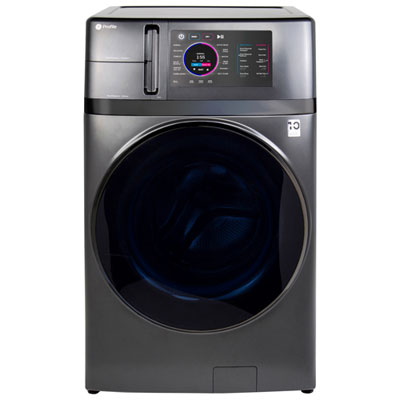 Your price for this item is $2599.99
-
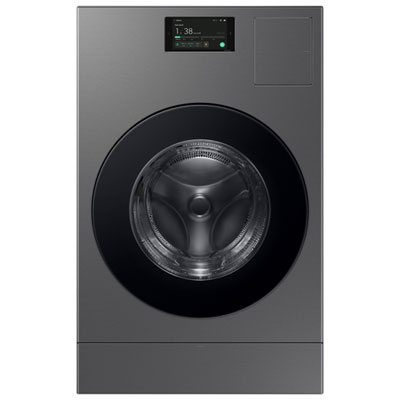 Your price for this item is $2695.99
-
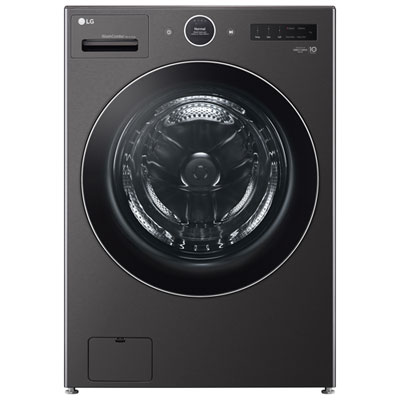 Your price for this item is $2499.99
-
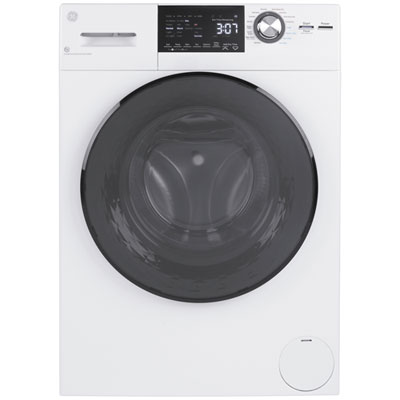 Your price for this item is $999.99
-
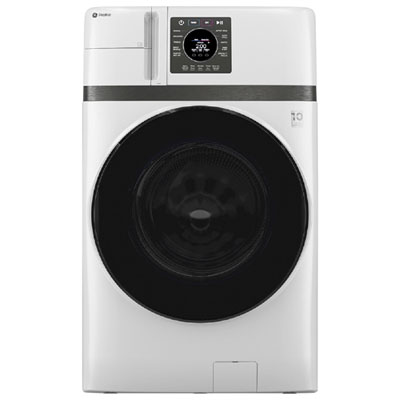 Your price for this item is $2249.99
-
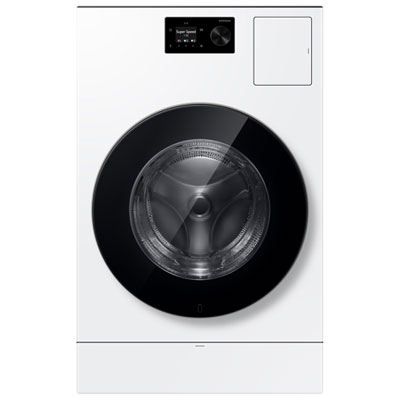 Your price for this item is $2999.99
-
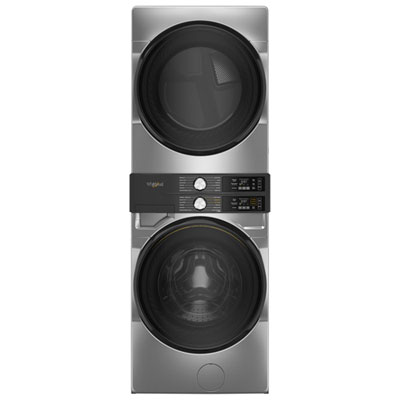 Your price for this item is $2399.99
-
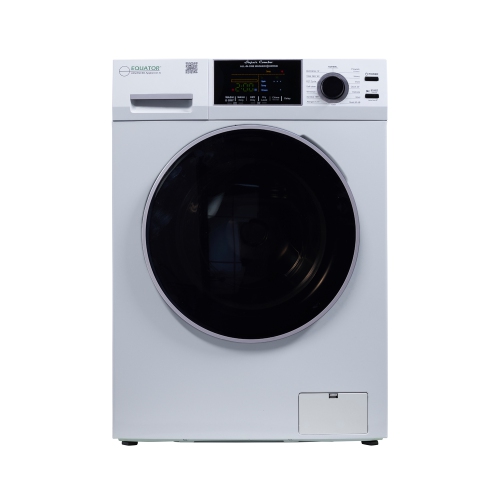 Your price for this item is $1459
Discover more categories related to Small Washer Dryer Combos
Top Collections:
Best Black Friday Deals This Year, Best Black Friday Deals On Electronics, Kindle Devices, Pokemon Centers, Best Black Friday Deals On Apple Products, Best Cameras for Sports Photography, Dyson Airwrap, Pokémon 30th Celebration Cards, Apple iPhone 17 Pro, Canon G7X Cameras
Some products may be subject to Environmental Handling Fees
(EHF) depending on your province.
Learn more about EHFs.