Activated Carbon Air Filters
Looking to improve the air quality in your home or office? Look no further than activated carbon air filters. These highly effective filters are designed to remove harmful pollutants, odors, and allergens from the air, creating a healthier and more comfortable environment for you and your loved ones. Whether you're dealing with pet dander, cooking smells, or even chemical fumes, activated carbon air filters are an excellent choice for purifying the air and enhancing your overall well-being. With their advanced technology and impressive filtration capabilities, these filters are a must-have for anyone looking to breathe easier and enjoy cleaner air. Explore our wide selection of activated carbon air filters today and experience the difference they can make in your indoor air quality.
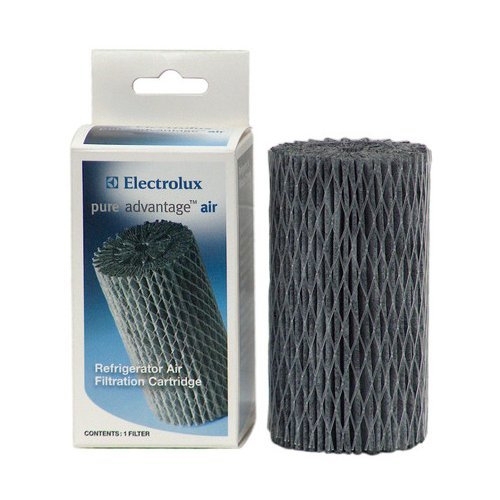
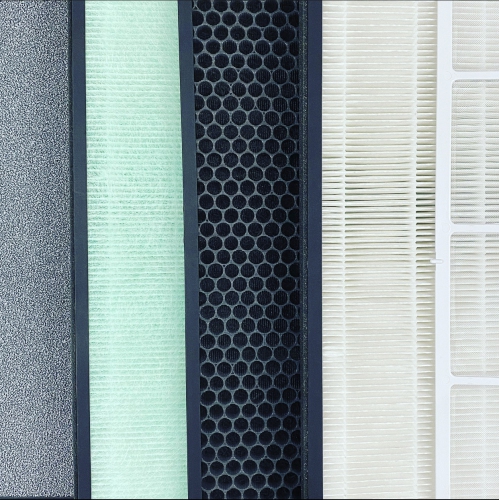
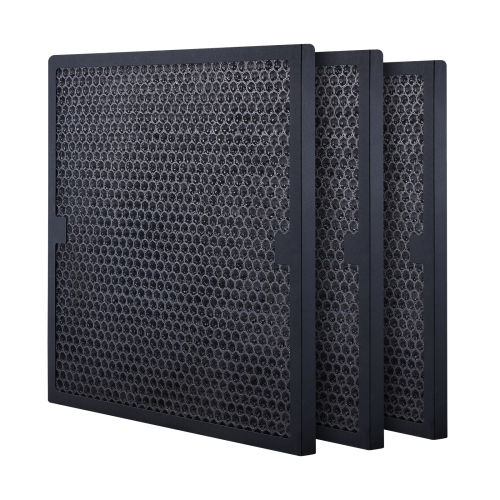
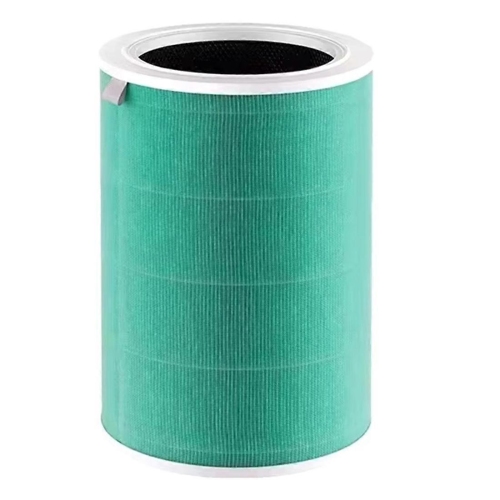
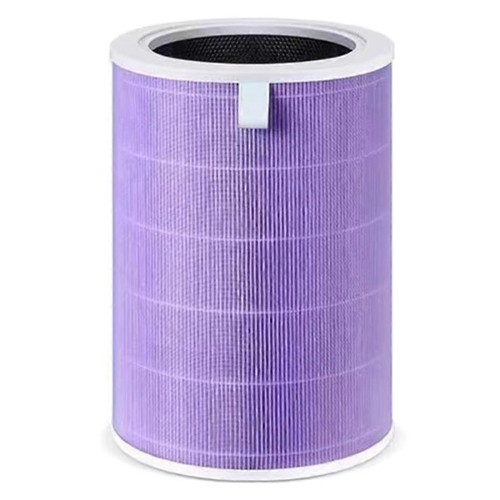
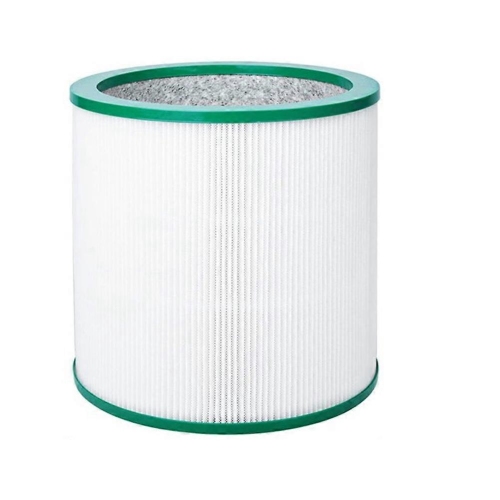
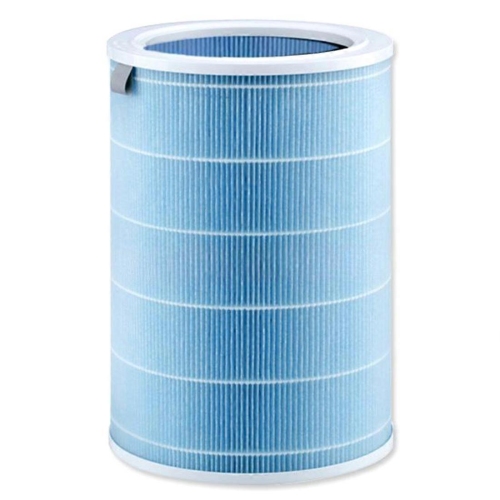
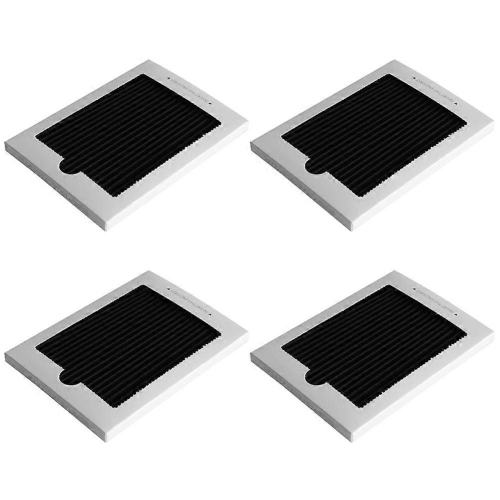
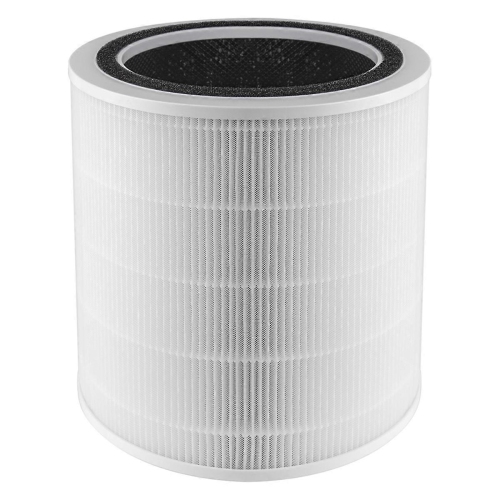
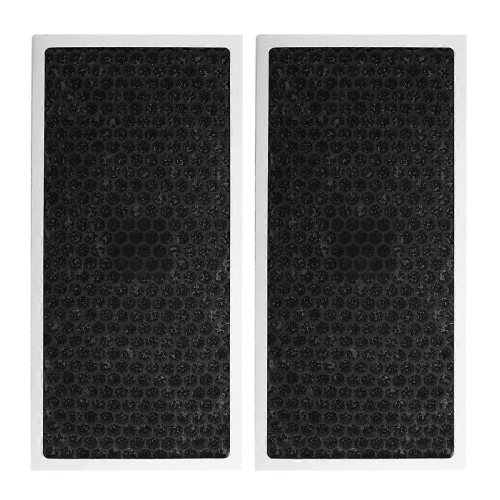
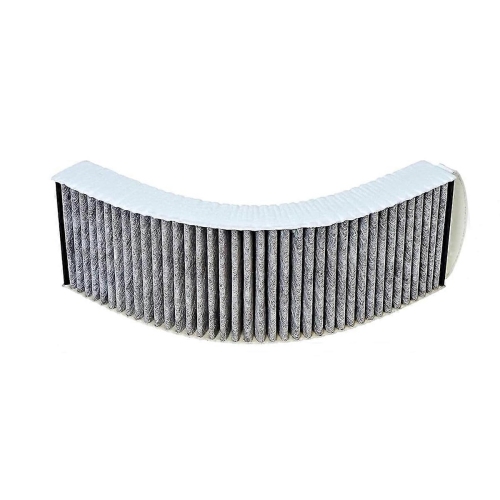
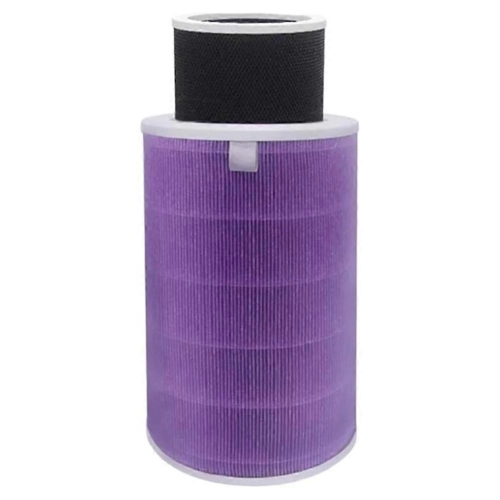
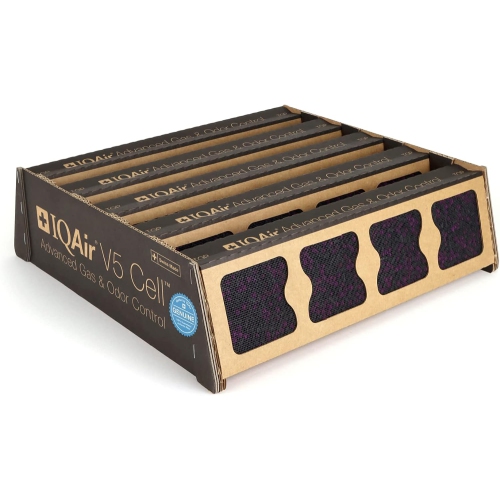
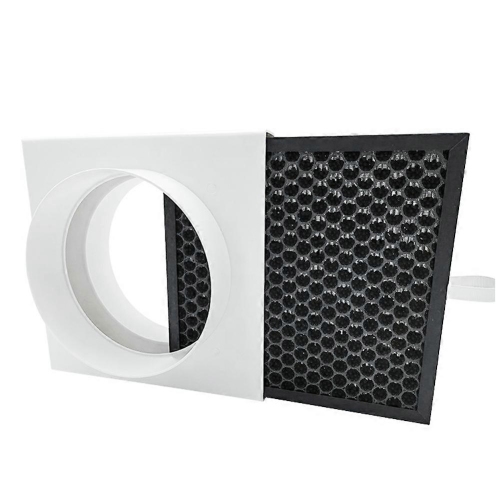
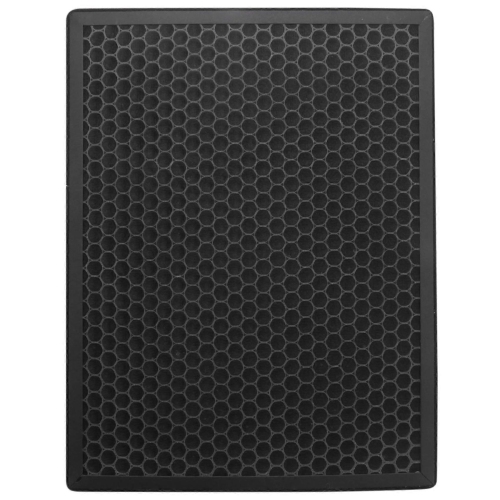
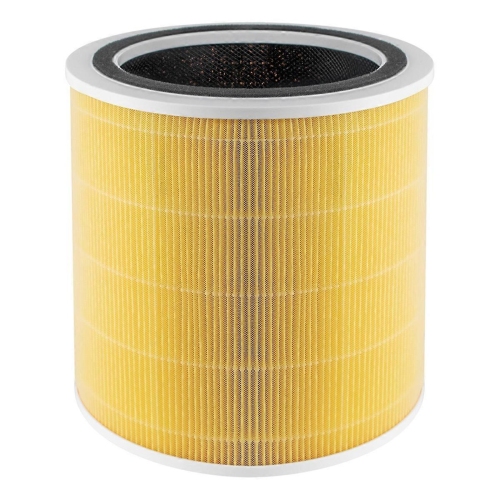
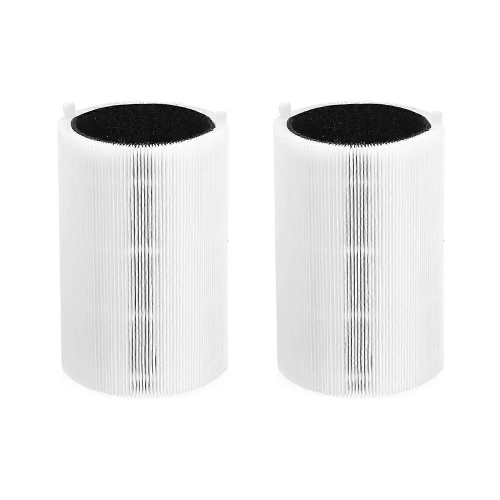
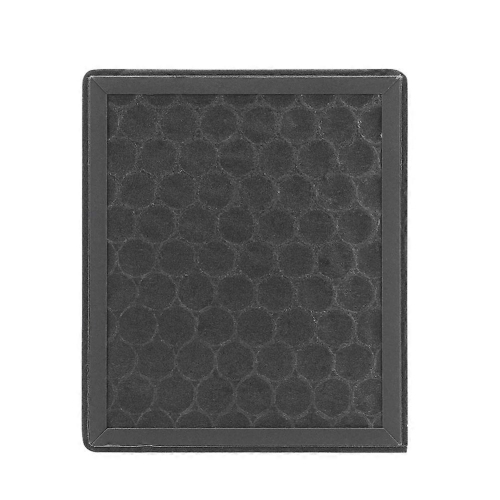
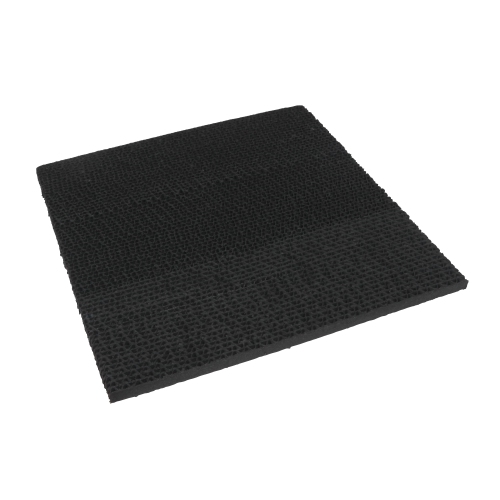
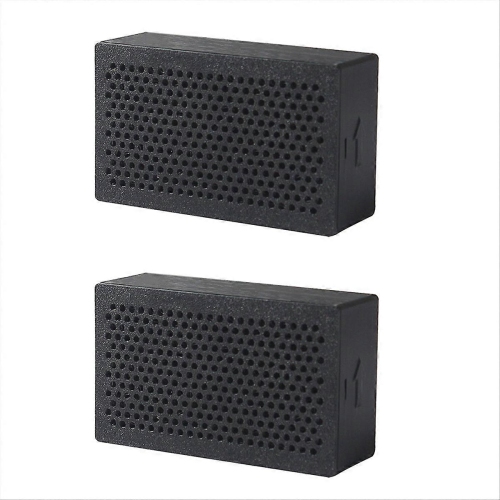
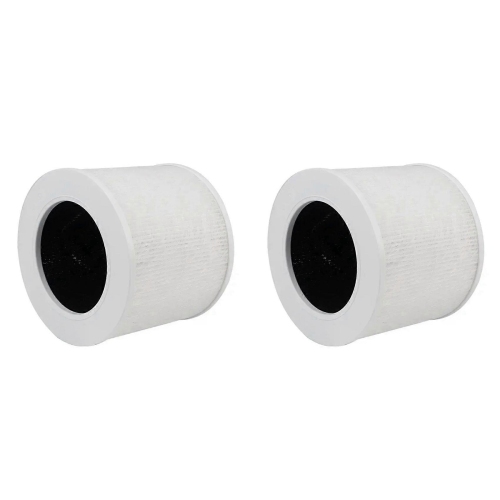
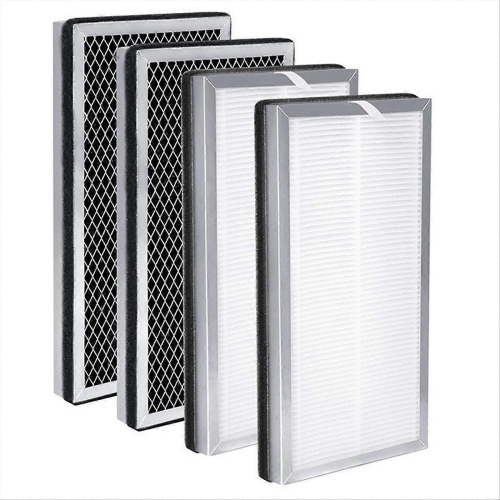
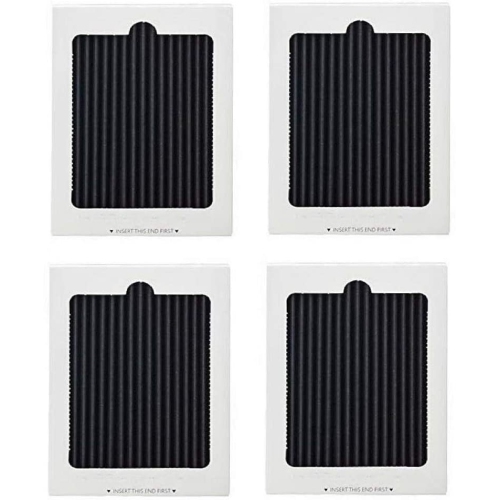
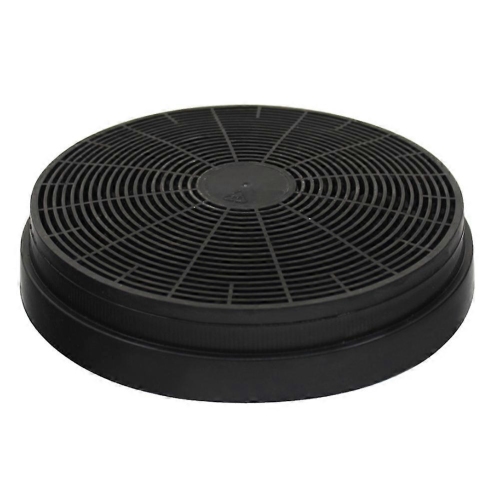
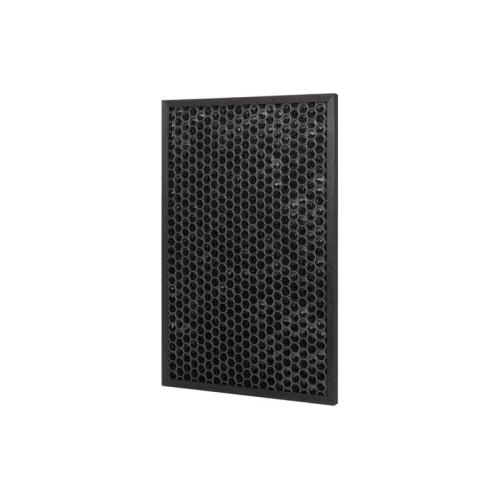
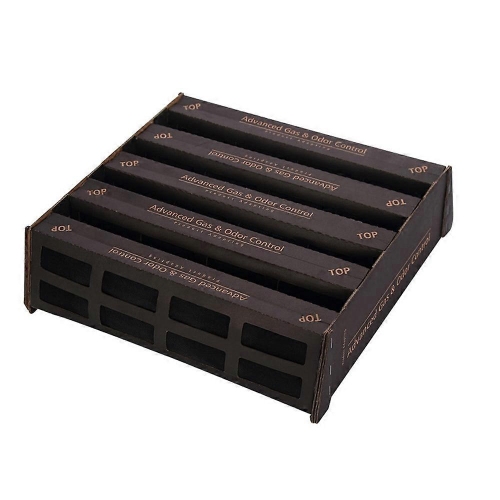
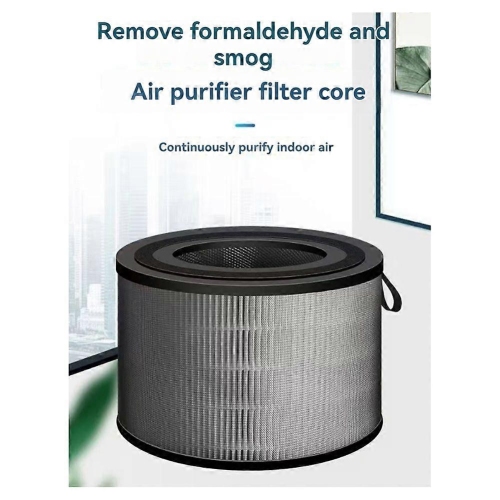
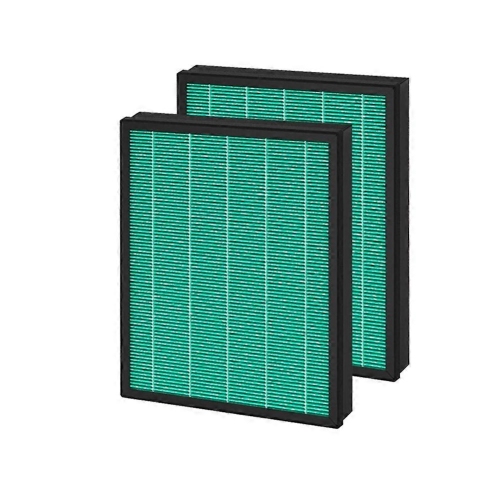
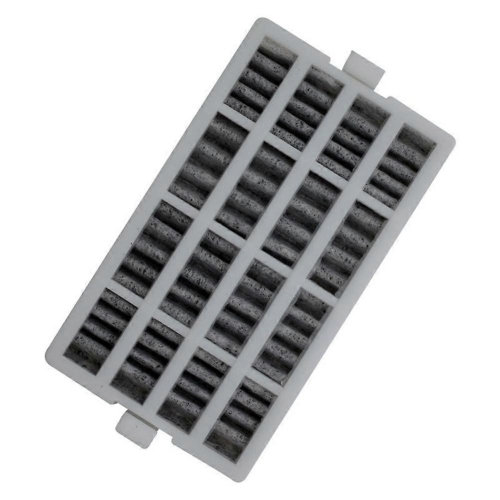
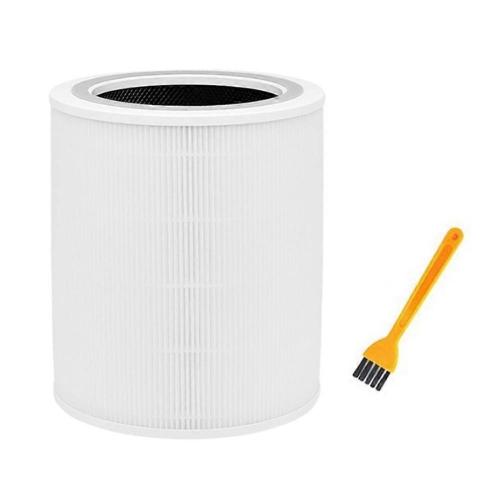
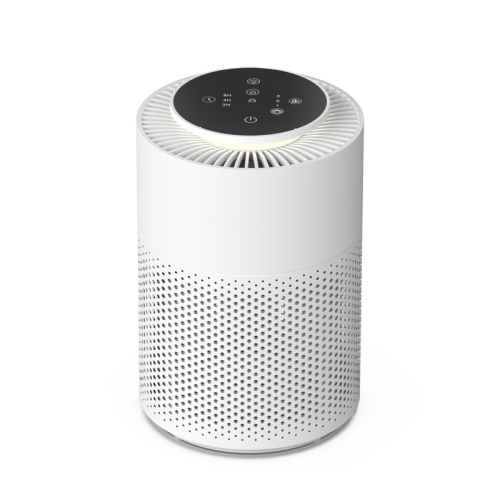
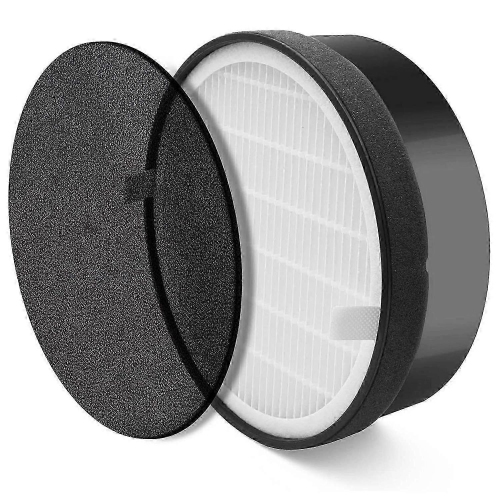
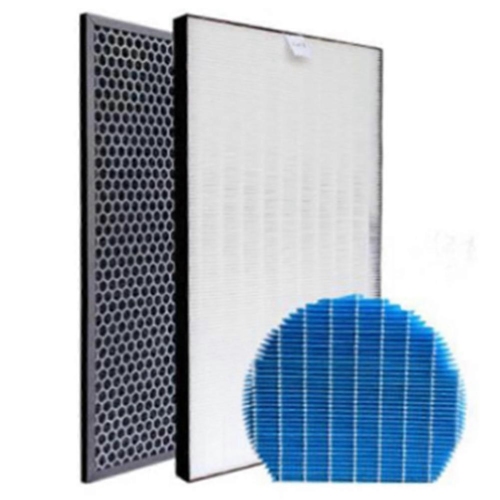
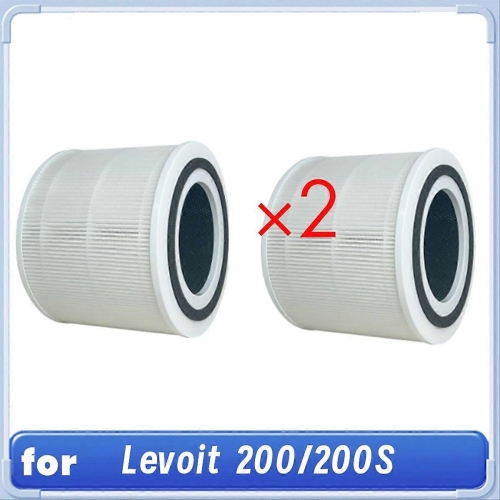
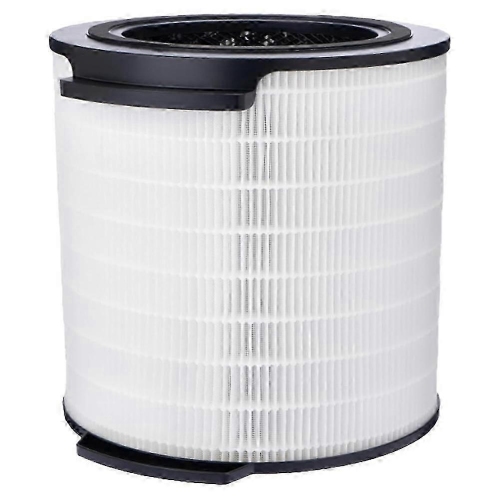
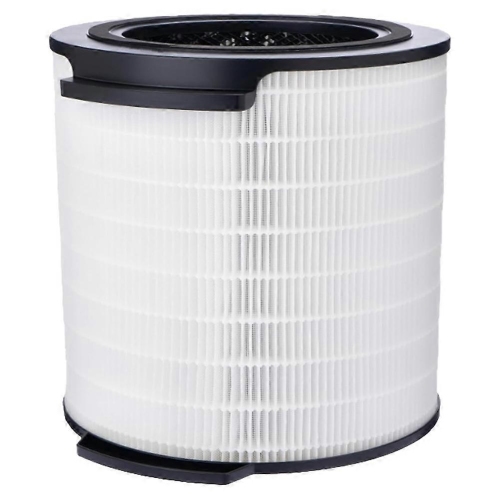
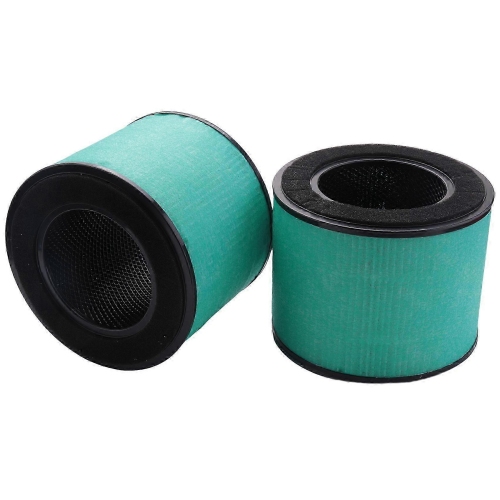
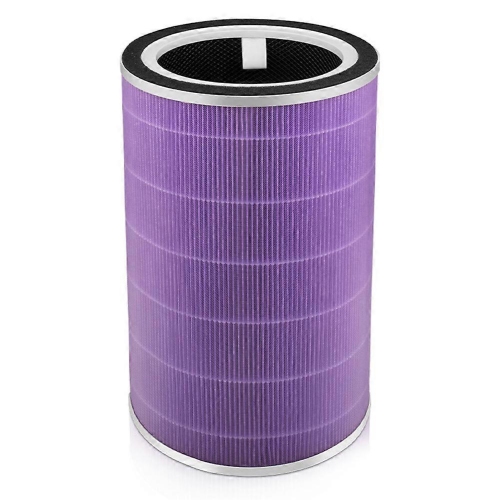
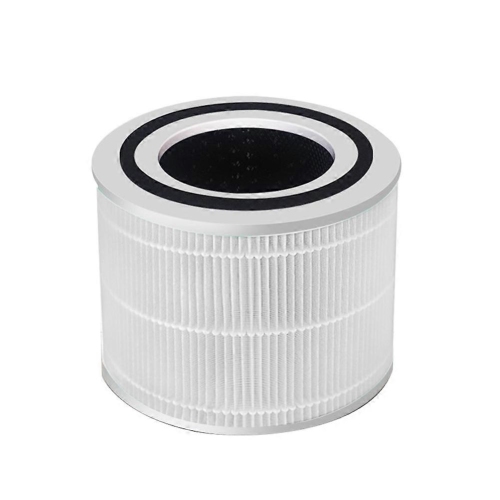
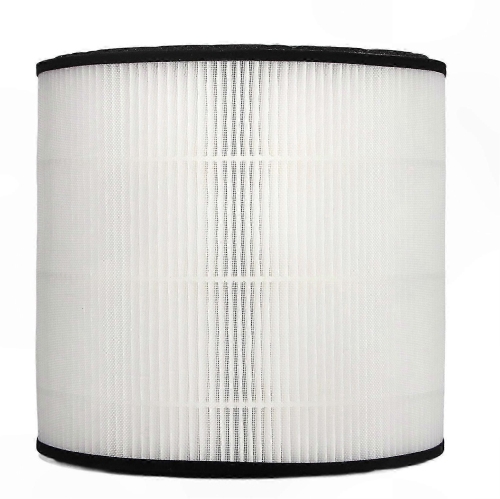
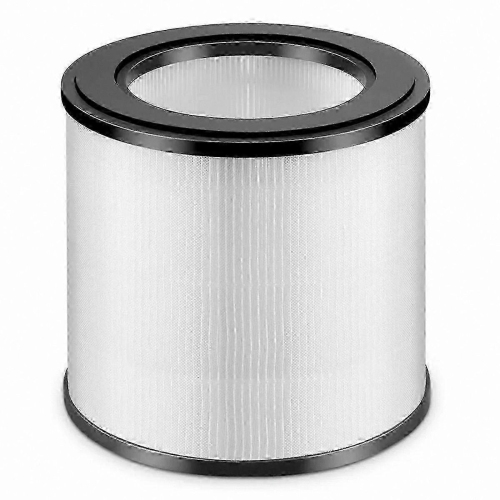
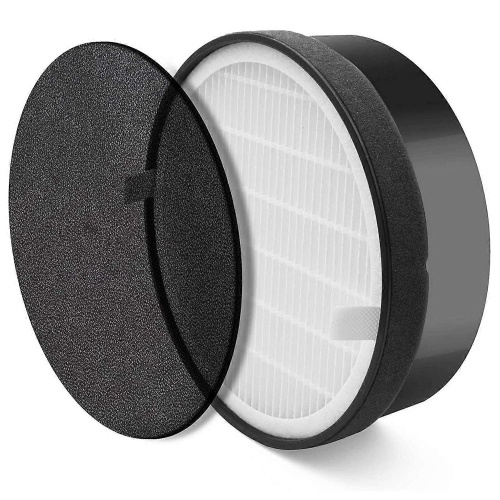
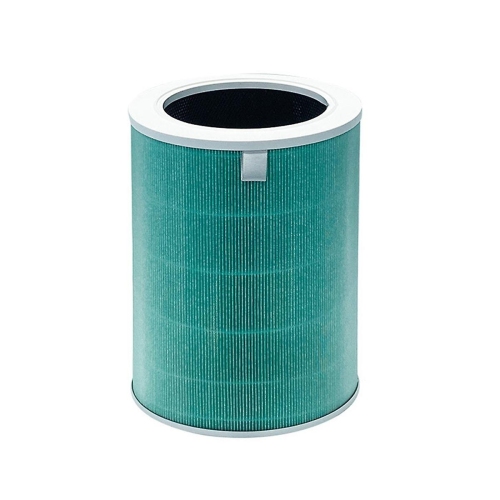
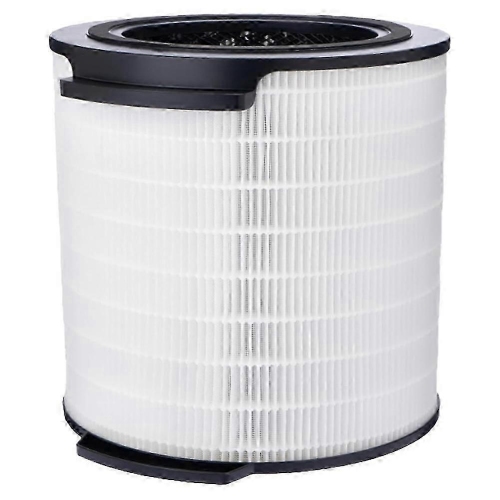
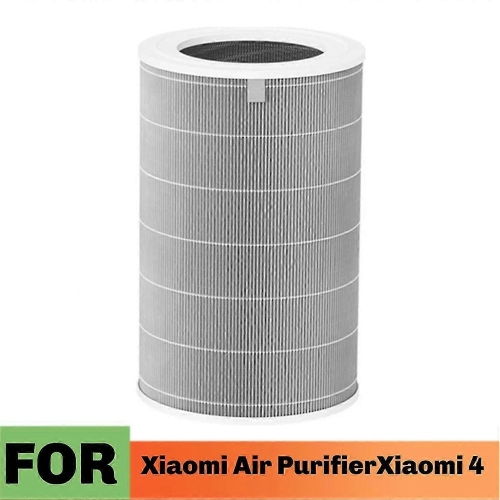
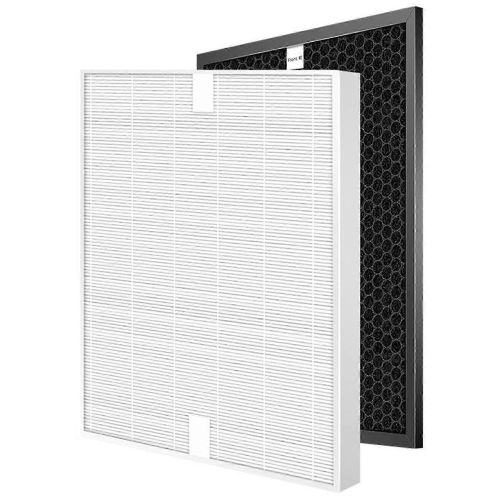
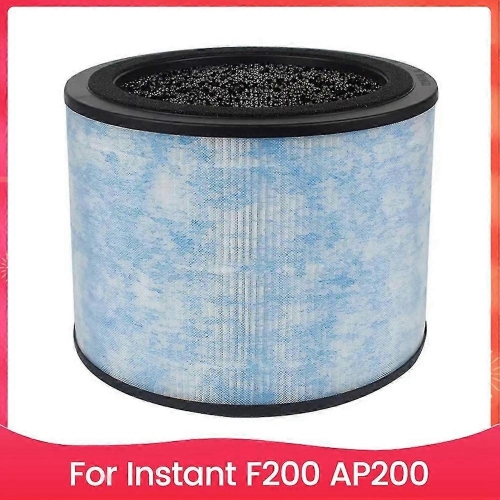
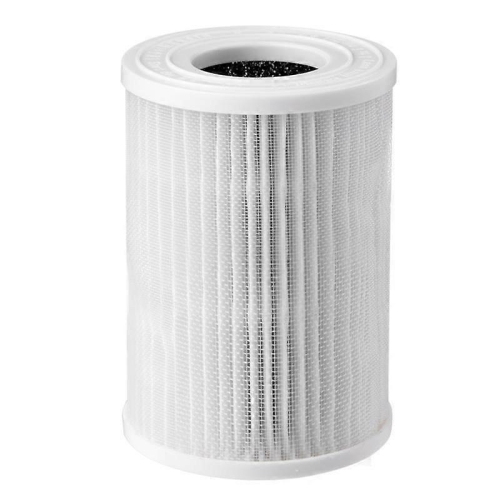
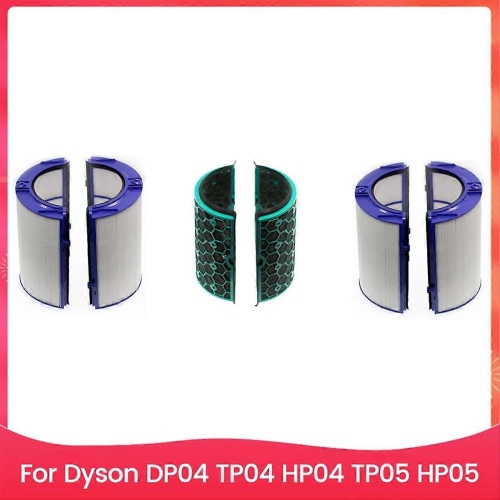
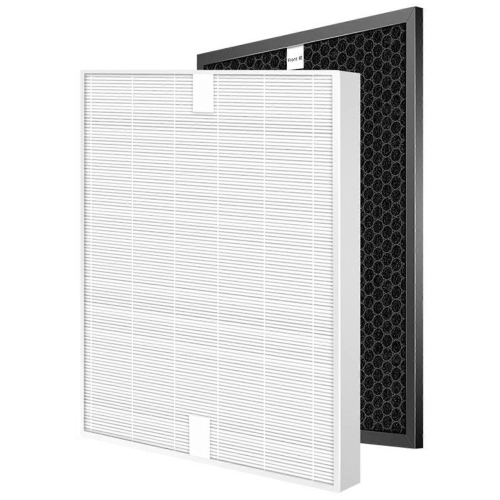
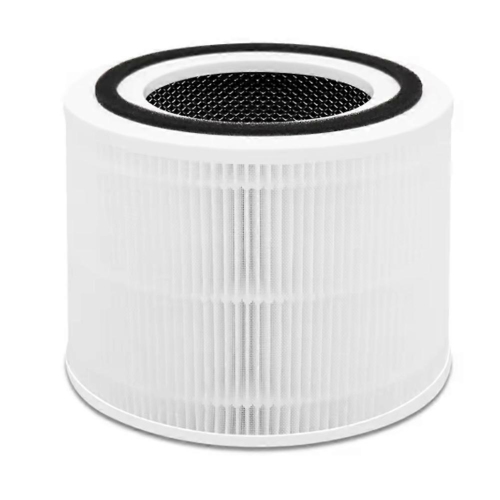
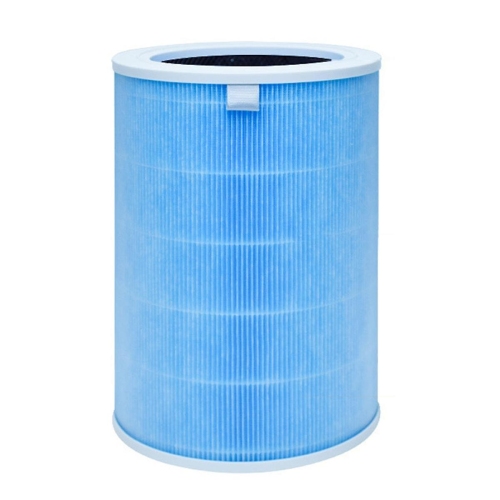
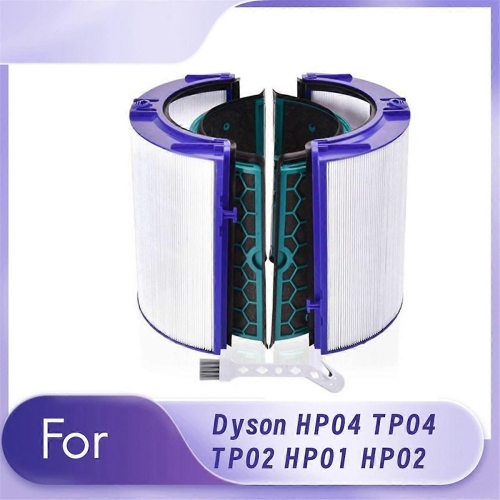
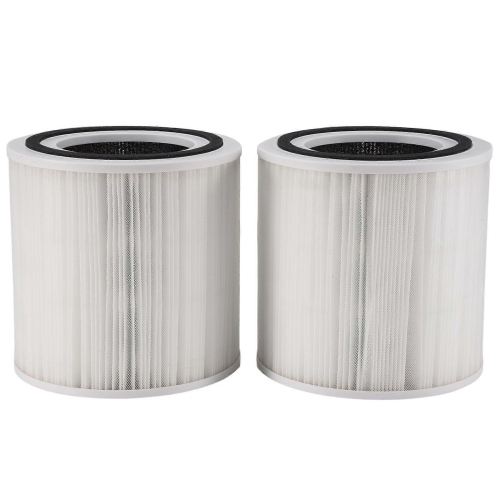
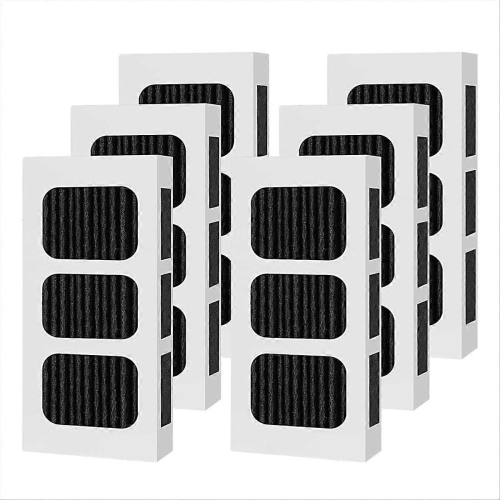
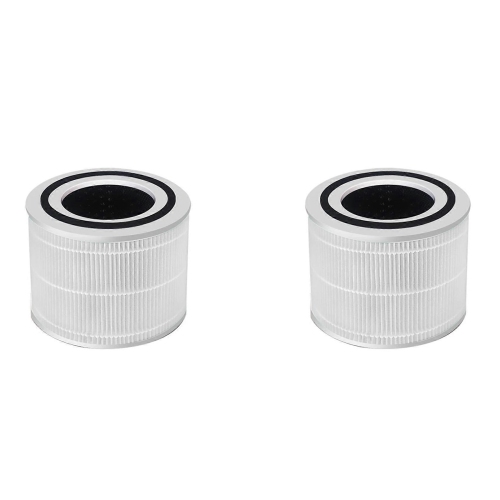
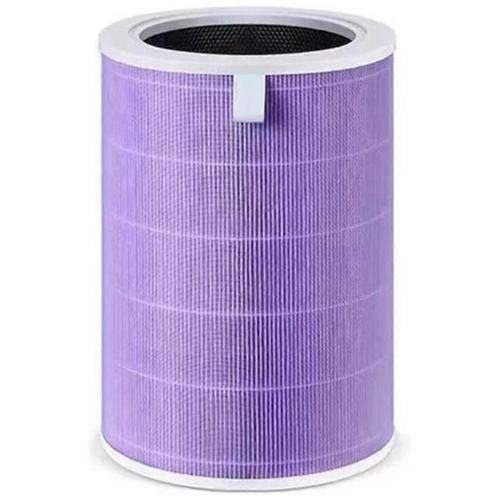
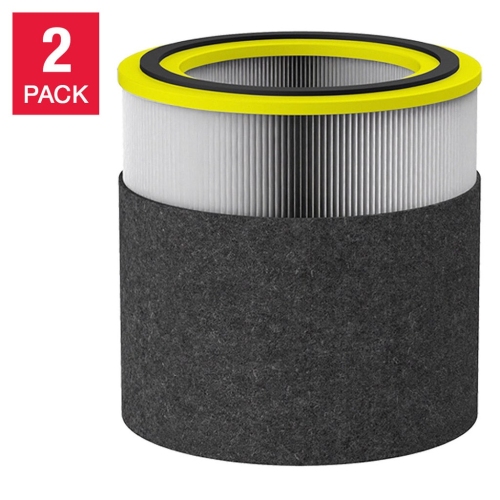
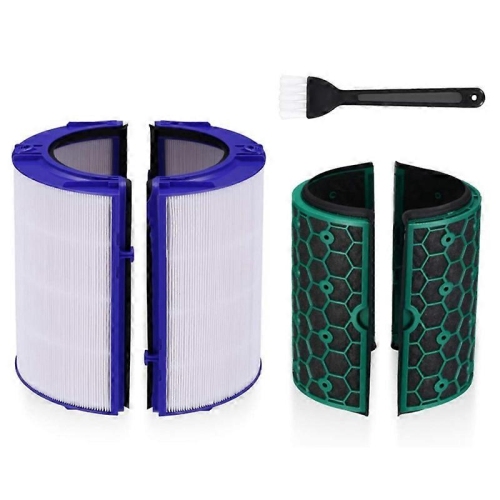
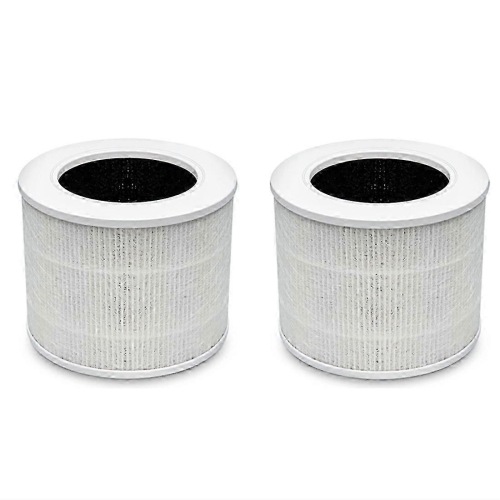
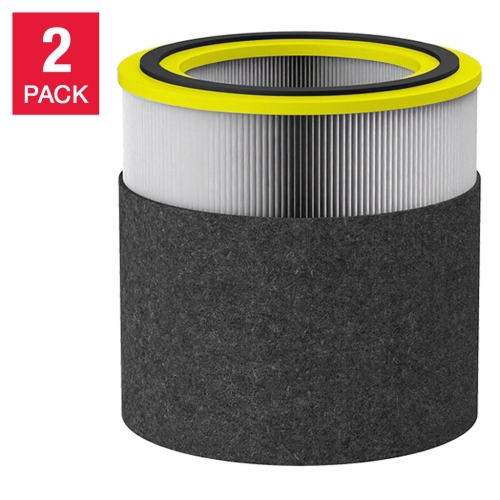
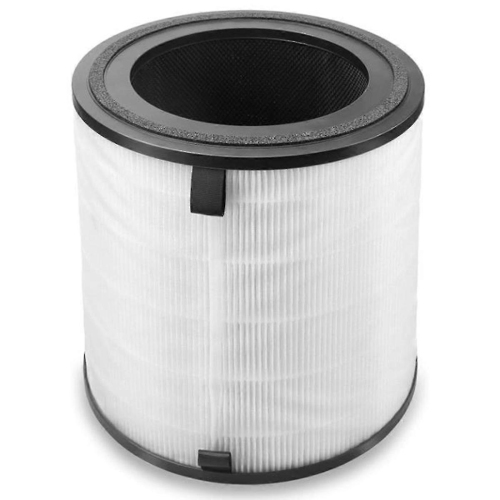
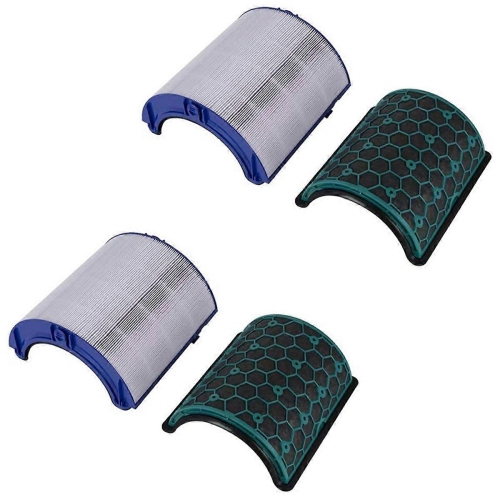
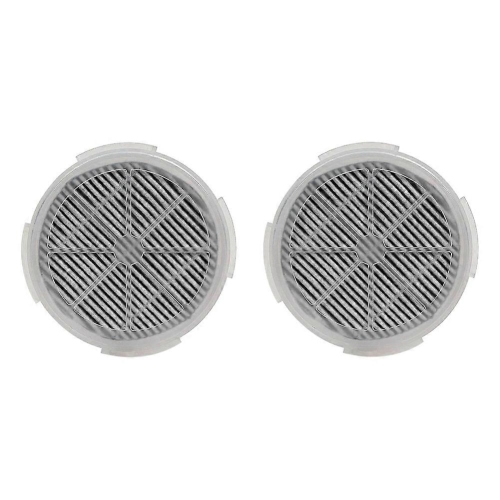
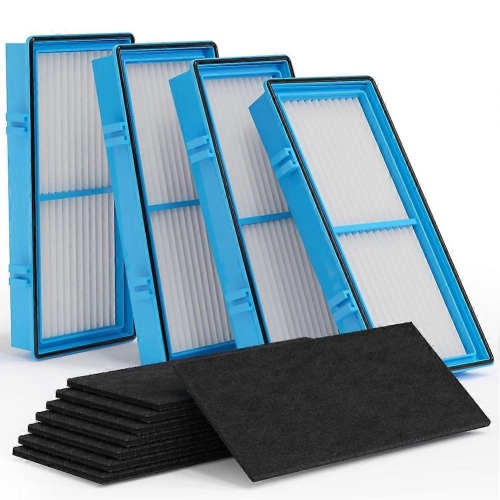
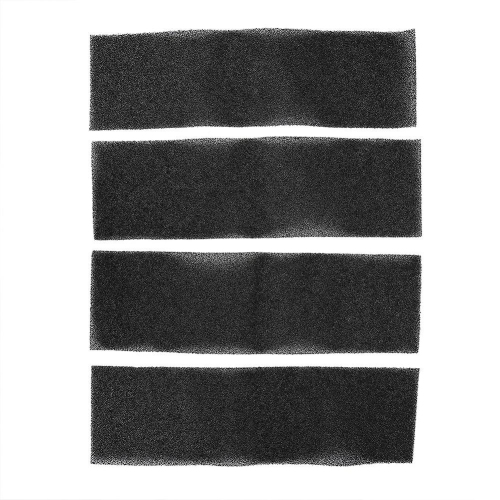
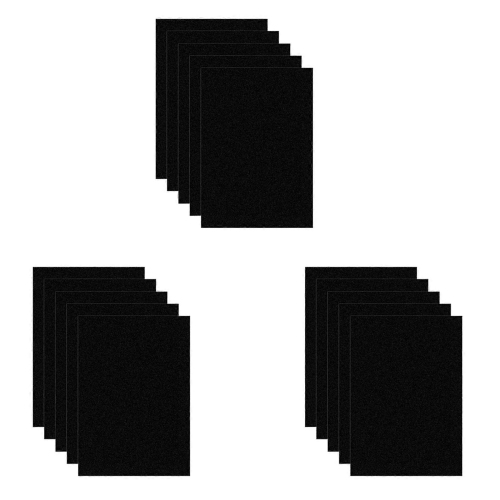
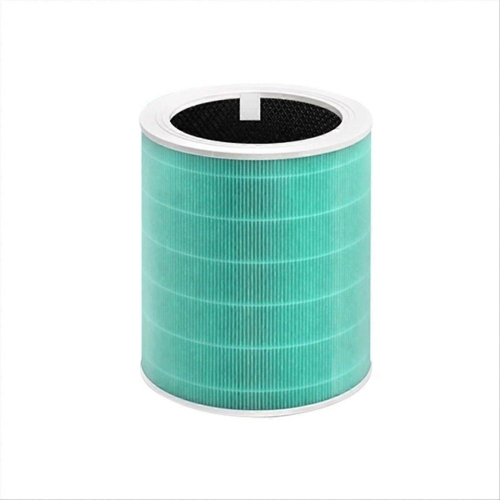
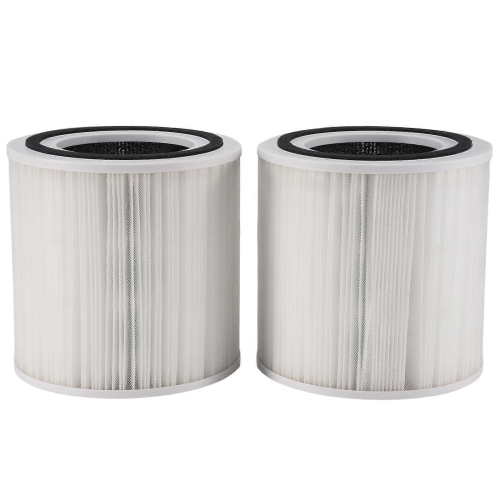
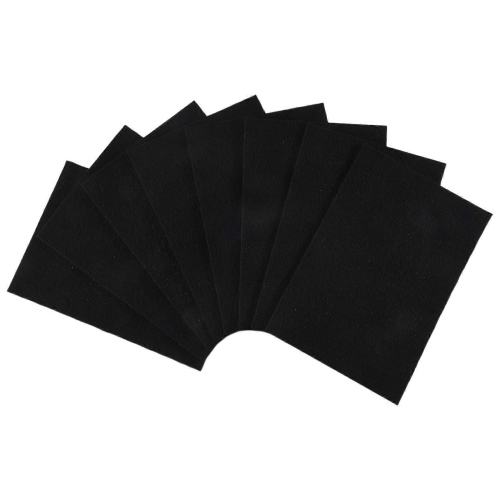
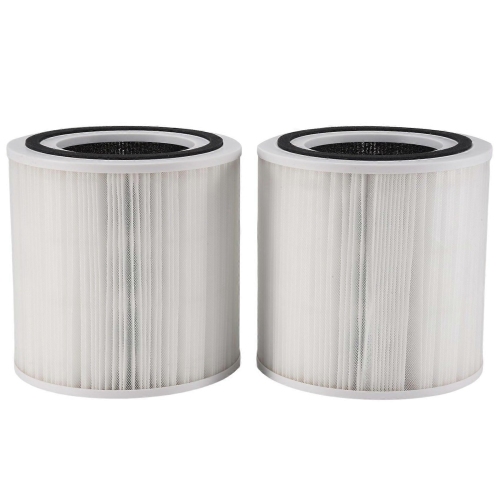
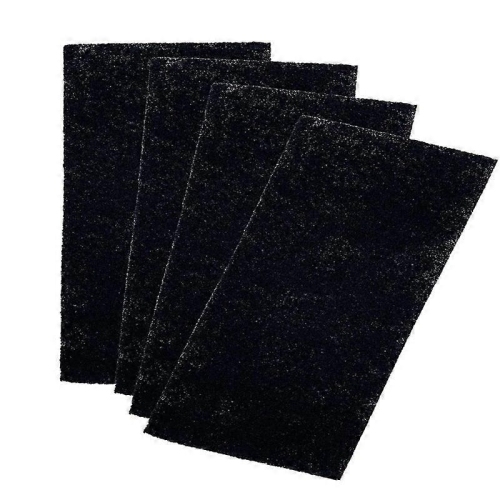
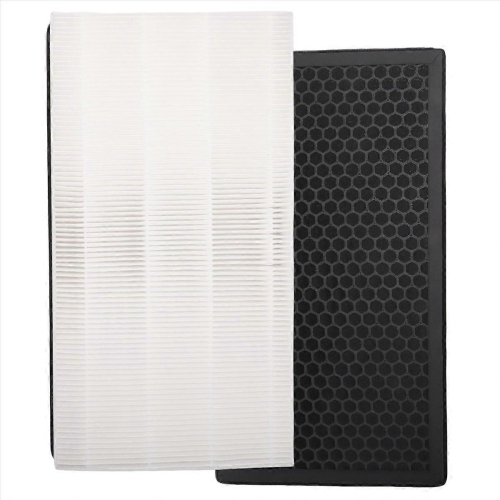
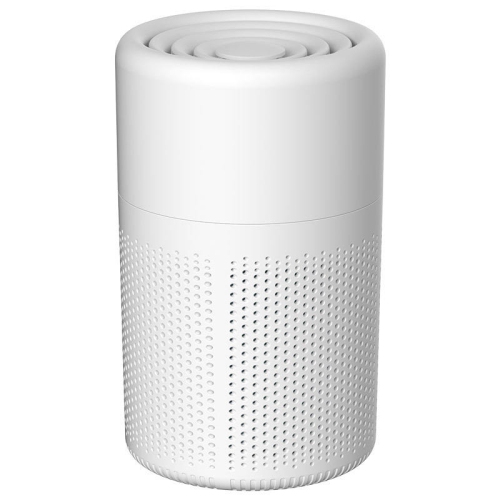
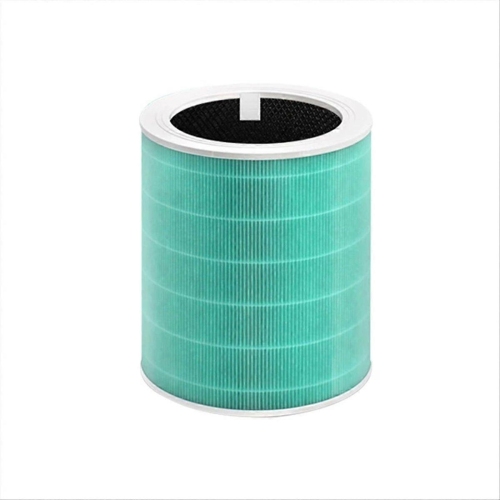

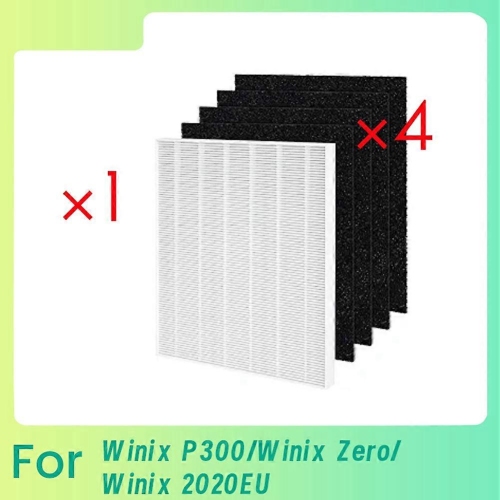
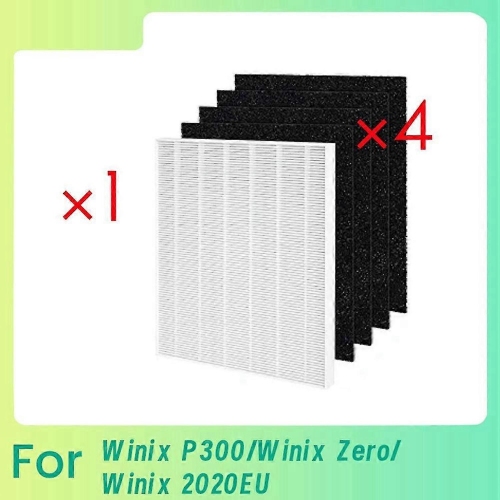
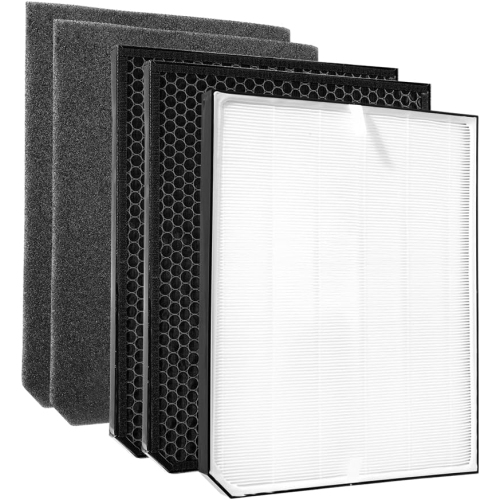
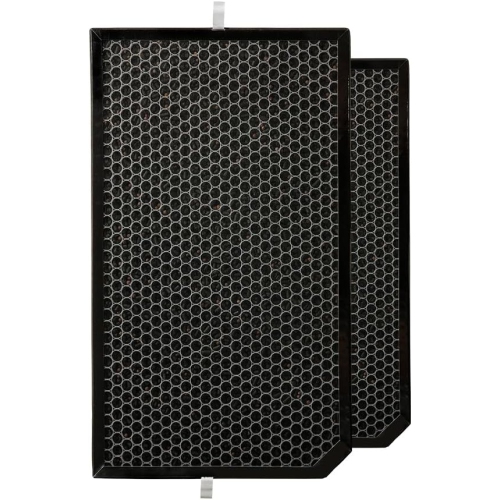
How carbon filtration addresses lingering odours and household gases
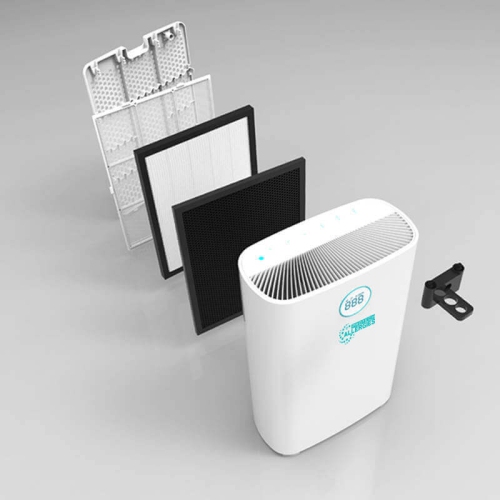
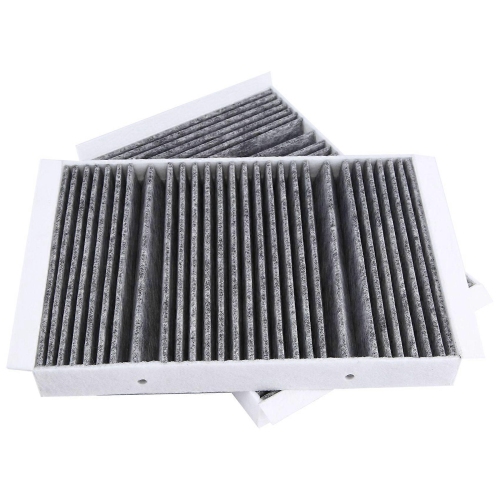
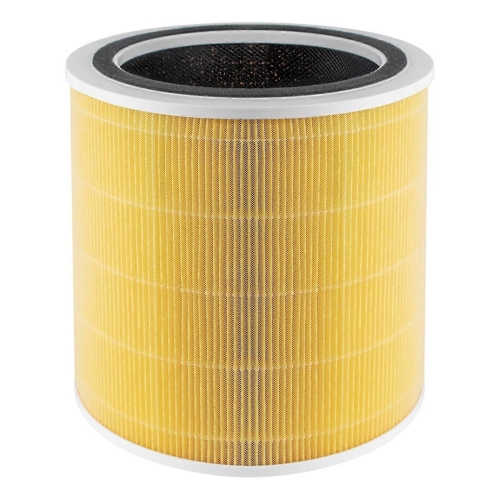
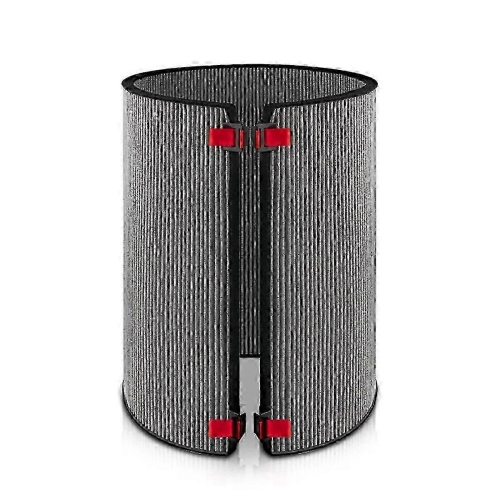
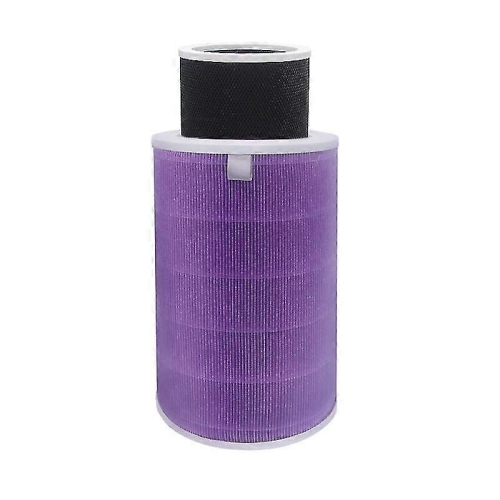
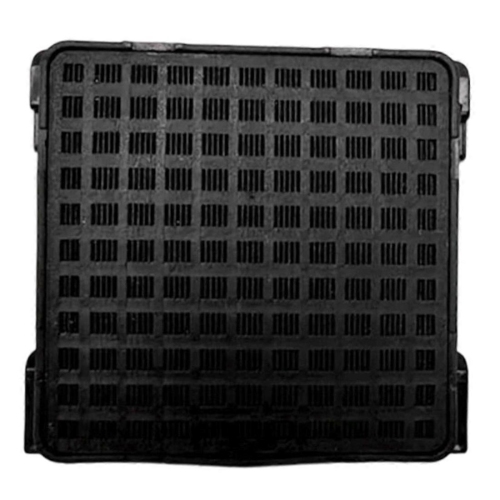
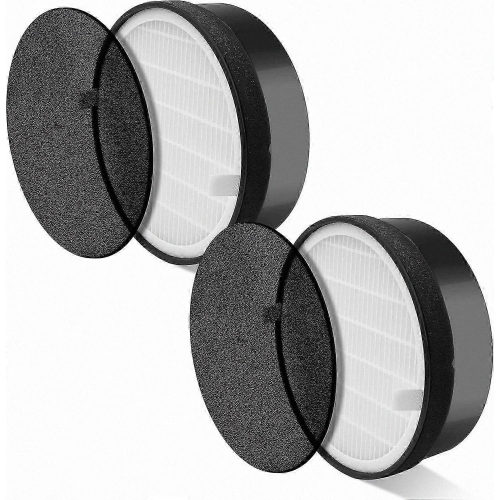
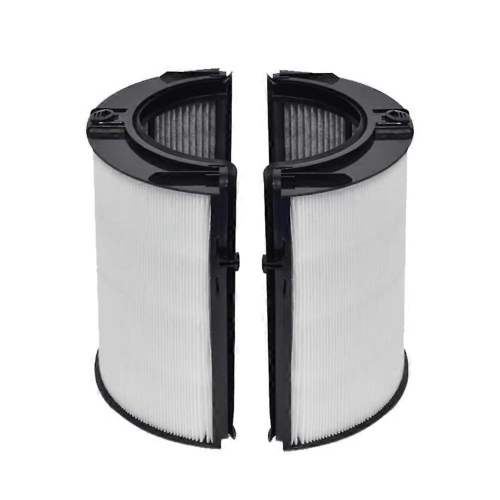
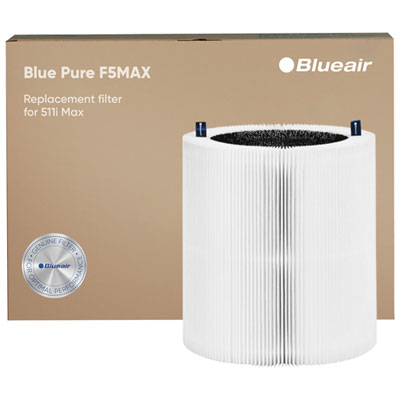
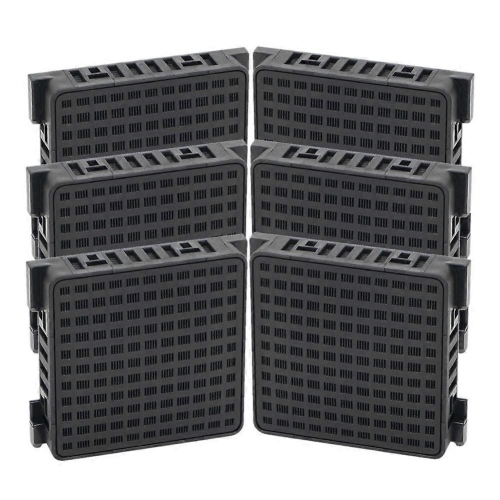
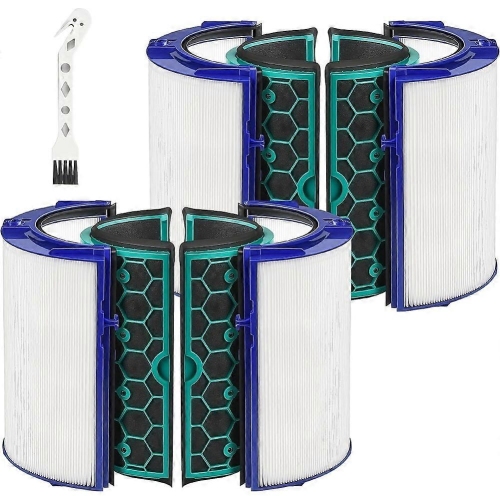
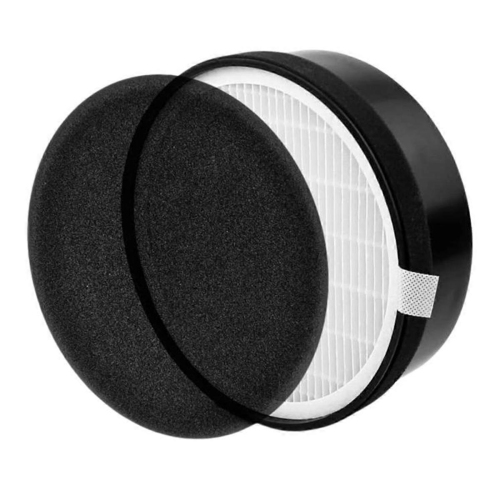
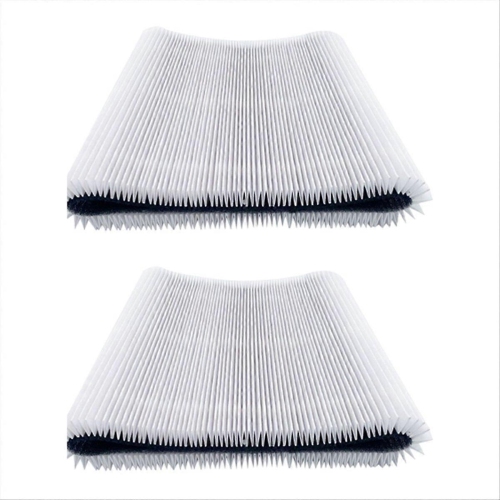
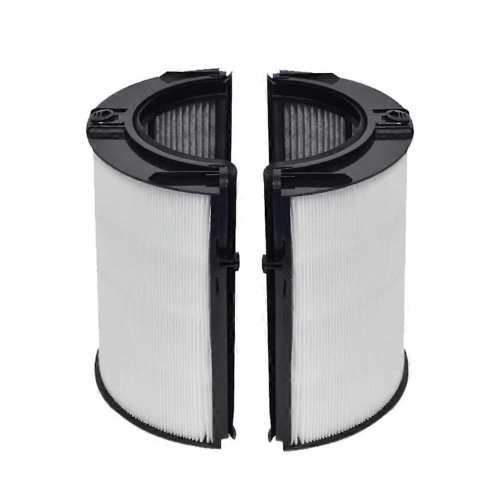
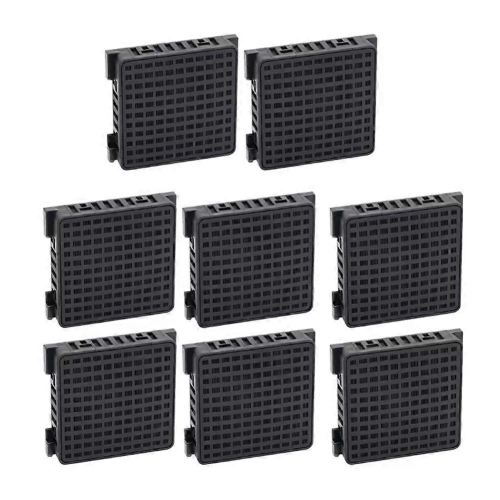
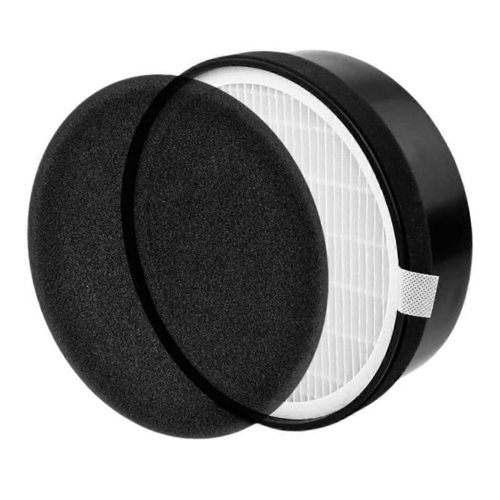
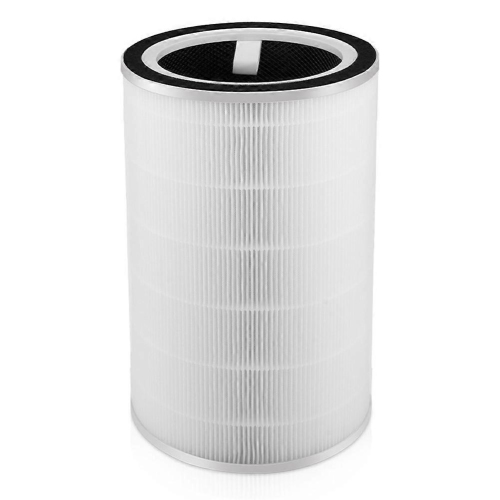
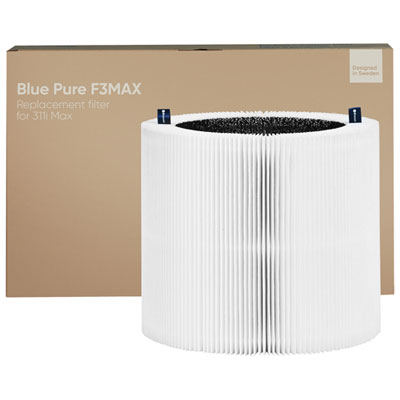
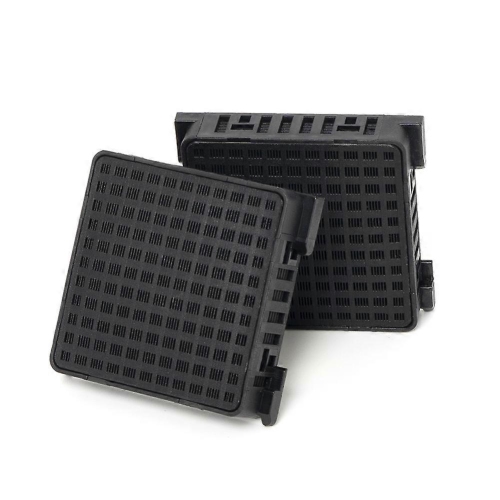
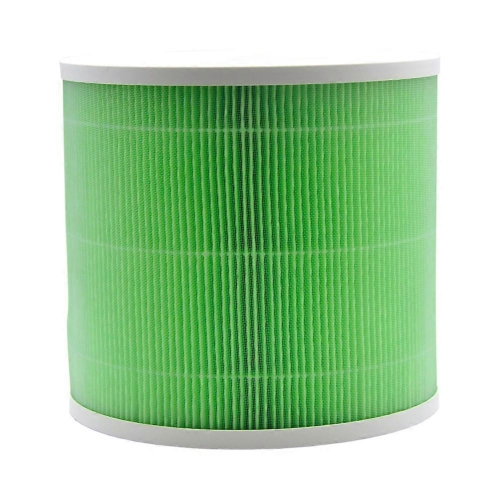
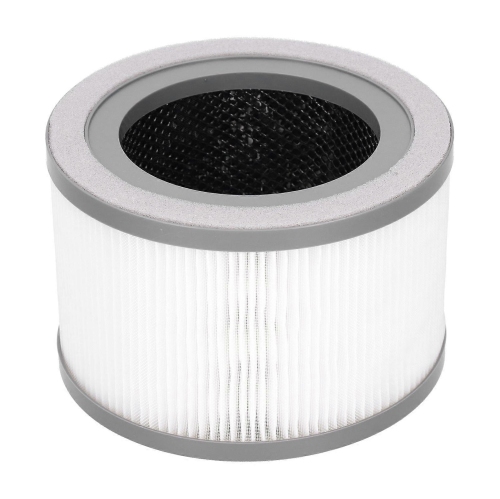
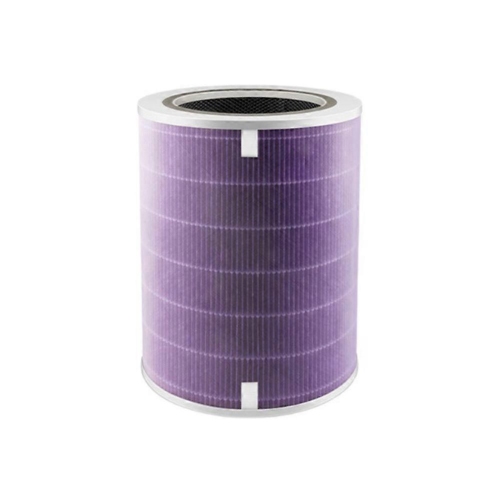
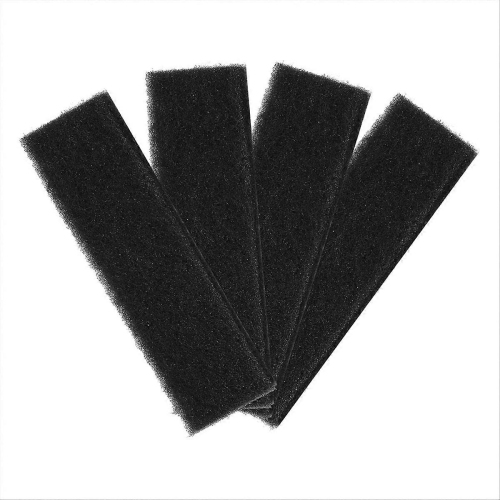
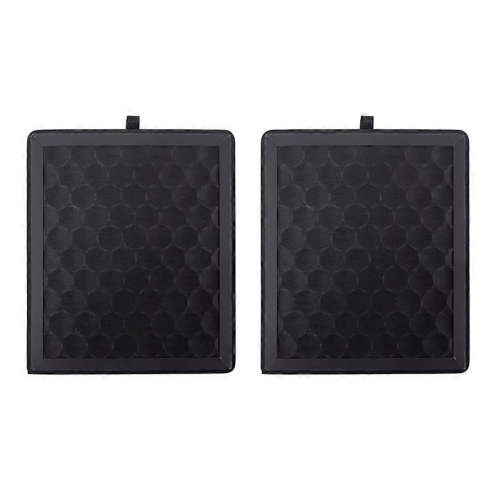
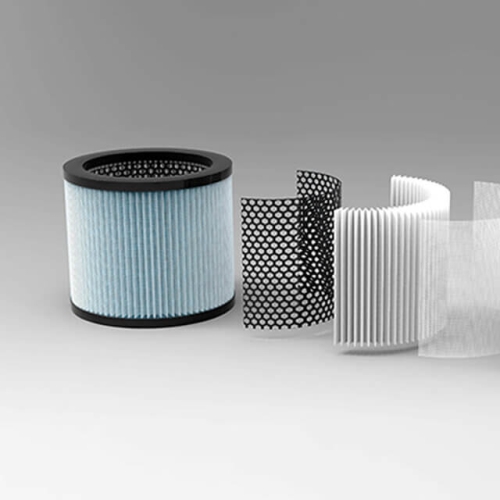
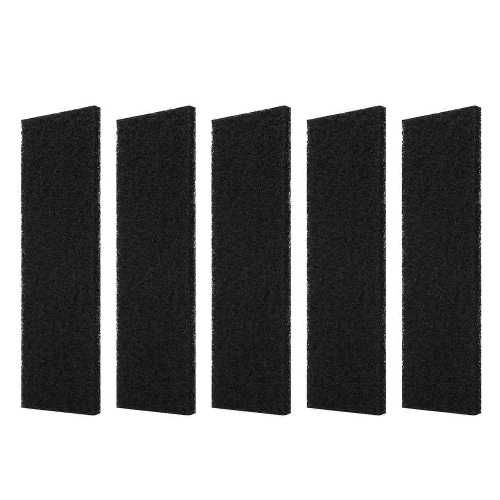
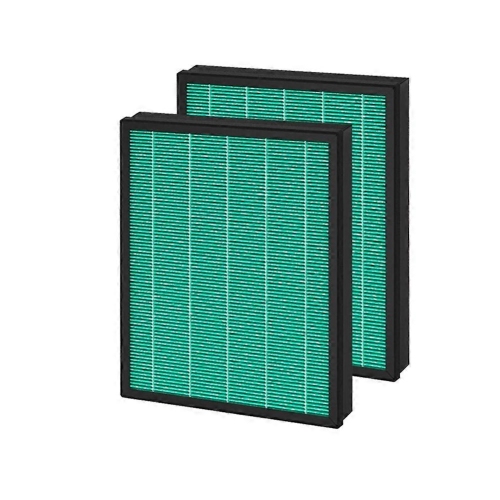
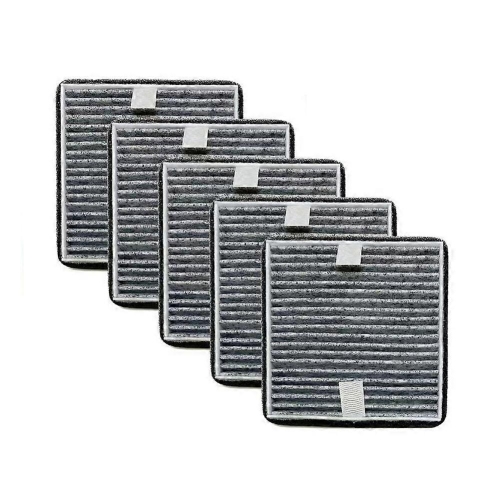
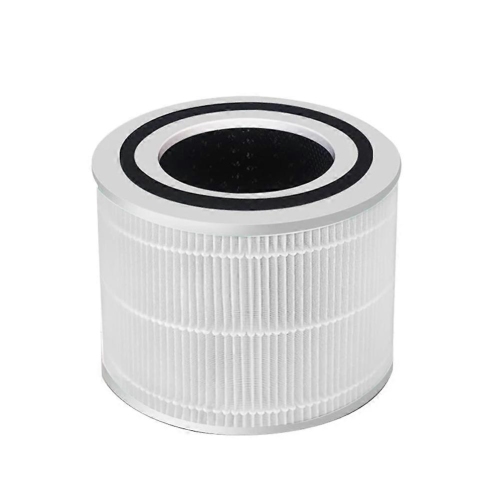
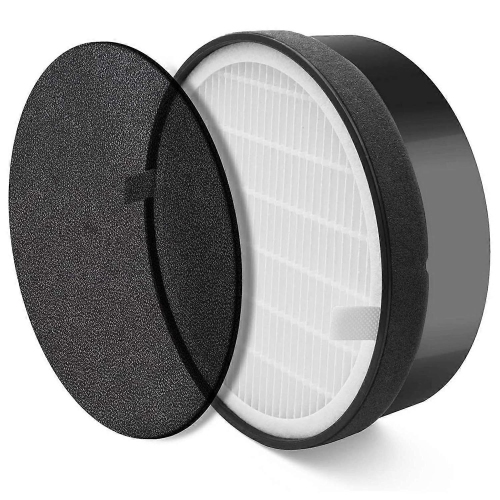
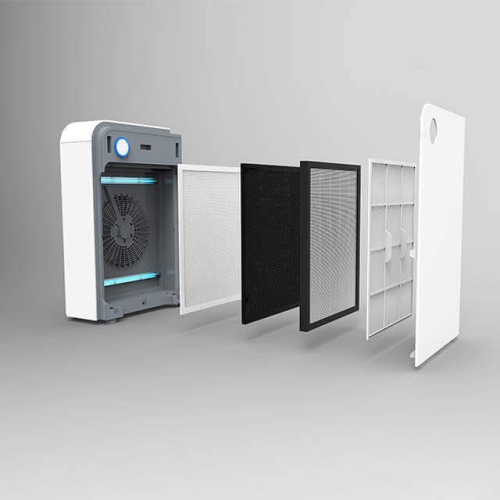
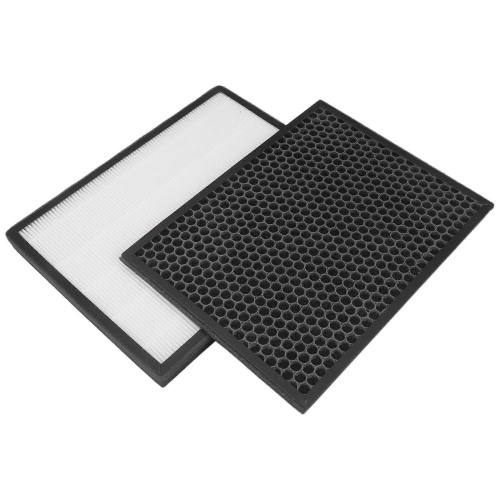
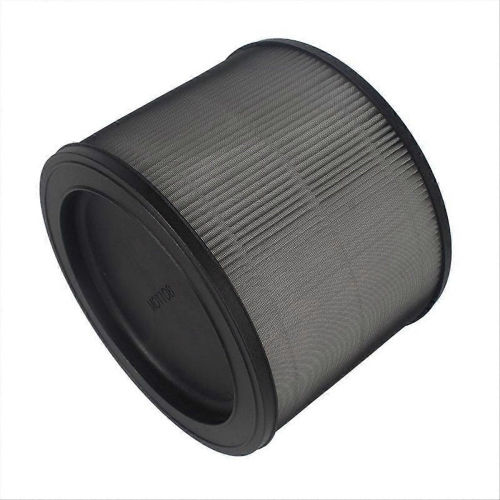
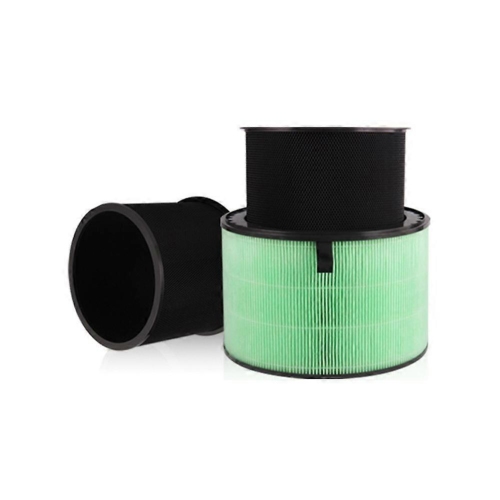
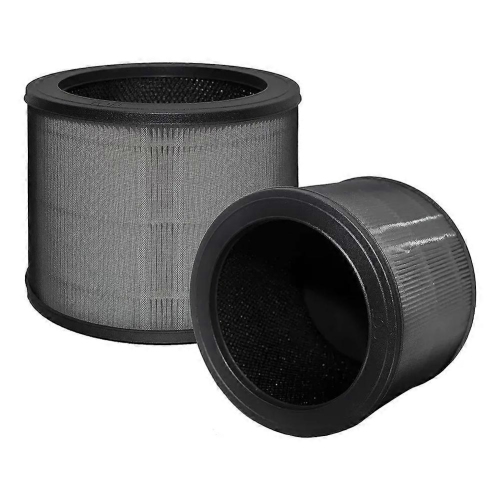
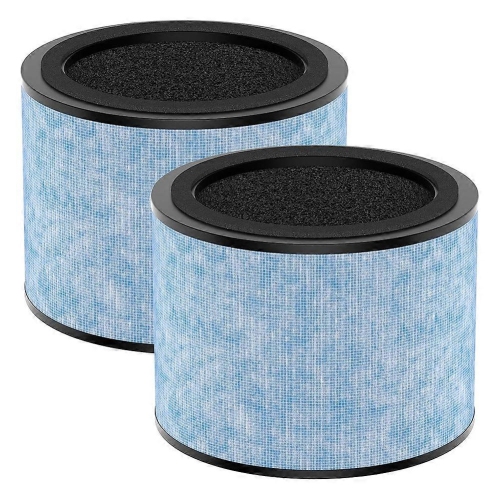
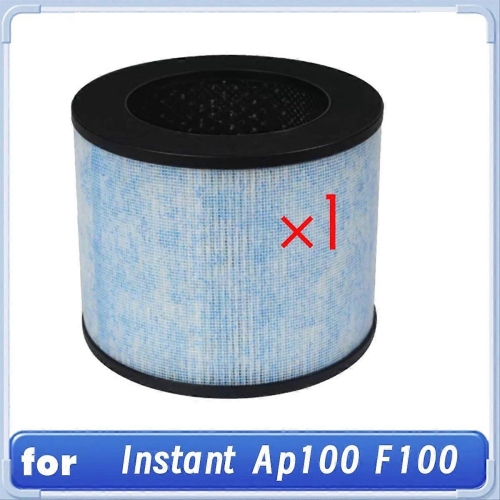
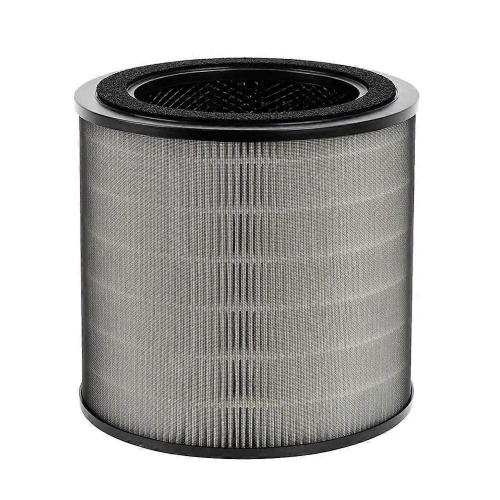
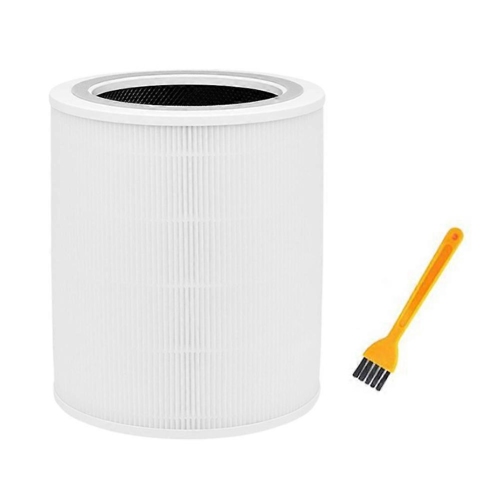
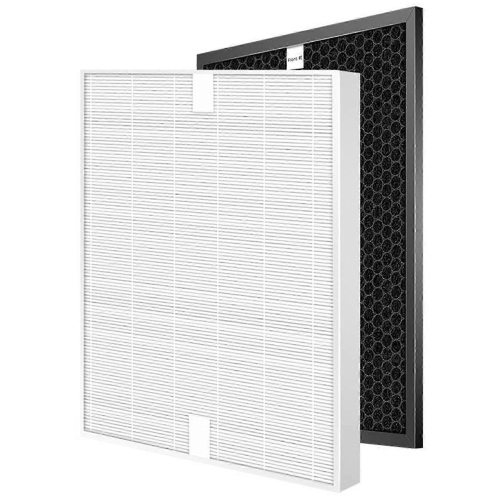
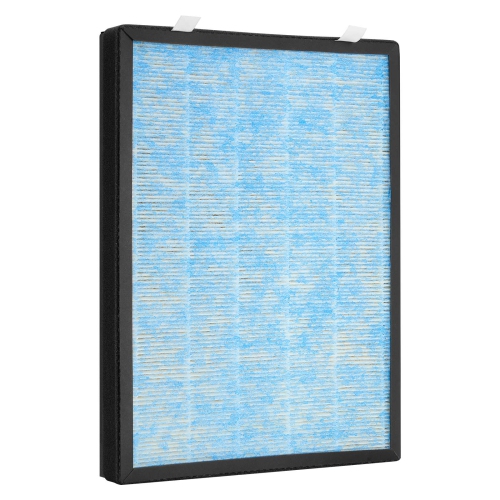
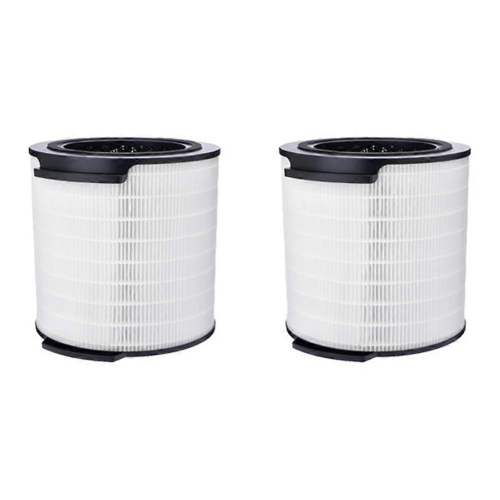
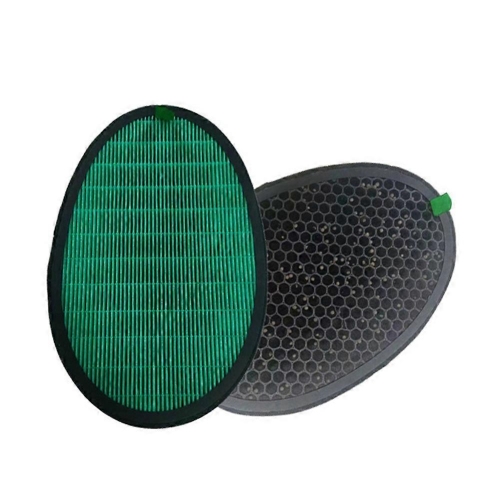
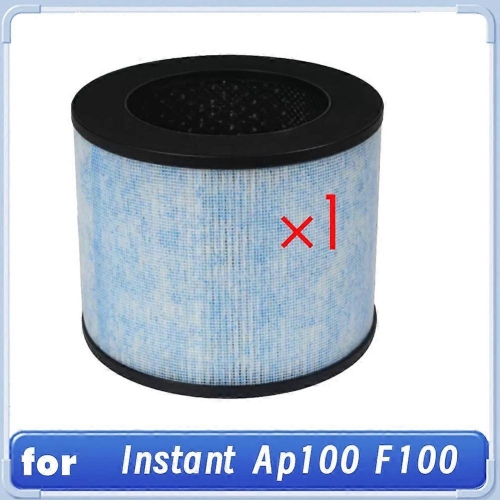
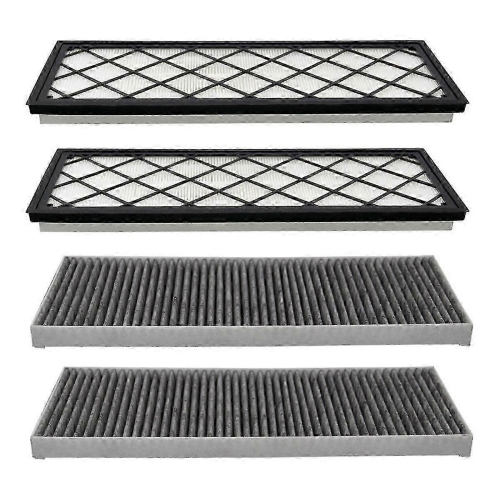
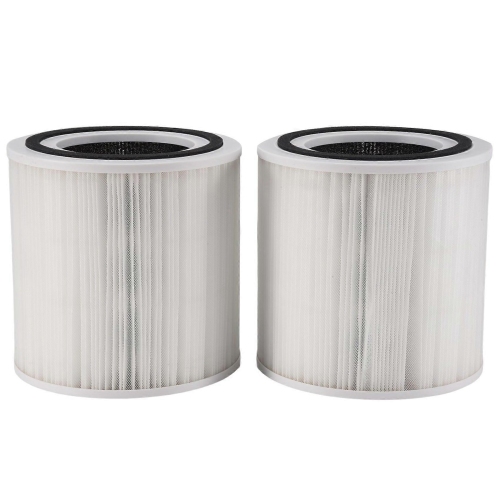
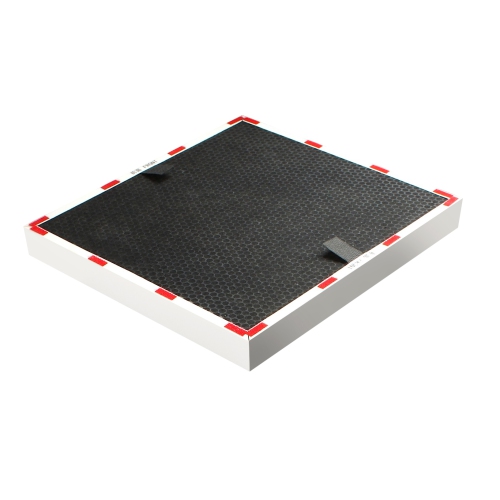
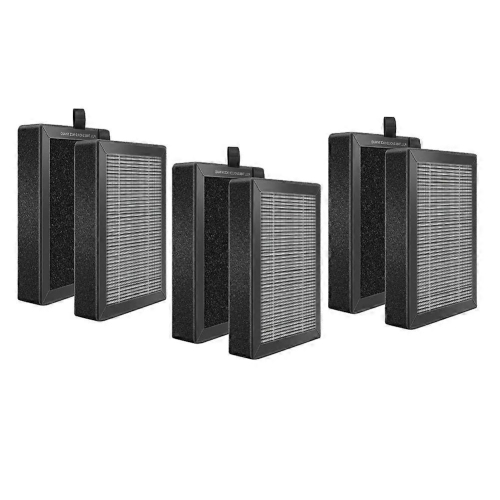
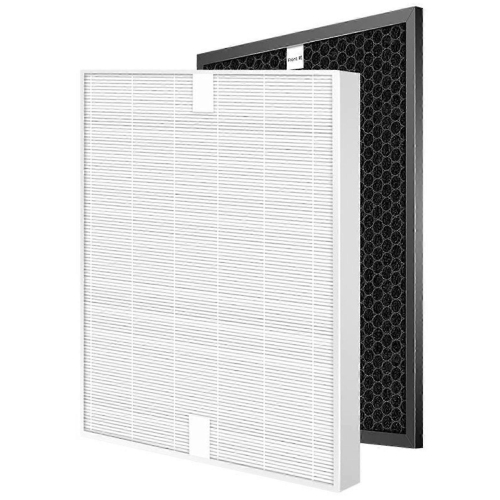
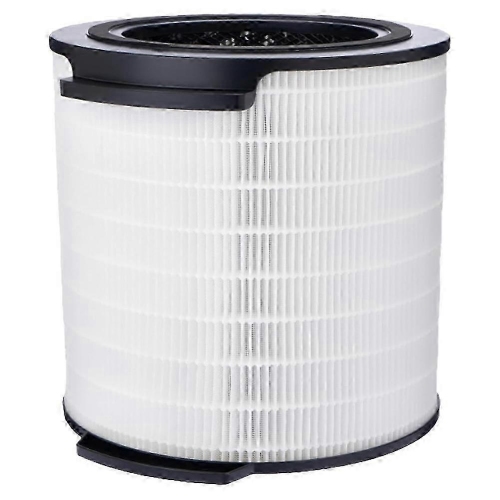
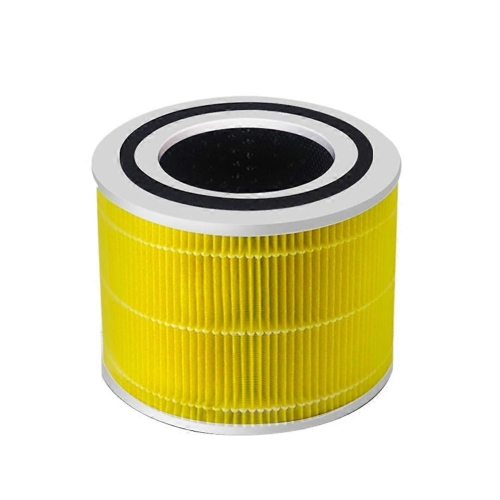
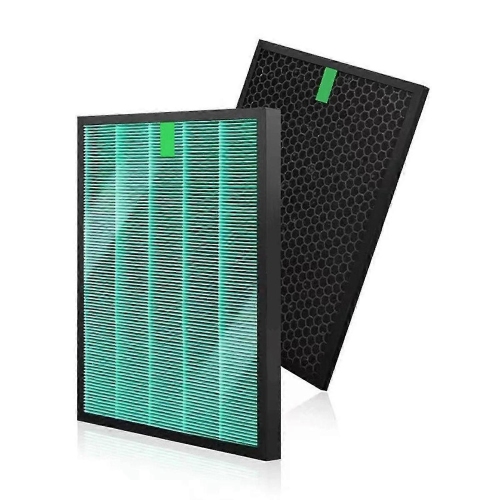
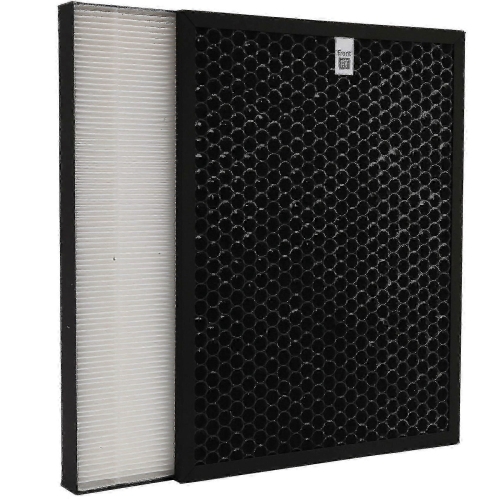
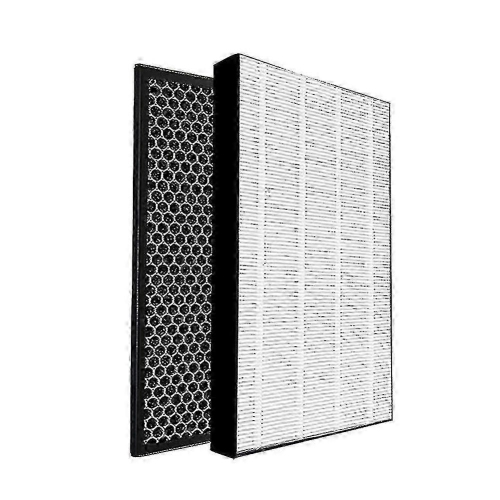
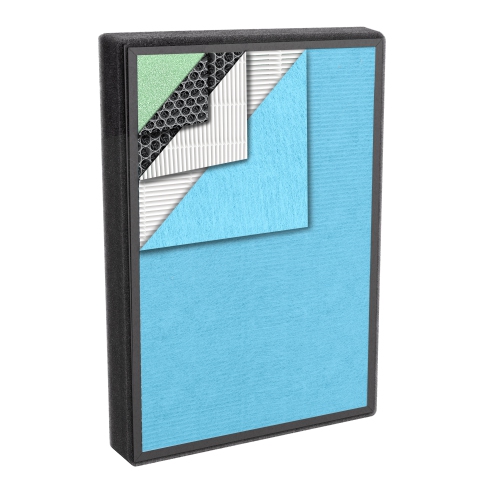
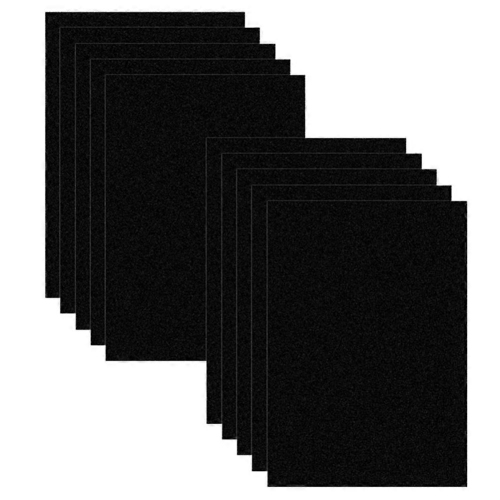
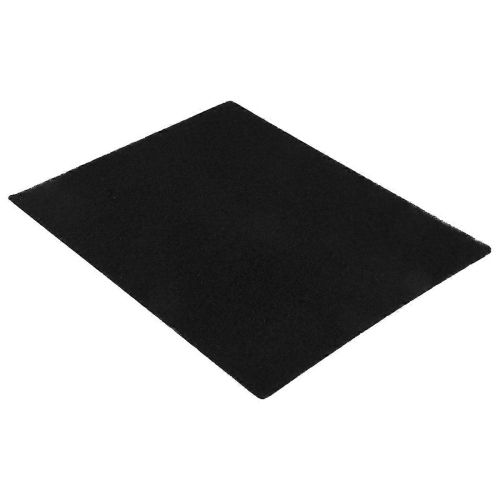
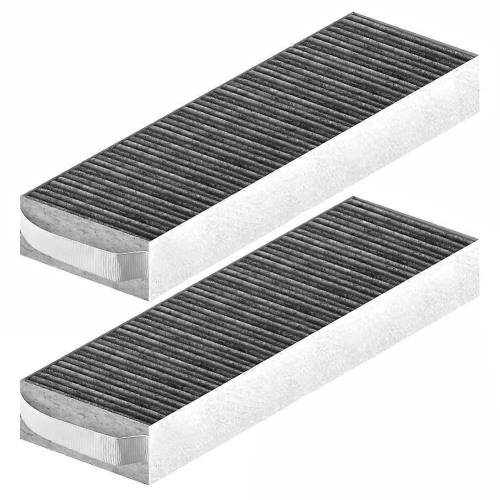
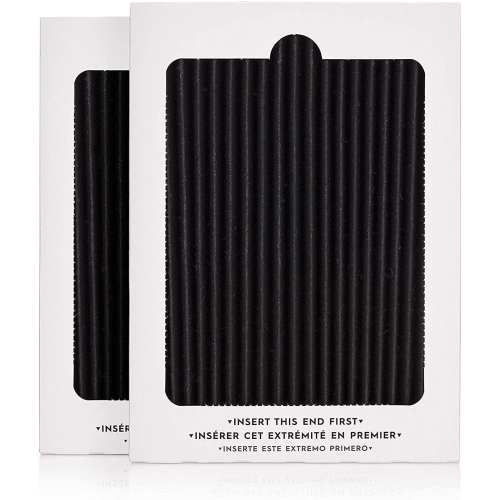
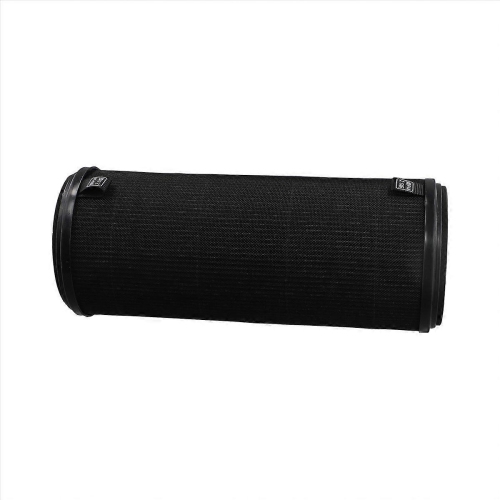
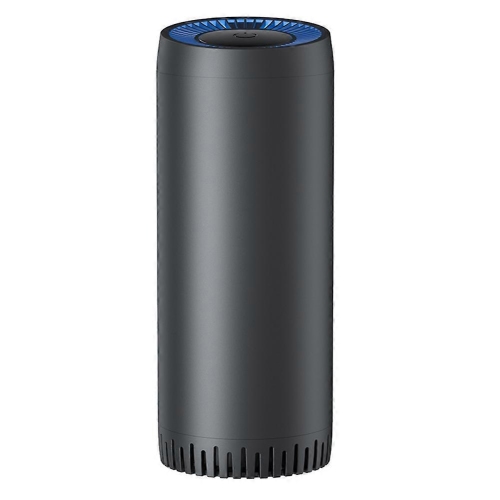
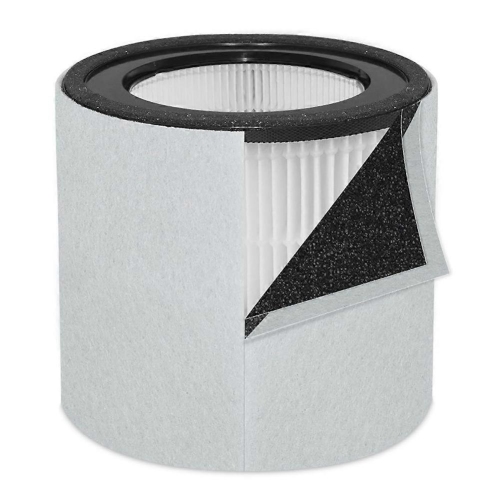
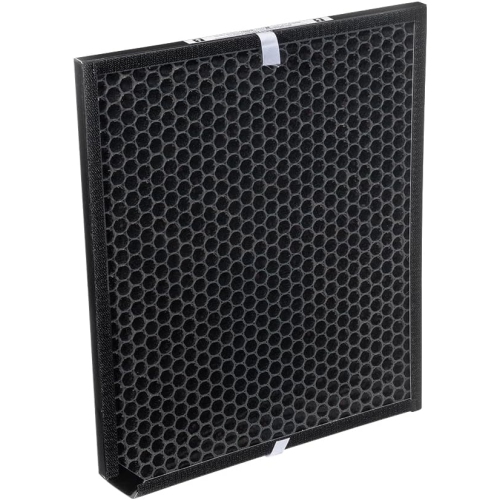
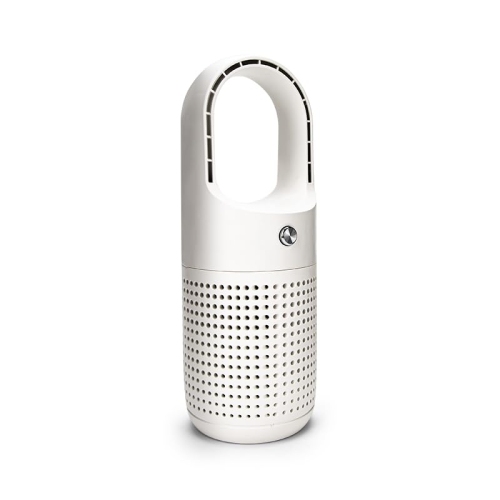
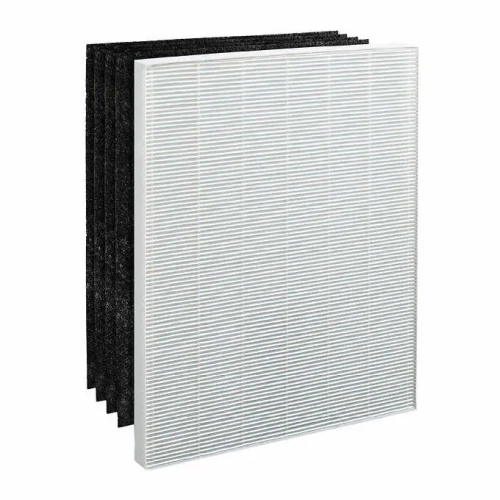
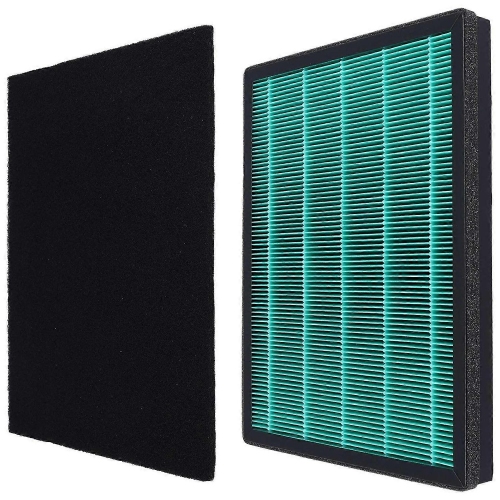
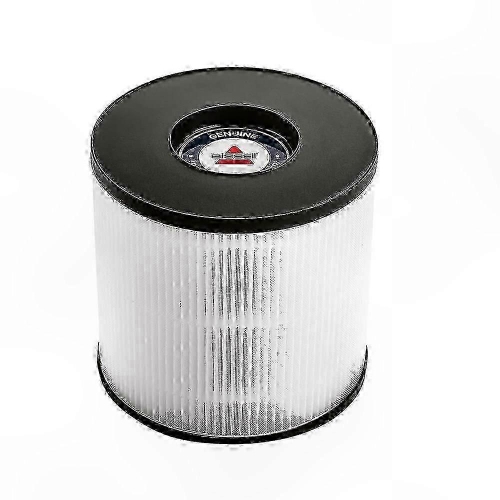
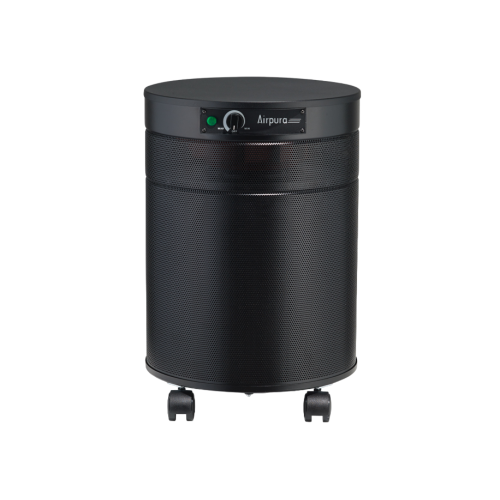
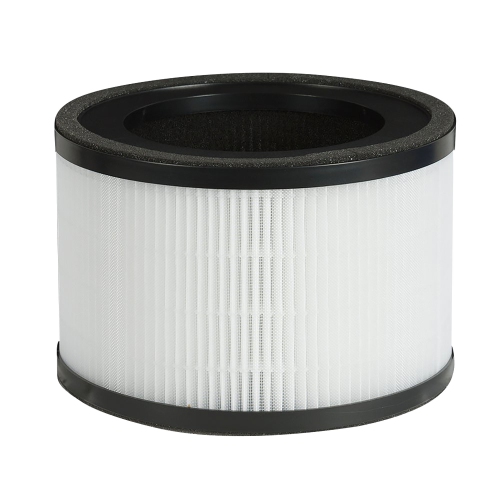
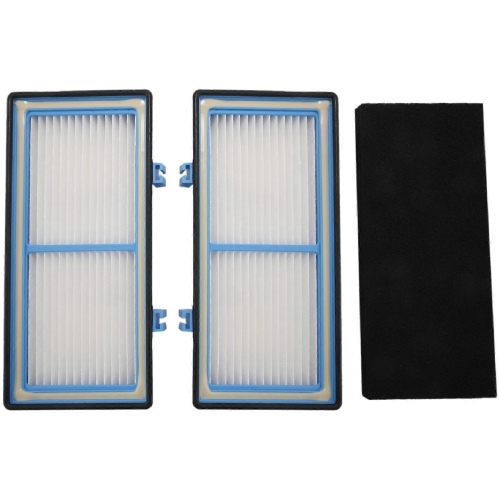
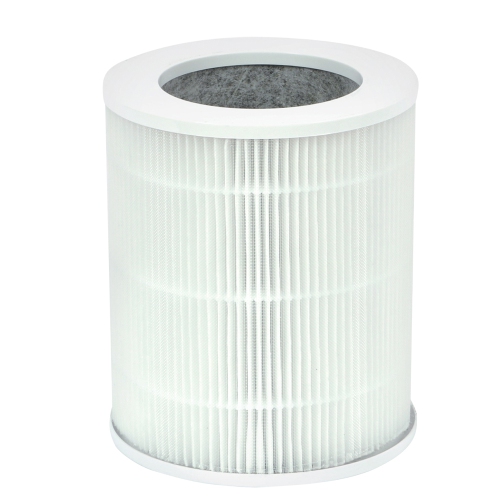
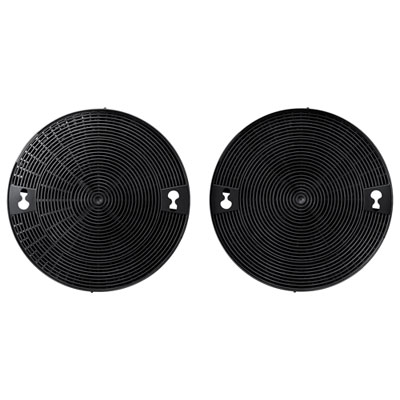
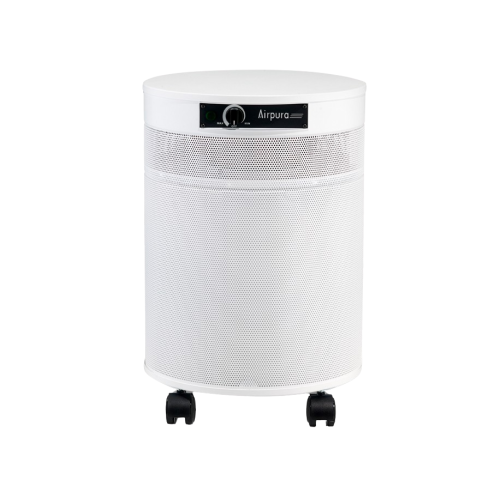
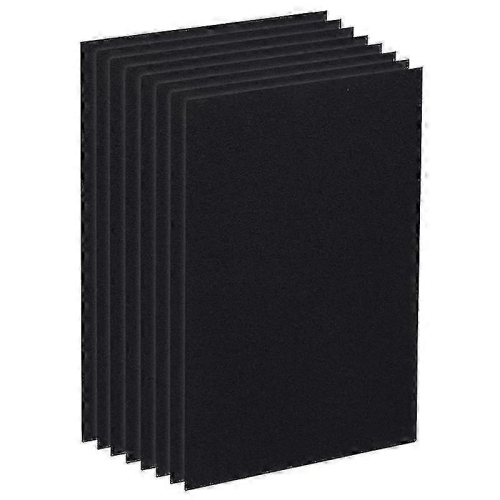
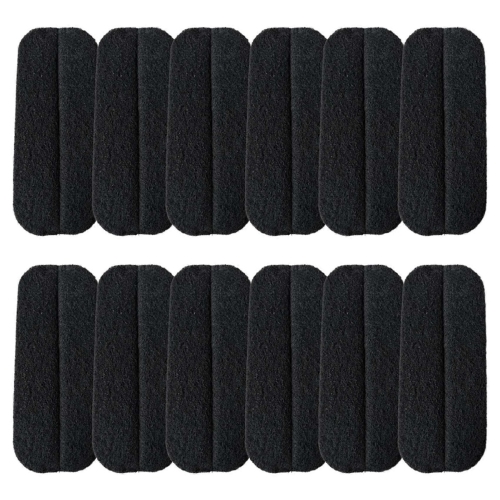
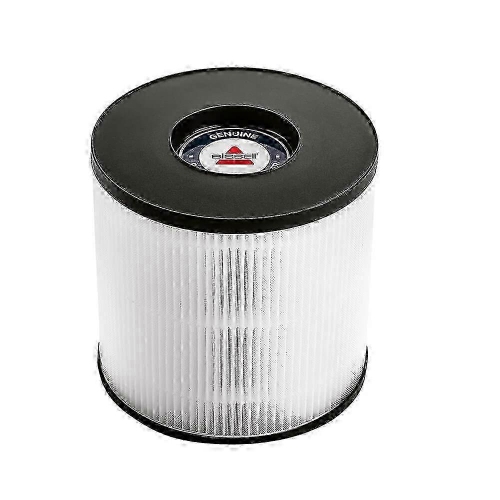
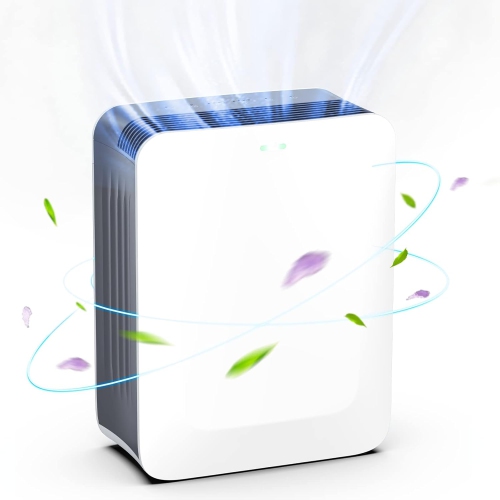
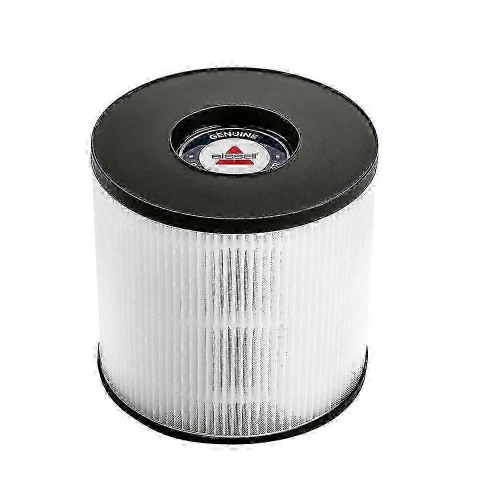
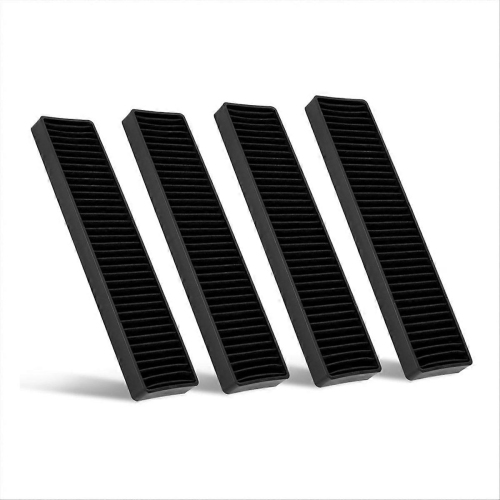
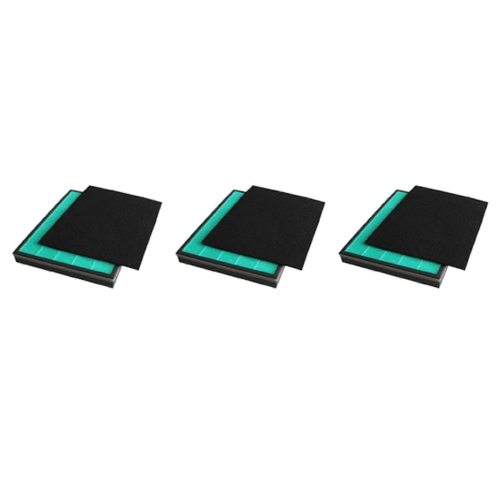
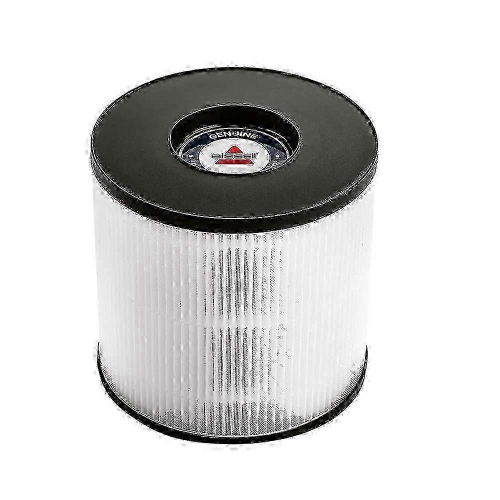
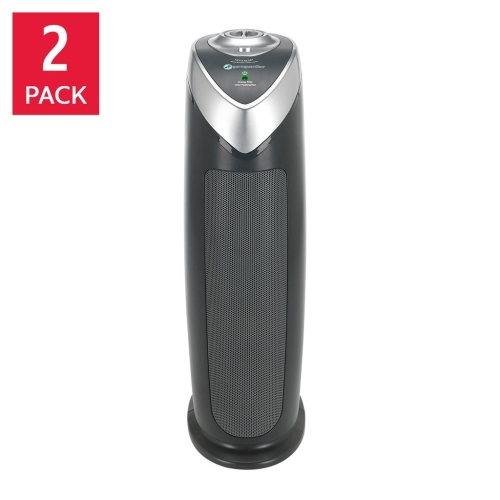
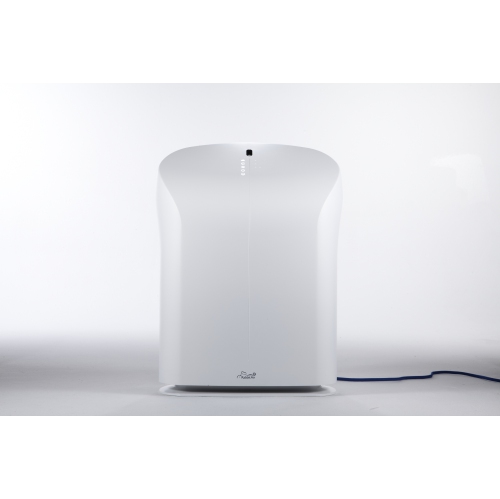
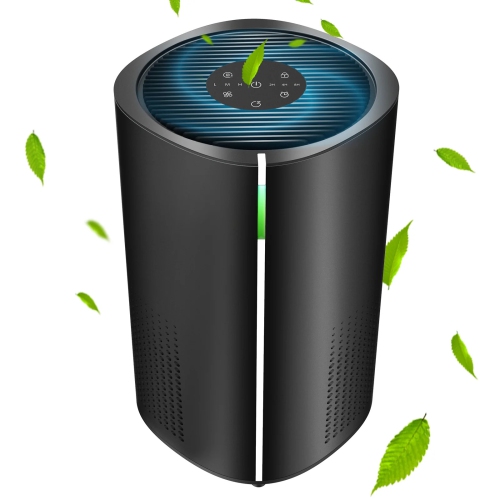
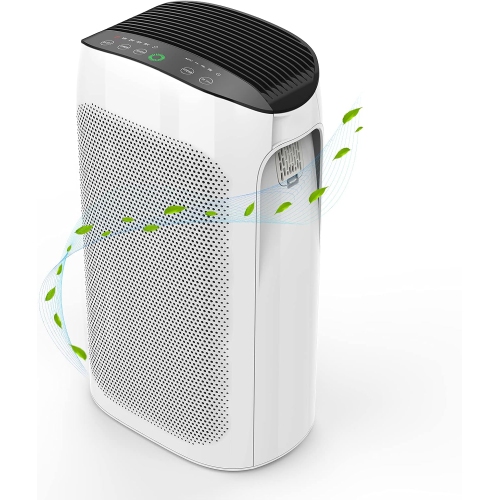
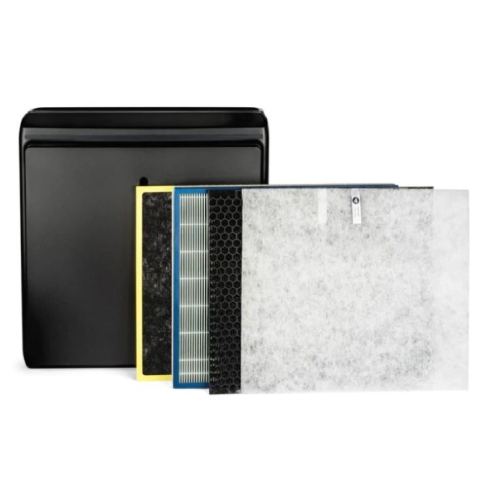
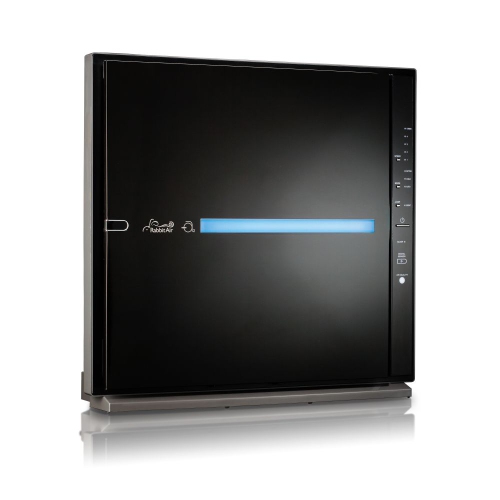
The right activated carbon air filter depends on the space, the source of the odour, and how much air moves through the filter. A compact room purifier may use a carbon pre-filter or a combined carbon-and-particle cartridge, making it practical for bedrooms, living rooms, offices, workshops, or areas near a kitchen. A filter installed in a furnace or central HVAC system can provide broader coverage throughout a home, but it must match the required dimensions and the system’s airflow specifications. A filter that is too restrictive can reduce airflow, while one that does not fit securely may allow air to bypass the filtration material. For strong or persistent odours, look for construction that contains a substantial amount of carbon rather than relying only on a lightly treated fabric. Carbon filters can be especially helpful in homes with pets, frequent cooking, hobby work, or recent decorating, as well as in enclosed work areas where equipment may produce noticeable fumes. Some specialty enclosures use carbon filtration to help manage odours and fumes from activities such as 3D printing, although ventilation and safe operating practices remain important. Carbon filters are also a practical choice for people who are sensitive to lingering smells or who prefer a fresher-feeling room after frying food, hosting guests, or completing a cleaning project. During the warmer part of the year, when open windows and fans may carry outdoor smells indoors, carbon filtration can complement regular ventilation. During cooler months, when windows tend to stay closed, it can be a useful addition to a home’s usual air-cleaning routine. For a combined approach, shoppers may also wish to compare Hepa Carbon Filters, which pair carbon odour control with particle filtration in one product category.
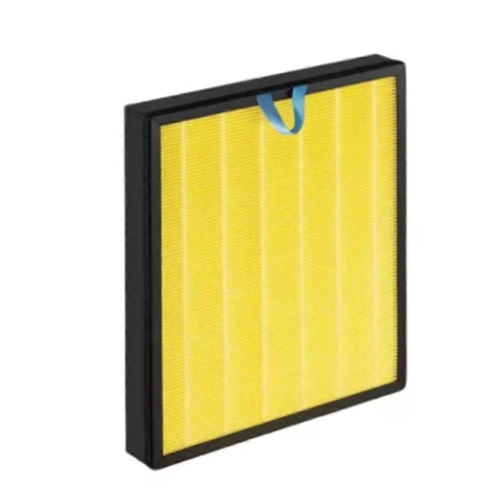
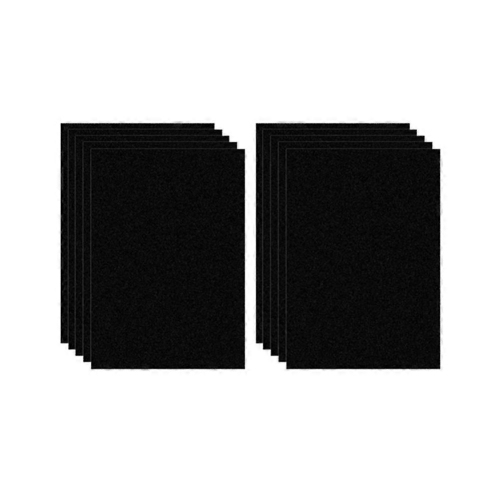
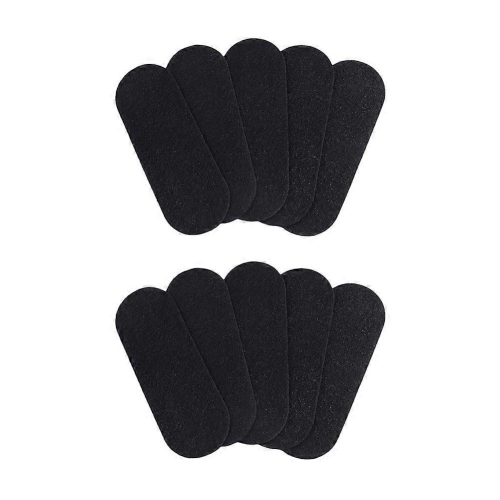
Carbon does not last indefinitely. Its pores gradually fill as they capture gases, and a saturated filter becomes less effective even if it still looks clean. Replacement timing varies with the quantity of carbon, airflow, humidity, indoor conditions, and the strength of the odour sources. A busy kitchen, a home with several pets, or a room exposed to smoke may use up a filter sooner than a quiet guest room. Following the replacement guidance for the specific filter or air purifier is a sensible starting point, while paying attention to returning odours, reduced performance, or a noticeable change in airflow. High heat and elevated humidity can also affect how captured compounds remain on the carbon, so filters should be installed and stored according to the manufacturer’s instructions. Activated carbon filters are often chosen as practical household upgrades or thoughtful gifts for someone moving into a new home, setting up a home office, welcoming a pet, or spending more time on cooking and creative projects. They can be particularly convenient for renters and apartment residents who want targeted odour control without changing a building’s ventilation system, provided the filter is compatible with the chosen device. Before ordering, measure the existing filter or check the purifier model, confirm whether the product is a complete replacement or an additional carbon stage, and review the recommended replacement interval. With the correct fit and realistic expectations, an activated carbon air filter can help make everyday indoor spaces feel more comfortable by complementing particle filtration and addressing the smells and gases that ordinary filters may leave behind.
Top selling and popular products
-
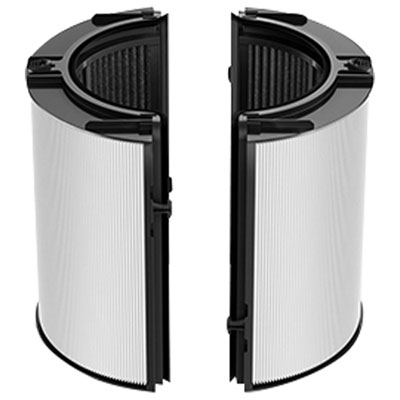 Your price for this item is $99.99
 -
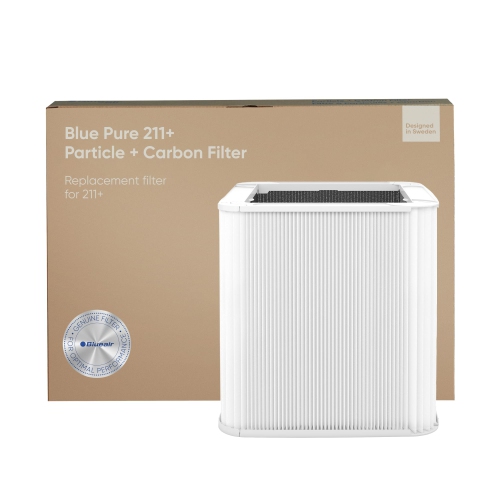 Your price for this item is $129
 -
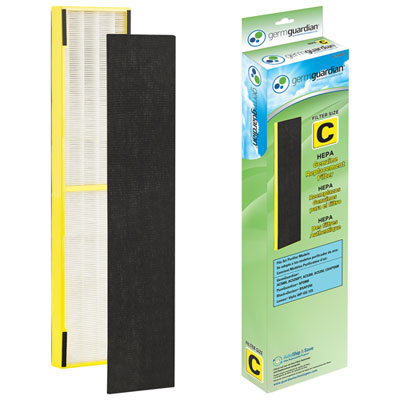 Your price for this item is $39.99
 -
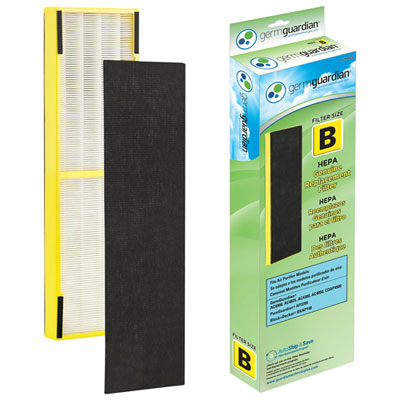 Your price for this item is $23.98
 -
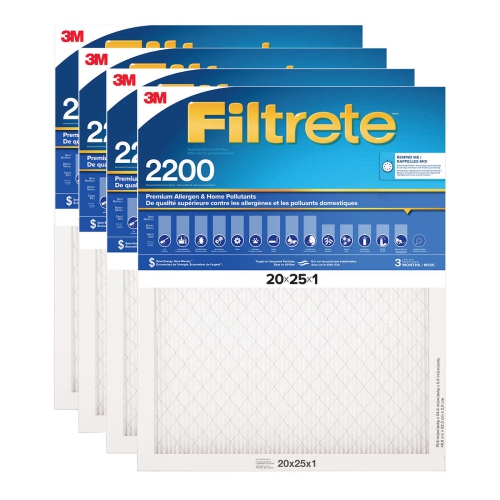 Your price for this item is $82.6
 -
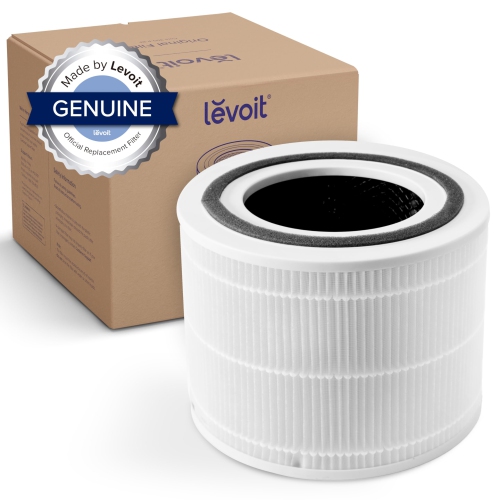 Your price for this item is $37.99
 -
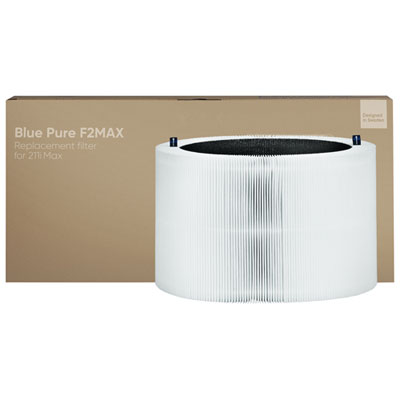 Your price for this item is $89.99
 -
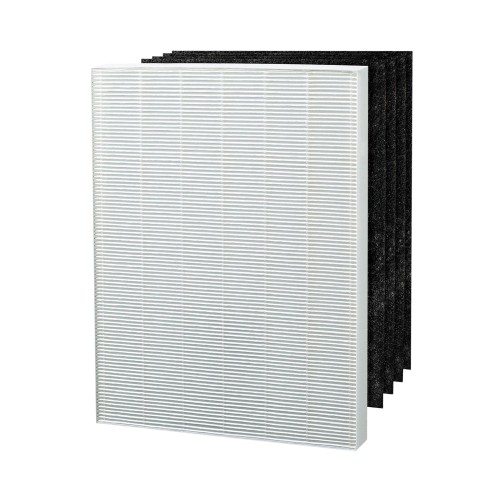 Your price for this item is $59.99