Space Heaters With Temperature Control
Stay cozy and warm all winter with our selection of space heaters equipped with temperature control. Whether you need to heat up a small office space or keep your bedroom comfortable during chilly nights, these versatile heaters offer customizable settings to suit your preferences. Say goodbye to constantly adjusting the thermostat and hello to efficient, targeted heating that will help you create the perfect ambiance in any room. Browse our collection of space heaters with temperature control and find the ideal solution for staying snug and comfortable throughout the colder months.
Sort
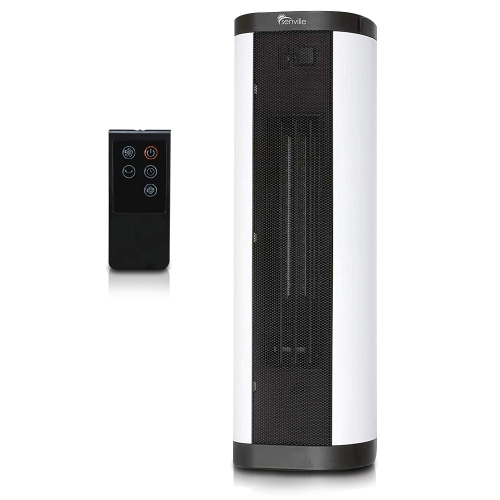
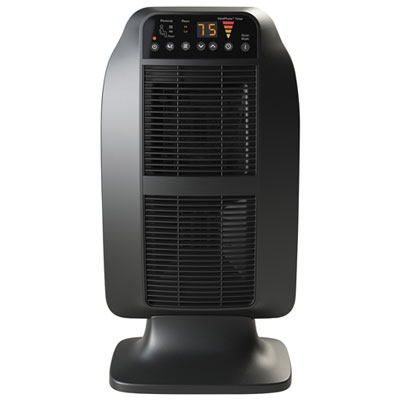

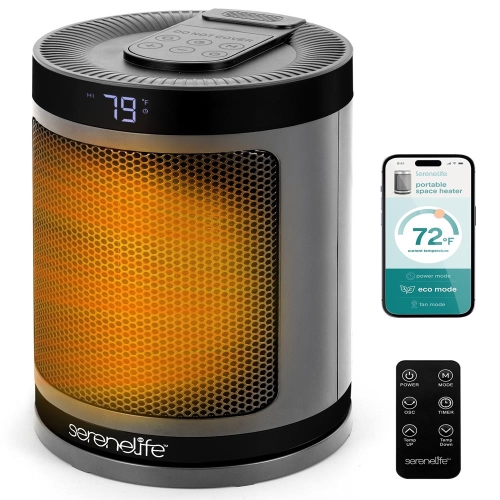

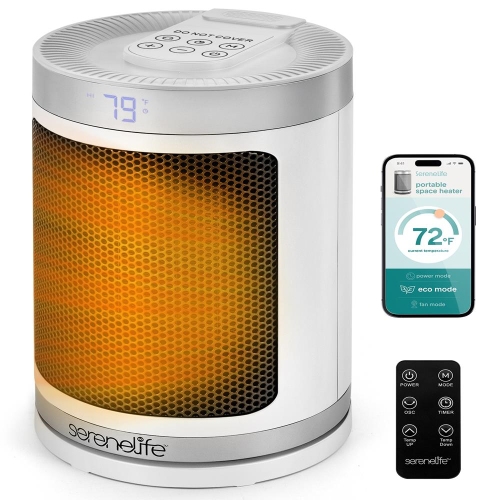
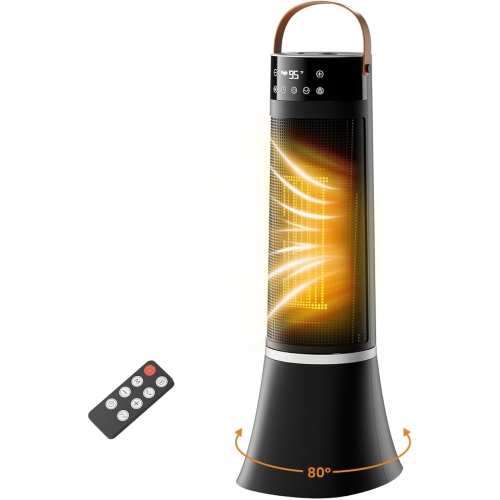

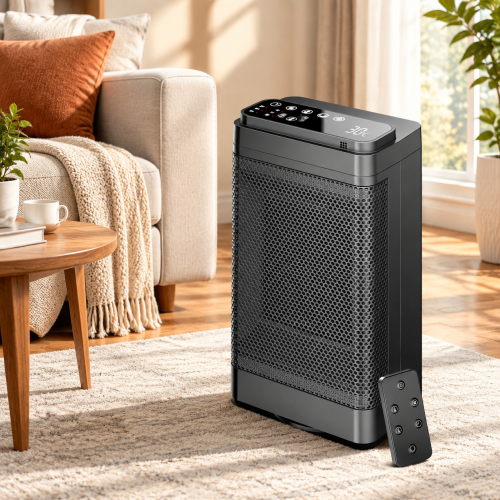
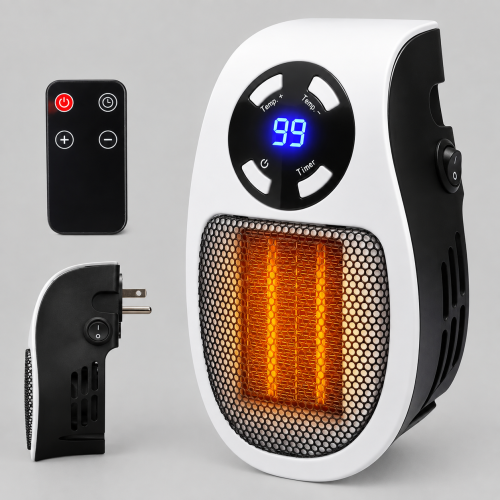
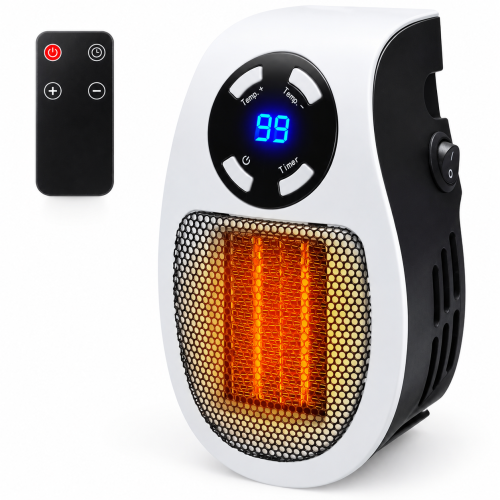
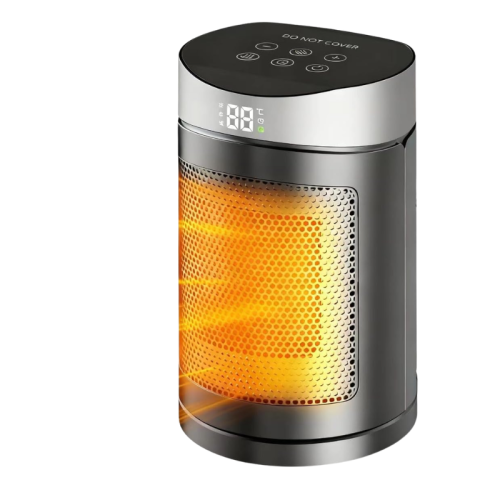
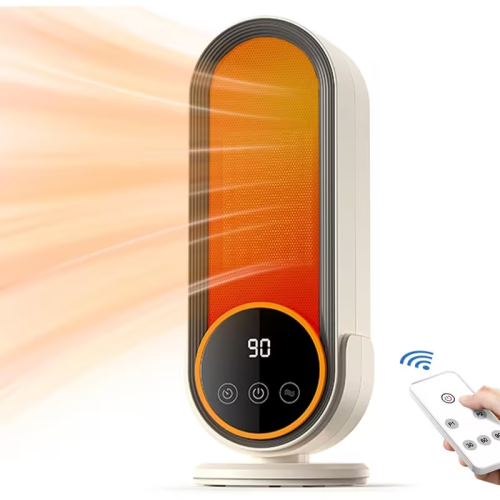

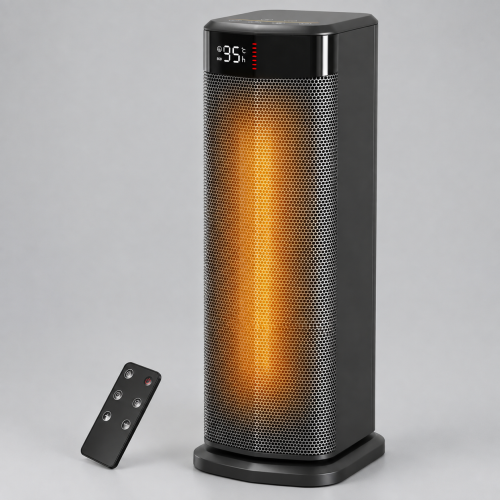
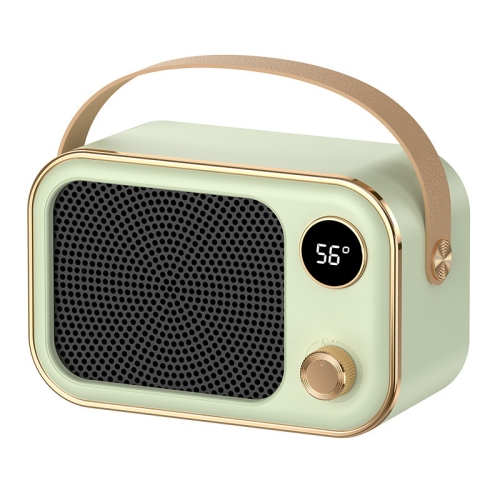
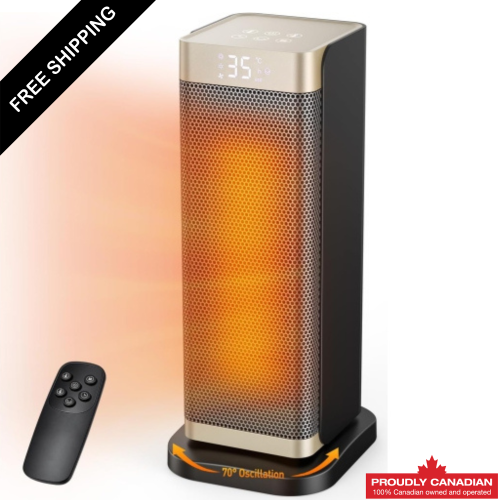
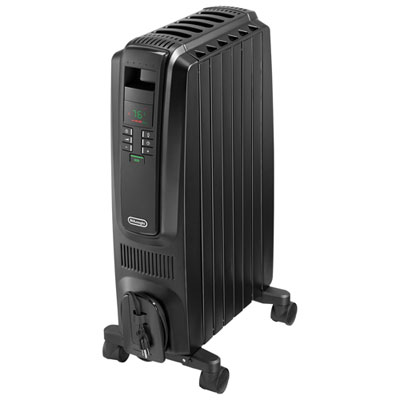
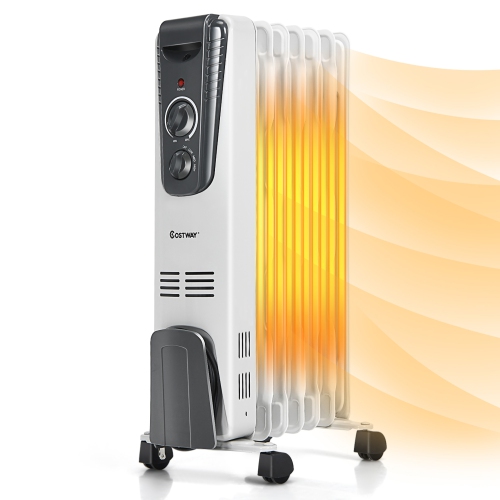
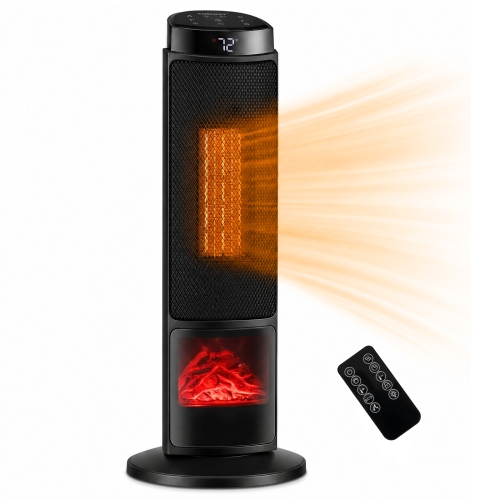
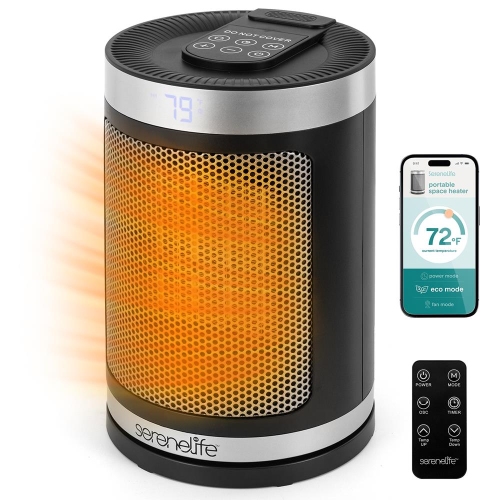
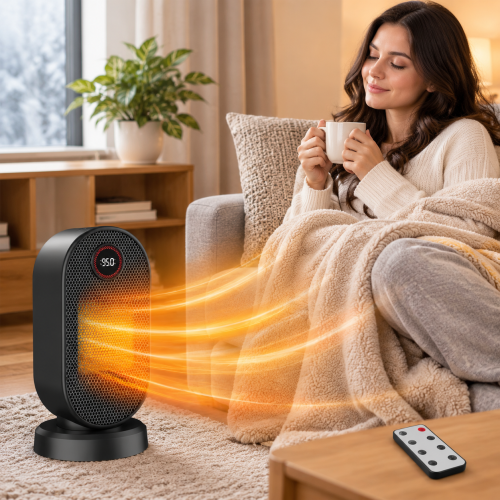
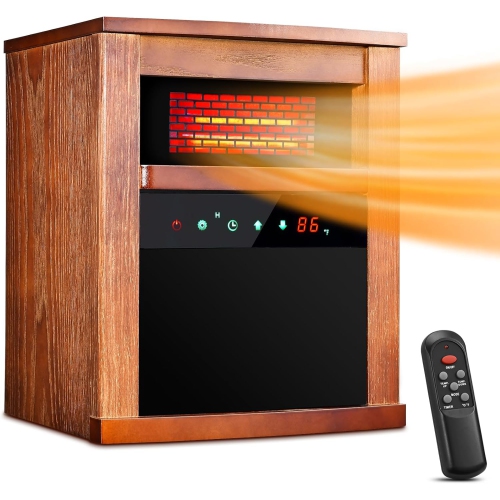
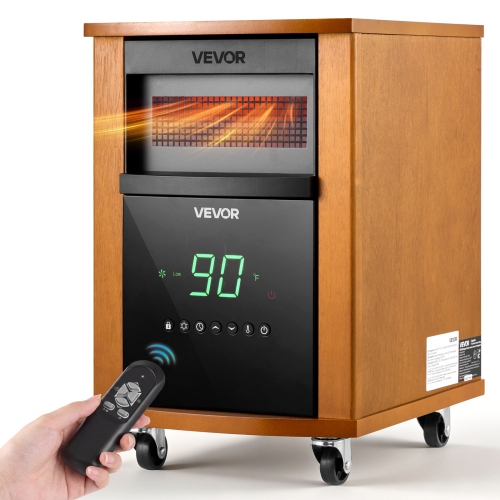
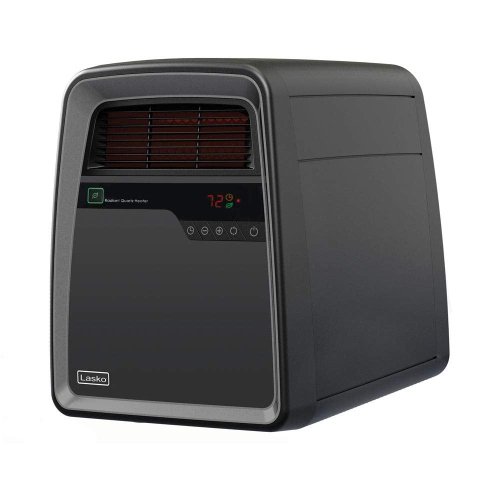
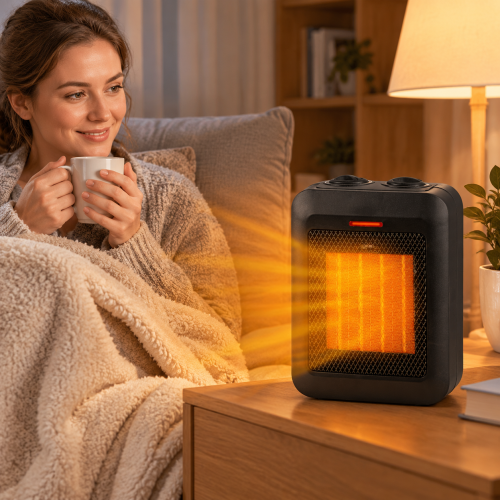
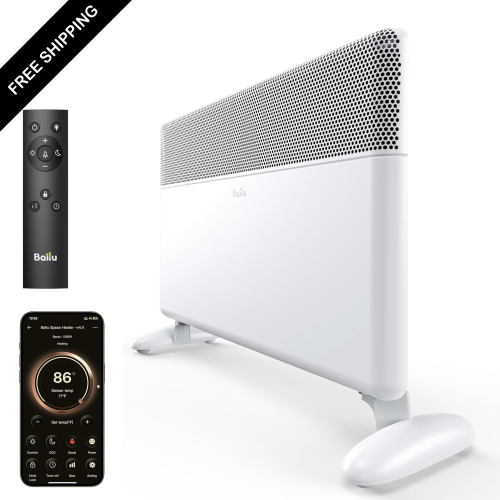

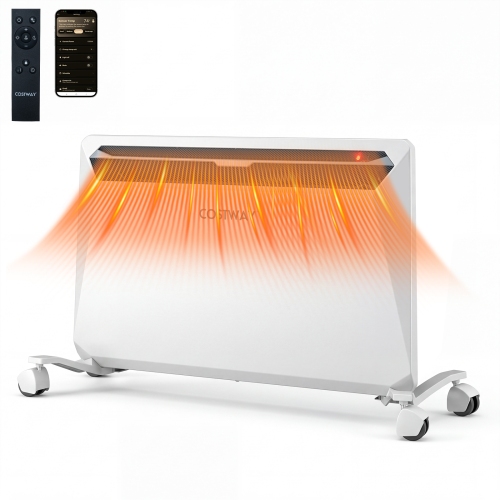
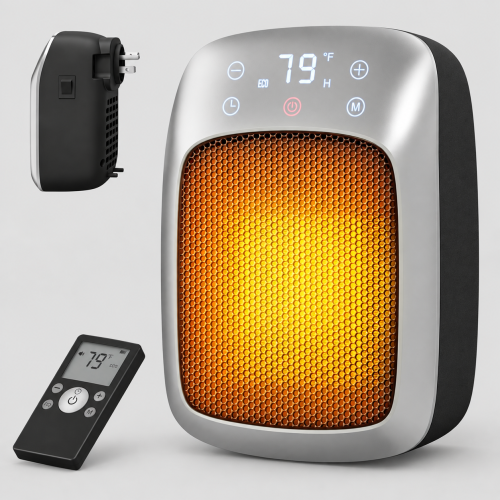
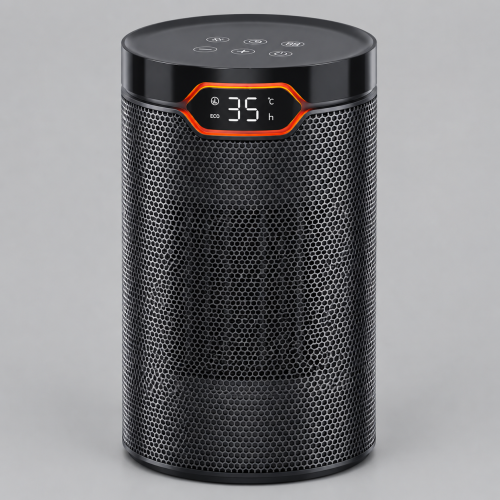
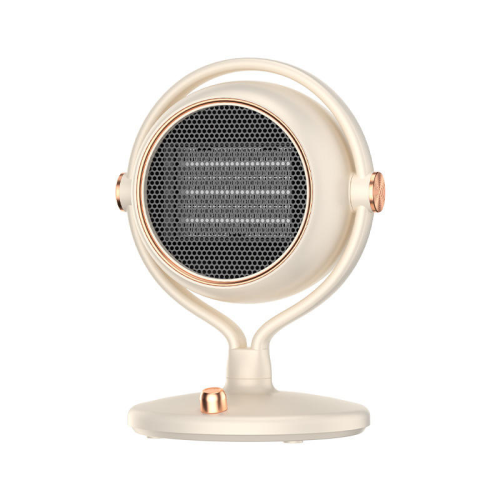

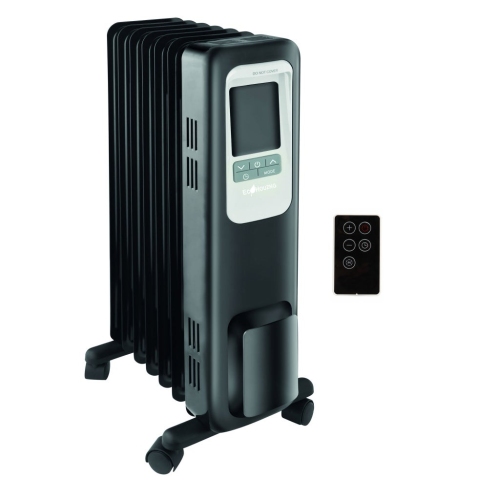
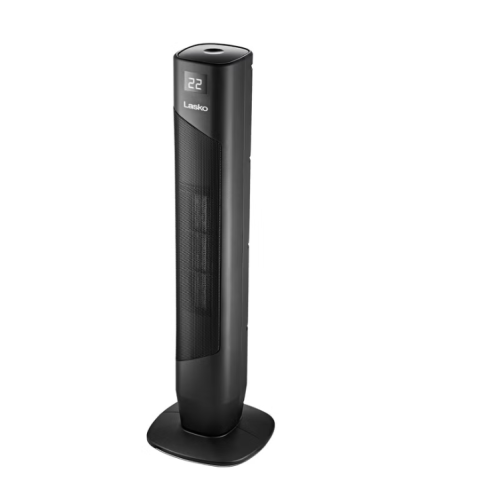
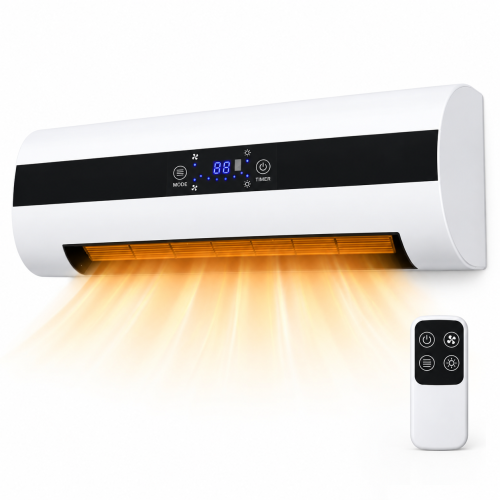
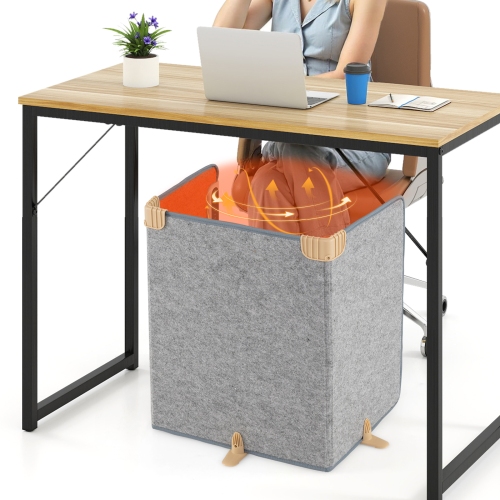
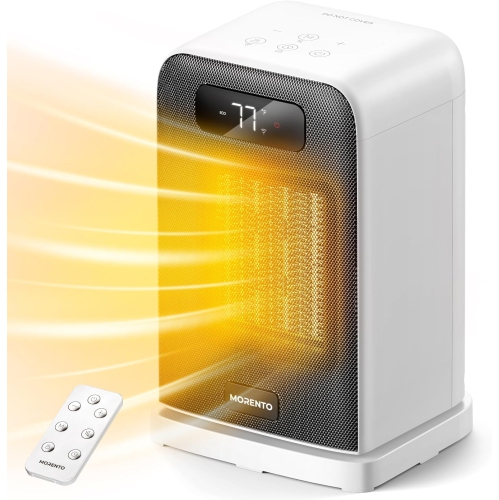
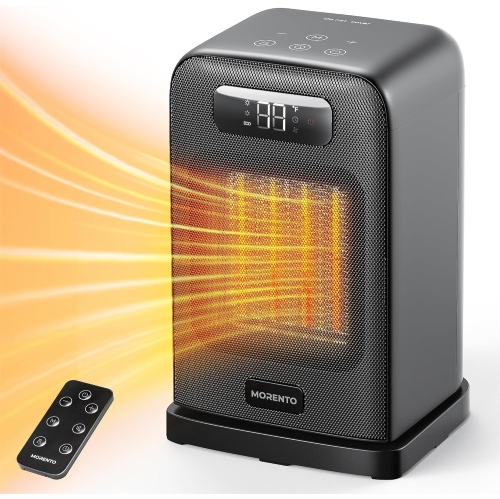
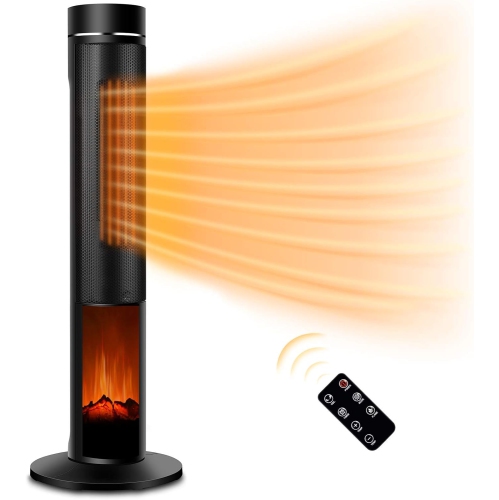
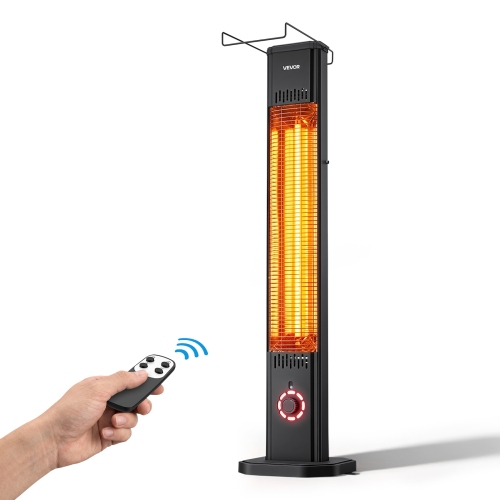
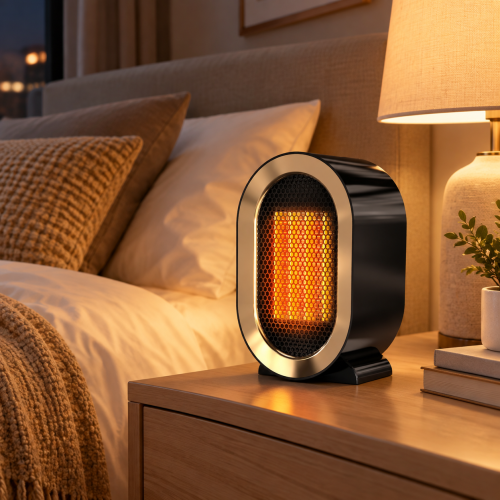
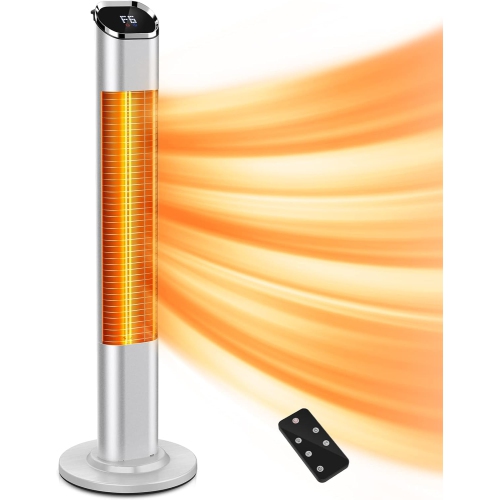
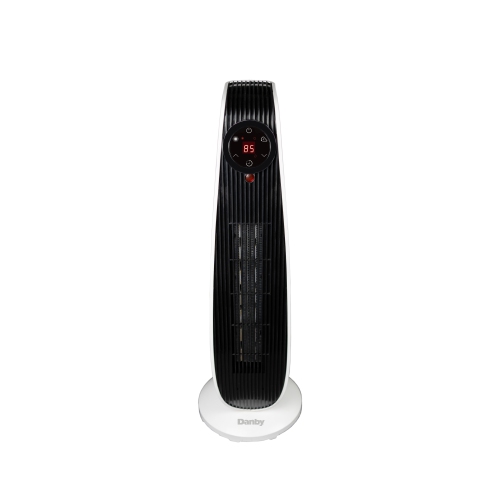
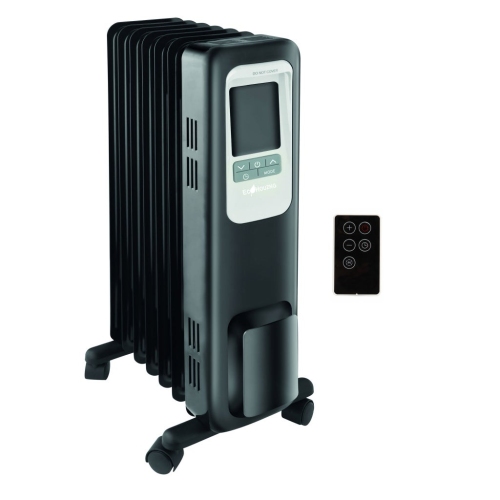


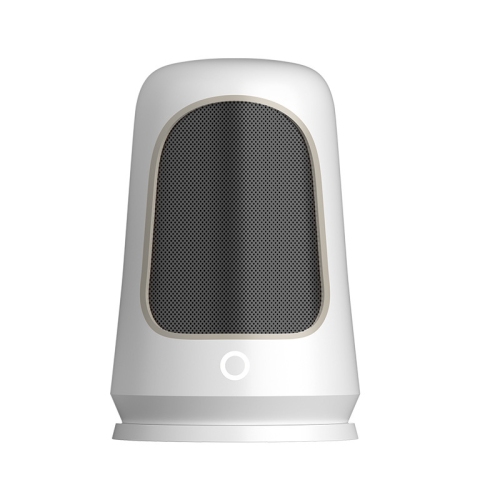

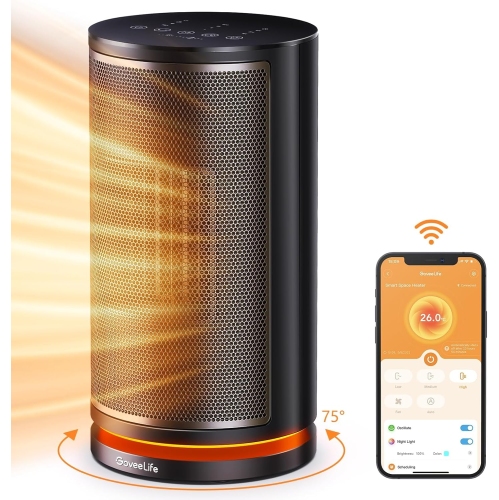

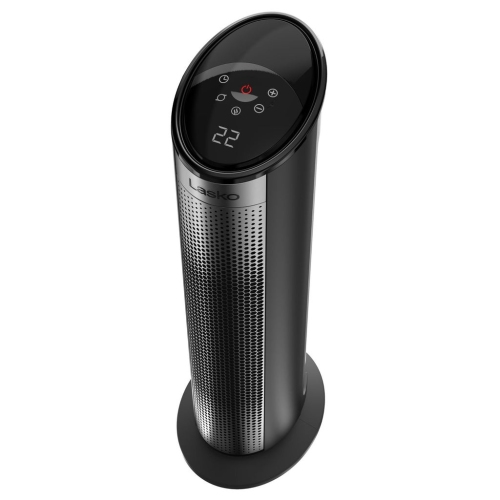
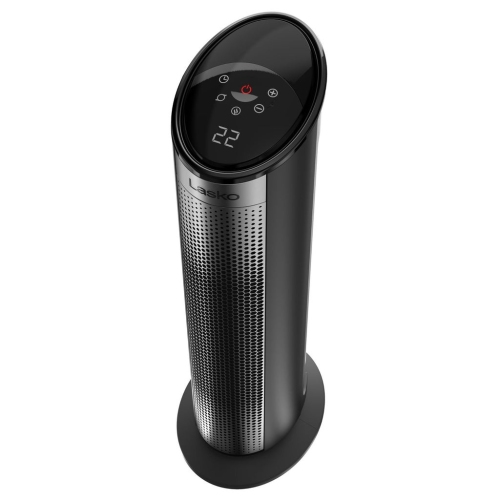
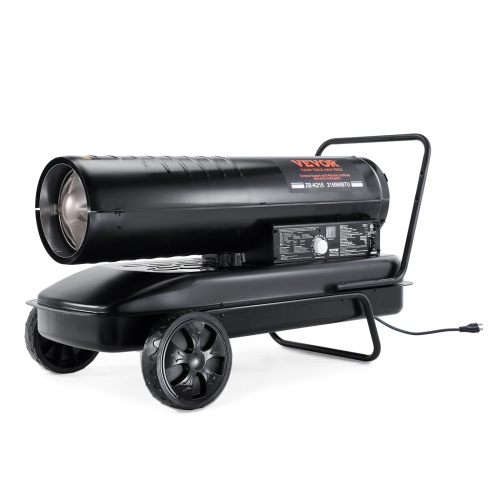

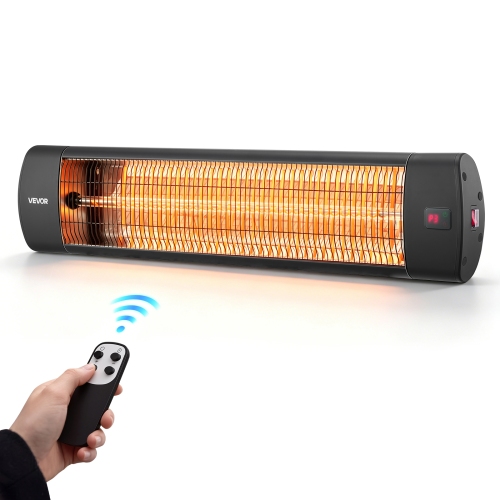
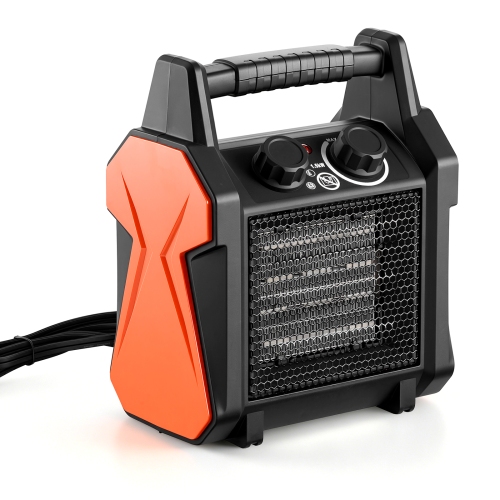
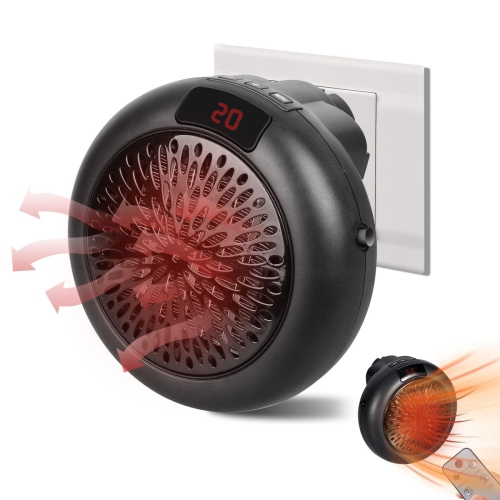
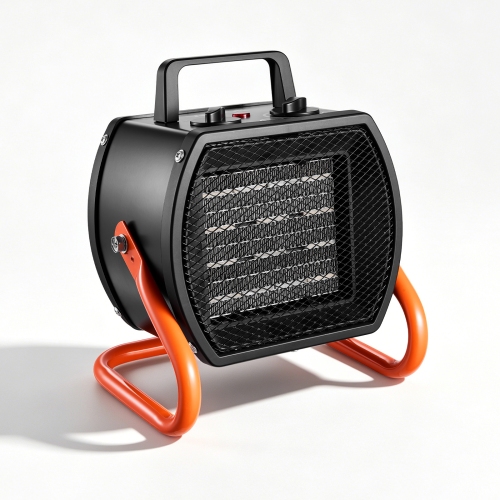
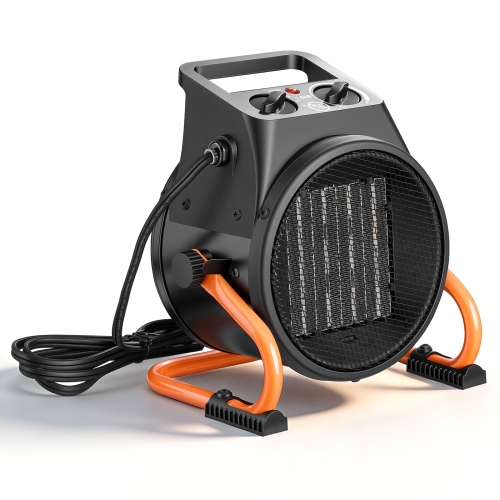
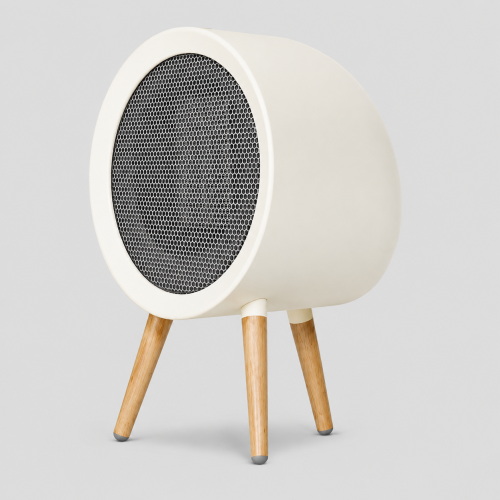
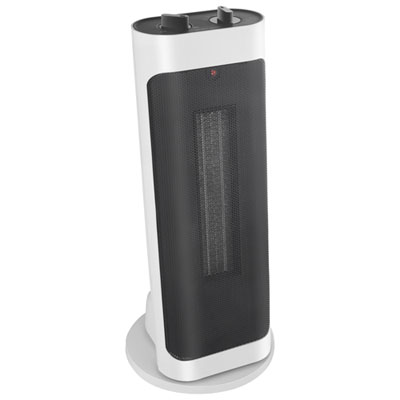
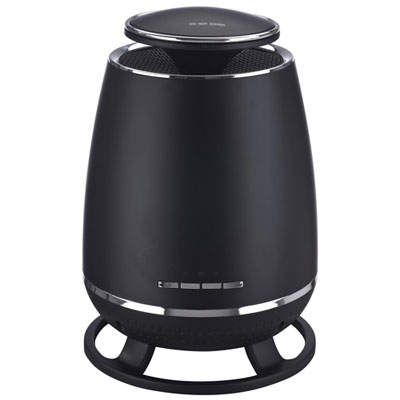
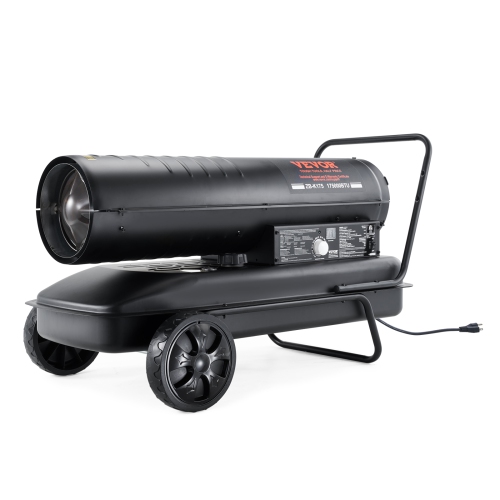
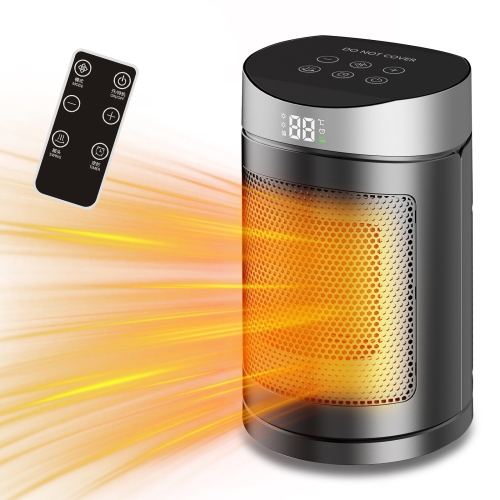
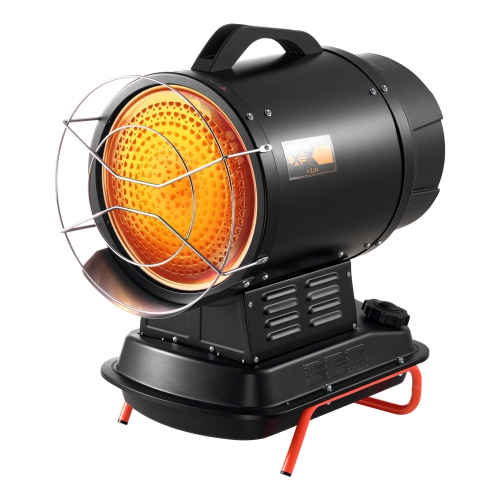

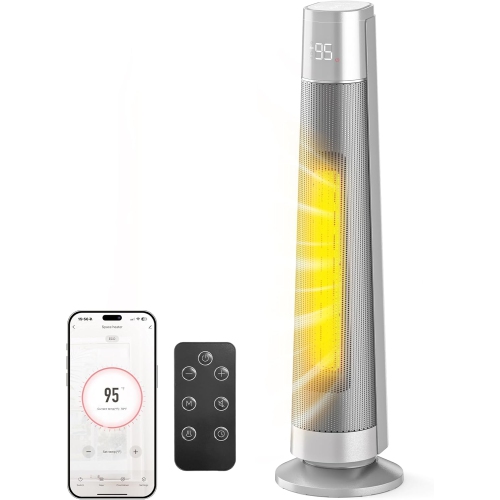





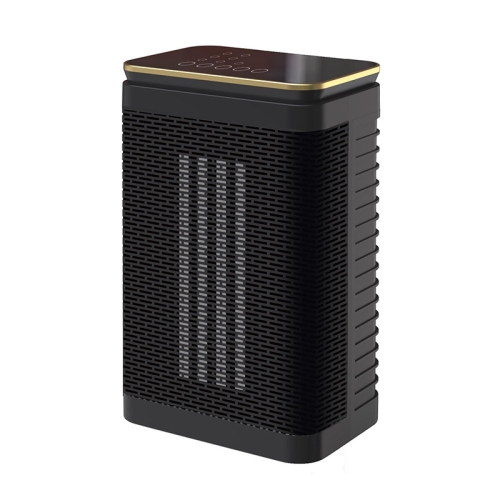
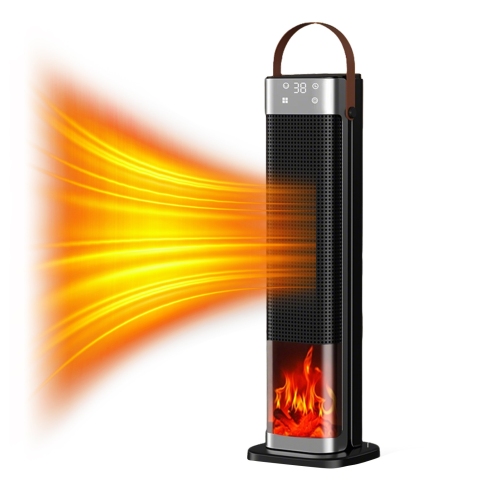
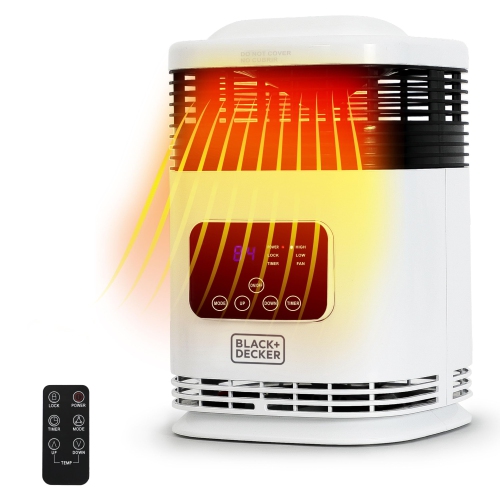
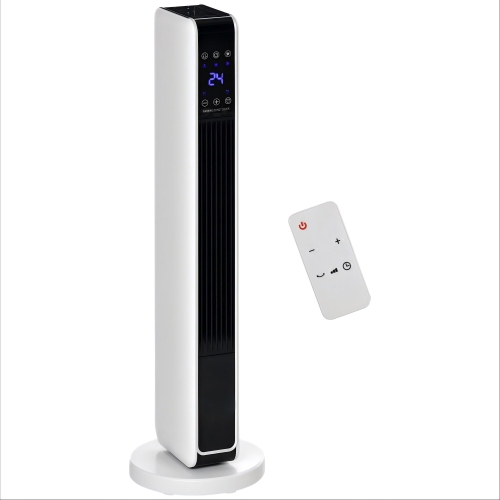
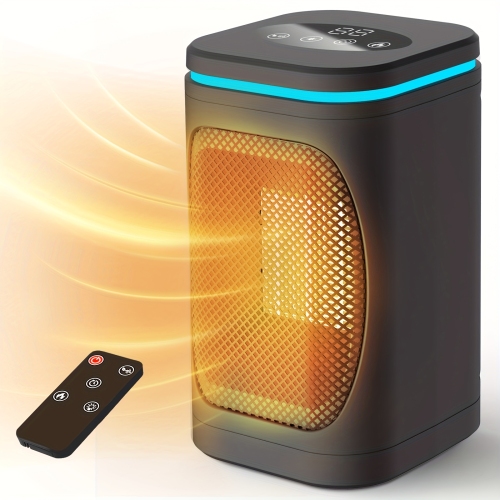
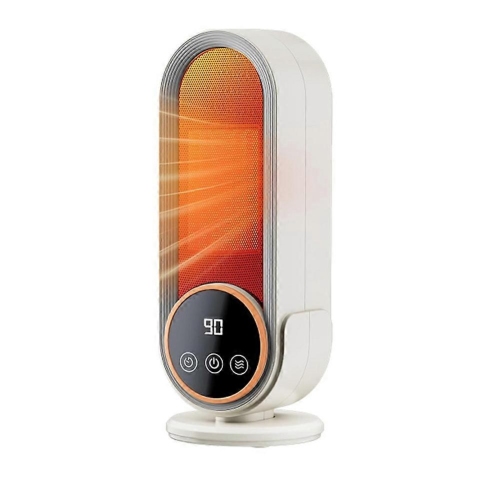
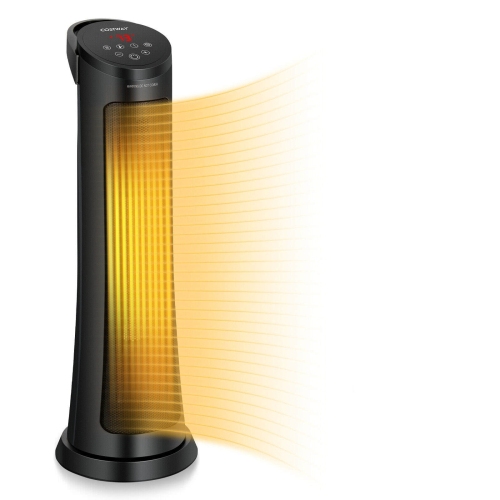

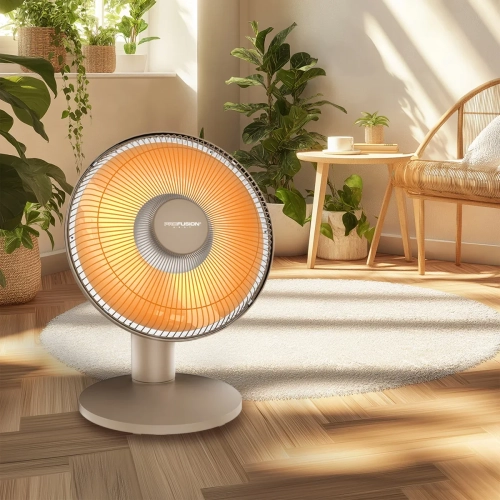
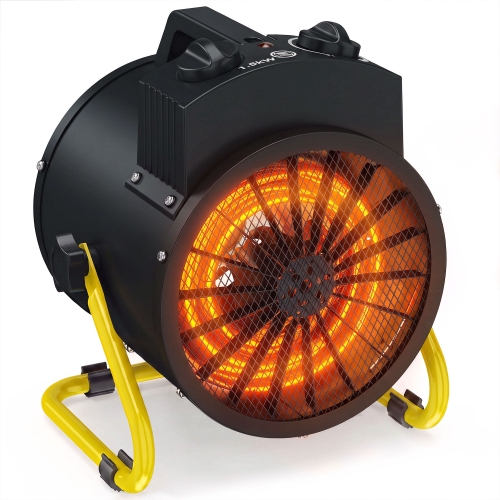
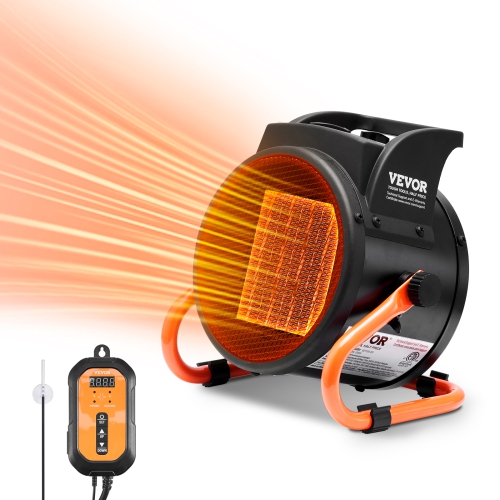
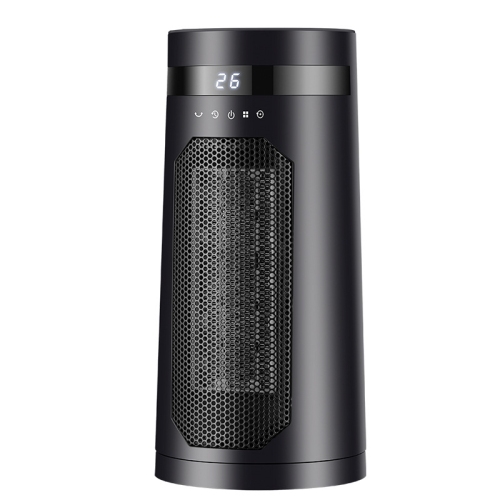
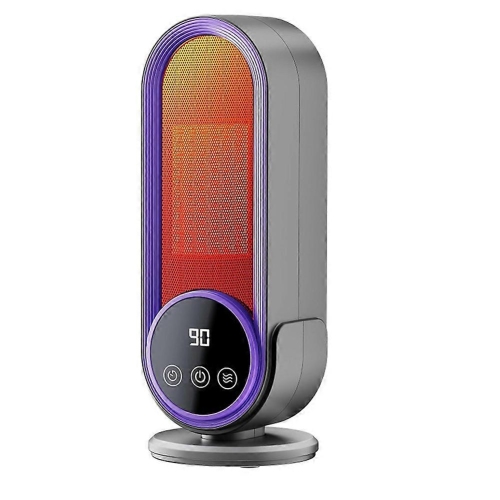

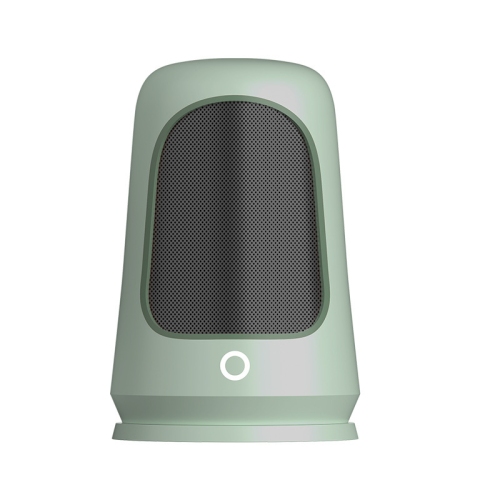
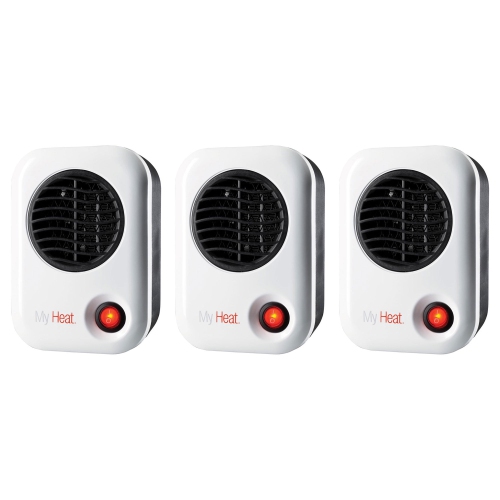
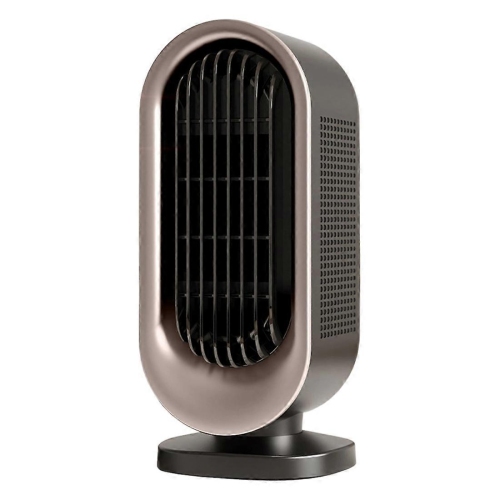
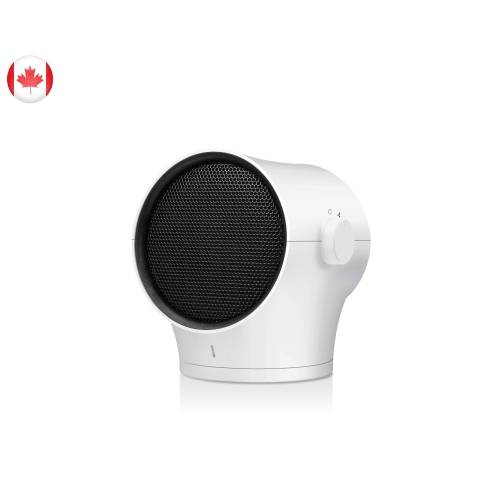

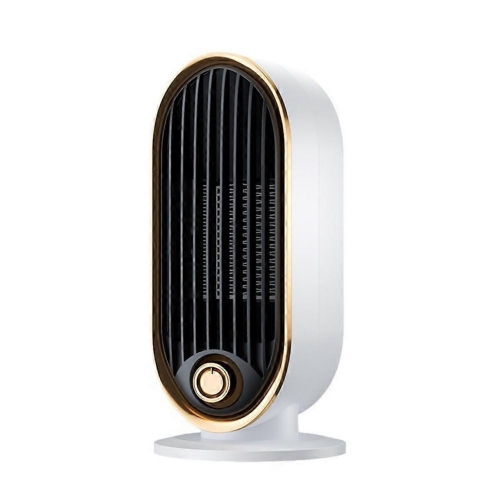
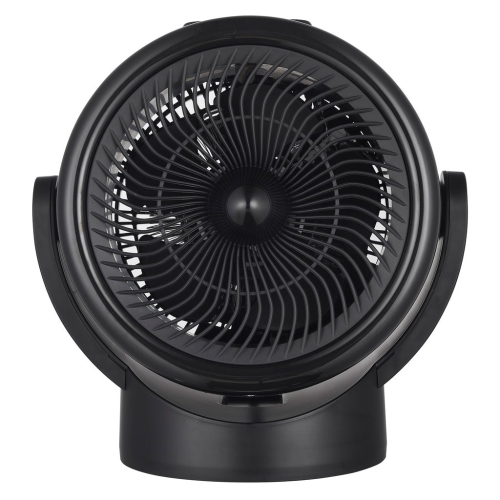
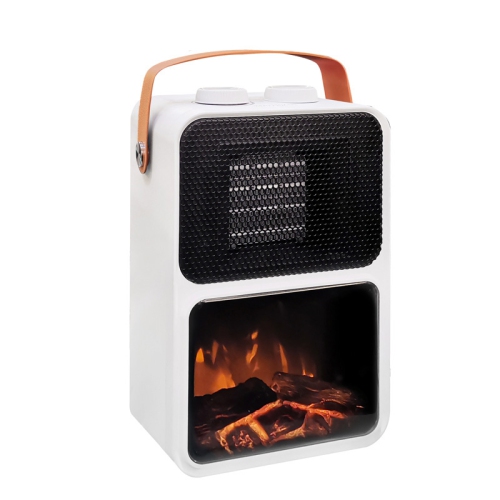

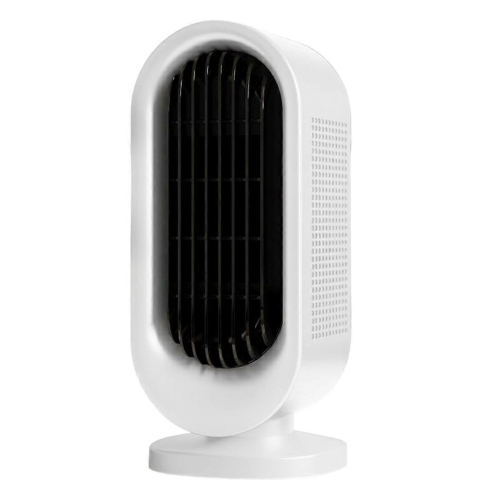



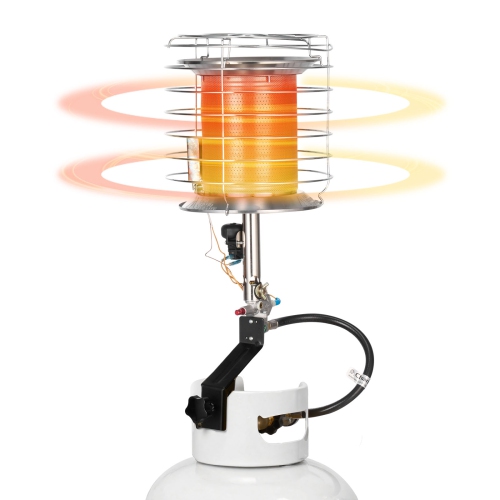
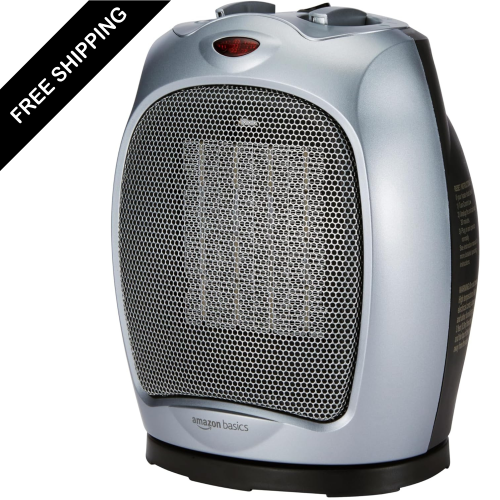
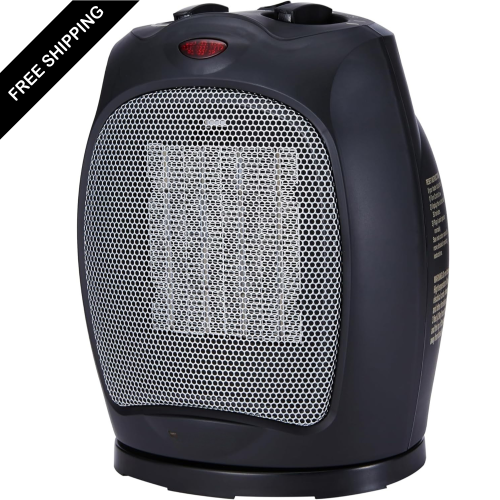
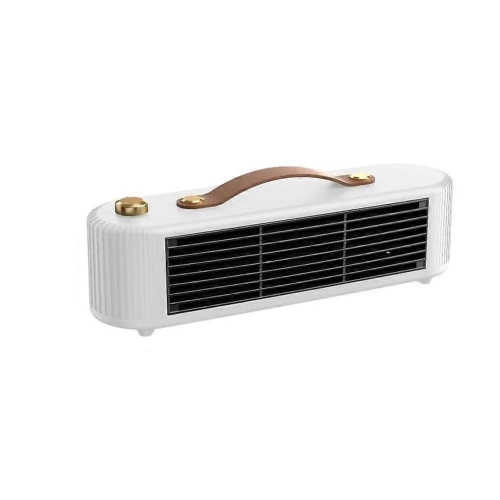

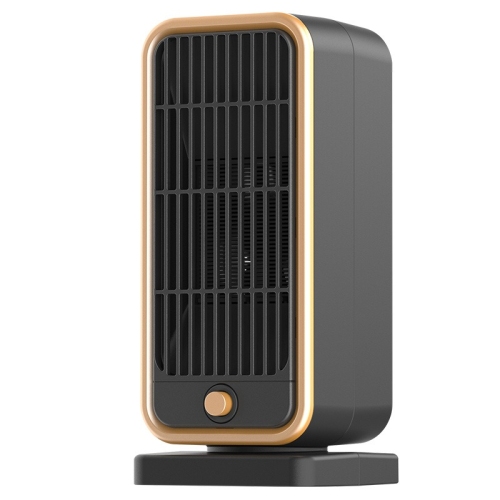
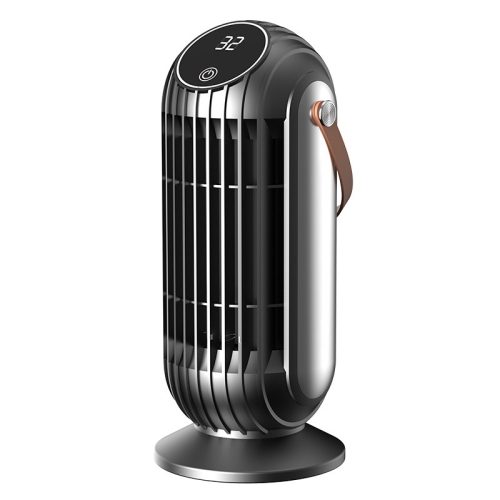


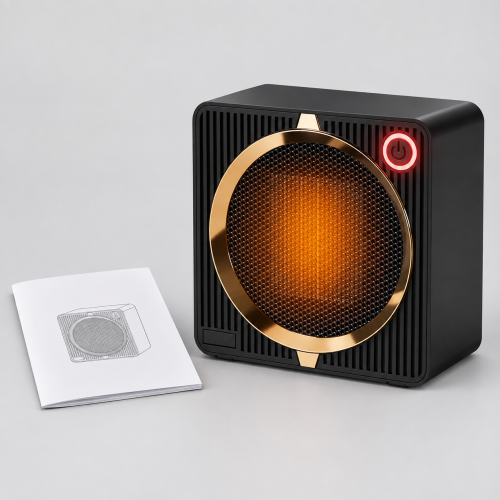


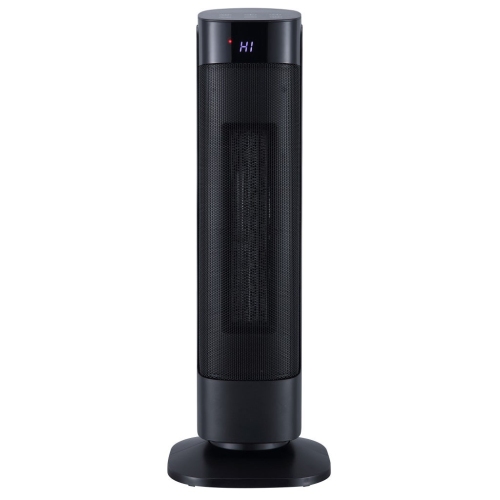


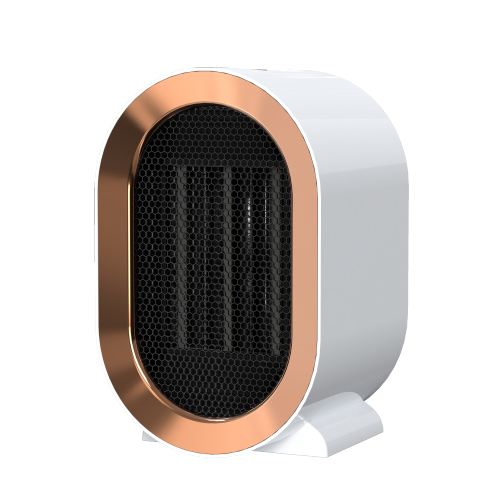
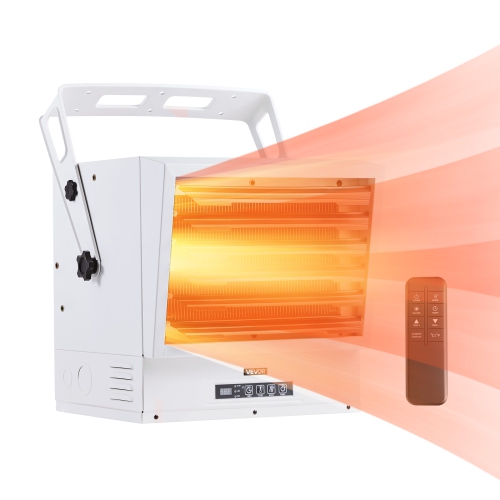
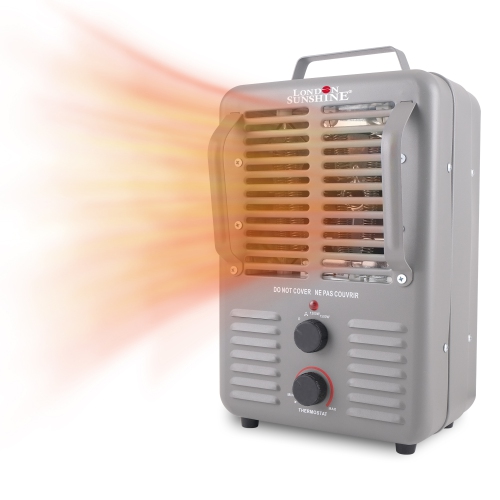
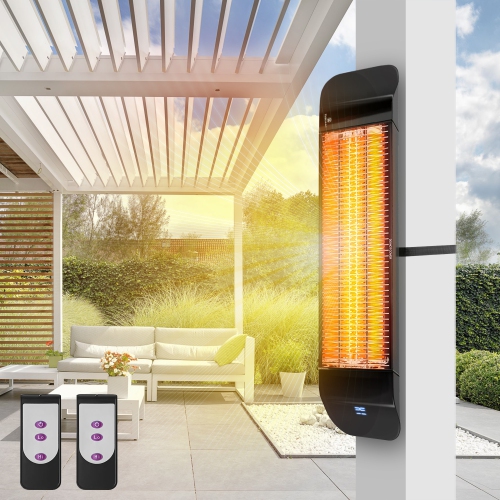





Warmth for chilly corners without changing the main thermostat
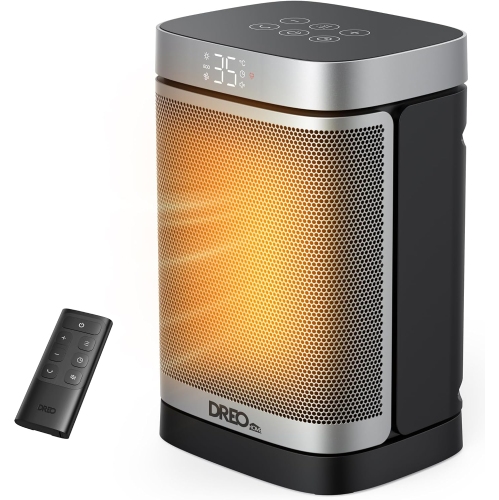
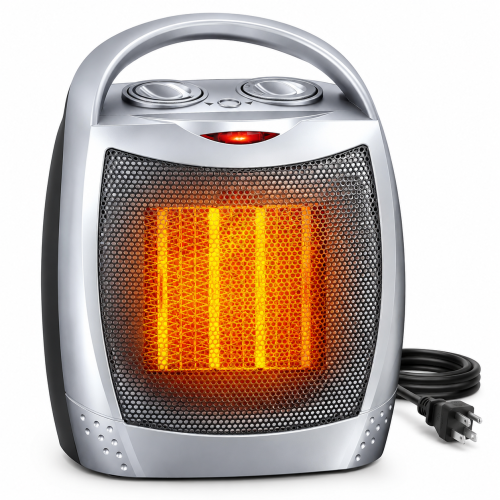
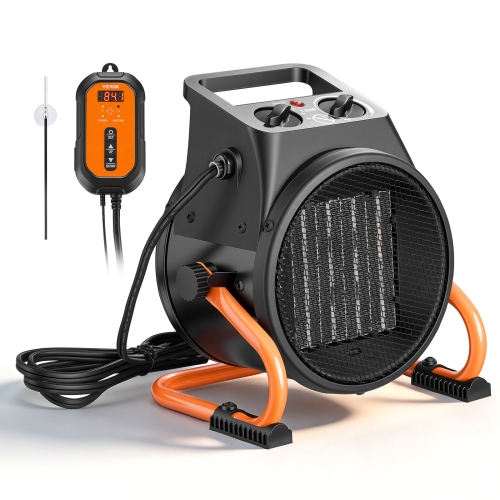
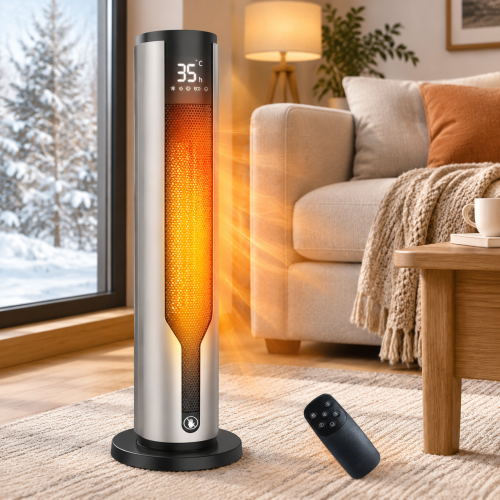
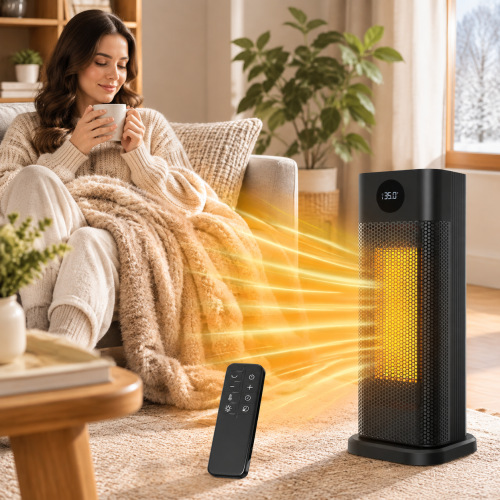
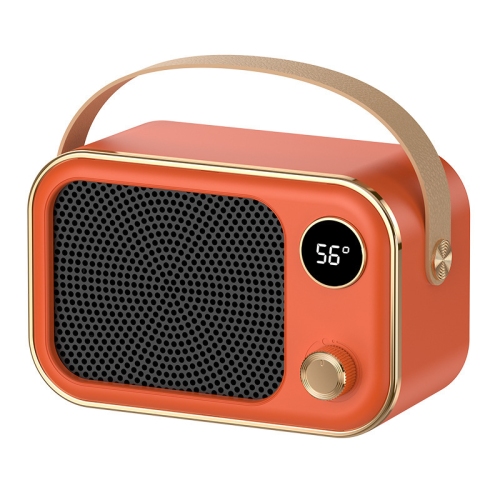
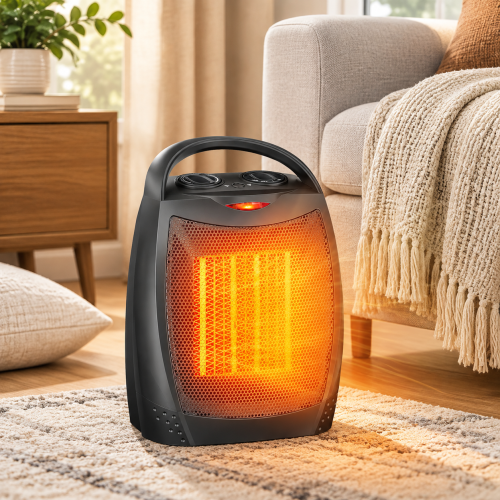
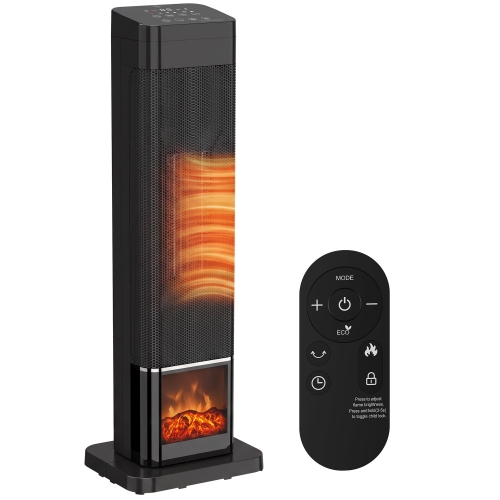
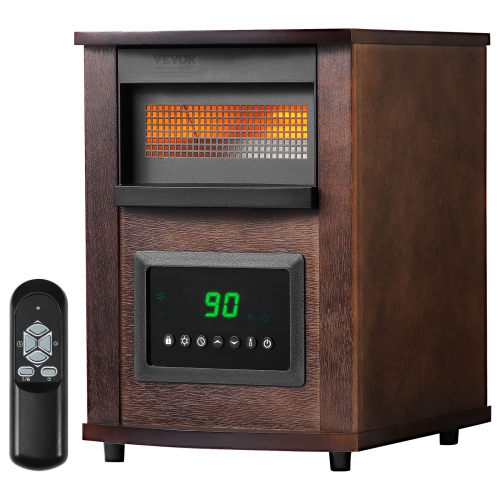
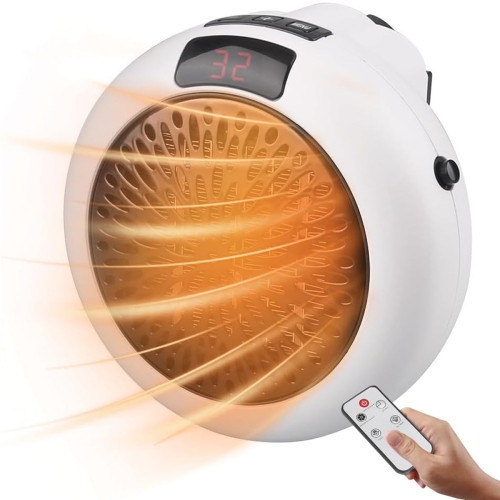
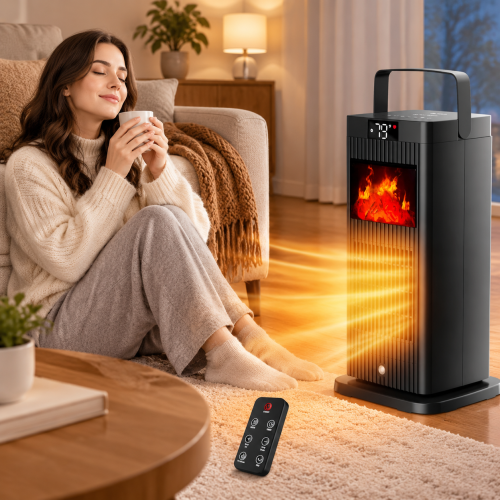
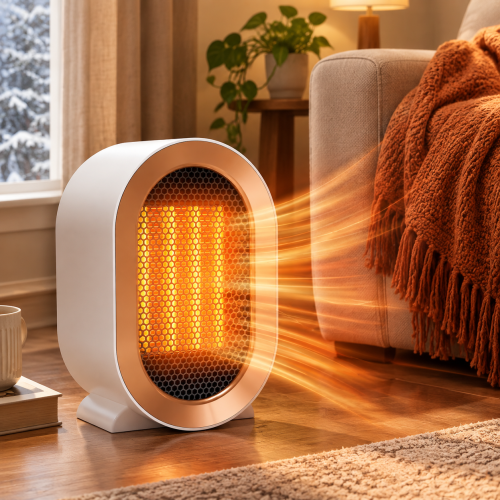
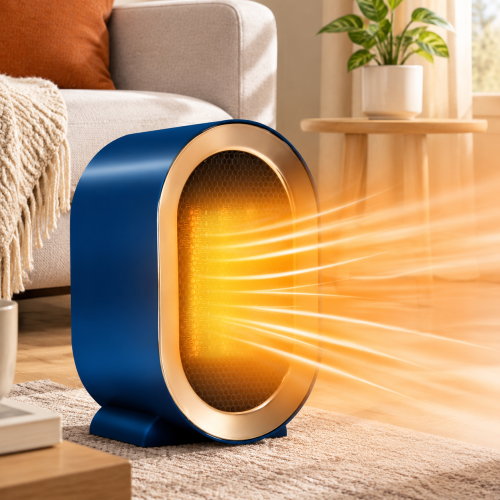
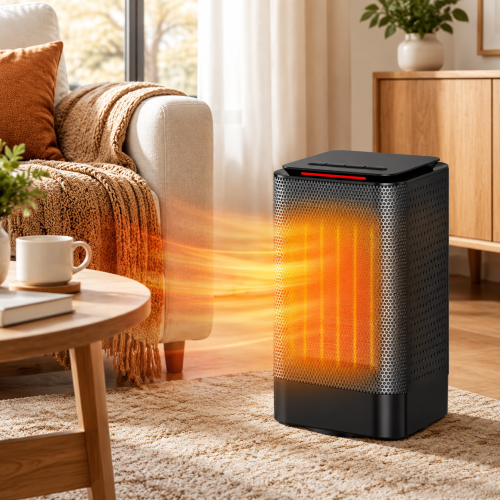
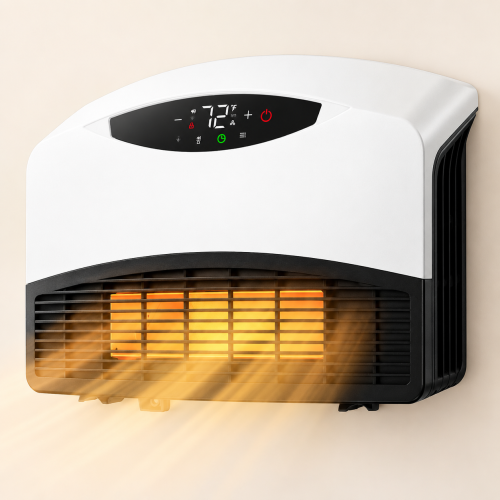
Space heaters with temperature control bring adjustable warmth to the places where cooler air is most noticeable: a home office beside a window, a reading corner on an outside wall, or a living room that feels chilly before the main heating system starts up. Designed for supplemental heating, they let you set a preferred level of warmth without changing the thermostat for the entire home. A built-in thermostat measures the air near the heater and cycles the heating element on and off, or adjusts its output, to help maintain the selected temperature. That makes temperature control different from a simple choice between low and high heat, which changes output but does not necessarily regulate room temperature. Digital thermostats typically display a target temperature, while adjustable mechanical thermostats often use a dial marked from cooler to warmer. A digital display can make settings easier to repeat, although the number shown may represent the selected setting rather than the measured room temperature. Some displays switch between the two, so clearly labelled controls are useful. Thermostat accuracy also depends on placement: a heater beside a draughty door may sense cooler air, while one tucked too close to furniture may detect heat building up around it. The setting is therefore a reference point for comfort, not a guarantee that every corner of the room will reach exactly the same temperature. During the cooler months, this type of localized heating can suit someone working at a desk, sharing a home with people who prefer different temperatures, or spending an evening in one room. Heating performance depends on room size, ceiling height, insulation, window area, and how freely air moves into adjoining spaces. A small enclosed office is a different task from an open living area with a staircase. When comparing space heaters, thermostat controls, rated heating coverage, and intended placement all matter more than the appearance of the housing alone.
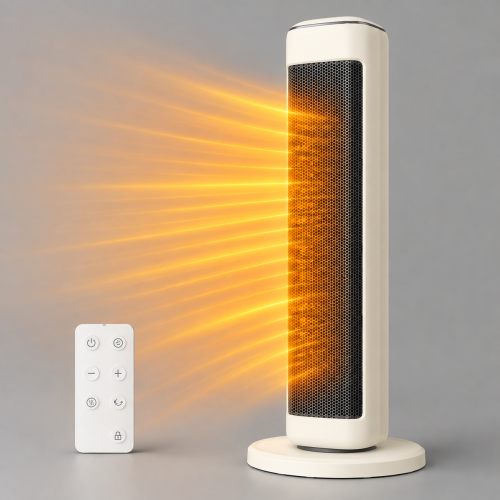
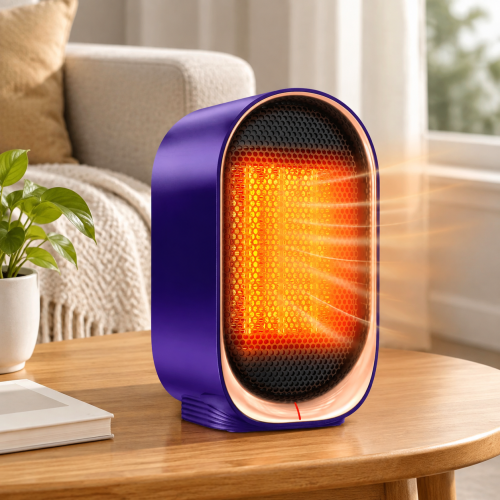
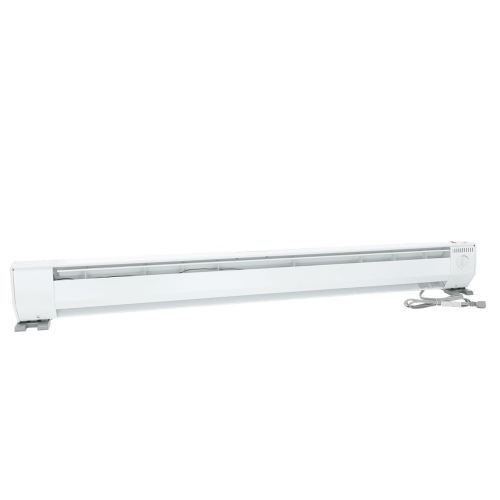
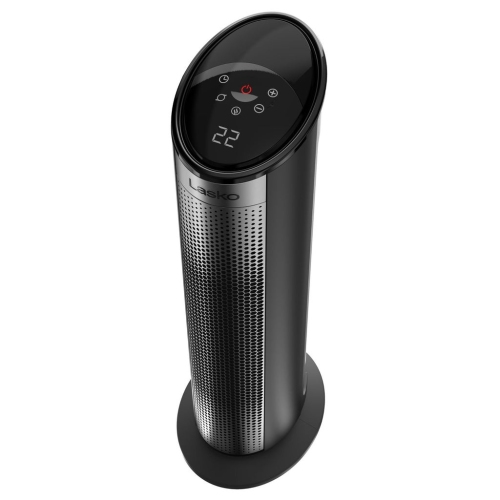
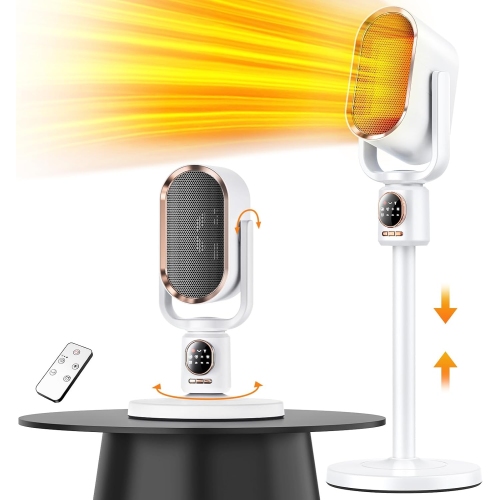
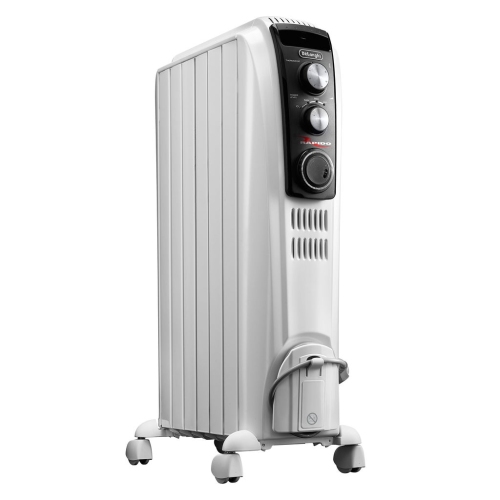
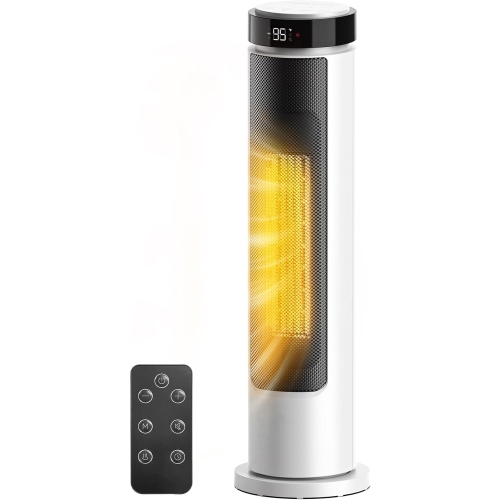
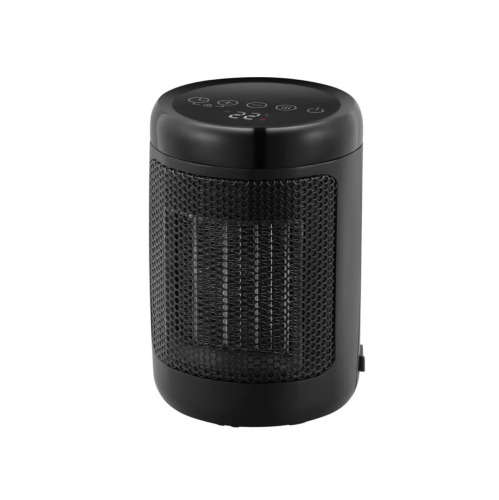
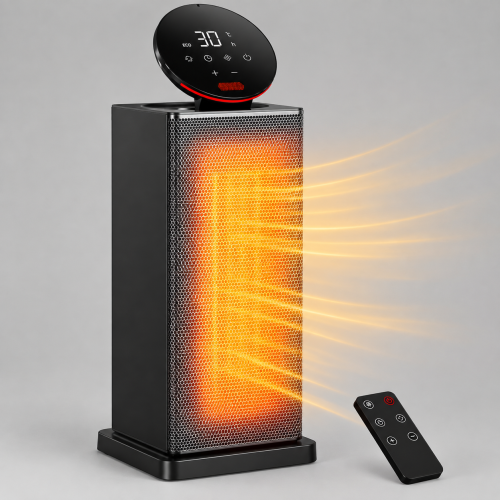
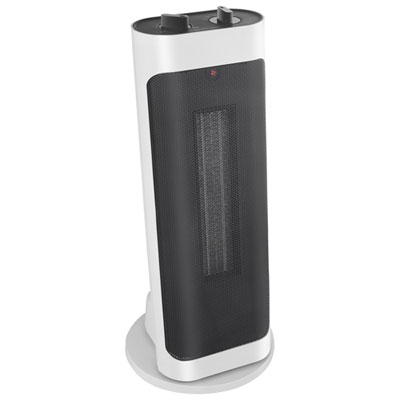
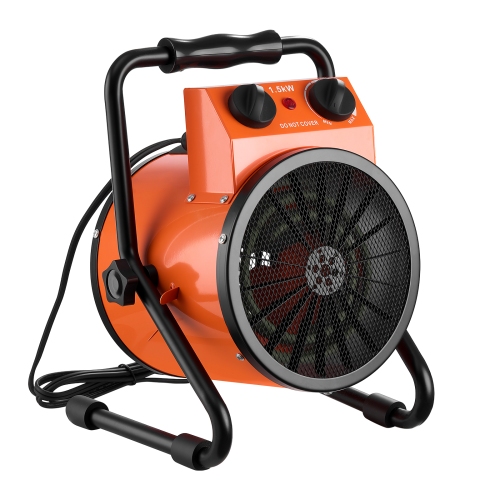
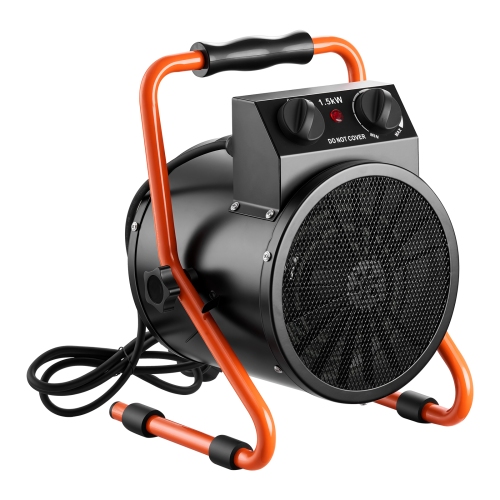
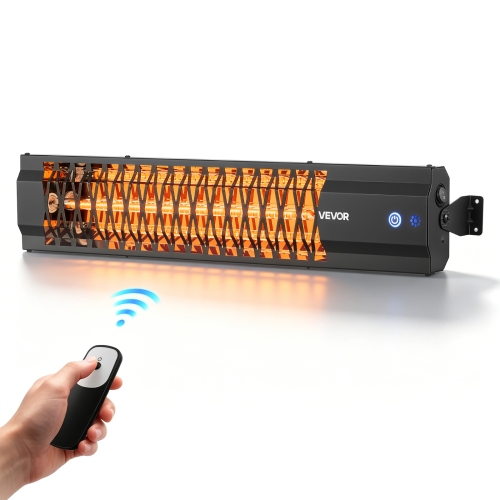
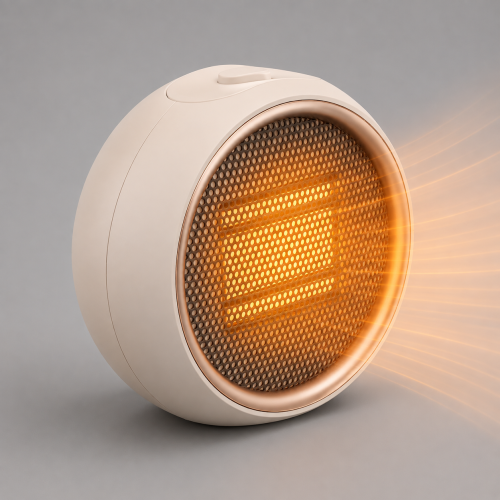
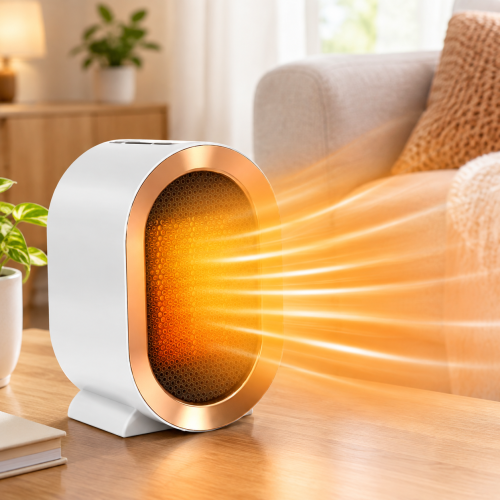
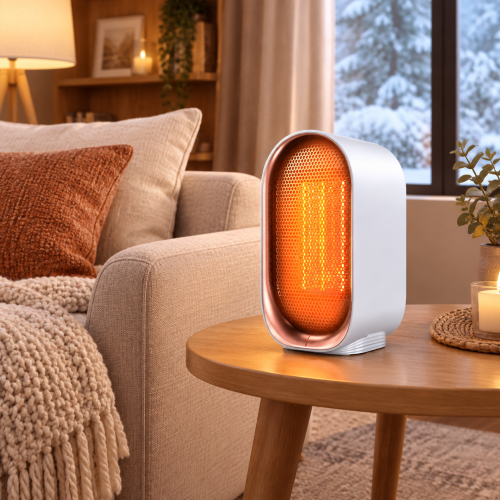
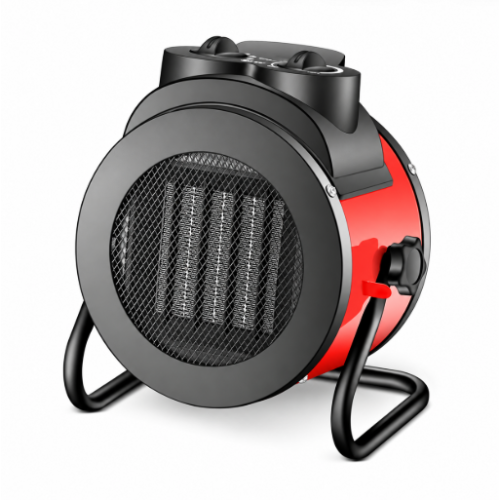
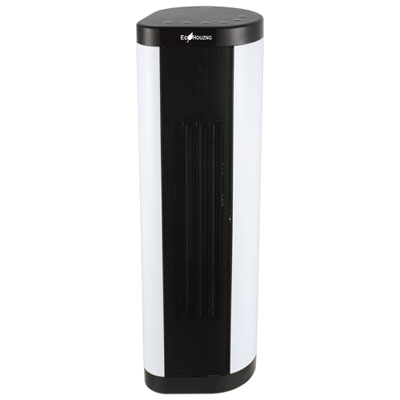
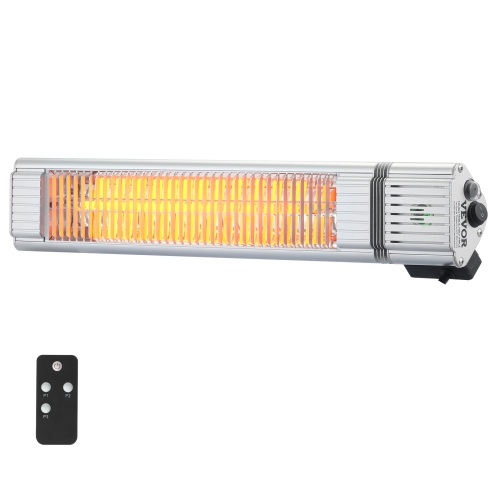
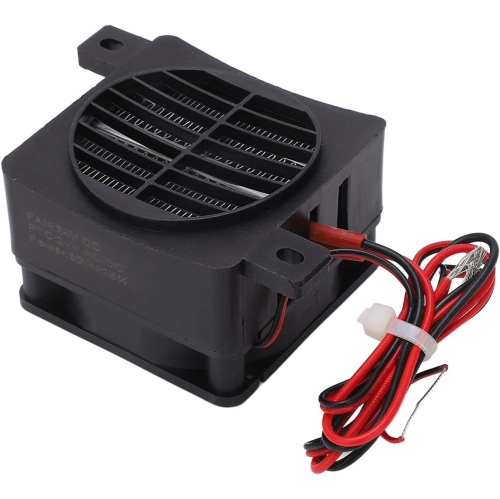
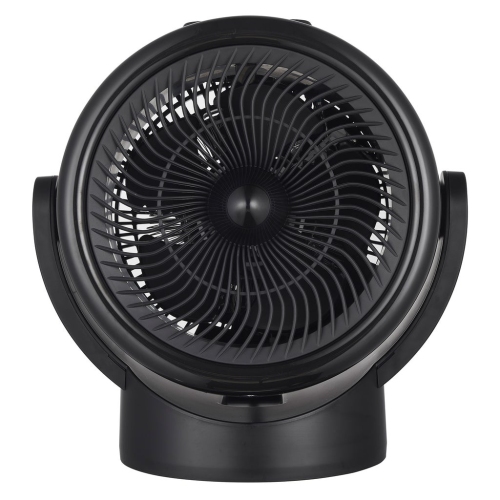
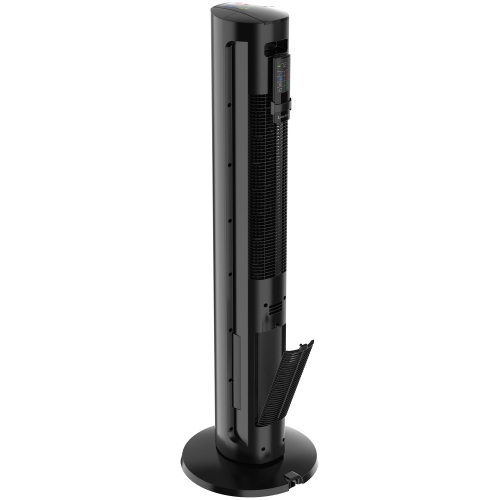
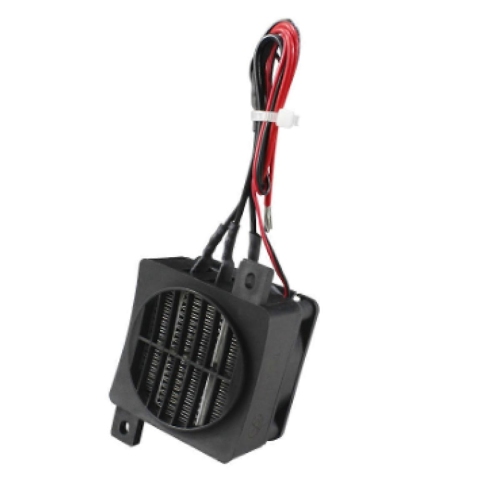
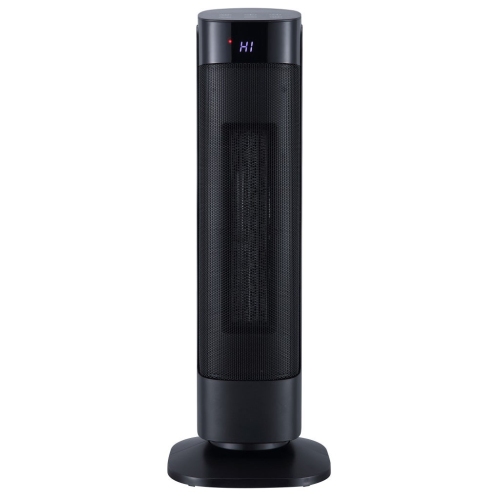
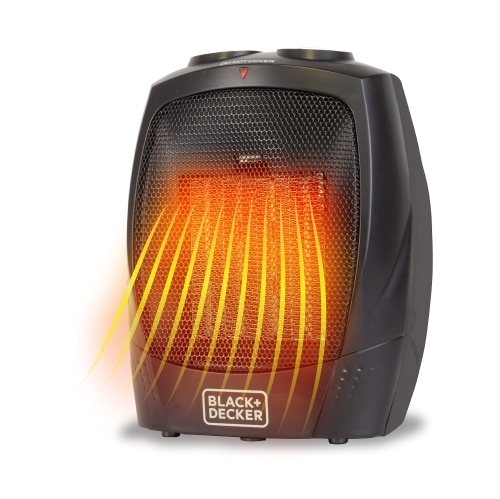
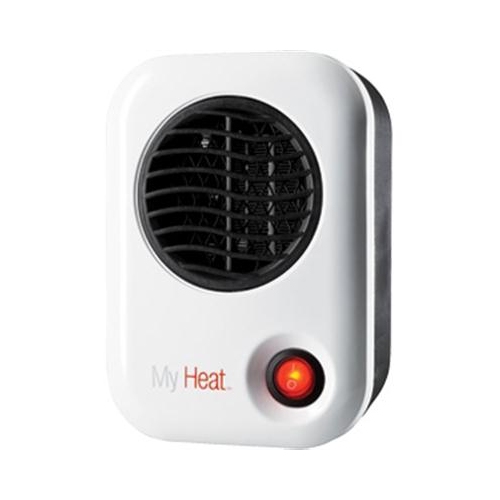
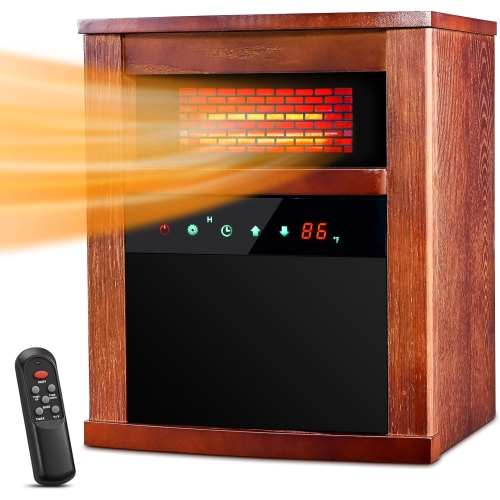
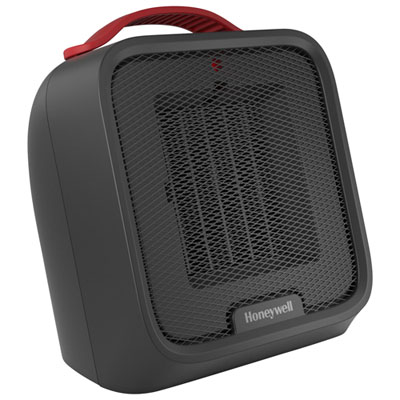
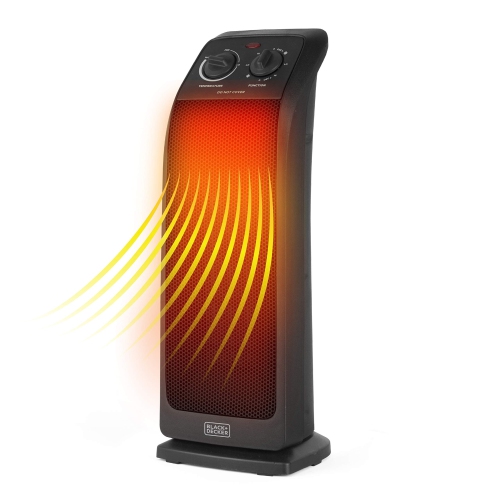
Different heater designs deliver warmth in noticeably different ways, even when they include similar temperature settings. Ceramic fan heaters move air across a heated ceramic element, creating a stream of warm air that can make a nearby seating area feel comfortable relatively quickly. Tower designs often combine a narrow footprint with oscillation to spread that airflow across a wider area, though rotating airflow does not increase the heater’s total heating capacity. Oil-filled radiators warm a sealed fluid inside a metal body and release heat gradually. They usually take longer to warm up than fan-forced designs, but they can provide steady warmth without the continuous sound of a fan; thermostat clicks and occasional expansion noises may still be audible. The sealed oil is not a fuel that needs routine topping up. Convection heaters warm air as it passes around or through the unit, while radiant designs direct more of their warmth towards nearby people and surfaces. Where a thermostat is included, its role remains to regulate heat in response to the temperature sensed at the unit. For shoppers comparing these approaches, Electric heaters with thermostat offer a related category centred on adjustable heating. Physical fit deserves equal attention. A compact body may be easier to move between suitable floor locations, while a taller unit can leave more usable space around a desk, provided all required clearances remain open. Metal housings, moulded outer shells, protective grilles, sturdy bases, and secure carrying handles each affect everyday handling and durability. An outer casing described as cool-touch does not mean that every surface stays cool, particularly around the air outlet. For shared rooms, a readable display, straightforward buttons, and a remote control can make adjustments less disruptive. A dimmable display may suit a room used for watching television, while quieter operation can be useful during calls. Timers, oscillation, and adjustable fan speeds add convenience, but their usefulness depends on the room and daily routine rather than the length of the feature list.
Safe placement and simple care are central to living comfortably with a portable heater. A temperature setting is not a substitute for safety protections: automatic overheat shut-off and tip-over protection perform separate jobs from the thermostat. Overheat protection is designed to stop operation if internal temperatures become unsafe, while a tip-over switch shuts the heater off if it is knocked out of its intended position. Neither removes the need for supervision or correct placement. Look for a certification mark from a body accredited for Canada, and follow the manufacturer’s directions for the particular heater. Place a floor-standing unit on a firm, level surface, outside walking routes and away from curtains, bedding, upholstered furniture, and other combustible materials. Maintain the specified clearances, including any larger distance required in front of the outlet, and never drape clothing over the housing to dry. Portable electric heaters should be plugged directly into a suitable wall outlet rather than an extension cord or power bar. Keep the cord uncovered and positioned where feet, chair wheels, and doors will not damage it. A loose plug, discoloured outlet, or unusually hot connection calls for stopping use and having the issue checked. Unless expressly designed and approved for the location, a heater does not belong near a bath, shower, or other wet area. Children and pets also need space from hot surfaces, even when a control lock prevents settings from being changed. Switch the heater off when leaving the room or going to sleep; a timer does not replace supervision. Routine care generally means unplugging the unit, allowing it to cool, and clearing dust from accessible intake and outlet grilles as directed in the manual. Clean filters only where the design includes serviceable ones, and avoid opening sealed housings. Before storage, check the cord and casing for damage and keep the heater dry. Thoughtful controls, a stable build, appropriate heating coverage, and manageable upkeep help make a temperature-controlled space heater a practical addition to an occupied room.
Top selling and popular products
-
 Your price for this item is $179.99
-
 Your price for this item is $549.99
-
 Your price for this item is $41.99
-
 Your price for this item is $86.99
-
 Your price for this item is $219.95
-
 Your price for this item is $55.98
-
 Your price for this item is $68.99
-
 Your price for this item is $50
Discover more categories related to Space Heaters With Temperature Control

Top Collections:
Pokemon Centers, Kindle Devices, Best Cameras for Sports Photography, Pokémon 30th Celebration Cards, Apple iPhones 16, Canon G7X Cameras, iPhone 15 Apple, Flip Phones, Samsung Galaxy Phones, Alarm Clock
Some products may be subject to Environmental Handling Fees
(EHF) depending on your province.
Learn more about EHFs.