Space Saving Dishwashers
Space Saving Dishwashers are the perfect solution for maximizing kitchen efficiency without sacrificing valuable counter or cabinet space. Designed to fit seamlessly into compact kitchens, apartments, or smaller homes, these dishwashers offer convenient cleaning power while helping you make the most of every inch. Explore a variety of models and styles to find the ideal Space Saving Dishwasher that fits your needs and complements your kitchen layout.
Sort
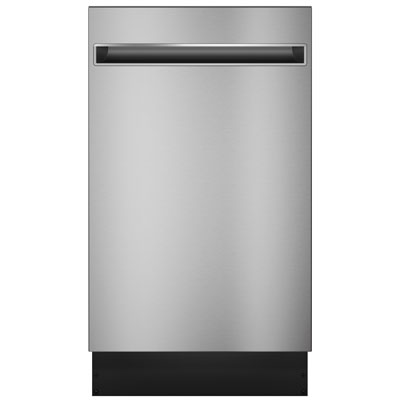

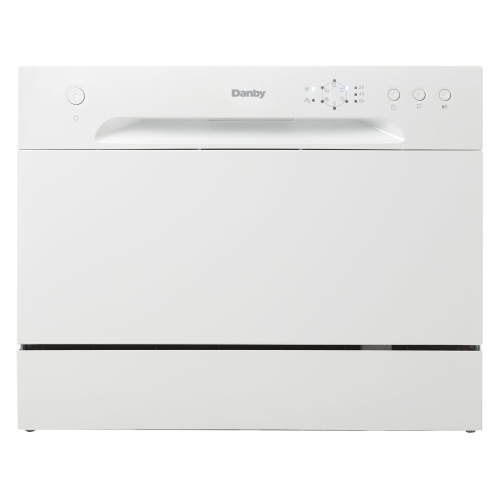
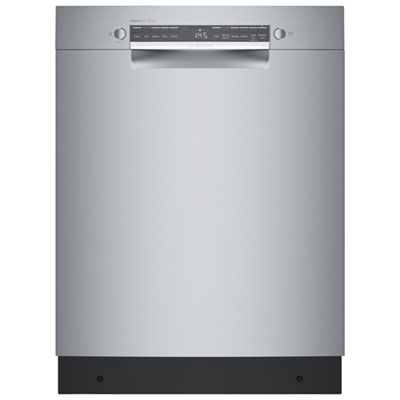
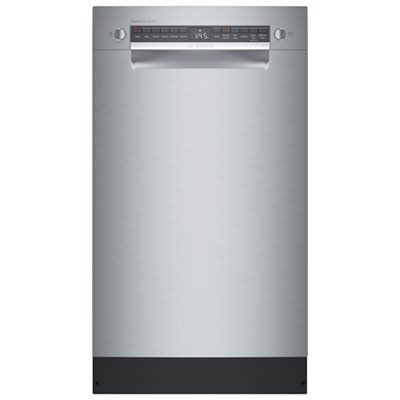
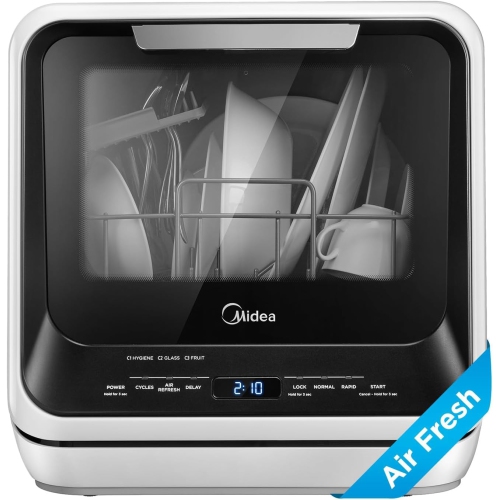
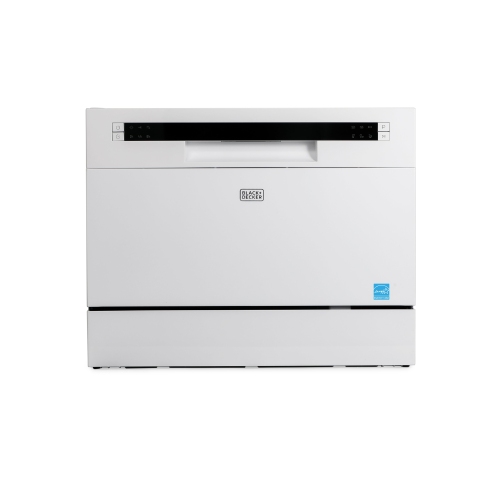

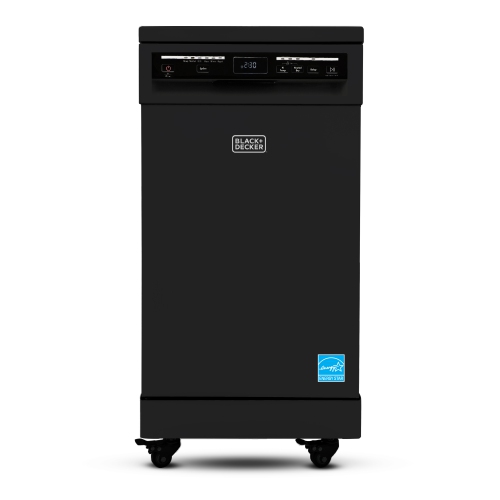


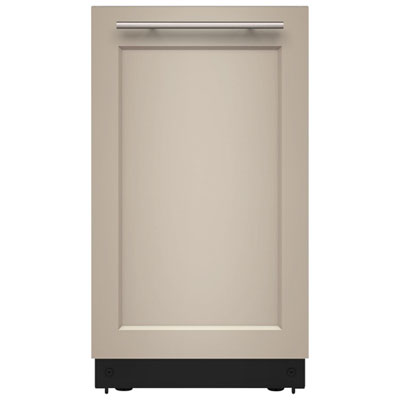

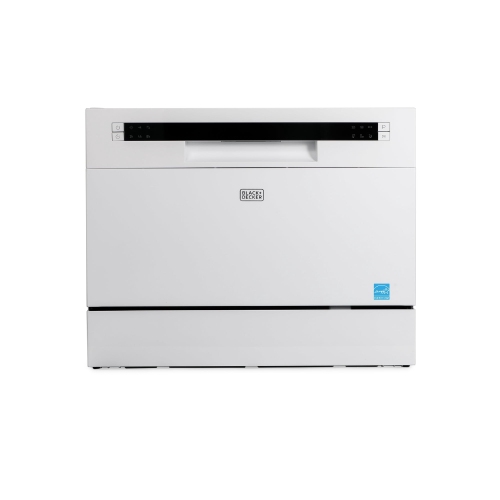
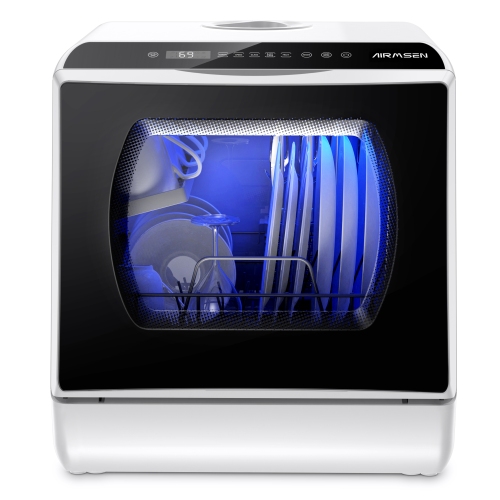
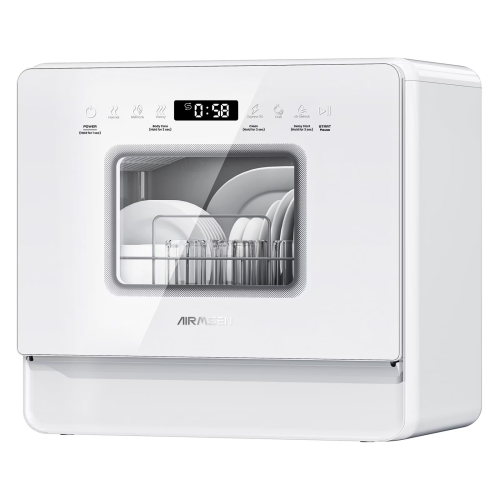
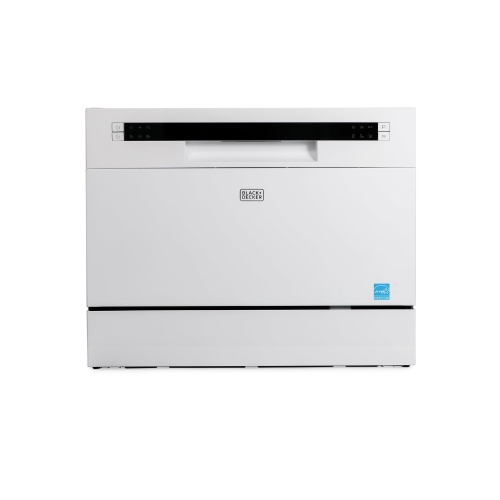
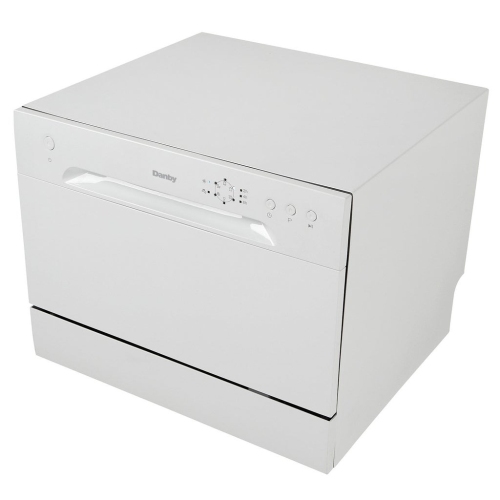
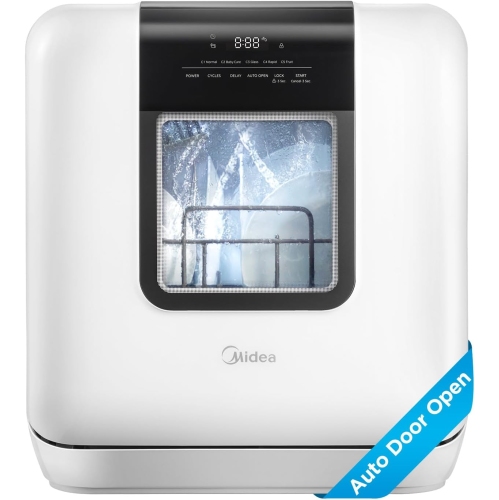
Compact dishwashing that works with your kitchen layout
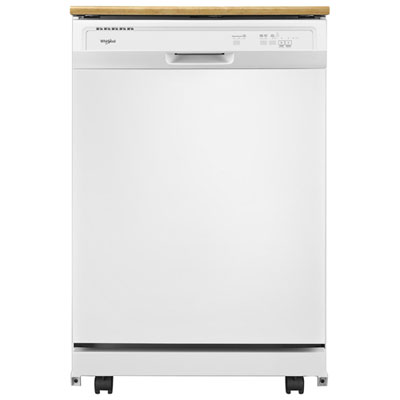
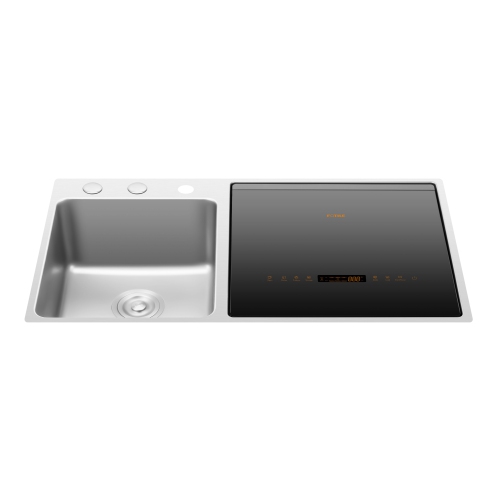
Space-saving dishwashers bring automatic dishwashing to kitchens where every cabinet and stretch of countertop has a job to do. The main formats are countertop dishwashers, portable rolling dishwashers, and slim built-in dishwashers, commonly in an 18-inch width. Each solves a different space problem: countertop models avoid taking over a cabinet opening, rolling models can move between a storage spot and the sink, and narrow built-in models provide a permanent installation with a smaller footprint than a typical 24-inch dishwasher. The best fit depends as much on the kitchen layout as on the number of dishes waiting after dinner. In a small condo, a slim built-in can preserve valuable cabinet space while keeping the countertop clear for food preparation. In a rental, a countertop or faucet-connected portable design may suit a kitchen where permanent plumbing changes are not permitted, subject to the lease and the appliance’s connection requirements. For a permanent installation, Narrow Dishwashers are worth considering when a full-width appliance would crowd neighbouring storage. An 18-inch designation describes a size category rather than a guaranteed fit, so the required opening, appliance depth, height adjustment range, and connection clearances still matter. A door that opens into a narrow walkway can be just as disruptive as an appliance that is too wide. There should be room to lower the door fully, pull out the racks, and stand comfortably while loading plates. Nearby drawers, cabinet handles, baseboards, and an oven door can also affect access. Some slim built-in designs accept a matching cabinet panel, while others have a finished front; panel-ready installation depends on the model and may require a separately supplied panel and hardware. A well-proportioned installation makes the dishwasher feel like part of the kitchen rather than an obstacle between the sink and the stove.
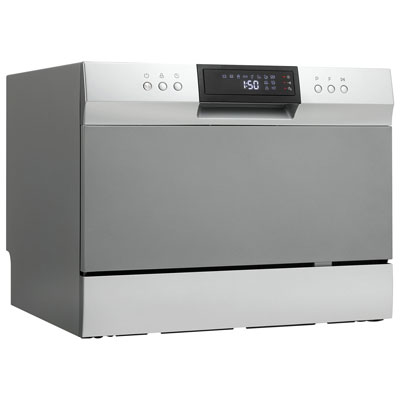
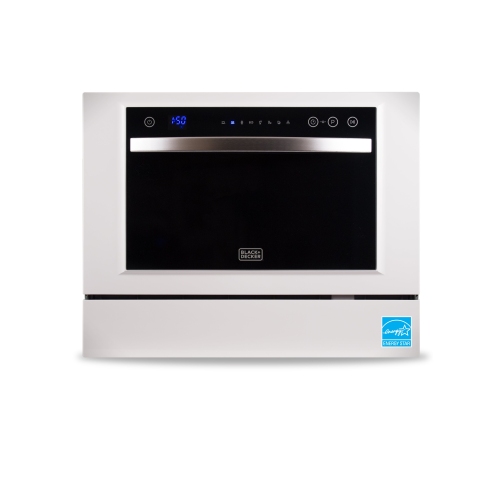
Countertop dishwashers suit kitchens without an appropriate cabinet opening, particularly when daily loads consist mainly of mugs, bowls, plates, and cutlery. Their smaller footprint can be useful for someone living alone, a couple cooking simple meals, or a household wanting an alternative to washing dishes by hand. However, countertop space is still working space. The appliance needs a level, weight-supporting surface, enough room for its door to open, and the ventilation and hose clearances specified for the design. Clearance beneath upper cabinets deserves particular attention, especially if a built-in water reservoir is filled from the top. A tank-fed design can reduce dependence on a faucet connection, but it still needs a suitable arrangement for draining wastewater and access to an appropriate electrical outlet. Faucet-connected countertop dishwashers typically need a compatible tap, the correct adapter, and a secure drain arrangement. Pull-down sprayers, unusual faucet threads, and some contemporary tap designs may not accept a standard connection. Portable rolling dishwashers offer a different approach: they stand on the floor and can be moved to the sink for use, then returned to a storage position. They can provide more loading room than a compact countertop format, although their width and capacity vary, and some occupy a footprint similar to a full-size dishwasher. That makes the path between storage and the sink an important part of the fit. Wheels need a stable surface, hoses must reach without being stretched, and the connected appliance should not block the only route through the kitchen. Neither portable format means completely unrestricted placement. Water supply, drainage, electrical requirements, and the manufacturer’s operating instructions determine where the appliance can be used safely. For renters and anyone planning to move, the appeal is flexibility without assuming that every sink, outlet, or floor plan will work with every design.
Capacity is most useful when it reflects the dishes used every day, not simply the largest advertised place-setting count. A compact dishwasher may comfortably handle breakfast dishes and dinner plates yet leave little room for a mixing bowl, a deep saucepan, or tall reusable bottles. Plate diameter, glass height, rack spacing, and the space beneath the spray arm can make a noticeable difference. Adjustable racks, fold-down tines, and removable cutlery baskets can help accommodate awkward shapes, where those features are included. Someone who cooks from scratch may value room for preparation bowls more than extra spaces for cups, while a household using mostly plates and mugs may prefer a straightforward rack layout. Wash programs also serve different needs: a heavier cycle is useful for suitable cookware with dried-on food, while a shorter cycle may suit lightly soiled dishes, depending on the appliance’s instructions. In an open-plan condo or a kitchen beside a home office, the stated sound level can be as relevant as capacity, though installation, loading, and room surfaces also affect how noticeable operation feels. Tub materials commonly include stainless steel and moulded plastic, with differences in finish, drying behaviour, and care requirements. Stainless steel can resist staining and odours, but it is not maintenance-free, and exterior finishes still need cleaning with suitable products. Long-term performance depends on accessible filters, clear spray-arm openings, sound door seals, and correct detergent use. Scraping away large food scraps, keeping tall utensils clear of moving parts, and avoiding overcrowded racks help water reach dish surfaces. Only detergent intended for automatic dishwashers should be used; regular washing-up liquid can create excessive suds. Filters need cleaning at the intervals stated in the manual, and mineral buildup may require treatment suited to local water hardness. Dishwasher-safe labels remain important for wood, delicate glassware, coated cookware, and insulated drinkware. Matching the appliance to both the kitchen and everyday washing habits makes a small dishwasher a practical part of the routine, with less disruption to the space needed for cooking, serving, and putting dishes away.
Top selling and popular products
-
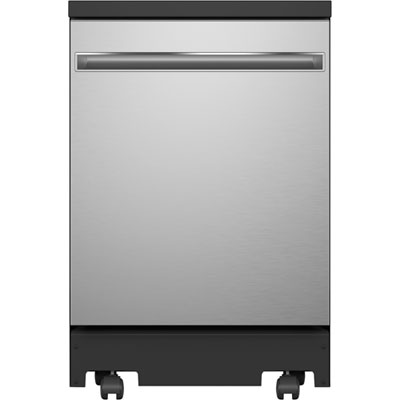 Your price for this item is $849.99
-
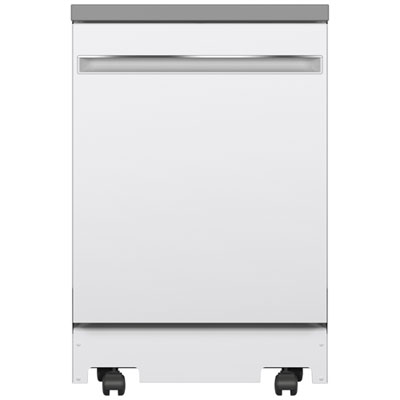 Your price for this item is $799.99
-
 Your price for this item is $1099.99
-
 Your price for this item is $369.99
-
 Your price for this item is $431.99
-
 Your price for this item is $2099
-
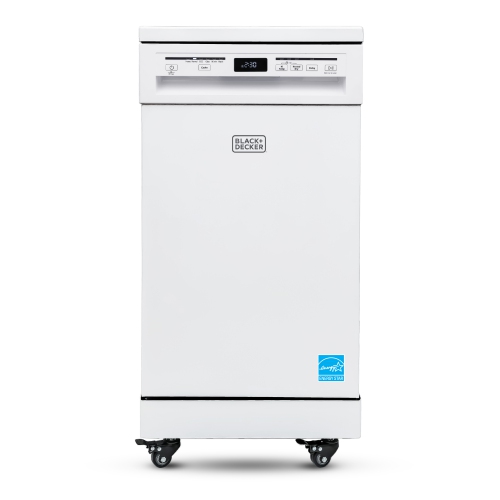 Your price for this item is $676.19
-
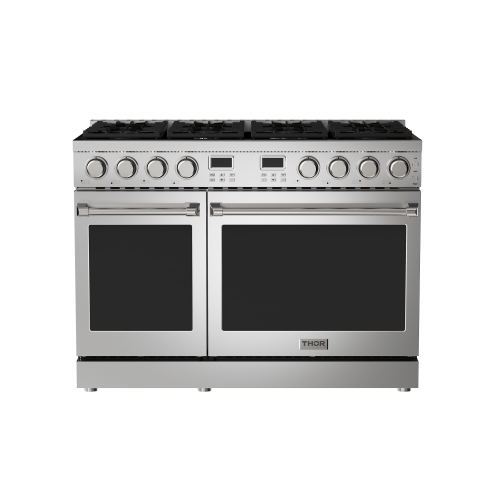 Your price for this item is $5499
Discover more categories related to Space Saving Dishwashers

Top Collections:
Best Black Friday Deals This Year, Best Black Friday Deals On Electronics, Kindle Devices, Pokemon Centers, Best Black Friday Deals On Apple Products, Best Cameras for Sports Photography, Dyson Airwrap, Pokémon 30th Celebration Cards, Apple iPhone 17 Pro, Canon G7X Cameras
Some products may be subject to Environmental Handling Fees
(EHF) depending on your province.
Learn more about EHFs.