Steam Humidifiers
Steam humidifiers are a popular choice for adding moisture to the air in your home, helping to combat dryness and create a more comfortable living environment. These devices work by heating water to produce steam, which is then released into the air to increase humidity levels. Steam humidifiers are known for their effectiveness in alleviating symptoms of dry skin, irritated sinuses, and other issues caused by low humidity. Whether you're looking to improve your indoor air quality or enhance your overall well-being, steam humidifiers offer a simple and efficient solution for maintaining optimal humidity levels in your living space.
Sort
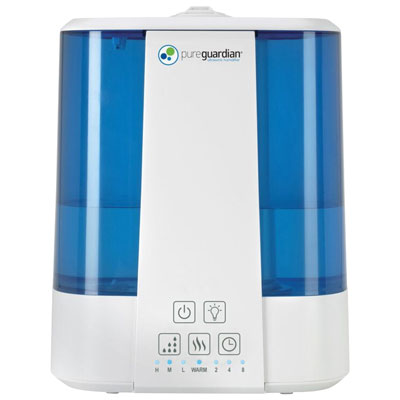
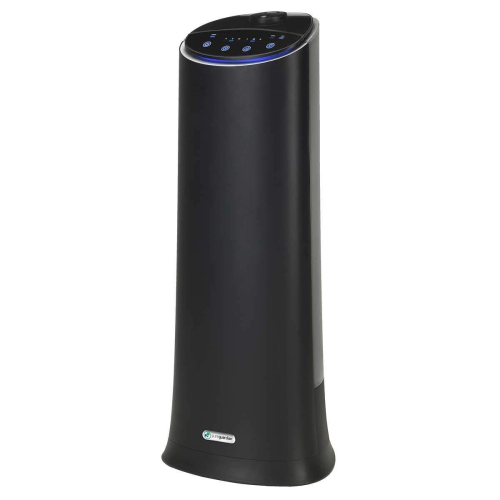
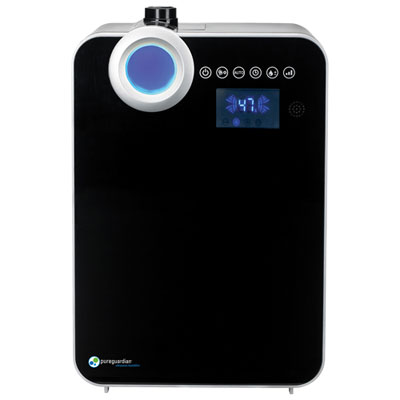
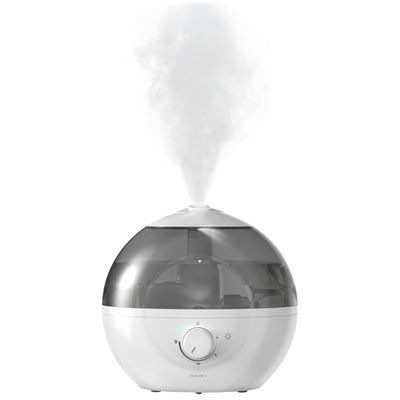
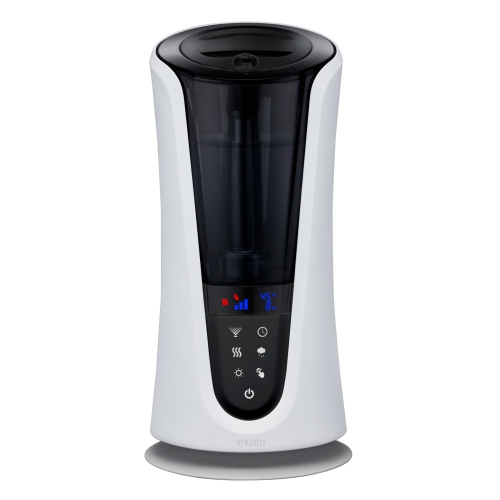
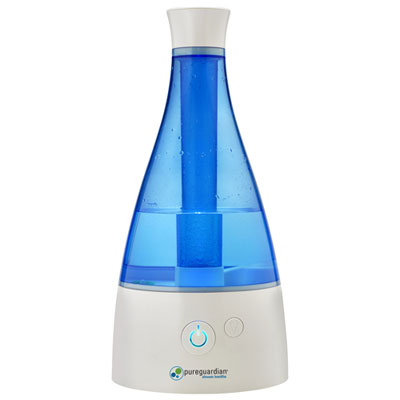
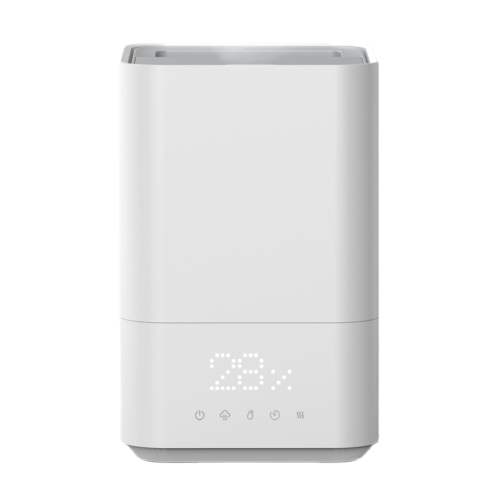
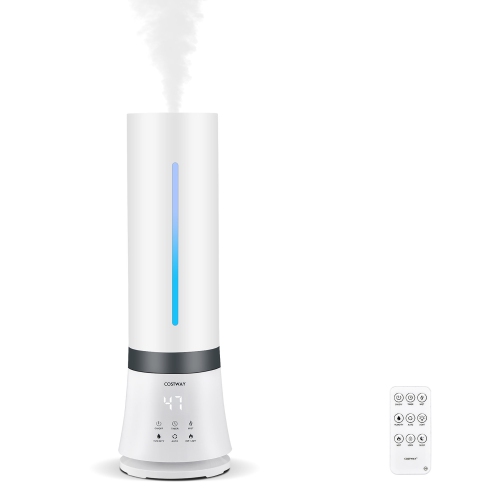
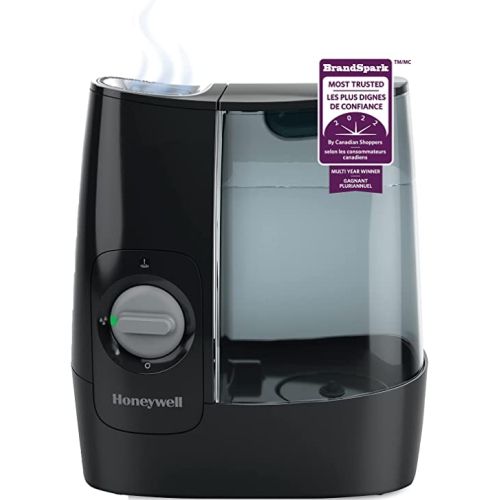
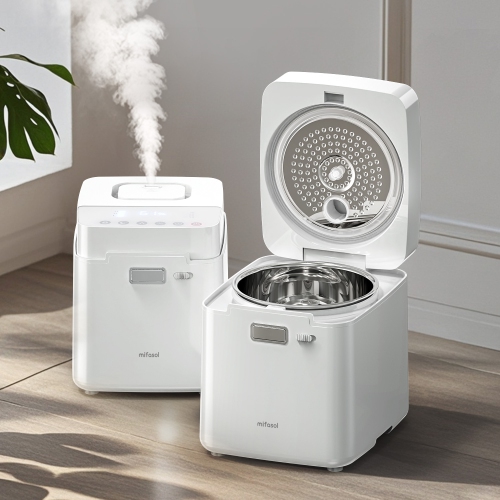
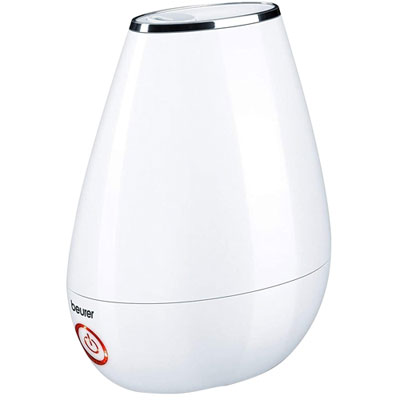
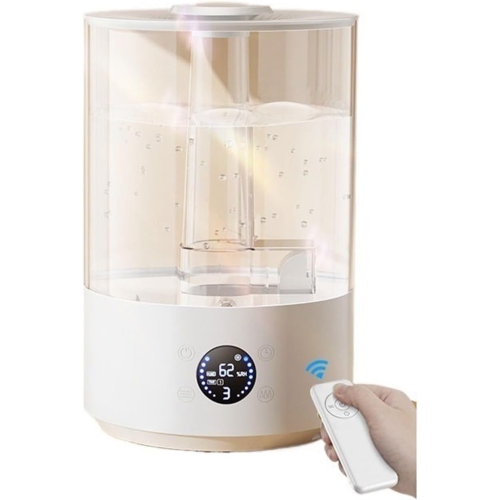

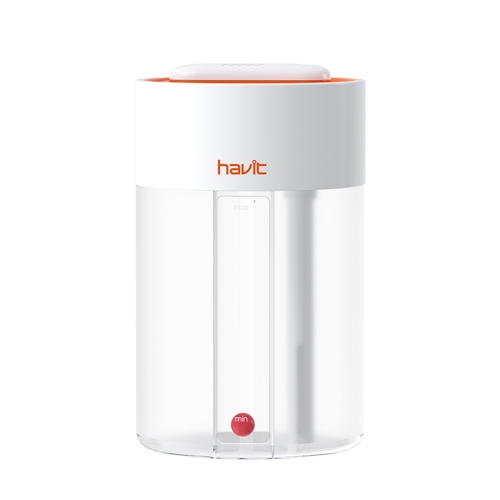

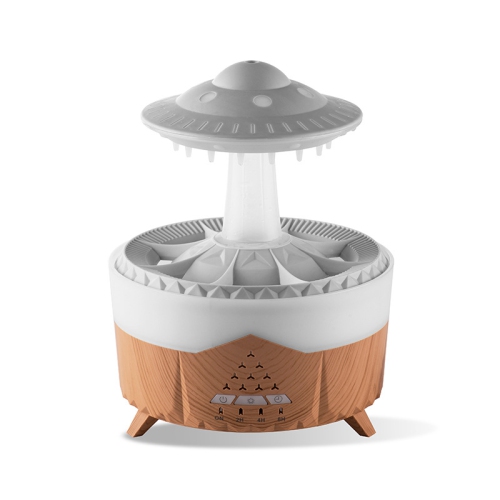
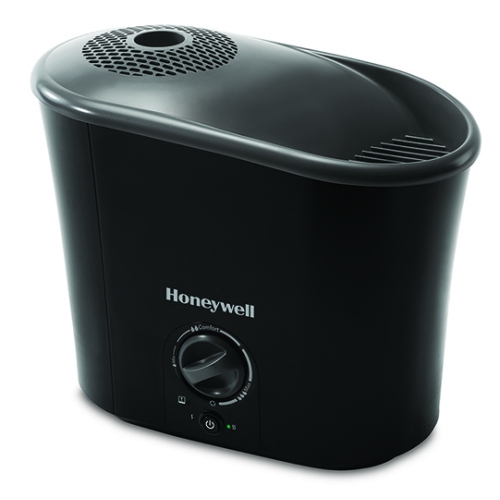

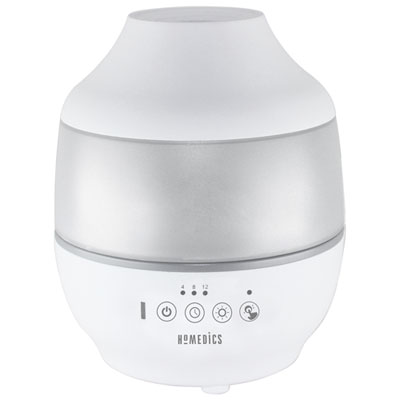
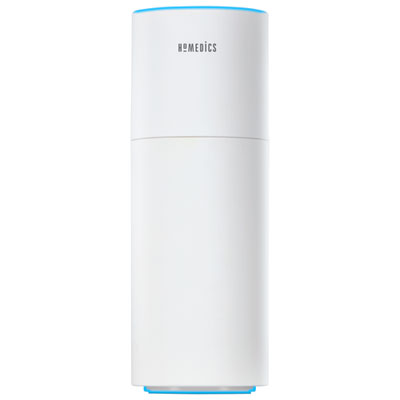

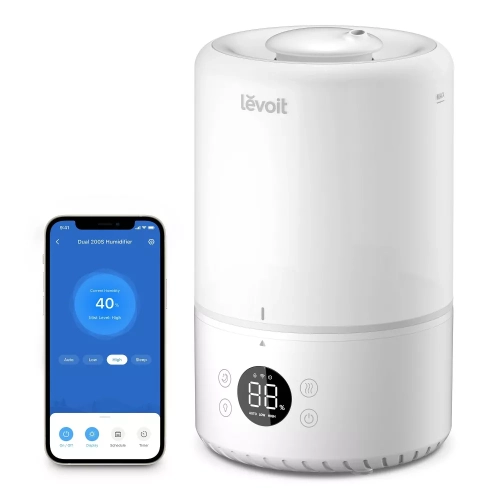
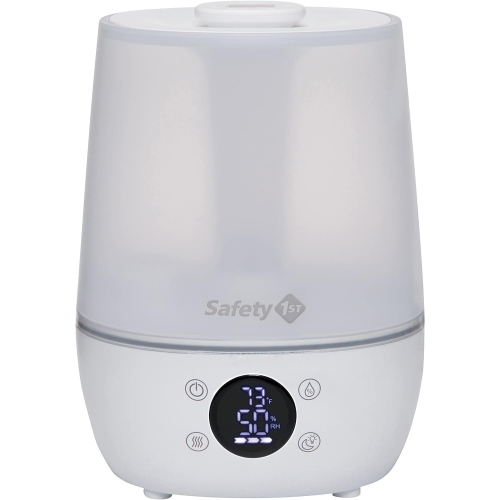
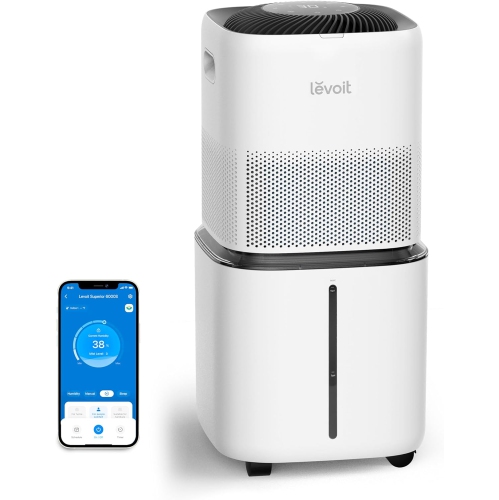
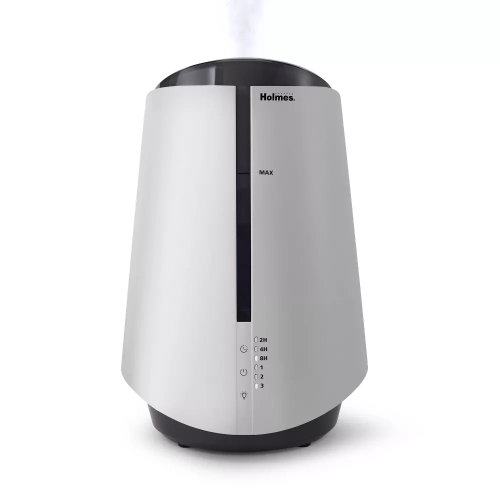
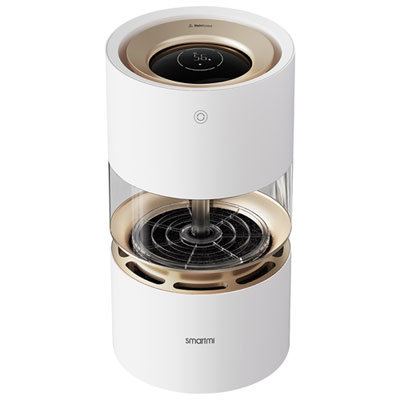

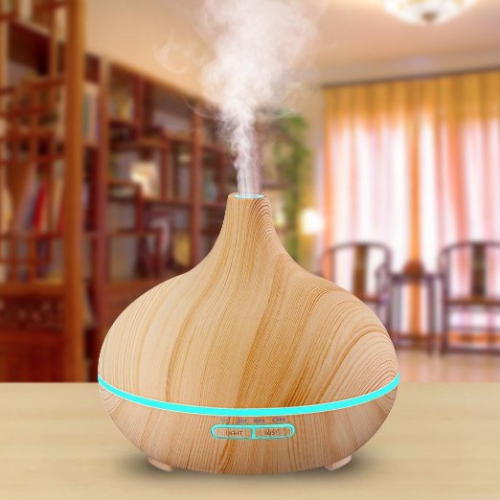
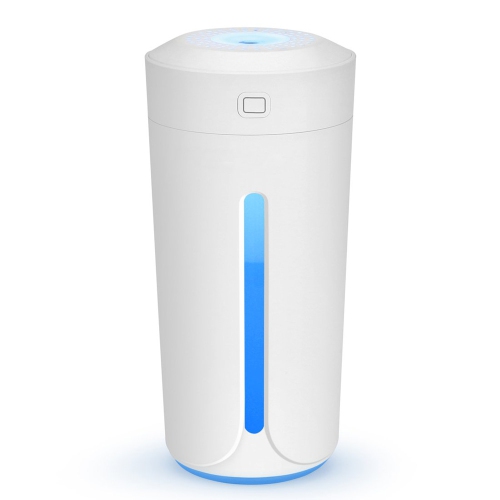

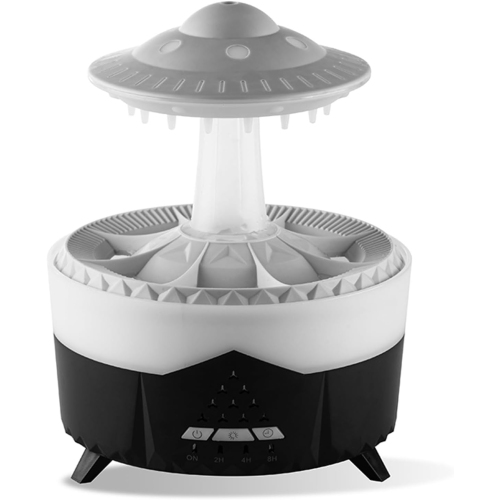
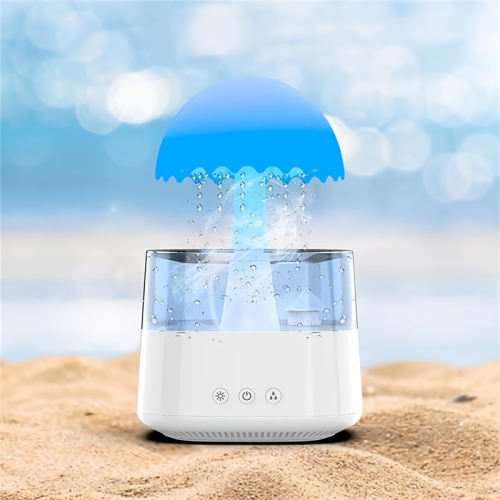
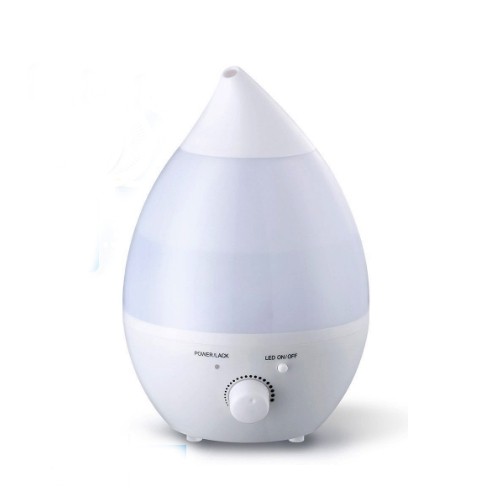
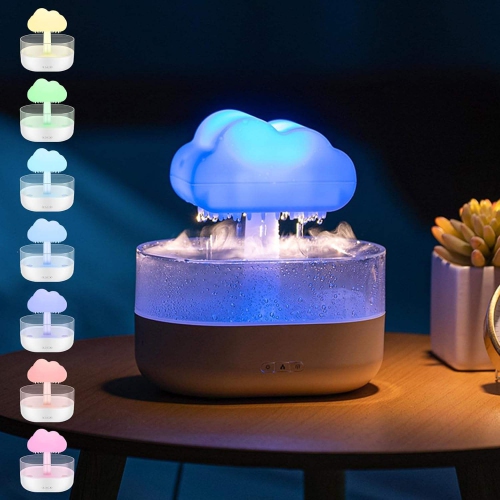
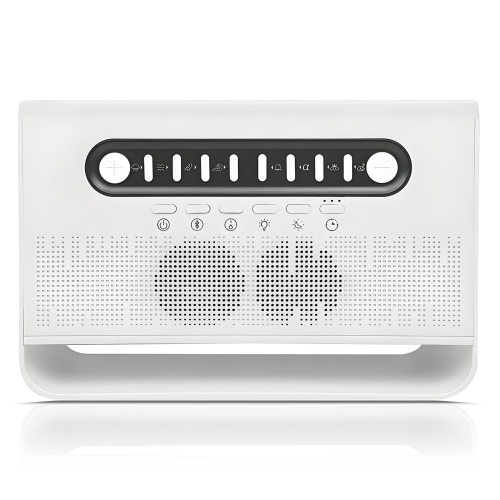
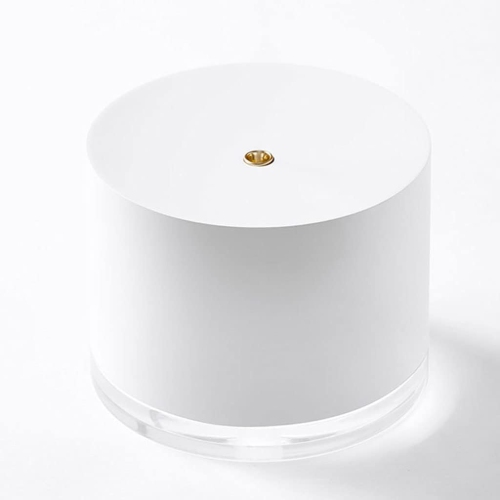
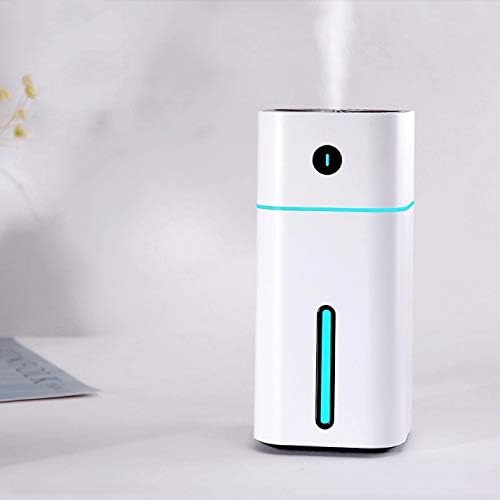
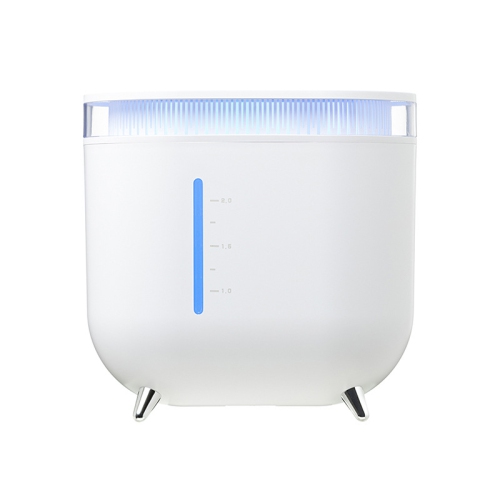

What to know about steam, coverage, safety, and care
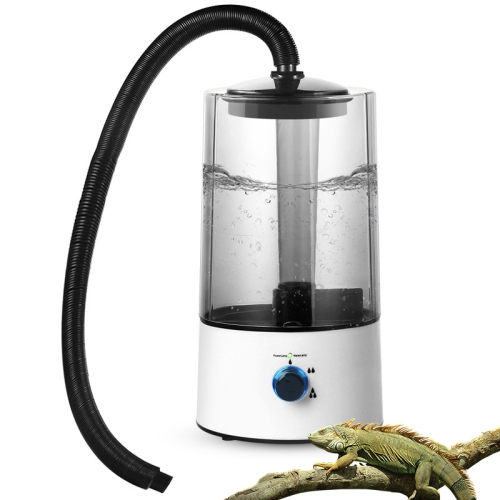
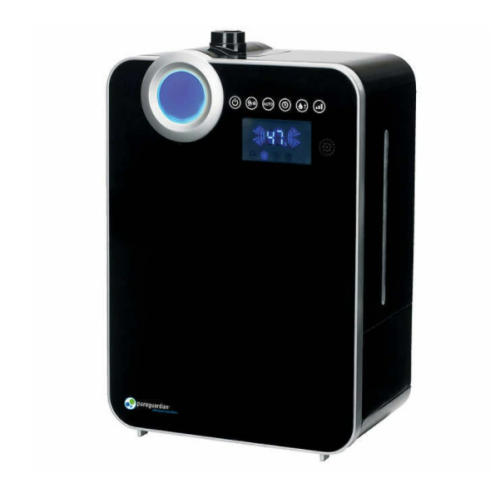
Steam humidifiers add moisture to indoor air by heating water until it becomes steam or warm mist. In a portable unit, that moisture is released directly into a room, while a whole-home steam humidifier introduces it into a furnace or HVAC duct system for distribution throughout the house. The boiling process can reduce many bacteria and microorganisms present in the water before the moisture enters the air, although it does not make neglected tanks, dirty surfaces, or untreated water completely sterile. Steam humidifiers can be especially useful during the cooler months, when heating systems run more often and indoor air may feel dry around the nose, throat, skin, and eyes. They may also help make a bedroom, nursery, home office, or living room feel more comfortable when the air has that familiar dry, static-prone quality. A portable model is generally suited to one room or a defined area, while a whole-home system is designed for broader coverage and is usually connected to existing ductwork, plumbing, and electrical service. When comparing options, begin with the space you want to humidify rather than choosing based on appearance alone. Check the recommended room size, moisture output, tank capacity, refill frequency, and whether the unit includes a built-in humidistat or adjustable settings. A humidistat can help maintain a more consistent level by turning the unit on and off as needed, while a hygrometer can provide an independent reading of the room’s relative humidity. Many homes are comfortable somewhere around 30% to 50% relative humidity, but the ideal setting can vary with the building, outdoor temperature, condensation on windows, and the needs of the people living there. If moisture begins collecting on glass, walls, or window frames, lower the setting and improve ventilation; excess humidity can encourage mould growth and damage some furnishings.
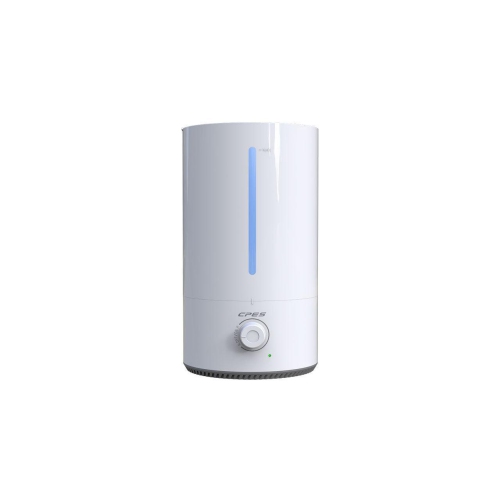
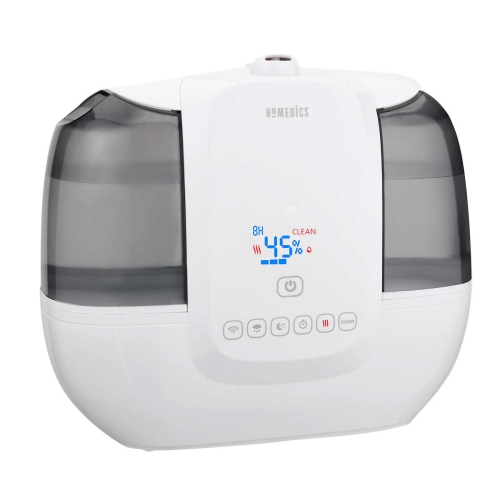
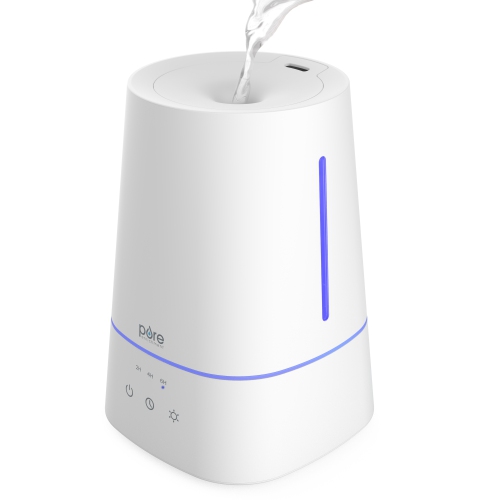
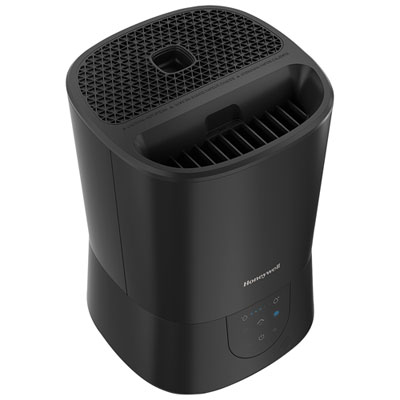
Portable steam humidifiers are convenient when moisture is needed in a particular room rather than throughout the home. A top-fill design can make refilling simpler, especially when the unit sits on a bedside table or a low shelf, while a larger removable tank may reduce the number of trips to the sink. Look for an automatic shut-off feature that stops operation when the water runs out, along with a timer, adjustable mist settings, and a clear indicator showing when the tank needs attention. Since steam and warm mist are produced at high temperatures, placement matters. Keep the unit on a stable, level, water-resistant surface away from the edge of furniture, curtains, books, electronics, and areas where children or pets could pull on the cord or touch the outlet. The steam outlet should have open space around it, and the appliance should never be covered while operating. A portable unit may be a thoughtful housewarming gift, a practical addition to a baby’s room, or a considerate choice for someone who spends long hours working in a dry office or heated apartment, provided the recipient can use and maintain it safely. It can also be useful for guests who notice dry air when staying in a winter-heated home. Keep in mind that a steam humidifier is not the same as an air purifier, diffuser, or dehumidifier, and it should not be used as a substitute for medical treatment. People with asthma, allergies, respiratory conditions, or other health concerns may want to speak with a healthcare professional before changing indoor humidity. For shoppers comparing different ways to add moisture, browsing Water Humidifiers can help clarify how steam, evaporative, ultrasonic, and other designs differ.
Whole-home steam humidifiers take a more integrated approach by adding moisture to the air as it moves through a central heating and cooling system. They can be a good fit for houses where several rooms feel dry at once, particularly when the home already has compatible forced-air ductwork. These systems often require a dedicated water connection, drain arrangement, electrical supply, and professional installation, so confirm the requirements with a qualified installer before purchasing. The installer can assess the furnace or air handler, available space, duct configuration, controls, and local electrical considerations, then determine where the steam distribution tube and safety components should be placed. A whole-home system may offer more even coverage than moving a portable appliance from room to room, but it also involves a more involved setup and ongoing maintenance plan. Ask about replacement canisters, electrode or heating-element care, water quality, seasonal servicing, warranty terms, and whether the system’s controls work with the home’s thermostat. Hard water can leave mineral deposits, and even models designed without a traditional filter still need regular inspection and cleaning according to the manufacturer’s instructions. Portable tanks should be emptied, rinsed, and dried when not in use, with all accessible parts cleaned at the recommended intervals; whole-home components should be serviced as directed rather than left unattended after installation. Whether you choose a room unit or a duct-connected model, the best match will balance coverage, control, safety, maintenance, installation needs, and the everyday routine of the household. During the cooler months, that thoughtful fit can make dry indoor air feel less distracting, from a scratchy-feeling bedroom at night to static around a home office, while helping you manage humidity with greater consistency.
Portable steam humidifiers are convenient when moisture is needed in a particular room rather than throughout the home. A top-fill design can make refilling simpler, especially when the unit sits on a bedside table or a low shelf, while a larger removable tank may reduce the number of trips to the sink. Look for an automatic shut-off feature that stops operation when the water runs out, along with a timer, adjustable mist settings, and a clear indicator showing when the tank needs attention. Since steam and warm mist are produced at high temperatures, placement matters. Keep the unit on a stable, level, water-resistant surface away from the edge of furniture, curtains, books, electronics, and areas where children or pets could pull on the cord or touch the outlet. The steam outlet should have open space around it, and the appliance should never be covered while operating. A portable unit may be a thoughtful housewarming gift, a practical addition to a baby’s room, or a considerate choice for someone who spends long hours working in a dry office or heated apartment, provided the recipient can use and maintain it safely. It can also be useful for guests who notice dry air when staying in a winter-heated home. Keep in mind that a steam humidifier is not the same as an air purifier, diffuser, or dehumidifier, and it should not be used as a substitute for medical treatment. People with asthma, allergies, respiratory conditions, or other health concerns may want to speak with a healthcare professional before changing indoor humidity. For shoppers comparing different ways to add moisture, browsing Water Humidifiers can help clarify how steam, evaporative, ultrasonic, and other designs differ.
Whole-home steam humidifiers take a more integrated approach by adding moisture to the air as it moves through a central heating and cooling system. They can be a good fit for houses where several rooms feel dry at once, particularly when the home already has compatible forced-air ductwork. These systems often require a dedicated water connection, drain arrangement, electrical supply, and professional installation, so confirm the requirements with a qualified installer before purchasing. The installer can assess the furnace or air handler, available space, duct configuration, controls, and local electrical considerations, then determine where the steam distribution tube and safety components should be placed. A whole-home system may offer more even coverage than moving a portable appliance from room to room, but it also involves a more involved setup and ongoing maintenance plan. Ask about replacement canisters, electrode or heating-element care, water quality, seasonal servicing, warranty terms, and whether the system’s controls work with the home’s thermostat. Hard water can leave mineral deposits, and even models designed without a traditional filter still need regular inspection and cleaning according to the manufacturer’s instructions. Portable tanks should be emptied, rinsed, and dried when not in use, with all accessible parts cleaned at the recommended intervals; whole-home components should be serviced as directed rather than left unattended after installation. Whether you choose a room unit or a duct-connected model, the best match will balance coverage, control, safety, maintenance, installation needs, and the everyday routine of the household. During the cooler months, that thoughtful fit can make dry indoor air feel less distracting, from a scratchy-feeling bedroom at night to static around a home office, while helping you manage humidity with greater consistency.
Top selling and popular products
-
 Your price for this item is $64.99
 -
 Your price for this item is $14.98
 -
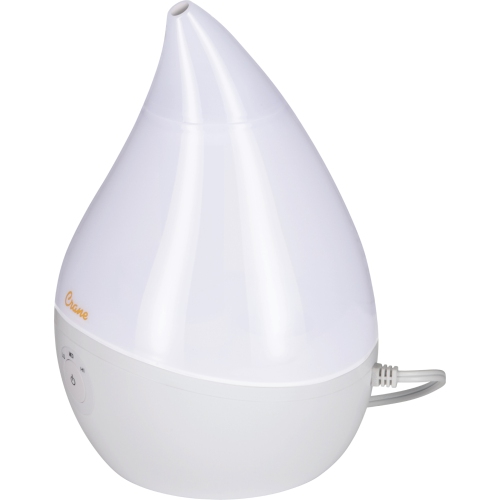 Your price for this item is $89.97
 -
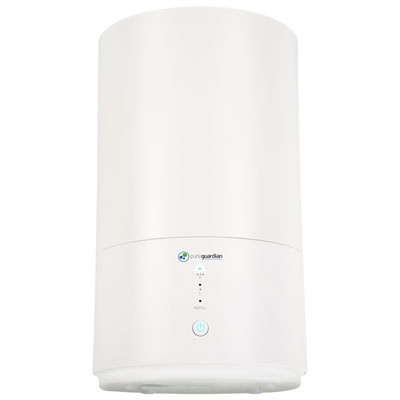 Your price for this item is $89.98
 -
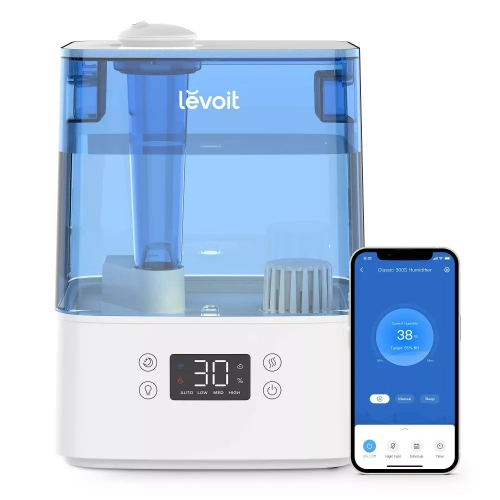 Your price for this item is $274.99
 -
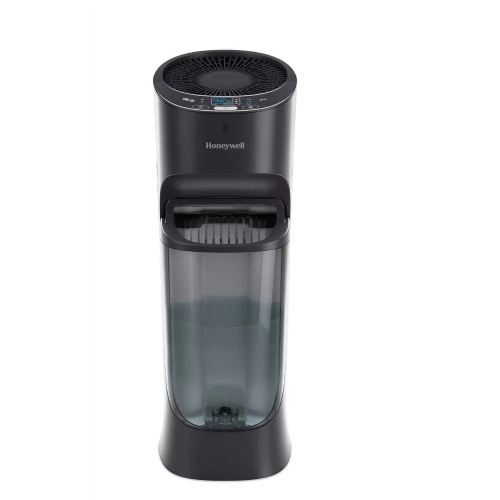 Your price for this item is $274.99
 -
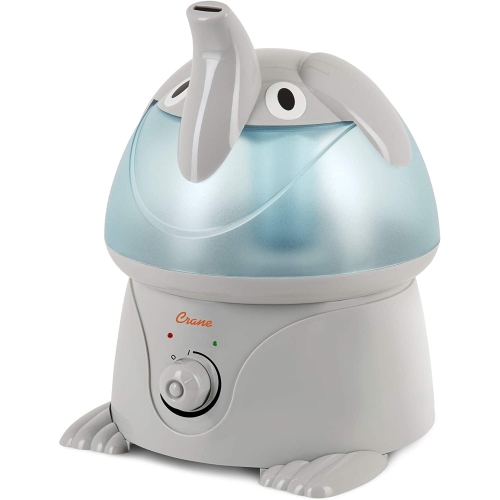 Your price for this item is $109.97
 -
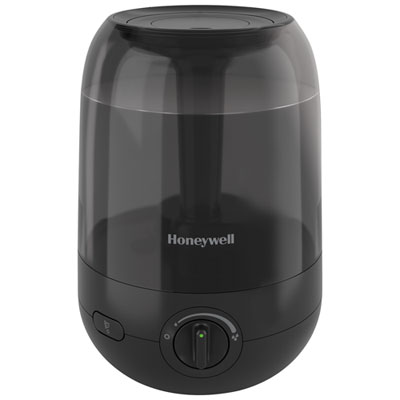 Your price for this item is $59.98
Discover more categories related to Steam Humidifiers

Top Collections:
Pokemon Centers, Kindle Devices, Best Budget Office Chairs, Apple iPhones 16, Best Laptops for Writers, iPhone 15 Apple, Canon G7X Cameras, Refurbished Apple Laptops, Alarm Clock, Motorola Razr Phones
Some products may be subject to Environmental Handling Fees
(EHF) depending on your province.
Learn more about EHFs.