Storage for Chest Freezer
Looking to maximize the storage space in your chest freezer? Look no further! Storage solutions for chest freezers are designed to help you make the most of every inch of available space. Whether you need additional shelves, dividers, or baskets, we have a wide range of options to suit your needs. With these innovative storage solutions, you can keep your frozen goods organized and easily accessible, making meal planning and grocery shopping a breeze. Here are some great options available.
Sort

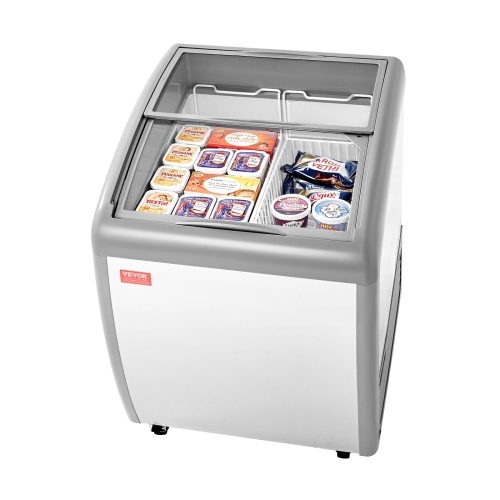
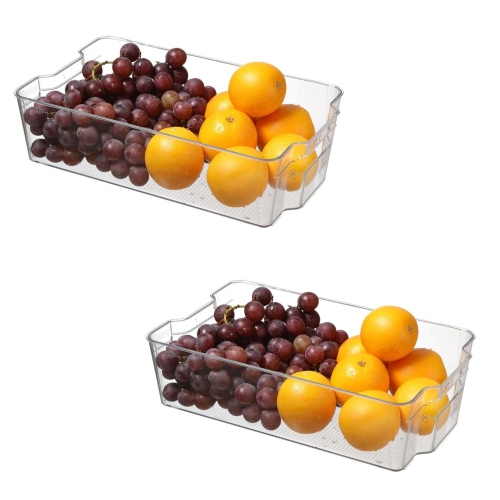
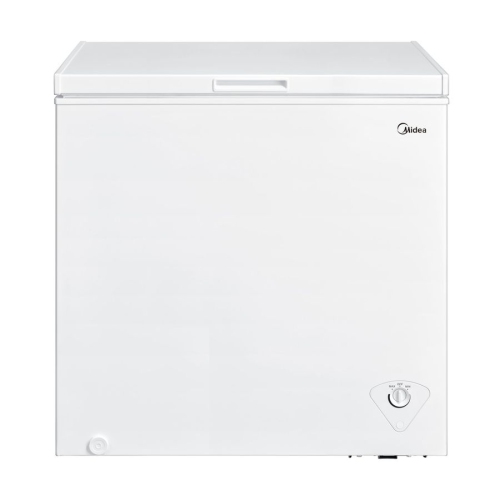
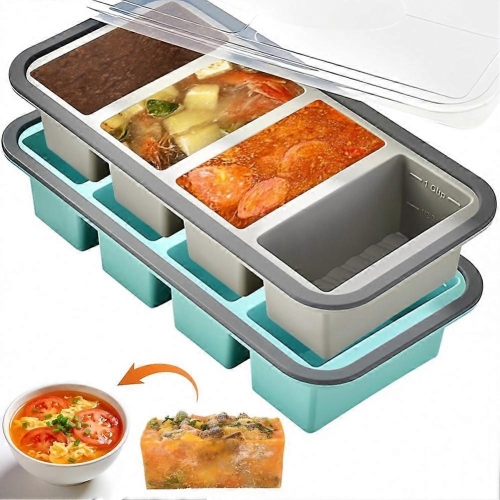
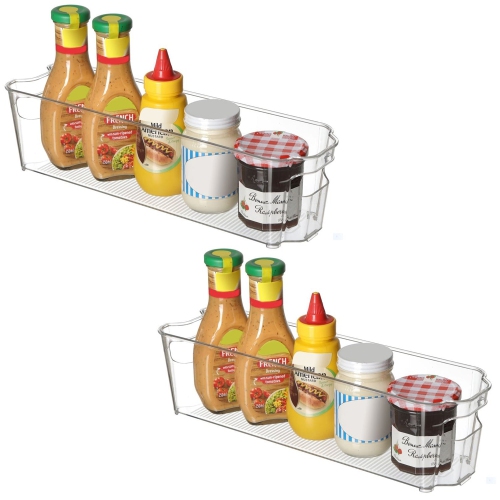
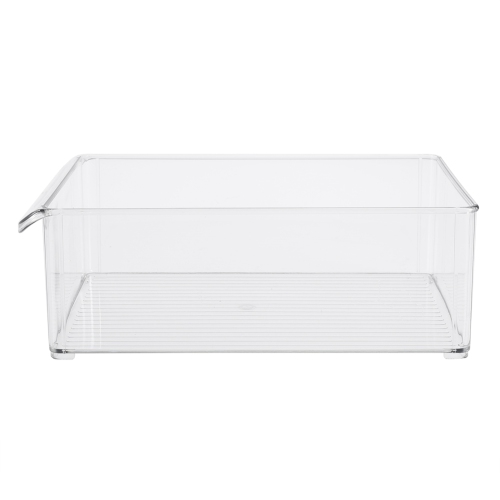
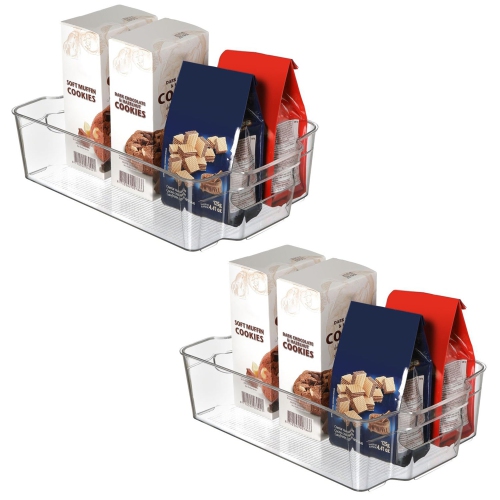
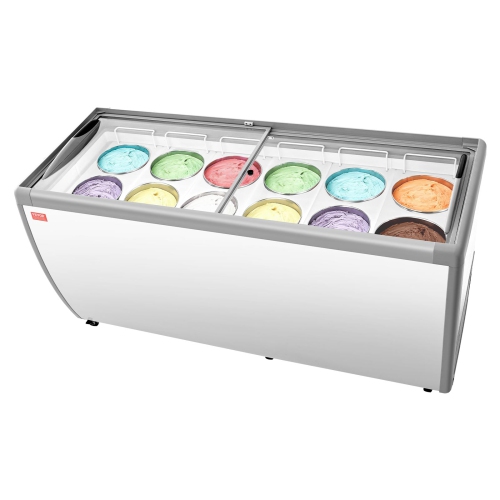
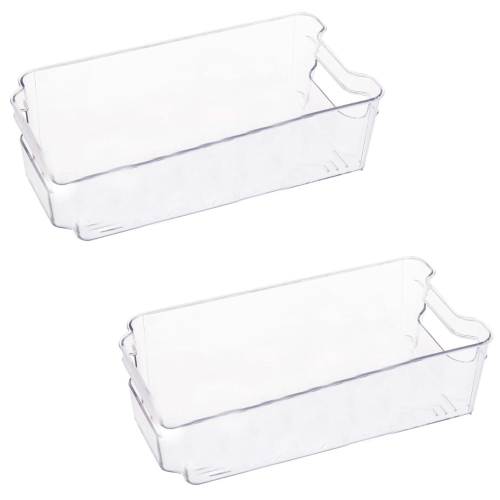
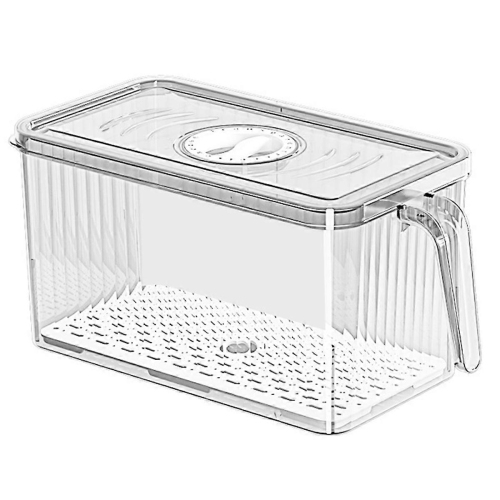
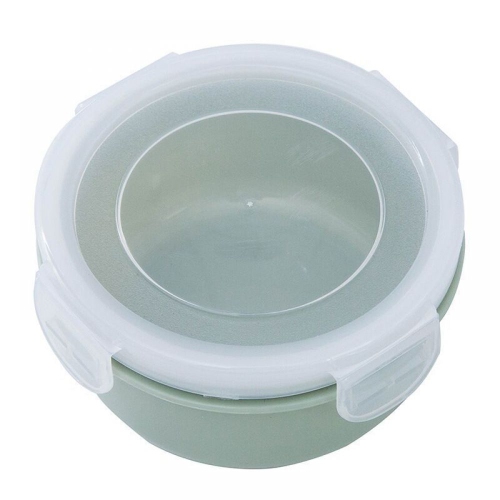
Practical ways to simplify chest freezer organization and access
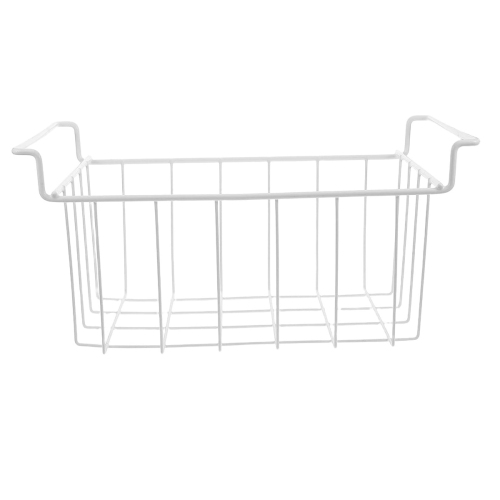
Storage for a chest freezer can make a noticeable difference to the way you shop, cook, and keep track of food at home. Unlike an upright freezer, a chest freezer stores food in a deep compartment, which is useful for holding larger quantities but can make everyday items difficult to reach. A few well-chosen storage accessories can create practical layers, separate food by category, and reduce the need to move several packages before finding the one you need. Stackable wire baskets are a popular choice because they make use of the freezer’s vertical space while allowing cold air to circulate around the contents. Baskets with folding or integrated handles can be lifted out when you need to reach items below, and multiple baskets can help create clear zones for poultry, beef, seafood, vegetables, prepared meals, baking ingredients, or frozen snacks. Hanging baskets add another accessible layer at the top of the freezer, with some designs resting across the rim or using adjustable handles to fit different chest freezer widths. They are especially useful for foods used often, such as breakfast items, school snacks, frozen fruit, or ingredients for quick weeknight meals. Reusable fabric totes and sturdy freezer-safe bags offer another flexible option, grouping similar packages together so an entire category can be lifted out at once. This approach works well in a family kitchen, a cottage, or a home where bulk shopping and batch cooking are part of the routine. For shoppers comparing storage for chest freezer options, begin by measuring the interior length, width, and depth, along with the height available beneath the closed lid. A basket that fits comfortably across the top may not leave enough room for a second layer, while a deep bin may be difficult to lift once it is full. Check the product dimensions carefully and consider the shape of the freezer’s interior, including ledges, baskets, hinges, and any stepped sections.
The most useful arrangement depends on how often each type of food is used. Place items needed daily or weekly in the top baskets or near the front, where they can be reached without disturbing the rest of the freezer. Keep larger cuts of meat, bulk packages, seasonal baking supplies, and less frequently used foods in deeper sections or at the bottom. Dividing the contents into zones makes the freezer easier to scan: one basket for meat, another for vegetables and fruit, a separate bin for ready-to-heat meals, and a dedicated tote for small packages that might otherwise slip beneath larger boxes. Keeping similar shapes together can also improve the available space. Flat packages can be stacked horizontally, while bags and irregularly shaped items may be easier to manage in an open basket or soft-sided tote. Look for smooth, durable surfaces that are easy to wipe clean, sturdy handles that remain comfortable when carrying a full load, and materials that can withstand cold temperatures without becoming brittle. Open wire designs make it easier to see what is inside and help cold air move around stored food. Solid bins can be helpful for containing loose packages or smaller items, particularly when the freezer is shared by several members of a household. If children or guests regularly access the freezer, a clearly designated top basket for snacks or easy-to-find foods can help everyone return items to the right place. Storage accessories can also be a thoughtful gift for someone who has recently purchased a chest freezer, cooks in batches, shops for a large household, or keeps a cottage freezer stocked for visits from family and friends. They are practical additions for home cooks who prepare soups, casseroles, baked goods, or make-ahead meals and want those portions to remain visible rather than disappearing beneath heavier packages.
Good organization is easier to maintain when every package has a place and a date. Use freezer tape or a permanent marker to record the contents and purchase or preparation date, particularly when several packages look alike. Place older items toward the front or on top, then put newer packages behind or underneath them so food is used in a sensible rotation. A small magnetic dry-erase board on the lid or nearby wall can serve as a simple inventory map, listing what is stored in each basket or section. This is helpful when a chest freezer holds a mixture of household staples and bulk purchases, since it reduces unnecessary searching and makes it easier to plan meals around what is already available. Leave enough room to lift baskets out and move packages safely; filling every gap can make the freezer harder to use and may block access to the items stored below. It is also useful to group flat packages upright in a basket when possible, much like files in a cabinet, so labels remain visible and individual portions can be removed without unpacking an entire stack. During the warmer part of the year, chest freezer storage can help organize frozen fruit, ice cream treats, barbecue ingredients, and make-ahead meals, while during the cooler months it can accommodate baking supplies, prepared comfort foods, and larger family meals. For homes that rely on a chest freezer for larger quantities, explore options alongside a Chest Freezer For Bulk Food Storage to create a setup suited to the freezer’s size and the household’s eating habits. With the right combination of baskets, hanging organizers, totes, labels, and a simple inventory system, deep storage becomes easier to navigate and everyday ingredients stay within reach.
The most useful arrangement depends on how often each type of food is used. Place items needed daily or weekly in the top baskets or near the front, where they can be reached without disturbing the rest of the freezer. Keep larger cuts of meat, bulk packages, seasonal baking supplies, and less frequently used foods in deeper sections or at the bottom. Dividing the contents into zones makes the freezer easier to scan: one basket for meat, another for vegetables and fruit, a separate bin for ready-to-heat meals, and a dedicated tote for small packages that might otherwise slip beneath larger boxes. Keeping similar shapes together can also improve the available space. Flat packages can be stacked horizontally, while bags and irregularly shaped items may be easier to manage in an open basket or soft-sided tote. Look for smooth, durable surfaces that are easy to wipe clean, sturdy handles that remain comfortable when carrying a full load, and materials that can withstand cold temperatures without becoming brittle. Open wire designs make it easier to see what is inside and help cold air move around stored food. Solid bins can be helpful for containing loose packages or smaller items, particularly when the freezer is shared by several members of a household. If children or guests regularly access the freezer, a clearly designated top basket for snacks or easy-to-find foods can help everyone return items to the right place. Storage accessories can also be a thoughtful gift for someone who has recently purchased a chest freezer, cooks in batches, shops for a large household, or keeps a cottage freezer stocked for visits from family and friends. They are practical additions for home cooks who prepare soups, casseroles, baked goods, or make-ahead meals and want those portions to remain visible rather than disappearing beneath heavier packages.
Good organization is easier to maintain when every package has a place and a date. Use freezer tape or a permanent marker to record the contents and purchase or preparation date, particularly when several packages look alike. Place older items toward the front or on top, then put newer packages behind or underneath them so food is used in a sensible rotation. A small magnetic dry-erase board on the lid or nearby wall can serve as a simple inventory map, listing what is stored in each basket or section. This is helpful when a chest freezer holds a mixture of household staples and bulk purchases, since it reduces unnecessary searching and makes it easier to plan meals around what is already available. Leave enough room to lift baskets out and move packages safely; filling every gap can make the freezer harder to use and may block access to the items stored below. It is also useful to group flat packages upright in a basket when possible, much like files in a cabinet, so labels remain visible and individual portions can be removed without unpacking an entire stack. During the warmer part of the year, chest freezer storage can help organize frozen fruit, ice cream treats, barbecue ingredients, and make-ahead meals, while during the cooler months it can accommodate baking supplies, prepared comfort foods, and larger family meals. For homes that rely on a chest freezer for larger quantities, explore options alongside a Chest Freezer For Bulk Food Storage to create a setup suited to the freezer’s size and the household’s eating habits. With the right combination of baskets, hanging organizers, totes, labels, and a simple inventory system, deep storage becomes easier to navigate and everyday ingredients stay within reach.
Top selling and popular products
-
 Your price for this item is $5.99
 -
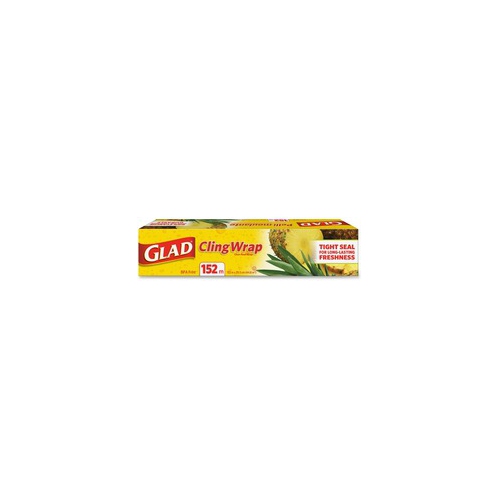 Your price for this item is $9.99
 -
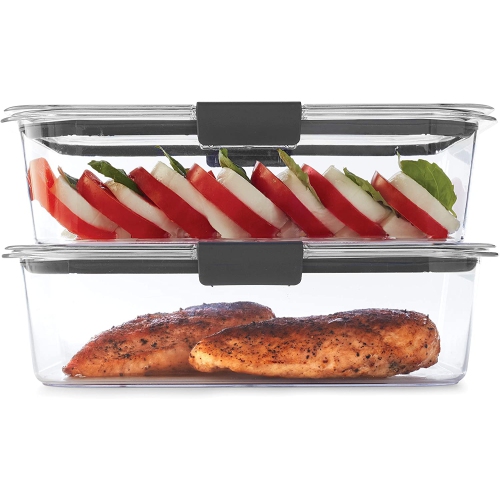 Your price for this item is $108.25
 -
 Your price for this item is $7.99
 -
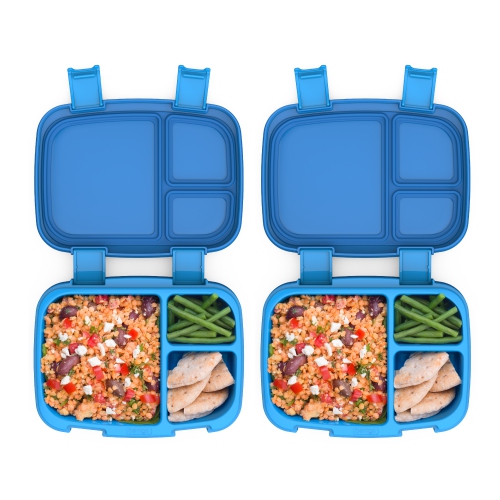 Your price for this item is $59.99
 -
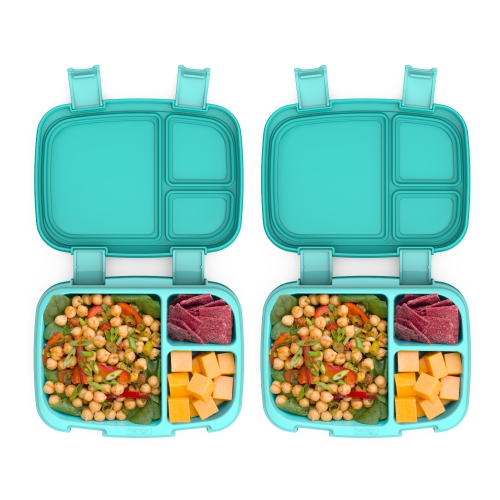 Your price for this item is $59.99
 -
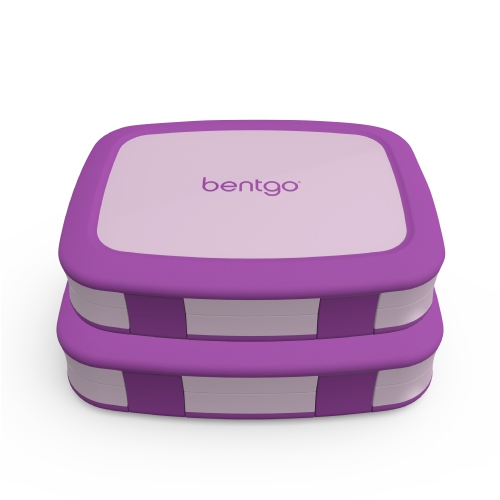 Your price for this item is $49.99
 -
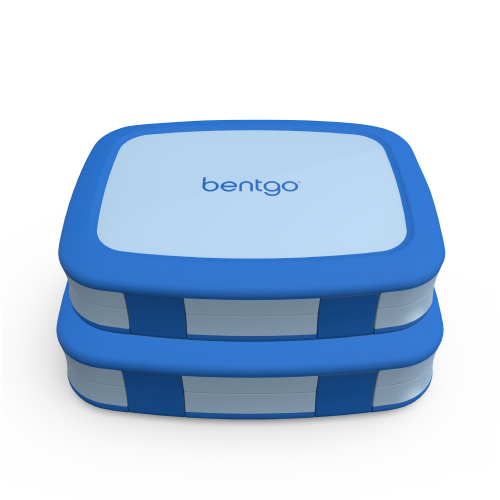 Your price for this item is $49.99
Discover more categories related to Storage for Chest Freezer
Top Collections:
Pokemon Centers, Best Cameras for Sports Photography, Kindle Devices, Samsung Galaxy Phones, Canon G7X Cameras, Pokémon 30th Celebration Cards, Refurbished Apple Laptops, iPhone 15 Apple, Laptops for Students, Budget Smartphones
Some products may be subject to Environmental Handling Fees
(EHF) depending on your province.
Learn more about EHFs.