Large Chest Freezers
Large chest freezers offer a convenient solution for expanding your home’s food storage capacity. Perfect for families, meal preppers, and anyone who likes to stock up on groceries, these spacious appliances help keep your frozen foods organized and easily accessible. Whether you need extra room for bulk purchases or want to store seasonal items, a large chest freezer can simplify your kitchen routine and provide peace of mind. Explore a range of options to find the right fit for your space and storage needs.
Sort
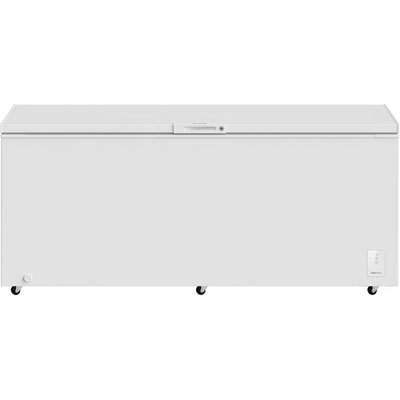
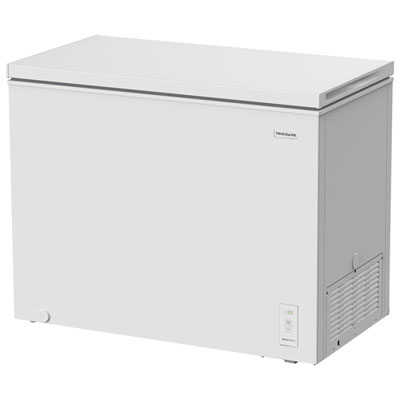
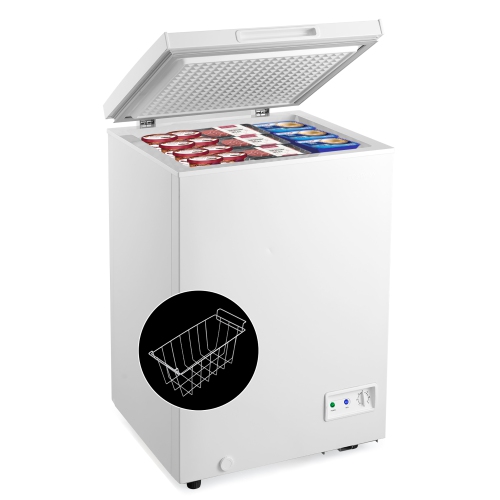
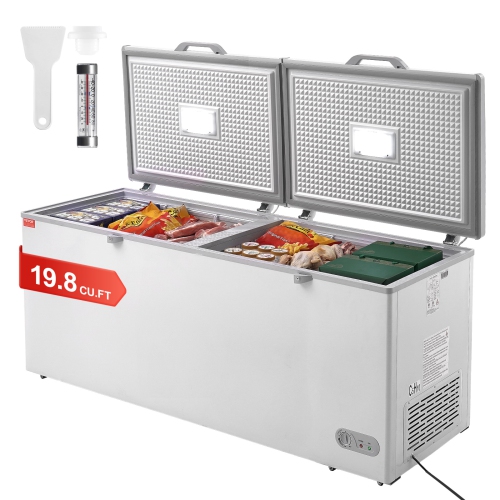
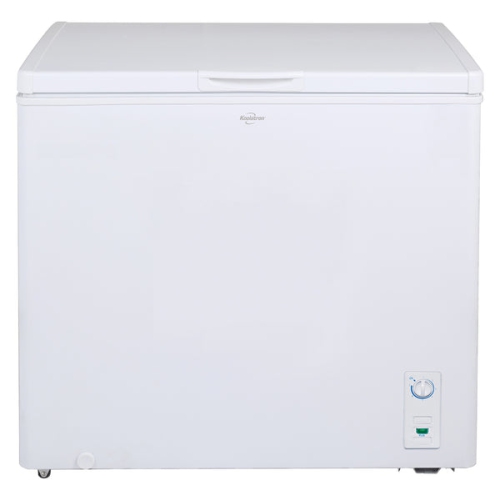
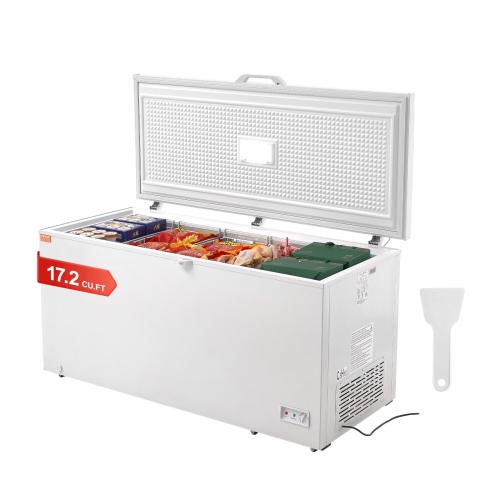
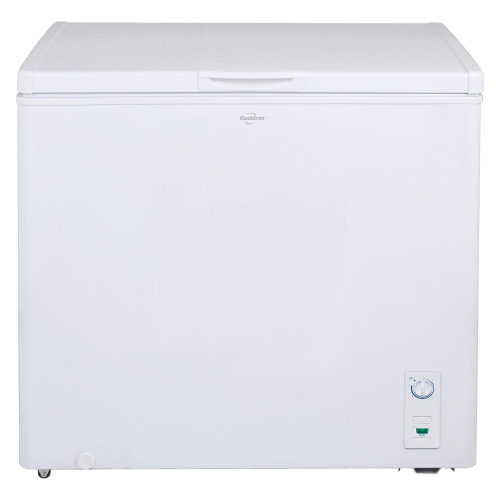
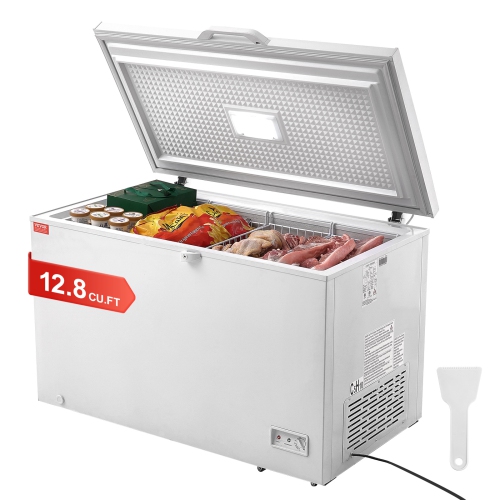
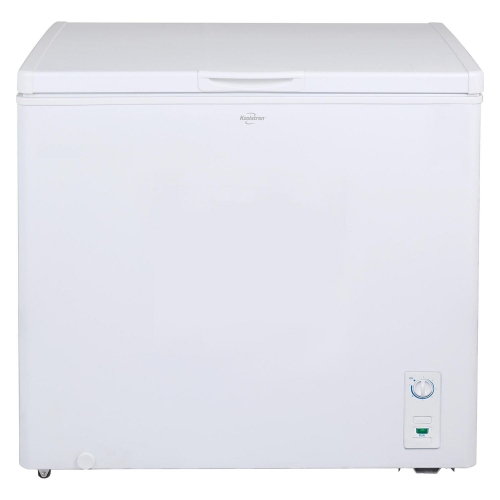
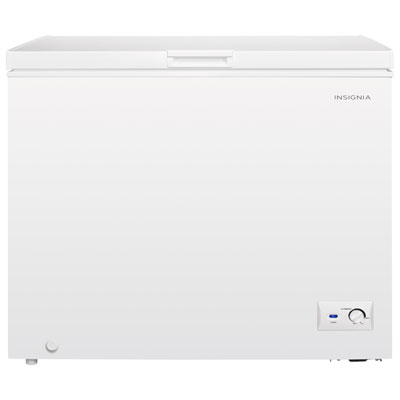
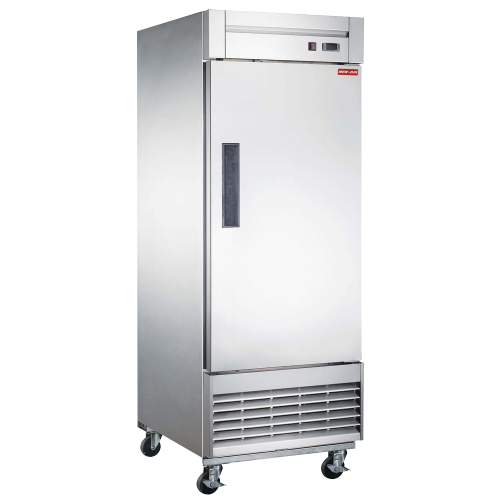
More room for bulk groceries and prepared meals
Large chest freezers provide substantial frozen food storage in a top-opening format, making them useful for households that need more room than a refrigerator’s freezer compartment can offer. Many large models have capacities of around 20 to 25 cubic feet, although capacity labels and size ranges vary by manufacturer. That space can accommodate bulk grocery purchases, batch-cooked meals, large cuts of meat, and containers that would be awkward to arrange in a smaller compartment. For a busy family, it might mean keeping several weeks of prepared dinners separate from everyday vegetables and breakfast foods. For someone who preserves homegrown produce or portions meat into meal-sized packages, it creates room to organize different foods without squeezing everything into one crowded drawer. The broad interior also suits bulky packages, but usable space depends on the compressor housing, baskets, dividers, and the shape of what goes inside. Capacity alone does not tell the whole story: a wide, shallow compartment can feel quite different from a deeper one with the same stated volume. Chest freezers generally need more floor space than upright designs, so the exterior dimensions matter just as much as the storage capacity. A suitable location needs enough clearance for the lid to open fully, space around the cabinet for ventilation as specified by the manufacturer, and a clear approach for loading groceries. The delivery route deserves equal attention, especially where a freezer must pass through a narrow doorway, turn at a basement landing, or travel down stairs. Measuring those spaces before choosing a size helps avoid a difficult installation. Interior depth is another practical consideration. Someone who uses frozen ingredients daily may prefer baskets that keep frequently used foods within easy reach, while a household storing larger packages may value a more open lower compartment. The best fit balances generous capacity with comfortable access, leaving enough surrounding room to lift out a heavy container or set down a basket without blocking a walkway.
Construction and interior features influence how a large chest freezer handles everyday use. Many designs combine a painted or coated steel cabinet with an insulated lid and a liner made from metal or plastic, depending on the model. A finish that wipes clean is helpful in a utility room, while a smooth interior makes spills easier to remove once the freezer is emptied and defrosted. The lid should feel manageable through its opening range, and a counterbalanced design can make loading and unloading more comfortable. A well-fitting gasket helps maintain a consistent seal; crumbs, torn packaging, or a container projecting above the compartment can prevent the lid from closing properly. Interior lighting is useful when searching below the top layer, particularly in a room with limited overhead light. Removable baskets can separate small packages from larger foods underneath, and sliding baskets may allow access to the lower compartment without taking everything out. Adjustable dividers, where included, can create dedicated areas for vegetables, meat, baking ingredients, or prepared meals. A practical arrangement keeps frequently used foods near the top and heavier packages lower down, with labels facing upward whenever possible. Flat freezer bags of soup or sauce can be frozen on a tray before being arranged vertically in a basket, while rigid containers stack more predictably when they have similar dimensions. Packaging should be intended for freezer use and sealed carefully to limit moisture loss and freezer burn. Dating packages also makes it easier to use older food first without having to unpack the entire compartment. Features such as an external power indicator, a temperature display, a high-temperature alarm, or a lid lock vary by model, so their usefulness depends on the household. An indicator can confirm that the appliance has power, but it does not replace checking the actual storage temperature. A lock may help control access, although keys must be kept away from children. For shared households, clear food zones and visible labels can be just as valuable as extra capacity.
Placement and regular care help a large chest freezer remain dependable over time. The appliance needs a firm, level surface that can support its weight when filled, along with the electrical connection specified in its installation instructions. A convenient location also makes routine checks more likely: a freezer that is easy to reach is easier to organize, clean, and monitor. For a garage installation, Garage Chest Freezers offer a relevant starting point, but the manufacturer’s approved ambient operating range must match the intended space. A standard household freezer should not be assumed suitable for every unheated or enclosed location, and ventilation clearances remain important wherever it is installed. Frozen food should generally be kept at -18°C or colder, with a separate freezer thermometer providing a useful check where the appliance does not display an accurate internal reading. Loading a large quantity of unfrozen food at once can raise the compartment temperature, so the manufacturer’s freezing-capacity guidance matters when preparing substantial batches. Many chest freezers use manual defrosting, which means accumulated frost needs periodic removal according to the care instructions. A front drain can simplify that task, but meltwater still needs a suitable collection point, and food must remain safely frozen elsewhere during cleaning. Sharp tools should never be used to chip away ice because they can damage the liner or cooling components. Mild cleaning products, a soft cloth, and thorough drying are generally appropriate when permitted by the manufacturer. Keeping the gasket clean and checking it for damage are useful habits, as is leaving ventilation openings unobstructed. During a power outage, keeping the lid closed helps preserve the cold inside, but safe holding time depends on how full the freezer is and other conditions. With a suitable location, sensible organization, and routine care, a large chest freezer can support everyday meal planning and longer-term food storage without making the kitchen freezer carry the entire load.
Top selling and popular products
-
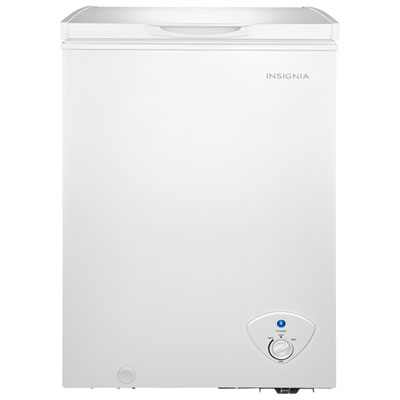 Your price for this item is $279.99
-
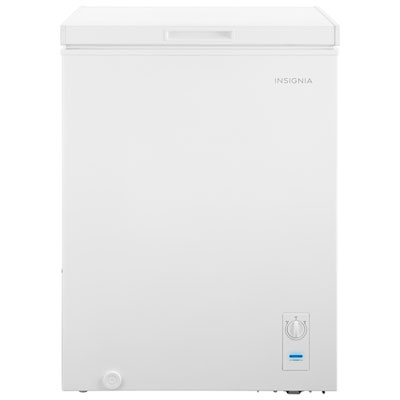 Your price for this item is $179.99
-
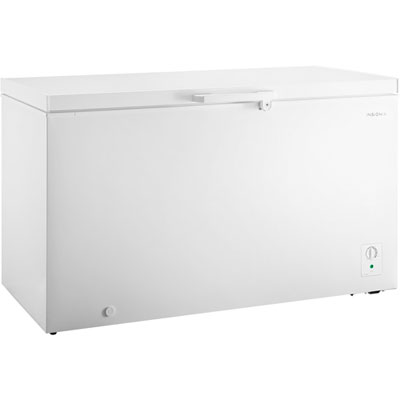 Your price for this item is $799.99
-
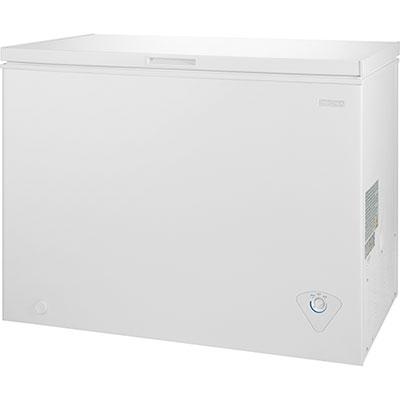 Your price for this item is $499.99
-
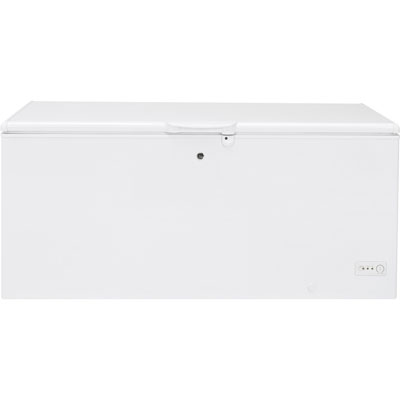 Your price for this item is $1199.99
-
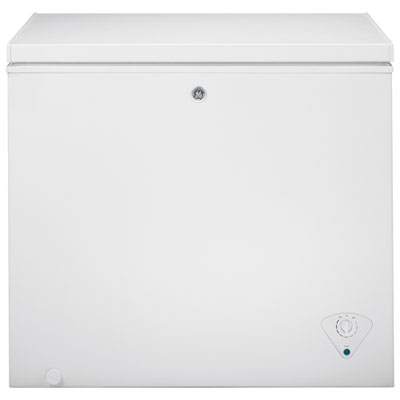 Your price for this item is $339.99
-
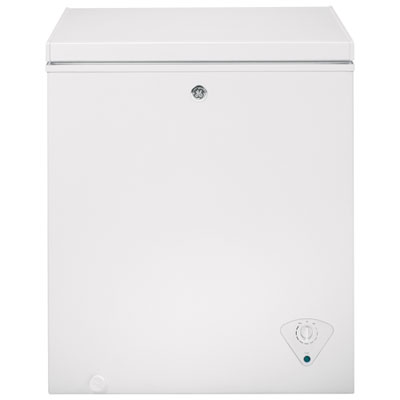 Your price for this item is $269.99
-
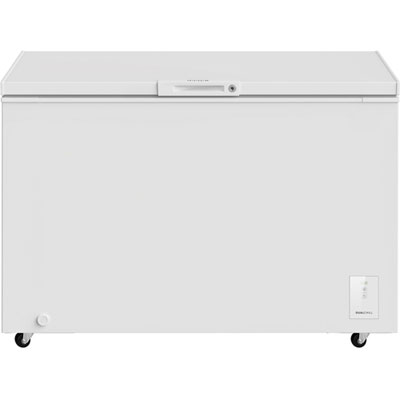 Your price for this item is $899.99
Discover more categories related to Large Chest Freezers
Top Collections:
Best Black Friday Deals This Year, Best Black Friday Deals On Electronics, Kindle Devices, Pokemon Centers, Best Black Friday Deals On Apple Products, Best Cameras for Sports Photography, Dyson Airwrap, Pokémon 30th Celebration Cards, Apple iPhone 17 Pro, Canon G7X Cameras
Some products may be subject to Environmental Handling Fees
(EHF) depending on your province.
Learn more about EHFs.