Top Rated Large Capacity Washer And Dryers
Looking for a washer and dryer combo that can handle your family's laundry needs? Look no further than our collection of top-rated large-capacity washer and dryer sets. With their impressive capacity, these appliances are designed to take on big loads, making laundry day a breeze. From bulky bedding to multiple loads at once, these powerful duos are built to deliver outstanding performance and efficiency.
Sort
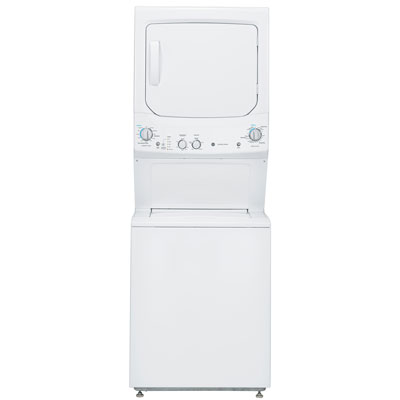
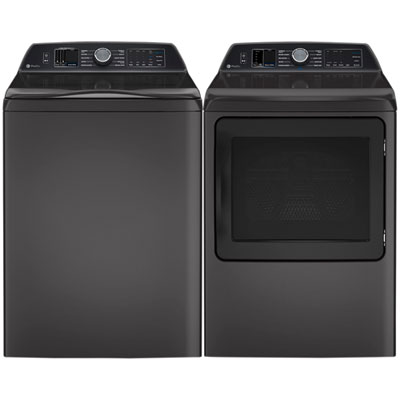
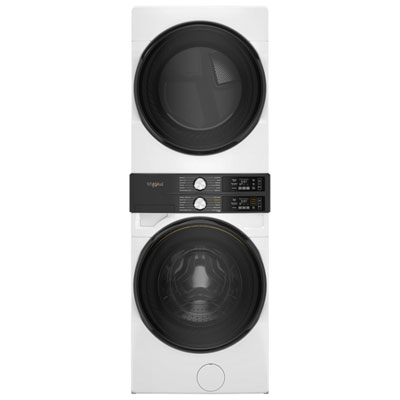
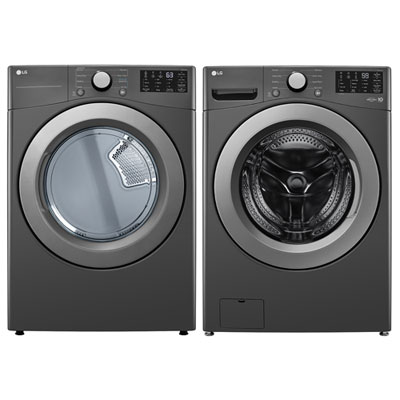
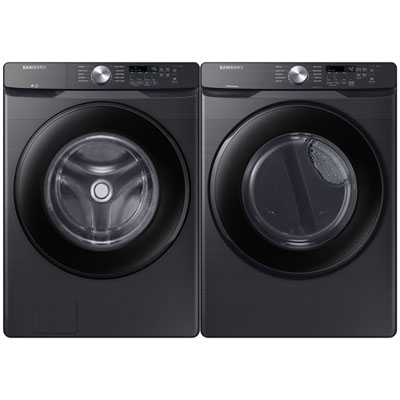

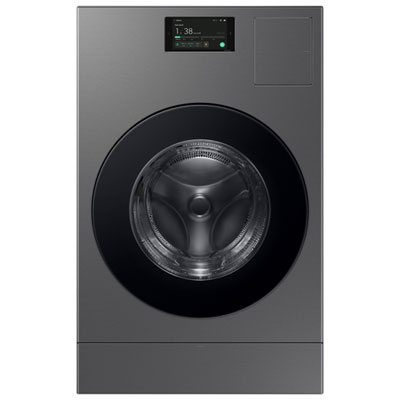
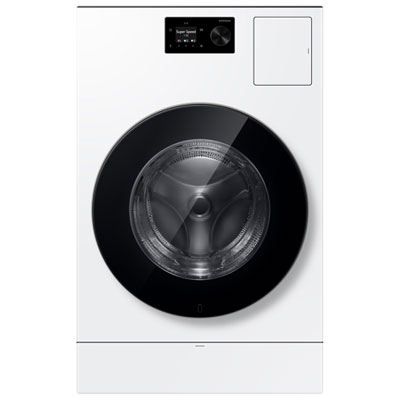
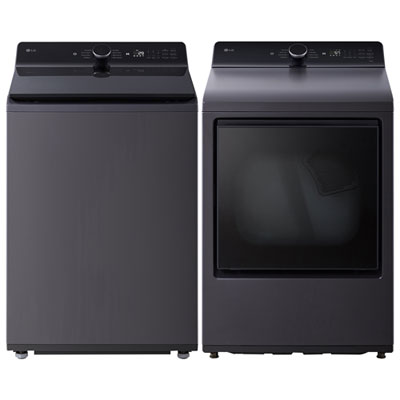
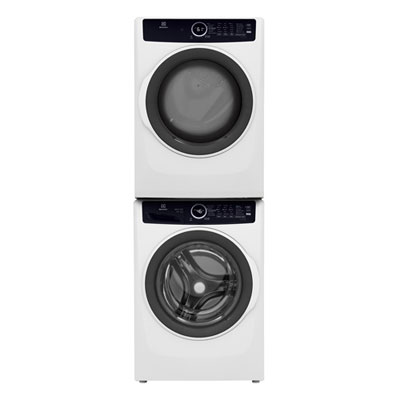
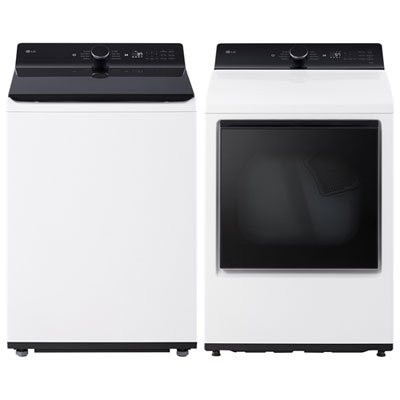
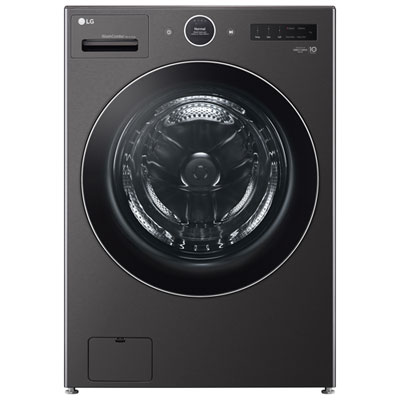
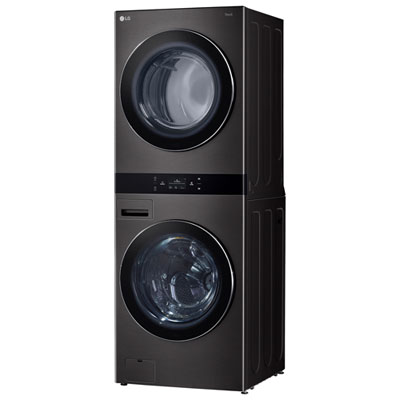
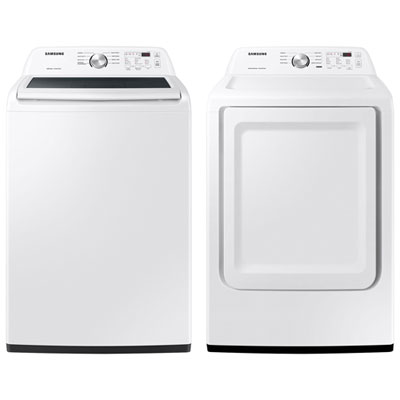
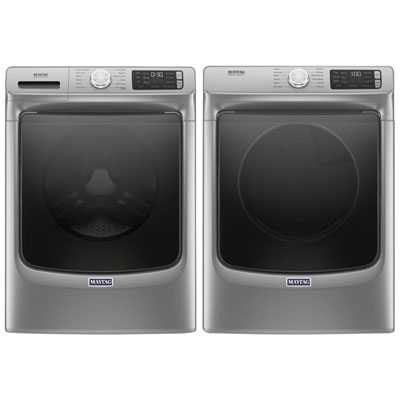
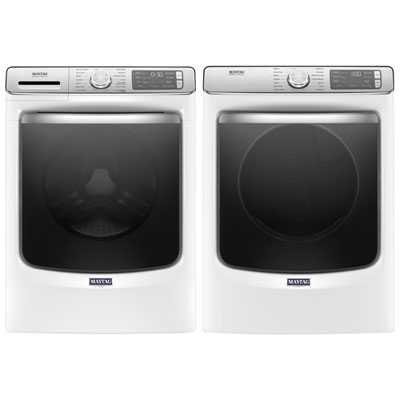
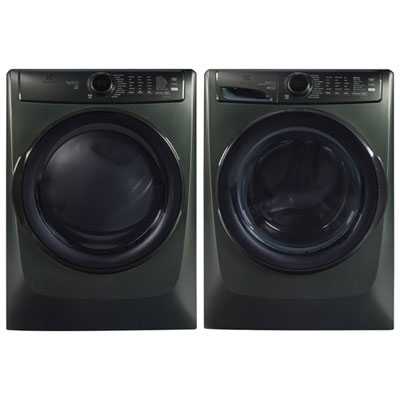
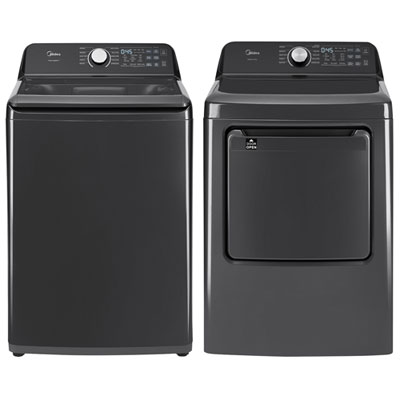
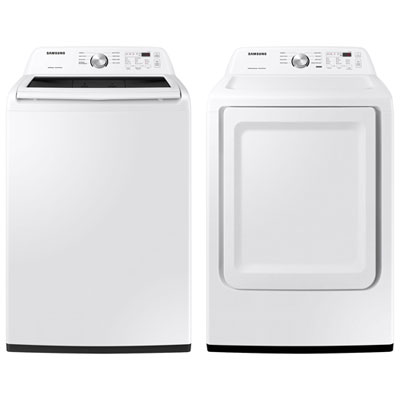
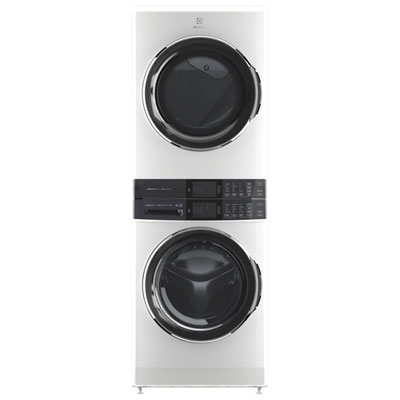
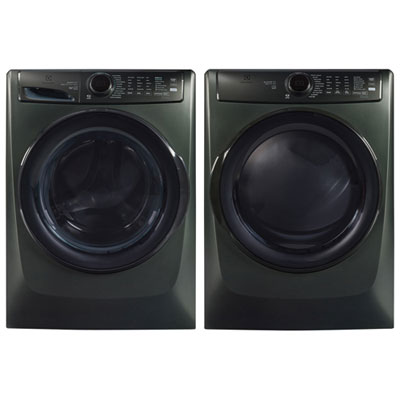

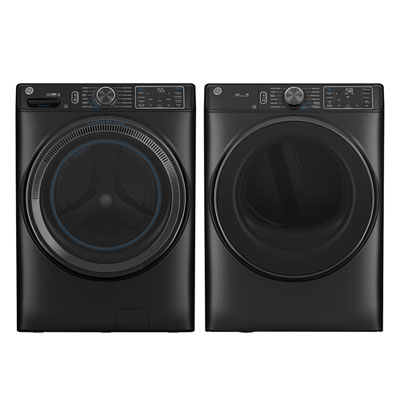
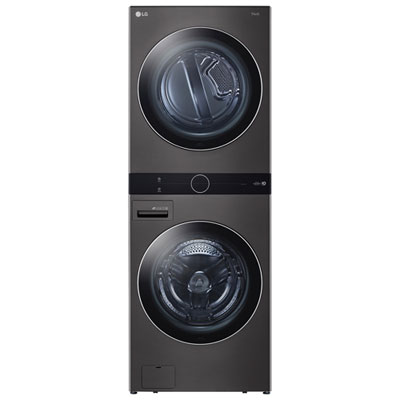
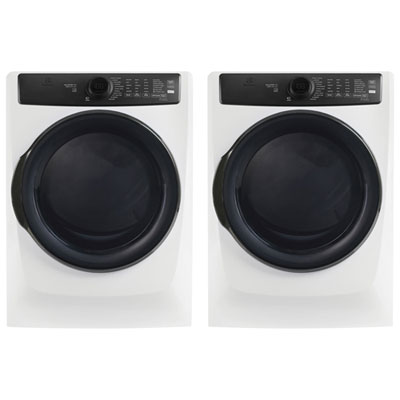
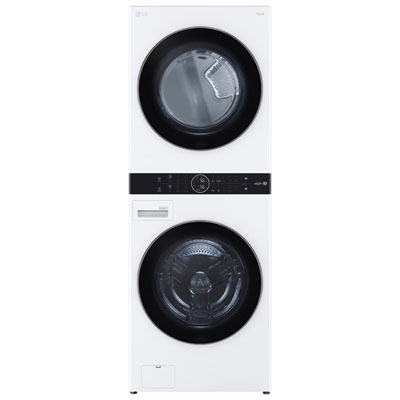
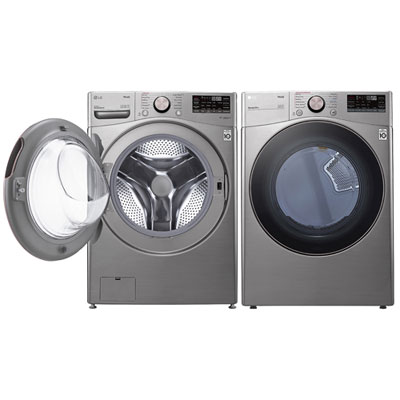
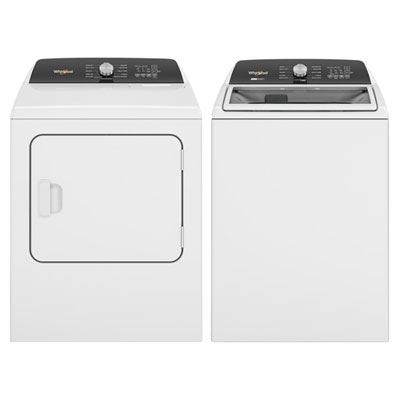

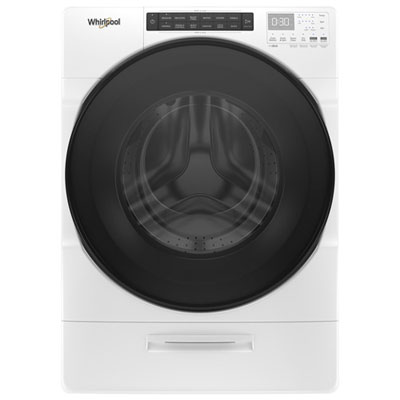
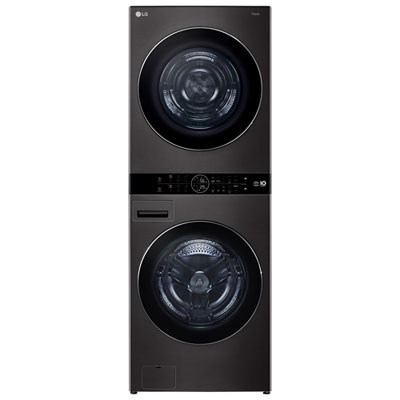
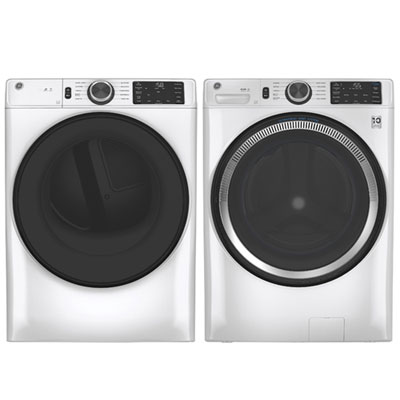
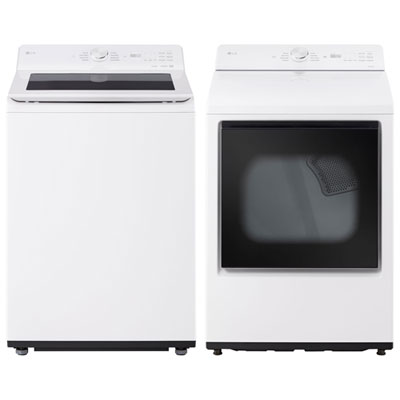
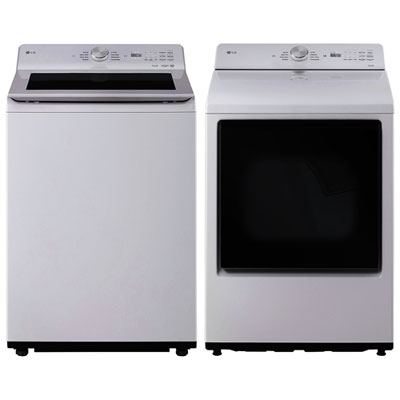
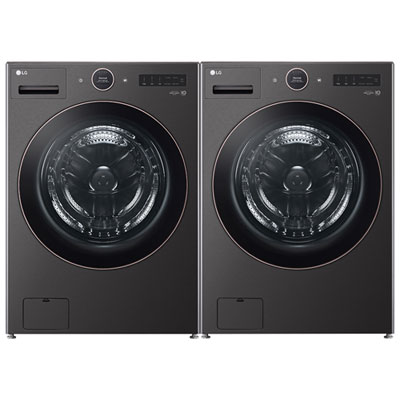
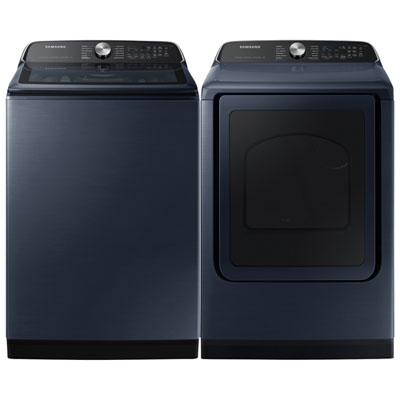
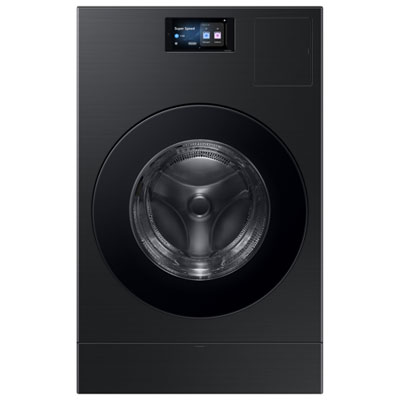
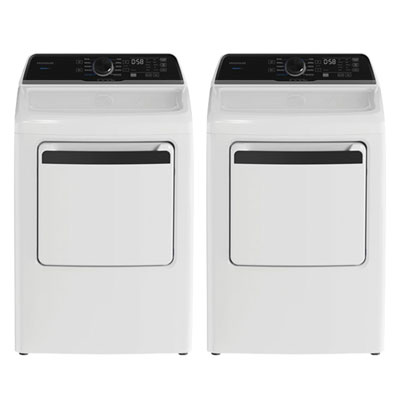
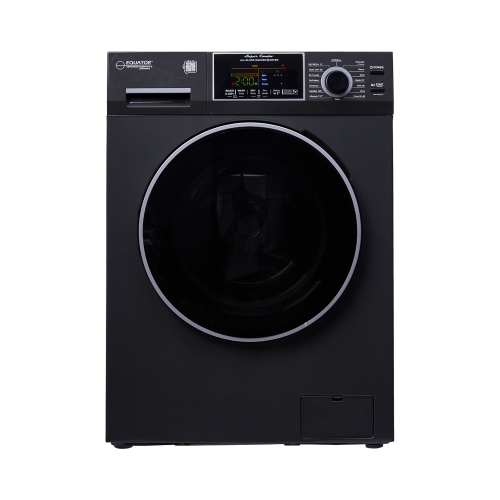
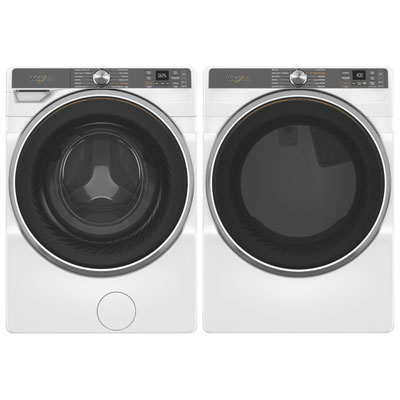
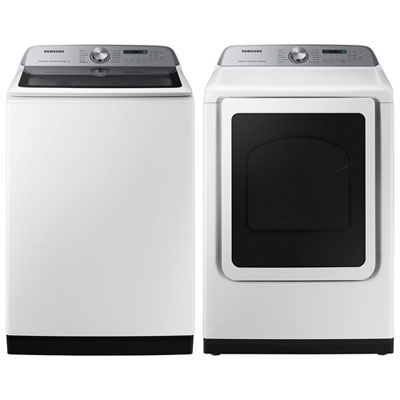

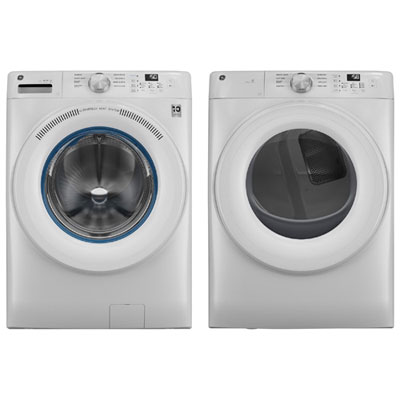
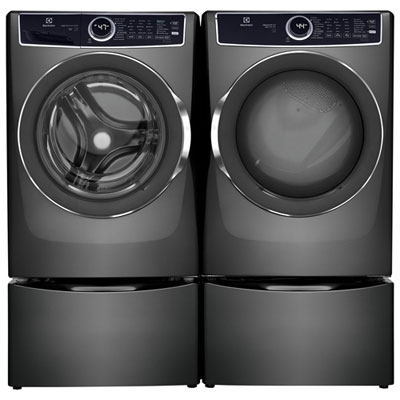


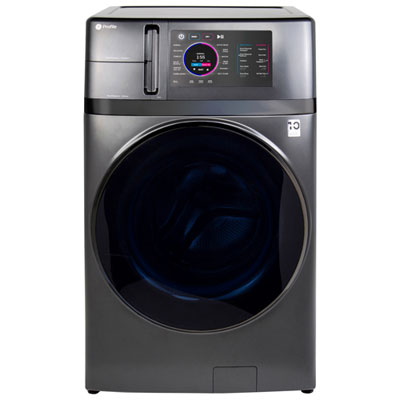
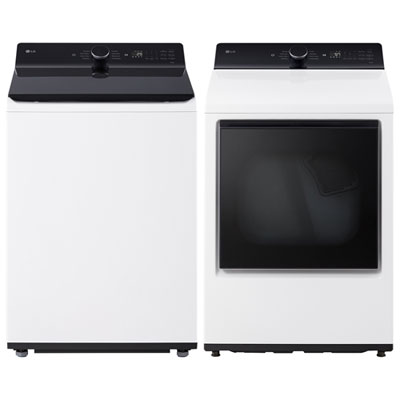


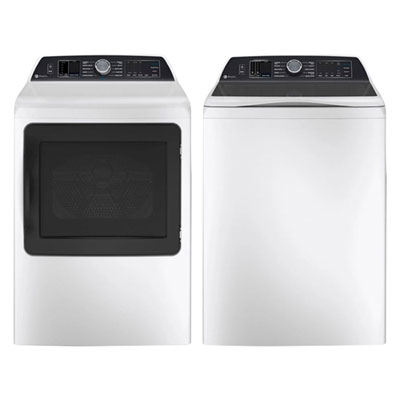
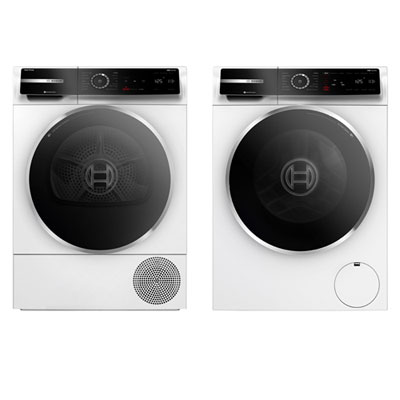
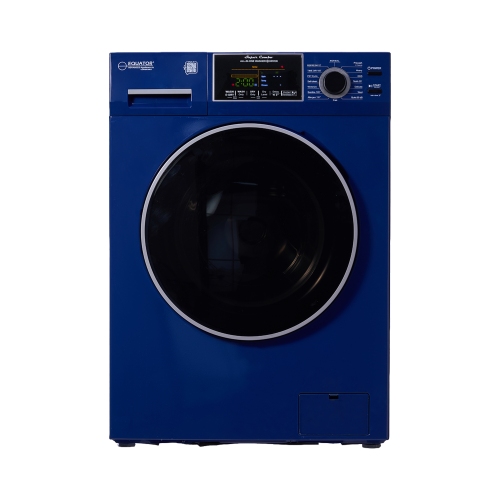
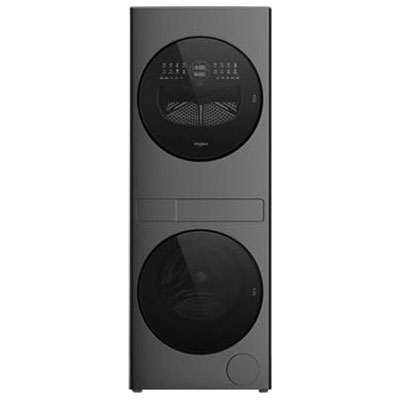

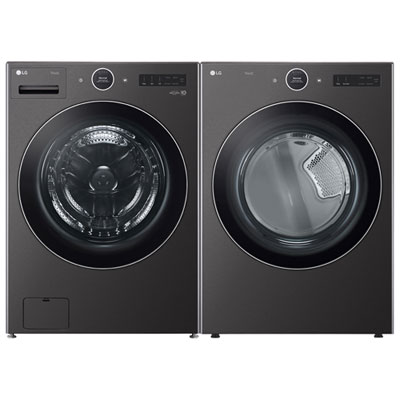
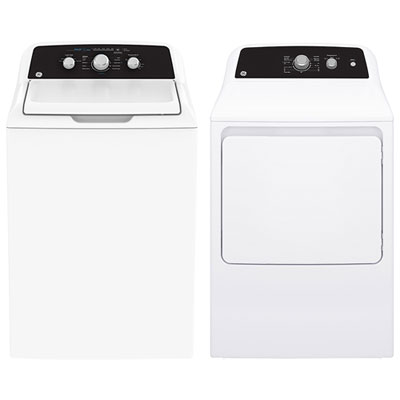



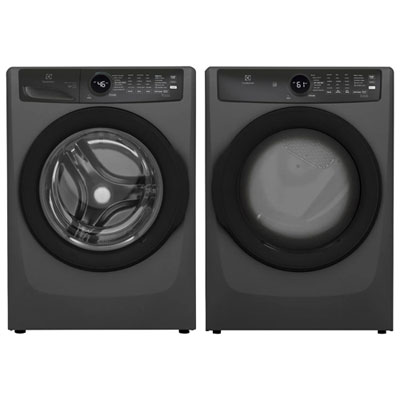
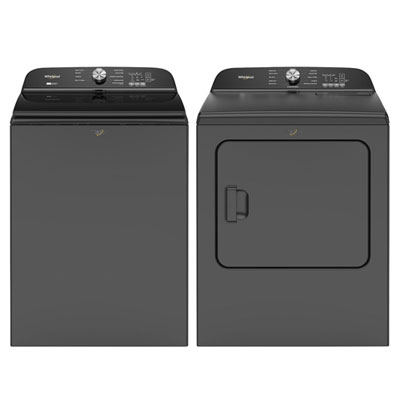
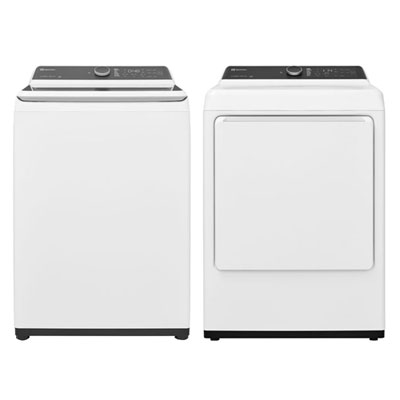
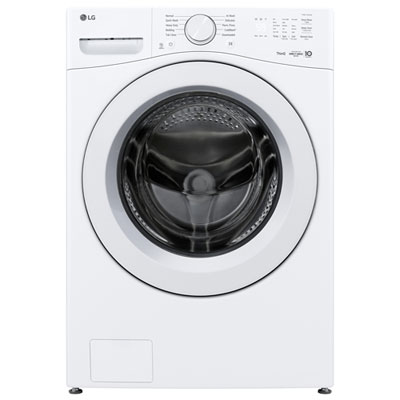
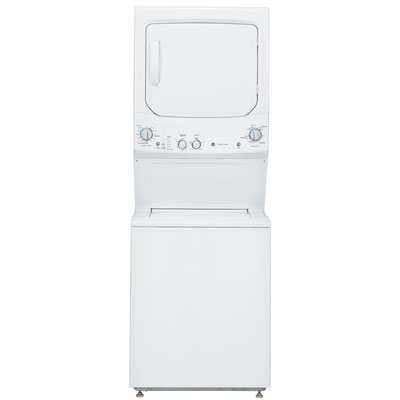
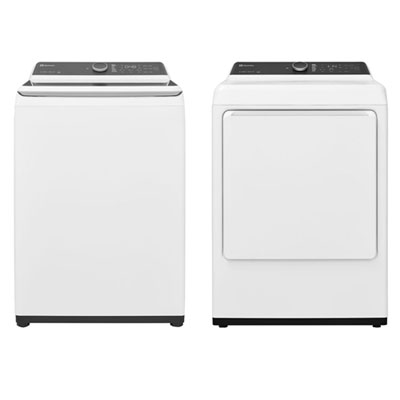
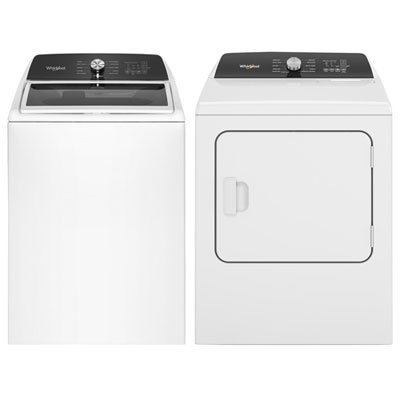

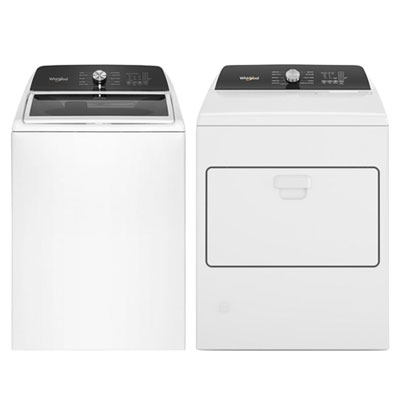
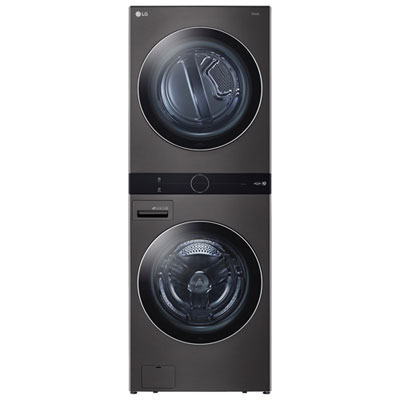
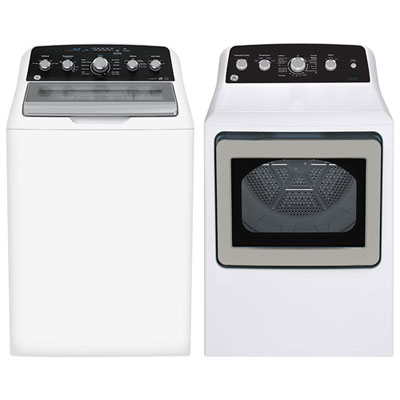
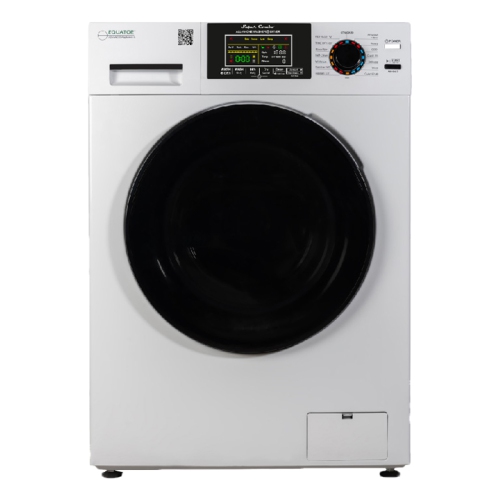
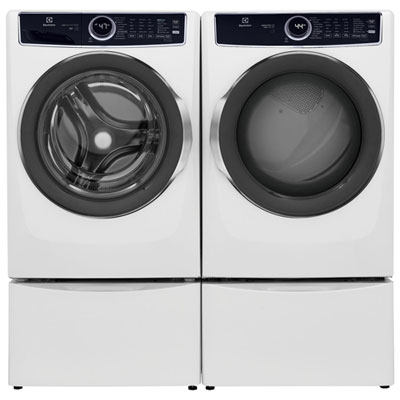
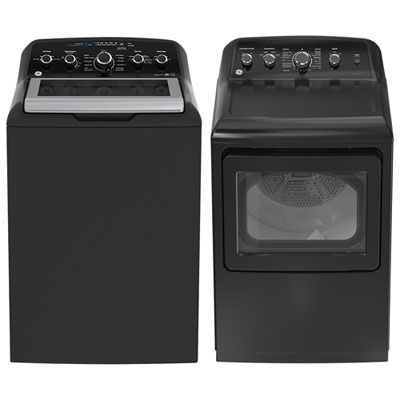
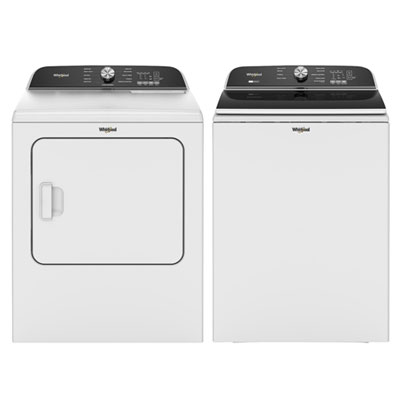
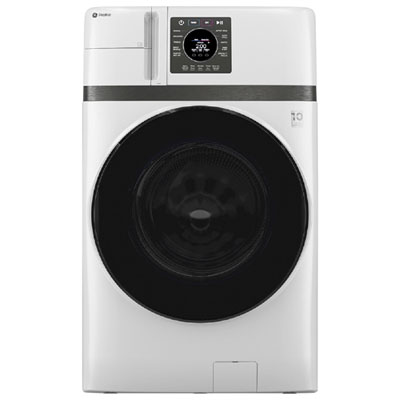
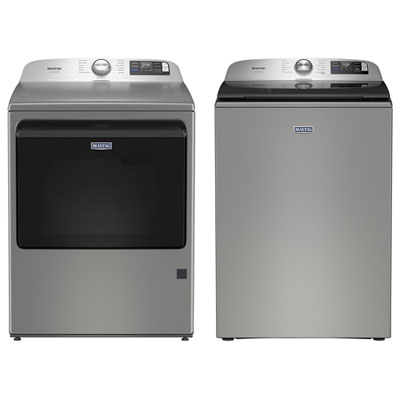


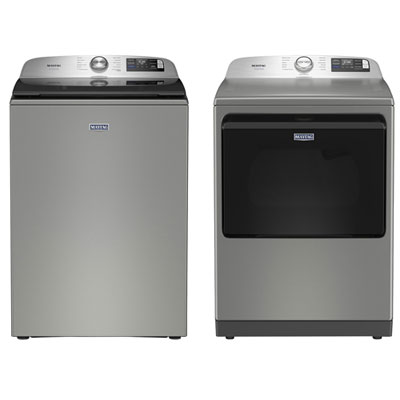
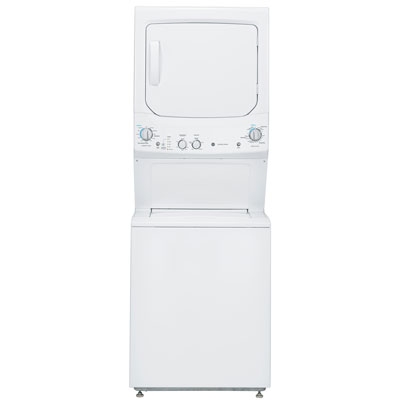


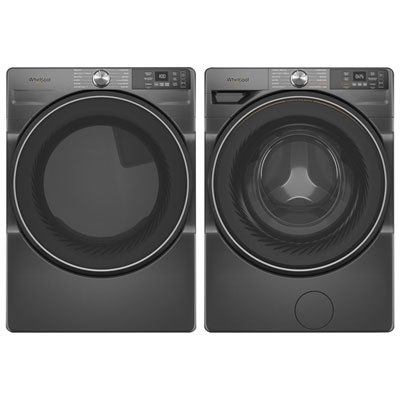
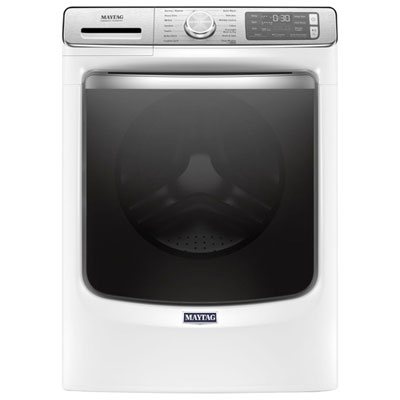
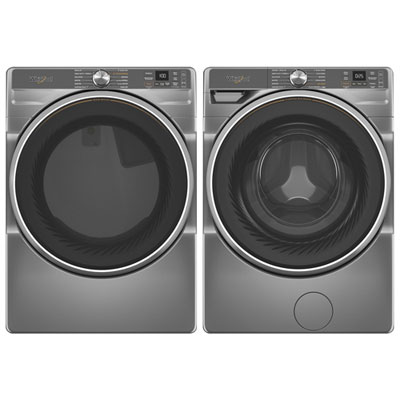
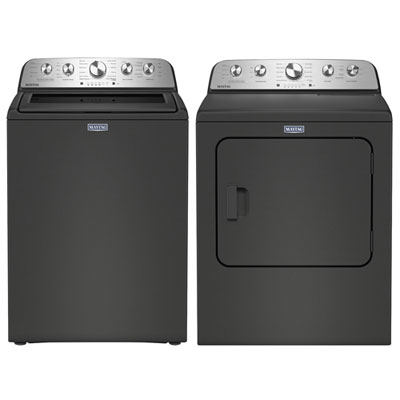
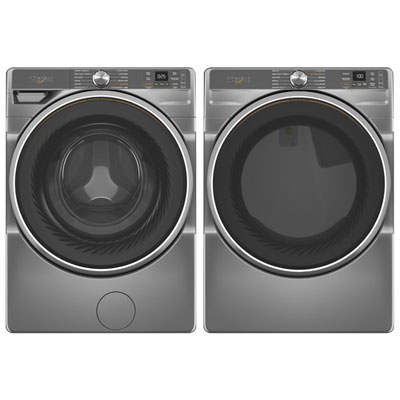
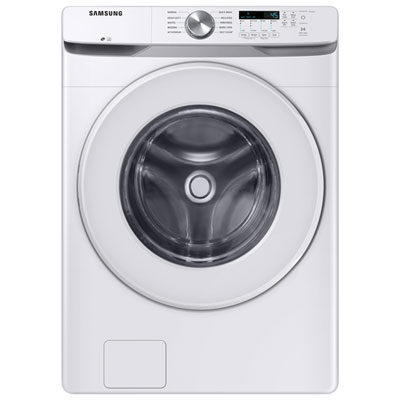


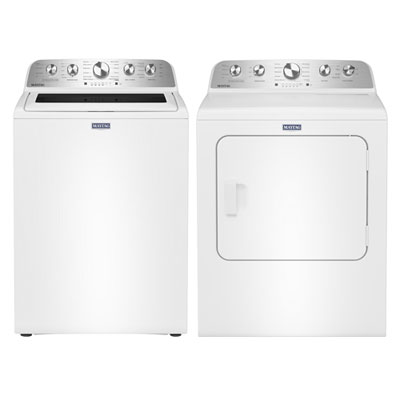
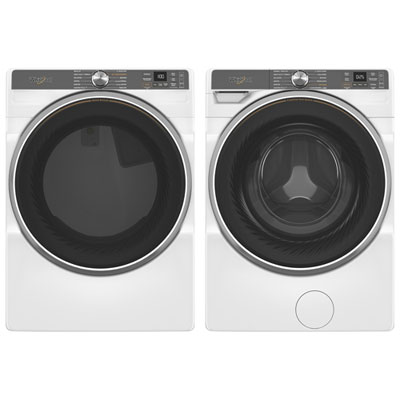
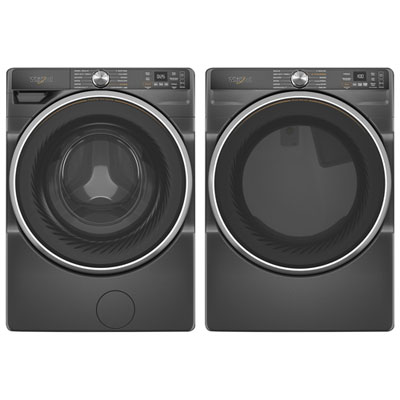
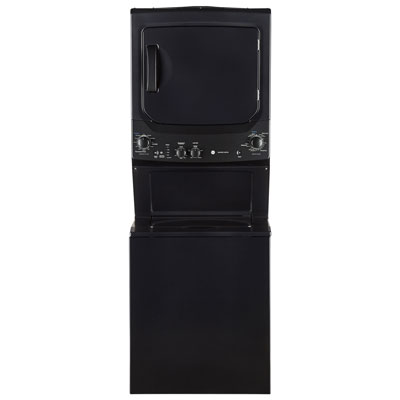
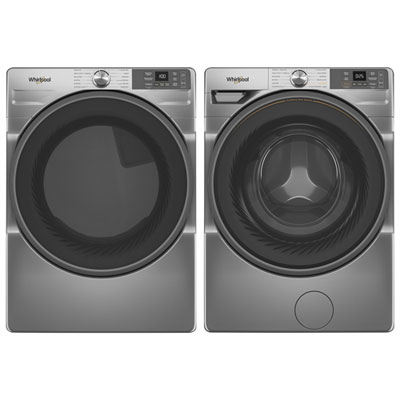
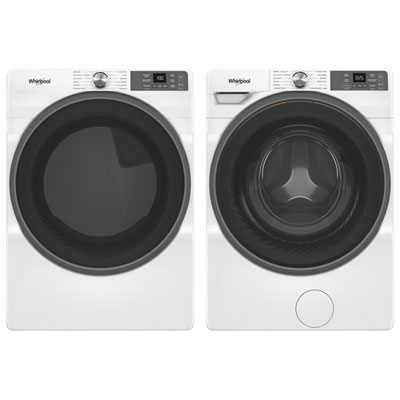
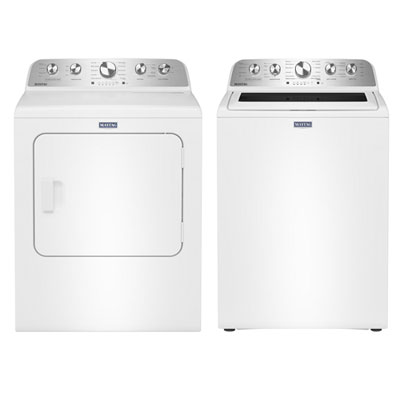
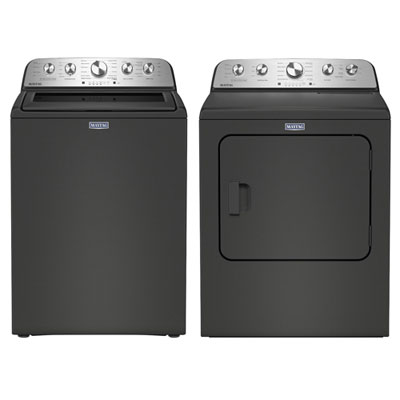
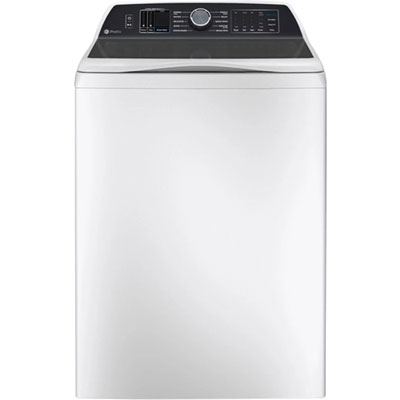
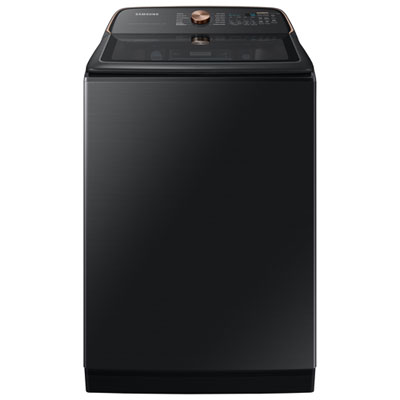
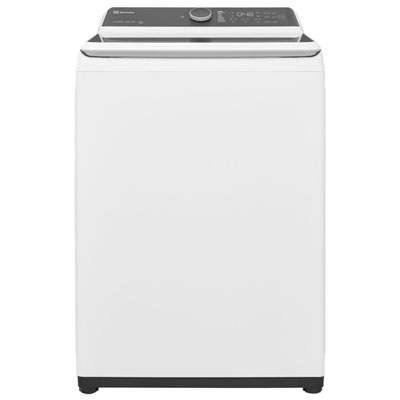

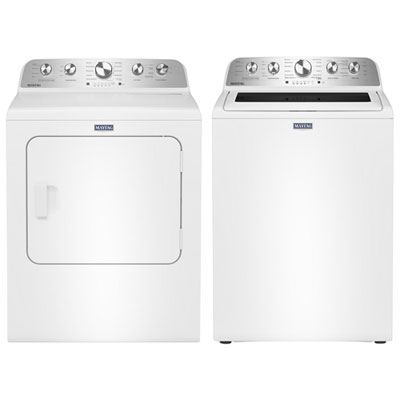
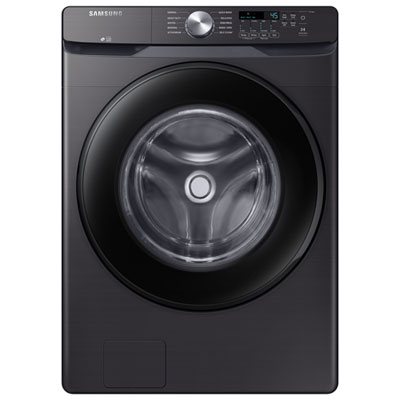
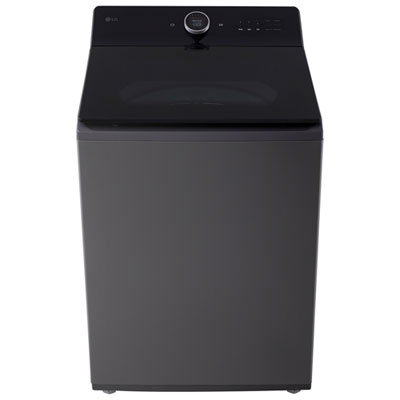


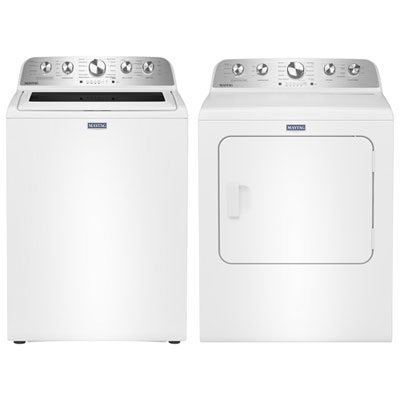
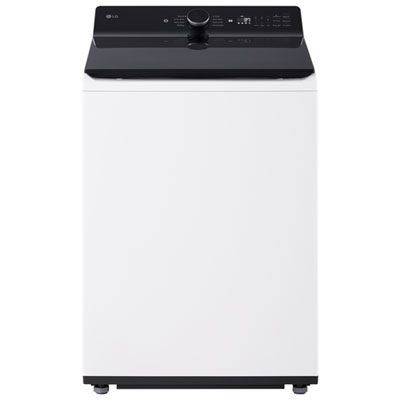
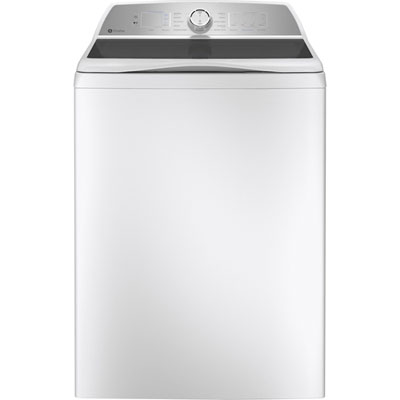

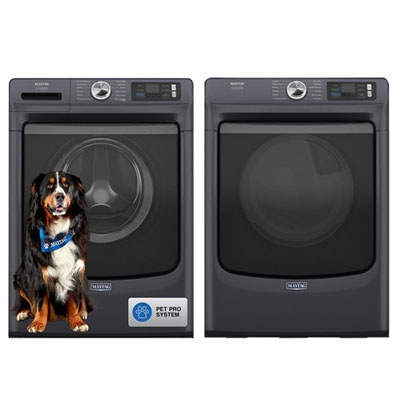
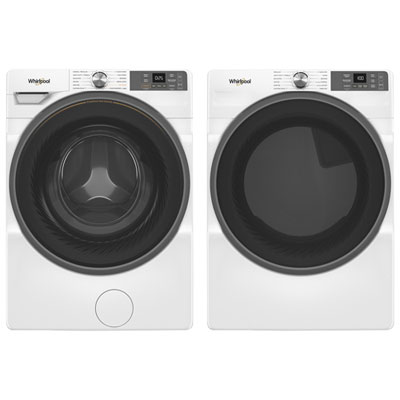
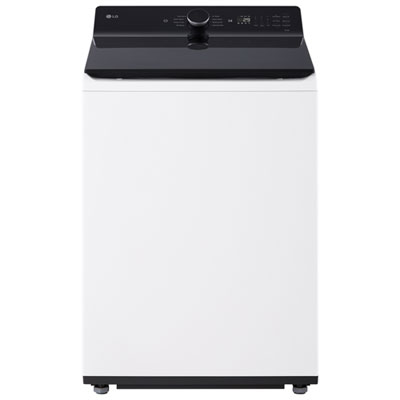
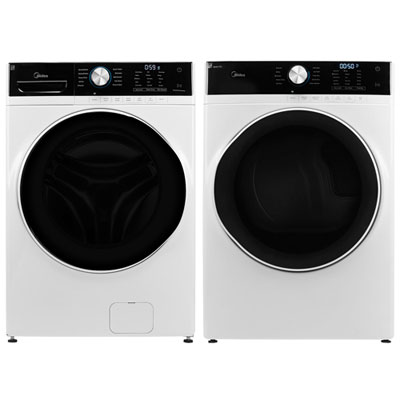
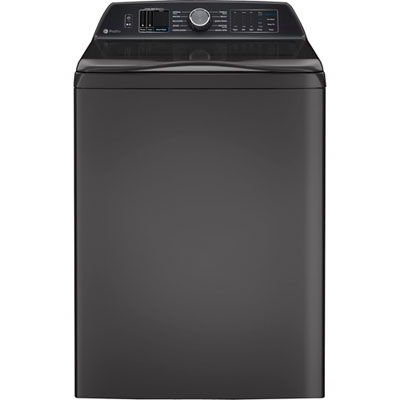
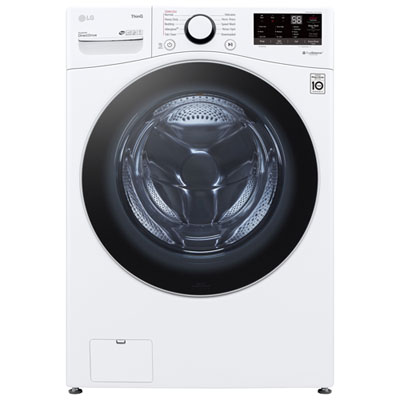
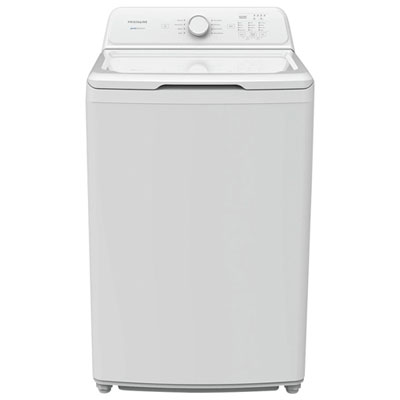
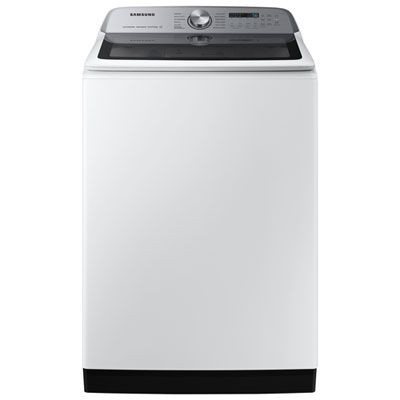

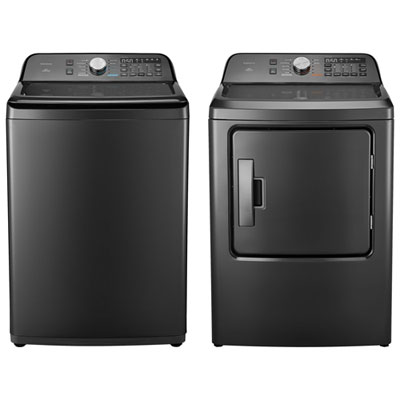
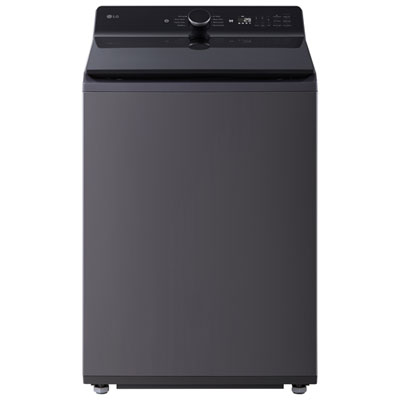
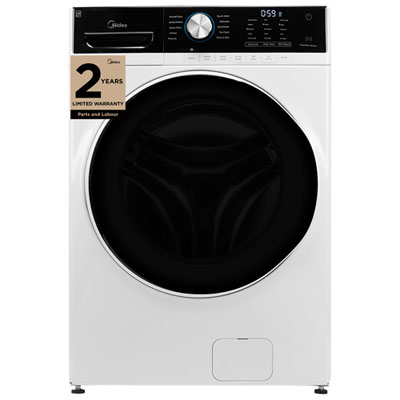
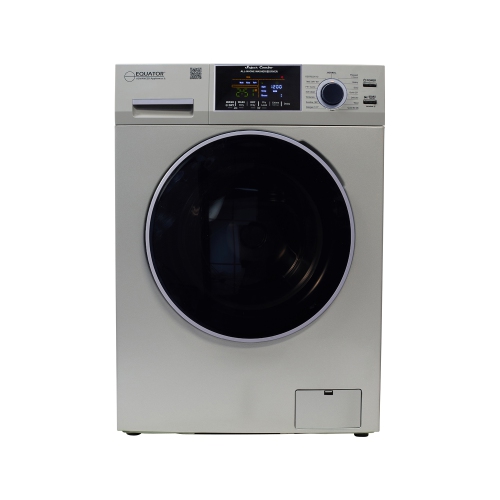
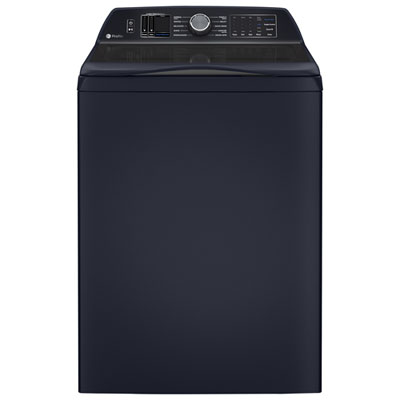


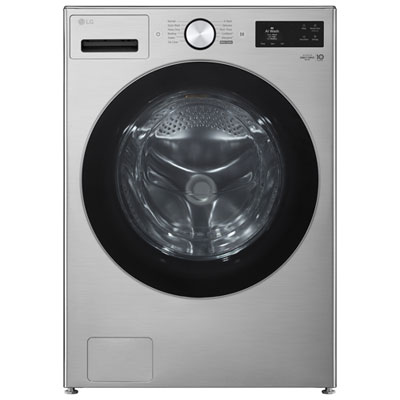

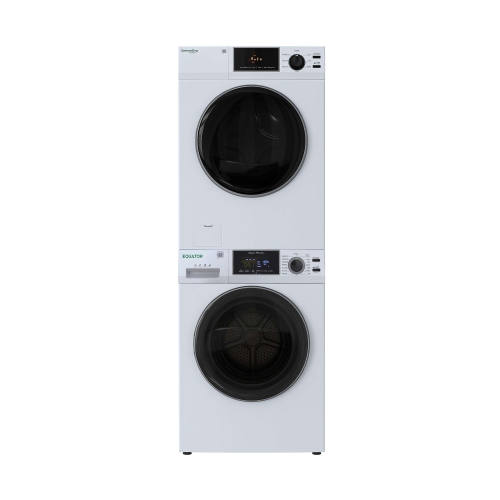
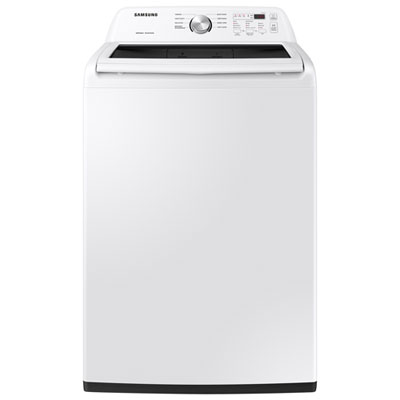
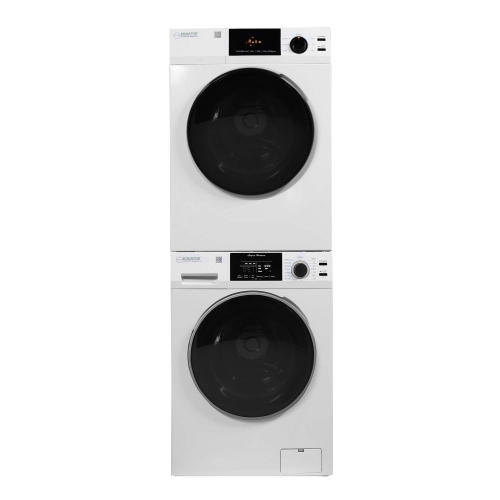
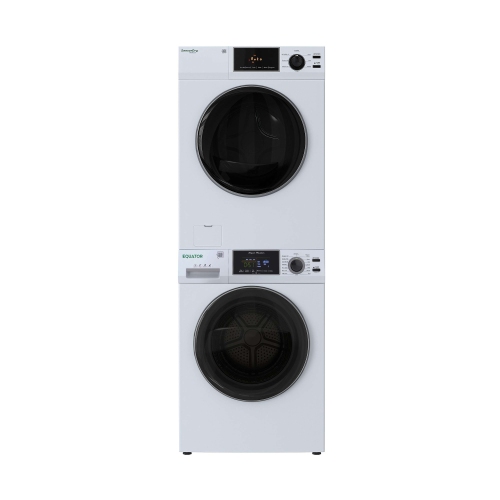

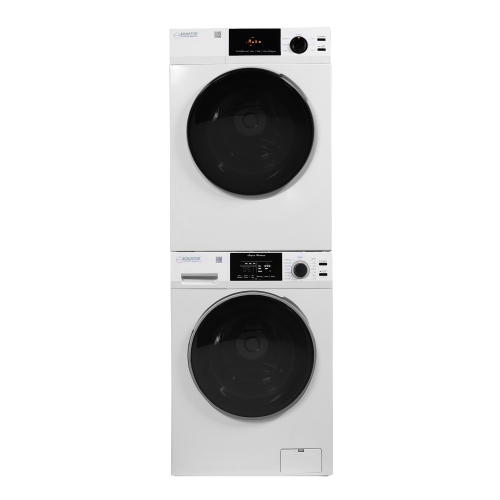

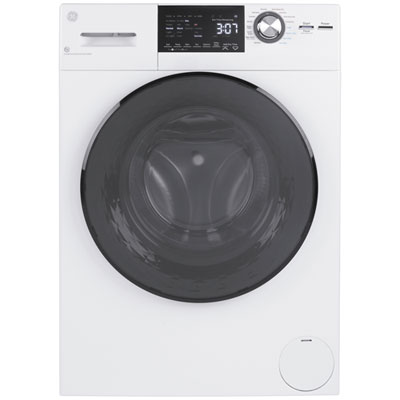
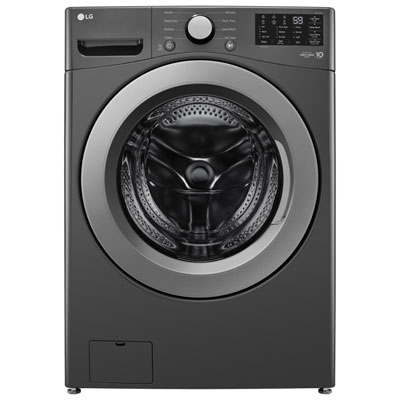
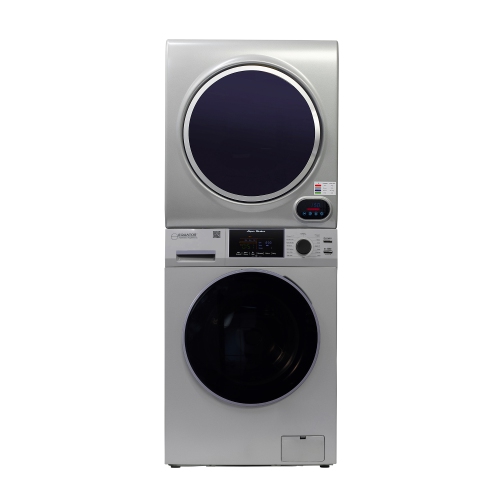
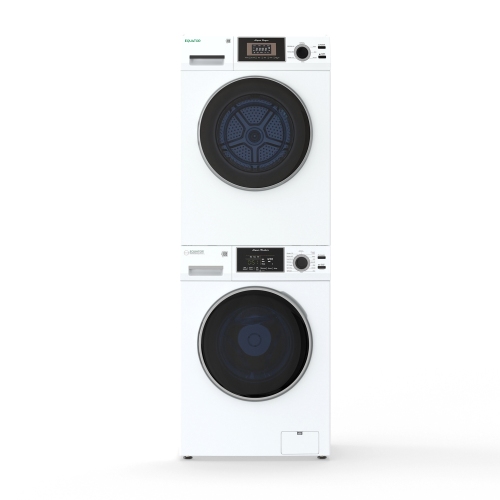
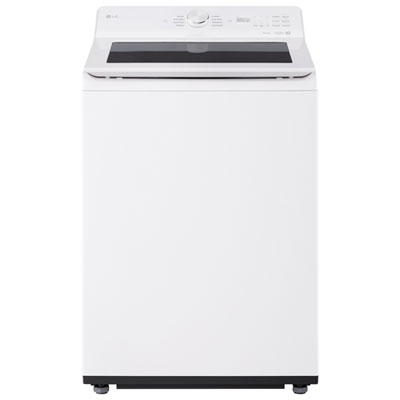


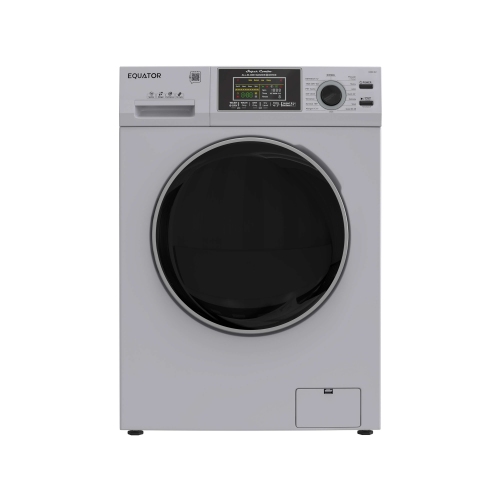
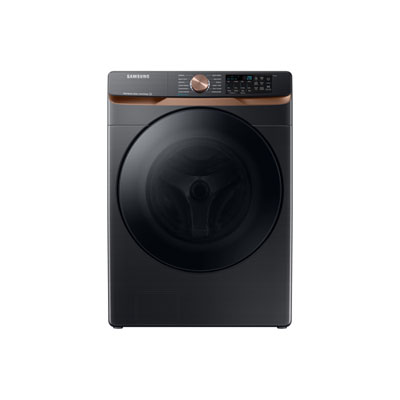
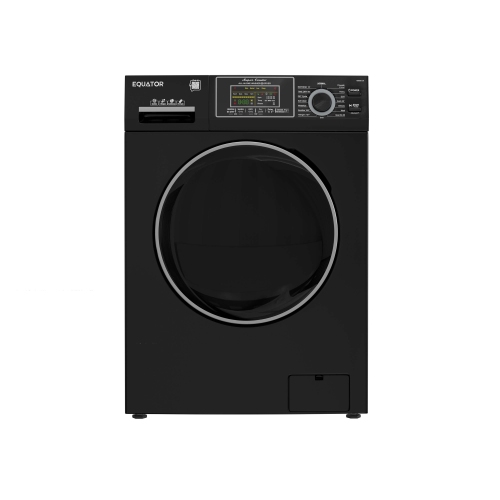
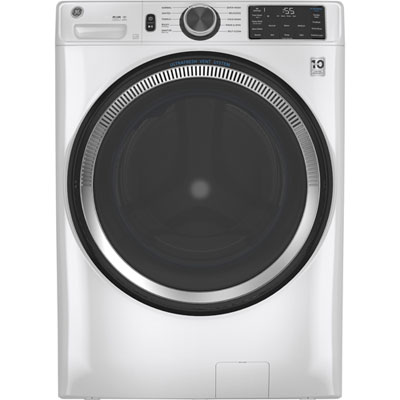

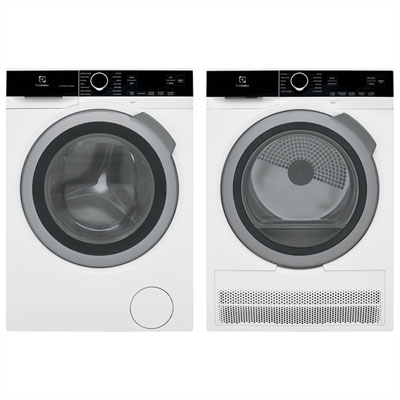
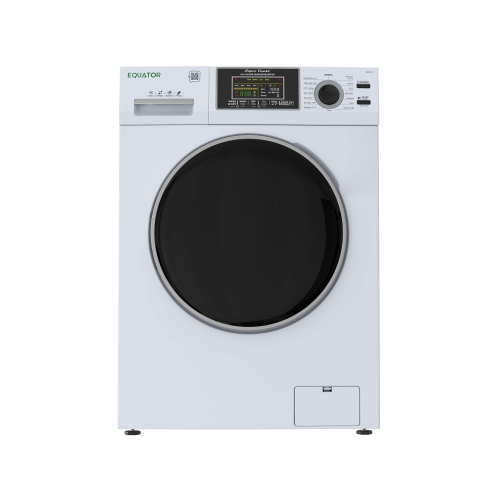
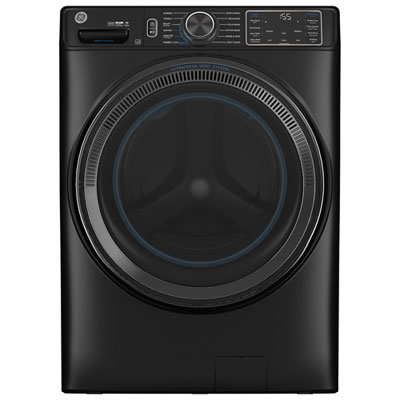
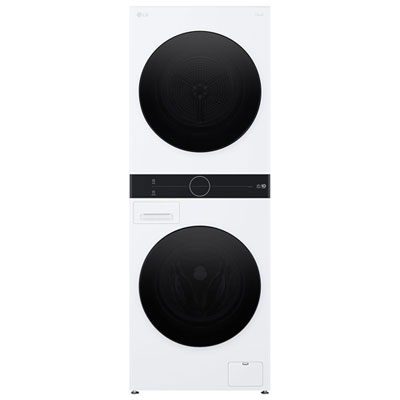
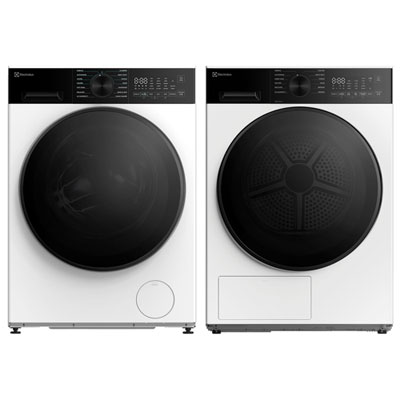
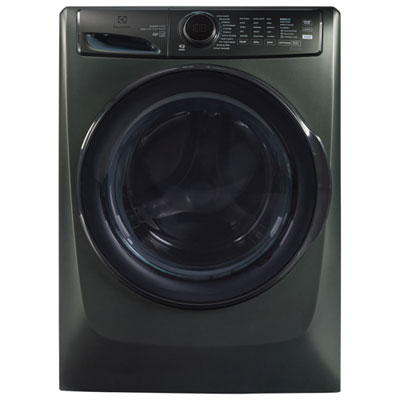


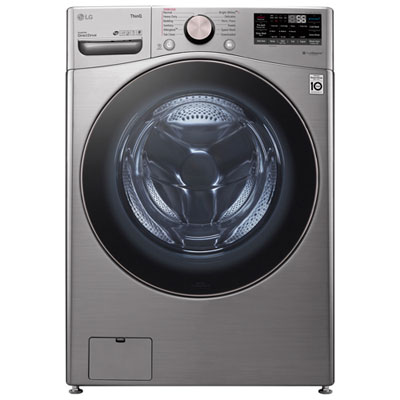
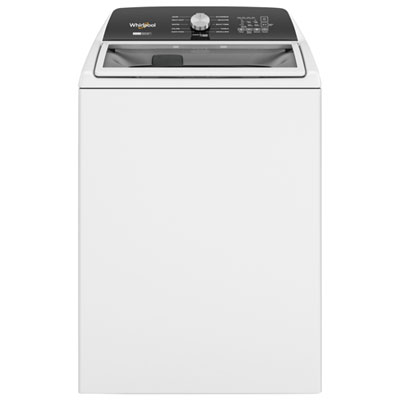

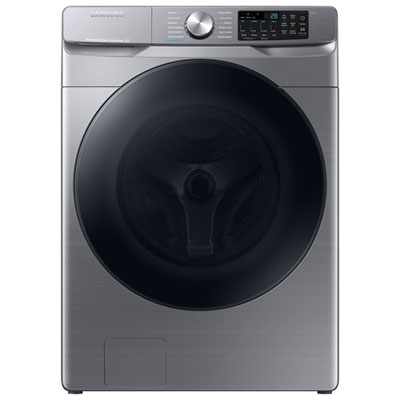
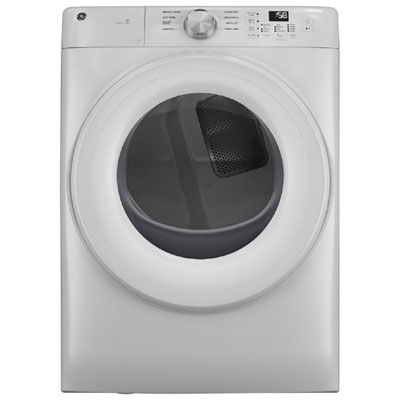
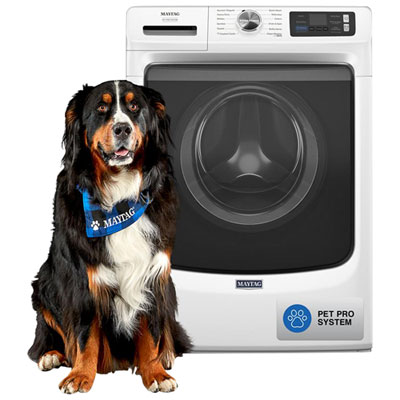
Bigger loads need more than a spacious drum
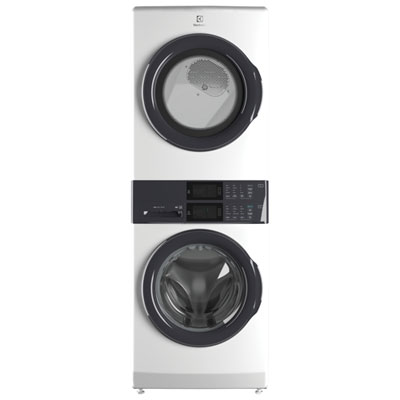
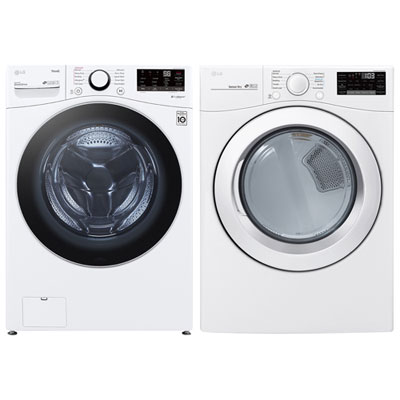
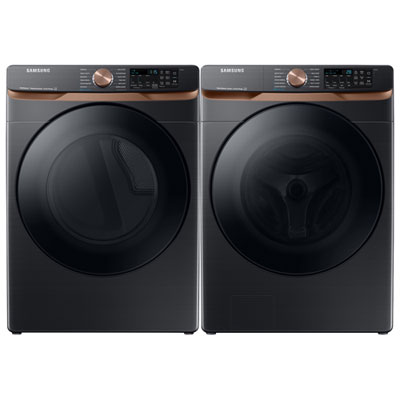
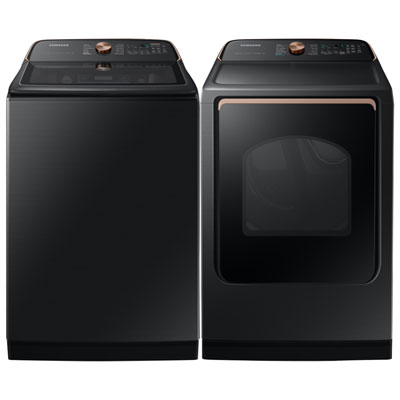
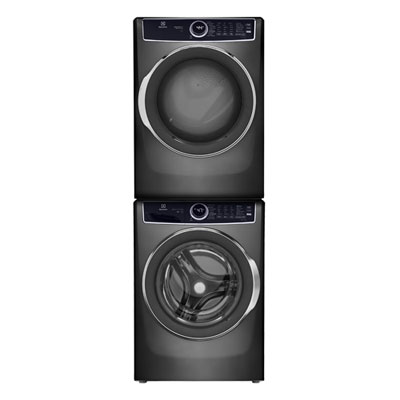
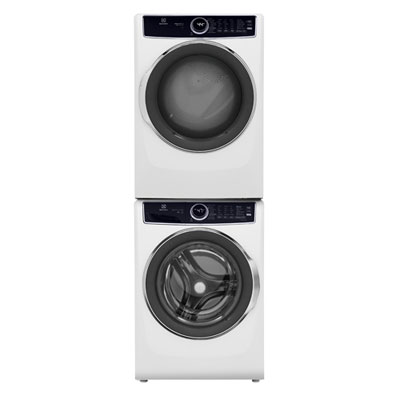
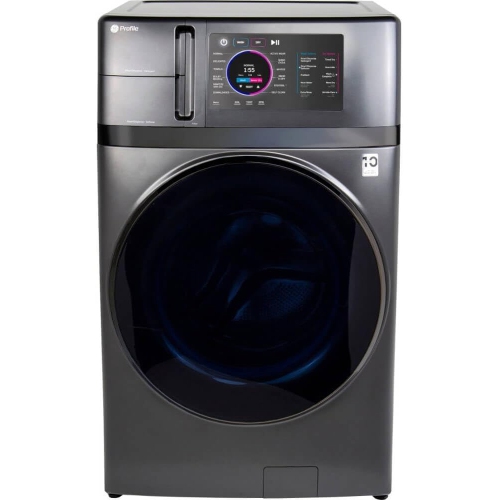
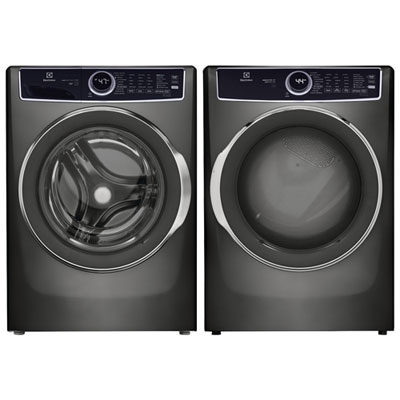
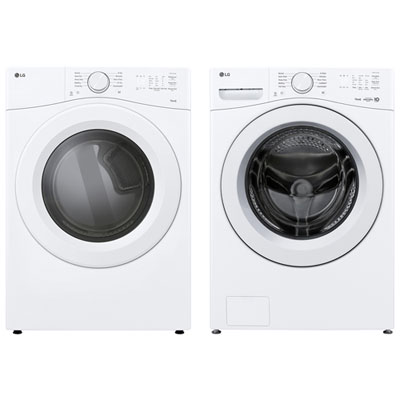
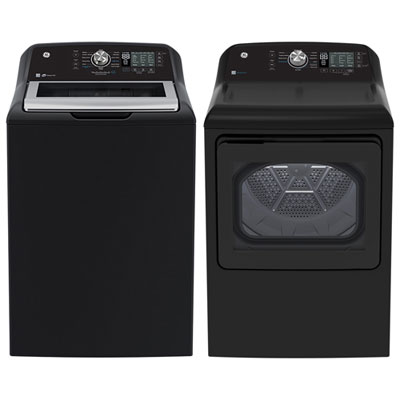
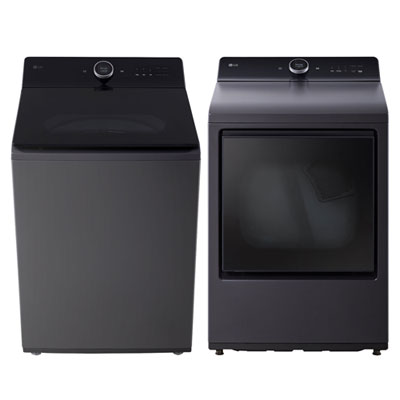
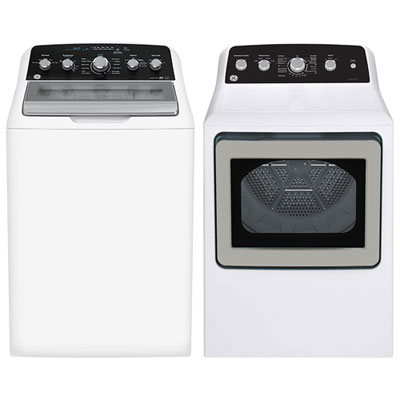
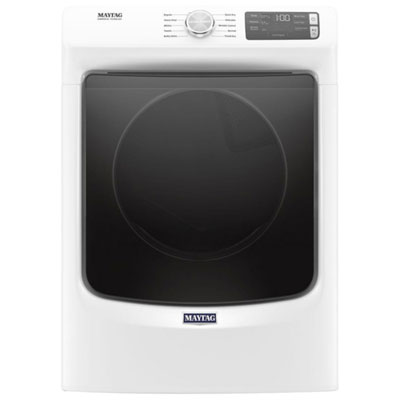
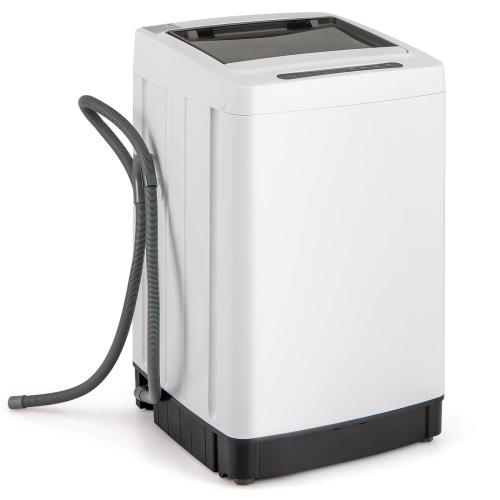
Large-capacity washers and dryers give bulky bedding, family clothing, and generous stacks of towels the space they need for effective washing and drying. A washer with approximately 5.0 to 5.8 cubic feet of capacity is a useful starting point for larger household loads, while some designs offer even more room. Capacity measurements can differ between manufacturers, so comparisons are most meaningful when the same measurement standard is used. Dryers generally have larger drums than washers because wet fabrics need space to separate and tumble as they dry. Many large-capacity dryers offer around 7.0 to 9.0 cubic feet, although the right pairing depends on the appliances’ stated load limits rather than drum volume alone. For a household managing school clothes, work uniforms, exercise gear, and bath towels, that extra space can make it easier to group compatible fabrics without splitting everything into several small loads. Bulky bedding needs particular attention: a comforter must fit loosely enough to move through the wash, and its care label still determines whether machine washing is appropriate. A spacious drum is not permission to pack clothing tightly against the door or lid. Overloading can affect cleaning, rinsing, spinning, and drying, even when an appliance appears to have room for another few pieces. When comparing top-rated large-capacity washers and dryers, the most useful qualities extend beyond size to cleaning performance, moisture removal, fabric care, straightforward controls, and dependable operation. Customer ratings become more informative when reviews describe similar household sizes and laundry habits. Comments about washing bedding, handling frequent loads, or operating near a living area offer more context than a star average by itself. Reviews written after several months of use can also provide a clearer picture of everyday noise, cycle selection, and ease of cleaning than first impressions focused mainly on appearance. The strongest match is a pair whose capacity and features suit the laundry that regularly fills the hamper.
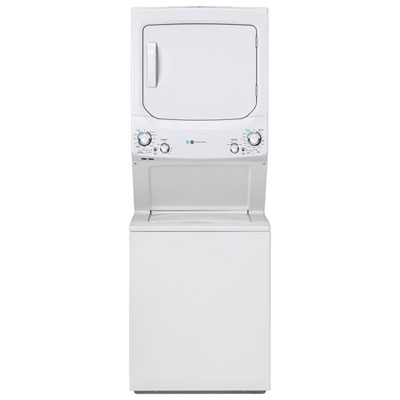
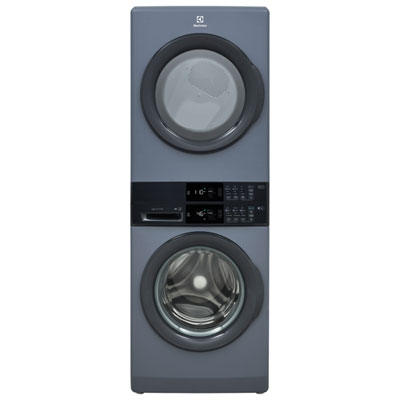
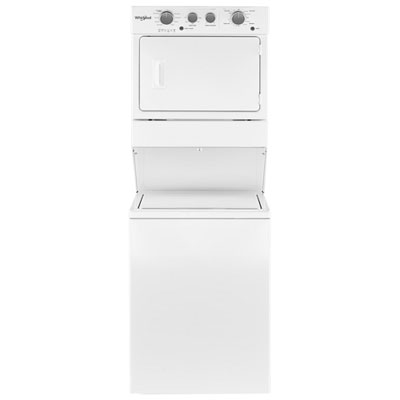
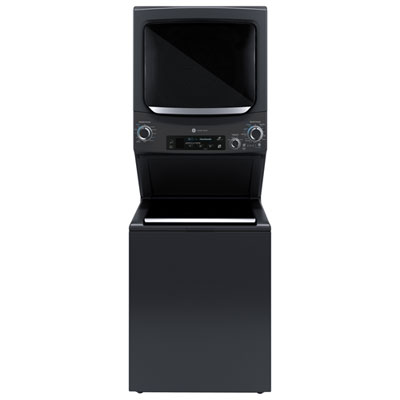
Fit matters just as much as drum size when comparing appliances in the Large Washer And Dryers collection. Exterior width, depth, and height tell only part of the story: hoses, connections, door movement, and required installation clearances also occupy space. A laundry closet may accommodate the appliance cabinet but leave too little room for a dryer duct behind it or a washer door in front. Doorways, stair turns, and narrow corridors along the delivery route matter, too. Side-by-side arrangements provide separate access to both machines and may allow a suitable work surface above compatible front-loading appliances. Stacked arrangements free up floor space, but only appliances approved for stacking should be combined, using the specified stacking kit. The dryer controls also need to remain comfortably within reach. Front-loading washers can make loading easier from a seated position, while a raised installation may reduce bending when the appliance and support are designed for that arrangement. Top-loading washers offer access from above, although a deep tub can be difficult to reach when retrieving a small sock from the bottom. Models with an agitator and those with an impeller use their interior space differently, making usable room and loading instructions important alongside the capacity figure. Dryer selection also depends on the home’s connections. Electric and gas dryers have different installation requirements, and vented dryers need a suitable exhaust route outdoors. Ventless designs handle moisture differently and may need a drain connection or regular emptying of a collection container, depending on their design. Neither configuration removes the need to follow installation requirements for clearance and ventilation. A solid, level floor and correct levelling help limit unnecessary movement during high-speed spinning. For laundry areas near bedrooms or shared living spaces, published sound information and reviews describing vibration can be especially useful, although installation quality and load balance also influence what is heard.
Daily convenience often comes from features that match familiar laundry routines rather than the longest possible list of settings. A quick cycle can help with a lightly soiled outfit, but its permitted load may be much smaller than the washer’s full capacity. Dedicated bedding cycles can adjust the wash action for bulky fabrics, while extra-rinse options may be useful when a load needs additional rinsing. Automatic detergent dispensing can simplify repeated loads when the correct detergent and concentration settings are used. Wi-Fi connectivity may provide cycle notifications or reminders on compatible appliances, though remote functions depend on the appliance, app, and connection. In the dryer, moisture sensors can adjust drying time according to the load, helping reduce unnecessary exposure to heat compared with relying only on a fixed timer. Lower-heat settings and suitable fabric cycles remain important for garments whose care labels call for gentle treatment. Mixing heavy towels with lightweight tops can leave some pieces damp while others finish much earlier, so separating fabrics by weight supports more even results. Drum construction and interior details also deserve attention. Stainless steel drums offer a durable surface, while smooth interiors and well-finished openings help keep loading and unloading comfortable. Long-term performance still depends on regular care: detergent should suit the washer’s requirements, accessible filters need attention as directed, and front-loader door seals should be checked for trapped lint or small objects. Washer cleaning cycles help address residue when used according to the appliance instructions. Dryer lint screens need cleaning as specified, and exhaust ducts require periodic inspection and cleaning to maintain airflow. Persistent dampness, unusually long drying times, or new vibration should not simply be accepted as the trade-off for a larger load. Large-capacity laundry pairs are particularly useful for larger families, shared households, and homes that regularly wash bulky linens, but smaller households may also value the flexibility for occasional bedding loads. The best fit combines sufficient room, suitable cycles, accessible controls, and a layout that makes laundry manageable without sacrificing proper fabric care.
Top selling and popular products
-
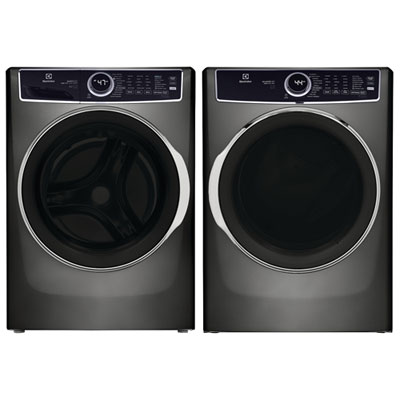 Your price for this item is $2485.98
-
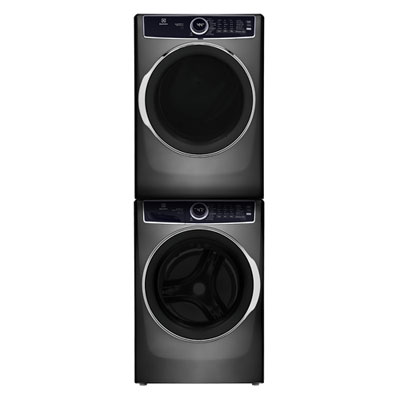 Your price for this item is $2533.97
-
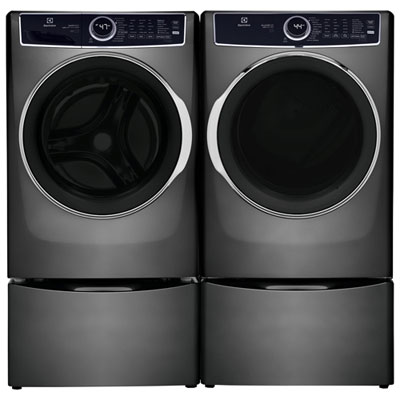 Your price for this item is $2785.96
-
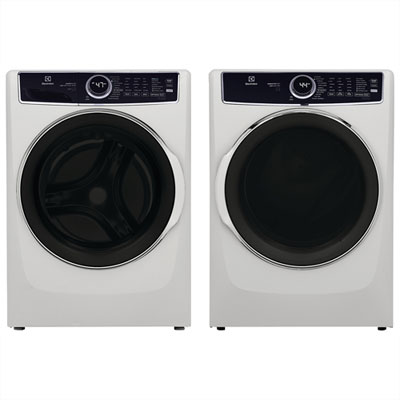 Your price for this item is $2599.98
-
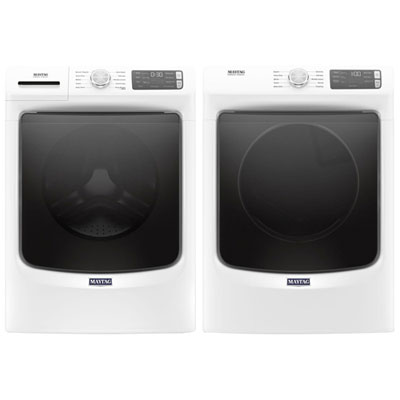 Your price for this item is $2299.98
-
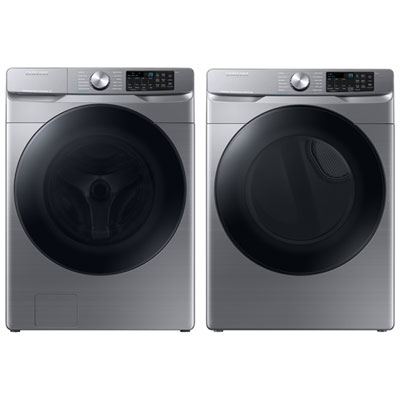 Your price for this item is $2295.98
-
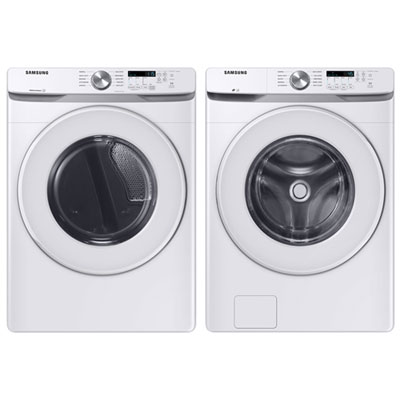 Your price for this item is $1895.98
-
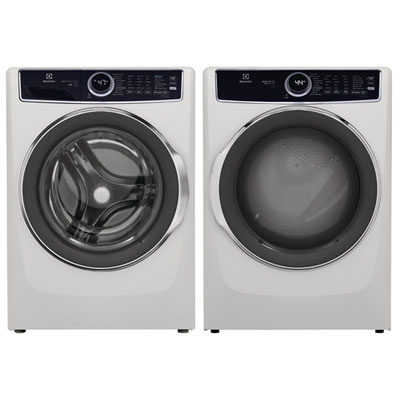 Your price for this item is $2192.98
Discover more categories related to Top Rated Large Capacity Washer And Dryers
Top Collections:
Best Black Friday Deals This Year, Best Black Friday Deals On Electronics, Kindle Devices, Pokemon Centers, Best Black Friday Deals On Apple Products, Best Cameras for Sports Photography, Dyson Airwrap, Pokémon 30th Celebration Cards, Apple iPhone 17 Pro, Canon G7X Cameras
Some products may be subject to Environmental Handling Fees
(EHF) depending on your province.
Learn more about EHFs.