Tower Fans With Remote Control
Stay cool and comfortable with our selection of tower fans with remote control. These sleek and modern fans are designed to provide powerful airflow while keeping noise levels to a minimum. With the convenience of a remote control, you can easily adjust settings from across the room, making it effortless to create the perfect environment for relaxation or productivity. Whether you're looking to beat the summer heat or improve air circulation in your home or office, these tower fans are a stylish and practical solution.
Sort
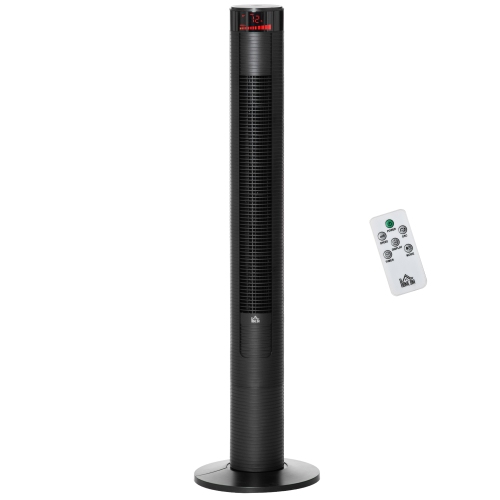
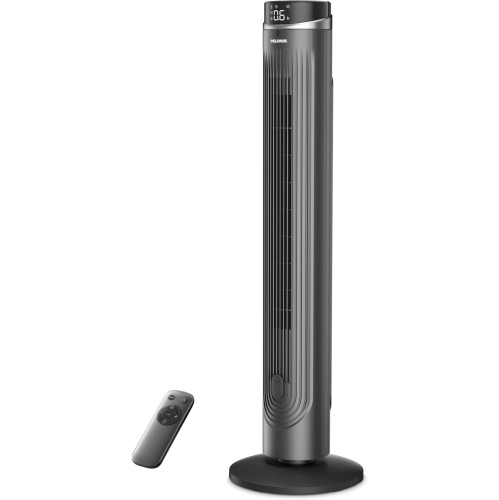
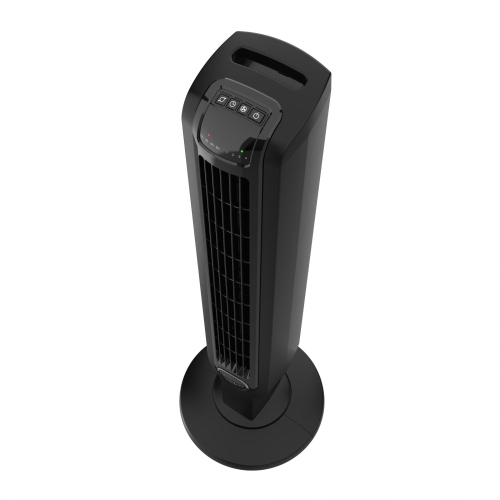
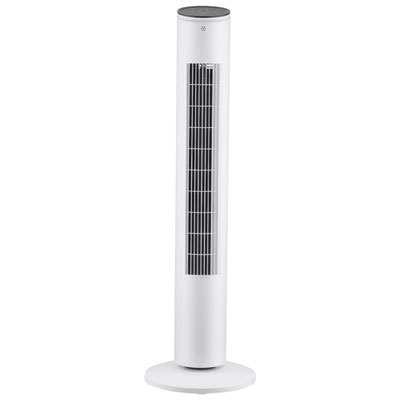
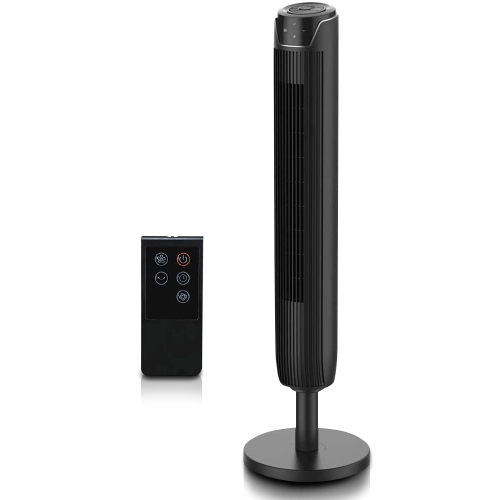
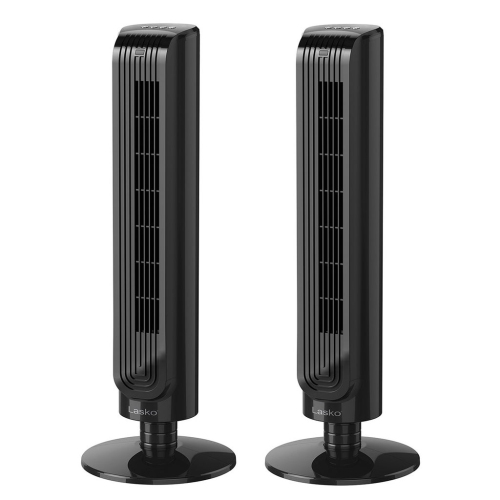
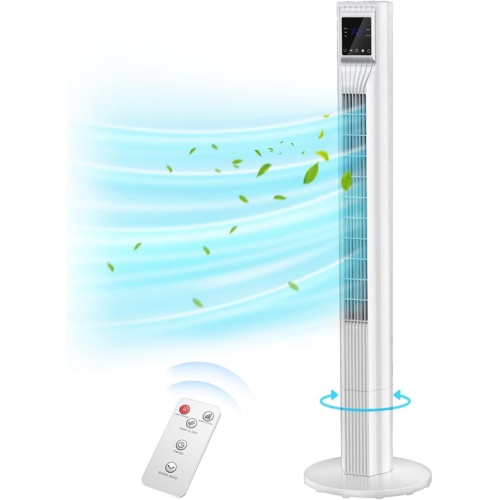
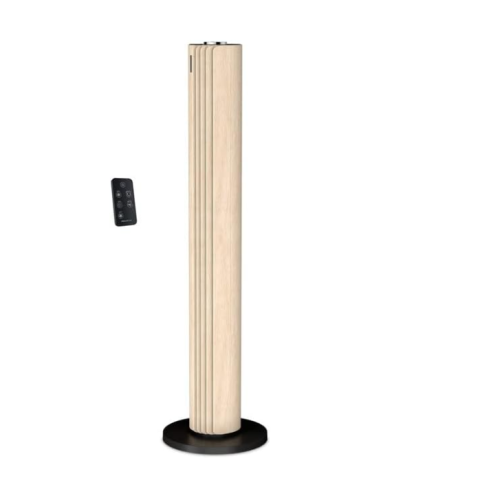
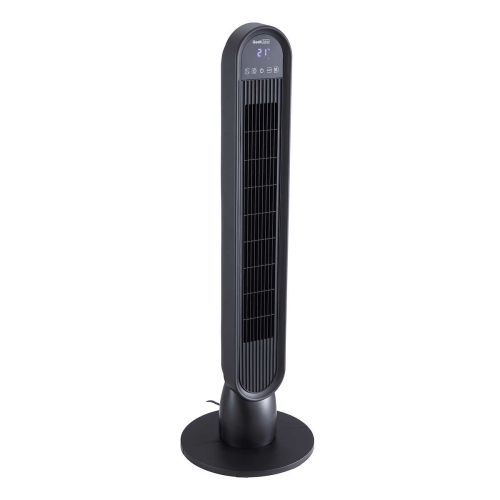
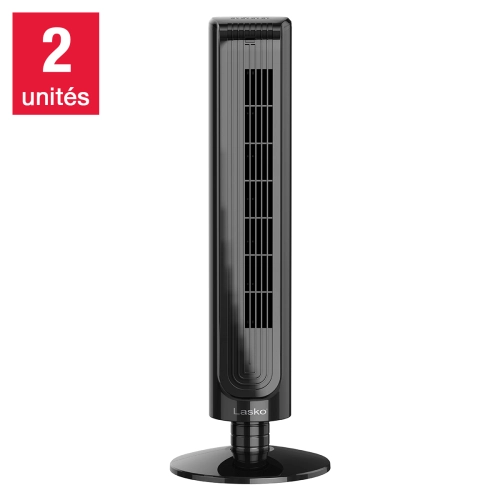
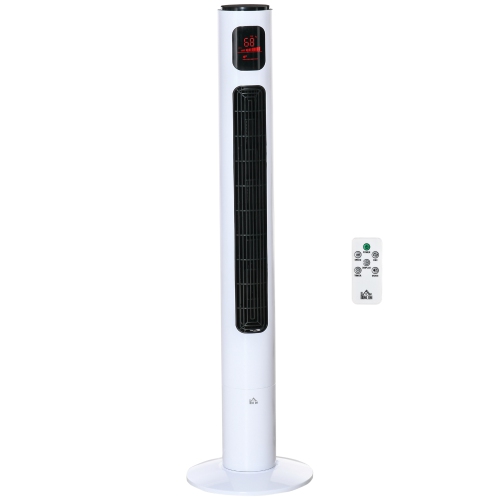
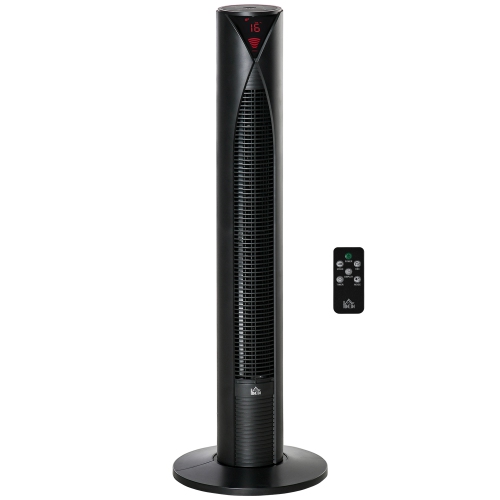
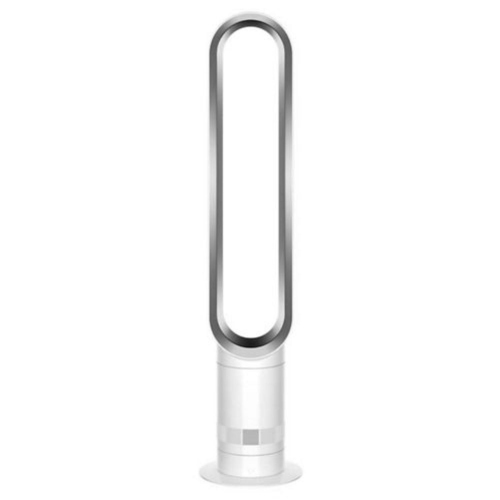
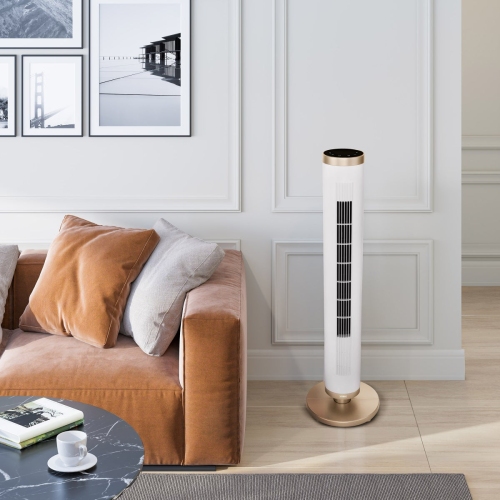
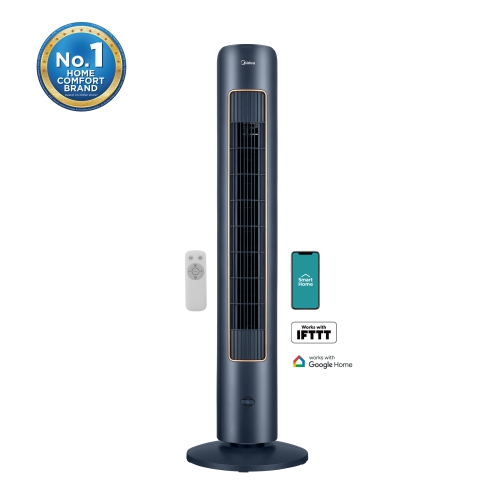
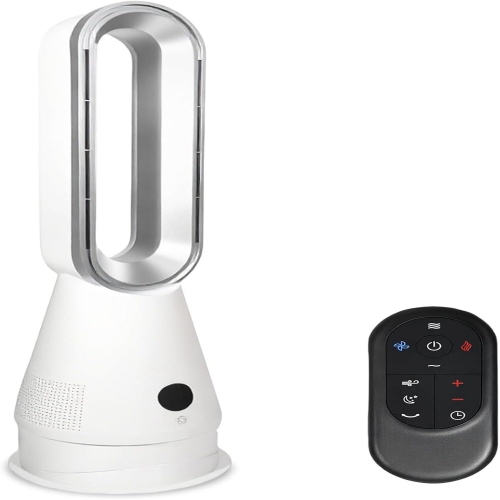


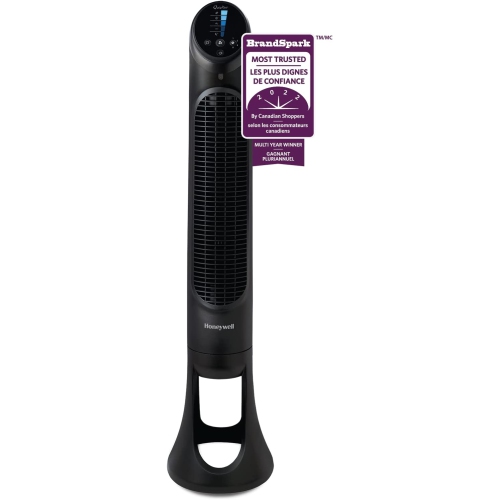
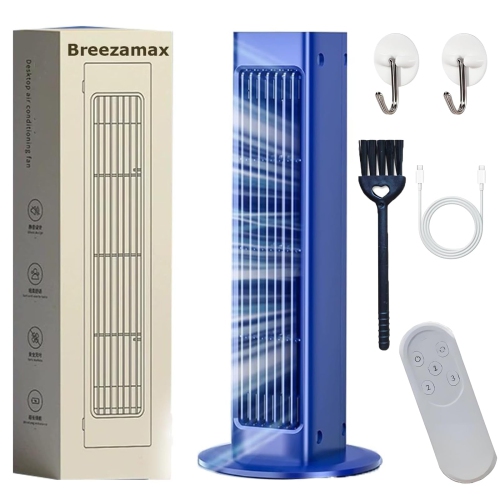
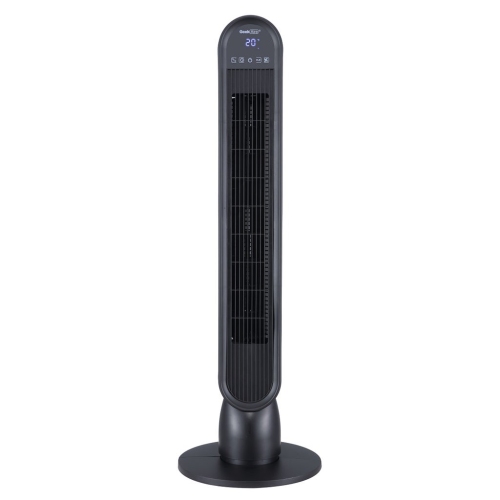
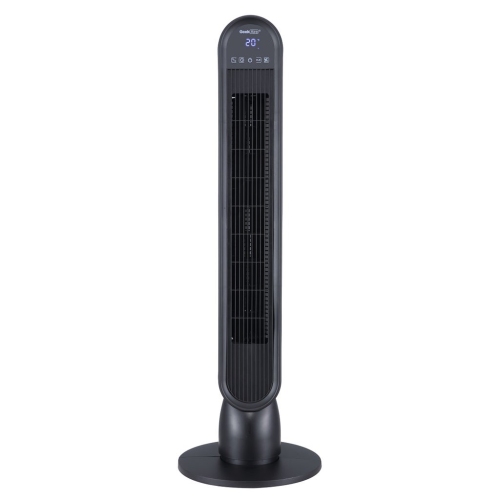




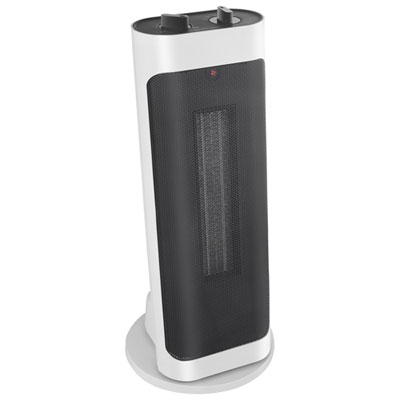

Adjustable airflow without leaving your seat
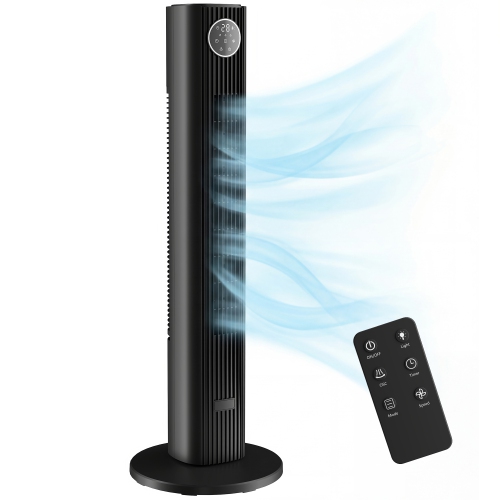
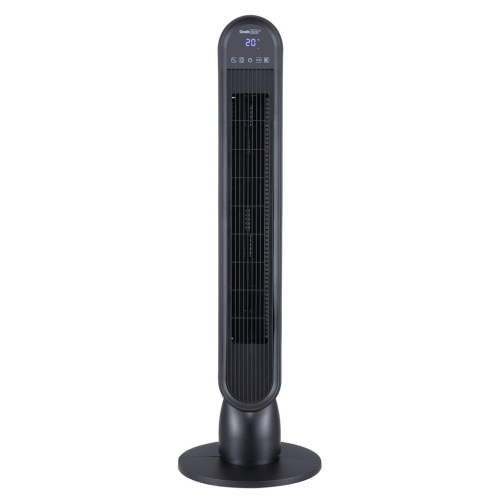
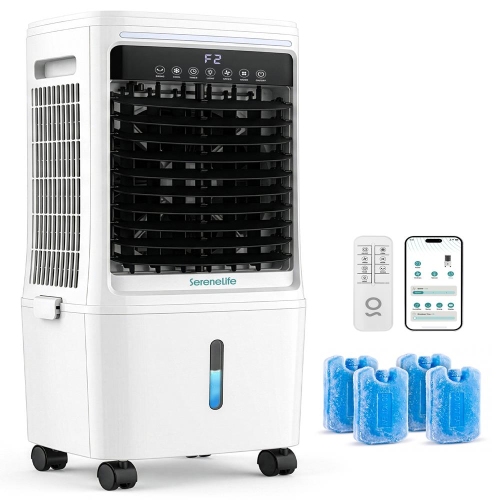
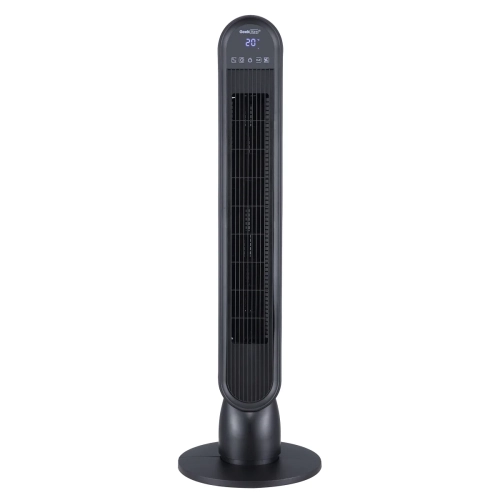
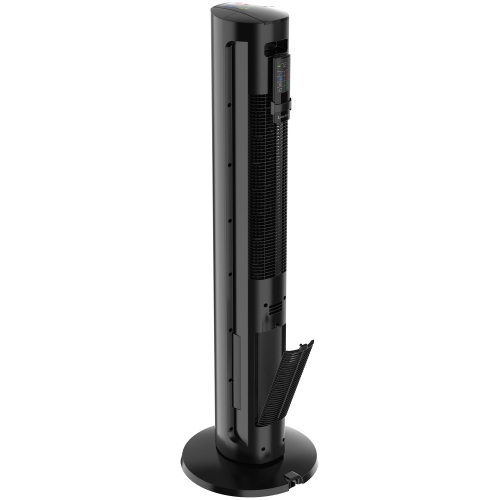
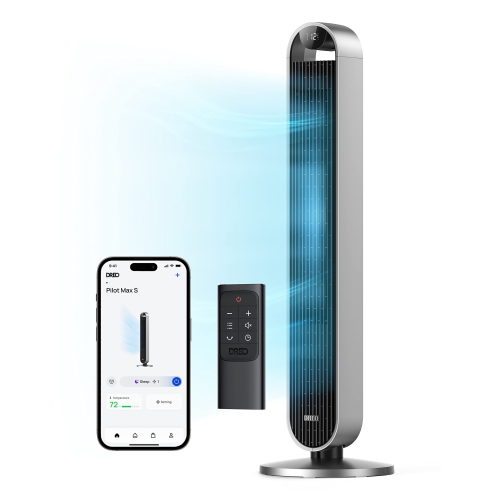
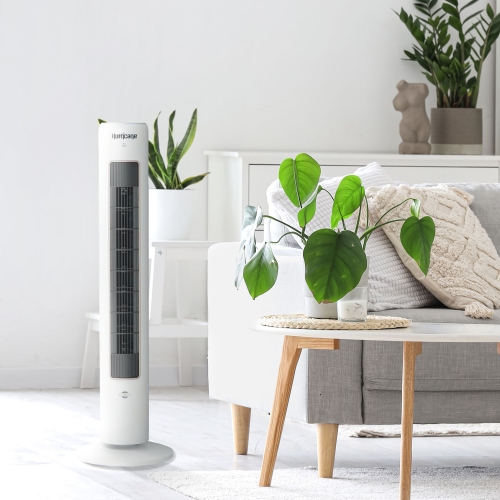
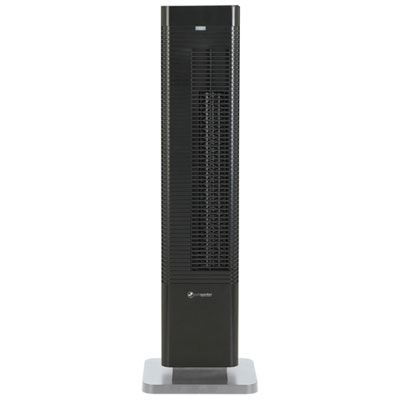
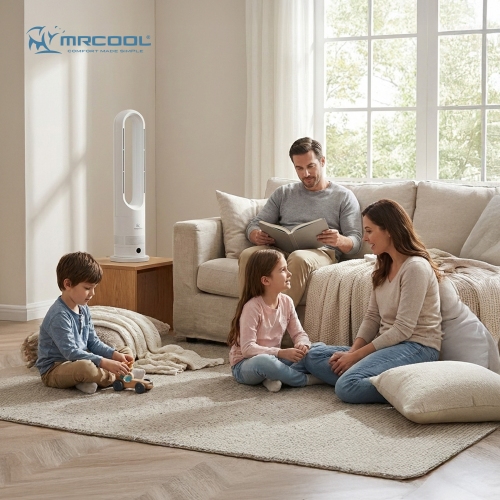
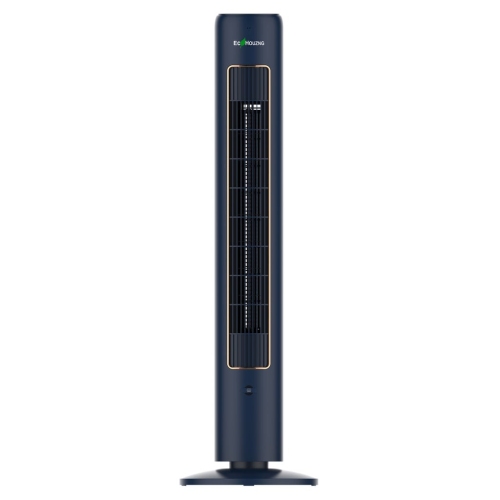
Tower fans with remote control provide adjustable airflow in a slim, upright design, with settings that can be changed from a sofa, desk, or bed. Their narrow footprint makes them a practical choice for bedrooms, living rooms, home offices, and other spaces where a wider pedestal fan might get in the way. A tower fan typically draws air through an intake and moves it through a tall outlet, creating a directed breeze without the broad circular head of a traditional standing fan. Many designs combine several speed settings with oscillation, which turns the fan’s body or internal airflow mechanism to sweep air across a wider area. A stationary setting suits someone seated at a desk, while oscillation can make airflow more comfortable for people sitting in different parts of a room. The remote adds convenience when the fan is positioned across the room or when getting up would interrupt a film, a work call, or a comfortable spot in bed. These fans circulate air rather than refrigerate it: the moving air can help people feel cooler, but a standard tower fan does not lower room temperature like an air conditioner. Fan height, outlet design, airflow strength, and the distance between the fan and its users all affect how noticeable the breeze feels. A taller housing does not automatically mean stronger airflow, and a compact base does not necessarily indicate suitability for a small room only. Where provided, airflow measurements and suggested room sizes offer more useful context than height alone. Different airflow modes can also change the experience. A steady mode maintains a consistent breeze, while natural or breeze modes vary the speed to create a less uniform flow. Sleep modes may gradually reduce fan speed or use a gentler pattern, depending on the design. These details matter when the same fan serves as a focused source of airflow beside a workstation and a softer background presence later in a bedroom.
Remote functions vary, so the distinction between basic convenience and fuller control is worth noting. Some remotes adjust power and speed, while others also operate oscillation, airflow modes, timers, and display brightness. An automatic shutoff timer lets the fan run for a selected period before switching off, which is useful for someone who wants airflow while settling into bed without leaving it running throughout the night. Timer lengths and increments differ, and a shutoff timer is not necessarily the same as a scheduling feature that can start the fan later. A remote control also does not automatically mean a fan has Wi-Fi, app access, or voice control; those are separate capabilities. Many handheld remotes use infrared signals and work best with a clear path to the receiver, so a fan tucked behind an armchair may be less convenient to operate. Accessible controls on the fan itself remain useful when the remote has slipped between cushions or needs a new battery. Clearly marked buttons, an easy-to-read display, and remote storage can make everyday use simpler, particularly in a shared household. In a bedroom, display dimming or a lights-off setting can matter just as much as the number of speeds. Audible button tones may also be noticeable in an otherwise quiet room. Sound depends on the speed, motor, airflow path, and oscillation mechanism, rather than a quiet-mode label alone. Lower settings generally produce less airflow noise, while higher settings make the breeze more noticeable and may be more audible during conversation or television viewing. Published decibel figures are most useful when the operating setting and measurement conditions are stated; a figure taken at the lowest speed does not describe every setting. For a home office, a smooth, consistent sound may be less distracting than a mode that repeatedly rises and falls. For sleeping, personal preference varies: some people appreciate a steady fan sound, while others place greater importance on gentle airflow and minimal changes in volume.
Physical fit and upkeep help determine how well a remote-controlled tower fan works in a room over time. The base needs enough clear, level floor space to remain stable, with room around the intake and outlet for air to move freely. Placement beside a sofa or dresser should leave the airflow path open rather than sending most of the breeze into furniture. Power cord length and outlet location also affect positioning; the cord should not cross a busy walkway or sit beneath a rug. A built-in carry handle and manageable weight are helpful when moving the fan between a work area and a living space, though the fan should be switched off before it is moved. Housings are often made from moulded plastic, sometimes with metal accents or grilles, and finishes can range from light neutrals to darker colours that blend with electronics and furniture. A smooth, sturdy housing, secure base, and well-fitting parts are more relevant to daily durability than decorative trim alone. Dust can collect around intake grilles and reduce airflow, making accessible cleaning surfaces a useful consideration. Care generally involves unplugging the fan and removing surface dust with a soft cloth or suitable vacuum attachment, following the manufacturer’s directions. Removable filters or grilles should only be washed if the instructions permit it, and moisture should stay away from the motor and controls. Narrow openings do not make a fan childproof, so placement still matters around children and pets; remotes with coin-cell batteries also need secure battery compartments and careful storage. For renters or anyone who wants airflow without a permanent fixture, a tower fan offers flexibility between rooms. Where a fixed overhead option is more suitable, ceiling fans with remote control provide a different approach that leaves floor space clear but requires suitable mounting and installation. A tower fan remains a convenient fit for someone who values portable airflow, straightforward controls, and the ability to make small adjustments without leaving their seat.
Top selling and popular products
-
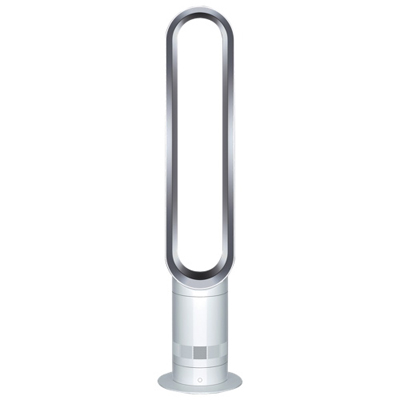 Your price for this item is $499.99
-
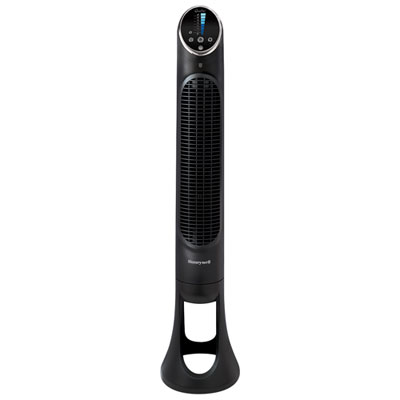 Your price for this item is $109.98
-
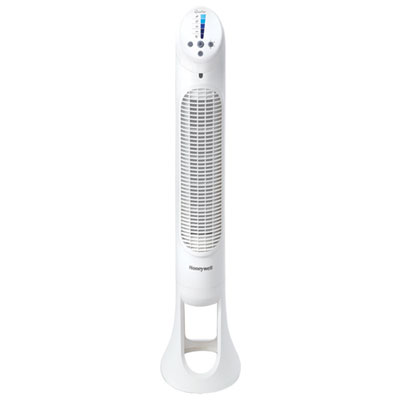 Your price for this item is $99.99
-
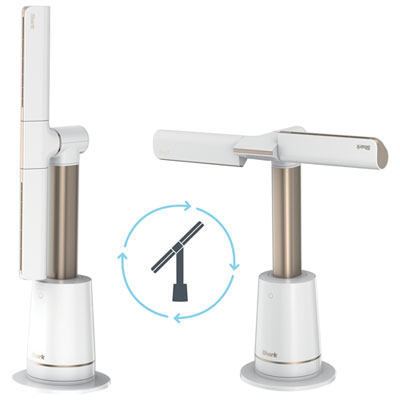 Your price for this item is $349.99
-
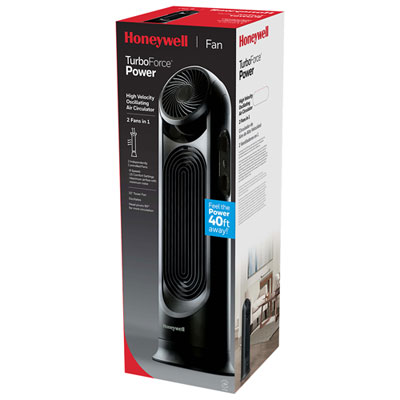 Your price for this item is $149.99
-
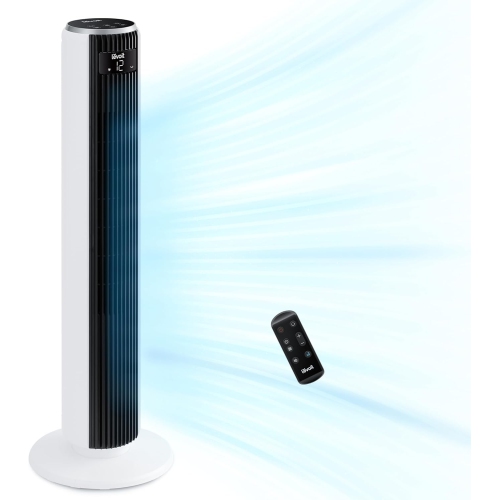 Your price for this item is $154.26
-
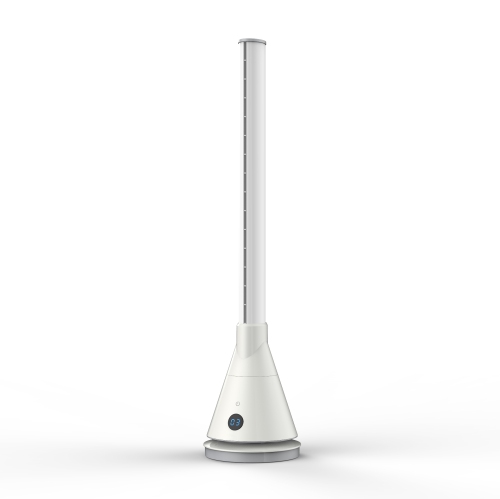 Your price for this item is $289.99
-
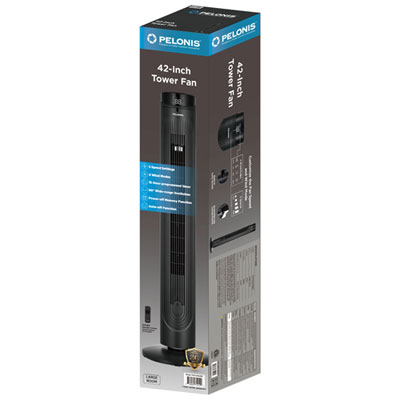 Your price for this item is $119.99
Discover more categories related to Tower Fans With Remote Control
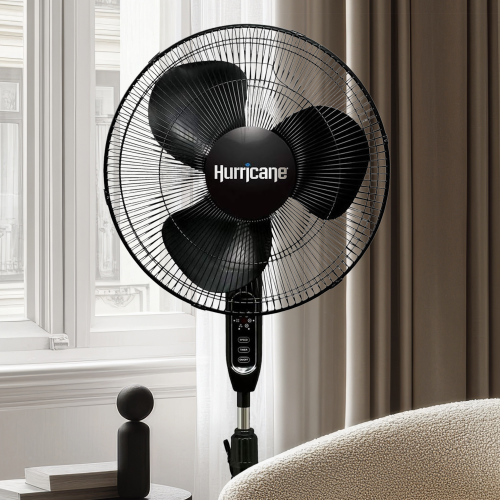
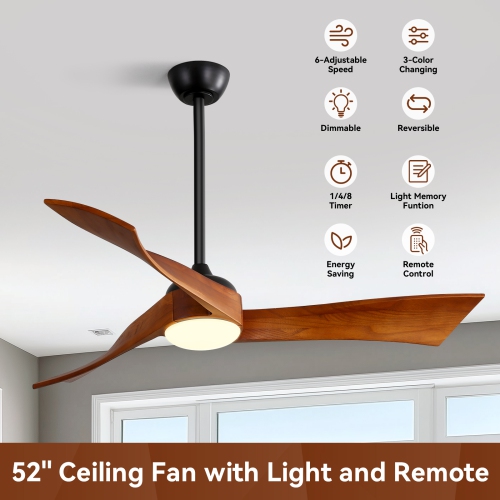
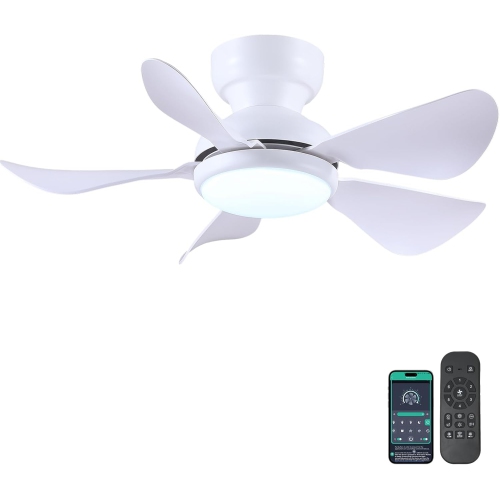
Top Collections:
Pokemon Centers, Kindle Devices, Best Cameras for Sports Photography, Pokémon 30th Celebration Cards, Apple iPhones 16, Canon G7X Cameras, iPhone 15 Apple, Flip Phones, Samsung Galaxy Phones, Alarm Clock
Some products may be subject to Environmental Handling Fees
(EHF) depending on your province.
Learn more about EHFs.