Under Cabinet Range Hoods With Non-ducted Option for Easy Installation
Looking to upgrade your kitchen with a sleek and efficient range hood? Look no further than our selection of under-cabinet range hoods with non-ducted options for easy installation. These range hoods not only enhance the overall aesthetic of your kitchen but also provide powerful ventilation to keep your cooking area clean and fresh. With their convenient non-ducted option, you can enjoy hassle-free installation without the need for complicated ductwork. Here are some great options available.
Sort
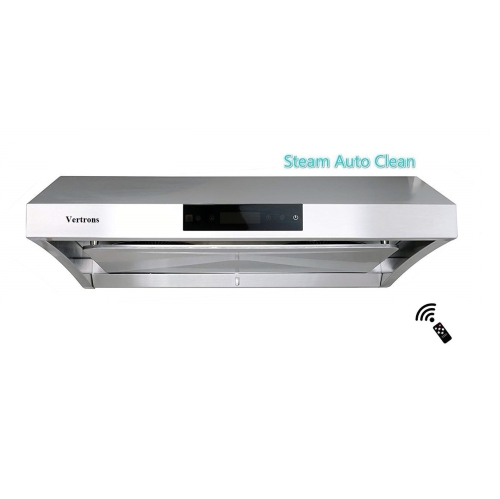
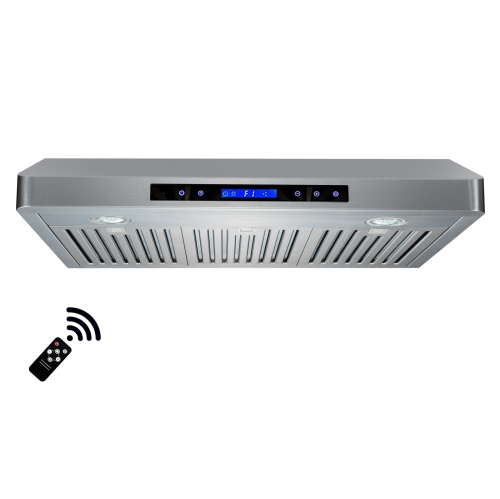
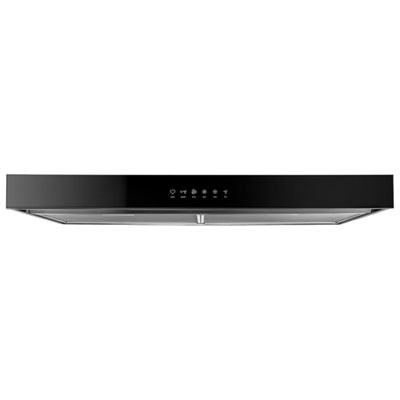
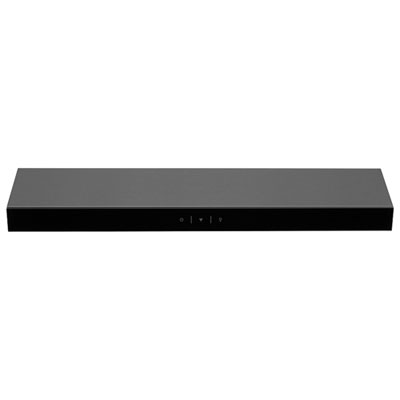
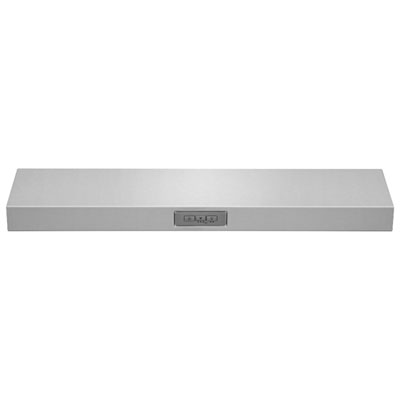
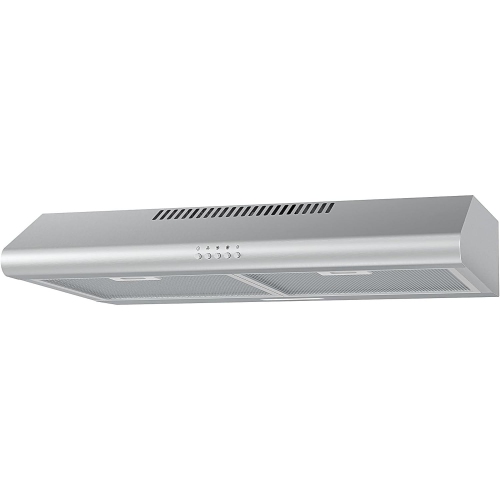
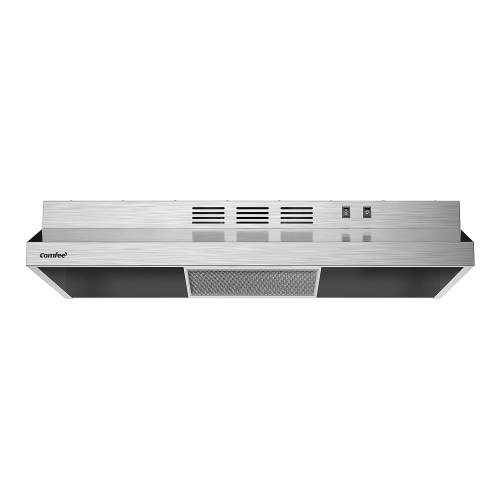
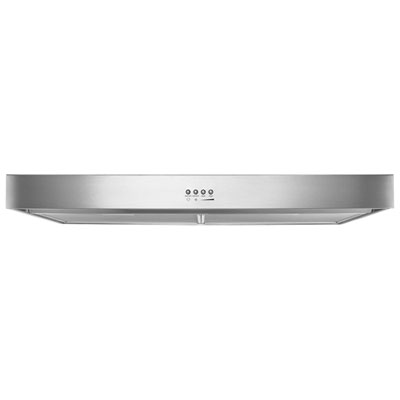
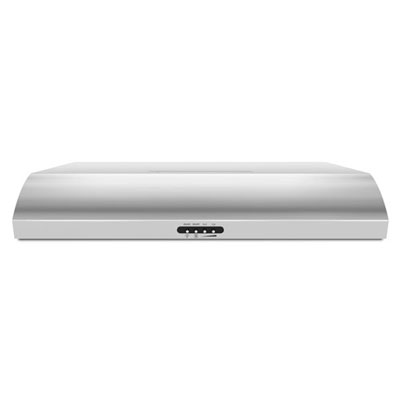
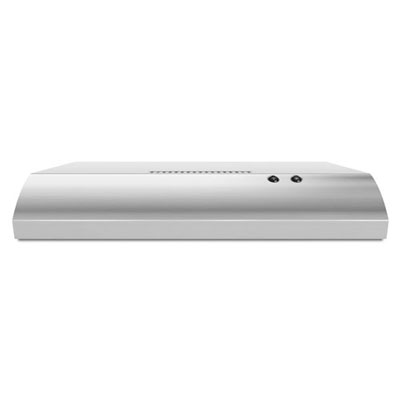
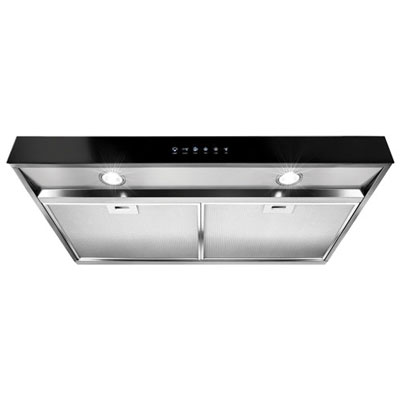
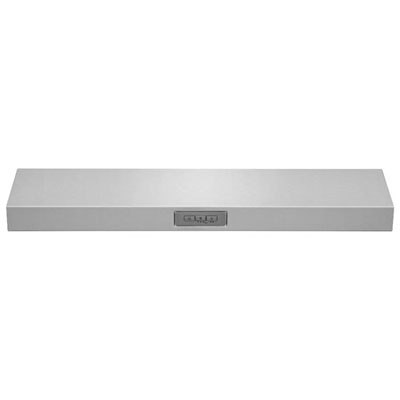
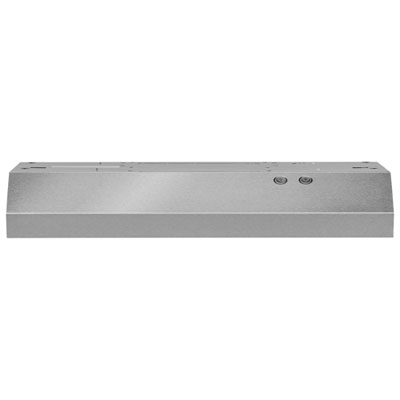
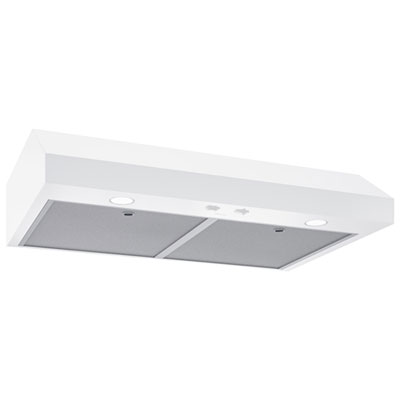
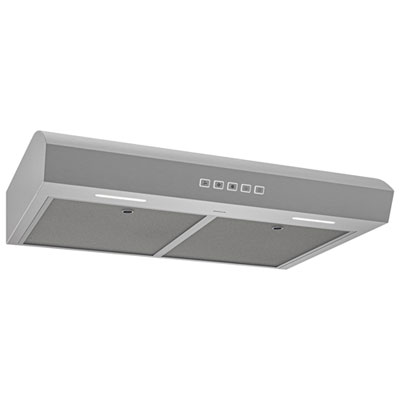
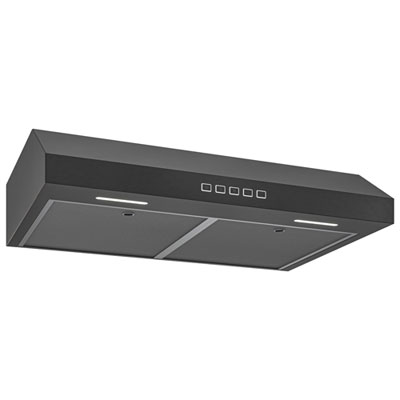
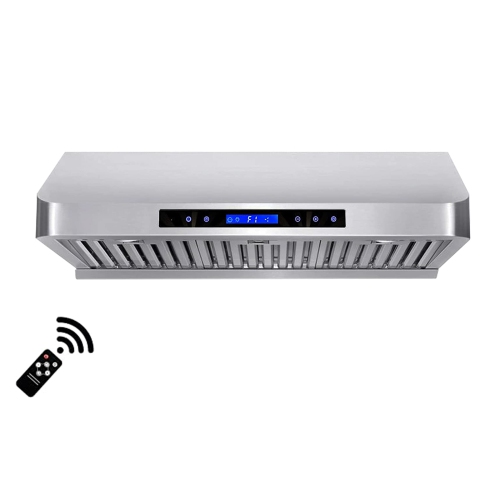
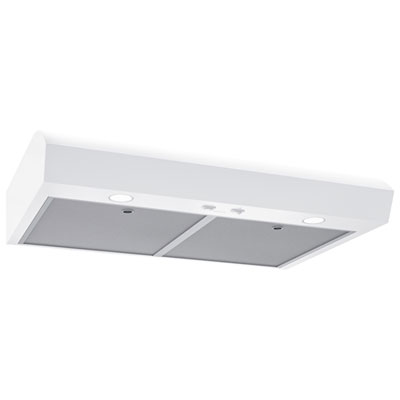
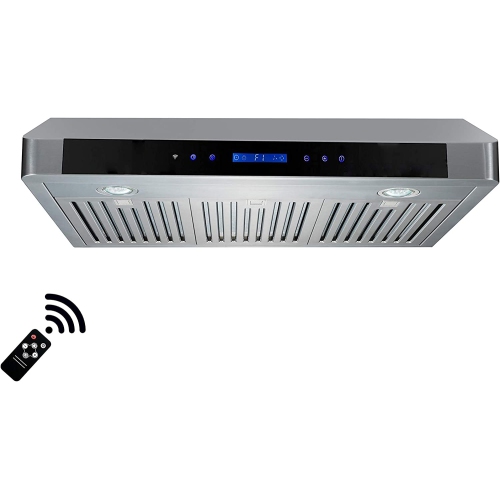
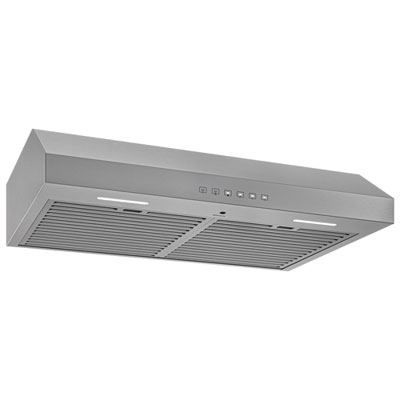
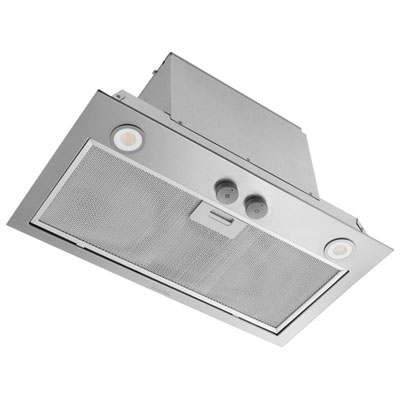
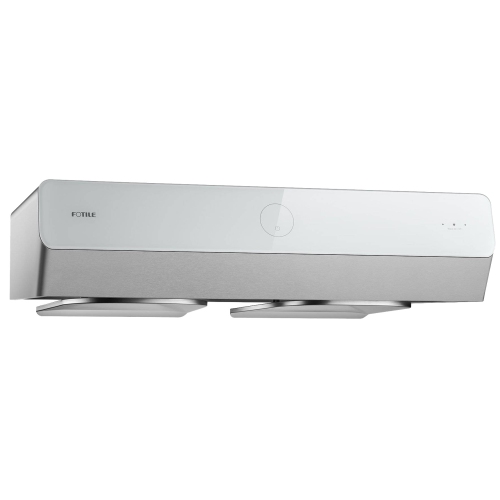
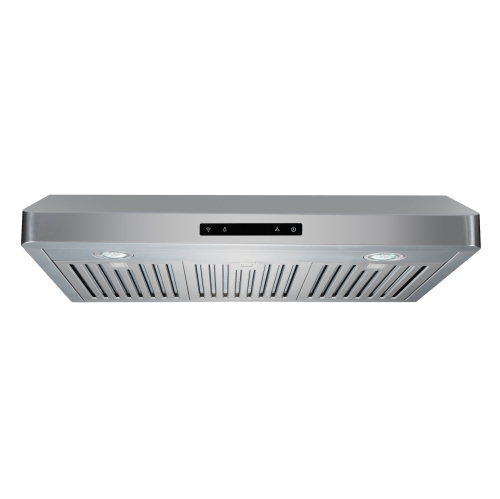
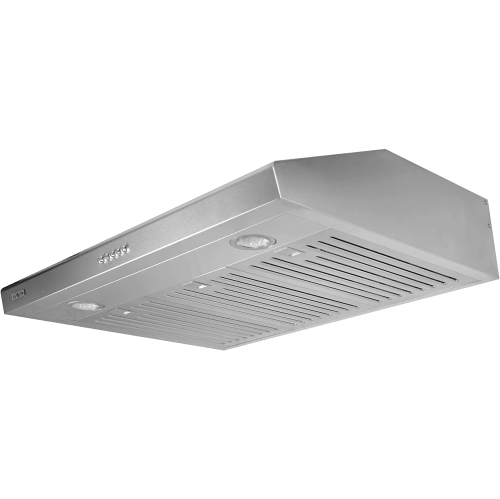
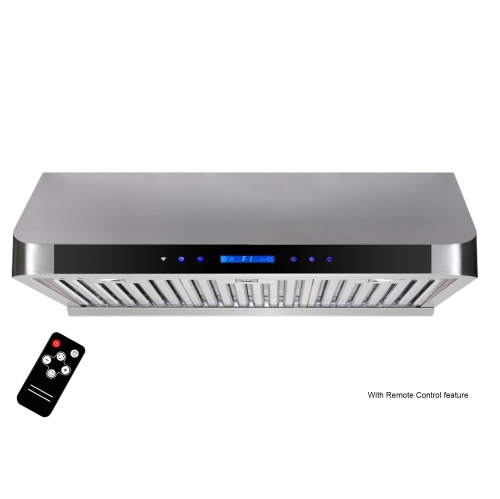
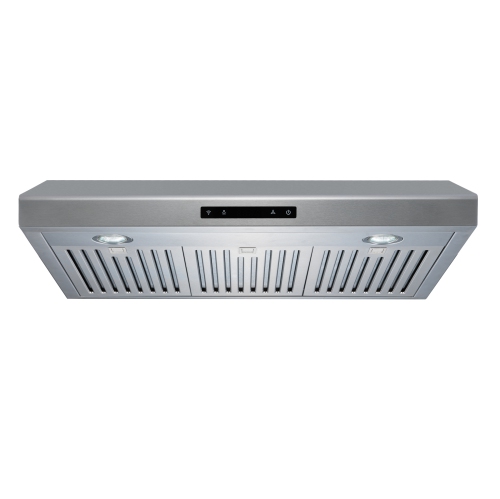
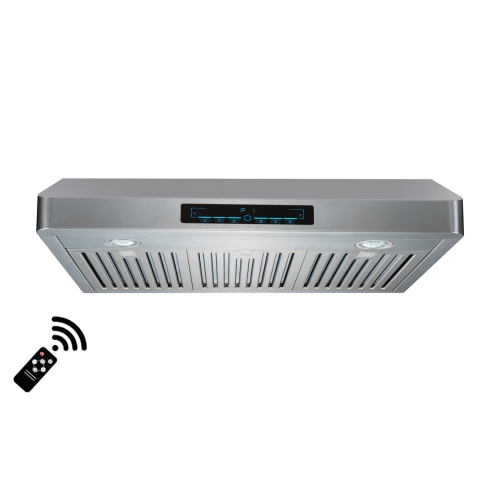
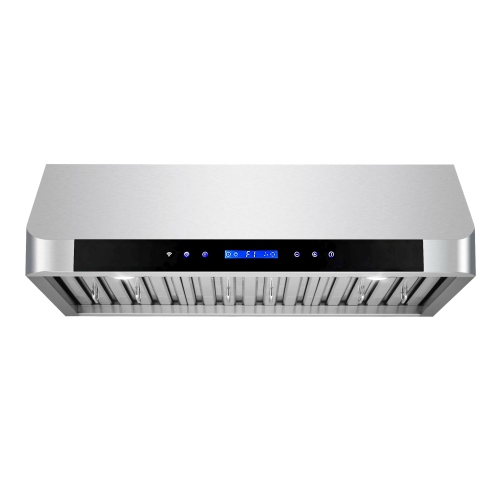
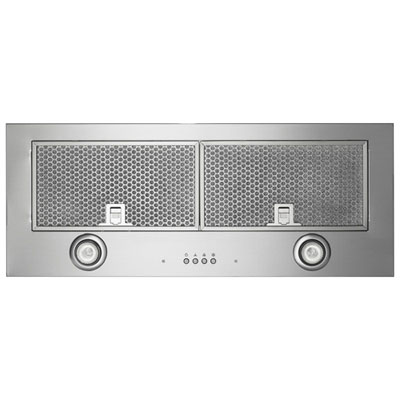
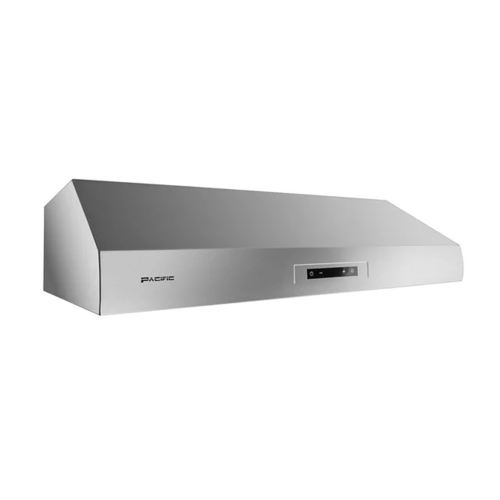
Practical ventilation for kitchens without exterior ductwork
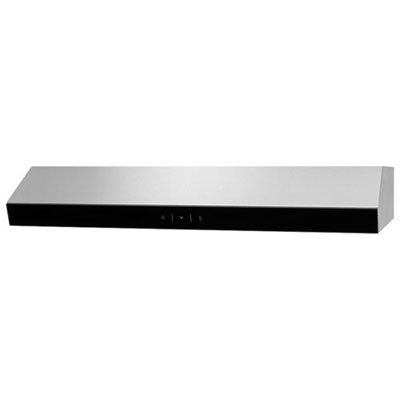
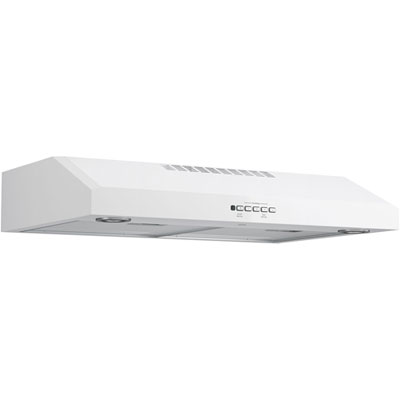
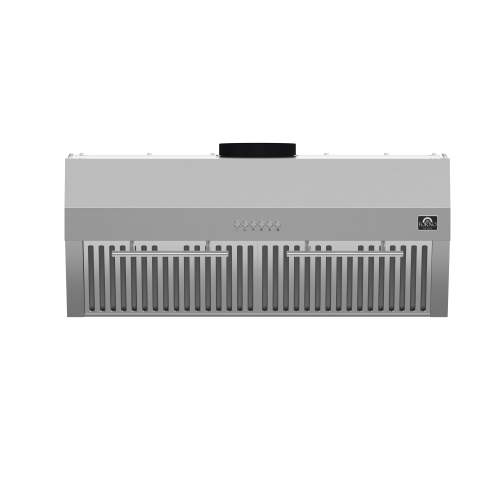
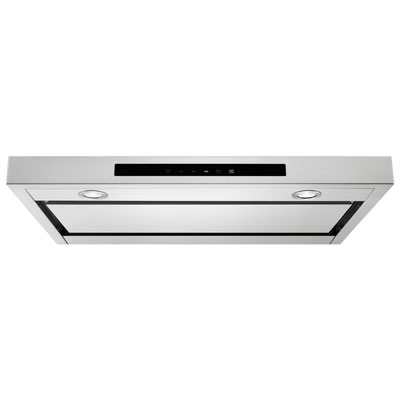
Under-cabinet range hoods with a non-ducted option for easy installation are designed for kitchens where installing exterior ductwork is impractical, costly, or simply not part of the renovation plan. Also called ductless or recirculating range hoods, these appliances sit beneath a kitchen cabinet and draw cooking vapours, smoke, odours, and airborne grease away from the cooktop. In a non-ducted configuration, the air passes through a grease filter and a charcoal or carbon filter before being returned to the room. The grease filter helps capture particles produced during cooking, while the charcoal or carbon filter is intended to reduce food odours. This setup can be useful in condominiums, apartments, rental homes, older houses, basement suites, and kitchens located far from an exterior wall. It can also suit a refresh where the existing cabinet layout is staying in place and there is no convenient duct route through a wall, ceiling, or roof. Although a non-ducted hood does not remove heat and moisture from the home in the same way as an externally vented model, it offers a practical way to improve air movement around the cooking surface without opening walls or rearranging cabinetry. When choosing an under-cabinet range hood with a non-ducted option, begin by measuring the available cabinet width, the space beneath the cabinet, and the distance between the cooktop and the underside of the hood. The hood should be sized appropriately for the cooking surface, with enough coverage to help collect vapours from the front and rear burners. Check the manufacturer’s installation requirements carefully, including clearances, electrical connections, mounting hardware, and whether a charcoal or carbon filter is included or sold separately. Some models use a standard power cord, while others require hardwiring by a qualified professional, so confirming the electrical setup before purchasing can help avoid installation delays. Convertible range hoods may offer both ducted and non-ducted operation, making them a flexible choice for a kitchen that could be renovated later. If the hood will be used in recirculating mode, confirm that the air outlet can be configured correctly and that the cabinet will not block the return airflow.
Performance and everyday convenience are equally important when comparing under-cabinet range hoods with non-ducted operation. Fan speed is often controlled with push buttons, rocker switches, sliders, or touch controls, and two or more speed settings allow the airflow to be adjusted for different cooking tasks. A lower setting may be suitable for simmering soup or warming food, while a higher setting can help manage vapours from frying, boiling, grilling, or searing. Airflow ratings are commonly expressed in CFM, or cubic feet per minute. A higher CFM rating may provide stronger air movement, but the most suitable level depends on the size of the cooktop, the type of cooking, the kitchen layout, and the hood’s intended installation method. Noise ratings are also worth reviewing, especially in open-concept kitchens where the range hood may run while people are dining, working, or watching television. Built-in lighting can brighten the cooking surface and reduce shadows beneath upper cabinets; LED lights are a common choice, while models with adjustable brightness can provide more control during meal preparation. Filters deserve particular attention because they affect both performance and maintenance. A washable aluminium or mesh grease filter can help capture cooking residue and may be removable for cleaning, while a charcoal or carbon filter is generally replaced at intervals recommended by the manufacturer. Filter life can vary with cooking frequency and the amount of frying or high-heat cooking in the home, so households that prepare bacon, stir-fries, pan-seared meals, or deep-fried foods may need more frequent attention. For options focused on straightforward filter upkeep, browse Under Cabinet Range Hoods With Grease Filter for Easy Maintenance. Wiping the hood exterior and control area with a suitable kitchen cleaner can also help prevent residue from building up, while cleaning the surrounding cabinet underside and backsplash keeps the entire cooking area looking neat.
These range hoods can be especially helpful for people moving into a new home, updating a compact kitchen, or replacing an older hood that has become noisy, unreliable, or difficult to clean. They are also a practical consideration for landlords, renovators, and homeowners preparing a kitchen for regular family meals, since a non-ducted installation can often be planned around the existing cabinetry rather than a major construction project. In a smaller kitchen, the hood can help draw steam and cooking odours away from nearby seating, pantry items, and soft furnishings. In a busy household, separate fan speeds and built-in lighting make it easier to manage quick breakfasts, weeknight dinners, and longer cooking sessions during cooler months when windows may stay closed. A non-ducted hood is not a substitute for proper ventilation in every situation, particularly where building codes, gas appliances, high-volume cooking, or substantial heat and moisture are involved, so local installation requirements should always be reviewed. Homes with gas cooktops may have additional ventilation considerations, and professional installation can be worthwhile when electrical work, cabinetry modifications, or clearance questions arise. Before placing an order, compare the hood’s dimensions with the cabinet opening, verify the cooktop coverage, check the included accessories, and confirm the cost and availability of replacement filters. It is also useful to consider how the controls feel, whether the lighting reaches the entire cooking surface, and whether the exterior finish will coordinate with surrounding appliances and cabinet hardware. With the right size, suitable filtration, accessible controls, and a realistic maintenance routine, an under-cabinet range hood with a non-ducted option can provide a convenient ventilation solution for everyday cooking while keeping installation requirements relatively simple.
Performance and everyday convenience are equally important when comparing under-cabinet range hoods with non-ducted operation. Fan speed is often controlled with push buttons, rocker switches, sliders, or touch controls, and two or more speed settings allow the airflow to be adjusted for different cooking tasks. A lower setting may be suitable for simmering soup or warming food, while a higher setting can help manage vapours from frying, boiling, grilling, or searing. Airflow ratings are commonly expressed in CFM, or cubic feet per minute. A higher CFM rating may provide stronger air movement, but the most suitable level depends on the size of the cooktop, the type of cooking, the kitchen layout, and the hood’s intended installation method. Noise ratings are also worth reviewing, especially in open-concept kitchens where the range hood may run while people are dining, working, or watching television. Built-in lighting can brighten the cooking surface and reduce shadows beneath upper cabinets; LED lights are a common choice, while models with adjustable brightness can provide more control during meal preparation. Filters deserve particular attention because they affect both performance and maintenance. A washable aluminium or mesh grease filter can help capture cooking residue and may be removable for cleaning, while a charcoal or carbon filter is generally replaced at intervals recommended by the manufacturer. Filter life can vary with cooking frequency and the amount of frying or high-heat cooking in the home, so households that prepare bacon, stir-fries, pan-seared meals, or deep-fried foods may need more frequent attention. For options focused on straightforward filter upkeep, browse Under Cabinet Range Hoods With Grease Filter for Easy Maintenance. Wiping the hood exterior and control area with a suitable kitchen cleaner can also help prevent residue from building up, while cleaning the surrounding cabinet underside and backsplash keeps the entire cooking area looking neat.
These range hoods can be especially helpful for people moving into a new home, updating a compact kitchen, or replacing an older hood that has become noisy, unreliable, or difficult to clean. They are also a practical consideration for landlords, renovators, and homeowners preparing a kitchen for regular family meals, since a non-ducted installation can often be planned around the existing cabinetry rather than a major construction project. In a smaller kitchen, the hood can help draw steam and cooking odours away from nearby seating, pantry items, and soft furnishings. In a busy household, separate fan speeds and built-in lighting make it easier to manage quick breakfasts, weeknight dinners, and longer cooking sessions during cooler months when windows may stay closed. A non-ducted hood is not a substitute for proper ventilation in every situation, particularly where building codes, gas appliances, high-volume cooking, or substantial heat and moisture are involved, so local installation requirements should always be reviewed. Homes with gas cooktops may have additional ventilation considerations, and professional installation can be worthwhile when electrical work, cabinetry modifications, or clearance questions arise. Before placing an order, compare the hood’s dimensions with the cabinet opening, verify the cooktop coverage, check the included accessories, and confirm the cost and availability of replacement filters. It is also useful to consider how the controls feel, whether the lighting reaches the entire cooking surface, and whether the exterior finish will coordinate with surrounding appliances and cabinet hardware. With the right size, suitable filtration, accessible controls, and a realistic maintenance routine, an under-cabinet range hood with a non-ducted option can provide a convenient ventilation solution for everyday cooking while keeping installation requirements relatively simple.
Top selling and popular products
-
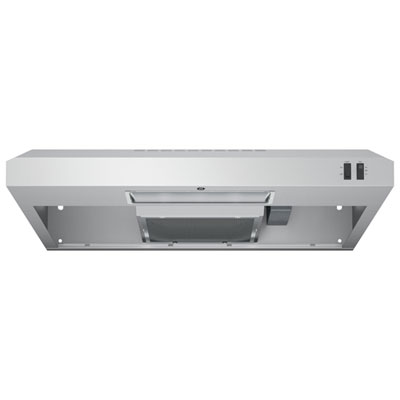 Your price for this item is $249.99
 -
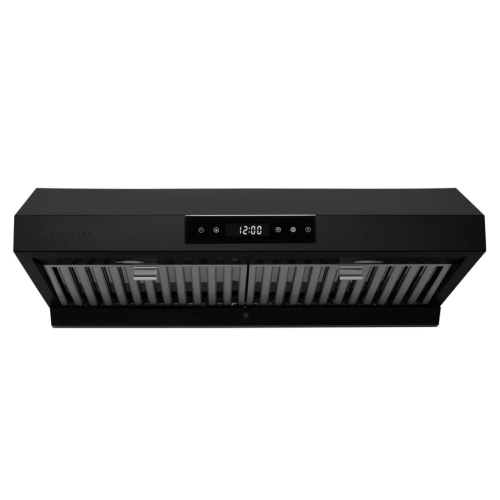 Your price for this item is $598.49
 -
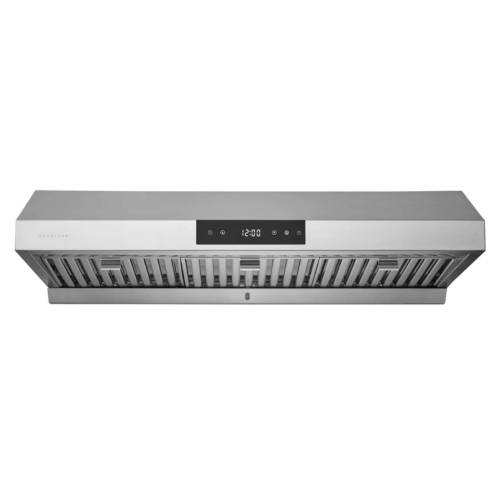 Your price for this item is $645.99
 -
 Your price for this item is $645.99
 -
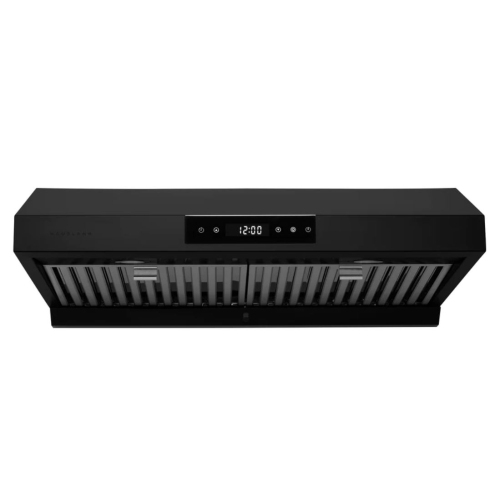 Your price for this item is $645.99
 -
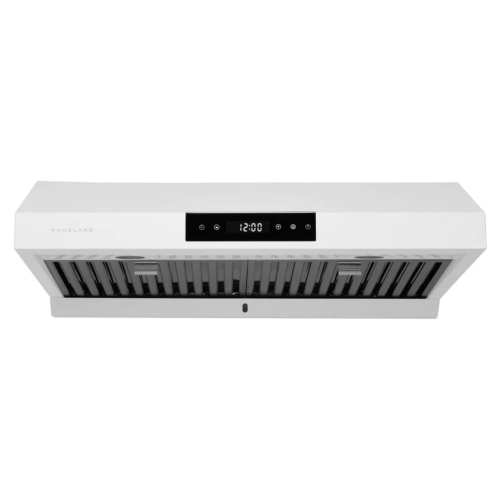 Your price for this item is $598.49
 -
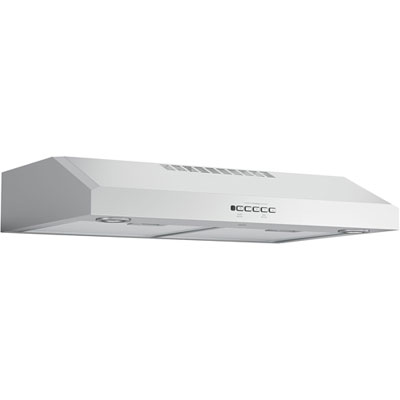 Your price for this item is $449.99
 -
 Your price for this item is $399.99
Discover more categories related to Under Cabinet Range Hoods With Non-ducted Option for Easy Installation
Top Collections:
Pokemon Centers, Kindle Devices, Best Budget Office Chairs, Apple iPhones 16, Best Laptops for Writers, iPhone 15 Apple, Canon G7X Cameras, Refurbished Apple Laptops, Alarm Clock, Motorola Razr Phones
Some products may be subject to Environmental Handling Fees
(EHF) depending on your province.
Learn more about EHFs.