Vacuum Sealers for Food
Vacuum Sealers for Food offer a convenient way to help keep your favorite ingredients fresh and organized. Perfect for meal prepping, storing leftovers, or managing bulk purchases, these appliances are designed to simplify your kitchen routine. Explore a range of options to find the right solution for preserving food flavor and reducing waste. With Vacuum Sealers for Food, it’s easy to maintain an efficient and tidy pantry while enjoying more flexibility in your cooking and storage habits.
Sort
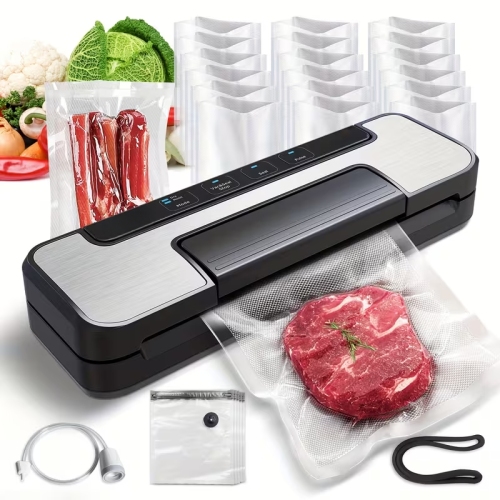
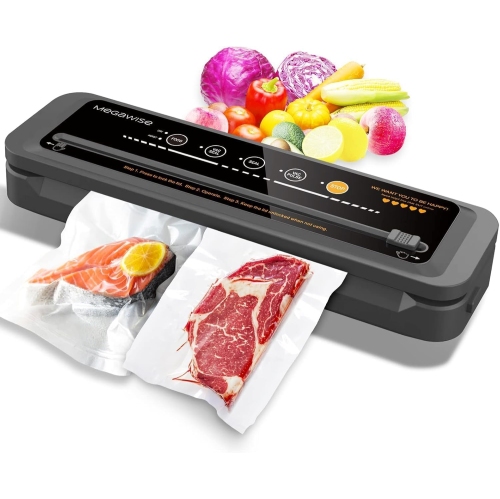
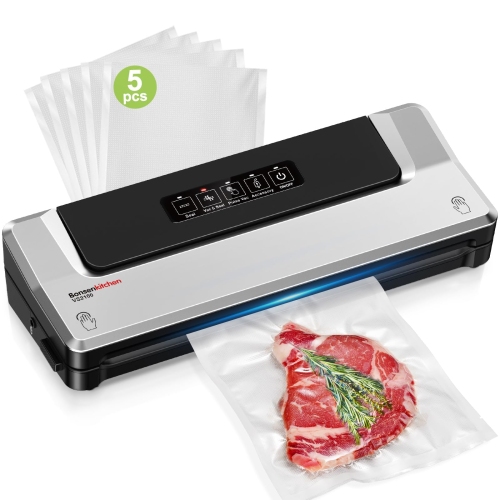
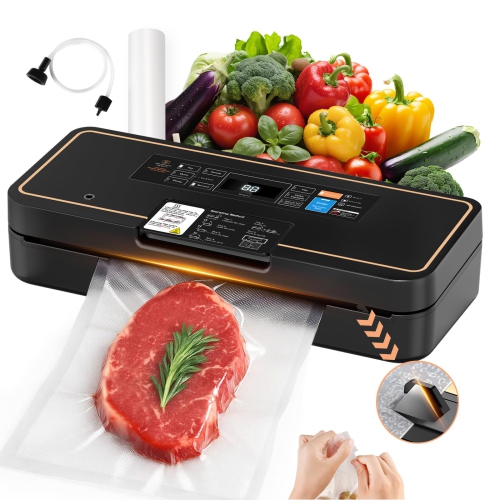
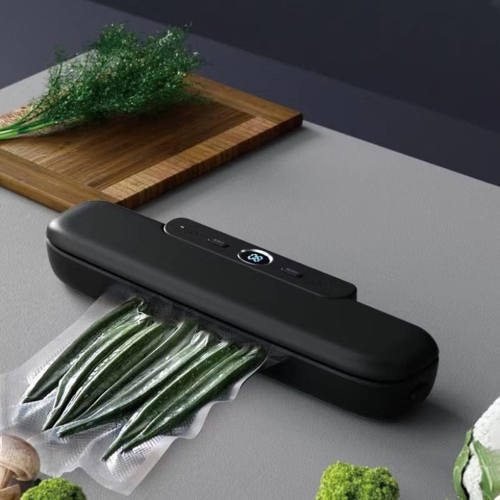
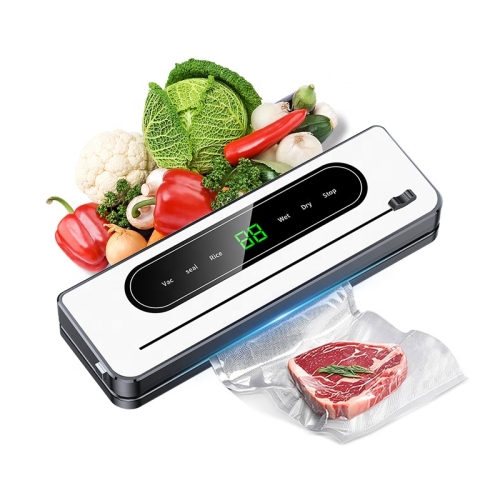
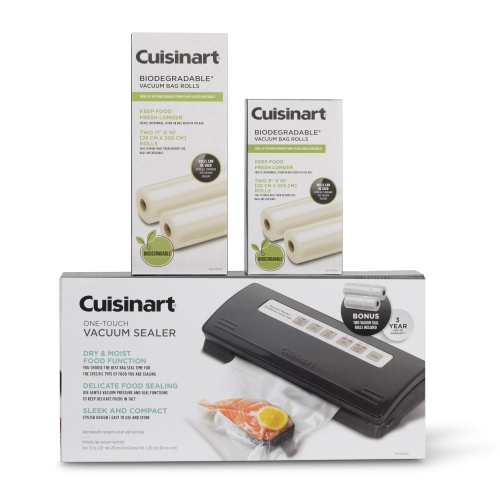
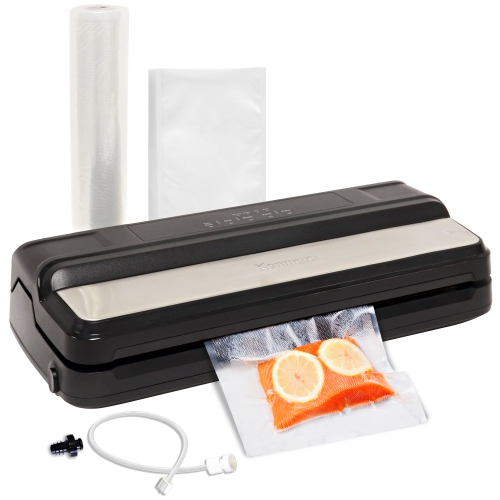
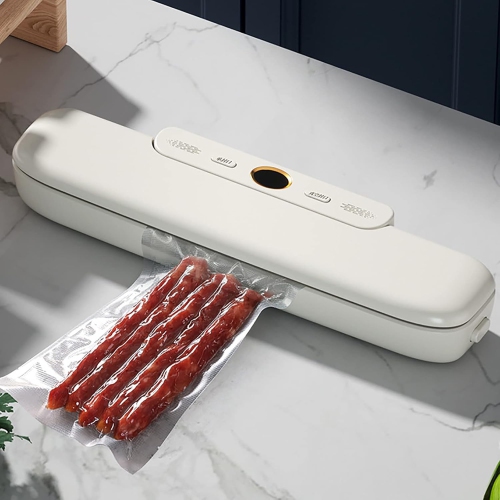
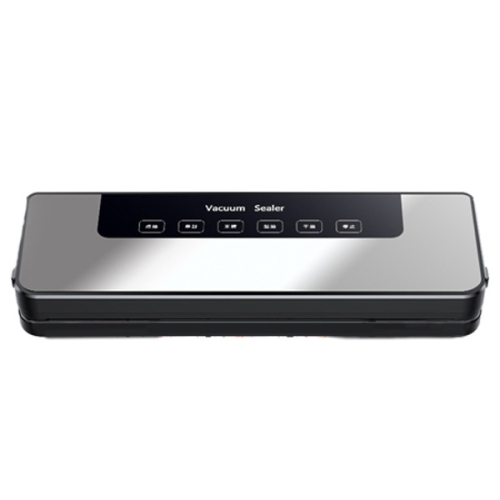
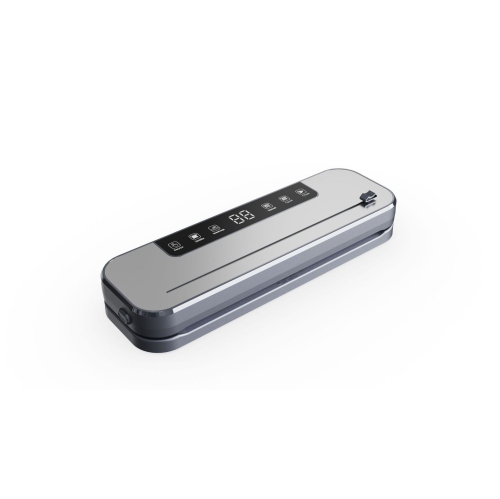
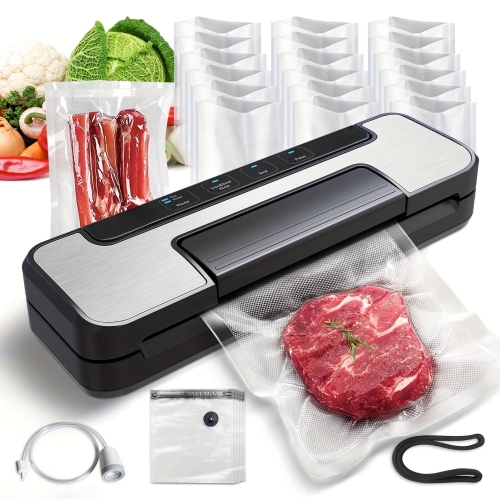
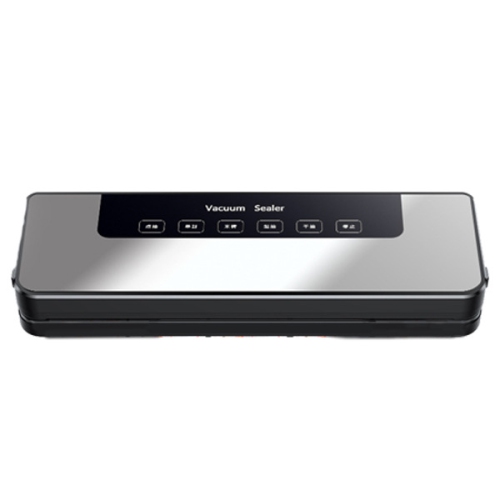

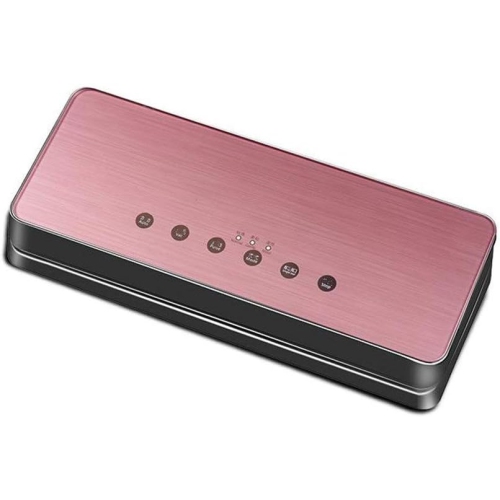
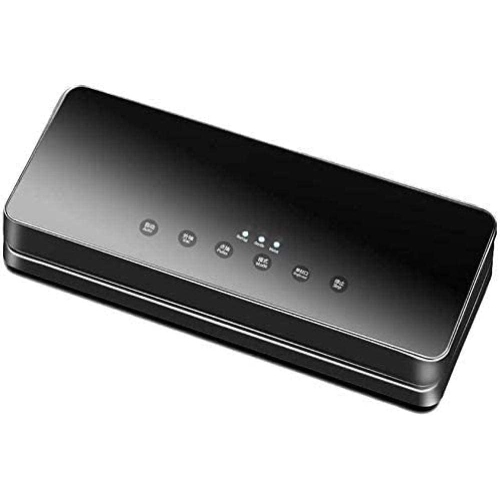
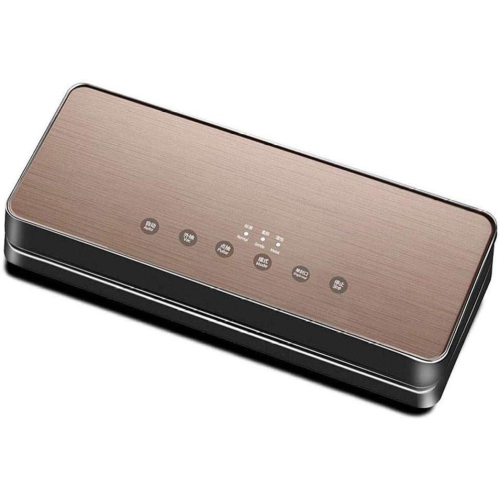

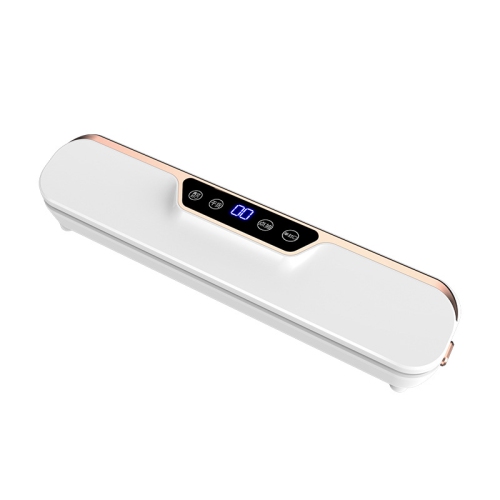
Sealed portions for less freezer burn and easier storage
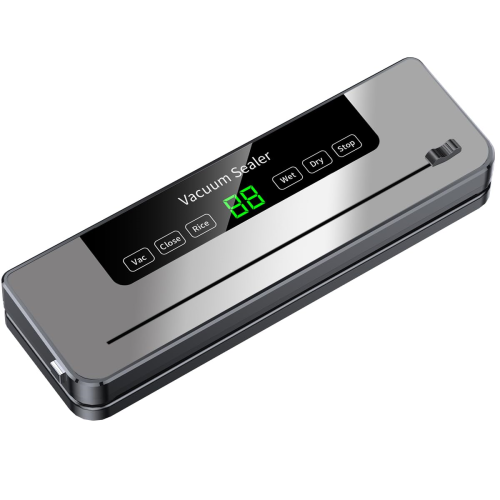
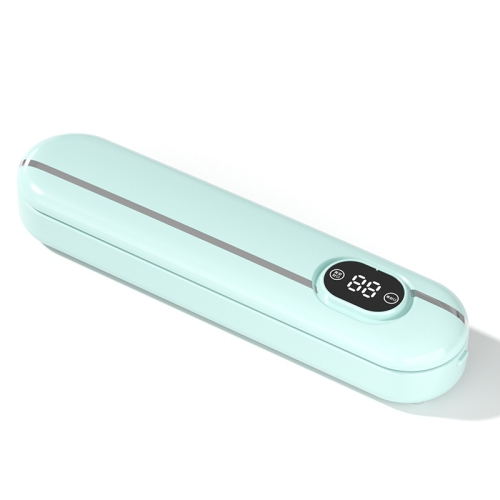
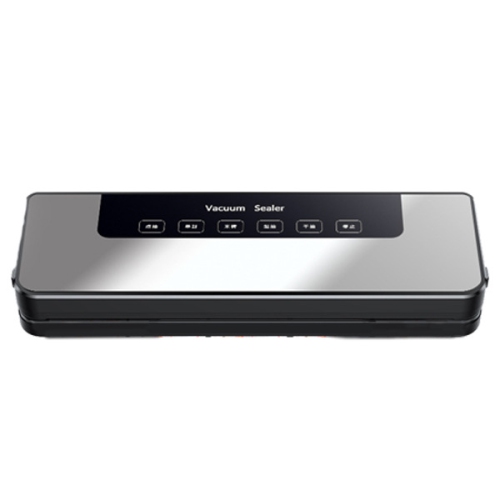
Vacuum sealers for food remove air from a bag or compatible container before closing it with a tight seal, helping limit contact with oxygen during storage. For frozen foods, that reduced air exposure can help prevent freezer burn and the dry, leathery patches that affect texture. For suitable pantry staples, sealed packaging can help keep out moisture and preserve flavour when stored as directed. These appliances suit everyday routines as much as larger food-preparation sessions: chicken breasts portioned for separate dinners, a batch of cooked rice divided into meal-sized packs, or coffee beans separated into smaller amounts so the whole supply is not opened repeatedly. Flat, neatly sealed portions can also make freezer drawers easier to organize, with fewer bulky packages hiding what is underneath. Results depend on the food, its initial freshness, the packaging and the storage conditions; vacuum sealing does not make food sterile or replace refrigeration or freezing. Perishable foods still need appropriate cold storage, and removing air does not eliminate harmful bacteria. Within those limits, a food vacuum sealer can be a practical addition for households that prepare meals ahead, buy larger cuts of meat or divide ingredients into portions for one or two people. It can also appeal to home cooks who want a more orderly way to store prepared ingredients without filling the refrigerator with mismatched containers. Different foods benefit from different handling. Firm portions of meat are generally easier to package than soft berries or crumbly baked goods, which can flatten under strong suction. Delicate foods may suit a gentle or pulse function, while cooked foods need prompt, safe cooling before packaging and cold storage. Vegetables have their own preparation requirements, including blanching before freezing where recommended. A useful match is a sealer whose controls, capacity and compatible packaging fit the foods a household actually prepares, rather than a machine selected only for its strongest suction.
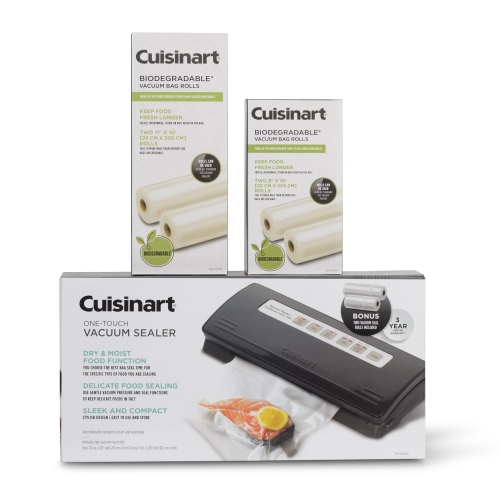
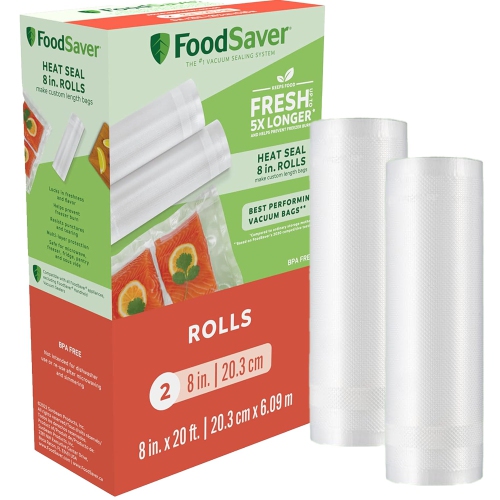
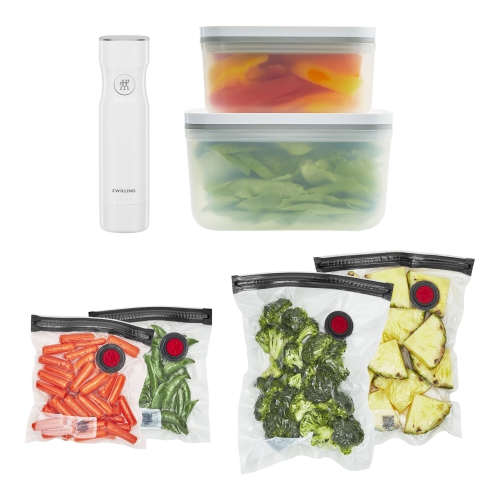
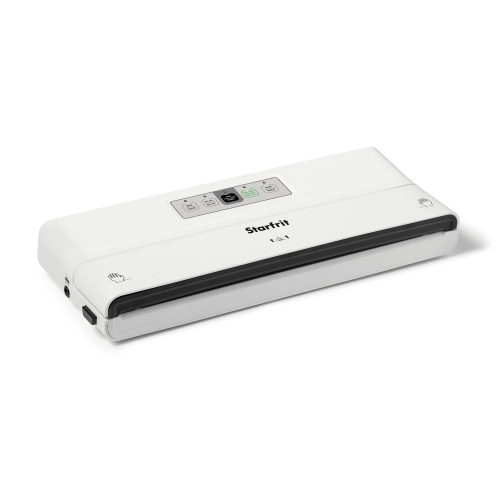
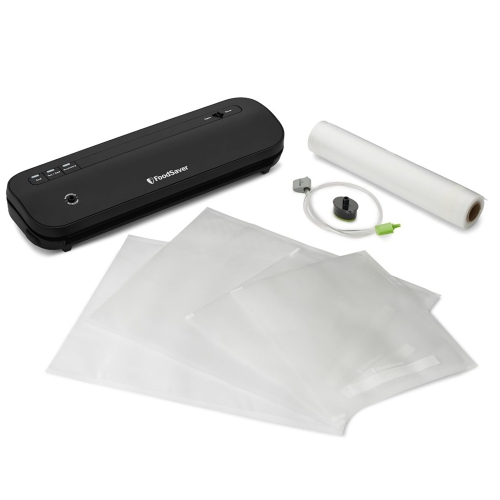
Food vacuum sealers come in several formats, with meaningful differences in how they fit a kitchen and handle ingredients. External suction models draw air out through the open end of a bag, making them a familiar countertop option for portions of meat, fish and other relatively firm foods. Chamber sealers remove air from an enclosed chamber around the pouch and can be better suited to liquids and frequent batch work when used according to their instructions, though their larger footprint and weight need consideration. Handheld units generally work with compatible valve bags or containers and can suit smaller storage spaces or frequent access to packaged food. For any format, bag compatibility matters as much as the appliance itself. Many external suction machines require textured or embossed bags that provide channels for air to escape, while chamber machines commonly use smooth pouches. The available sealing width determines which bag openings fit, and the working area needs enough clearance to position packaging without folding or bunching it. Rolls allow more control over bag length, while precut pouches reduce preparation when portions are fairly consistent. Compatible Vacuum Seal Bags for Food should match both the machine and the intended storage or cooking method. Packaging designed for freezer storage is not automatically suitable for simmering, microwaving or sous vide cooking; those uses require an appropriate material and temperature rating. Thicker, puncture-resistant pouches can be helpful around firm edges, although sharp bones may still need a food-safe protective barrier. On the machine itself, dry and moist settings, adjustable suction, a pulse control and a separate seal function offer flexibility for different textures. A moist setting may adjust the sealing process, but it does not mean an external suction machine can draw in soup or sauce safely. Controls that are easy to read, a secure lid latch and a clearly defined bag channel can make repeated packaging feel less fiddly, especially when several portions are lined up across the counter.
Day-to-day convenience often comes down to details that are easy to overlook beside suction strength. A built-in roll holder and cutter can keep packaging together, but they may increase the space an appliance occupies. A compact unit may fit more readily in a cupboard, while a heavier machine needs a stable surface and a practical place to stay between uses. The recommended interval between seals matters for anyone packaging several meals at once, since some appliances need a pause to protect the sealing element. Accessible gaskets, a removable drip tray and clear cleaning instructions can make ongoing care simpler; replacement seals or gaskets can also matter for long-term use. Food residue, wrinkles and moisture across the sealing area can interfere with a reliable closure, so a clean, flat bag opening is important. Enough empty space above the food allows the bag to sit correctly in the machine without pulling ingredients towards the seal. Liquids require particular care: some external suction workflows call for freezing portions first, while a chamber model may handle them directly within its stated limits. Labels showing the contents and packaging date help distinguish similar-looking portions and support sensible rotation. Raw meat and fish should remain separate from ready-to-eat foods during preparation, and bags that held raw animal products should not be reused. Cleaning requirements vary, so removable parts should only go in a dishwasher when the manufacturer permits it. Vacuum-packed food also needs appropriate thawing; fish may require removal from reduced-oxygen packaging before thawing, following its label and food-safety guidance. For a keen home cook, a meal-prep enthusiast or someone setting up a kitchen, the most useful food vacuum sealer is one that combines suitable capacity, straightforward care and packaging that fits established cooking habits. That combination makes it easier to turn a large preparation session into clearly labelled portions that are simple to store, find and use.
Top selling and popular products
-
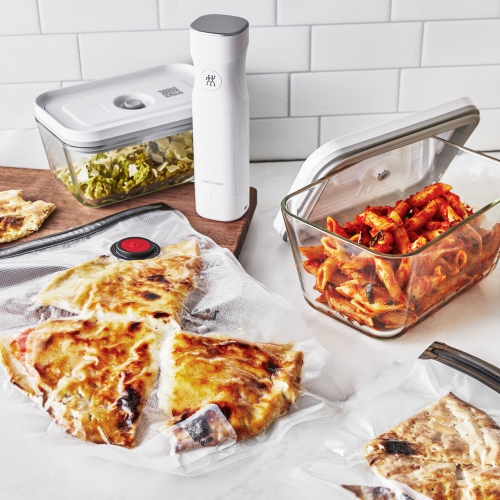 Your price for this item is $159.99
-
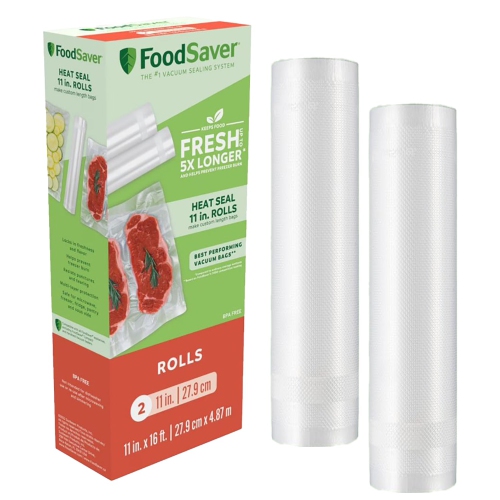 Your price for this item is $36.97
-
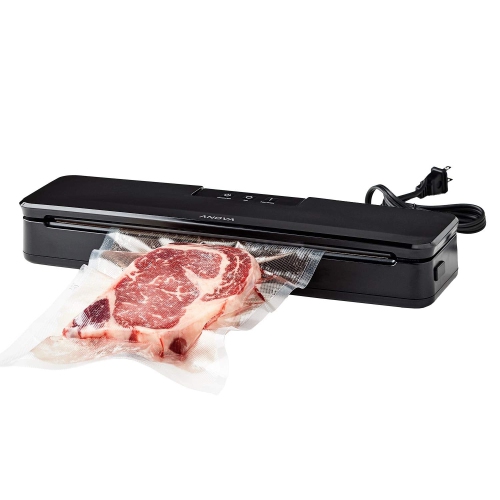 Your price for this item is $158.67
-
 Your price for this item is $99.99
-
 Your price for this item is $36.97
-
 Your price for this item is $159.99
-
 Your price for this item is $49.42
-
 Your price for this item is $148.97
Discover more categories related to Vacuum Sealers for Food
Top Collections:
Best Black Friday Deals This Year, Best Black Friday Deals On Electronics, Kindle Devices, Pokemon Centers, Best Black Friday Deals On Apple Products, Best Cameras for Sports Photography, Dyson Airwrap, Pokémon 30th Celebration Cards, Apple iPhone 17 Pro, Canon G7X Cameras
Some products may be subject to Environmental Handling Fees
(EHF) depending on your province.
Learn more about EHFs.