Vacuum Sealers for Food Savings
Vacuum sealers for food savings offer a convenient solution to help keep your groceries fresh and organized. Designed for both home cooks and busy households, these devices can simplify meal prep and storage while helping you make the most of your food budget. Explore a variety of vacuum sealers for food savings to find options that fit your kitchen needs and support efficient food management.
Sort

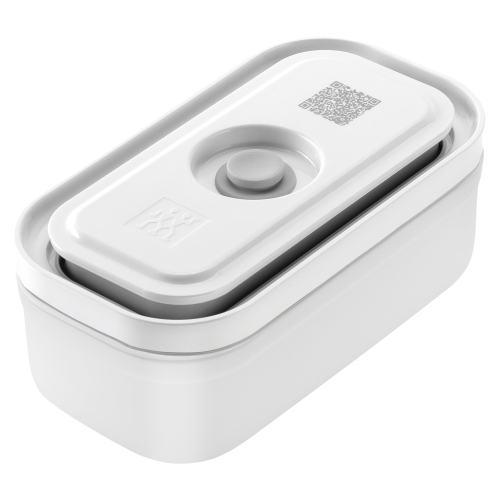
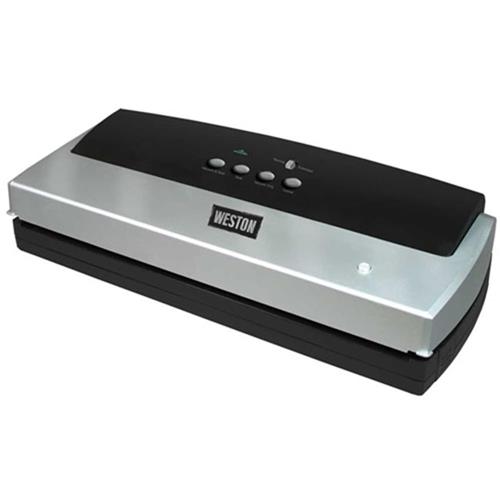
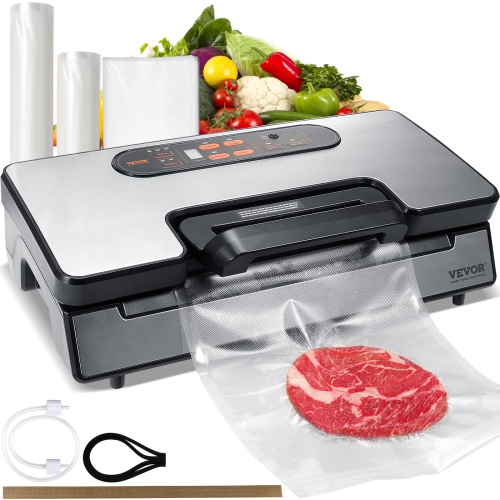
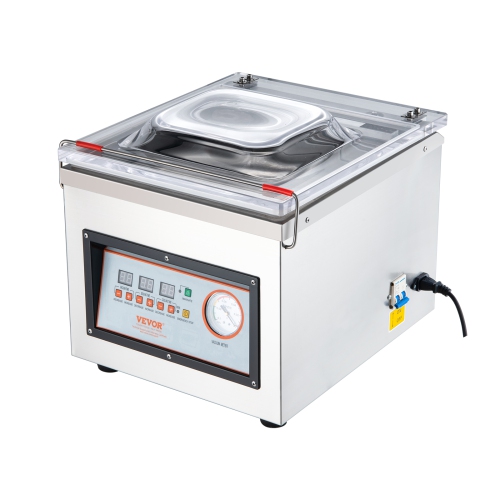
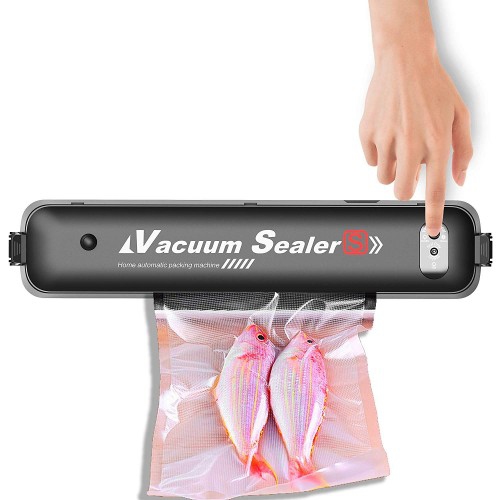
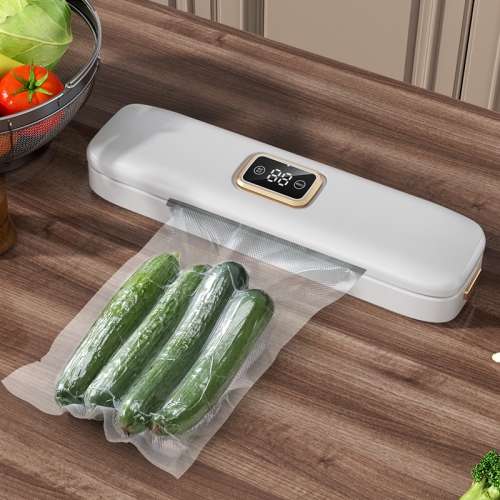
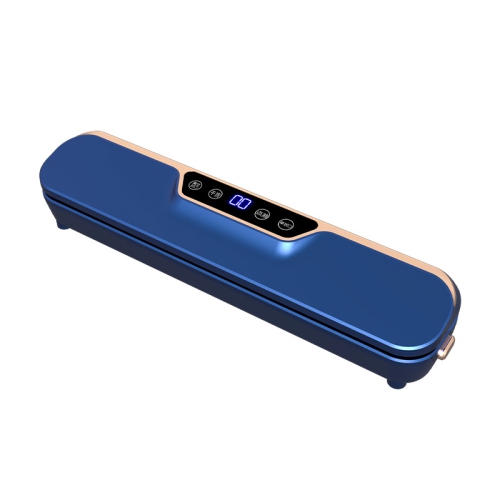
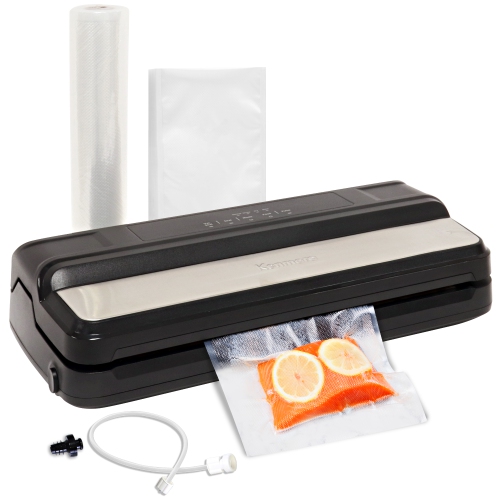

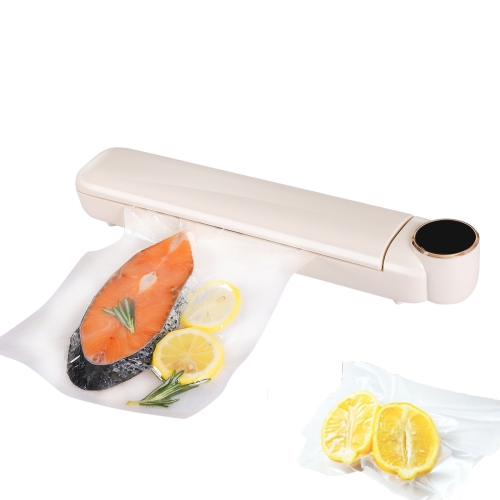
From a full grocery shop to meal-sized portions
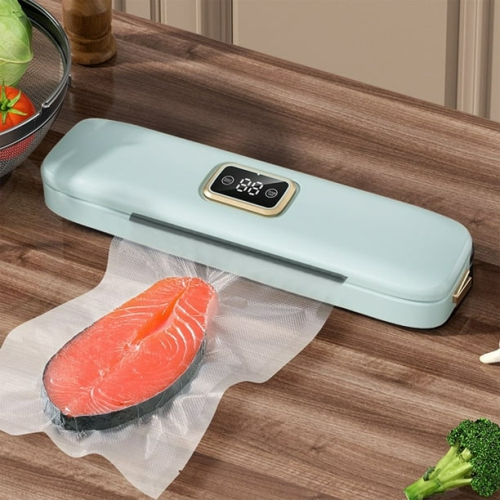
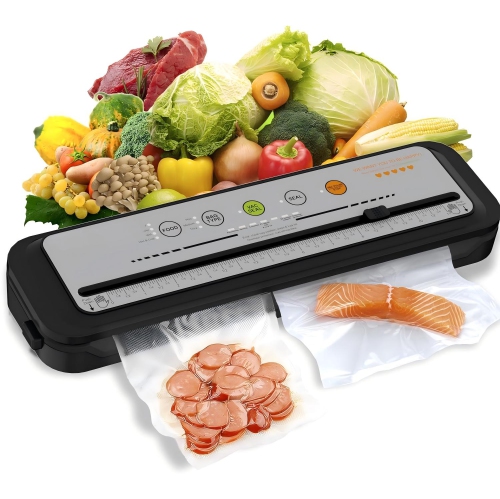
Vacuum sealers help turn a full grocery shop into portions that are easier to store, find, and use. A larger pack of chicken can become separate meal-sized portions, while a batch of cooked lentils or pasta sauce can be divided for lunches rather than left in one oversized container. By removing air from suitable packaging and sealing the opening, these appliances limit food’s exposure to oxygen and help protect against moisture loss during freezer storage. That protection can reduce freezer burn, which affects texture and flavour, although it does not make food last indefinitely or replace proper refrigeration. For households focused on food savings, the practical benefit is having ingredients prepared in quantities that match the way people actually eat. Someone cooking for one might package individual servings, while a busy family might keep flat bags of prepared ingredients organized by meal. Home cooks who make soups, marinate meat, or prepare food ahead can also appreciate packaging that takes up less room than bulky containers. Beyond the freezer, suitable vacuum packaging can help protect dry pantry foods such as rice and nuts from exposure to air, provided those foods are stored under appropriate conditions. Delicate foods need more consideration: soft bread, ripe berries, and tender baked goods can be compressed by strong suction, making adjustable settings or compatible rigid containers useful. The collection of Vacuum Sealers offers a starting point for matching these everyday routines with an appropriate appliance style. The most useful choice is not necessarily the largest or most complicated machine, but one that suits the food being packed, the space available, and the frequency of use. Clear bags and readable date labels also make a difference, helping distinguish a portion of tomato sauce from a similar-looking curry base before either reaches the saucepan. When stored portions are easy to recognize and retrieve, they are more likely to become part of the next meal rather than disappear beneath newer groceries.
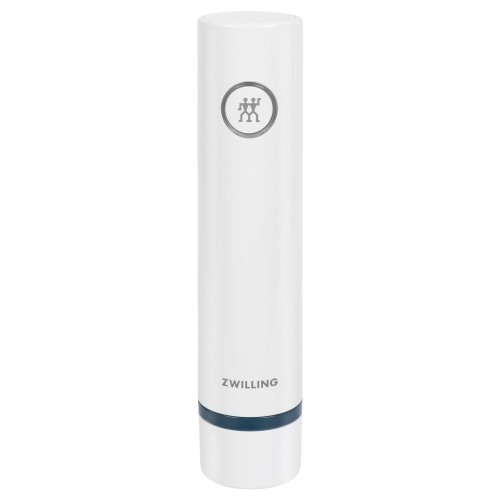
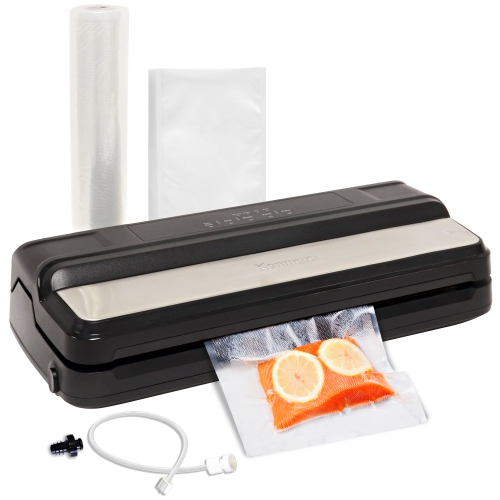
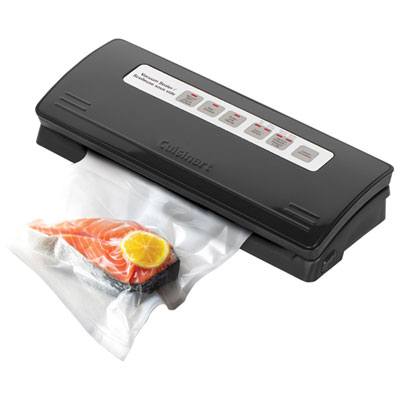
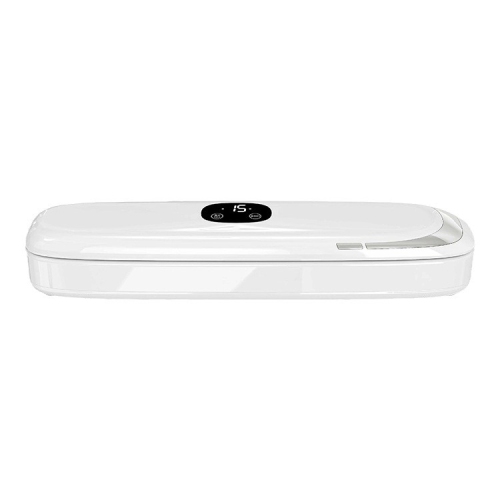
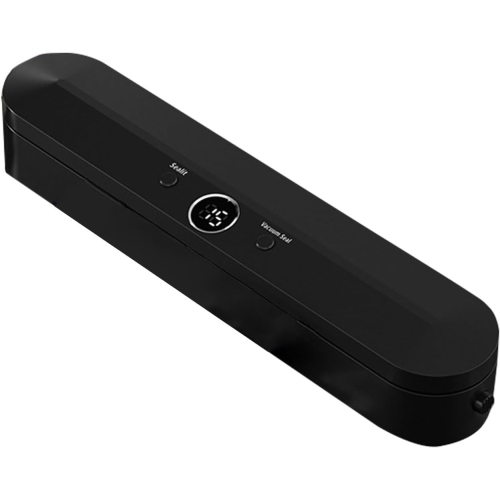
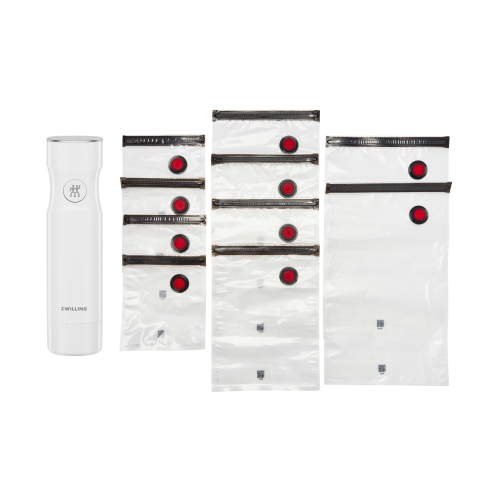
Different vacuum sealer designs suit different kitchens and packaging habits. External suction models typically draw air through the open end of a compatible textured bag before applying a heat seal, making them a practical option for many everyday portioning tasks. Compact handheld designs may work with compatible valve bags or containers and can suit smaller storage spaces, though their accessories and intended uses vary. Chamber machines place the package inside an enclosed compartment and, when designed for the purpose, can handle liquids more easily than external suction models; they also generally require more dedicated work surface and storage space. Bag compatibility matters across these formats. Some machines accept rolls that can be cut to length, while others depend on particular bag styles, valves, or container attachments. Rolls offer flexibility for differently shaped portions, whereas precut bags simplify repeated packing when the portions are similar. The usable sealing width determines how large a bag opening the appliance can accommodate, and built-in roll storage or a cutter can make frequent use tidier. Controls deserve equal attention. A pulse function can provide more control around fragile foods, while a separate seal function can be useful for closing a custom-length bag before filling it. Settings intended for moist foods may adjust the sealing process, but they do not mean every machine can draw in liquid safely. Soups and sauces often require a different approach from dry ingredients, such as chilling or freezing portions before using an external suction model, according to its instructions. For larger batches, the specified operating cycle and required cooling breaks matter more than appearance alone. A compact machine may suit occasional meal preparation, while repeated sealing sessions call for a design intended to handle that workload. Kitchens with limited storage may also benefit from a lighter body, secure cord storage, and controls that remain easy to reach when the appliance sits on the countertop.
Materials, maintenance, and food-handling habits all influence how well a vacuum sealer fits into daily use. A smooth plastic housing is often light and easy to move, while stainless steel surfaces can provide a sturdy feel; either benefits from accessible seams and a design that is straightforward to wipe clean. Removable drip trays help contain stray moisture, and accessible gaskets make it easier to inspect the sealing area for crumbs or residue. Cleaning should follow the appliance instructions, with the machine unplugged and electrical components kept out of water. Dishwasher suitability varies for removable parts and containers, so it should never be assumed. Bag materials also need to match the intended task: packaging suitable for freezer storage is not automatically suitable for microwaving, boiling, or sous vide cooking. Heat-related uses require bags specifically rated for those conditions, and accessory containers must be suitable for vacuum pressure rather than simply having a tight-fitting lid. An intact seal depends on a clean, dry sealing area, enough space above the food, and protection from sharp edges that could puncture the bag. Vacuum packaging is a storage aid, not a cooking or sterilization process. Perishable food still needs prompt refrigeration or freezing, raw ingredients must be kept separate from ready-to-eat foods, and cooked food should be cooled promptly using safe food-handling practices before sealing for storage. A sealed package should not be treated as proof that its contents are safe, and storage decisions still depend on the food, its handling history, and appropriate food-safety guidance. For ongoing care, bags that held raw meat, poultry, or fish should not be reused, and any reusable accessories need thorough cleaning as directed. These considerations make vacuum sealers especially relevant to batch cooks, people managing smaller portions, and households that regularly organize freezer meals. As a practical gift for someone who enjoys cooking, a sealer is most useful when its size, controls, and compatible packaging fit the recipient’s kitchen and established routines.
Top selling and popular products
-
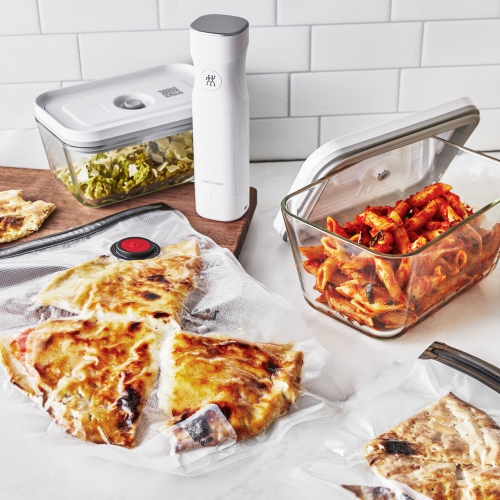 Your price for this item is $159.99
-
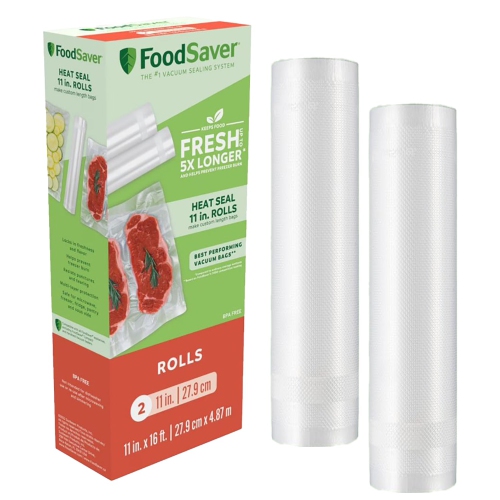 Your price for this item is $36.97
-
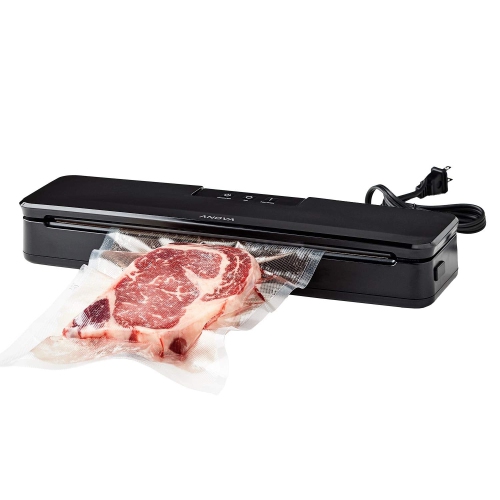 Your price for this item is $158.67
-
 Your price for this item is $99.99
-
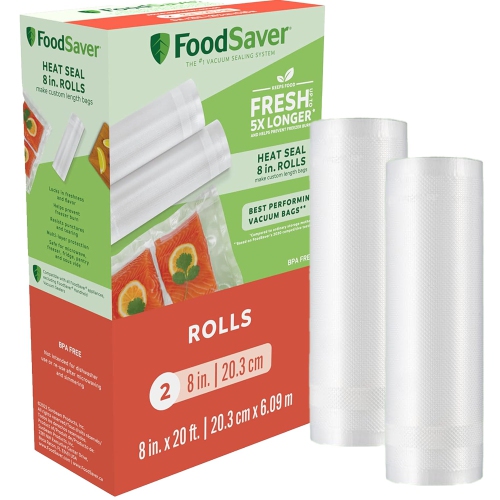 Your price for this item is $36.97
-
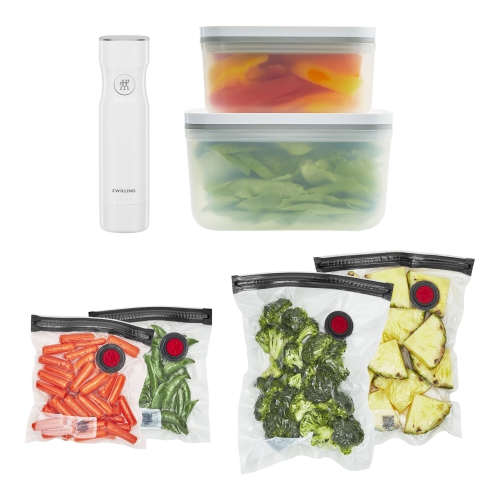 Your price for this item is $159.99
-
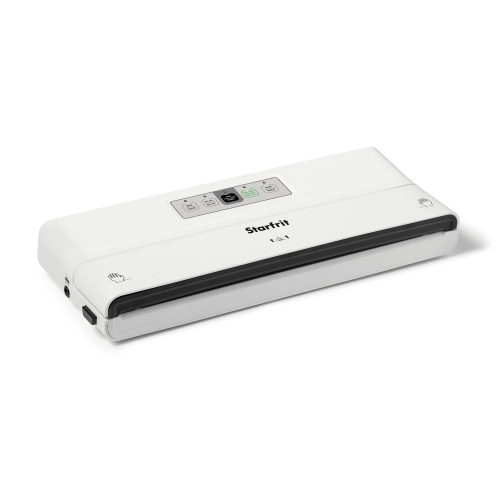 Your price for this item is $49.42
-
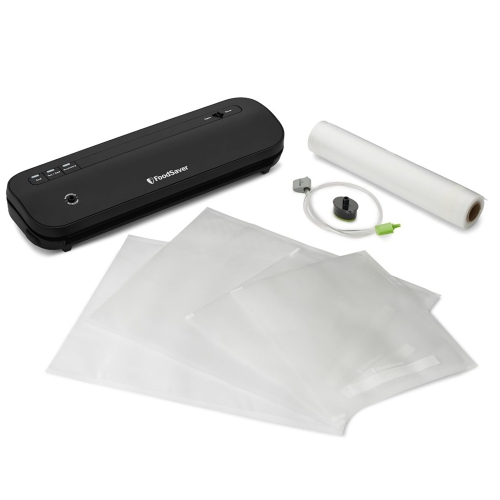 Your price for this item is $148.97
Discover more categories related to Vacuum Sealers for Food Savings
Top Collections:
Best Black Friday Deals This Year, Best Black Friday Deals On Electronics, Kindle Devices, Pokemon Centers, Best Black Friday Deals On Apple Products, Best Cameras for Sports Photography, Dyson Airwrap, Pokémon 30th Celebration Cards, Apple iPhone 17 Pro, Canon G7X Cameras
Some products may be subject to Environmental Handling Fees
(EHF) depending on your province.
Learn more about EHFs.