Vacuums With Lidar Navigation
Upgrade your cleaning routine with a vacuum equipped with Lidar navigation. Say goodbye to aimless wandering and hello to precise cleaning paths. This advanced technology uses lasers to map your home, ensuring thorough coverage and avoiding obstacles along the way. With precise navigation, you can trust that every nook and cranny will be left spotless. Whether you have pets, kids, or simply want a cleaner home, a vacuum with Lidar navigation is an essential tool for maintaining a fresh and tidy living space.
Sort


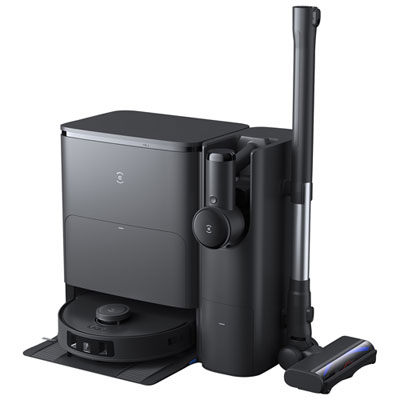
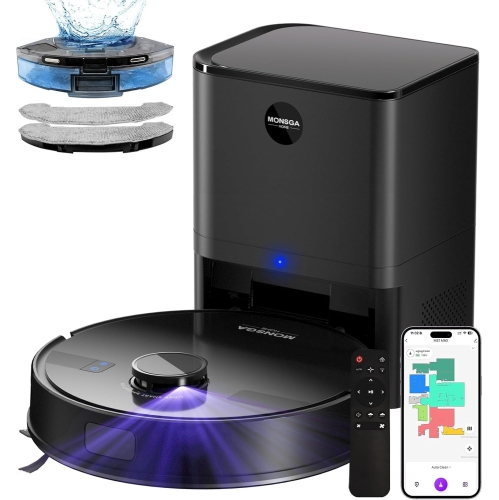
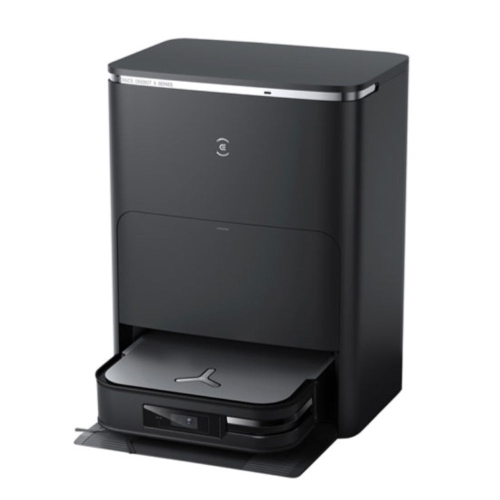
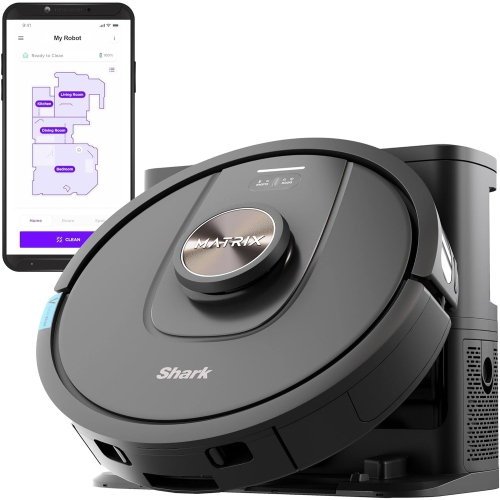
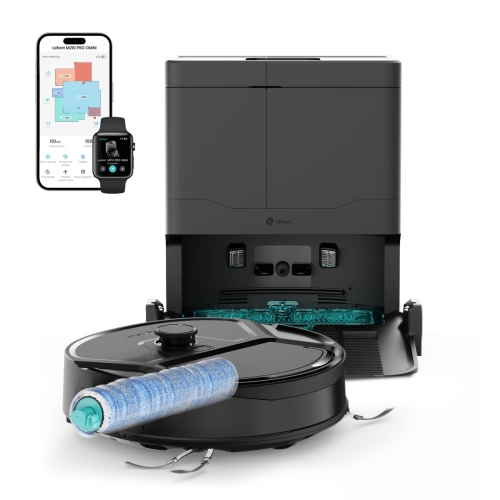
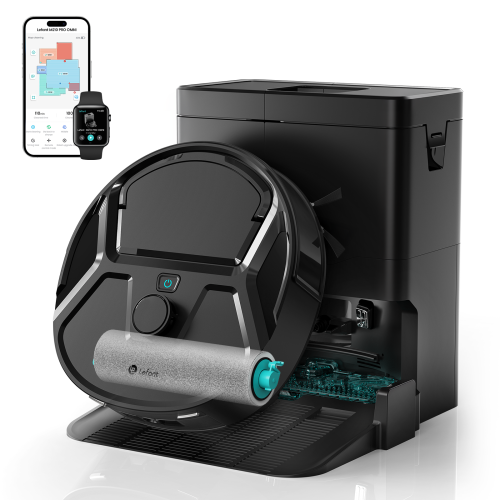
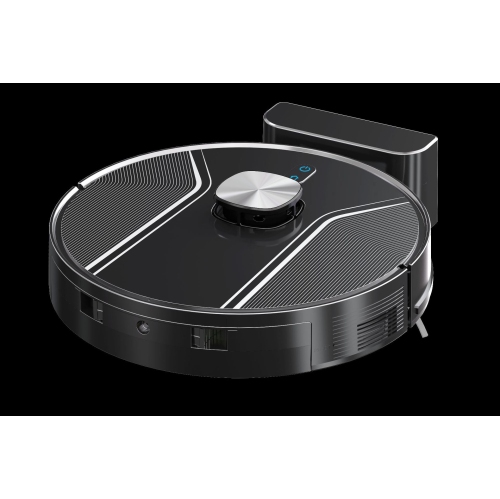
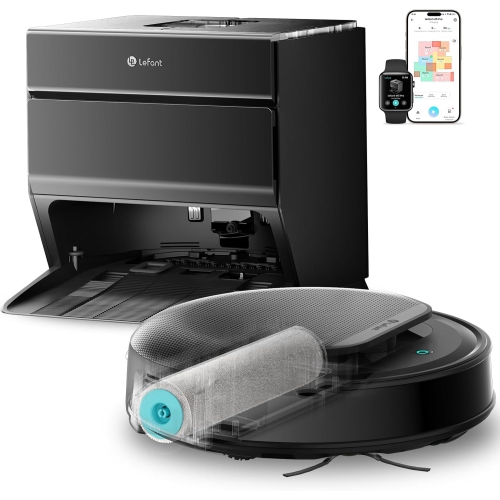
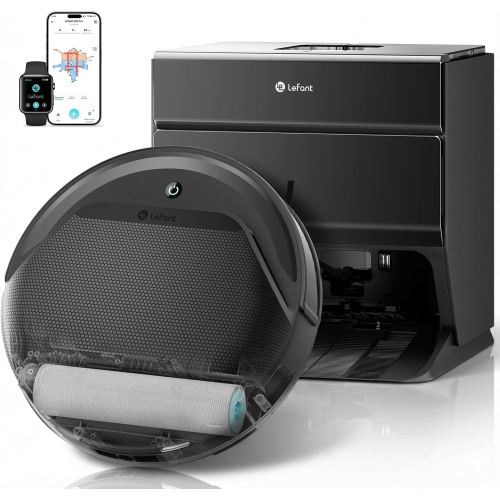
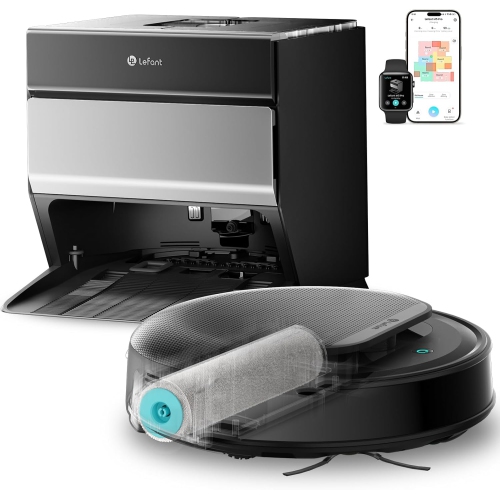
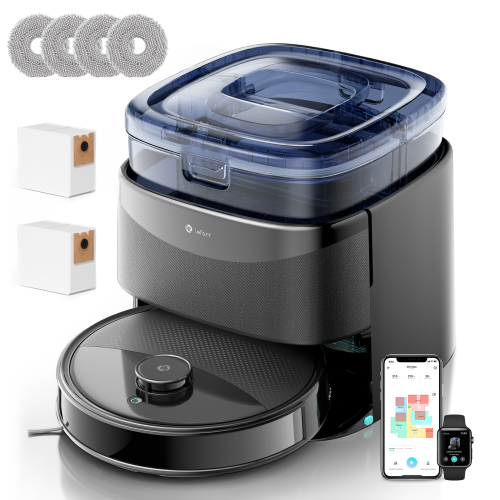
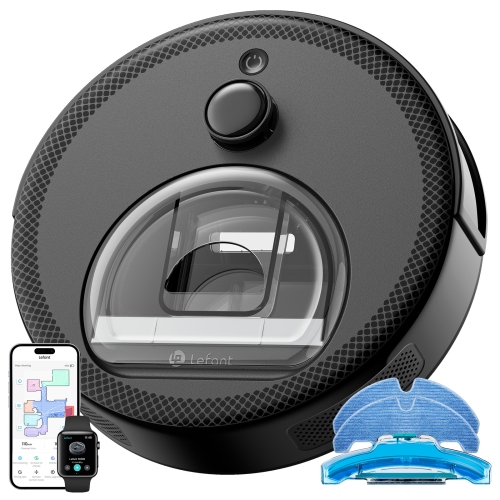
How laser mapping turns rooms into cleaning routes
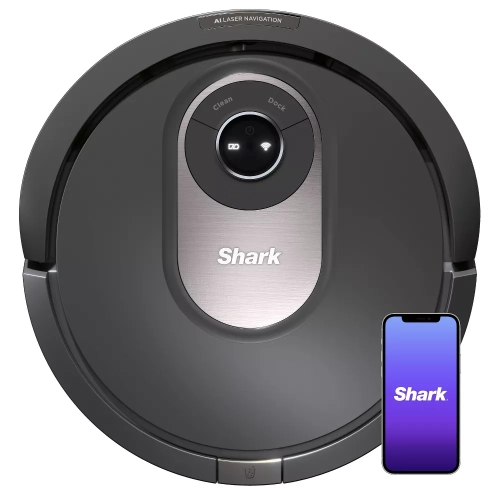
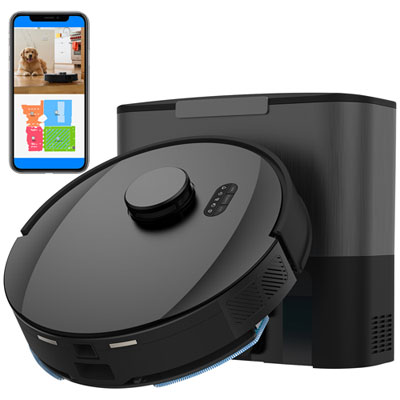
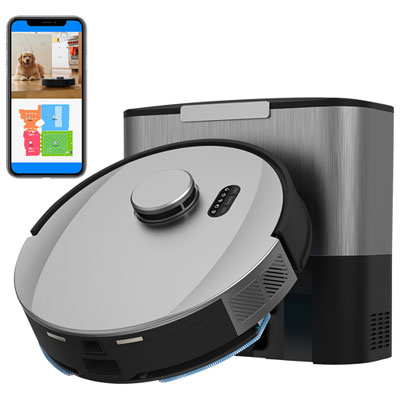
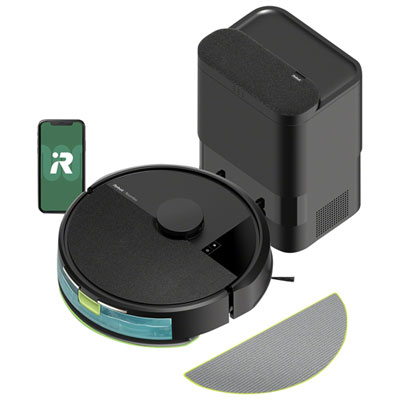
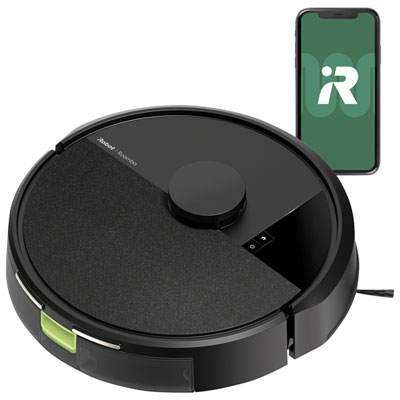
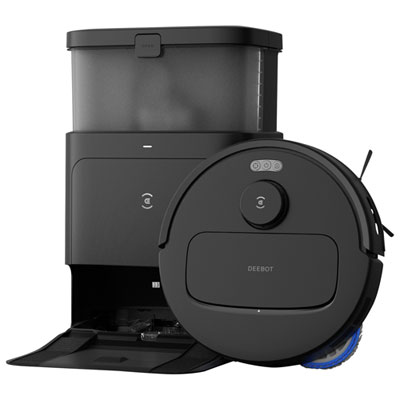
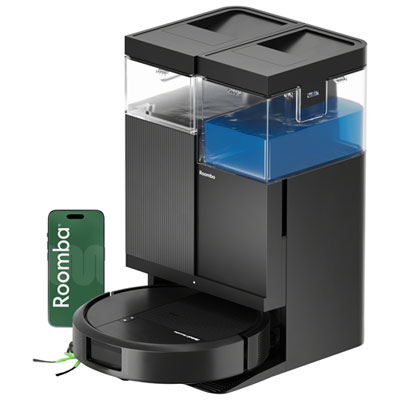
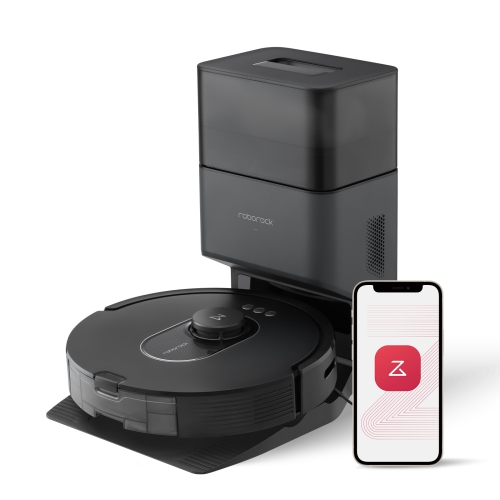
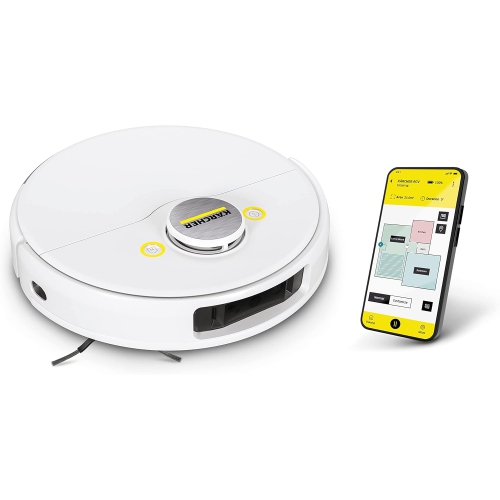
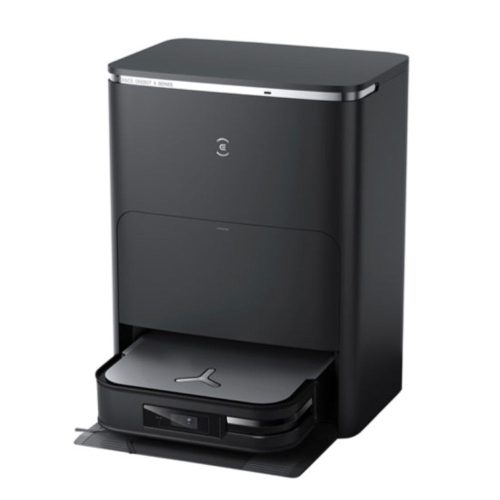
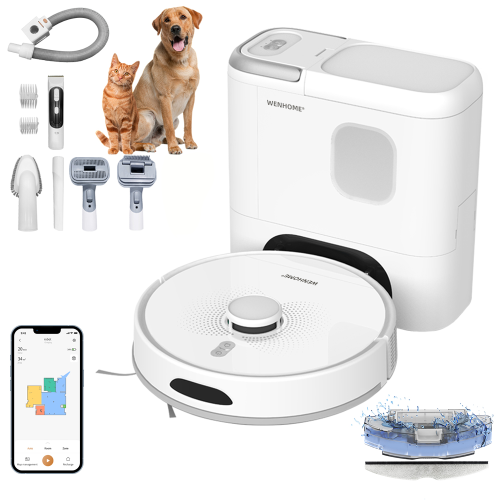
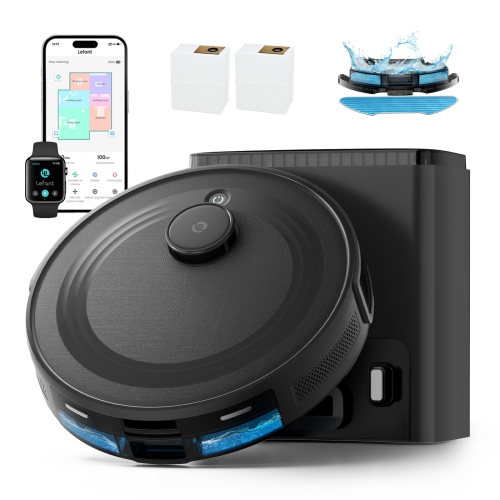
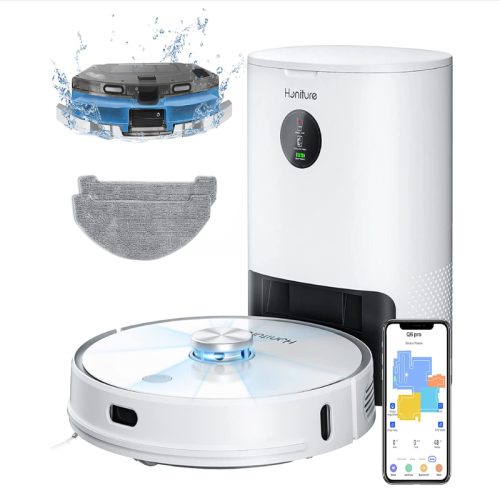
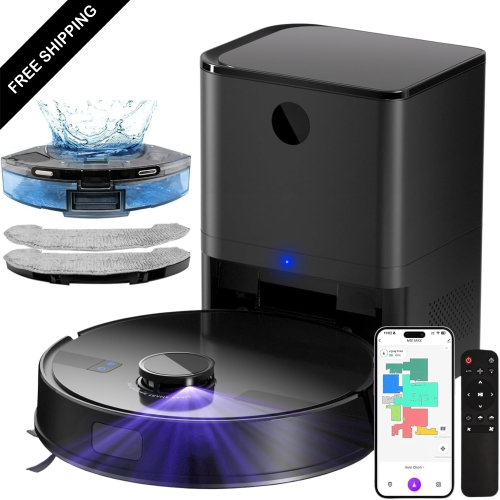
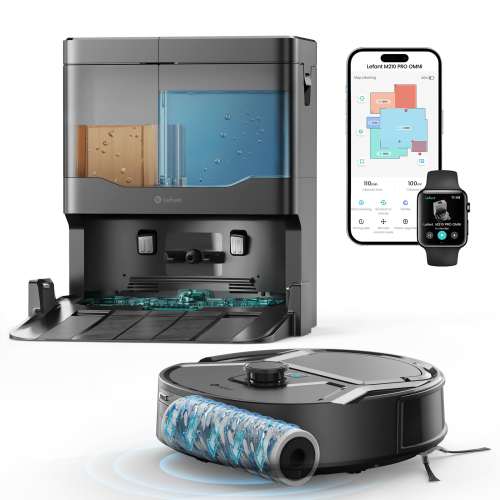
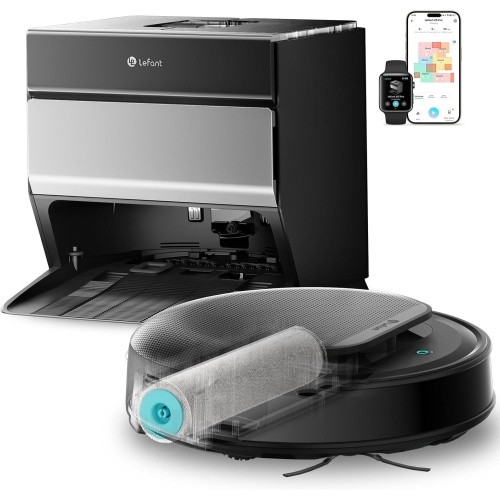
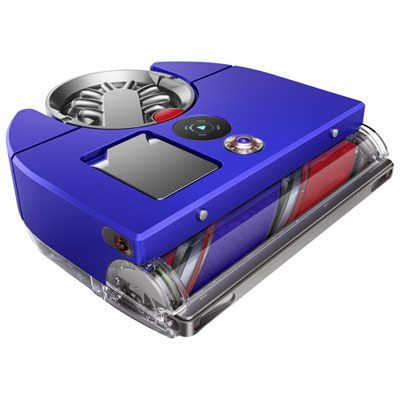
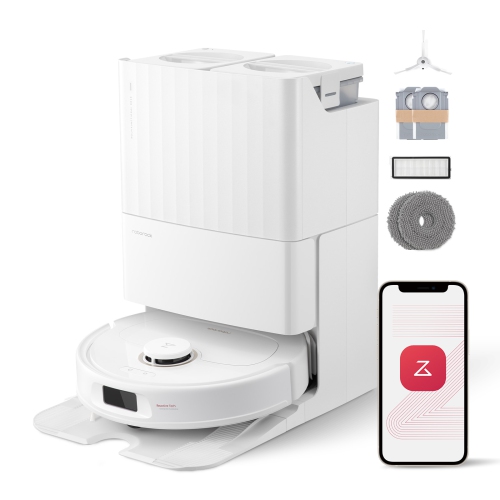
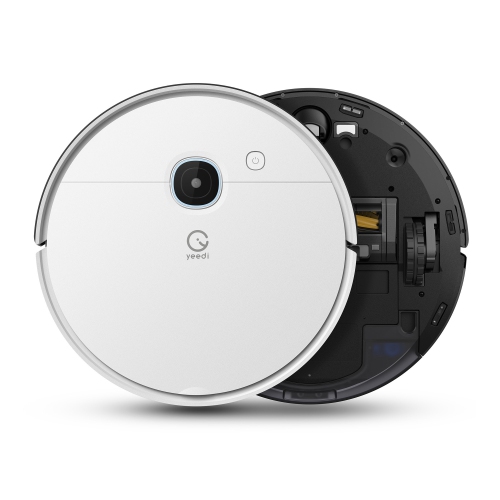
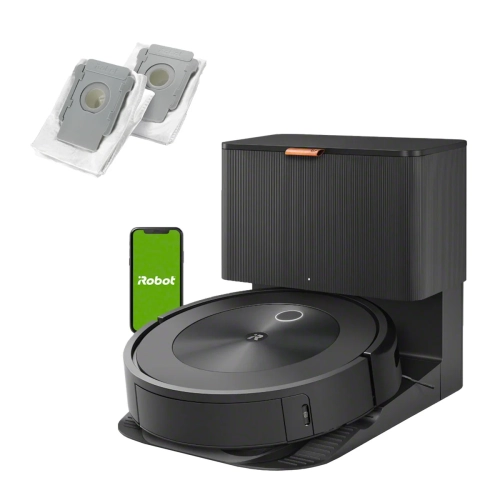
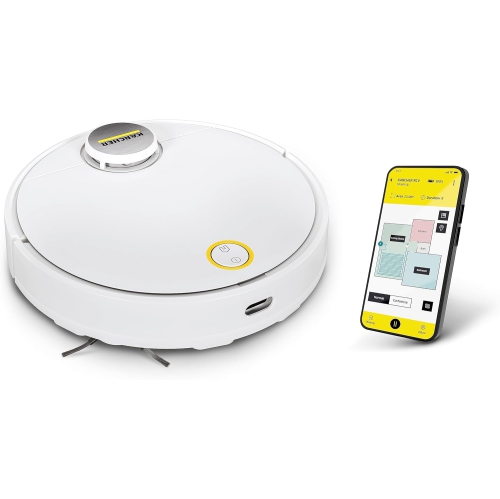
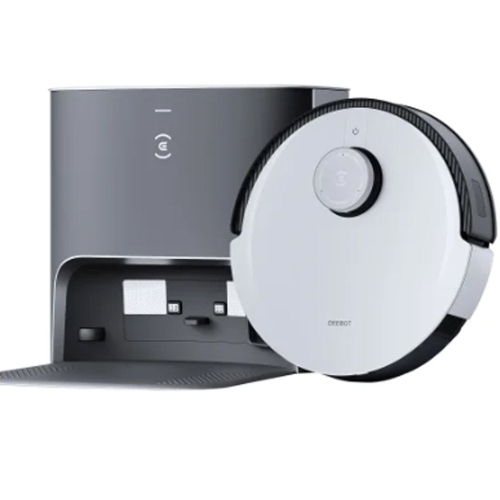
Vacuums with LiDAR navigation are robot vacuums that use laser-based distance measurements to map rooms and plan cleaning routes. LiDAR stands for Light Detection and Ranging: a sensor sends out laser light and measures its return from nearby surfaces to calculate distances. Many designs house a rotating sensor in a small turret on top of the vacuum, although sensor placement varies. As the robot moves, these measurements help it identify walls, furniture and passageways, building a floor plan that supports organized coverage rather than relying only on random changes of direction. A typical cleaning pattern follows room edges and then works across open floor space in overlapping rows. That structure is useful in a living room with a coffee table, a dining area lined with chair legs, or a hallway connecting several rooms. LiDAR supplies its own light for distance sensing, so it can support navigation in dark rooms without needing the lights left on; other sensors used for obstacle recognition may have different lighting requirements. Depending on the model, mapped cleaning can also support room selection, virtual boundaries, scheduled runs and stored maps for multiple floors. These features let a household focus a cleaning session on crumbs beneath the breakfast table or keep a robot away from a craft area with loose thread on the floor. Multi-floor mapping does not mean a vacuum can climb stairs: it still needs to be carried between levels, and docking arrangements depend on the design. Precise mapping also differs from precise obstacle detection. A robot may know where a sofa sits yet miss a charging cable, sock or other small object in its path. Additional cameras or structured-light sensors can improve object avoidance on equipped models, but clearing loose objects and pet waste before a run remains important. LiDAR is primarily a navigation feature, not a guarantee of stronger suction, better filtration or complete obstacle avoidance.
The right fit depends as much on the floors and furniture as on the mapping system. In homes with sealed hard flooring, a robot vacuum can collect everyday dust, dry crumbs and tracked-in grit, while brushes help sweep debris towards the suction inlet. Rugs and carpet add different demands: pile depth, fringe, floor transitions and brush design all affect how easily a robot travels and how well it picks up embedded debris. Rubber rollers, bristled brush rolls and mixed-material designs interact differently with hair and fibres, so maintenance needs matter alongside cleaning performance. Long hair can wind around roller ends and wheel axles even when a brush is designed to limit tangles. For a household with pets, access to the roller, a practical dustbin capacity and suitable filtration may be more useful than a long list of app settings. Filter specifications should be checked separately from navigation features, since LiDAR says nothing about particle capture or whether the vacuum has a sealed filtration system. Physical clearance deserves equal attention. A raised laser turret can prevent a robot from travelling beneath a low bed frame or cabinet, even when the main body appears slim enough. Compare the full robot height with the lowest point under furniture, allowing space for uneven flooring rather than relying on a snug fit. Threshold-climbing limits also vary, and a thick rug edge or raised doorway strip may interrupt an otherwise well-planned route. Vacuum-and-mop combinations add another option for compatible sealed hard floors, but mop attachment styles, water controls and carpet protection differ. Some lift their pads over carpet, while others need mapped no-mop areas or manual pad removal; lifting clearance may not suit every rug. Flooring care instructions still apply, especially for wood and other surfaces sensitive to excess moisture. Robot vacuums are intended for routine floor upkeep, not wet spills unless expressly designed for that purpose, and they do not replace tools needed for stairs, upholstery or narrow crevices. Their strength is frequent, repeatable cleaning across accessible floor areas.
Day-to-day convenience often comes down to how the vacuum fits household routines. Room naming and cleaning schedules can make it straightforward to send a robot through the kitchen after meals while leaving a home office undisturbed. Virtual no-go zones are useful around a pet’s water bowl, a delicate floor-standing display or a cluster of cables, though map-based boundaries depend on accurate positioning and are not physical safety barriers. Dirt detection is a separate capability from LiDAR mapping: navigation determines where the robot travels, while dirt-sensing features on equipped models help identify areas that may need extra attention. For households interested in that distinction, Robotic Vacuums With Dirt Detection highlights a related approach to targeted floor cleaning. App functions, Wi-Fi requirements, account setup and map storage practices vary, making them relevant considerations for anyone who prefers simple controls or wants to understand how home layout data is handled. The charging station also needs a practical location with the clearances specified by the manufacturer. A compact charging dock occupies less space than a station that empties debris or washes mop pads, while larger stations need access for changing bags, refilling clean water and emptying dirty water where applicable. Automatic emptying reduces hands-on dustbin work but does not remove the need for care. Regular attention includes clearing brush tangles, checking wheels, wiping sensors with an appropriate soft cloth and cleaning charging contacts as directed. Washable filters and mop pads should be washed only as instructed and dried fully before reuse. Replaceable brushes, filters, pads and batteries can influence long-term upkeep and service life. These vacuums can suit busy families, pet owners and people who find frequent manual floor cleaning tiring, provided someone can manage preparation and maintenance. As a practical household gift, they are most useful when the recipient’s floor layout, furniture clearance and comfort with connected controls are already understood. Matching those everyday details to the robot’s capabilities helps turn accurate mapping into consistent, useful cleaning.
The right fit depends as much on the floors and furniture as on the mapping system. In homes with sealed hard flooring, a robot vacuum can collect everyday dust, dry crumbs and tracked-in grit, while brushes help sweep debris towards the suction inlet. Rugs and carpet add different demands: pile depth, fringe, floor transitions and brush design all affect how easily a robot travels and how well it picks up embedded debris. Rubber rollers, bristled brush rolls and mixed-material designs interact differently with hair and fibres, so maintenance needs matter alongside cleaning performance. Long hair can wind around roller ends and wheel axles even when a brush is designed to limit tangles. For a household with pets, access to the roller, a practical dustbin capacity and suitable filtration may be more useful than a long list of app settings. Filter specifications should be checked separately from navigation features, since LiDAR says nothing about particle capture or whether the vacuum has a sealed filtration system. Physical clearance deserves equal attention. A raised laser turret can prevent a robot from travelling beneath a low bed frame or cabinet, even when the main body appears slim enough. Compare the full robot height with the lowest point under furniture, allowing space for uneven flooring rather than relying on a snug fit. Threshold-climbing limits also vary, and a thick rug edge or raised doorway strip may interrupt an otherwise well-planned route. Vacuum-and-mop combinations add another option for compatible sealed hard floors, but mop attachment styles, water controls and carpet protection differ. Some lift their pads over carpet, while others need mapped no-mop areas or manual pad removal; lifting clearance may not suit every rug. Flooring care instructions still apply, especially for wood and other surfaces sensitive to excess moisture. Robot vacuums are intended for routine floor upkeep, not wet spills unless expressly designed for that purpose, and they do not replace tools needed for stairs, upholstery or narrow crevices. Their strength is frequent, repeatable cleaning across accessible floor areas.
Day-to-day convenience often comes down to how the vacuum fits household routines. Room naming and cleaning schedules can make it straightforward to send a robot through the kitchen after meals while leaving a home office undisturbed. Virtual no-go zones are useful around a pet’s water bowl, a delicate floor-standing display or a cluster of cables, though map-based boundaries depend on accurate positioning and are not physical safety barriers. Dirt detection is a separate capability from LiDAR mapping: navigation determines where the robot travels, while dirt-sensing features on equipped models help identify areas that may need extra attention. For households interested in that distinction, Robotic Vacuums With Dirt Detection highlights a related approach to targeted floor cleaning. App functions, Wi-Fi requirements, account setup and map storage practices vary, making them relevant considerations for anyone who prefers simple controls or wants to understand how home layout data is handled. The charging station also needs a practical location with the clearances specified by the manufacturer. A compact charging dock occupies less space than a station that empties debris or washes mop pads, while larger stations need access for changing bags, refilling clean water and emptying dirty water where applicable. Automatic emptying reduces hands-on dustbin work but does not remove the need for care. Regular attention includes clearing brush tangles, checking wheels, wiping sensors with an appropriate soft cloth and cleaning charging contacts as directed. Washable filters and mop pads should be washed only as instructed and dried fully before reuse. Replaceable brushes, filters, pads and batteries can influence long-term upkeep and service life. These vacuums can suit busy families, pet owners and people who find frequent manual floor cleaning tiring, provided someone can manage preparation and maintenance. As a practical household gift, they are most useful when the recipient’s floor layout, furniture clearance and comfort with connected controls are already understood. Matching those everyday details to the robot’s capabilities helps turn accurate mapping into consistent, useful cleaning.
Top selling and popular products
-
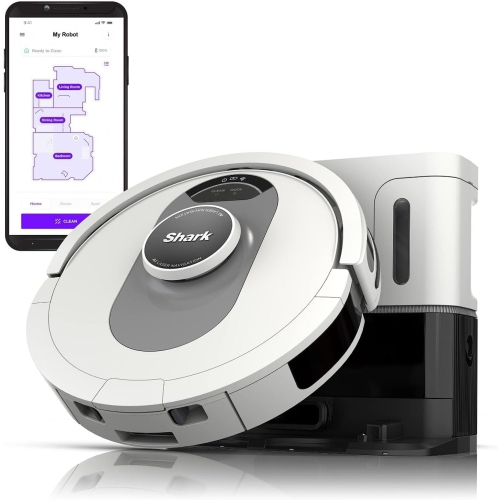 Your price for this item is $699.99
 -
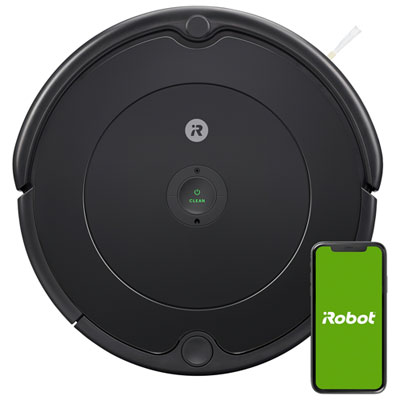 Your price for this item is $289.97
 -
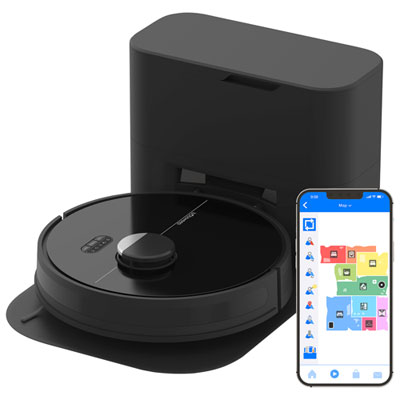 Your price for this item is $219.99
 -
 Your price for this item is $999
 -
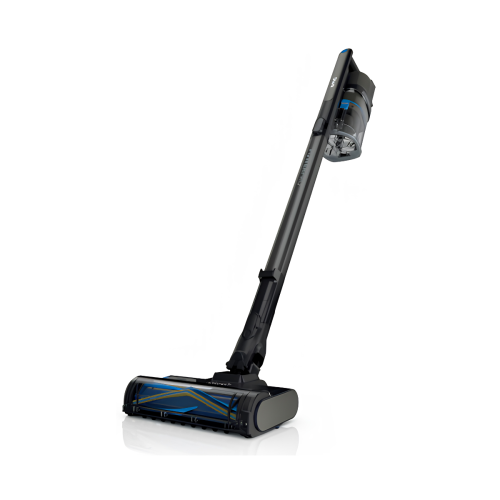 Your price for this item is $399.99
 -
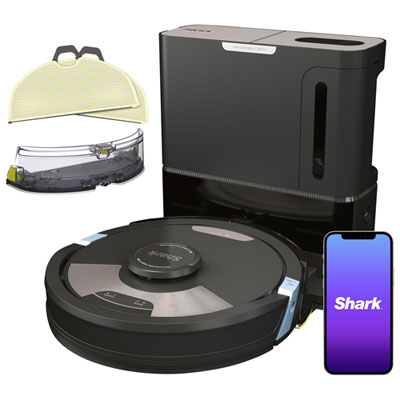 Your price for this item is $899.99
 -
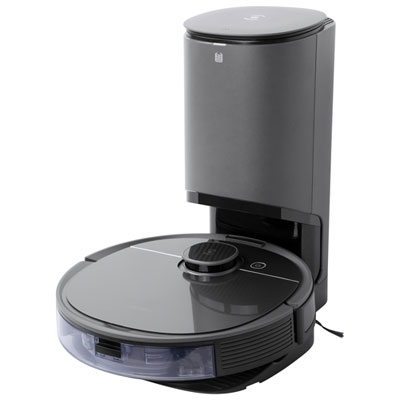 Your price for this item is $799.95
 -
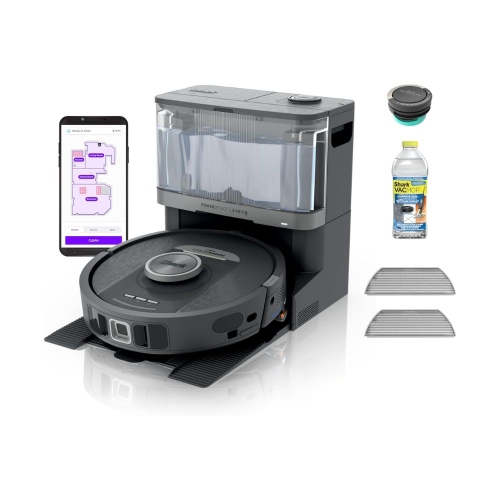 Your price for this item is $1149.99
Discover more categories related to Vacuums With Lidar Navigation
Top Collections:
Pokemon Centers, Kindle Devices, Best Budget Office Chairs, Apple iPhones 16, Best Laptops for Writers, iPhone 15 Apple, Canon G7X Cameras, Refurbished Apple Laptops, Alarm Clock, Motorola Razr Phones
Some products may be subject to Environmental Handling Fees
(EHF) depending on your province.
Learn more about EHFs.