Vent Fans
Looking to improve ventilation in your home? Our selection of vent fans offers a variety of options to help keep your space fresh and comfortable. Whether you need a powerful exhaust fan for your kitchen or a quiet bathroom fan for added comfort, we have the perfect solution for you. Say goodbye to stuffy air and hello to improved airflow with our range of vent fans designed to meet your needs.
Sort
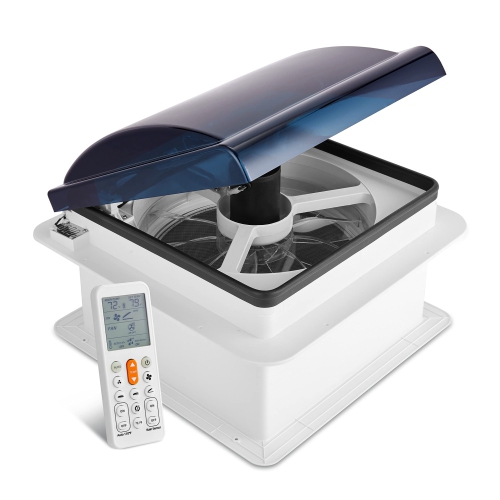
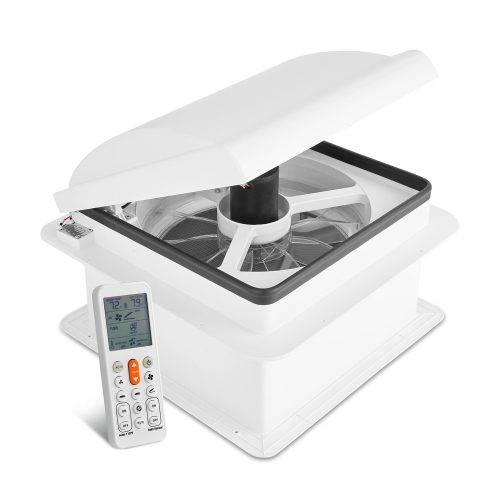
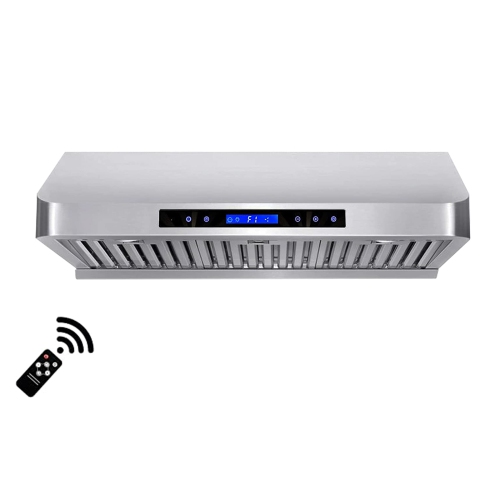
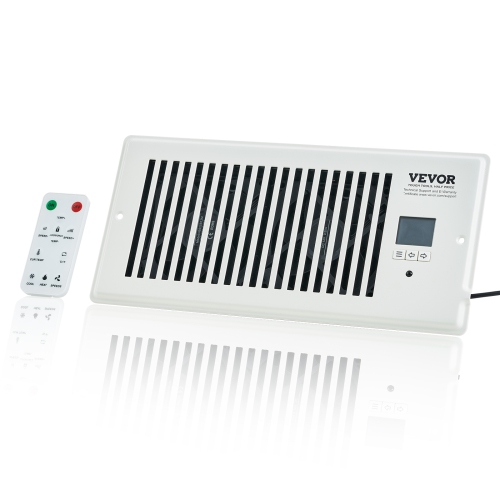
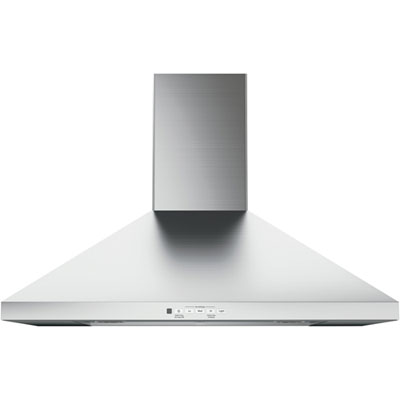
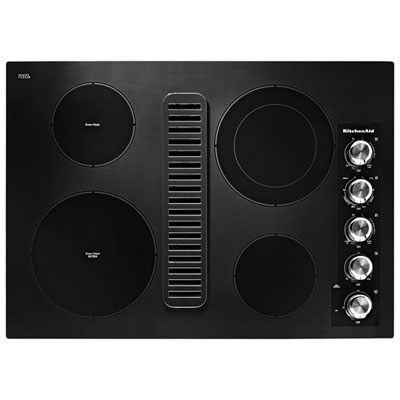
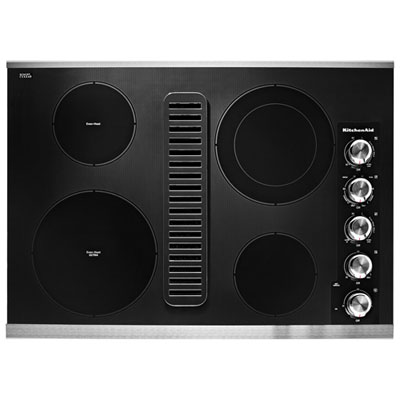
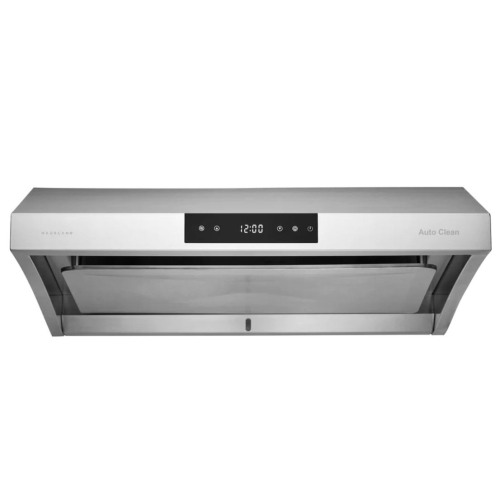
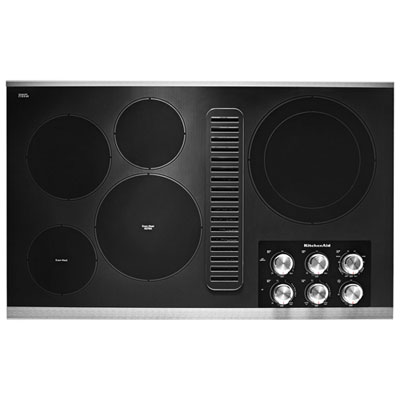
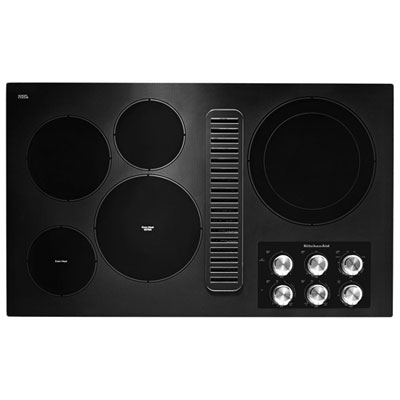
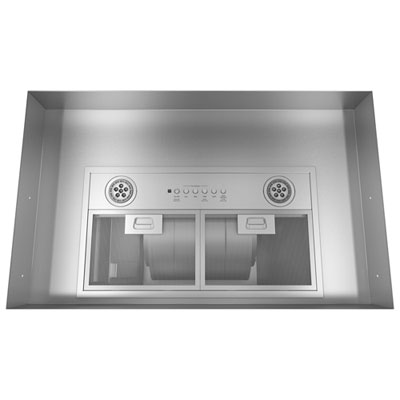
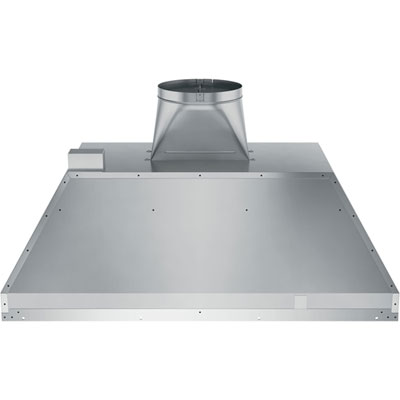

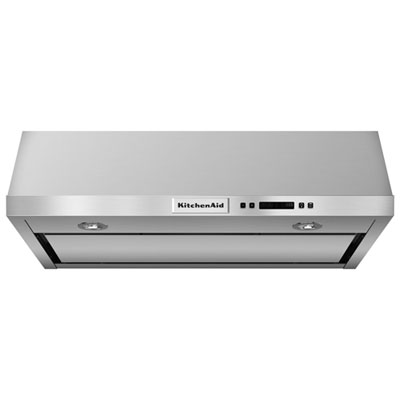
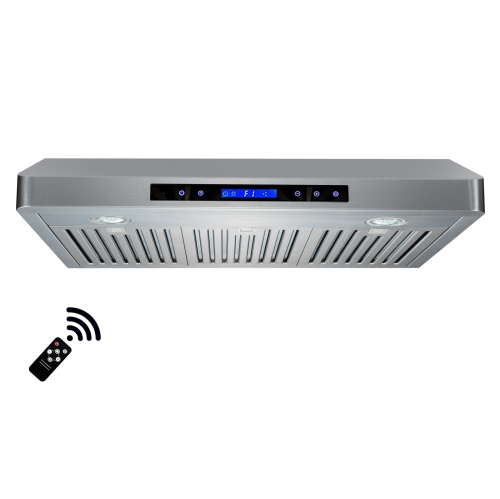
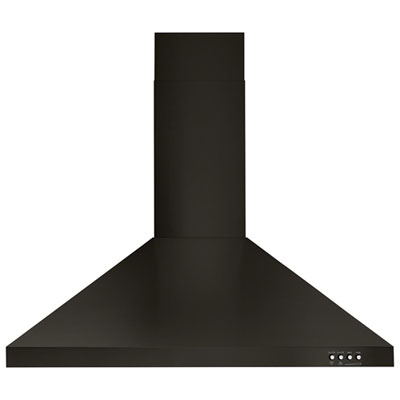
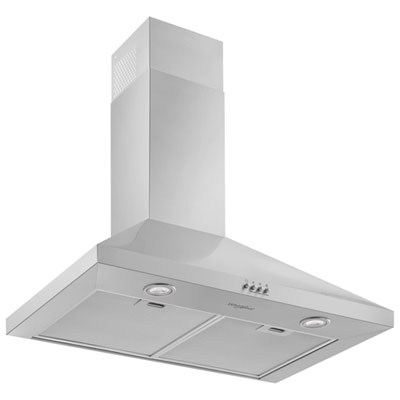
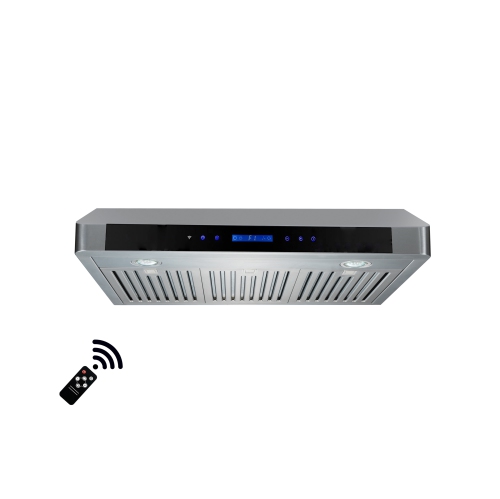
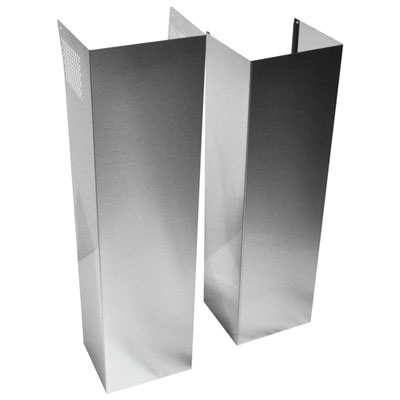
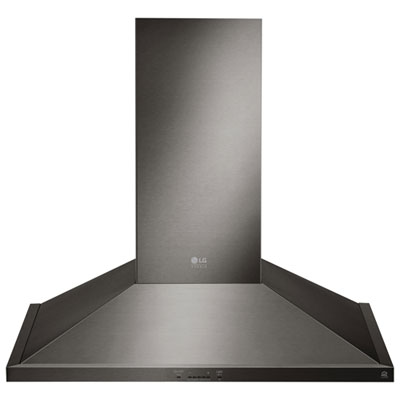
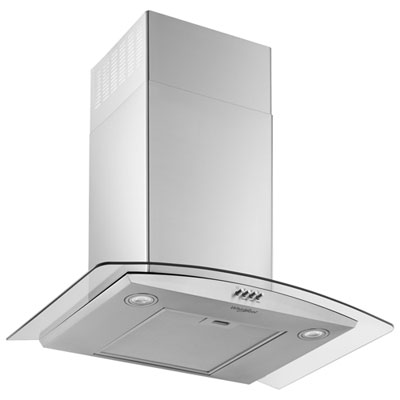
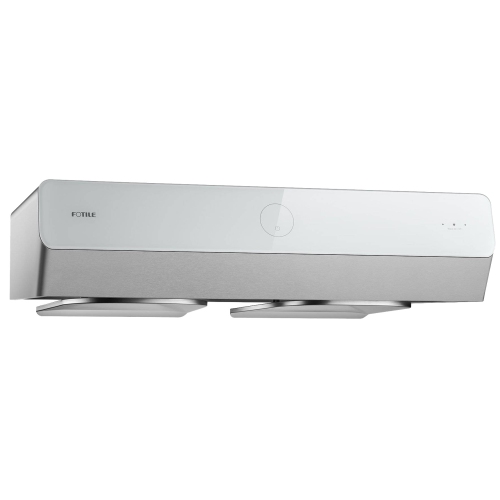
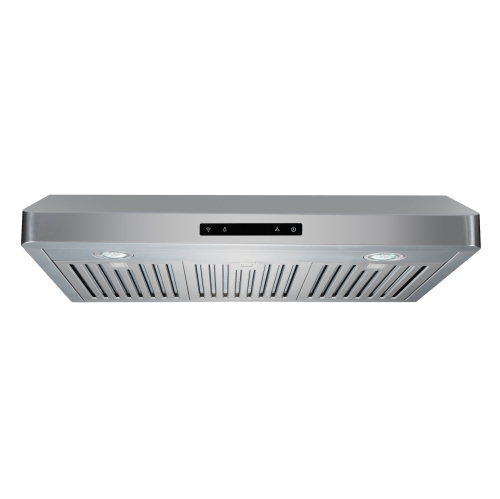
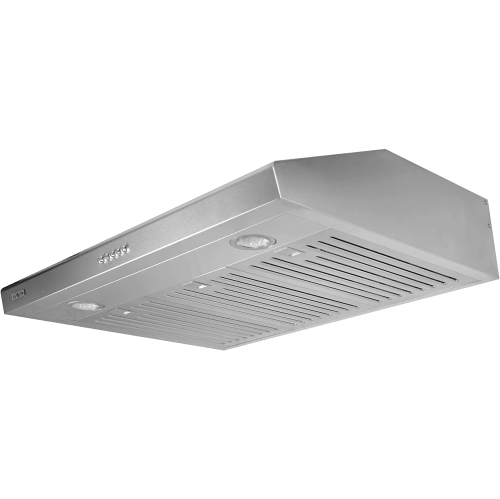
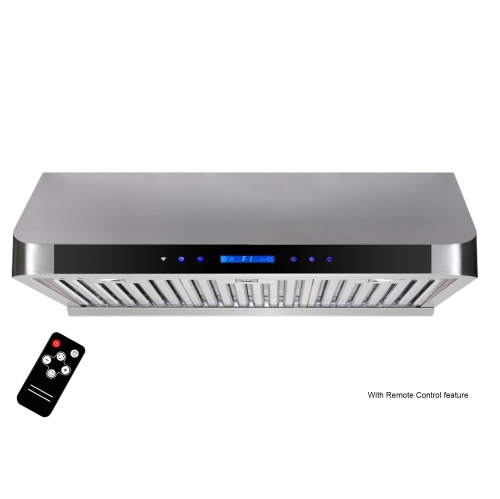
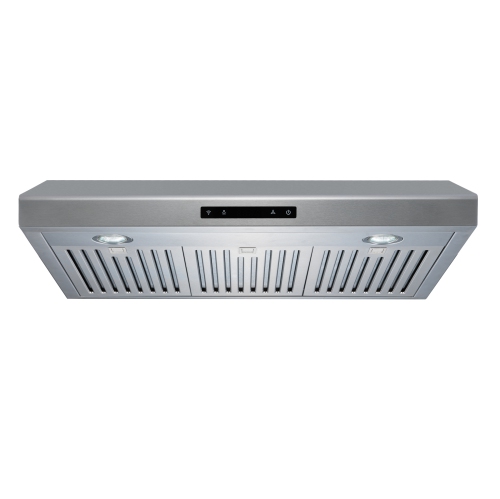
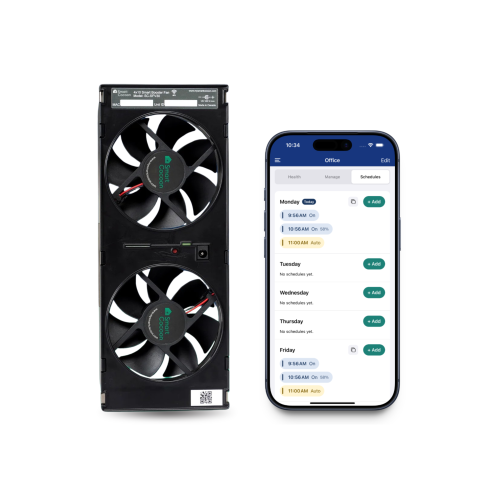
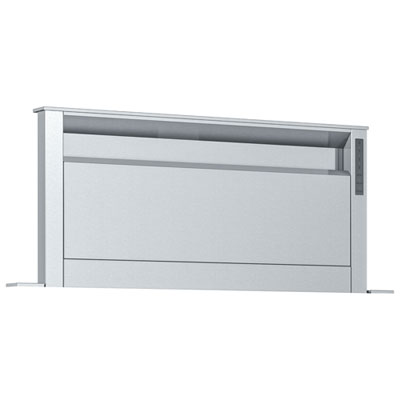
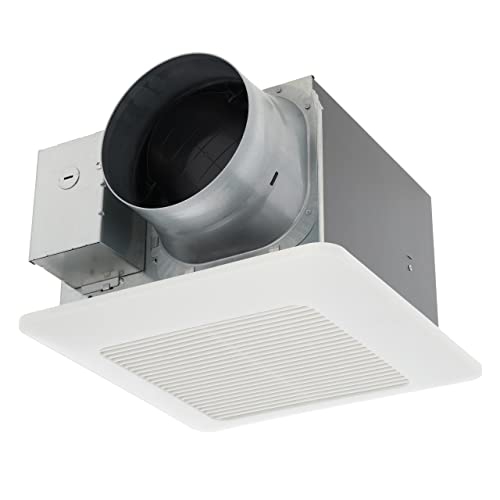
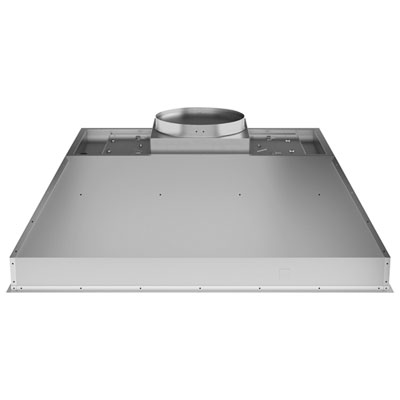
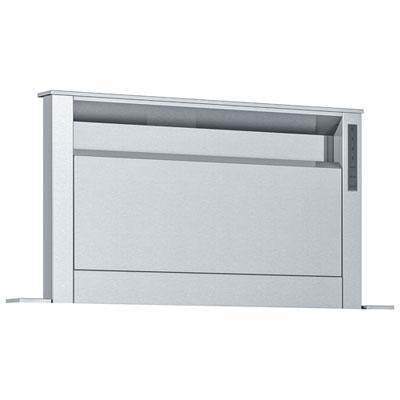
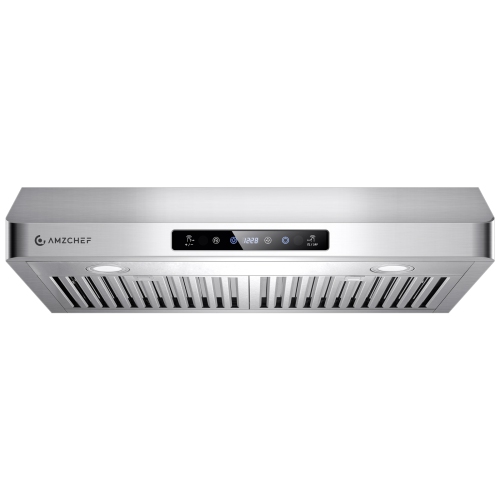
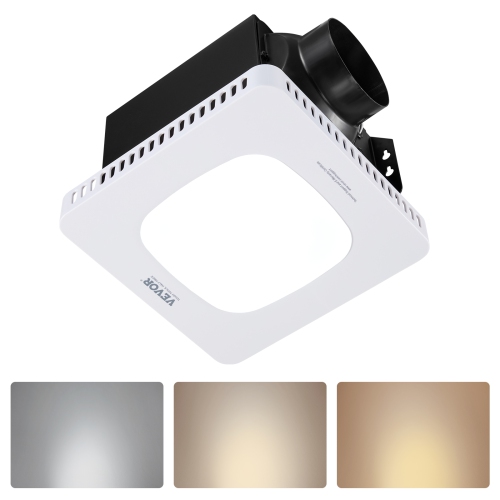
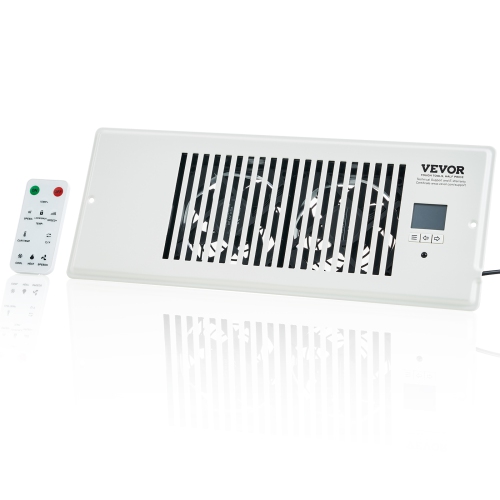
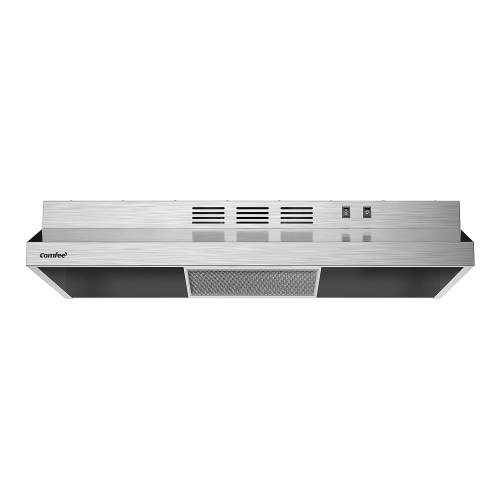
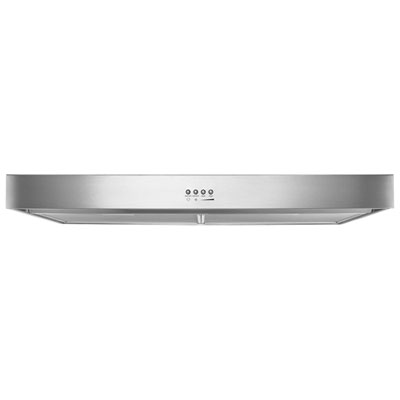
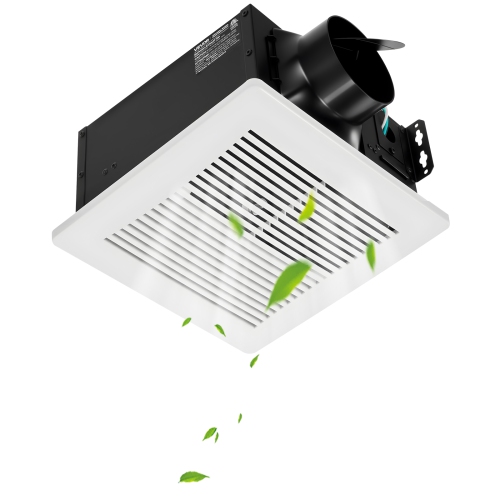
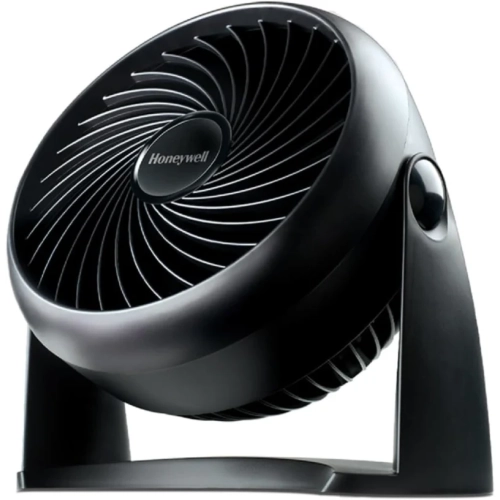
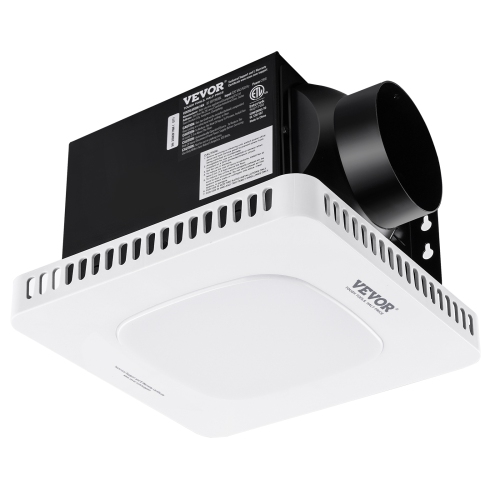
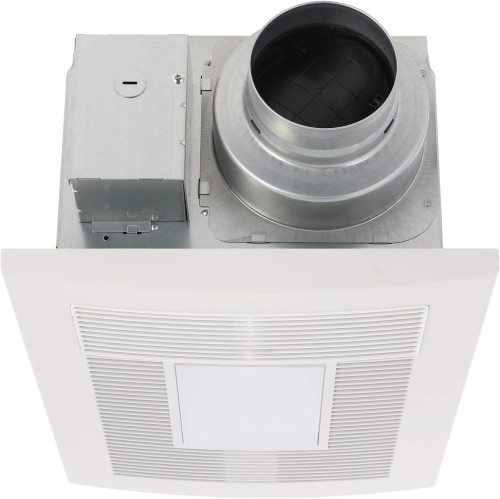
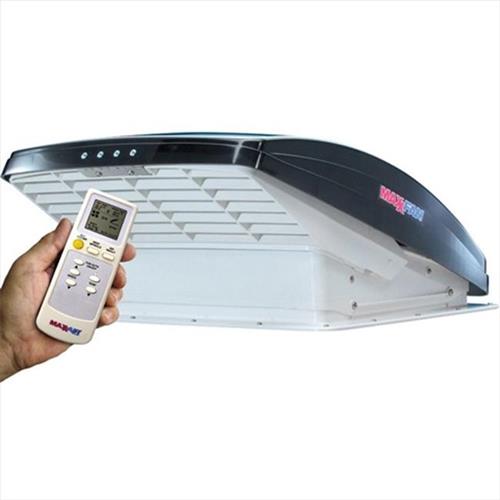
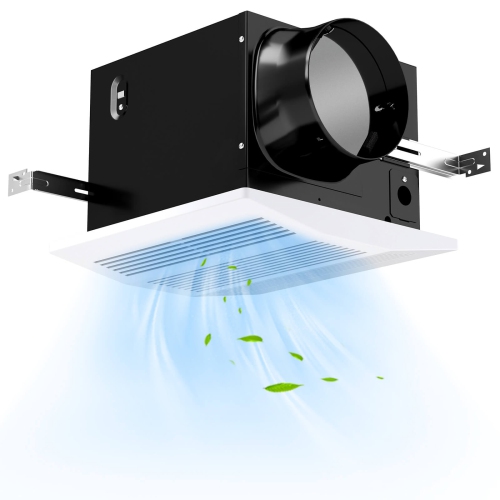
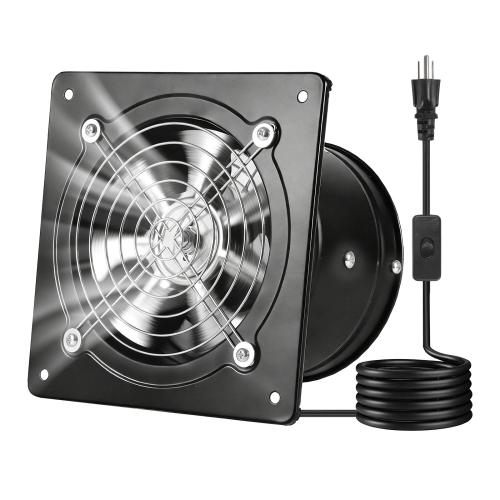
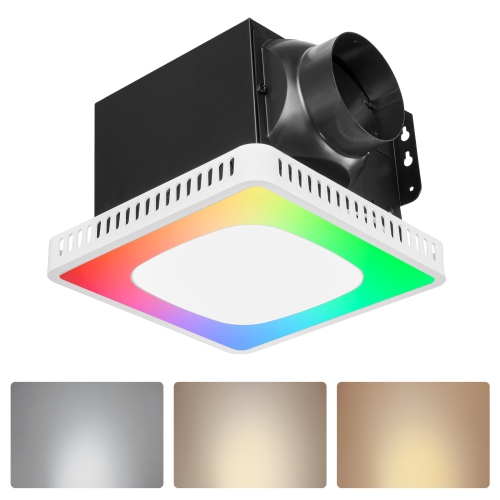
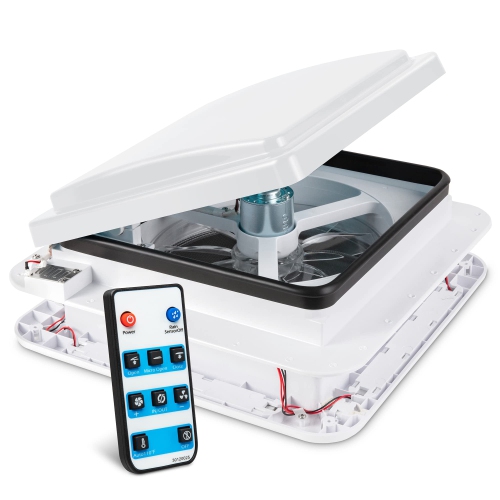
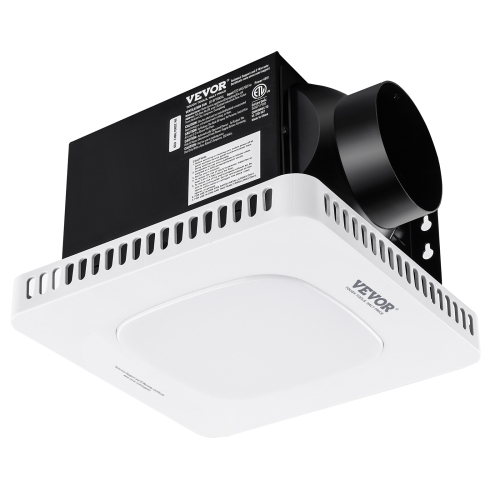
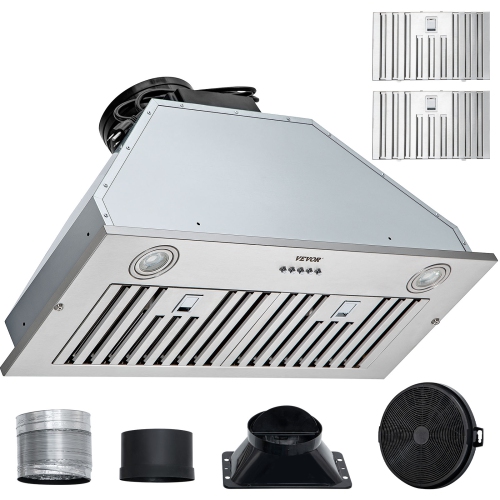
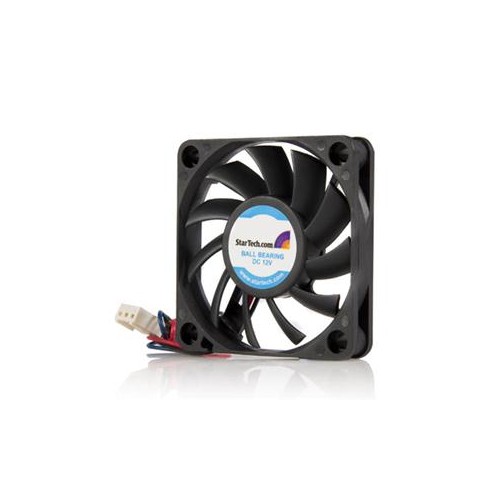
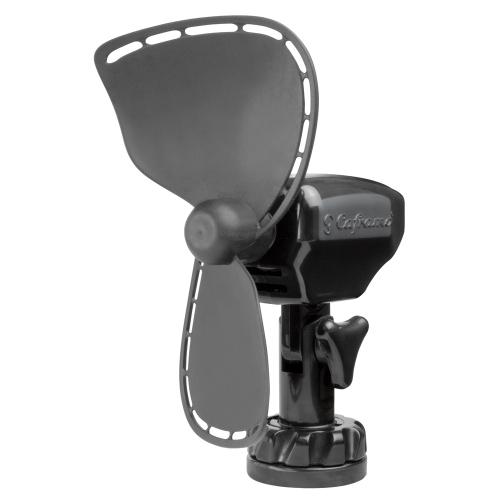
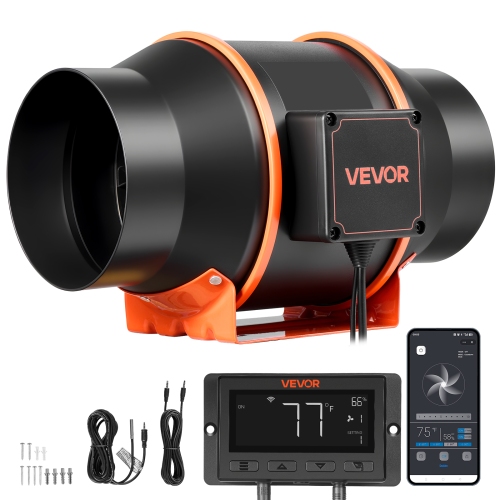
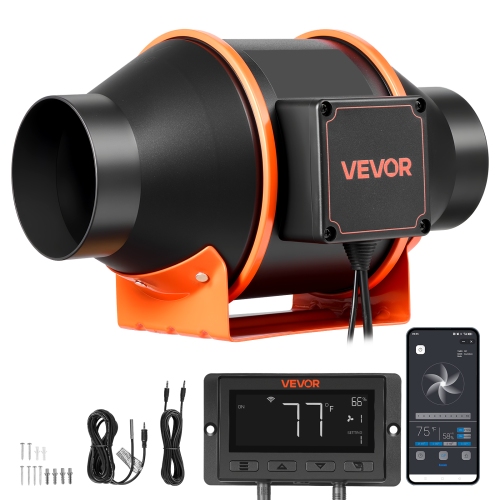
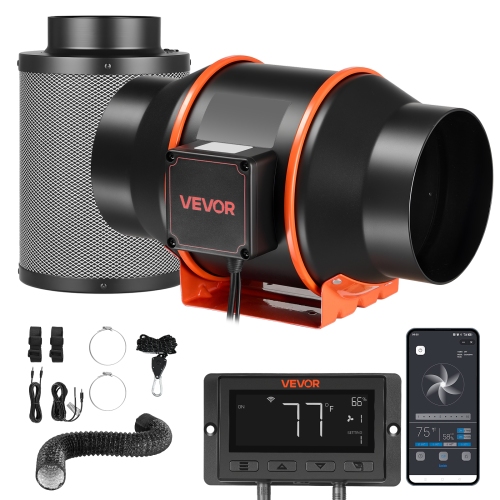
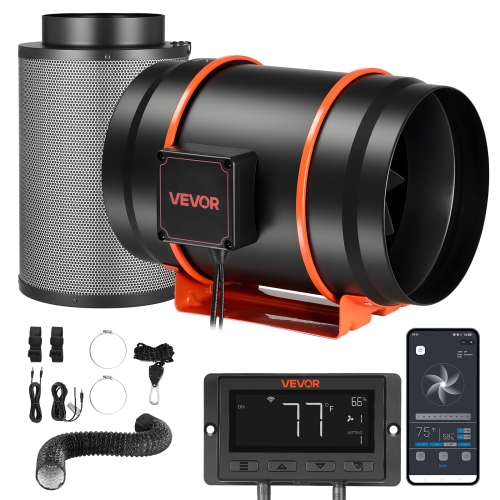
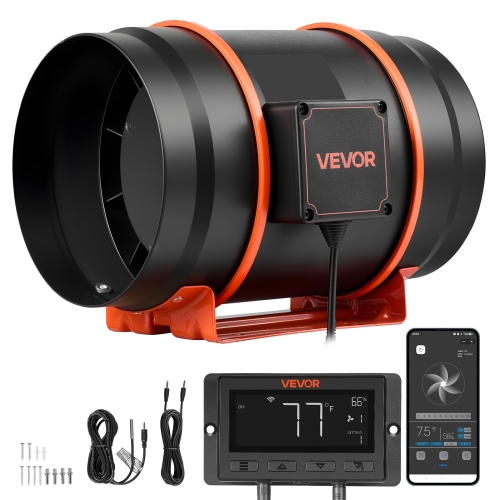
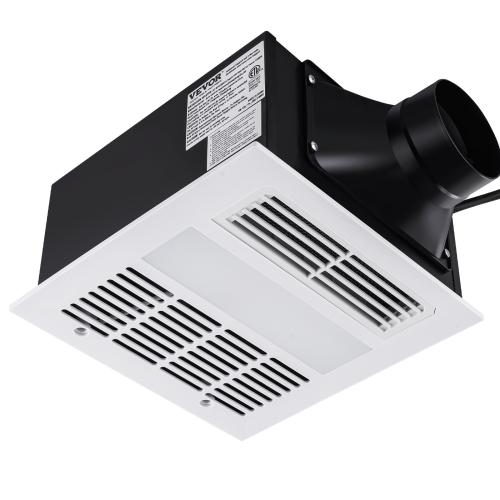
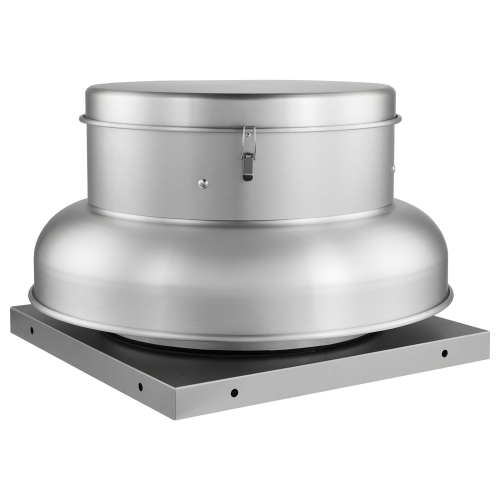


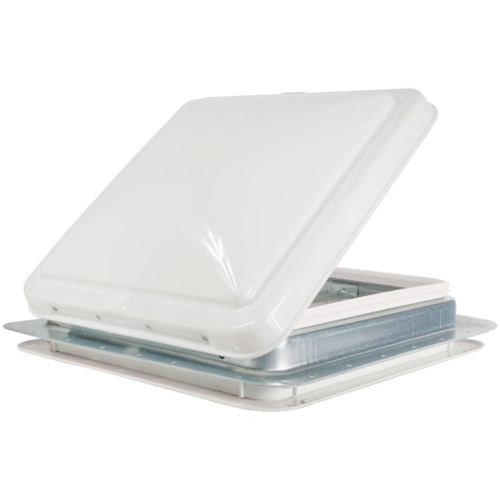
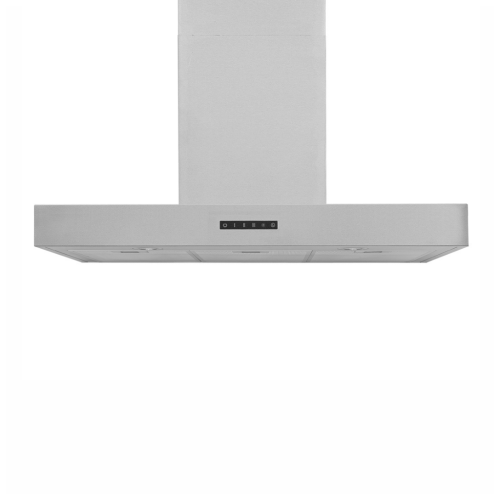
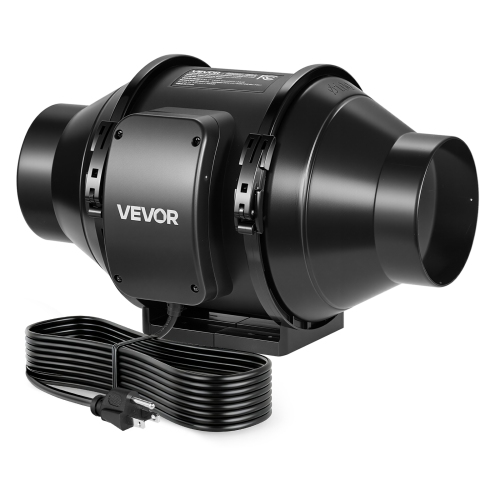
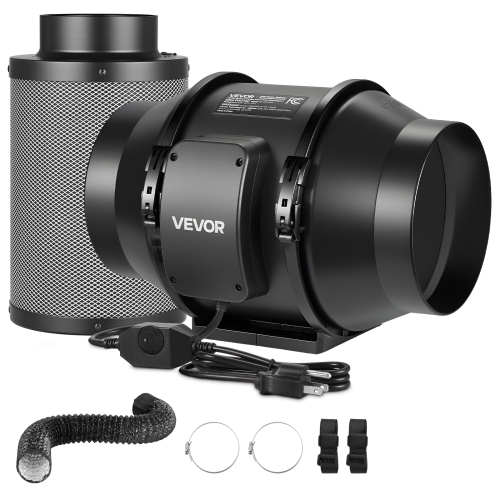
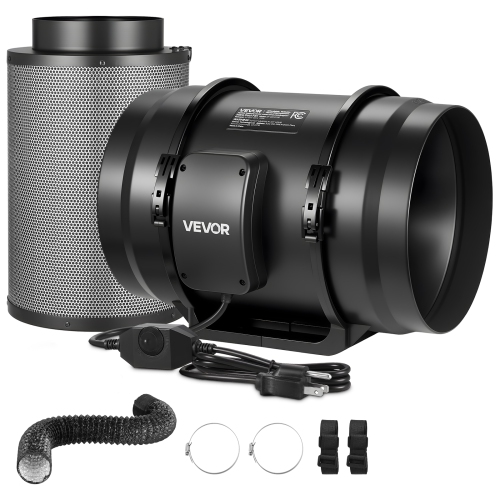
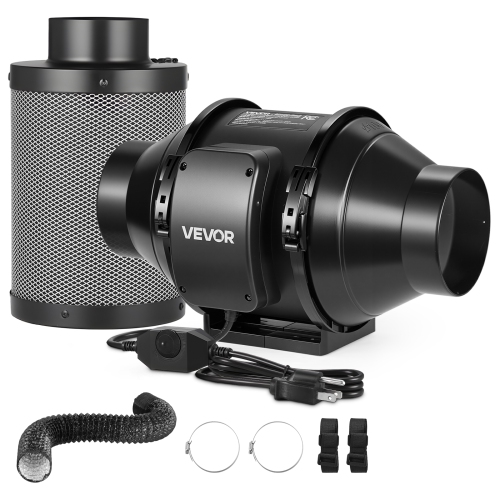
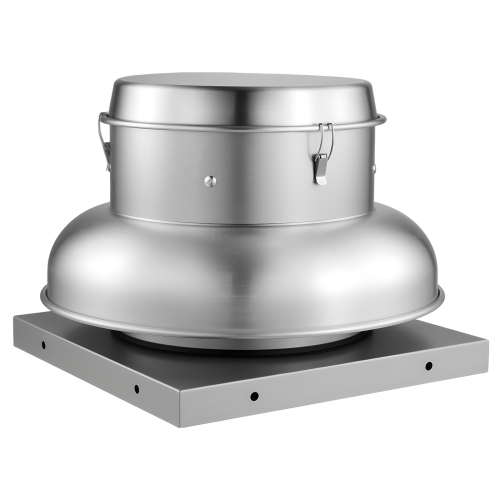
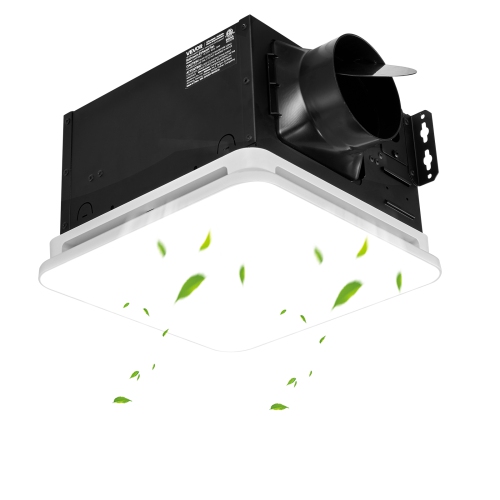
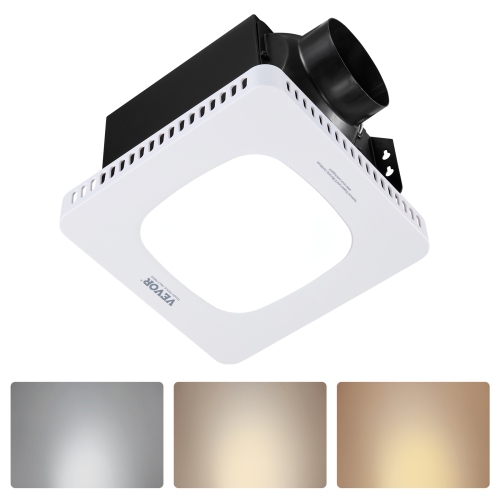
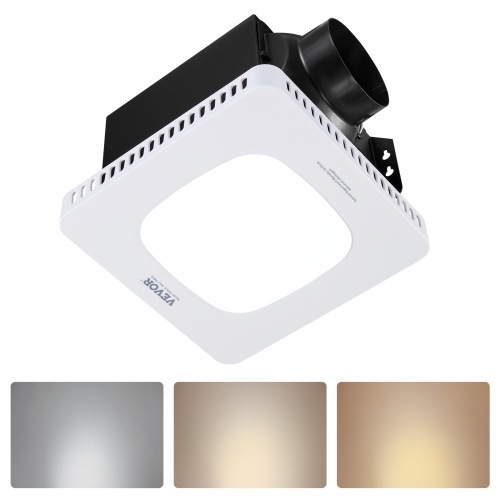
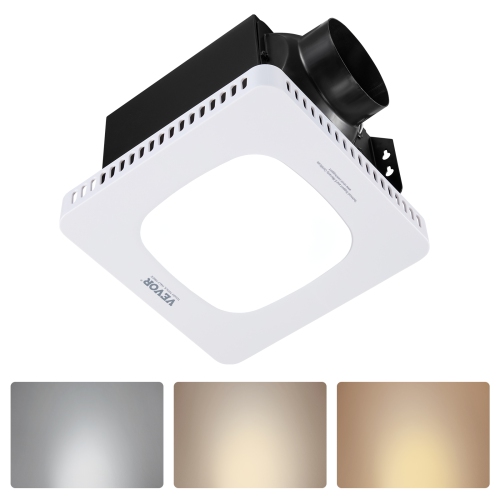
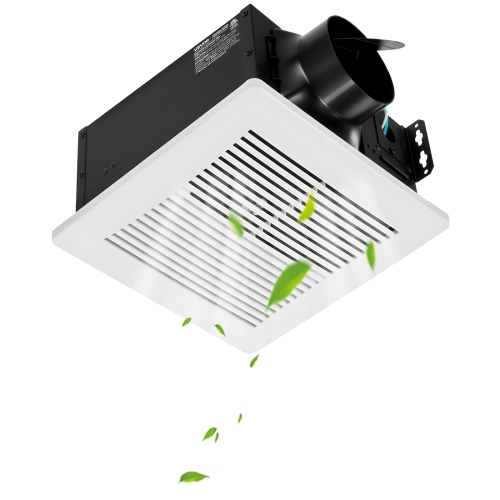
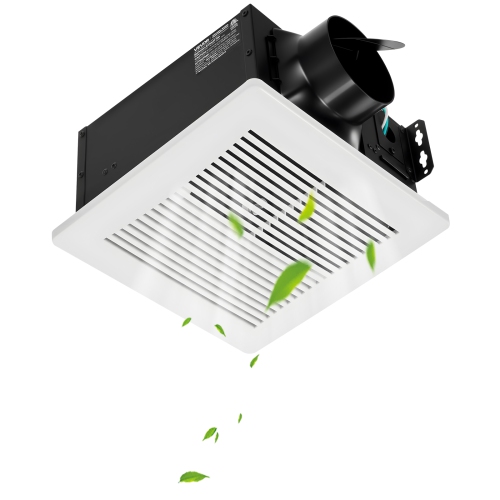
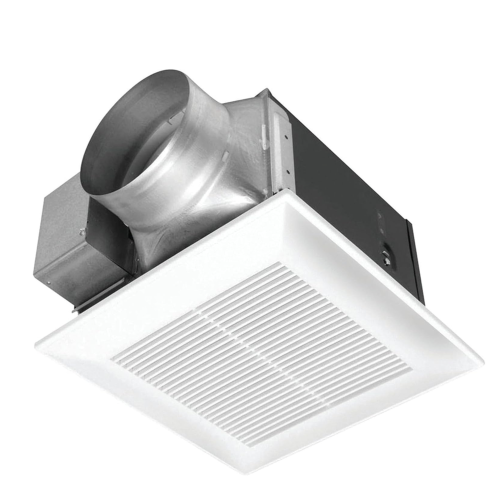
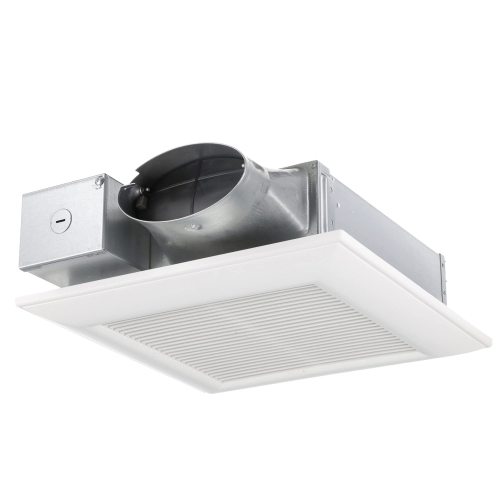
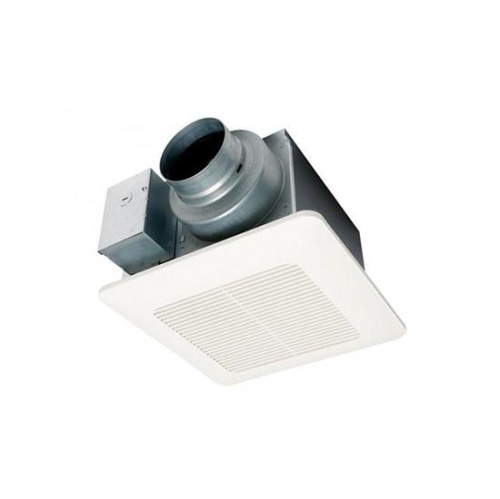
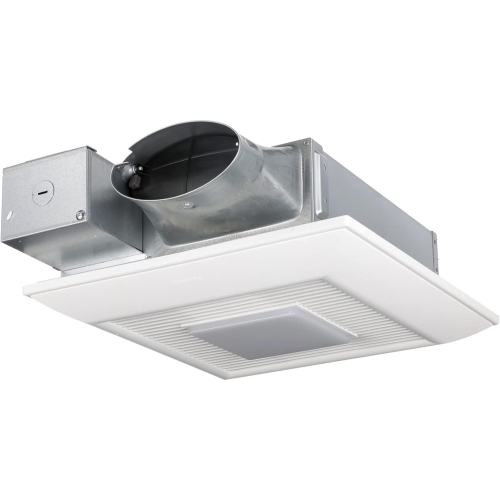
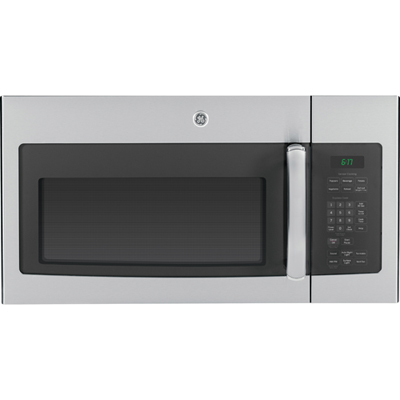
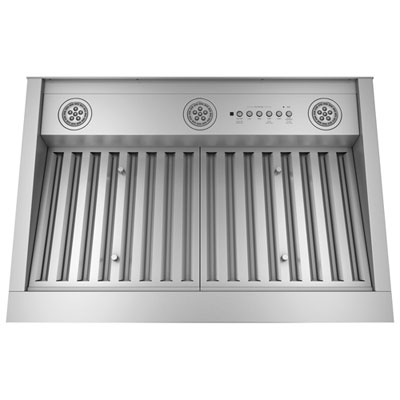
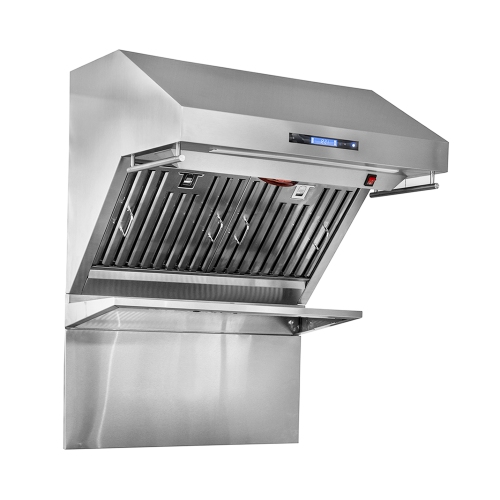
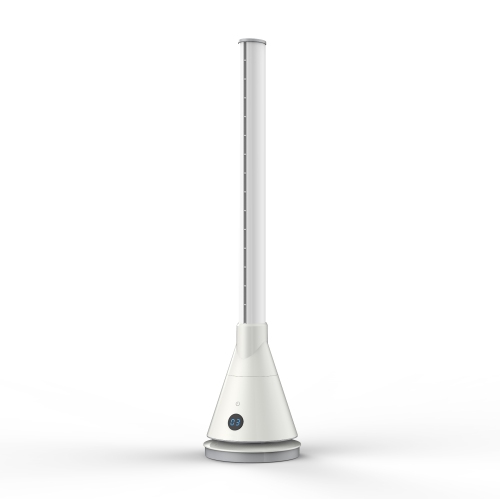

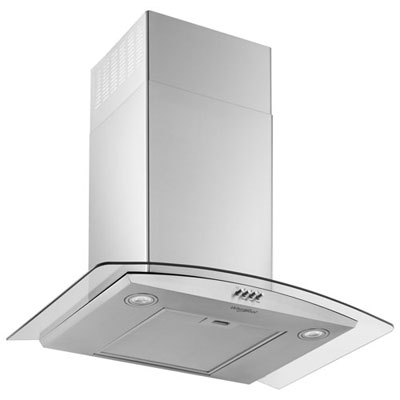
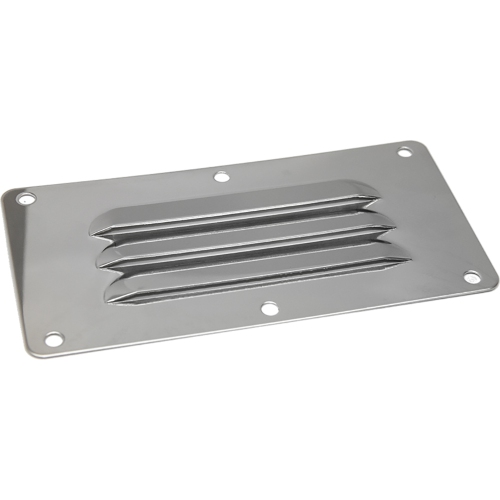
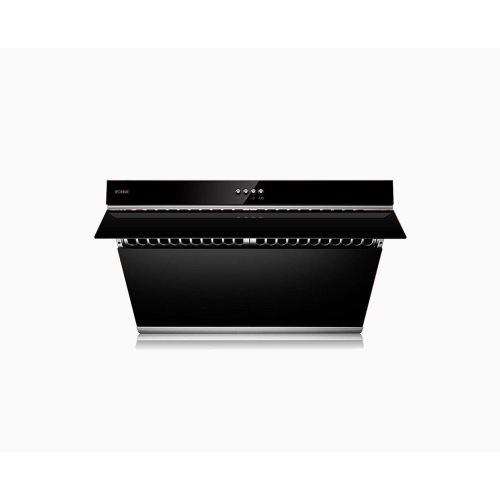
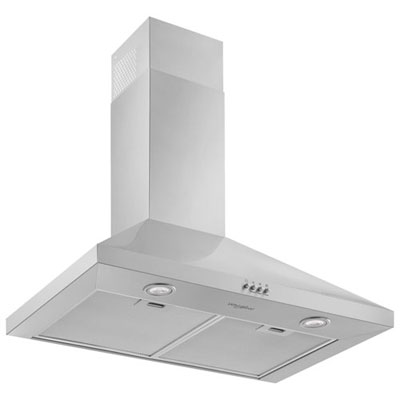
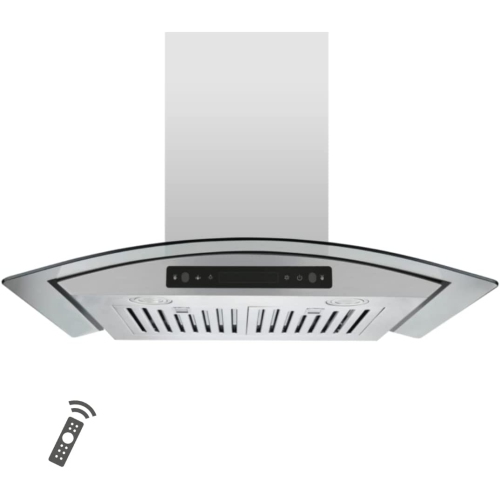
Improve airflow and comfort in moisture-prone rooms
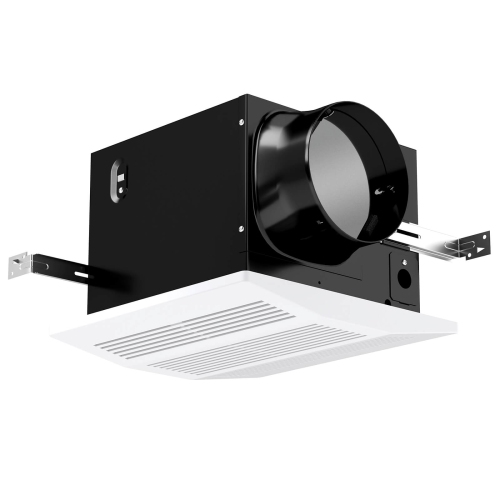
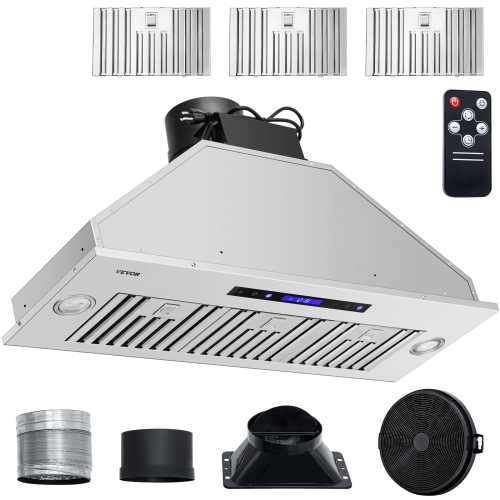
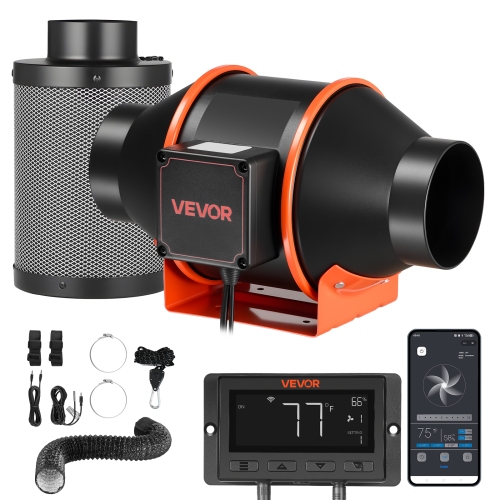
Vent fans help move stale, humid, or odour-filled air out of indoor spaces, making them useful in bathrooms, kitchens, laundry rooms, workshops, utility rooms, and other areas where air can feel heavy or uncomfortable. In a bathroom, a properly sized fan can help clear steam after a hot shower, reduce lingering moisture on mirrors and walls, and support a fresher-feeling room during the cooler months when windows are less likely to be opened. In a kitchen, ventilation can help remove cooking odours, heat, and airborne moisture while meals are being prepared. These fans are also useful in rooms that do not have strong natural airflow, including windowless powder rooms, basement washrooms, and compact laundry areas. When choosing a vent fan, start with the room’s size and the amount of air the fan is designed to move. Airflow is measured in cubic feet per minute, or CFM. A common planning guideline for bathrooms is about 1 CFM per square foot of floor space, with a 50 CFM minimum often recommended for smaller rooms. Larger bathrooms, rooms with high ceilings, or spaces used frequently may benefit from a higher-capacity fan. Kitchens and utility areas can require more airflow, especially when the fan is intended to handle cooking vapours or persistent humidity. The room layout also matters: a fan placed near a shower, bathtub, toilet, stove, or other source of moisture and odours can capture air more effectively, while a centrally placed model may be suitable for more general ventilation. Always compare the fan’s airflow rating with the requirements of the room and follow local building and electrical regulations during installation.
Noise level is another important consideration, particularly when a vent fan is installed beside a bedroom, home office, nursery, or frequently used bathroom. Fan noise is measured in sones; lower numbers indicate quieter operation. Models rated around 0.7 to 2 sones are generally considered quiet enough for many residential settings, while louder fans may be more noticeable when running. A quieter fan is often appreciated by light sleepers, families with young children, and anyone who prefers a calm bathroom or kitchen environment. Timers, humidity sensors, motion sensors, and multi-speed controls can add convenience by allowing the fan to run only when needed or continue operating after a person leaves the room. A timer can be especially useful after bathing, since switching the fan off immediately may leave moisture behind. A humidity-sensing model can automatically respond when moisture levels rise, which is helpful in busy households or shared bathrooms. Installation style should match the room and the path available for ducting. Ceiling-mounted fans are commonly used when ductwork can run through an attic or ceiling cavity, while wall-mounted models may be a practical choice when the fan can vent directly through an exterior wall. Check the required opening size, housing dimensions, duct diameter, electrical connection, and clearance requirements before purchasing. The fan should vent outdoors rather than into an attic, crawlspace, or other enclosed area, where discharged moisture can contribute to condensation and building concerns. A short, properly supported duct run with as few bends as possible generally supports better airflow. Exterior hoods, backdraft dampers, grilles, and compatible accessories may also be needed to complete the installation. Because wiring and exterior penetrations can involve safety and code requirements, many homeowners choose to have a qualified professional handle installation or confirm that an existing opening and connection are suitable.
Vent fans can be a practical addition for homeowners renovating a bathroom, finishing a basement, updating a kitchen, or improving airflow in a laundry area. They may also be a thoughtful housewarming gift for someone moving into an older home, especially when a bathroom tends to fog up quickly or odours linger long after cooking. For a rental property, guest suite, cottage, or workshop, the right fan can help make the space more comfortable for visitors and easier to maintain between uses. Before adding one to a gift list or renovation plan, consider who will use the room, how often the fan will run, and whether quiet operation or automatic controls would be most valuable. In a family bathroom, a timer or humidity sensor can simplify daily routines; in a compact powder room, a smaller fan may provide the required airflow without taking up unnecessary space; and in a busy kitchen, a higher-capacity ventilation solution may be better suited to frequent cooking. Keep in mind that a vent fan is designed to exhaust air, not circulate it throughout the room. For gentle airflow in living areas, bedrooms, offices, or covered outdoor spaces, browse Circulating Fans instead. Regular care can help a vent fan continue working as intended: remove dust from the grille, clean accessible surfaces according to the manufacturer’s instructions, check that the exterior flap opens freely, and listen for new rattling or grinding sounds. A fan that runs but seems weak may have a blocked grille, obstructed duct, closed exterior damper, or installation issue. Selecting the right CFM, choosing a comfortable noise level, confirming the mounting location, and planning the duct route carefully can make a noticeable difference to indoor comfort throughout changing seasons.
Noise level is another important consideration, particularly when a vent fan is installed beside a bedroom, home office, nursery, or frequently used bathroom. Fan noise is measured in sones; lower numbers indicate quieter operation. Models rated around 0.7 to 2 sones are generally considered quiet enough for many residential settings, while louder fans may be more noticeable when running. A quieter fan is often appreciated by light sleepers, families with young children, and anyone who prefers a calm bathroom or kitchen environment. Timers, humidity sensors, motion sensors, and multi-speed controls can add convenience by allowing the fan to run only when needed or continue operating after a person leaves the room. A timer can be especially useful after bathing, since switching the fan off immediately may leave moisture behind. A humidity-sensing model can automatically respond when moisture levels rise, which is helpful in busy households or shared bathrooms. Installation style should match the room and the path available for ducting. Ceiling-mounted fans are commonly used when ductwork can run through an attic or ceiling cavity, while wall-mounted models may be a practical choice when the fan can vent directly through an exterior wall. Check the required opening size, housing dimensions, duct diameter, electrical connection, and clearance requirements before purchasing. The fan should vent outdoors rather than into an attic, crawlspace, or other enclosed area, where discharged moisture can contribute to condensation and building concerns. A short, properly supported duct run with as few bends as possible generally supports better airflow. Exterior hoods, backdraft dampers, grilles, and compatible accessories may also be needed to complete the installation. Because wiring and exterior penetrations can involve safety and code requirements, many homeowners choose to have a qualified professional handle installation or confirm that an existing opening and connection are suitable.
Vent fans can be a practical addition for homeowners renovating a bathroom, finishing a basement, updating a kitchen, or improving airflow in a laundry area. They may also be a thoughtful housewarming gift for someone moving into an older home, especially when a bathroom tends to fog up quickly or odours linger long after cooking. For a rental property, guest suite, cottage, or workshop, the right fan can help make the space more comfortable for visitors and easier to maintain between uses. Before adding one to a gift list or renovation plan, consider who will use the room, how often the fan will run, and whether quiet operation or automatic controls would be most valuable. In a family bathroom, a timer or humidity sensor can simplify daily routines; in a compact powder room, a smaller fan may provide the required airflow without taking up unnecessary space; and in a busy kitchen, a higher-capacity ventilation solution may be better suited to frequent cooking. Keep in mind that a vent fan is designed to exhaust air, not circulate it throughout the room. For gentle airflow in living areas, bedrooms, offices, or covered outdoor spaces, browse Circulating Fans instead. Regular care can help a vent fan continue working as intended: remove dust from the grille, clean accessible surfaces according to the manufacturer’s instructions, check that the exterior flap opens freely, and listen for new rattling or grinding sounds. A fan that runs but seems weak may have a blocked grille, obstructed duct, closed exterior damper, or installation issue. Selecting the right CFM, choosing a comfortable noise level, confirming the mounting location, and planning the duct route carefully can make a noticeable difference to indoor comfort throughout changing seasons.
Top selling and popular products
-
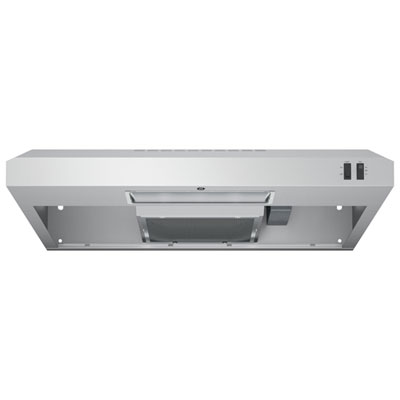 Your price for this item is $249.99
 -
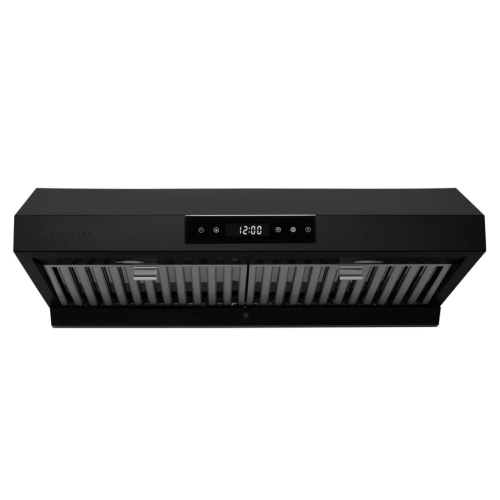 Your price for this item is $598.49
 -
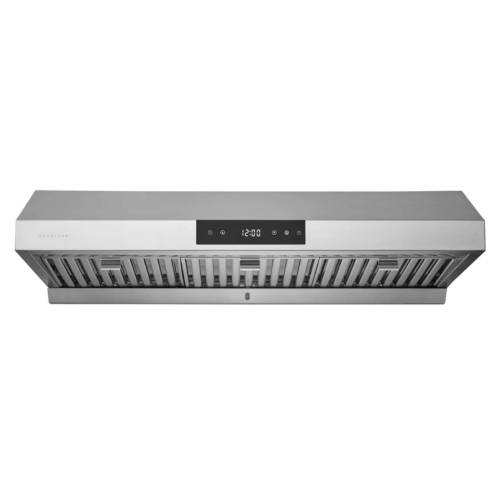 Your price for this item is $645.99
 -
 Your price for this item is $645.99
 -
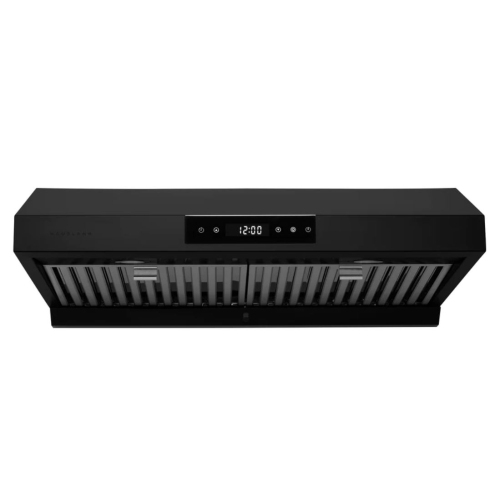 Your price for this item is $645.99
 -
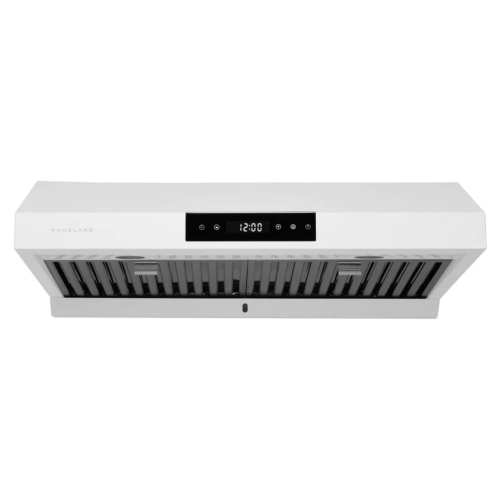 Your price for this item is $598.49
 -
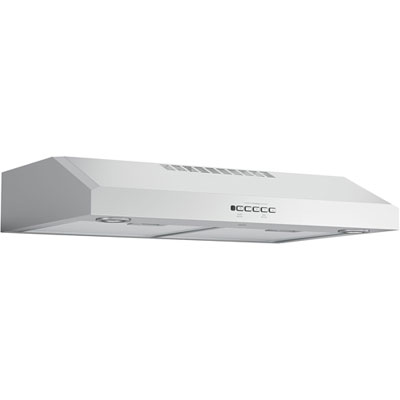 Your price for this item is $449.99
 -
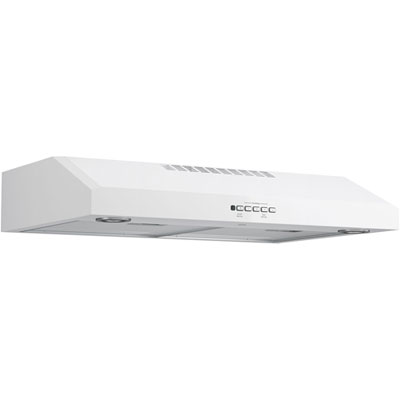 Your price for this item is $399.99
Discover more categories related to Vent Fans
Top Collections:
Pokemon Centers, Kindle Devices, Best Budget Office Chairs, Apple iPhones 16, Best Laptops for Writers, iPhone 15 Apple, Canon G7X Cameras, Refurbished Apple Laptops, Alarm Clock, Motorola Razr Phones
Some products may be subject to Environmental Handling Fees
(EHF) depending on your province.
Learn more about EHFs.