Extractor Fans
Extractor Fan options are essential for maintaining fresh and comfortable air in your home or workspace. Whether you’re upgrading your kitchen, bathroom, or any other area, choosing the right extractor fan can help improve ventilation and control unwanted odors. Explore a wide selection of extractor fans designed to suit various room sizes and styles, making it easy to find the perfect fit for your needs. Enhance air quality and create a more pleasant environment with a reliable extractor fan from our extensive collection.
Sort
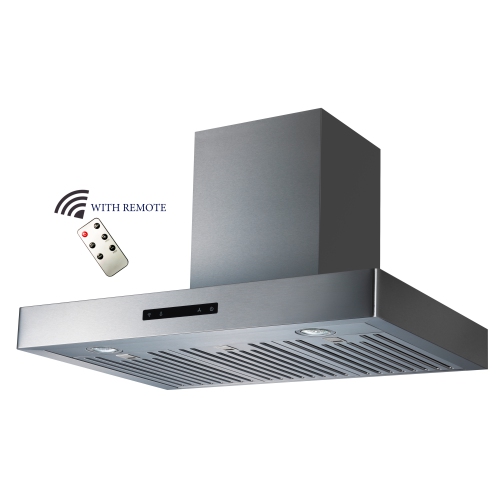
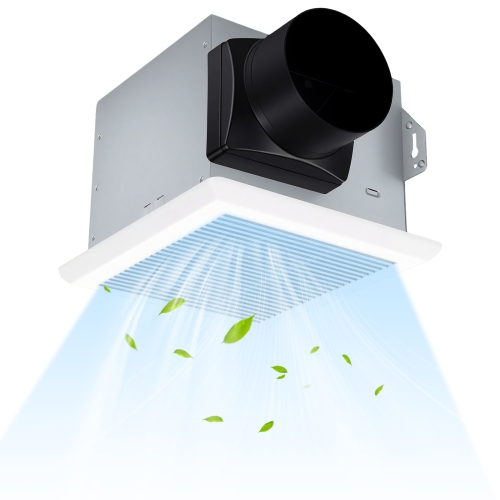

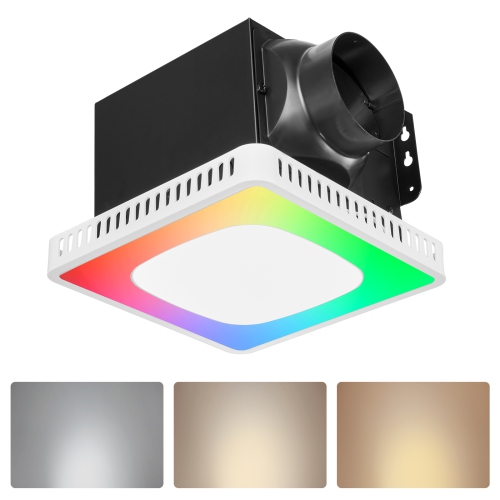
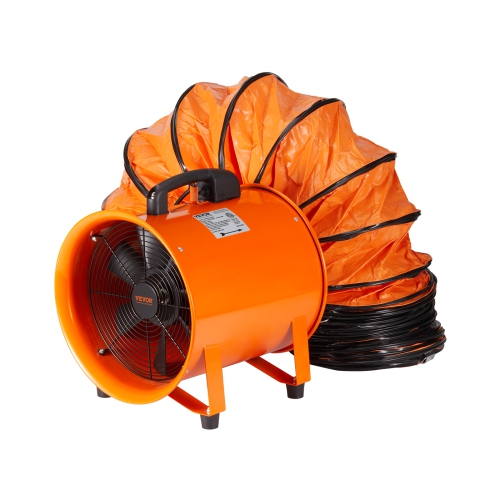
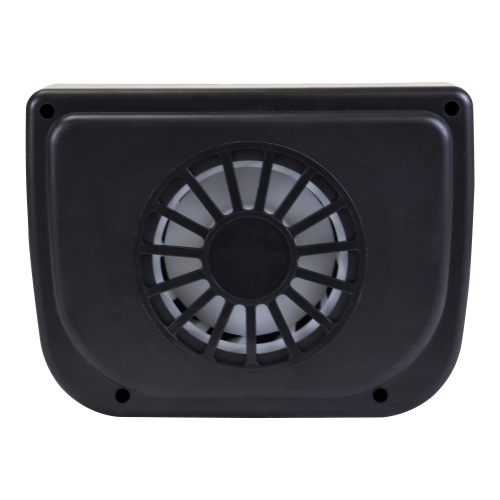
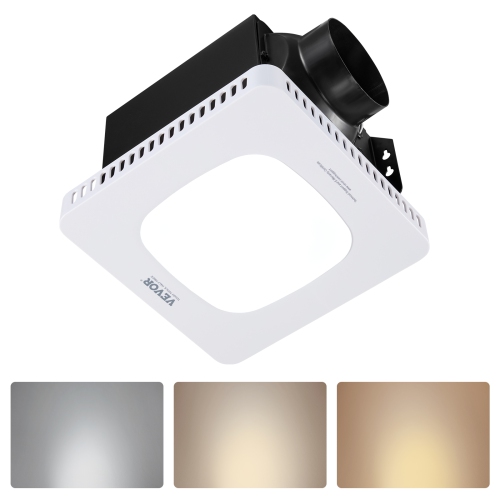
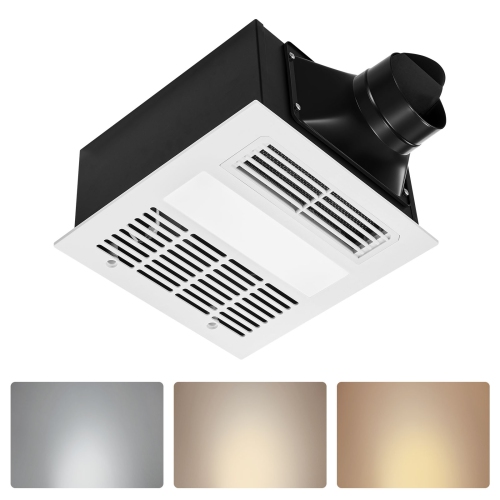
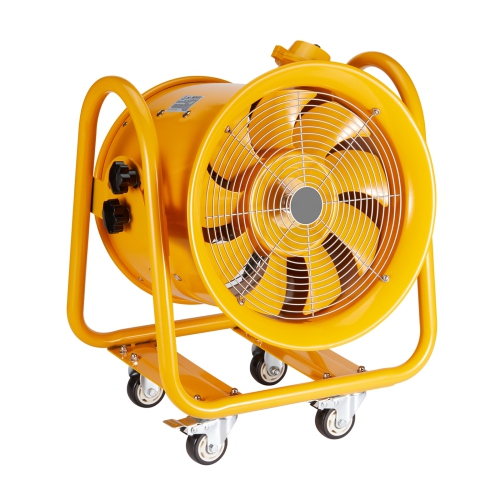
Why effective ventilation takes more than airflow ratings
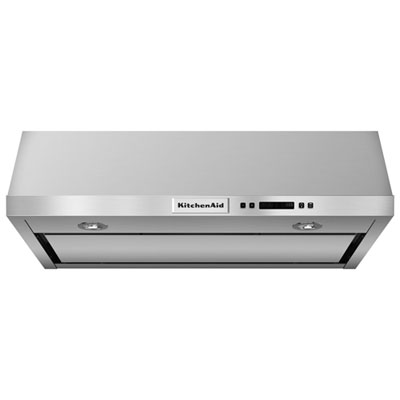
An extractor fan is a mechanical ventilation device that draws moisture, steam, heat, and odours out of an indoor space and discharges the air outdoors through a duct or a direct wall outlet. Unlike a circulating fan, which moves air around a room, an extractor fan removes air at its source so replacement air can enter the space. This makes extractor fans useful in bathrooms, laundry rooms, utility spaces, and kitchens, although each application calls for equipment designed for that purpose. In a bathroom, effective extraction helps clear the steam left by a shower and reduces lingering dampness on mirrors, walls, and ceilings. In a laundry area, it can help manage moisture and odours associated with everyday washing, but it does not replace a clothes dryer’s dedicated exhaust system. Cooking spaces have different demands because grease and cooking vapours need ventilation equipment suited to capturing them. The Exhaust Fan Kitchen Hoods collection focuses on ventilation above the cooking surface, where capture area, grease filtration, and placement matter alongside airflow. A general bathroom fan is not a substitute for a range hood. Across these uses, airflow is commonly expressed in cubic feet per minute, or CFM, which describes the volume of air a fan moves. A higher CFM rating is not automatically the better fit: room size, ceiling height, moisture production, duct resistance, and access to replacement air all affect performance. Sound ratings also deserve attention, particularly beside bedrooms or in frequently used bathrooms. Where a sone rating is provided, a lower number generally indicates quieter operation at the stated operating point. For a busy family bathroom, the most useful balance is often enough extraction to manage repeated showers without a noise level that discourages anyone from switching the fan on. Reliable ventilation depends as much on that everyday use as it does on the rating printed on the packaging.
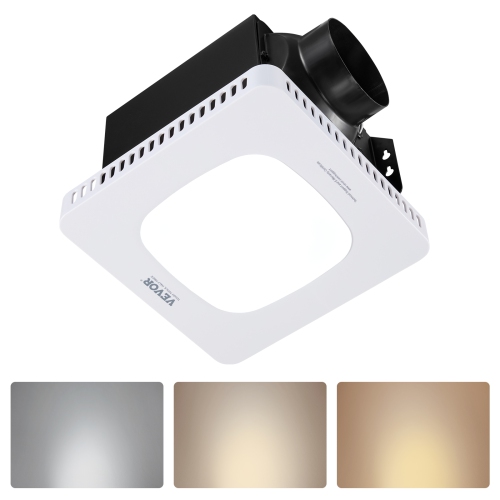
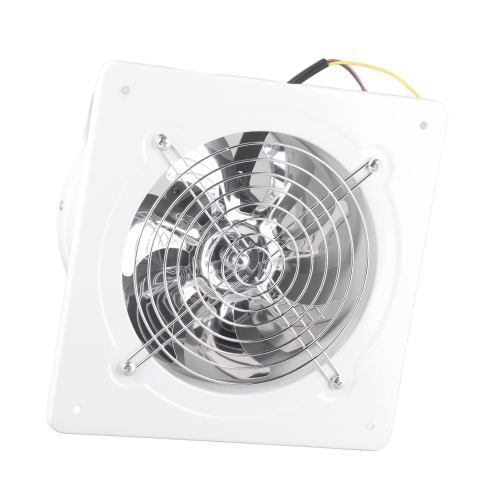
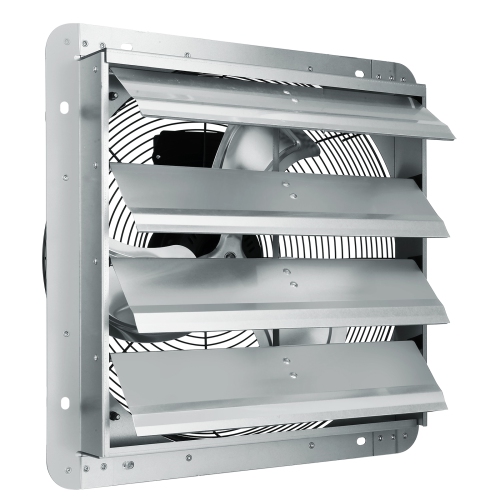
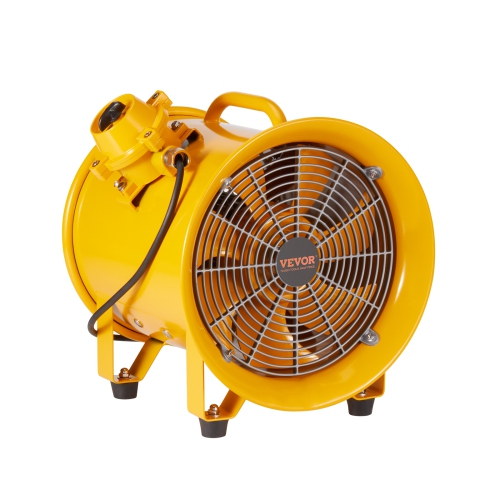
Fit involves more than the visible grille. Ceiling-mounted extractor fans usually have a housing above the ceiling, while wall-mounted designs need an appropriate opening and a suitable route outdoors. In-line fans sit within the duct run, allowing the motor assembly to be positioned away from the room’s extraction grille. These arrangements have different space and access requirements, especially when replacing an existing installation. The ceiling or wall opening, housing depth, duct connection diameter, mounting points, and access for wiring all influence whether a replacement will fit neatly. A grille that covers the old opening does not necessarily mean the housing behind it will fit. Ductwork matters just as much: a long route, several tight bends, or a restricted outlet can reduce delivered airflow and increase operating noise. A fan designed for a particular duct diameter should not be assumed to perform the same way when connected to a narrower passage. Exhaust air should terminate outdoors, rather than in an attic, ceiling cavity, or another enclosed space where moisture can collect. A properly fitted backdraft damper helps limit reverse airflow when the fan is off. Gravity-operated and spring-loaded designs work differently, and their effectiveness depends on correct orientation, free movement, and compatibility with the installation. A damper that sticks closed can obstruct extraction; one that does not close properly may allow unwanted air movement through the duct. Adequate replacement air is also important, since extraction becomes less effective when a room is too tightly closed off from the rest of the home. More powerful kitchen extraction can create additional requirements for make-up air and deserves particular care where fuel-burning appliances are present. Electrical connections, exterior terminations, shared building systems, and installation near a bath or shower all call for attention to the manufacturer’s requirements and applicable local codes. Qualified installation is especially valuable when the work involves new wiring, a new exterior opening, or changes to an existing ventilation route.
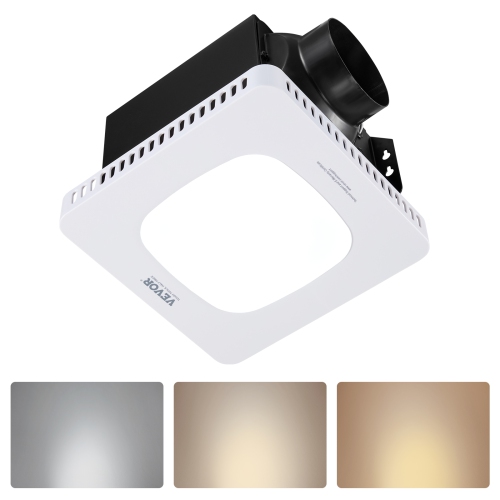
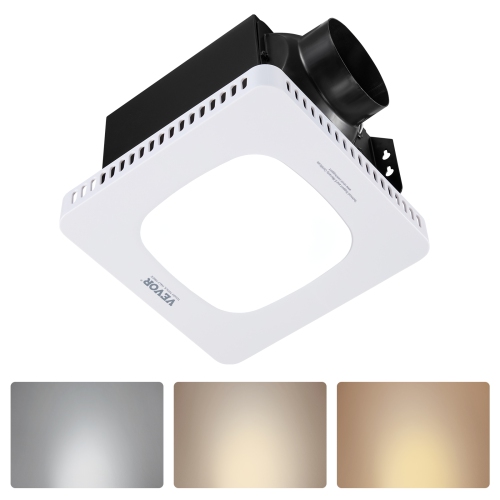
Materials, controls, and access for cleaning shape how an extractor fan holds up to daily use. Fan assemblies may combine metal housings with polymer grilles and impellers, while kitchen ventilation commonly uses metal surfaces and removable grease filters suited to cooking residue. In moisture-prone rooms, corrosion-resistant components and a finish appropriate to the location help preserve appearance and function. A securely mounted housing can reduce vibration, while a well-fitted grille gives the installation a tidy finish without restricting airflow. White grilles tend to blend into ceilings, while other finishes can coordinate with taps, lighting, and cabinet hardware. Controls range from a straightforward wall switch to timers, humidity sensors, and occupancy sensing, depending on the design. A timer can keep ventilation running after a shower without relying on someone to return and switch it off. Humidity sensing can respond to a rise in moisture, although sensor settings, placement, and the room’s conditions affect how it behaves. Integrated lighting can be useful where ceiling space is limited, provided the fixture is suitable for its intended location. For households with different routines, controls that are easy to understand are often more practical than features that rarely get used. Regular care is equally important: dust on a grille and impeller can restrict airflow, while grease buildup in kitchen extraction needs cleaning according to the manufacturer’s directions. Power should be isolated before any cleaning that requires access to the fan assembly, and electrical components should not be wetted. Removable grilles and accessible filters make routine upkeep less awkward, but not every component is washable. Changes such as new rattling, reduced extraction, or a damper that no longer moves freely can point to a maintenance or installation issue rather than a need for greater fan capacity. For renovations and straightforward replacements alike, an extractor fan earns its place through dependable airflow, manageable sound, appropriate construction, and controls that suit the people using the room.
Top selling and popular products
-
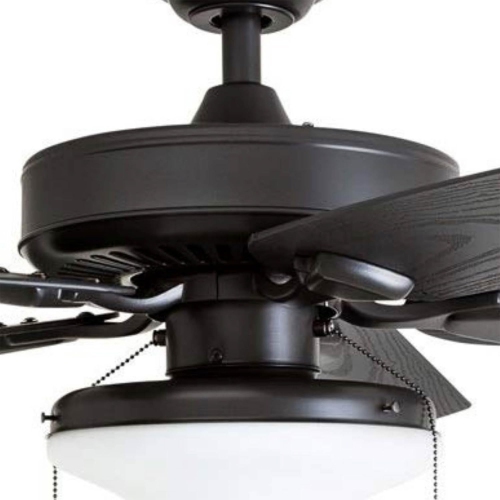 Your price for this item is $291.99
-
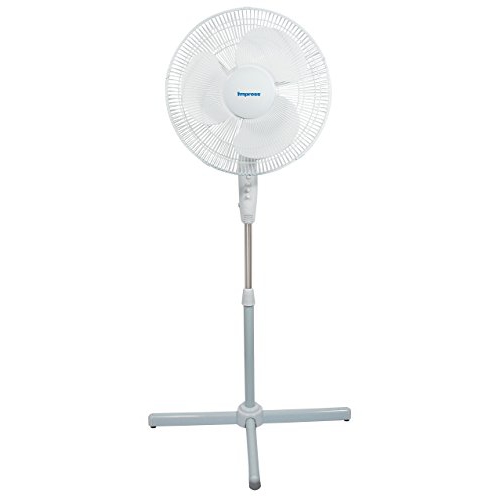 Your price for this item is $69.99
-
 Your price for this item is $69.99
-
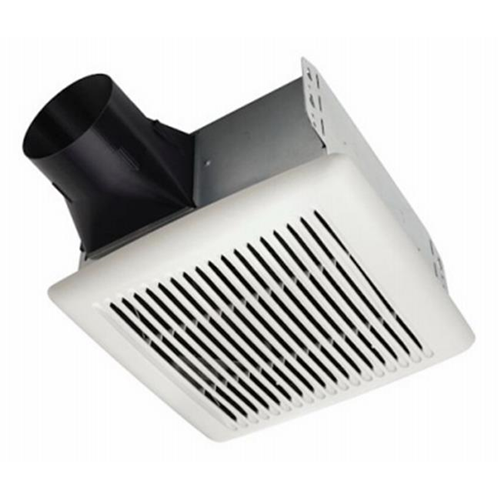 Your price for this item is $259.99
-
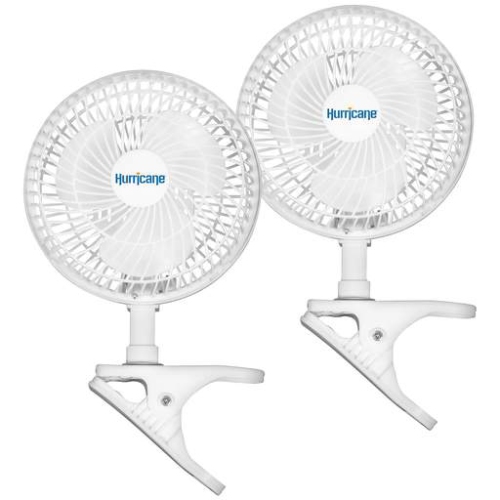 Your price for this item is $98.99
-
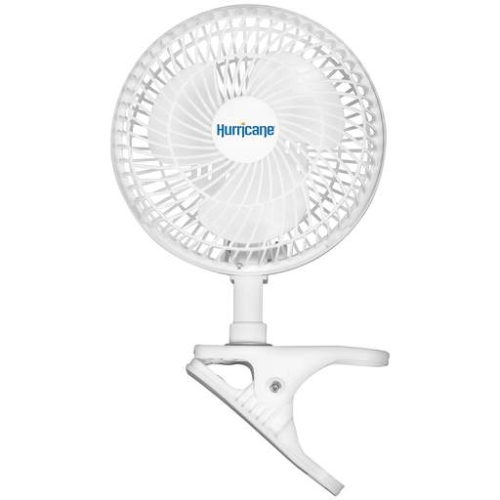 Your price for this item is $59.99
-
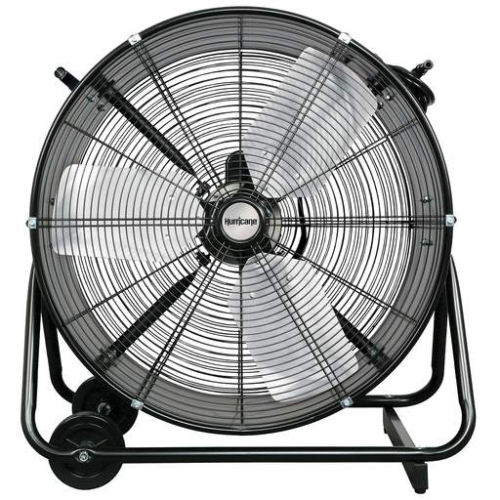 Your price for this item is $458.99
-
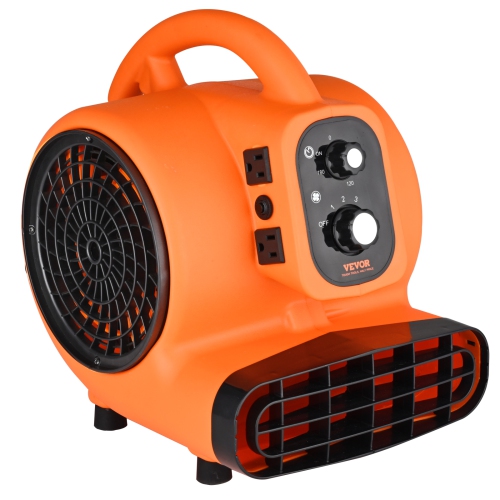 Your price for this item is $99.9
Discover more categories related to Extractor Fans
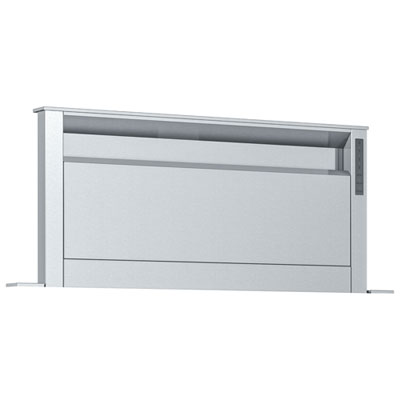
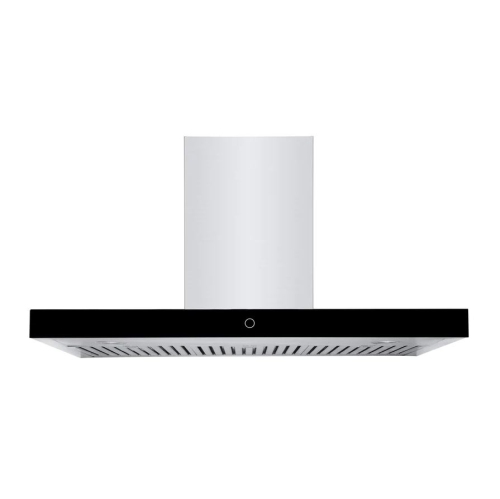
Top Collections:
Best Black Friday Deals This Year, Best Black Friday Deals On Electronics, Kindle Devices, Pokemon Centers, Best Black Friday Deals On Apple Products, Best Cameras for Sports Photography, Dyson Airwrap, Pokémon 30th Celebration Cards, Apple iPhone 17 Pro, Canon G7X Cameras
Some products may be subject to Environmental Handling Fees
(EHF) depending on your province.
Learn more about EHFs.