Vent Booster Fans
Enhance airflow and comfort in your home or office with a vent booster fan. Designed to help improve air circulation, these fans are a great addition to any HVAC system, making it easier to maintain an even temperature throughout your space. Whether you're looking to address hot or cold spots or simply want to optimize your heating and cooling setup, a vent booster fan offers a practical solution for improved indoor comfort. Explore options suited for various room sizes and installation types to find the right fit for your needs.
Sort
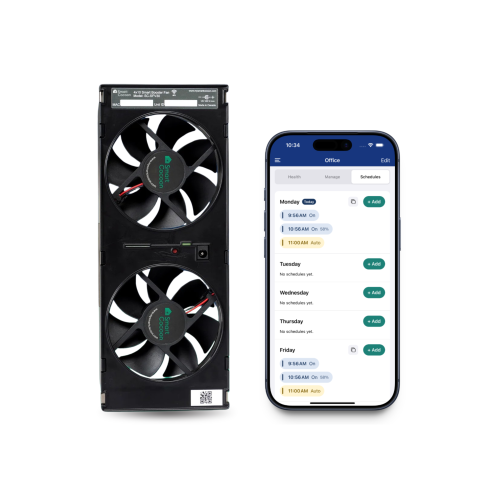
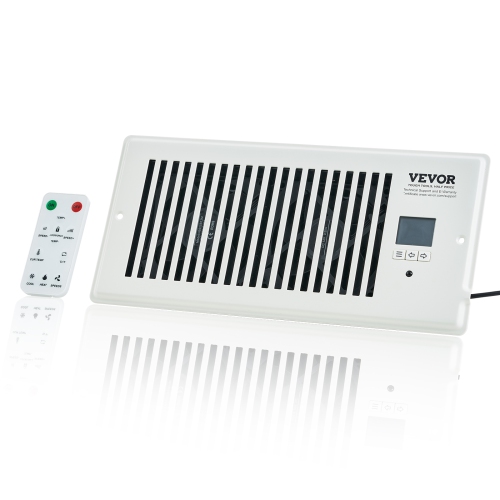
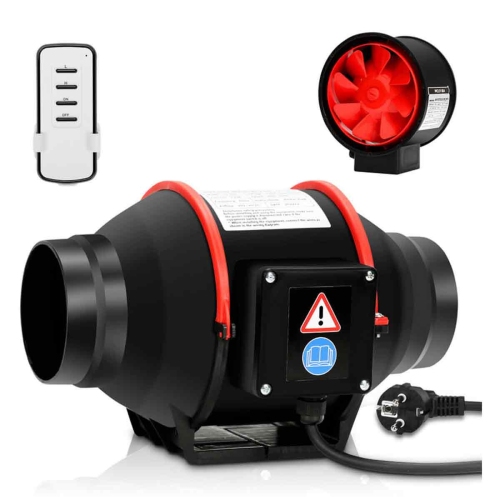
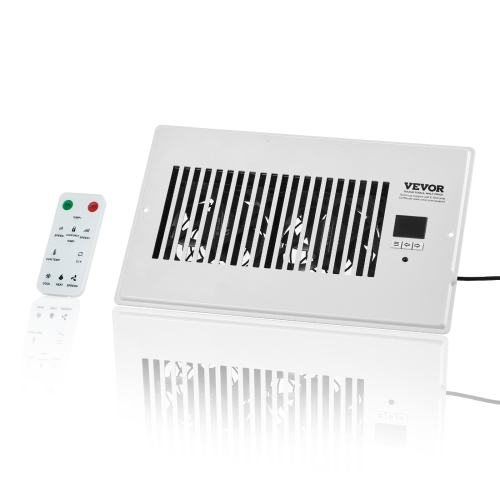
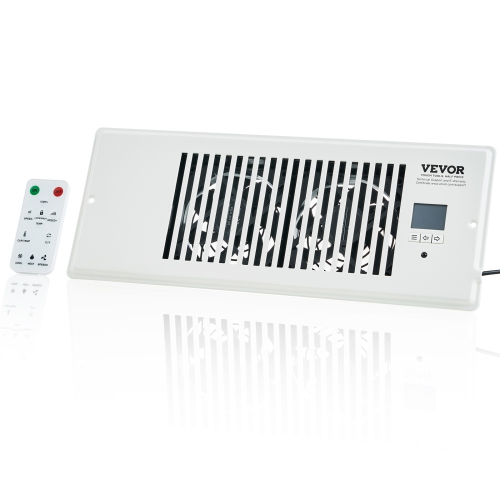
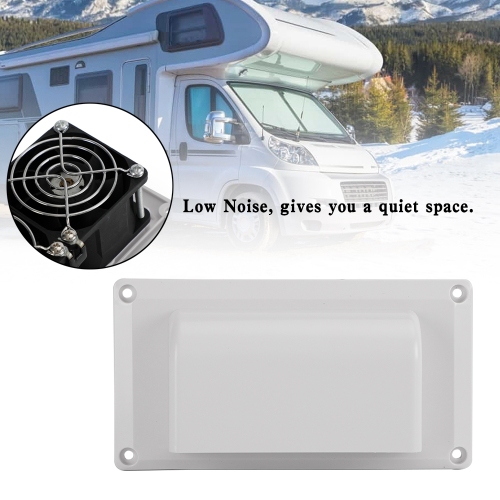
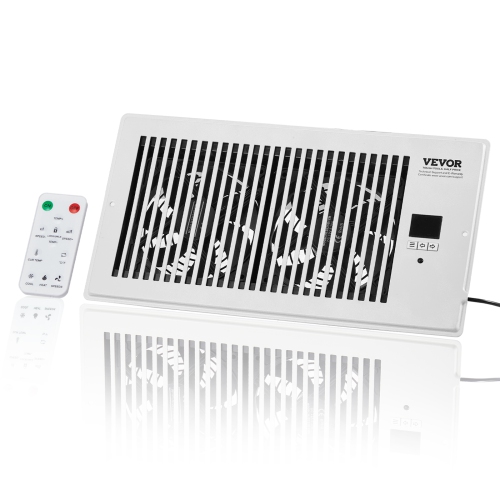
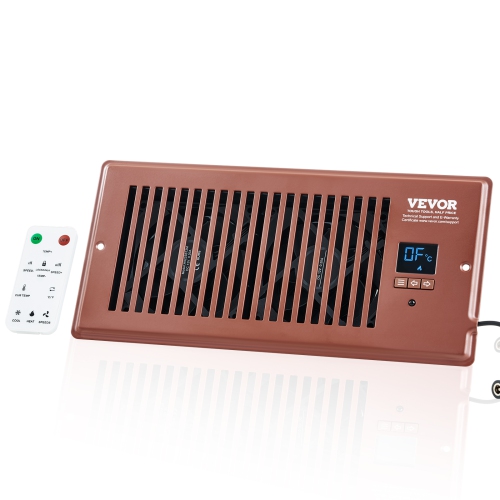

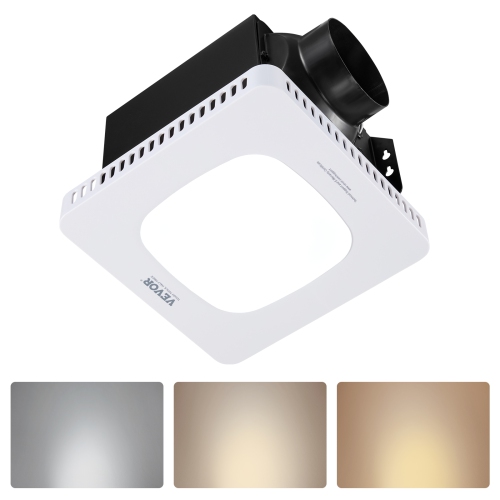
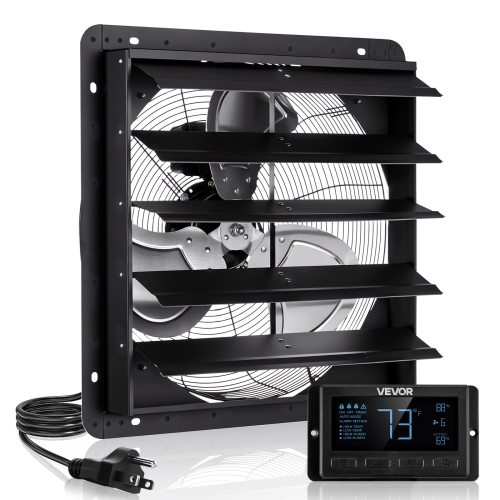
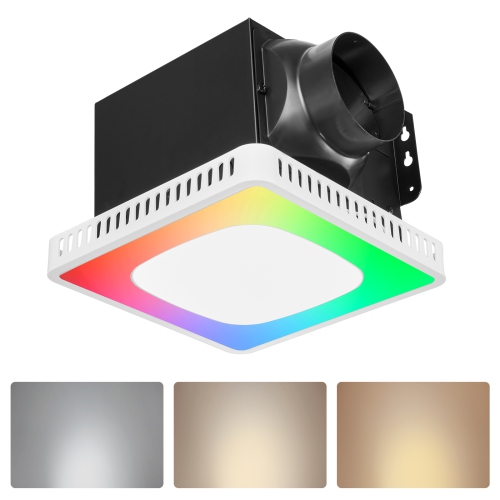
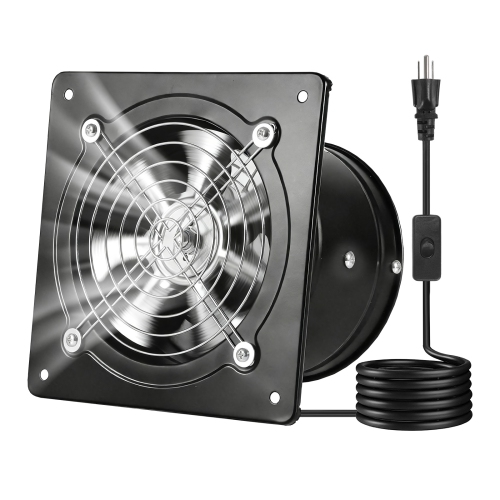
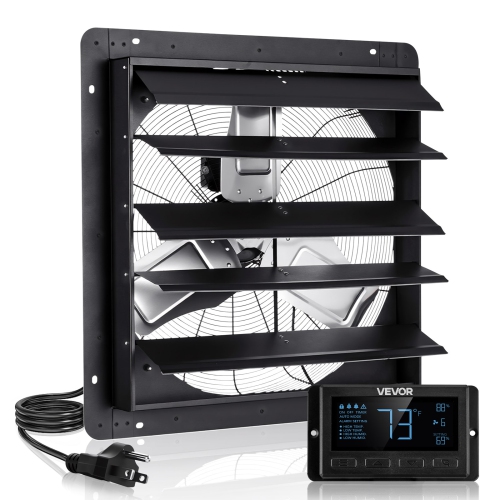
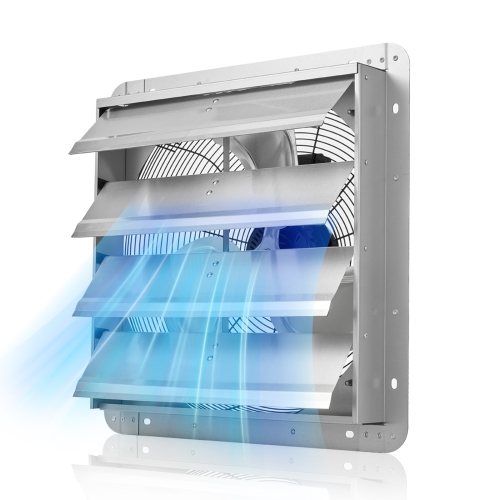
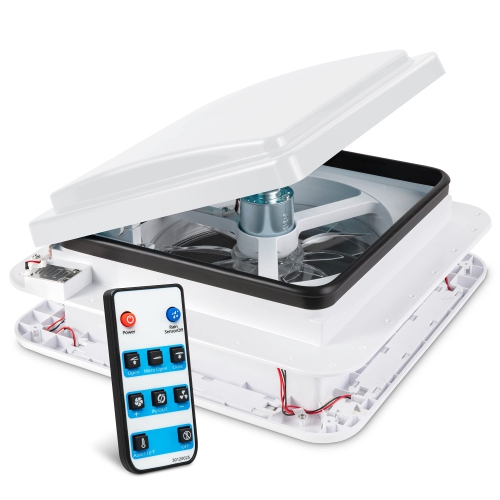
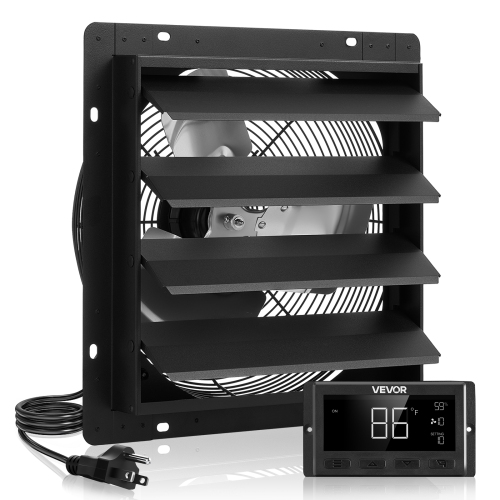
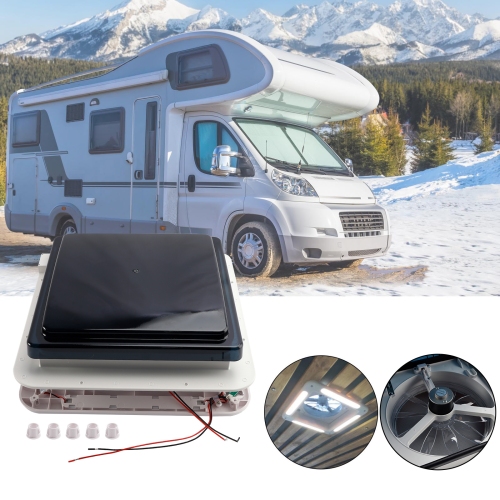
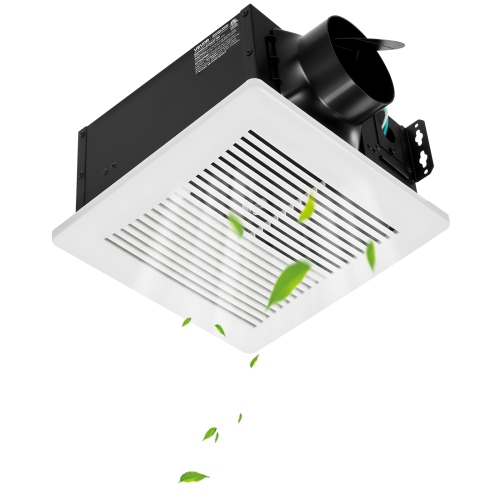
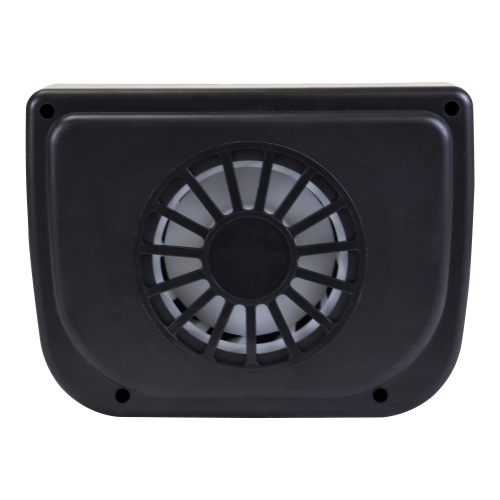
When weak register airflow needs a little help
Vent booster fans are powered accessories that help draw air from a forced-air supply duct into a room through an existing register. Often called register booster fans, they are intended to support airflow at an outlet that already receives heated or cooled air, rather than create heating or cooling on their own. They can be useful in a home office at the end of a duct run, a bedroom with noticeably weaker airflow than neighbouring rooms, or a finished living space where the supply register delivers only a gentle stream of air. The benefit depends on the duct layout, the amount of air reaching the register, and the fan’s fit and operating settings. Some rooms may feel more comfortable with the added circulation, while others may show only a modest difference. A booster fan does not increase the furnace or air conditioner’s rated output, and it cannot repair a disconnected duct, correct undersized ductwork, or overcome a closed damper. That distinction matters when comparing these accessories with broader heating and ventilation solutions. A room with a clear supply path and a slightly underperforming register presents a different situation from one with almost no airflow anywhere along the branch. Furniture placement also makes a difference: a register tucked beneath a sofa or behind a heavy curtain can struggle to distribute air even when the duct itself is working properly. Register booster fans are most relevant where there is an accessible supply outlet and an unobstructed path for air to enter the room. They are not intended to cover return-air grilles, replace bathroom exhaust fans, or serve as standalone room heaters. In shared buildings and rental homes, the register arrangement and any rules governing alterations to ventilation equipment also affect whether this type of accessory is appropriate.
Fit is one of the most important differences between vent booster fans. Many register-style designs replace an existing grille and sit partly inside the duct opening, while others mount over the outlet. The nominal register size generally relates to the opening rather than the outside dimensions of the visible grille, so the opening’s length, width, and available depth all matter. A frame that looks suitable from above may still interfere with an internal damper, a shallow duct boot, or nearby trim. Floor, wall, and ceiling installations are not automatically interchangeable; the approved mounting position and fastening method should match the intended location. For floor registers, grille strength and the manufacturer’s load limitations are especially relevant near furniture or foot traffic. Metal faces can offer a firm, durable surface, while moulded plastic housings can keep the assembly lightweight; either design still needs secure construction and a finish suited to regular cleaning. Colour and grille shape affect how naturally the fan blends with flooring, baseboards, or wall finishes, but a close visual match should not come at the expense of a proper fit. Power arrangements deserve similar attention. A nearby outlet, the supplied adaptor, and a cord route that stays clear of walkways help keep the installation practical without pinching a cable under furniture or running it beneath a rug. Controls may include adjustable fan speeds, manual operation, or temperature sensing that responds to heated or cooled air at the register. The available modes vary, and automatic operation needs to suit the heating or cooling system. Noise is another everyday consideration, particularly beside a bed, beneath a desk, or near a television. Higher airflow settings can bring more noticeable fan sound, while vibration against a loose register opening may be distracting even at a lower speed. Published sound ratings are useful context, although room acoustics and installation can affect what is heard.
Long-term usefulness comes down to keeping the airflow path clear and choosing a design that is manageable to maintain. Dust and pet hair can gather around the grille and fan blades, restricting airflow and contributing to noise over time. Accessible covers and clearly explained cleaning requirements make routine care easier, especially in homes with shedding pets or registers close to floor level. Cleaning should follow the manufacturer’s directions, with power disconnected before the assembly is handled; a washable grille does not mean the motor, controls, or power adaptor can be washed. A soft brush or vacuum attachment may be suitable for exposed dust where permitted, while moisture should stay away from electrical components. Secure mounting helps limit rattling, and a damaged cord, cracked housing, or persistent unusual sound warrants attention rather than continued operation. These fans generally belong in dry indoor living areas unless expressly rated for another setting. They also need open space above or in front of the grille, so baskets, bedding, curtains, and furniture should not obstruct the outlet. For anyone comparing different kinds of air-moving equipment, Blower Fans serve a different role: many are designed to direct a concentrated stream of air across an open space or surface rather than fit into a household supply register. A vent booster fan is the more specific accessory for assisting airflow at a compatible duct outlet, not a substitute for every ventilation task. It also works within the limits of the home’s air distribution system, including the path air takes back to the return. A room that becomes stuffy whenever its door closes may need attention to that return path rather than simply more supply airflow. Where several rooms have weak delivery, or airflow has suddenly changed, checking the underlying system is more useful than treating every register separately. For a suitable outlet with a modest airflow shortfall, a well-fitting booster fan can be a practical way to support everyday room comfort without promising a complete solution to a larger duct or equipment problem.
Top selling and popular products
-
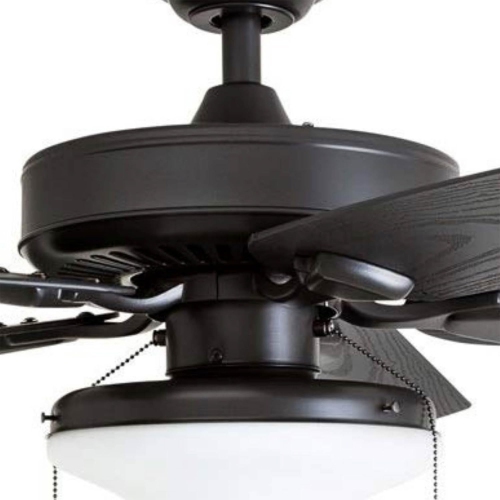 Your price for this item is $291.99
-
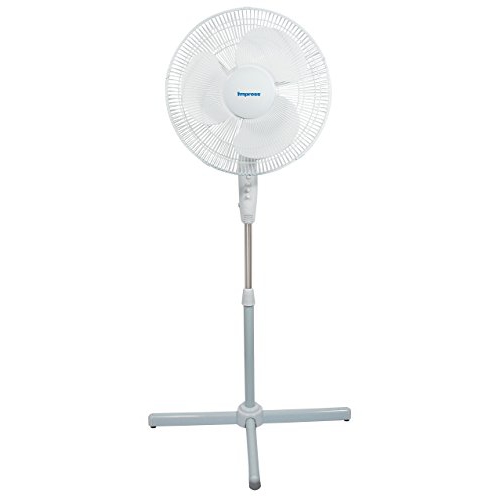 Your price for this item is $69.99
-
 Your price for this item is $69.99
-
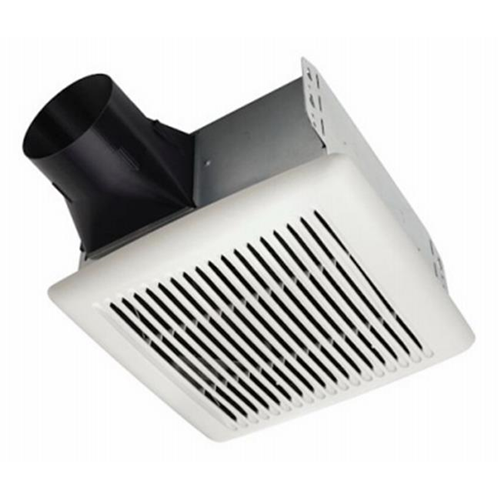 Your price for this item is $259.99
-
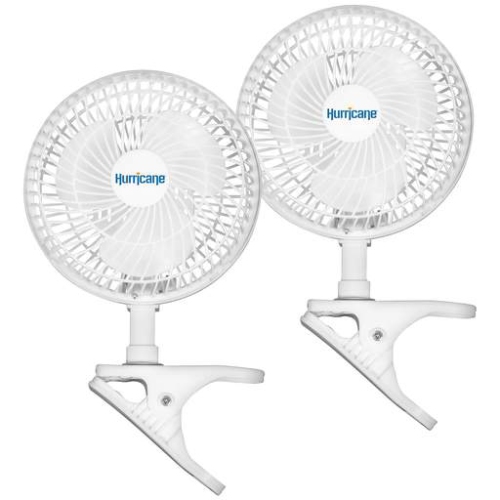 Your price for this item is $98.99
-
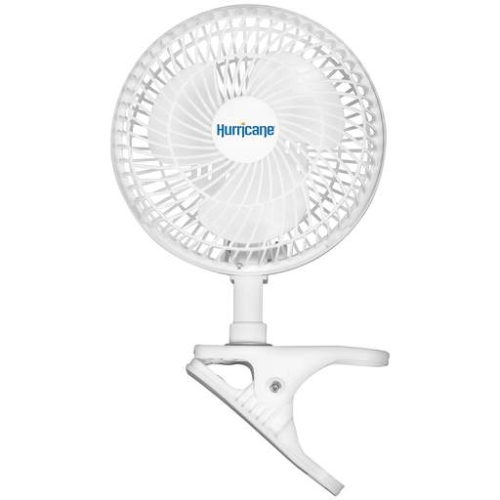 Your price for this item is $59.99
-
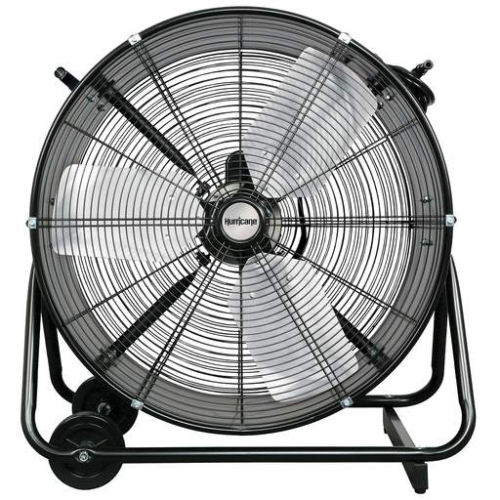 Your price for this item is $458.99
-
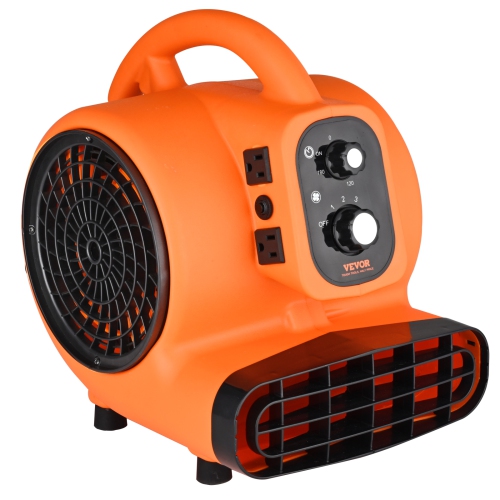 Your price for this item is $99.9
Discover more categories related to Vent Booster Fans
Top Collections:
Best Black Friday Deals This Year, Best Black Friday Deals On Electronics, Kindle Devices, Pokemon Centers, Best Black Friday Deals On Apple Products, Best Cameras for Sports Photography, Dyson Airwrap, Pokémon 30th Celebration Cards, Apple iPhone 17 Pro, Canon G7X Cameras
Some products may be subject to Environmental Handling Fees
(EHF) depending on your province.
Learn more about EHFs.