Ventless Washer Dryers
Discover the ultimate convenience in laundry care with ventless washer dryers, a game-changer for modern living spaces. Perfect for apartments, condos, or homes where traditional venting isn't an option, these innovative appliances combine washing and drying into one compact unit. With their sleek design and efficient performance, ventless washer dryers offer a seamless solution to tackle your laundry needs without compromising on space. Whether you're looking to save time or streamline your household chores, explore the benefits of these versatile machines that effortlessly fit into any lifestyle.
Sort
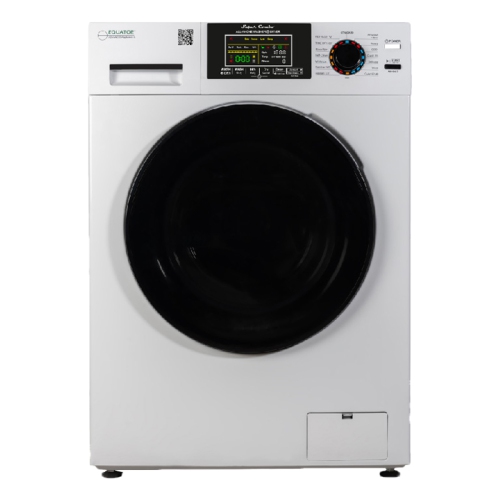
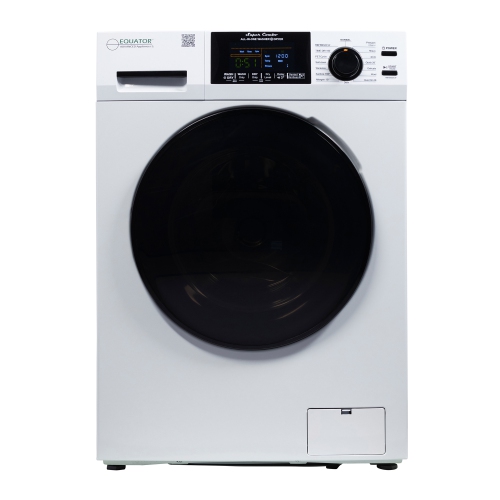
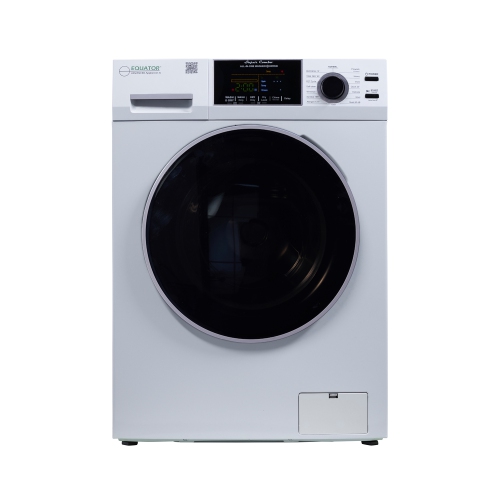
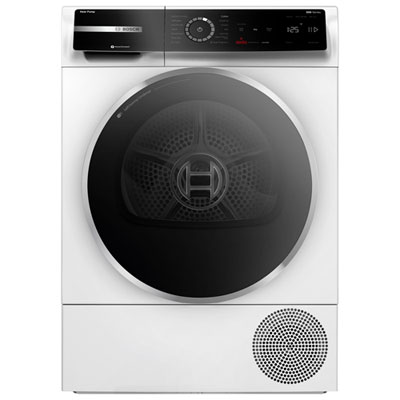
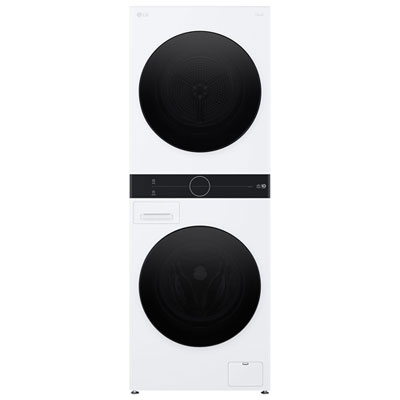
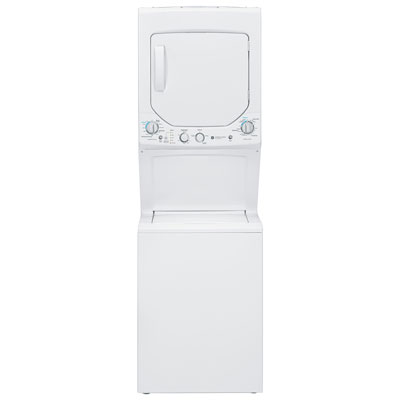
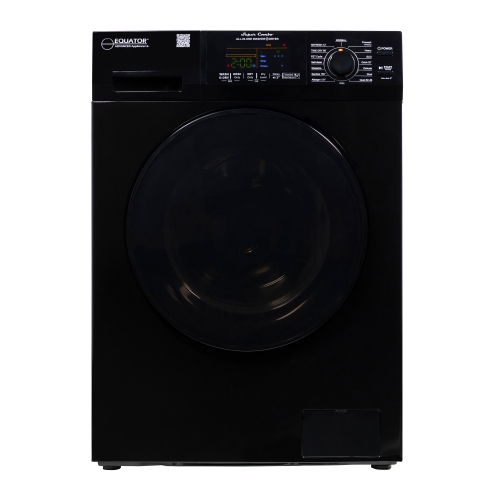
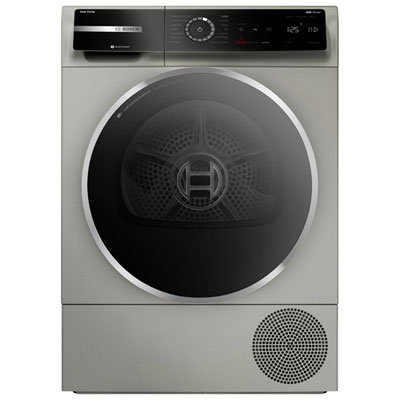
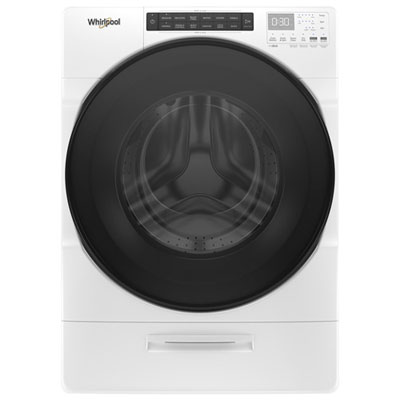
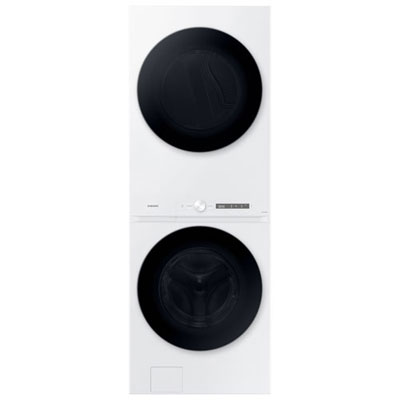
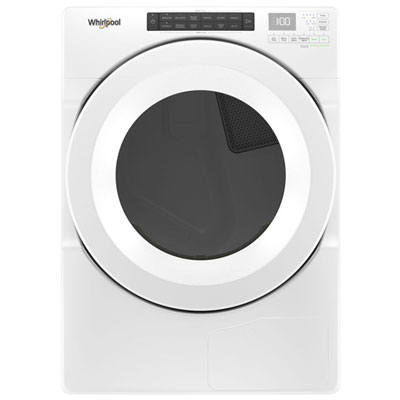
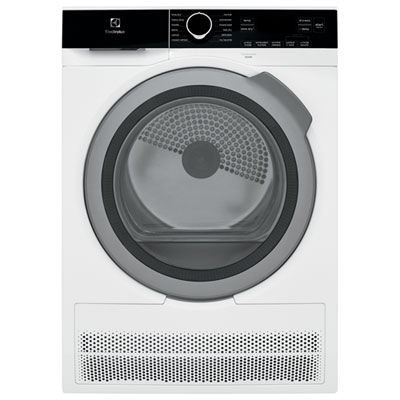
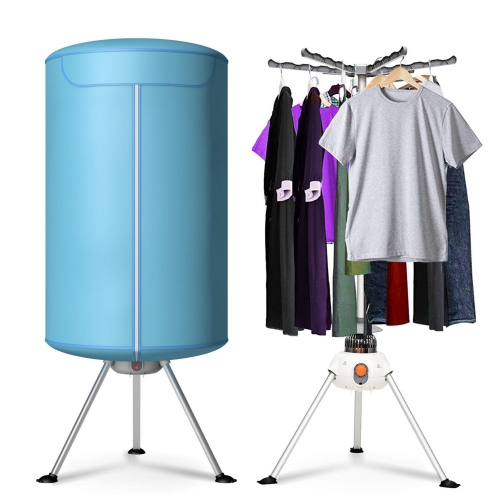
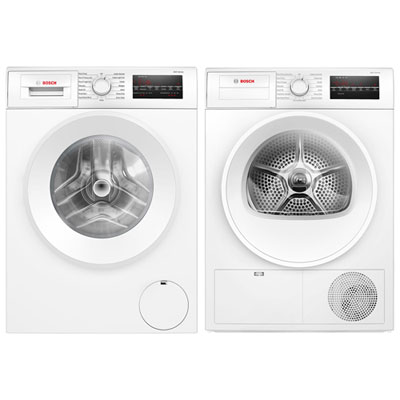
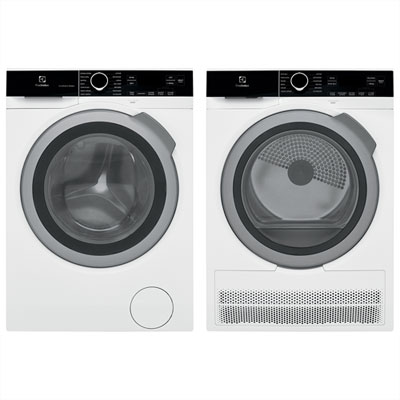
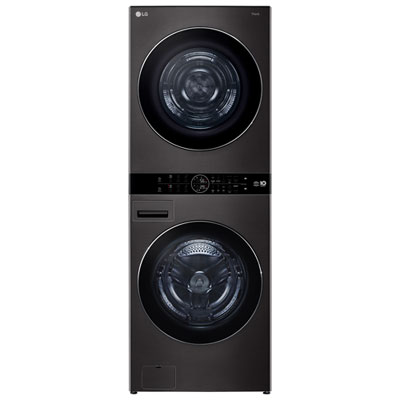
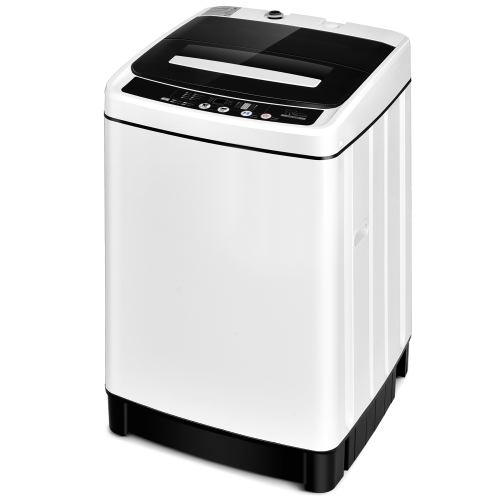
Washing and drying where exterior venting isn’t an option
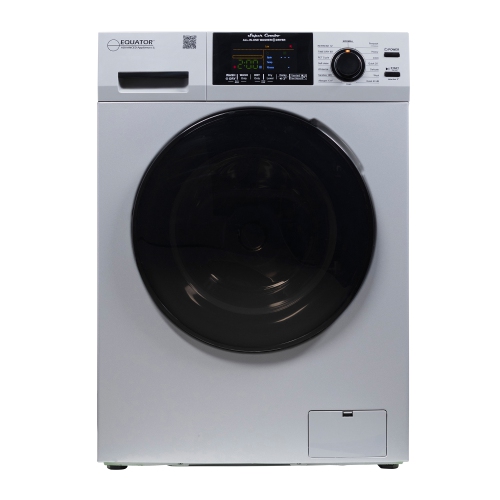
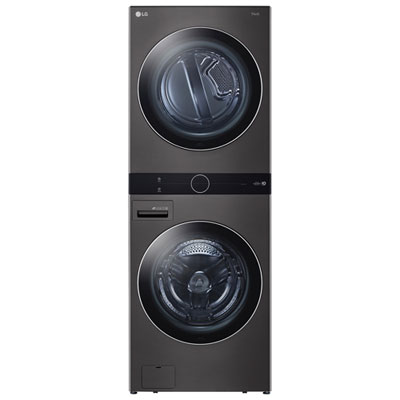
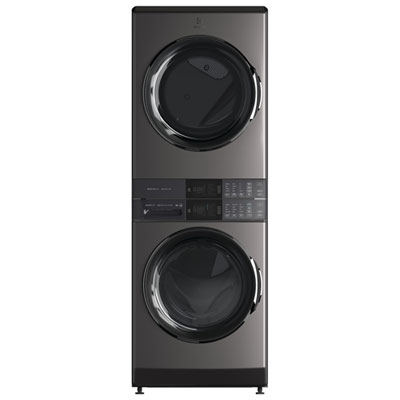
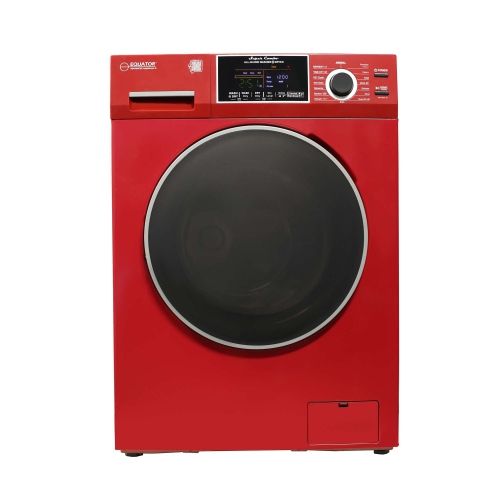
Ventless washer dryers bring washing and drying into spaces where an exterior dryer exhaust is difficult or impossible to install. An all-in-one ventless washer-dryer combo cleans and dries clothing in the same drum, removing the need to transfer wet laundry between appliances. Rather than pushing moist air outdoors through a duct, the drying system removes moisture from the air inside the machine and directs the collected water to a drain. Heat pump designs circulate air through a heat exchanger system, while other condenser designs use a different heating and cooling process to turn moisture into water. Both approaches eliminate the need for an exterior exhaust vent, but their electrical requirements, water use, maintenance routines, and drying performance can differ. Some all-in-one units operate on a standard 120-volt outlet, while others require a 240-volt connection; the installation specifications determine the correct outlet and circuit. A water supply and suitable drain are still necessary, so ventless does not mean that a machine can be placed anywhere without preparation. This format can suit condos, apartments, smaller houses, and laundry areas located away from an outside wall, provided the installation meets building requirements. It also appeals to households that prefer putting a load in once and returning after both stages are complete. A ventless laundry setup can alternatively consist of a separate washer and ventless dryer, arranged side by side or stacked when approved for that configuration. Unlike a single-drum combo, separate appliances allow one load to wash while another dries, which can make a noticeable difference when laundry piles up. For households keeping an existing washer or considering a separate drying appliance, Ventless Dryers for Apartments offers a related category to explore. The distinction matters: an all-in-one machine reduces the number of appliances, while a separate ventless dryer changes how moisture is removed without combining the washing and drying stages.
A good fit involves more than the width of the machine. The delivery route, doorway openings, depth behind the appliance, hose connections, and space needed to swing the door all affect whether a ventless washer dryer will work comfortably in a home. A laundry cupboard that appears wide enough may still need additional clearance for service access or airflow around the cabinet. Ventless appliances do not need an outdoor exhaust duct, but they still require the clearances and room conditions specified by the manufacturer. Under-counter placement, enclosed cupboards, and stacked installations should only be considered where the appliance is designed for that arrangement. A firm, level floor and correctly adjusted feet help limit movement during high-speed spinning, particularly in a compact laundry area beside a bedroom or living room. Drum capacity deserves equally close attention. The stated washing capacity may be greater than the recommended drying capacity, so a drum filled for washing might need to be divided before drying. Towels, duvet covers, and denim need room to tumble; packing them tightly can lead to longer cycles, tangled fabric, and uneven results. For someone washing a few work shirts and everyday clothing at a time, a single-drum machine may fit the routine well. A larger household handling bedding, sports uniforms, and several loads in succession may place greater value on separate machines or a larger approved wash-and-dry load. Durable drum materials, such as stainless steel, offer a smooth surface for repeated contact with clothing, although garment care still depends on choosing the correct cycle and following fabric labels. Accessible controls, a readable display, a comfortable door opening, and a detergent drawer that is easy to reach can matter as much as capacity in daily use. Features such as an optional pedestal or reversible door are not universal, so their suitability depends on the appliance and installation. Thinking through the ordinary movements of laundry day—from opening the door with a basket nearby to reaching the filter—helps distinguish a workable fit from a cramped one.
Daily performance depends on the drying technology, load size, fabric mix, and selected settings. A combined wash-and-dry programme can take several hours, and drying may take longer than with a conventional vented dryer. With a single-drum combo, another load cannot begin washing until the current load has finished drying or been removed. That trade-off often suits people who prefer starting a manageable load before settling into other tasks rather than moving several baskets through the laundry room in quick succession. Heat pump drying generally uses lower drying temperatures than conventional vented drying, which can help reduce heat exposure for suitable fabrics, but it does not make every garment safe to tumble dry. Wool, silk, embellished clothing, and items labelled for flat drying still need the treatment stated on their care labels. Moisture-sensing programmes can adjust drying time as a load approaches the selected dryness level, while timed settings provide a different degree of control. Results are usually more consistent when lightweight shirts are separated from dense towels and heavy sweatshirts. A suitable high-speed spin can also remove more water before drying begins, although delicate fabrics may require a gentler setting. Using the specified type and amount of detergent helps prevent excess suds and residue, especially with small loads. Care requirements vary considerably between designs: some have accessible lint filters, some include additional filtration for the drying system, and others specify different cleaning procedures. Following the appliance manual for filter, drain pump, and heat exchanger care helps maintain airflow and drainage where those components are accessible. Door seals and detergent compartments also benefit from regular cleaning, and drum-cleaning cycles should be run as directed. Loose coins, hair grips, and other objects should be removed from pockets before washing to help protect the drum and drainage system. Keeping required service access clear makes these routines easier to maintain. For a household without a practical exhaust route, ventless washer dryers offer a way to build laundry care around the space, connections, and load sizes the home can realistically accommodate.
A good fit involves more than the width of the machine. The delivery route, doorway openings, depth behind the appliance, hose connections, and space needed to swing the door all affect whether a ventless washer dryer will work comfortably in a home. A laundry cupboard that appears wide enough may still need additional clearance for service access or airflow around the cabinet. Ventless appliances do not need an outdoor exhaust duct, but they still require the clearances and room conditions specified by the manufacturer. Under-counter placement, enclosed cupboards, and stacked installations should only be considered where the appliance is designed for that arrangement. A firm, level floor and correctly adjusted feet help limit movement during high-speed spinning, particularly in a compact laundry area beside a bedroom or living room. Drum capacity deserves equally close attention. The stated washing capacity may be greater than the recommended drying capacity, so a drum filled for washing might need to be divided before drying. Towels, duvet covers, and denim need room to tumble; packing them tightly can lead to longer cycles, tangled fabric, and uneven results. For someone washing a few work shirts and everyday clothing at a time, a single-drum machine may fit the routine well. A larger household handling bedding, sports uniforms, and several loads in succession may place greater value on separate machines or a larger approved wash-and-dry load. Durable drum materials, such as stainless steel, offer a smooth surface for repeated contact with clothing, although garment care still depends on choosing the correct cycle and following fabric labels. Accessible controls, a readable display, a comfortable door opening, and a detergent drawer that is easy to reach can matter as much as capacity in daily use. Features such as an optional pedestal or reversible door are not universal, so their suitability depends on the appliance and installation. Thinking through the ordinary movements of laundry day—from opening the door with a basket nearby to reaching the filter—helps distinguish a workable fit from a cramped one.
Daily performance depends on the drying technology, load size, fabric mix, and selected settings. A combined wash-and-dry programme can take several hours, and drying may take longer than with a conventional vented dryer. With a single-drum combo, another load cannot begin washing until the current load has finished drying or been removed. That trade-off often suits people who prefer starting a manageable load before settling into other tasks rather than moving several baskets through the laundry room in quick succession. Heat pump drying generally uses lower drying temperatures than conventional vented drying, which can help reduce heat exposure for suitable fabrics, but it does not make every garment safe to tumble dry. Wool, silk, embellished clothing, and items labelled for flat drying still need the treatment stated on their care labels. Moisture-sensing programmes can adjust drying time as a load approaches the selected dryness level, while timed settings provide a different degree of control. Results are usually more consistent when lightweight shirts are separated from dense towels and heavy sweatshirts. A suitable high-speed spin can also remove more water before drying begins, although delicate fabrics may require a gentler setting. Using the specified type and amount of detergent helps prevent excess suds and residue, especially with small loads. Care requirements vary considerably between designs: some have accessible lint filters, some include additional filtration for the drying system, and others specify different cleaning procedures. Following the appliance manual for filter, drain pump, and heat exchanger care helps maintain airflow and drainage where those components are accessible. Door seals and detergent compartments also benefit from regular cleaning, and drum-cleaning cycles should be run as directed. Loose coins, hair grips, and other objects should be removed from pockets before washing to help protect the drum and drainage system. Keeping required service access clear makes these routines easier to maintain. For a household without a practical exhaust route, ventless washer dryers offer a way to build laundry care around the space, connections, and load sizes the home can realistically accommodate.
Top selling and popular products
-
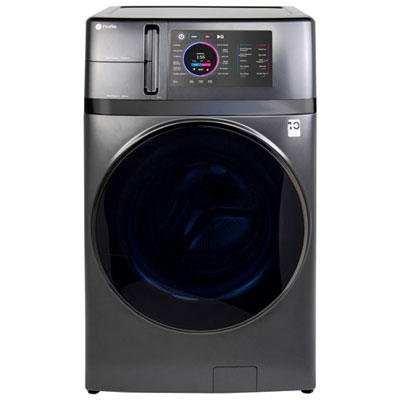 Your price for this item is $2599.99
 -
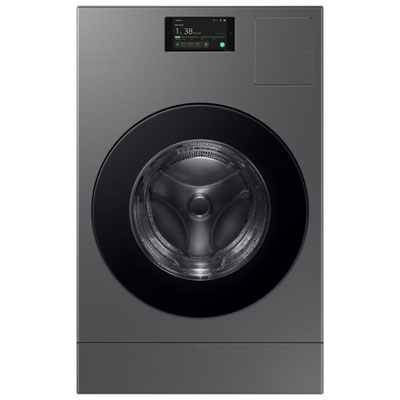 Your price for this item is $2695.99
 -
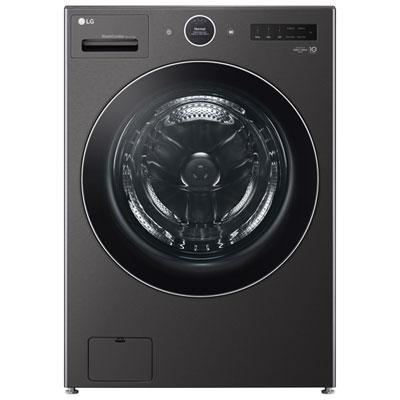 Your price for this item is $2499.99
 -
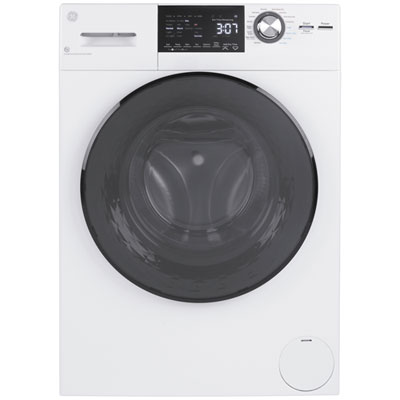 Your price for this item is $1199.99
 -
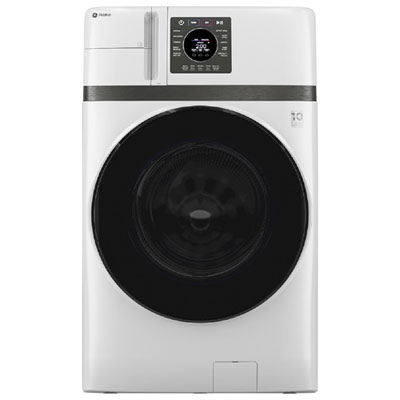 Your price for this item is $2299.99
 -
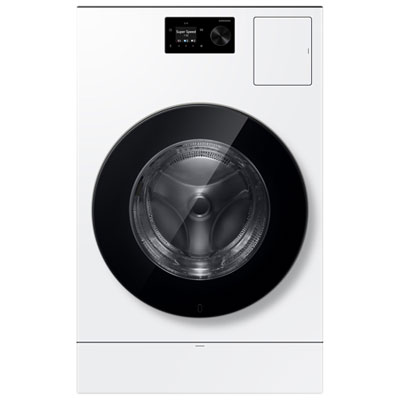 Your price for this item is $2999.99
 -
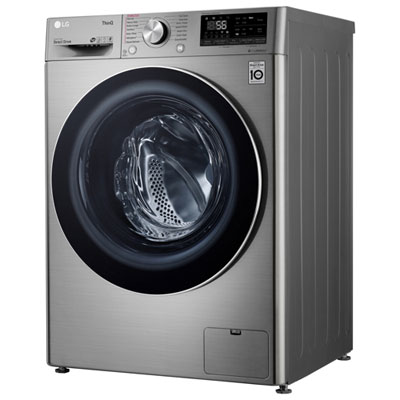 Your price for this item is $2799.99
 -
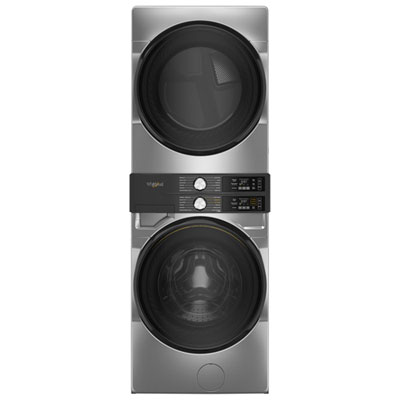 Your price for this item is $2499.99
Discover more categories related to Ventless Washer Dryers
Top Collections:
Pokemon Centers, Kindle Devices, Best Budget Office Chairs, Apple iPhones 16, Best Laptops for Writers, iPhone 15 Apple, Canon G7X Cameras, Refurbished Apple Laptops, Alarm Clock, Motorola Razr Phones
Some products may be subject to Environmental Handling Fees
(EHF) depending on your province.
Learn more about EHFs.