Ventless Dryers for Apartments
Ventless Dryers for Apartments offer a convenient laundry solution for spaces where traditional vented dryers might not be suitable. Designed with compact living in mind, these dryers are ideal for apartments, condos, and other areas with limited space. With easy installation and flexible placement options, Ventless Dryers for Apartments help simplify laundry routines without the need for external venting. Explore a range of models to find the perfect fit for your home and enjoy efficient drying in even the coziest of spaces.
Sort
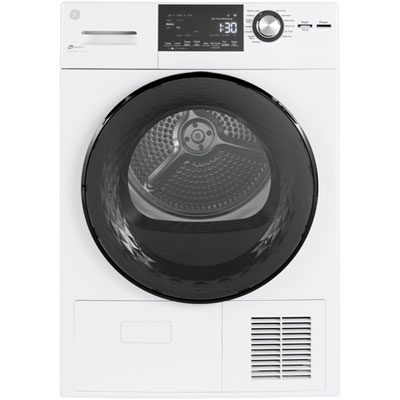
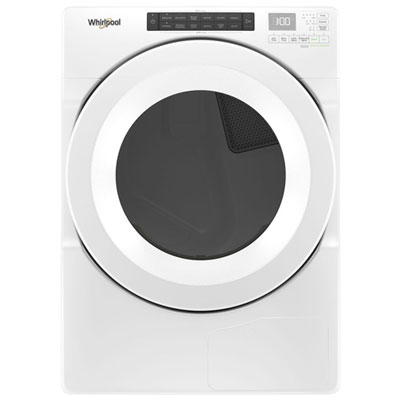
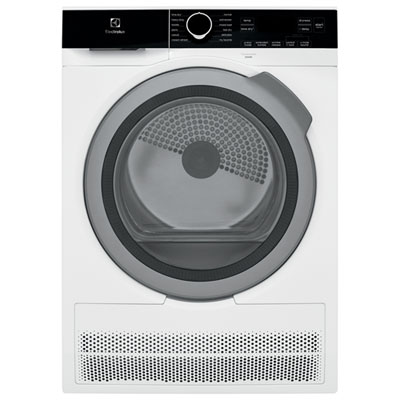
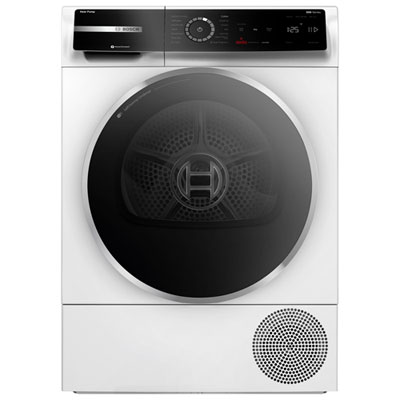
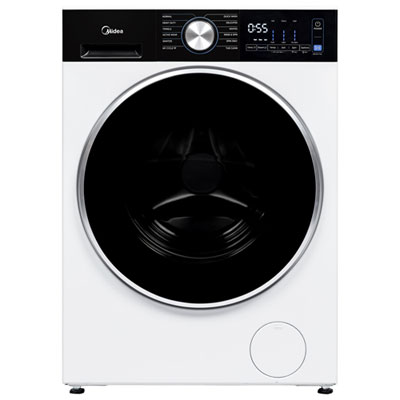
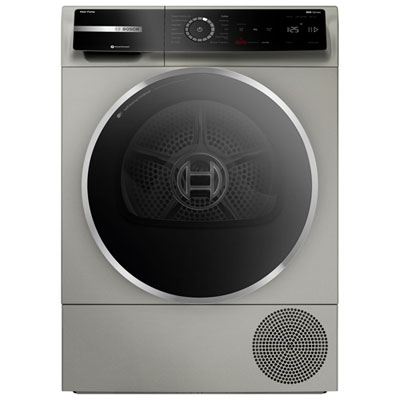
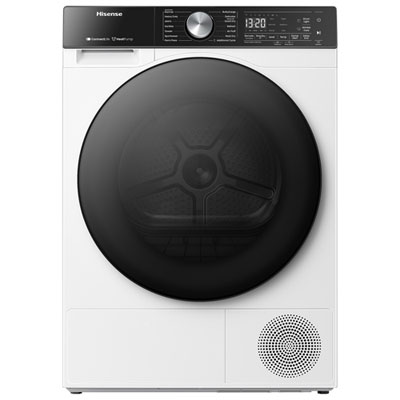
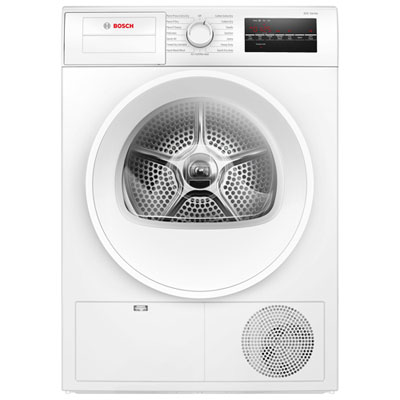
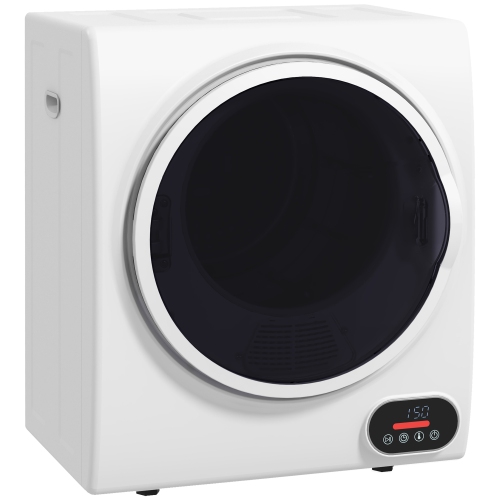
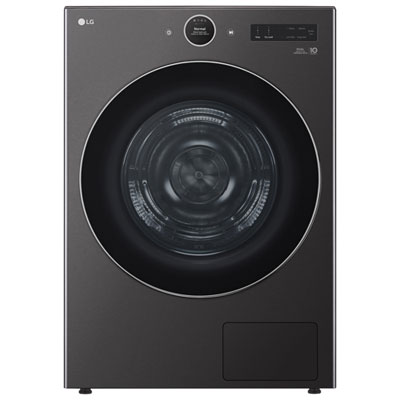
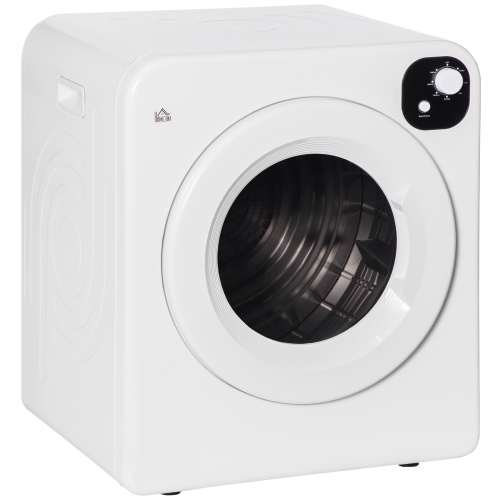
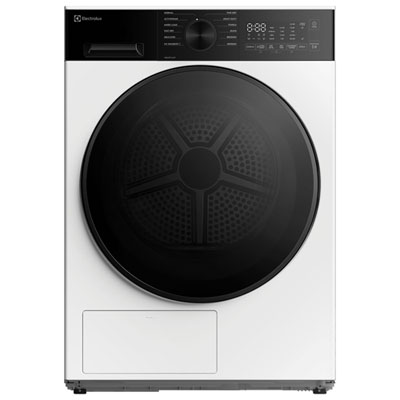
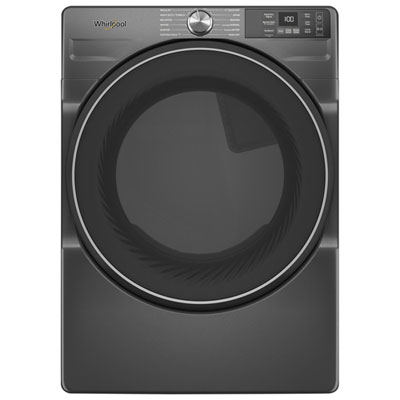
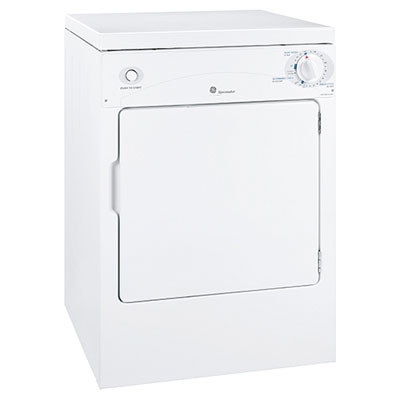
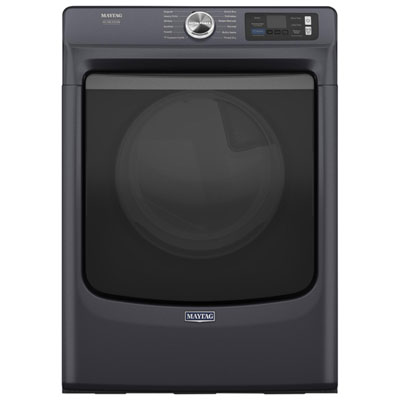
How drying without an outdoor vent really works
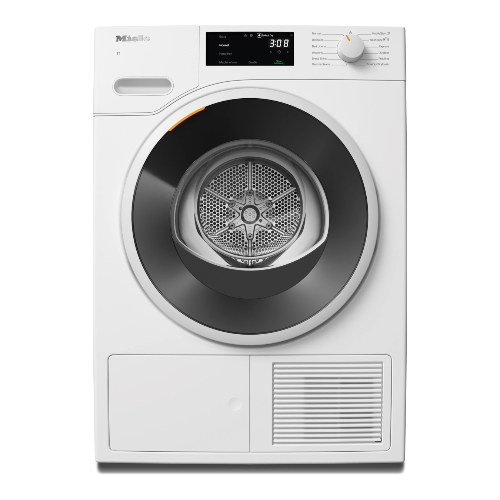
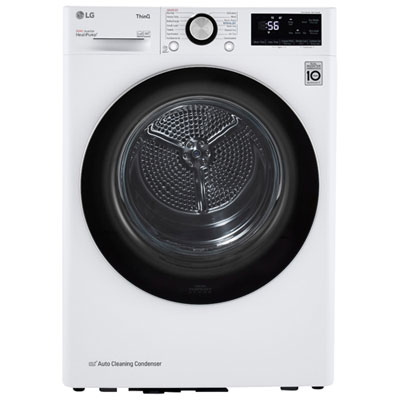
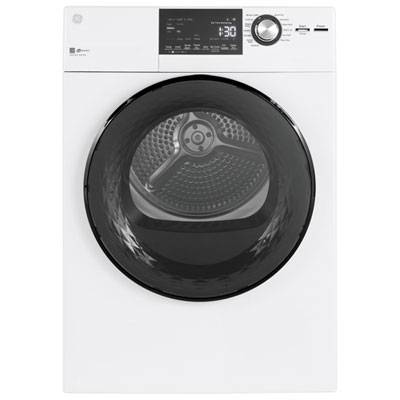
Ventless dryers for apartments dry laundry without an exhaust duct to the outdoors, making them a practical option for homes where adding an exterior vent is not possible or permitted. Instead of sending moisture-laden air outside, these dryers remove water from the drying air and collect it in a reservoir or direct it to a drain, depending on the appliance and installation. That design can suit a dedicated laundry closet, a compact utility area, or another approved indoor location with the required connections and clearances. It does not mean the dryer can be enclosed in any cupboard: airflow around the appliance, room conditions, and manufacturer installation requirements still matter. Two common types are conventional condenser dryers and heat pump dryers. Both extract moisture from laundry without an outdoor exhaust connection, but heat pump designs reuse heat within the drying process and generally operate at lower drying temperatures than conventional condenser designs. This can be useful for everyday clothing that benefits from gentler drying, provided the garment care label permits tumble drying. Drying cycles may take longer than those of a vented dryer, and actual duration depends on the fabric, load size, spin speed used during washing, and selected settings. For someone moving laundry from a shared building laundry room into a private apartment setup, that trade-off may be worthwhile for the convenience of drying clothes at home. A compact dryer can handle regular clothing, towels, and smaller household linens without occupying the footprint of a full-size laundry pair. Larger households or anyone washing bulky bedding will need to pay closer attention to drum capacity and permitted load types. Ventless drying is particularly relevant to renters, condo owners, couples, and smaller households working within a fixed floor plan, although permission to install an appliance and access to suitable connections remain essential.
The right physical fit involves more than the width of the dryer. Appliance depth, door swing, rear connections, and the space needed to load a basket all affect how comfortably a laundry area works. A shallow closet may accommodate the cabinet but not provide enough room for hoses, the door, or the clearances specified in the installation manual. Hallways, lifts, stairwells, and apartment entryways also influence whether an appliance can reach its intended location. Compact formats can make better use of limited space, while a stacked arrangement can leave more floor area free when paired with a compatible washer and the manufacturer-approved stacking kit. A dryer should never be stacked on a washer solely because their dimensions appear to match. Side-by-side placement may be easier for someone who prefers controls and drum openings within a lower reach, while stacked placement can require checking whether the upper controls are comfortable to use. Electrical requirements deserve the same attention as dimensions: ventless does not mean a dryer works with every household outlet. Voltage, circuit requirements, plug type, and any dedicated-circuit requirements vary, so the existing connection needs to match the appliance specifications. Water handling is another everyday consideration. A collection tank avoids the need for a direct drain connection on designs that support it, but the tank needs regular emptying. A supported drain-hose installation can remove that task when a suitable drain is accessible and the hose is routed correctly. Building rules may also set conditions for plumbing connections, leak protection, installation work, or operating hours. For apartments where the laundry area opens onto a living room or sits beside a bedroom, published sound ratings, a stable floor, and proper levelling are worth considering. No dryer is silent, and a level installation helps limit avoidable vibration without eliminating normal tumbling and operating sounds. These details shape how well the appliance fits into daily life, not just whether it fits through the closet door.
Drum design, fabric settings, and accessible maintenance points help distinguish ventless dryers intended for frequent apartment use. Stainless steel drums are common and offer a smooth, corrosion-resistant surface, while other drum finishes should also be assessed for their suitability and care requirements. Inside the drum, there needs to be enough room for laundry to lift and separate rather than turn as a tightly packed bundle. A washer’s maximum load is not automatically an appropriate dryer load, especially with dense towels or bedding that needs room to unfold. Moisture-sensing cycles can adjust drying time as fabrics dry, helping reduce unnecessary running once the selected dryness level is reached. Timed cycles can be useful for particular loads, while lower-heat and delicate settings offer flexibility for garments whose labels allow those treatments. Easy-care shirts, exercise clothing, and heavier cottons often need different handling; fabric labels remain the best reference, even when a dryer has a setting with a familiar garment name. Features such as interior lighting, a clear time display, accessible lint filters, and an end-of-cycle signal can make a noticeable difference in a small laundry space. Wrinkle-reduction tumbling may help when a load cannot be removed immediately, but it does not replace checking care labels or folding clothes promptly. Long-term performance also depends on routine upkeep. Lint filters need cleaning at the intervals specified by the manufacturer, collection tanks need emptying where used, and condensers or heat exchangers need the prescribed care. Some designs automate parts of that maintenance, but accessible filters and clear cleaning instructions still matter. Keeping required air openings unobstructed and checking drain hoses for kinks supports reliable operation. For apartments where space allows only one laundry appliance, Ventless Washer Dryers combine washing and drying in a single cabinet, removing the need to transfer wet laundry between machines. Their drying capacity may be lower than their washing capacity, and a combined cycle occupies the appliance until both stages are complete. A separate ventless dryer instead allows one load to dry while another washes, making the choice as much about laundry habits as floor space.
Top selling and popular products
-
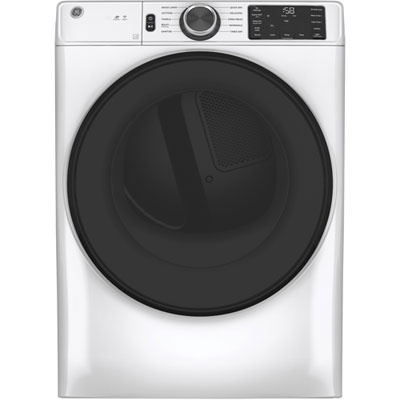 Your price for this item is $1199.99
-
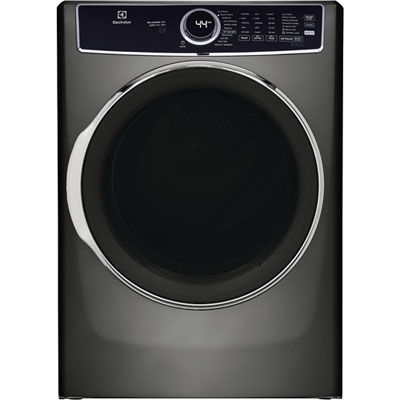 Your price for this item is $1192.99
-
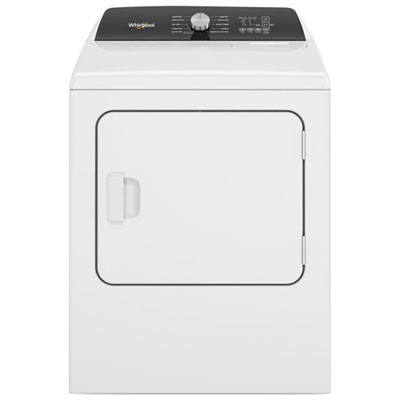 Your price for this item is $799.99
-
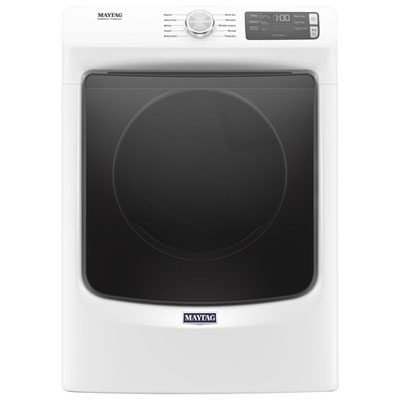 Your price for this item is $1099.99
-
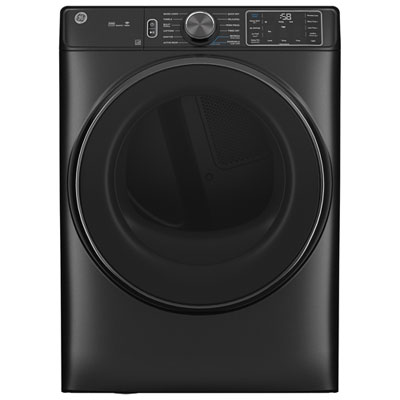 Your price for this item is $1449.99
-
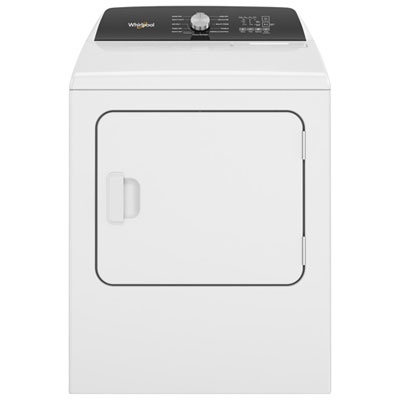 Your price for this item is $849.99
-
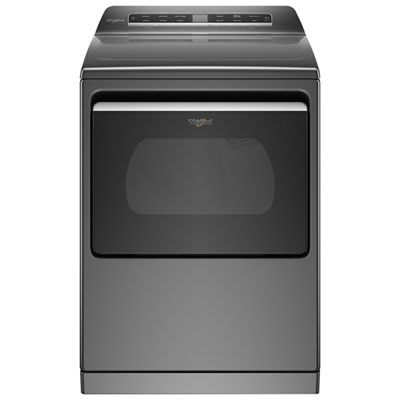 Your price for this item is $1149.97
-
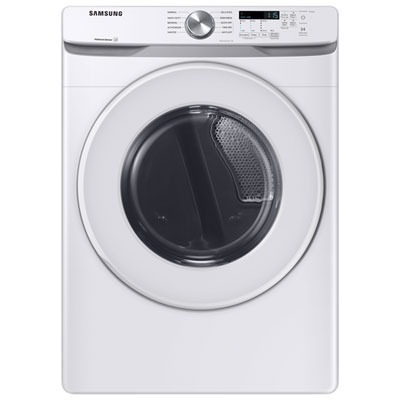 Your price for this item is $945.99
Discover more categories related to Ventless Dryers for Apartments
Top Collections:
Best Black Friday Deals This Year, Best Black Friday Deals On Electronics, Kindle Devices, Pokemon Centers, Best Black Friday Deals On Apple Products, Best Cameras for Sports Photography, Dyson Airwrap, Pokémon 30th Celebration Cards, Apple iPhone 17 Pro, Canon G7X Cameras
Some products may be subject to Environmental Handling Fees
(EHF) depending on your province.
Learn more about EHFs.