Washer And Dryer Parts
Looking to keep your washer and dryer running smoothly? Look no further than our wide selection of washer and dryer parts. From belts and hoses to knobs and lint filters, we have everything you need to maintain and repair your laundry appliances. They are all designed to fit a variety of makes and models, so you can be sure to find the perfect part for your washer or dryer. These parts are also designed to be easy to install and replace, so you can get your laundry appliances up and running in no time.
Sort
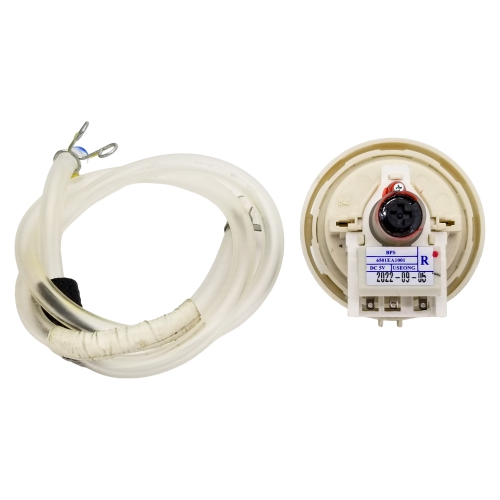
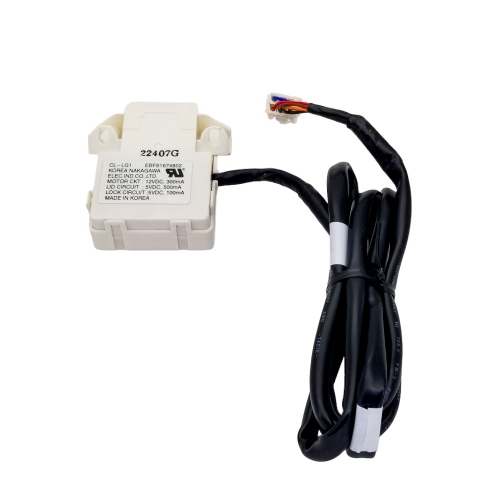

Repair guidance for matching parts and planning installation
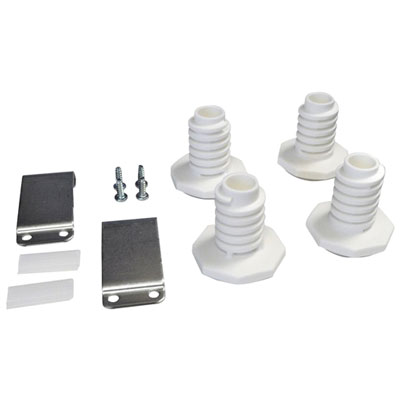
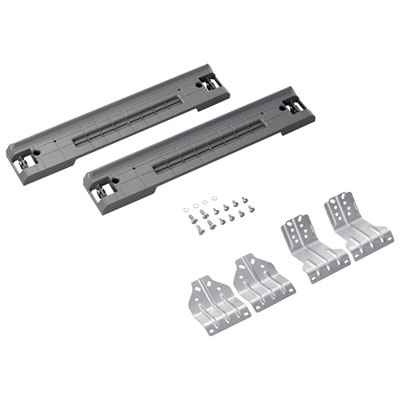
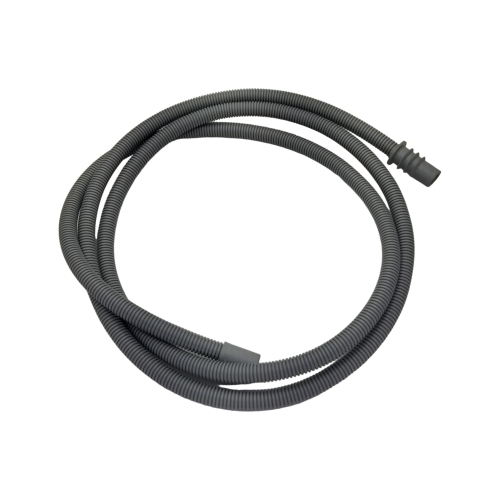
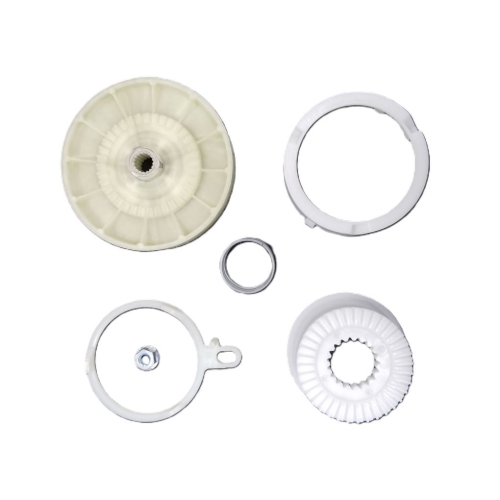
Washer and dryer parts can help restore everyday laundry appliances when a small worn component starts affecting performance. These replacement and installation essentials are used by homeowners, renters with permission to make repairs, landlords, appliance technicians, and confident do-it-yourselfers who want to address a problem before it becomes a larger disruption. A washing machine that shakes during the spin cycle may need attention to its suspension system, support rods, springs, dampers, or other stabilizing components. If the appliance fills and drains properly but moves noisily across the floor, inspecting these parts can be a sensible place to begin. Other common washer replacement needs include inlet hoses, drain hoses, hose elbows, clamps, door seals, pumps, belts, lids, and small hardware used to secure internal or external components. Before ordering anything, record the appliance’s make, model number, serial information, and approximate age. The model number is usually found inside the door, on the lid frame, along the rear panel, or near the edge of the cabinet. Matching the part to that information is more dependable than relying on appearance alone, since two components can look nearly identical while differing in dimensions, connectors, mounting points, or electrical specifications. It is also helpful to compare the old part with the replacement listing, check what is included, and confirm whether separate screws, clamps, seals, or adapters are required. A practical repair often comes down to these details: the correct fit, the right tools, and a clear understanding of how the original component is installed.
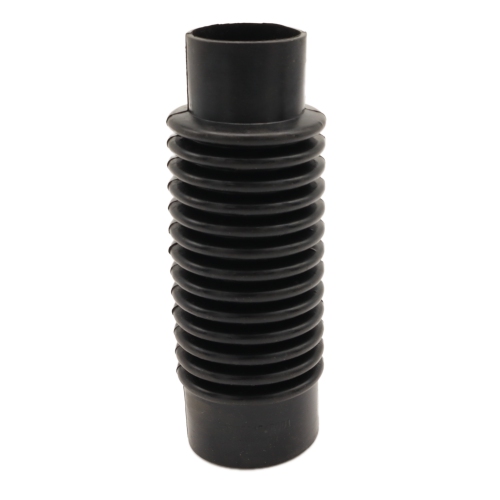
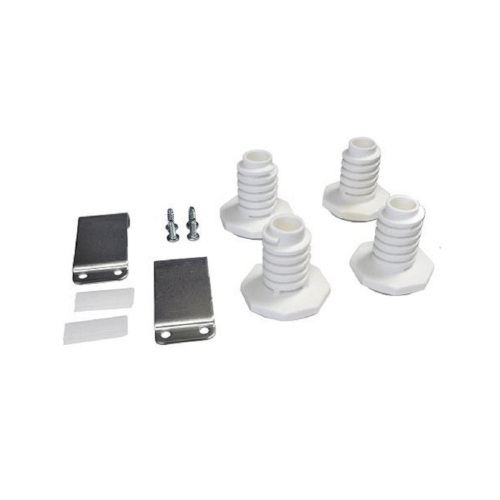
Dryer parts cover both performance repairs and the airflow connections that support proper installation. A dryer that tumbles but takes much longer to dry may have a restricted vent, a damaged flexible duct, a crushed periscope-style connection, or a heating component that is no longer working as intended. A dryer that makes a repetitive thumping or scraping sound may require inspection of its drum rollers, idler pulley, belt, glides, or related repair hardware. Repair kits can be useful when several small wear components are designed to be changed together, while an individual replacement part may be suitable when the fault has been identified precisely. Heating elements, thermostats, thermal fuses, switches, rollers, belts, and door components all have different compatibility and safety requirements, so electrical parts should be selected with particular care. Always disconnect the appliance from power before inspecting or replacing a component, and follow the manufacturer’s service instructions whenever available. Proper venting deserves equal attention. Hoses and ducts should be routed as straight as the laundry-room layout allows, secured with suitable clamps, and checked for bends, gaps, lint accumulation, and signs of heat damage. Side-venting and telescoping options can be useful where the dryer sits close to a wall, while a standard vent connection may suit a more open installation. Measure the distance and clearance before choosing a kit, and confirm that the included fittings match the appliance outlet and the wall connection. For additional options focused on dryer maintenance and repair, browse Dryer Repair Parts.
Choosing washer and dryer parts is easier when the repair is approached methodically. Start by describing the symptom rather than guessing the solution: note whether the washer is leaking, vibrating, failing to drain, or refusing to start, and whether the dryer is noisy, overheating, leaving clothing damp, or not turning at all. Check simple causes first, including an overloaded drum, an unbalanced load, a blocked filter, a kinked hose, or a disconnected power supply. If the issue points to a replacement component, consult the appliance manual, parts diagram, or manufacturer documentation to understand its location and function. Look for listings that identify compatibility clearly and review dimensions, voltage, wattage, connection style, capacity, and included accessories as applicable. Installation parts such as vent kits, plugs, elbows, clamps, and ducting should be chosen according to the laundry space, not just the appliance itself. A compact laundry closet may need a low-profile or adjustable connection, while a basement setup may require a longer route with carefully supported ducting. Keep the area around the machines accessible so hoses and vents can be inspected without moving heavy appliances unnecessarily. During the cooler months, when laundry rooms may be used more frequently and windows stay closed, dependable airflow and secure connections become especially noticeable in the rhythm of a busy household. These parts are generally practical purchases rather than traditional gifts, but they can make a thoughtful housewarming or move-in contribution for someone setting up a first home, rental property, workshop suite, or shared laundry area. Whether the goal is a straightforward replacement or a more involved repair, accurate appliance information and careful installation help make the chosen part a useful match for the job.
Top selling and popular products
-
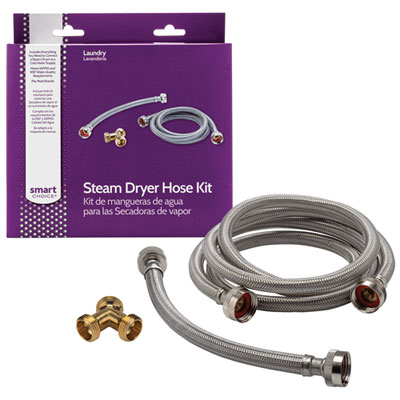 Your price for this item is $39.99
-
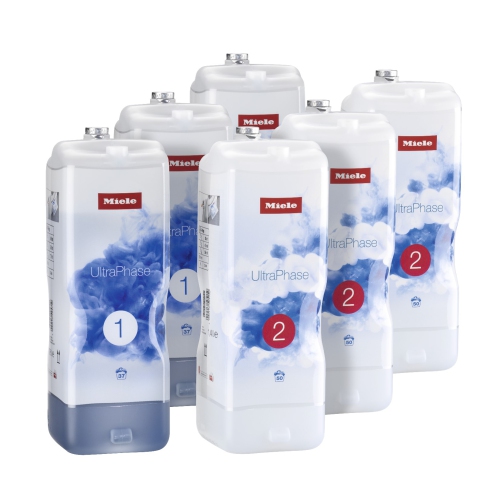 Your price for this item is $149.95
-
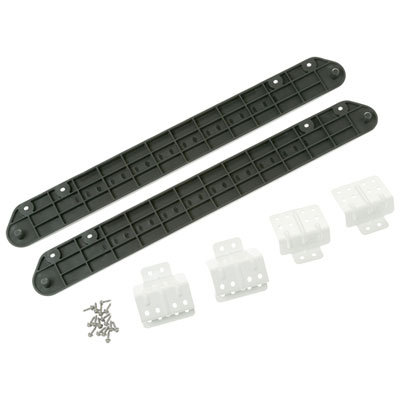 Your price for this item is $99.99
-
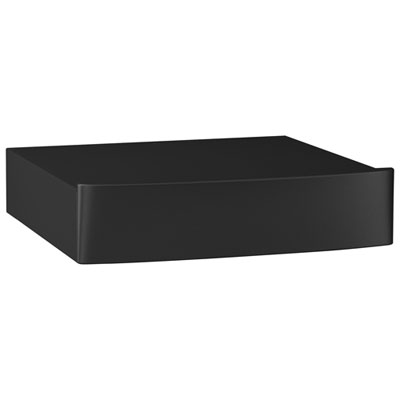 Your price for this item is $349.99
-
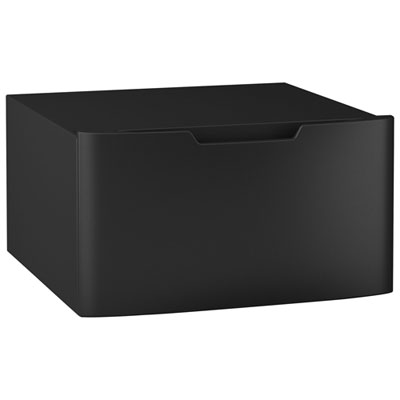 Your price for this item is $399.99
-
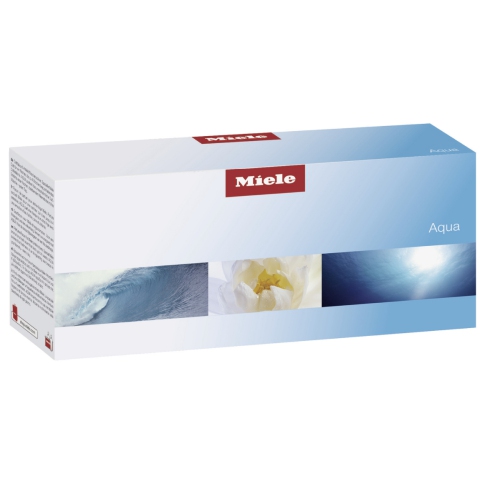 Your price for this item is $47.99
-
 Your price for this item is $47.99
-
 Your price for this item is $16.99
Discover more categories related to Washer And Dryer Parts
Top Collections:
Best Black Friday Deals This Year, Best Black Friday Deals On Electronics, Kindle Devices, Pokemon Centers, Best Black Friday Deals On Apple Products, Best Cameras for Sports Photography, Dyson Airwrap, Pokémon 30th Celebration Cards, Apple iPhone 17 Pro, Canon G7X Cameras
Some products may be subject to Environmental Handling Fees
(EHF) depending on your province.
Learn more about EHFs.