Washer Repair Parts
Looking to fix your washer? Look no further! Our extensive selection of washer repair parts is here to help you get your machine back up and running in no time. From belts and hoses to pumps and motors, we have everything you need to tackle any washer repair project. With high-quality parts from trusted manufacturers, you can trust that our selection will provide the durability and reliability you're looking for. Don't let a broken washer slow you down - browse our wide range of repair parts today and get your laundry routine back on track!
Sort
Washer Repair Parts
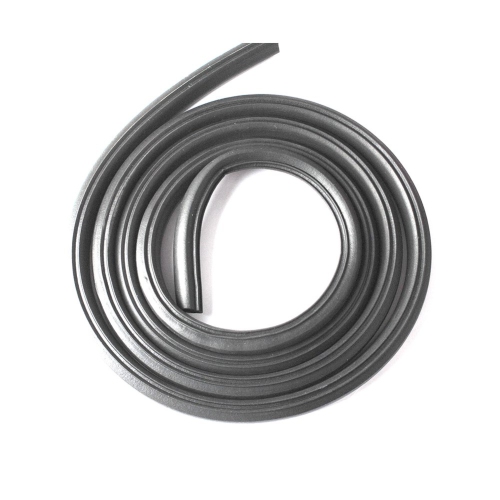
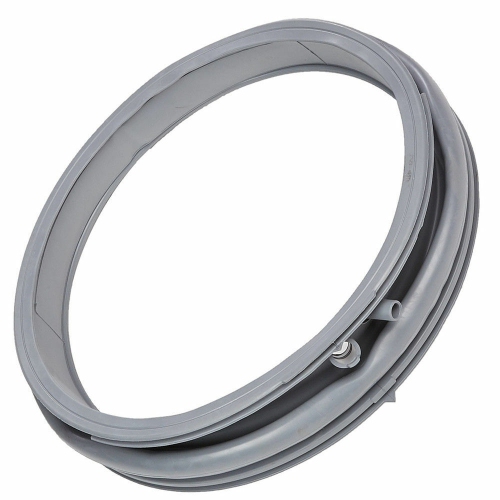
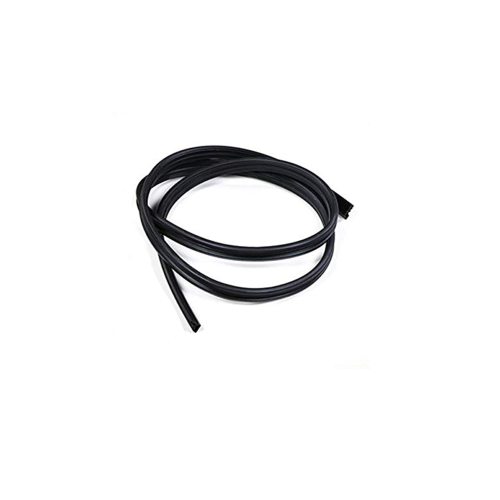
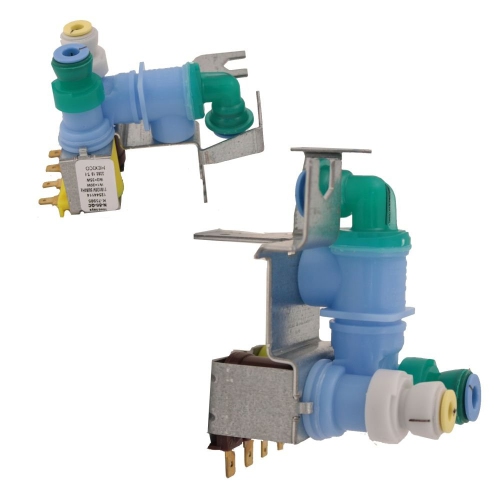
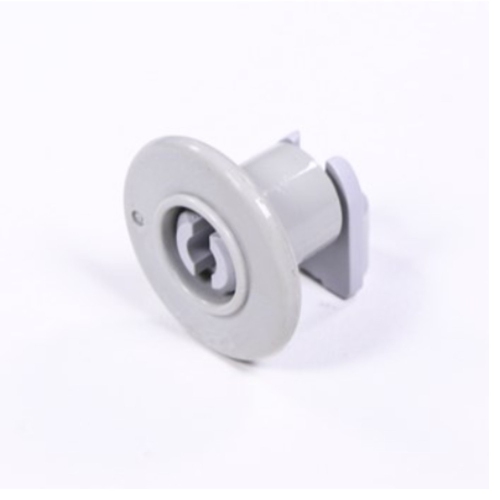
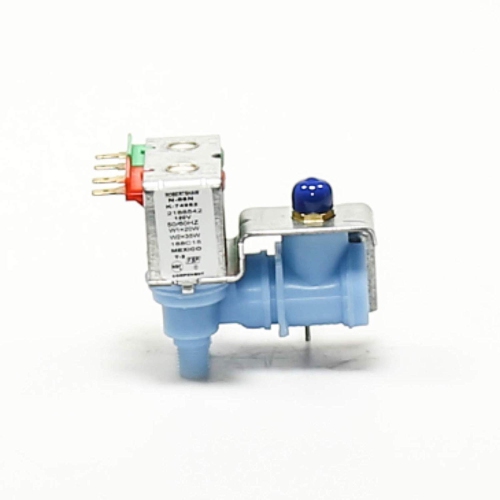
Washer repair parts can help restore a washing machine when a familiar cycle no longer runs as it should. A washer that fills slowly, leaves water behind, refuses to spin, makes an unusual grinding sound, or stops before the cycle is complete may have a worn, blocked, or failed component. The right replacement can be a practical solution for homeowners, landlords, property managers, and anyone who prefers to handle straightforward appliance maintenance with care. Common washer repair parts include water inlet valves that regulate the flow of hot and cold water, drain pumps that move used water out of the machine, drive belts that transfer power to moving components, and hoses that carry water into or away from the washer. Other parts may include door or lid switches, gaskets, seals, bearings, pressure switches, solenoid valves, suspension components, motors, and electronic control boards. Each serves a particular purpose, so identifying the symptom is only the first step. A washer that will not drain may need attention around the drain hose, pump, or filter, while a machine that fills but does not agitate or spin may point to a belt, motor, lid switch, drive system, or control component. Leaks around the door or beneath the cabinet can be associated with a damaged seal, loose connection, cracked hose, or pump issue. Unusual vibration may involve the suspension system, levelling, or a worn bearing. Because several faults can produce similar symptoms, it is helpful to consult the washer’s user manual, service documentation, or a qualified appliance technician before ordering a part.
Compatibility is the most important consideration when choosing washer repair parts. A part that looks similar may not have the same dimensions, connector style, capacity, mounting points, or operating specifications as the original component. Check the full model number and serial information on the appliance label, then compare it with the replacement part’s compatibility details. Top-load and front-load washers can use different door, lid, seal, suspension, and drainage components, and portable or compact machines may require parts designed for their smaller form factor. Capacity, wash-system design, electrical ratings, hose diameter, connector type, and installation position can also affect fit. Taking a clear photo of the existing part, its wiring, and the surrounding connections can make identification easier, especially when a component has been removed for inspection. It is also worth checking whether the repair requires a single part or a related kit containing fasteners, seals, clamps, or other installation pieces. Before beginning any work, unplug the washer, turn off the water supply, and allow the machine to drain fully. Some repairs involve sharp metal edges, stored electrical energy, heavy assemblies, or connections that must be reassembled in a precise order. Anyone who is not comfortable diagnosing an appliance or working with electrical and plumbing connections should arrange service with a qualified professional. A technician can confirm the source of the fault, advise whether the repair is appropriate for the appliance’s age and condition, and help prevent damage caused by an incorrect installation.
The cost and difficulty of a washer repair can vary considerably depending on the component involved. Replacing an accessible hose, seal, belt, or switch may be more straightforward than servicing a motor, bearing assembly, pump, or electronic control board. Review the washer’s age, operating condition, warranty status, and recent repair history when deciding how to proceed. If the machine has generally performed well and the problem is limited to one replaceable component, a suitable repair part may be a sensible way to get laundry moving again. If several major components are failing, the appliance has recurring problems, or the repair requires extensive disassembly, professional advice can help clarify the available options. After installation, inspect every hose and connection, make sure panels and fasteners are secure, and run an empty test cycle while checking for leaks, unusual sounds, vibration, and proper filling and draining. Regularly inspecting hoses, keeping the washer level, clearing accessible filters, and avoiding overloading can also help support reliable operation. For households managing muddy outdoor clothing as the weather warms, heavier bedding during seasonal changes, or larger laundry loads during the cooler months, a dependable washer makes everyday routines easier. When a compatible component is needed for another major laundry appliance, you can also explore Dryer Repair Parts to help maintain the complete laundry area.
Compatibility is the most important consideration when choosing washer repair parts. A part that looks similar may not have the same dimensions, connector style, capacity, mounting points, or operating specifications as the original component. Check the full model number and serial information on the appliance label, then compare it with the replacement part’s compatibility details. Top-load and front-load washers can use different door, lid, seal, suspension, and drainage components, and portable or compact machines may require parts designed for their smaller form factor. Capacity, wash-system design, electrical ratings, hose diameter, connector type, and installation position can also affect fit. Taking a clear photo of the existing part, its wiring, and the surrounding connections can make identification easier, especially when a component has been removed for inspection. It is also worth checking whether the repair requires a single part or a related kit containing fasteners, seals, clamps, or other installation pieces. Before beginning any work, unplug the washer, turn off the water supply, and allow the machine to drain fully. Some repairs involve sharp metal edges, stored electrical energy, heavy assemblies, or connections that must be reassembled in a precise order. Anyone who is not comfortable diagnosing an appliance or working with electrical and plumbing connections should arrange service with a qualified professional. A technician can confirm the source of the fault, advise whether the repair is appropriate for the appliance’s age and condition, and help prevent damage caused by an incorrect installation.
The cost and difficulty of a washer repair can vary considerably depending on the component involved. Replacing an accessible hose, seal, belt, or switch may be more straightforward than servicing a motor, bearing assembly, pump, or electronic control board. Review the washer’s age, operating condition, warranty status, and recent repair history when deciding how to proceed. If the machine has generally performed well and the problem is limited to one replaceable component, a suitable repair part may be a sensible way to get laundry moving again. If several major components are failing, the appliance has recurring problems, or the repair requires extensive disassembly, professional advice can help clarify the available options. After installation, inspect every hose and connection, make sure panels and fasteners are secure, and run an empty test cycle while checking for leaks, unusual sounds, vibration, and proper filling and draining. Regularly inspecting hoses, keeping the washer level, clearing accessible filters, and avoiding overloading can also help support reliable operation. For households managing muddy outdoor clothing as the weather warms, heavier bedding during seasonal changes, or larger laundry loads during the cooler months, a dependable washer makes everyday routines easier. When a compatible component is needed for another major laundry appliance, you can also explore Dryer Repair Parts to help maintain the complete laundry area.
Top selling and popular products
-
 Your price for this item is $39.99
 -
 Your price for this item is $184.94
 -
 Your price for this item is $99.99
 -
 Your price for this item is $299.99
 -
 Your price for this item is $449.99
 -
 Your price for this item is $59.99
 -
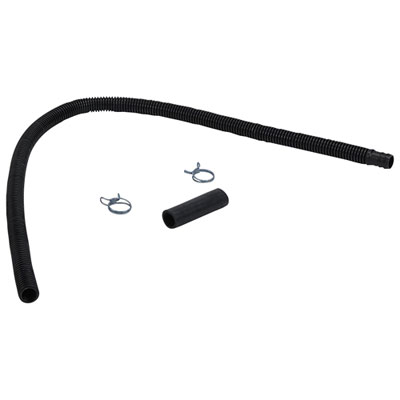 Your price for this item is $39.99
 -
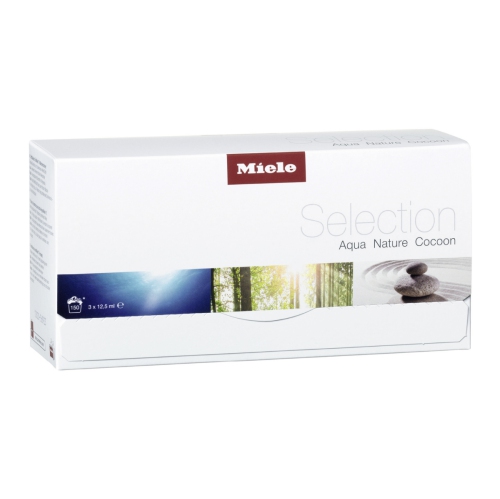 Your price for this item is $59.99
Discover more categories related to Washer Repair Parts
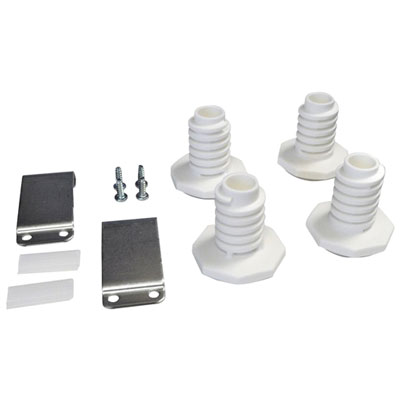
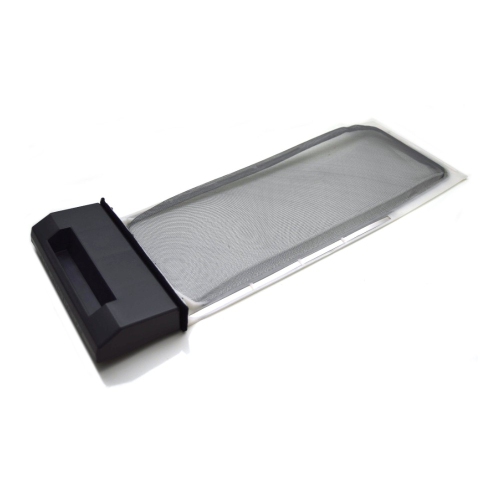

Top Collections:
Pokemon Centers, Kindle Devices, Budget Smartphones, Budget 4K TVs, Apple iPhones 16, Canon G7X Cameras, iPhone 15 Apple, Alarm Clock, Budget-Friendly Wireless Earbuds, iPhone 14 256GB
Some products may be subject to Environmental Handling Fees
(EHF) depending on your province.
Learn more about EHFs.