Whirlpool White Electric Dryers
If you're looking for a new clothes dryer, you might consider one with an electric dryer. Electric dryers from Whirlpool are more efficient and they come in a variety of sizes and styles. These white electric dryers from Whirlpool are a great choice for those looking for a reliable and efficient dryer. Here are some of the best options available for you to choose from.
Sort
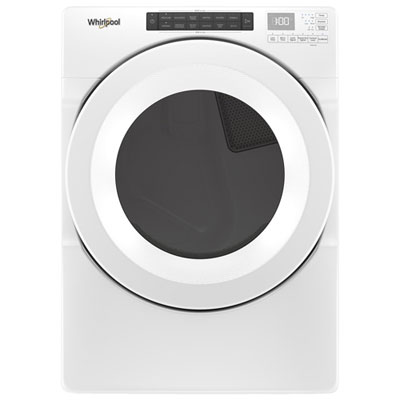
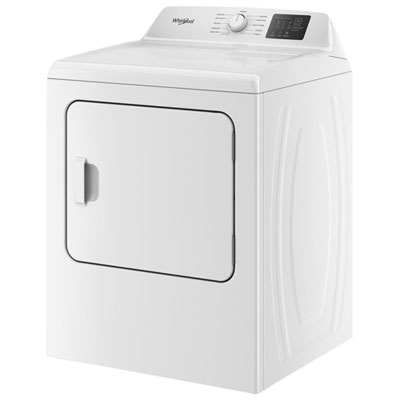
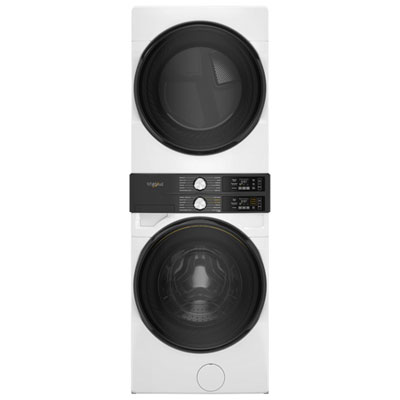

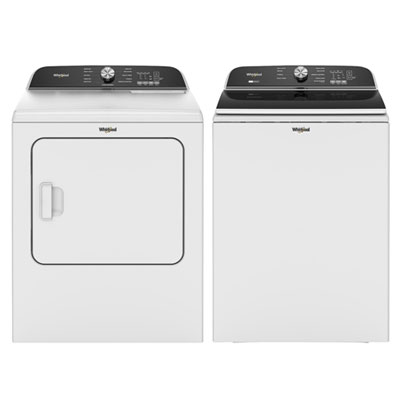
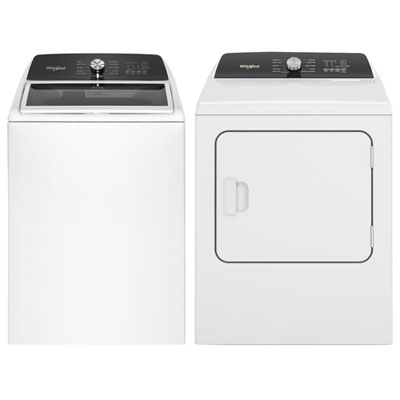
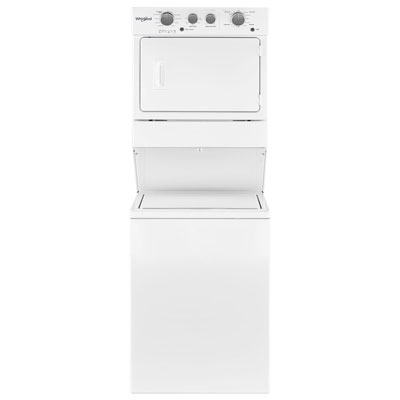
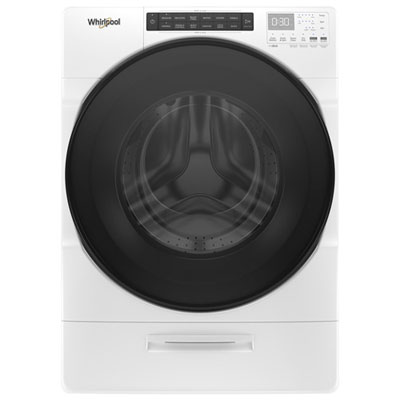
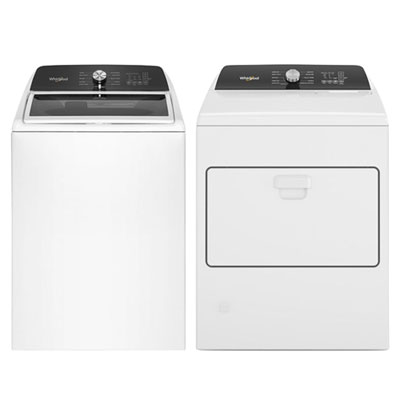
How capacity and installation shape your laundry setup
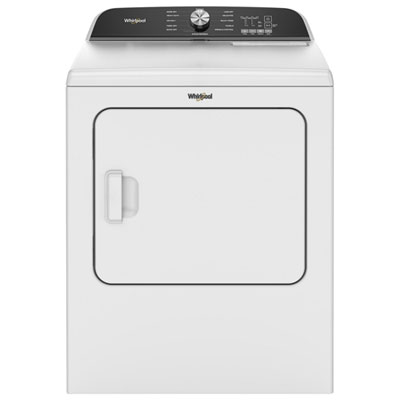
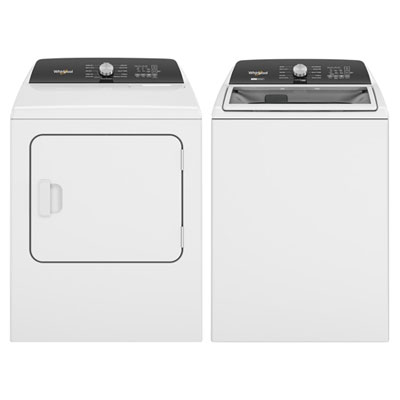
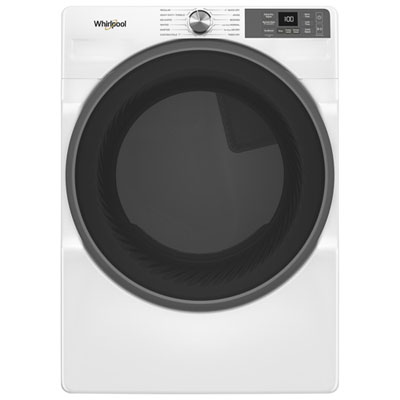
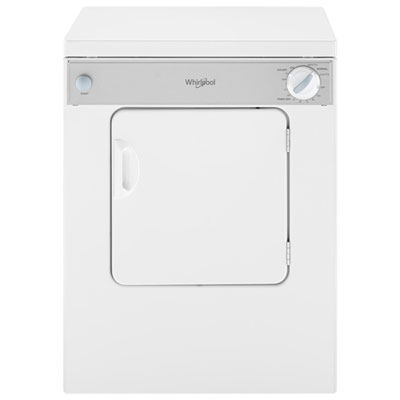
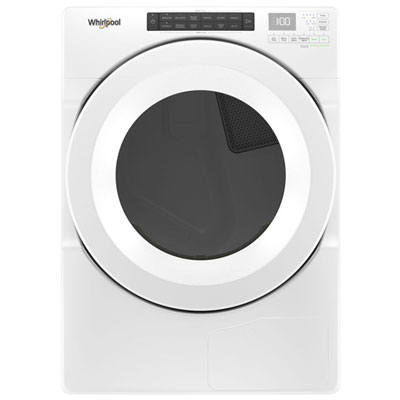
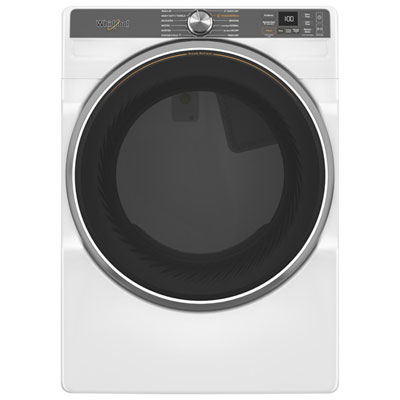
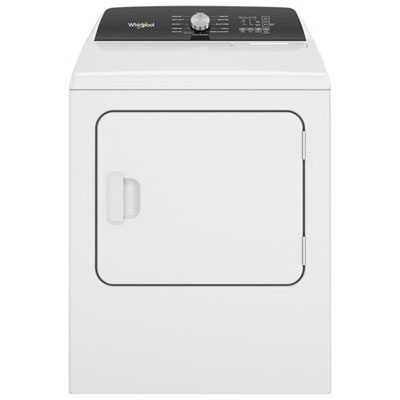
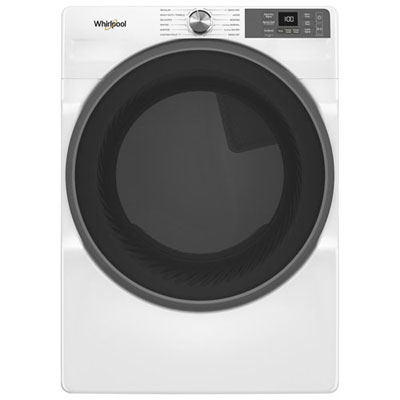
White electric dryers are a practical choice for households that want dependable laundry performance, straightforward installation, and a clean finish that blends easily with other appliances. Electric models are designed for homes with a suitable 240-volt outlet, making them a familiar option for many laundry rooms, condos, apartments, and finished utility spaces. The white exterior has a classic look that works well with both modern and traditional interiors, while the generous drum space helps manage everything from everyday clothing and school uniforms to bulky towels, bedding, and winter layers. When choosing among white electric dryers, begin by measuring the available area carefully. Record the width, height, and depth of the opening, then allow extra room for the power connection, venting, door swing, and comfortable access to the controls. A dryer that fits the opening but leaves little clearance can be difficult to install or service, especially in a compact laundry closet. It is also worth checking the path from the entrance to the laundry area, including hallways, stairwells, and doorways, because the dimensions of the appliance box may differ from the dimensions of the dryer itself. For a broader selection of finishes and configurations, browse White Clothes Dryers while comparing capacity, controls, cycle options, and installation requirements.
Capacity is one of the most noticeable differences between models. A drum around 7.0 cu. ft. is well suited to many apartments, couples, and smaller families, offering enough room for regular loads without taking up more floor space than necessary. A larger drum around 7.4 cu. ft. provides additional flexibility for families, frequent laundry routines, and oversized items such as comforters or multiple bath towels. Capacity does not mean every load should be packed tightly; clothing needs room to tumble so warm air can circulate and moisture can escape efficiently. A useful habit is to transfer clothes from the washer promptly, shake out heavier pieces, and place items in the dryer loosely rather than compressing them into one dense bundle. Moisture-sensing cycles can make this routine easier by monitoring the load and stopping when clothing reaches the selected dryness level, helping prevent the hot, over-dried feel that can occur when a timed cycle runs longer than necessary. Timed drying remains useful for specific situations, such as refreshing a nearly dry load, finishing thick denim, or adding a few extra minutes to towels. Look for controls that are easy to read and operate, whether that means a traditional dial, electronic buttons, or an intuitive touch panel. Families often appreciate clear cycle descriptions, while anyone doing laundry late in the evening may prefer quieter operation and an end-of-cycle signal that can be adjusted or muted. Features designed to reduce wrinkles are also helpful when the laundry cannot be folded immediately. A wrinkle-control setting may tumble the load periodically after the main cycle ends, keeping shirts, sheets, and lighter fabrics moving until they can be removed. This is especially convenient on busy mornings, during school routines, or when work and household responsibilities make it difficult to unload the dryer right away.
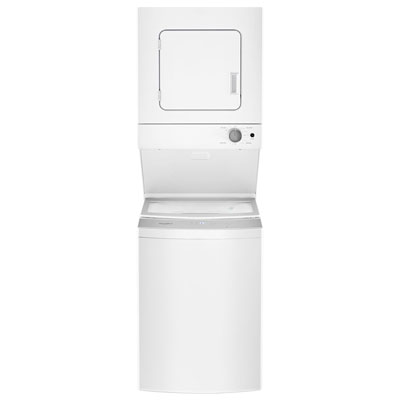
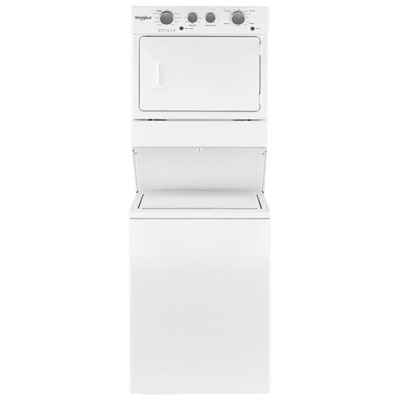
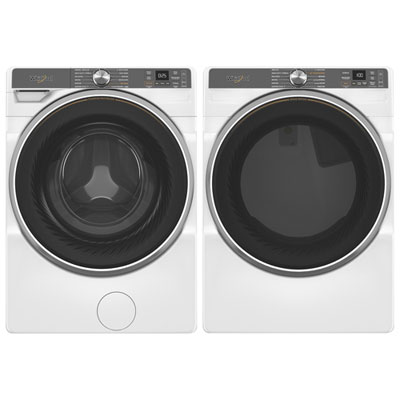
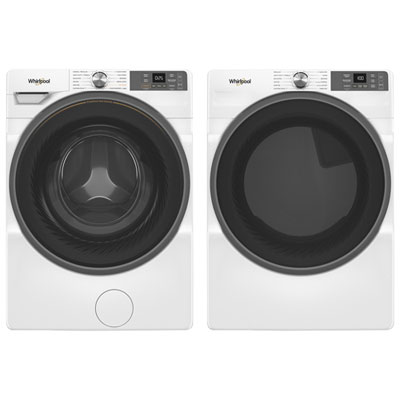
The best configuration depends on both the room and the way laundry is handled at home. Top-load dryers can offer an easy-to-understand layout and may suit a laundry area where the door opening and controls are most convenient from above or in front. Front-load dryers can be paired with a compatible front-load washer, and some models support stacking with the appropriate kit to make better use of vertical space. A stacked arrangement can be valuable in a narrow closet or condominium laundry area, but the washer and dryer must be checked for compatibility, and the installation surface needs to be level and sturdy. Venting is another important consideration. Before delivery, confirm whether the laundry room uses a rear, side, or alternate vent connection, and verify that the duct route is accessible and suitable for the installation. Keep the lint screen clean after every load, inspect the venting periodically, and leave space around the appliance as recommended in the installation instructions. These simple habits support consistent airflow and help the dryer perform as intended. Smart features may appeal to connected households that want cycle notifications, remote monitoring, or additional control through a compatible mobile app, while households that prefer simplicity may value reliable sensor cycles and clearly labelled settings above all else. White electric dryers can be useful for first homes, renovated laundry rooms, rental properties, and households replacing an older appliance after years of dependable service. They are also a practical housewarming gift when the recipient is moving into a new space and needs essential laundry equipment, although measurements, electrical requirements, venting, and washer compatibility should always be confirmed before purchase. During the cooler months, when heavier clothing, layered outfits, and thicker bedding can add to the laundry pile, a properly sized dryer with moisture sensing, wrinkle care, and convenient cycle controls can make wash day feel more manageable from the first load to the last.
Capacity is one of the most noticeable differences between models. A drum around 7.0 cu. ft. is well suited to many apartments, couples, and smaller families, offering enough room for regular loads without taking up more floor space than necessary. A larger drum around 7.4 cu. ft. provides additional flexibility for families, frequent laundry routines, and oversized items such as comforters or multiple bath towels. Capacity does not mean every load should be packed tightly; clothing needs room to tumble so warm air can circulate and moisture can escape efficiently. A useful habit is to transfer clothes from the washer promptly, shake out heavier pieces, and place items in the dryer loosely rather than compressing them into one dense bundle. Moisture-sensing cycles can make this routine easier by monitoring the load and stopping when clothing reaches the selected dryness level, helping prevent the hot, over-dried feel that can occur when a timed cycle runs longer than necessary. Timed drying remains useful for specific situations, such as refreshing a nearly dry load, finishing thick denim, or adding a few extra minutes to towels. Look for controls that are easy to read and operate, whether that means a traditional dial, electronic buttons, or an intuitive touch panel. Families often appreciate clear cycle descriptions, while anyone doing laundry late in the evening may prefer quieter operation and an end-of-cycle signal that can be adjusted or muted. Features designed to reduce wrinkles are also helpful when the laundry cannot be folded immediately. A wrinkle-control setting may tumble the load periodically after the main cycle ends, keeping shirts, sheets, and lighter fabrics moving until they can be removed. This is especially convenient on busy mornings, during school routines, or when work and household responsibilities make it difficult to unload the dryer right away.
The best configuration depends on both the room and the way laundry is handled at home. Top-load dryers can offer an easy-to-understand layout and may suit a laundry area where the door opening and controls are most convenient from above or in front. Front-load dryers can be paired with a compatible front-load washer, and some models support stacking with the appropriate kit to make better use of vertical space. A stacked arrangement can be valuable in a narrow closet or condominium laundry area, but the washer and dryer must be checked for compatibility, and the installation surface needs to be level and sturdy. Venting is another important consideration. Before delivery, confirm whether the laundry room uses a rear, side, or alternate vent connection, and verify that the duct route is accessible and suitable for the installation. Keep the lint screen clean after every load, inspect the venting periodically, and leave space around the appliance as recommended in the installation instructions. These simple habits support consistent airflow and help the dryer perform as intended. Smart features may appeal to connected households that want cycle notifications, remote monitoring, or additional control through a compatible mobile app, while households that prefer simplicity may value reliable sensor cycles and clearly labelled settings above all else. White electric dryers can be useful for first homes, renovated laundry rooms, rental properties, and households replacing an older appliance after years of dependable service. They are also a practical housewarming gift when the recipient is moving into a new space and needs essential laundry equipment, although measurements, electrical requirements, venting, and washer compatibility should always be confirmed before purchase. During the cooler months, when heavier clothing, layered outfits, and thicker bedding can add to the laundry pile, a properly sized dryer with moisture sensing, wrinkle care, and convenient cycle controls can make wash day feel more manageable from the first load to the last.
Top selling and popular products
-
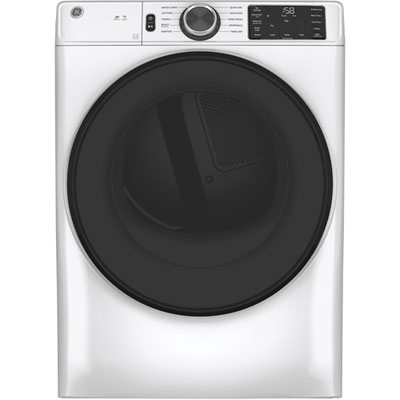 Your price for this item is $1999.99
 -
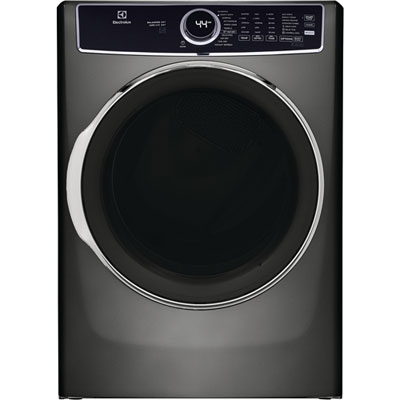 Your price for this item is $1169.99
 -
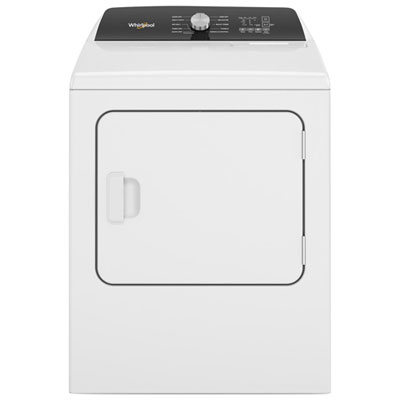 Your price for this item is $849.99
 -
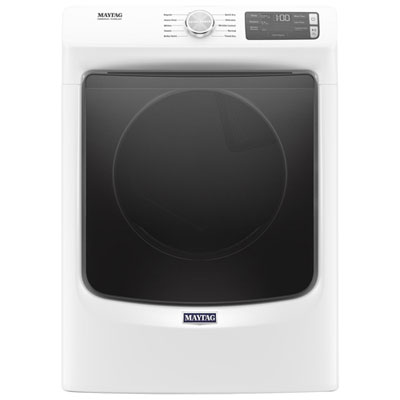 Your price for this item is $999.99
 -
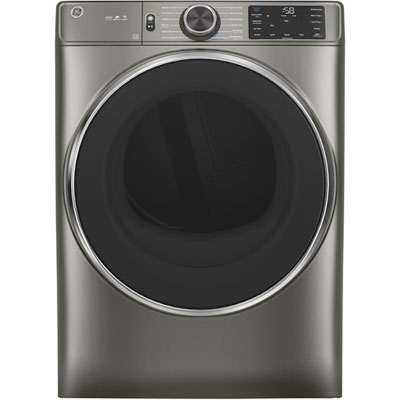 Your price for this item is $1949.99
 -
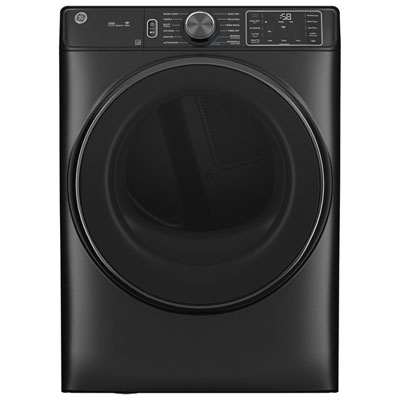 Your price for this item is $1199.99
 -
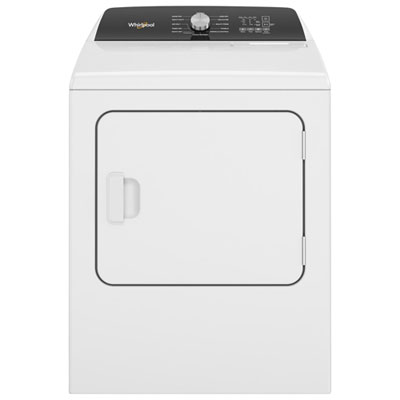 Your price for this item is $799.99
 -
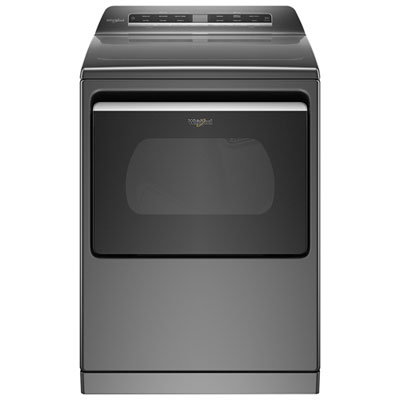 Your price for this item is $1149.97
Discover more categories related to Whirlpool White Electric Dryers
Top Collections:
Pokemon Centers, Kindle Devices, Best Budget Office Chairs, Apple iPhones 16, Best Laptops for Writers, iPhone 15 Apple, Canon G7X Cameras, Refurbished Apple Laptops, Alarm Clock, Motorola Razr Phones
Some products may be subject to Environmental Handling Fees
(EHF) depending on your province.
Learn more about EHFs.