Whirlpool Heavy Duty Dryers
A dryer is a machine that removes moisture from clothing. Dryers are used in homes, apartments, dormitories, and commercial laundries. They are also used in hospitals and other medical centers to remove moisture from linens and other fabrics. If you are looking for a heavy duty dryer, you're in the right place. Here are some of the great dryers made by Whirlpool.
Sort
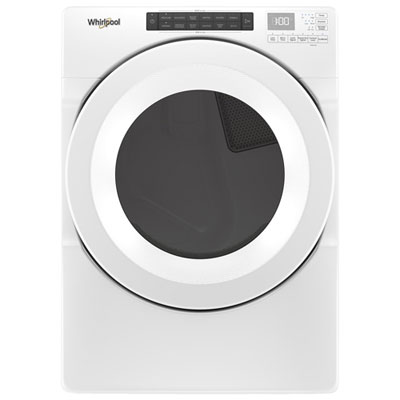
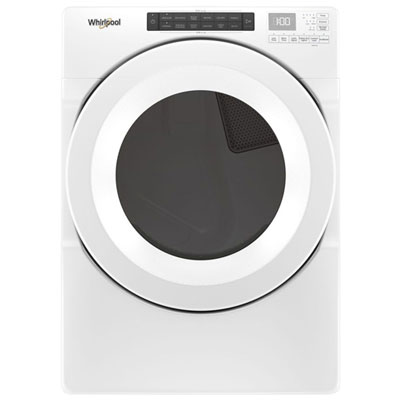
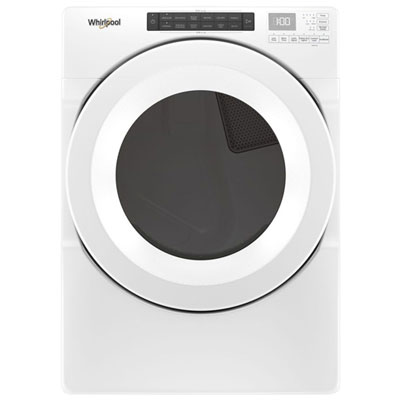
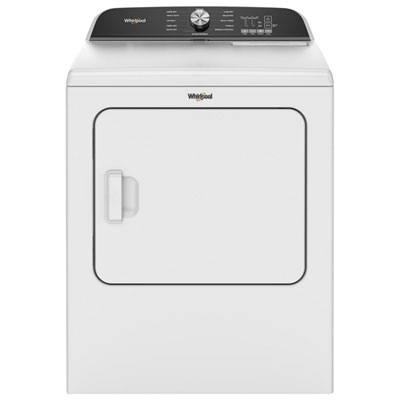
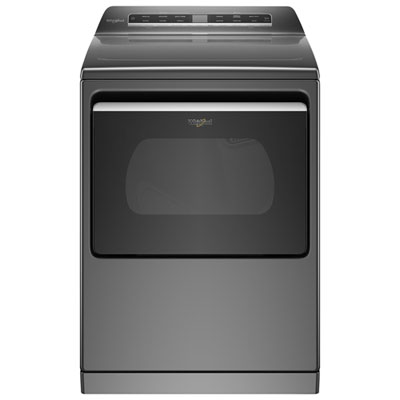
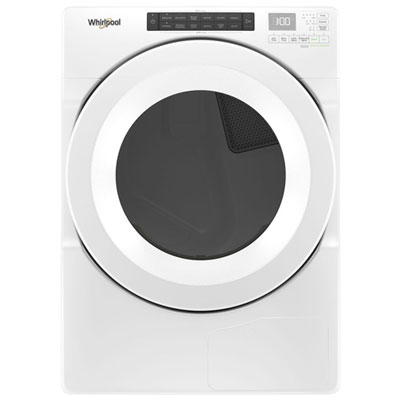
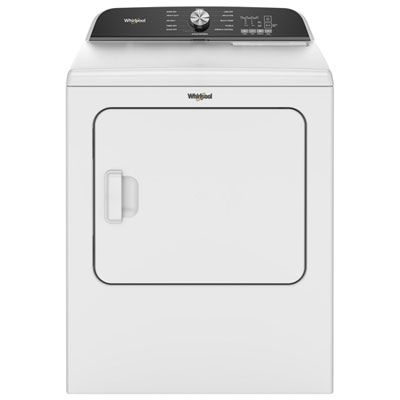
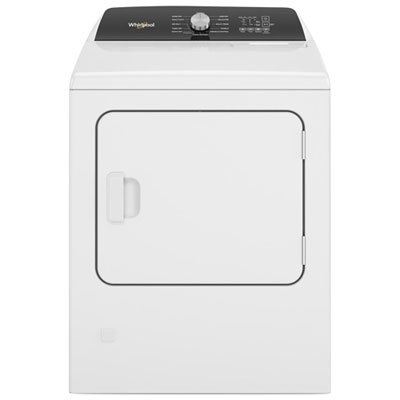

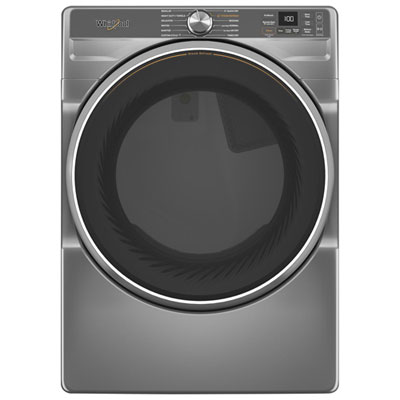

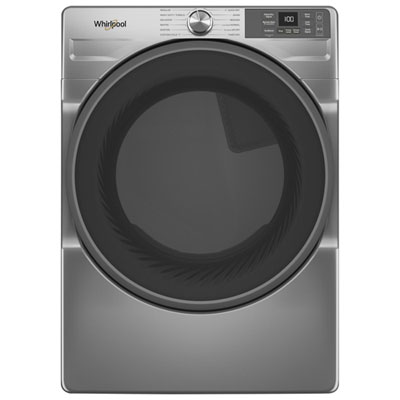

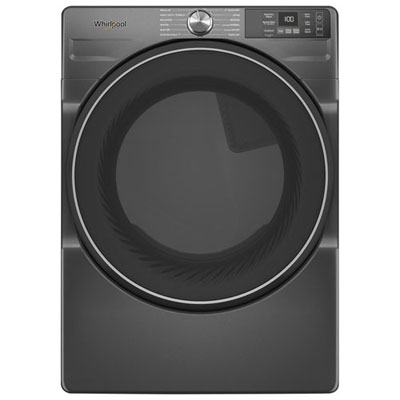
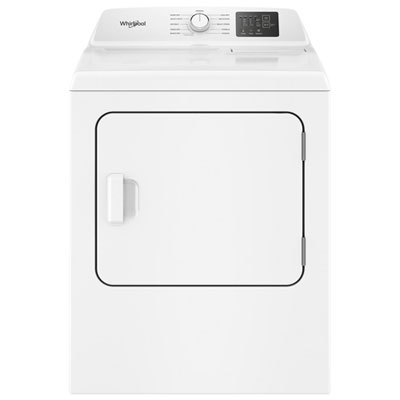
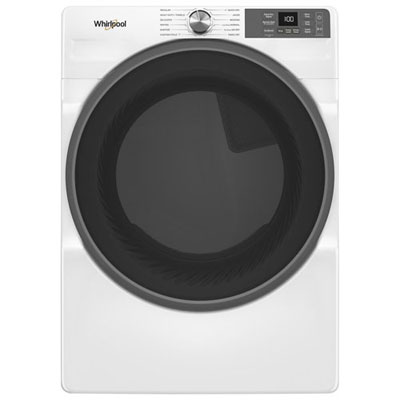
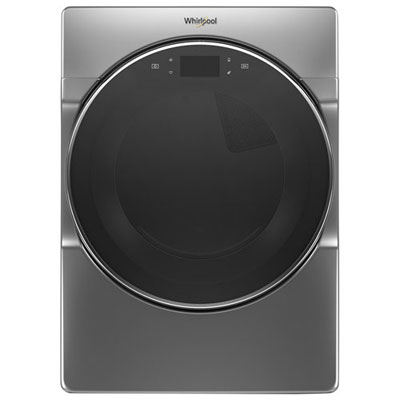
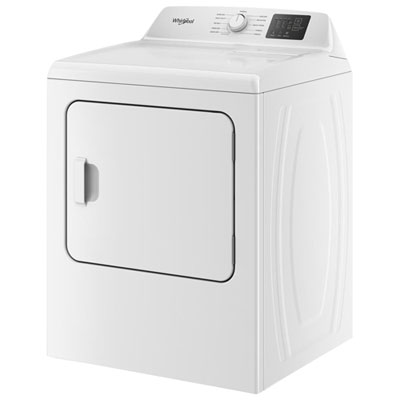
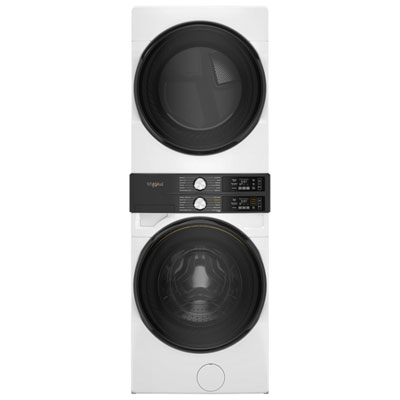
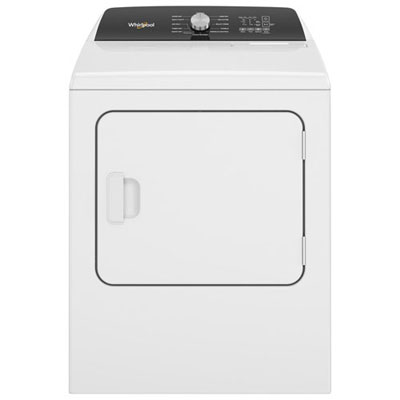
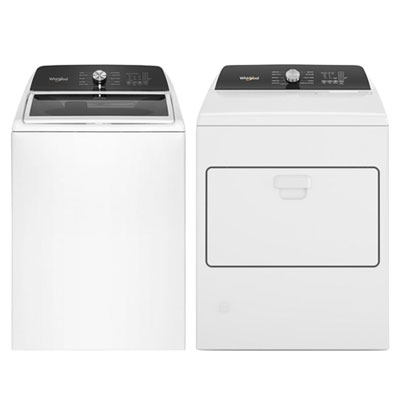
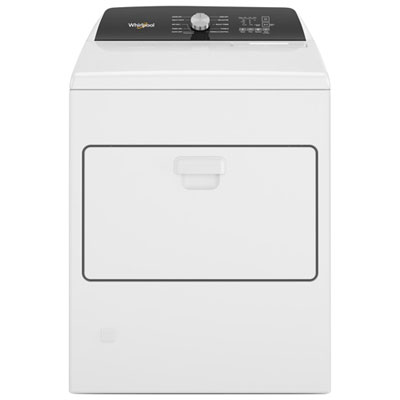
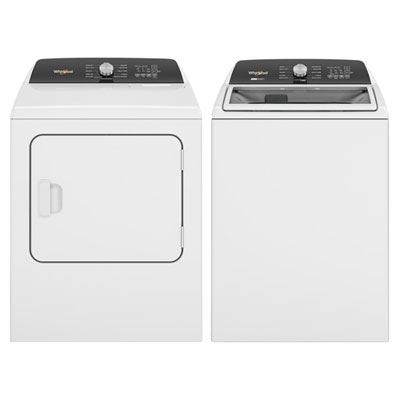
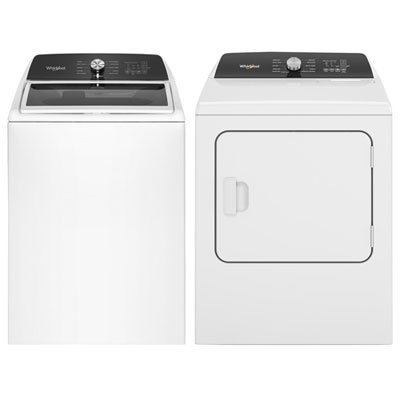
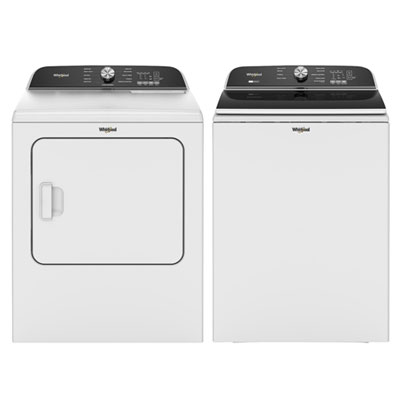
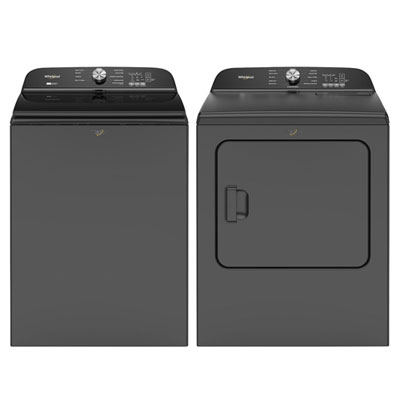
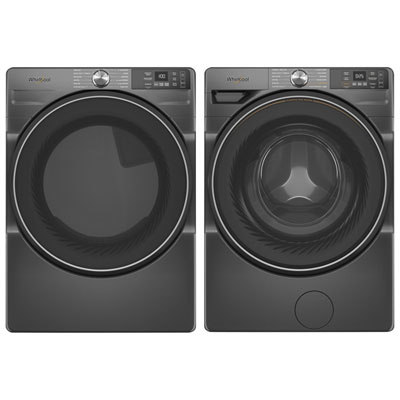
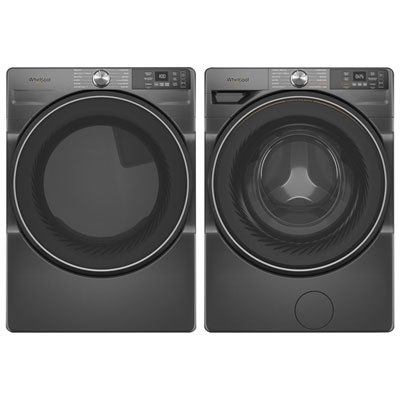
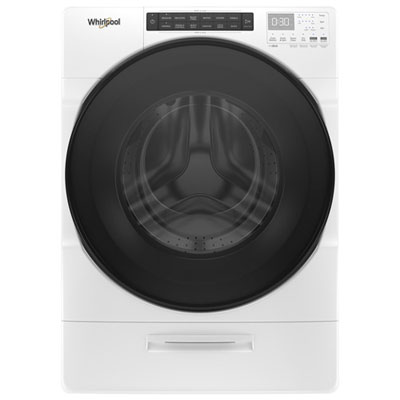
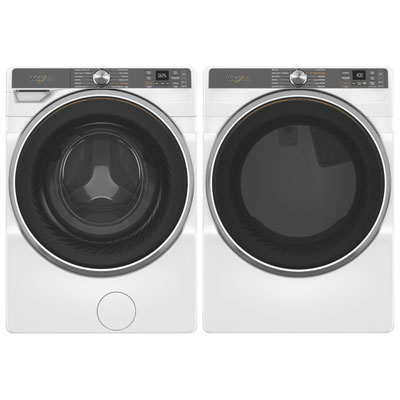
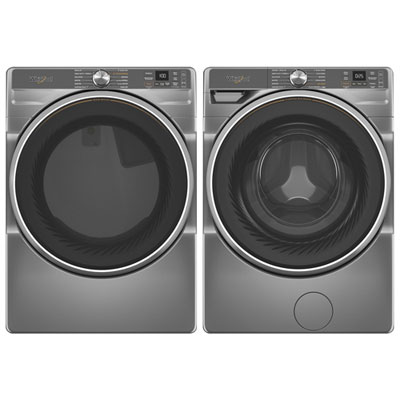
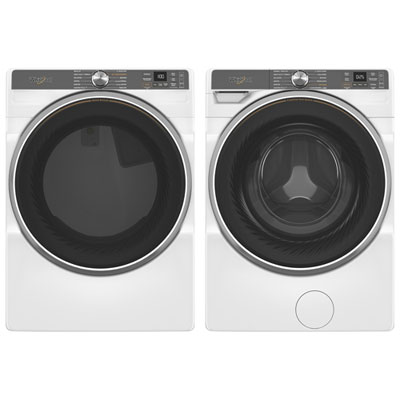
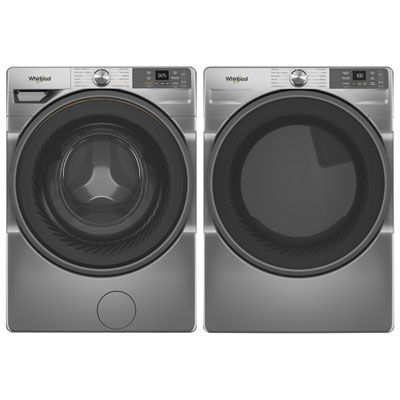

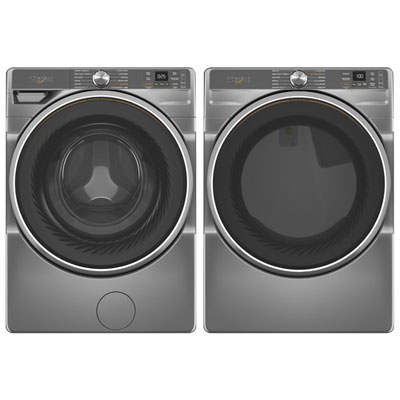
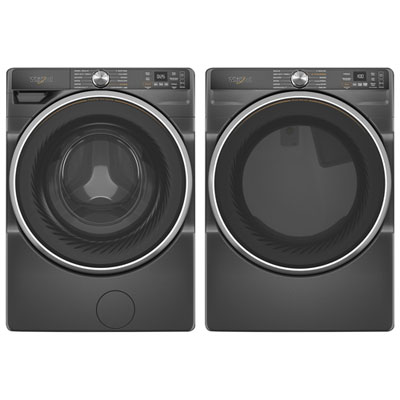
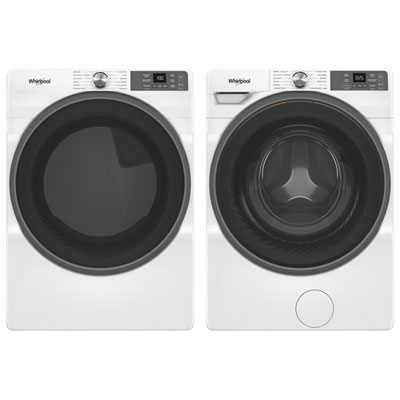
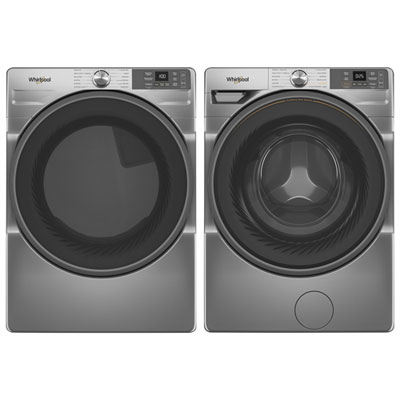

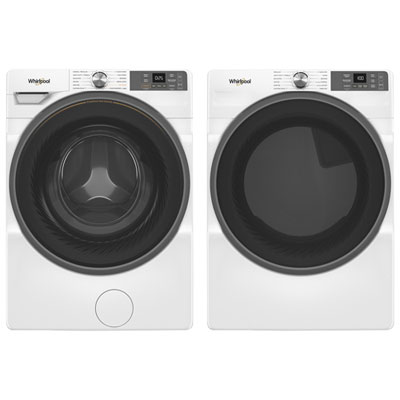
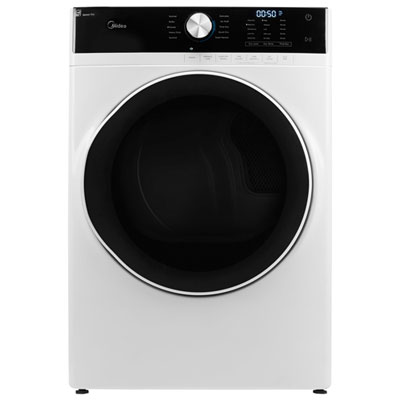
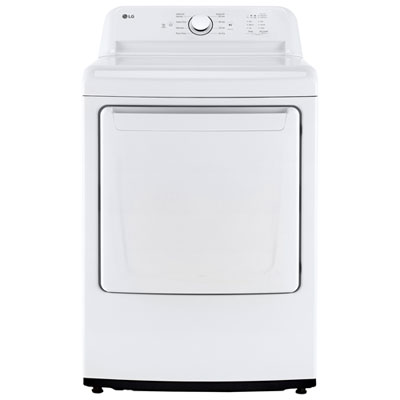
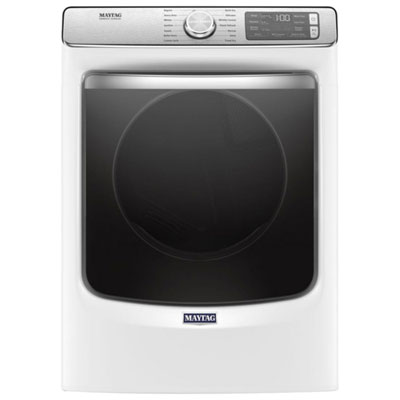
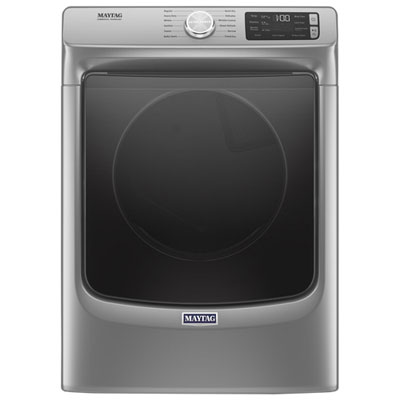
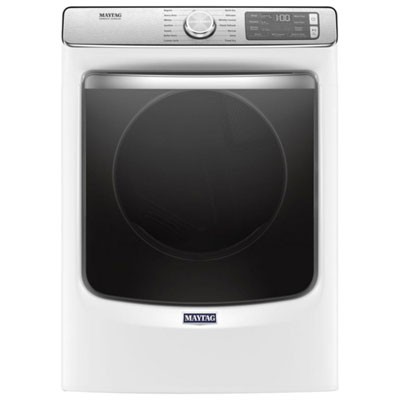
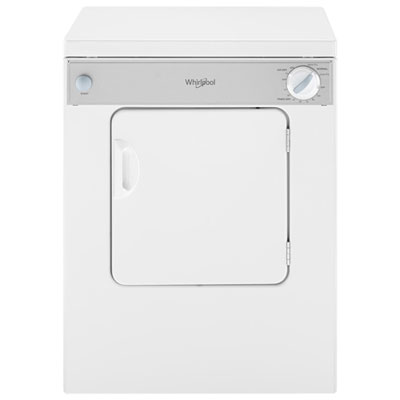
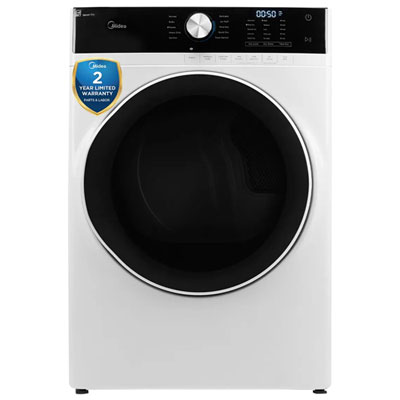

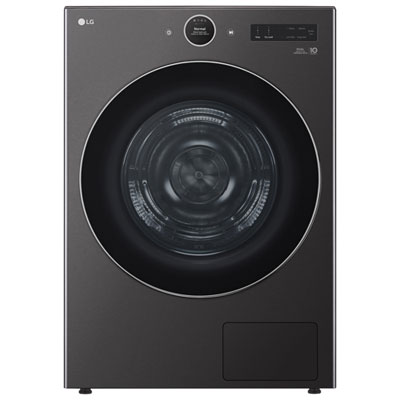
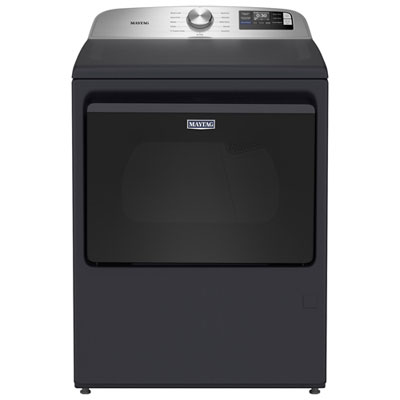
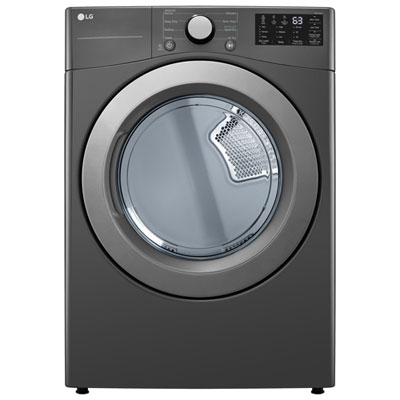

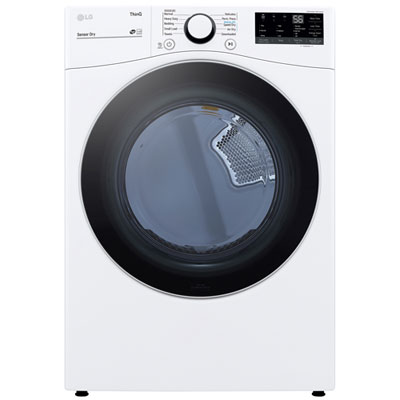
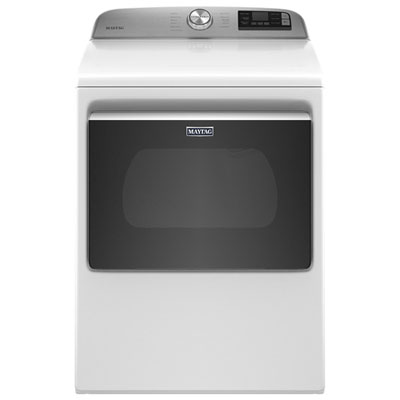
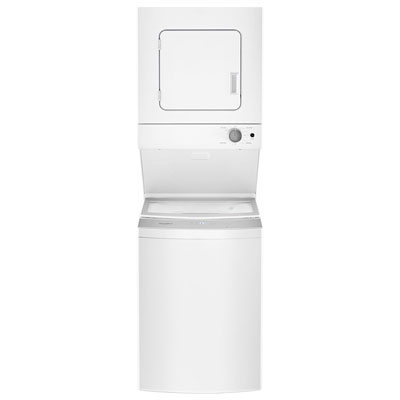
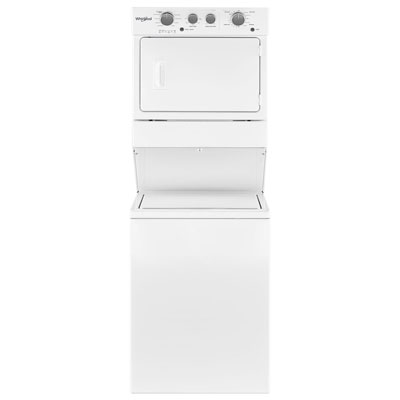
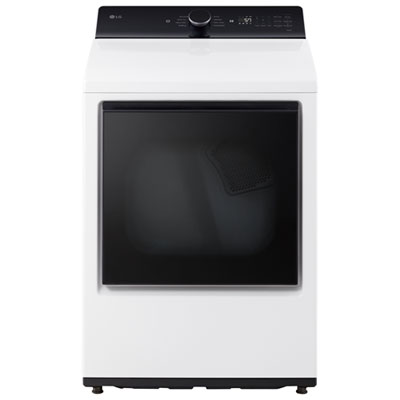
Why bulky laundry needs more than a bigger drum
Heavy-duty dryers are designed for demanding household laundry routines, from frequent loads of school clothes and workwear to towels, sheets, and other bulky washable fabrics. Their appeal lies in a combination of useful drum space, practical drying cycles, and controls that accommodate different fabric weights. A heavy-duty designation does not automatically mean commercial-grade construction or permission to dry every type of bulky item; the rated capacity, cycle descriptions, and manufacturer’s instructions define what an individual machine can handle. Many full-size household dryers have capacities around 7 cubic feet or more, but usable space matters as much as the number on the specification sheet. A load needs room to lift, separate, and tumble so that air can move through it. Bath towels packed tightly against the drum, for example, may stay damp in the middle even when the outer layers feel dry. Bedding also needs space to unfold rather than twist into a dense bundle. For households that run several loads each week, a dryer sized to complement the washer can help keep laundry moving without routinely dividing washed loads into smaller batches. Couples who wash bulky bedding, families managing sports uniforms, and households with several people sharing laundry facilities may all value that extra room. However, a larger drum does not make high heat suitable for every fabric. Cotton towels, denim, synthetic activewear, and delicate garments have different care requirements, and their labels remain the best starting point for choosing a cycle. Heavy-duty settings typically suit sturdy fabrics that tolerate more intensive drying, while lower-heat options offer flexibility for lighter materials. The most useful machine is one that handles everyday clothing as thoughtfully as the occasional oversized load. A generous drum, clearly marked controls, and a suitable mix of drying settings can make a meaningful difference when laundry includes everything from a handful of shirts to a full basket of bath linens.
Drying performance depends on more than heat alone. Moisture-sensing systems, where fitted, monitor conditions inside the drum and adjust the cycle rather than relying entirely on a fixed timer. This can help limit unnecessary drying and reduce the chance of leaving suitable fabrics exposed to heat after they are dry. Results still depend on load composition, selected settings, and proper airflow. A thick towel mixed with lightweight shirts may need more drying time than the rest of the load, which is why grouping fabrics of similar weight often gives more consistent results. Timed drying remains useful when a load needs a short finishing period, while an air-only setting, if included, provides tumbling without added heat for uses permitted by the care label. Some dryers offer intermittent tumbling after a cycle ends to help reduce wrinkles when clothes cannot be removed immediately. Steam functions on certain models may help relax wrinkles in suitable garments, but they do not replace washing and may require an additional water connection. These features differ by model and should not be assumed from the heavy-duty description alone. Power source is another important distinction. Conventional full-size electric dryers generally require a dedicated 240-volt connection, while gas dryers need the correct gas supply, a suitable electrical connection, and professional installation. A natural gas model may require an approved conversion kit and qualified service before it can use propane. Electric and gas models can both support substantial household loads; the appropriate choice depends on the home’s connections and the machine’s specifications. For a coordinated laundry space, Whirlpool White Electric Dryers offer a related category to explore when an electric configuration and white finish are preferred. Finish is only one part of the fit, however. Overall width, height, depth, door clearance, and the route into the laundry room all affect whether a machine will work comfortably in its intended space.
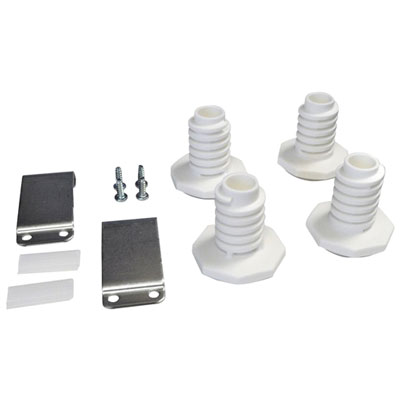
Construction, installation, and routine care all contribute to how well a heavy-duty dryer serves a busy home. Drum materials vary and may include coated metal or stainless steel; a smooth, intact surface helps clothing tumble without catching on damaged areas. Exterior finishes benefit from gentle cleaning with products permitted by the manufacturer, rather than abrasive pads that can scratch the surface. Practical details such as a reachable lint screen, readable cycle markings, and an interior light can be valuable during frequent use. Door orientation also affects daily comfort, especially when transferring wet laundry from a washer positioned beside the dryer. Some doors are reversible, but this capability needs confirmation for the particular model. Most household dryers load through a front door, including those designed to coordinate with top-load washers. Stacking is a separate consideration and requires explicitly compatible appliances and the specified stacking kit. Installation space must account for the dryer’s required clearances and, for vented machines, a properly routed exhaust duct leading outdoors. A machine that fits between the walls may still be unsuitable if the duct is crushed behind it or the door cannot open fully. Correct venting supports drying performance and helps prevent lint accumulation from restricting airflow. The lint screen should be cleaned before or after each load, following the manufacturer’s directions, and the exhaust system needs periodic inspection and cleaning. Loads taking noticeably longer than usual to dry can indicate restricted airflow or another issue that needs attention, rather than a need for a longer cycle every time. Pockets should be emptied, loose fastenings secured where appropriate, and fabrics contaminated with flammable substances kept out of the dryer as directed by its safety instructions. Service life varies with use, maintenance, and installation, so a heavy-duty label is not a guarantee of a fixed lifespan. For everyday ownership, durable construction works best alongside sensible load sizes and consistent care. The result is a laundry setup suited to repeated use, with enough flexibility for both sturdy household textiles and clothing that needs a gentler approach.
Top selling and popular products
-
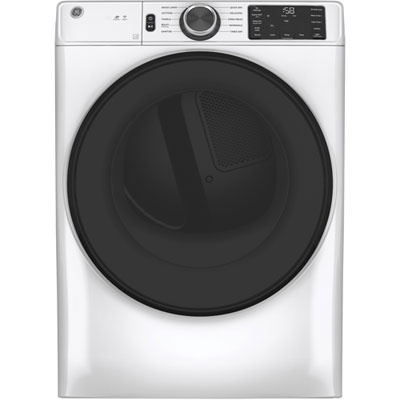 Your price for this item is $1199.99
-
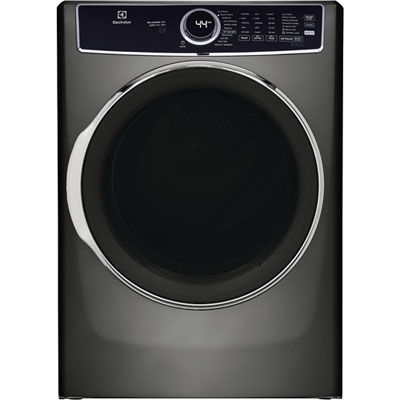 Your price for this item is $1192.99
-
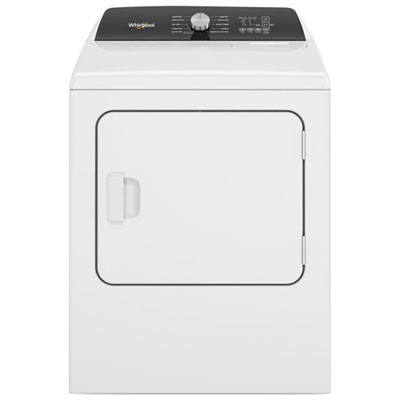 Your price for this item is $799.99
-
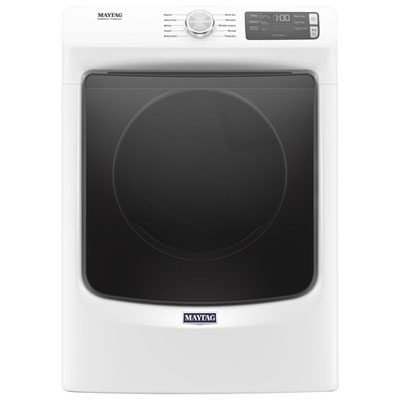 Your price for this item is $1099.99
-
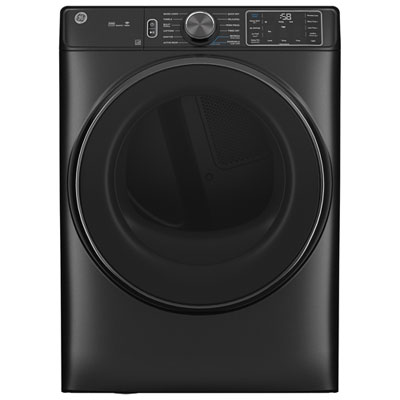 Your price for this item is $1449.99
-
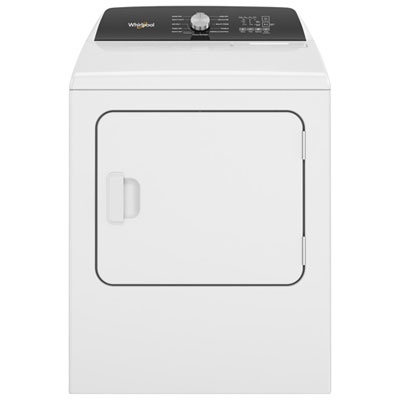 Your price for this item is $849.99
-
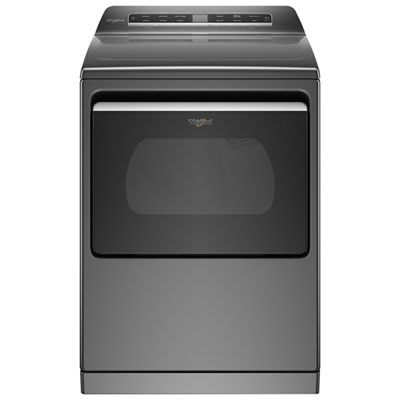 Your price for this item is $1149.97
-
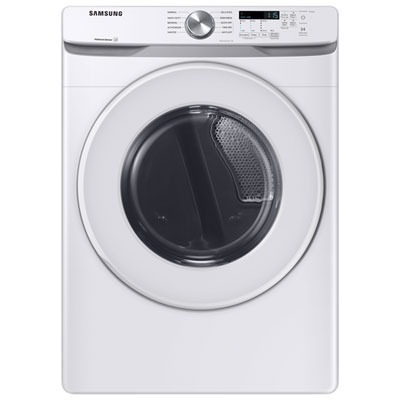 Your price for this item is $945.99
Discover more categories related to Whirlpool Heavy Duty Dryers

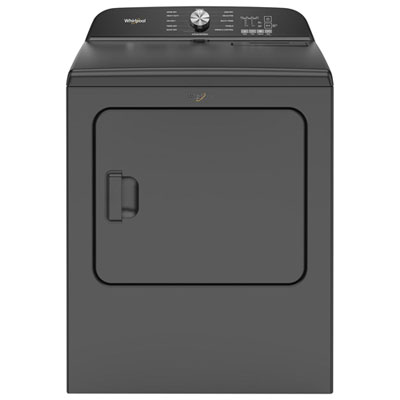
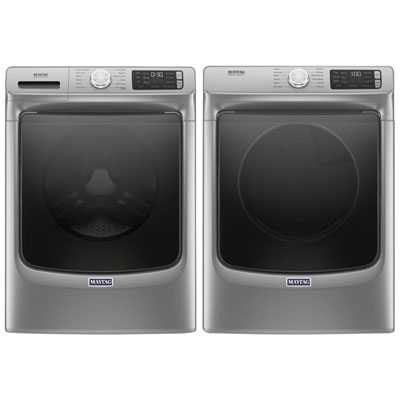
Top Collections:
Best Black Friday Deals This Year, Best Black Friday Deals On Electronics, Kindle Devices, Pokemon Centers, Best Black Friday Deals On Apple Products, Best Cameras for Sports Photography, Dyson Airwrap, Pokémon 30th Celebration Cards, Apple iPhone 17 Pro, Canon G7X Cameras
Some products may be subject to Environmental Handling Fees
(EHF) depending on your province.
Learn more about EHFs.