White Freestanding Ranges
White Freestanding Ranges bring a classic, clean look to any kitchen while offering versatile placement options to suit your space. Whether you're updating your home or outfitting a new one, these ranges provide a timeless aesthetic that complements a variety of kitchen styles. Explore the selection of White Freestanding Ranges to find the perfect match for your cooking needs and design preferences.
Sort
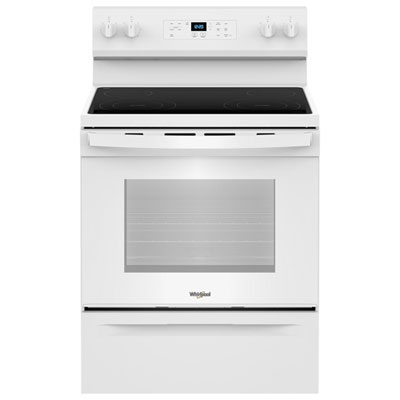
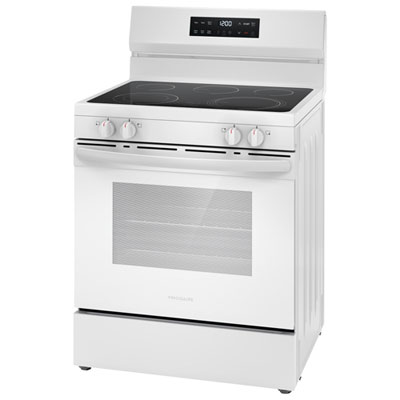
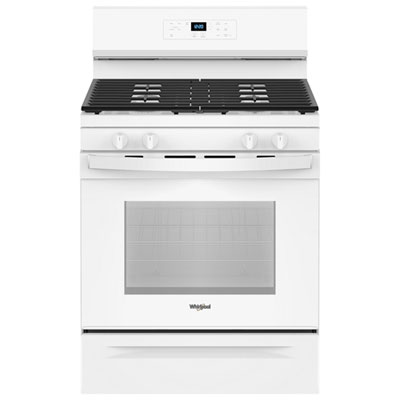

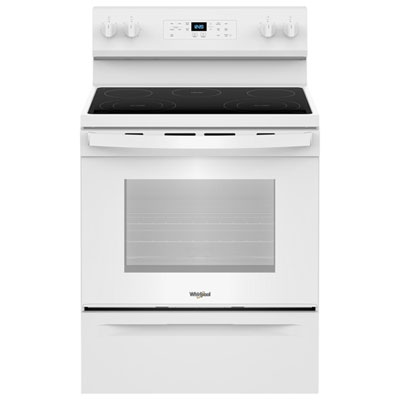
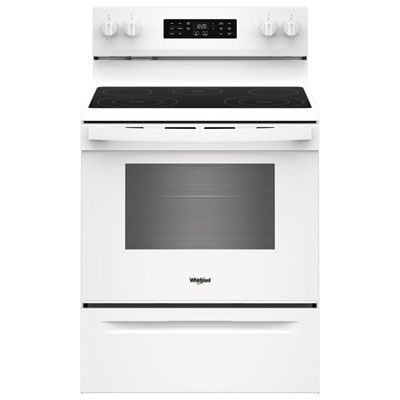
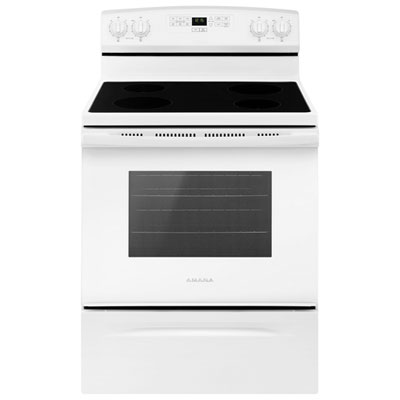
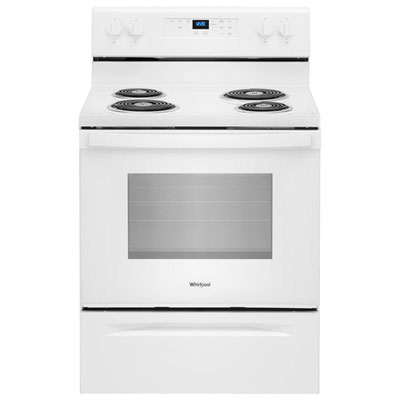
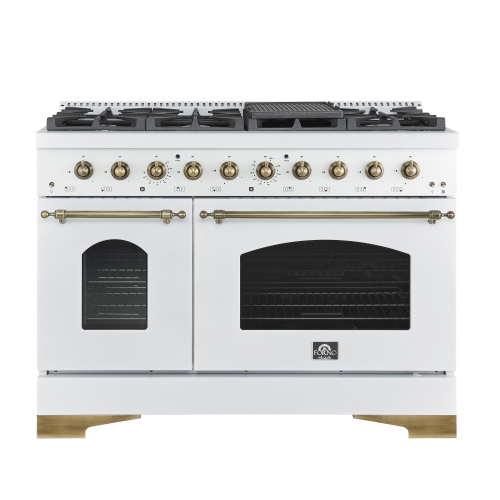
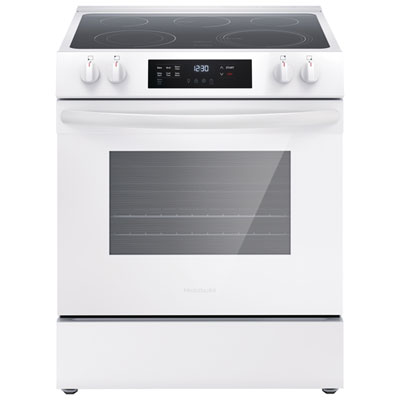

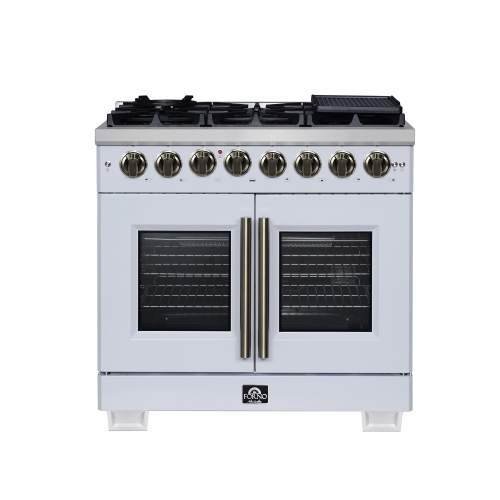
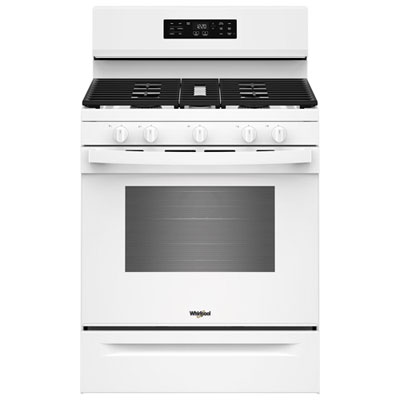
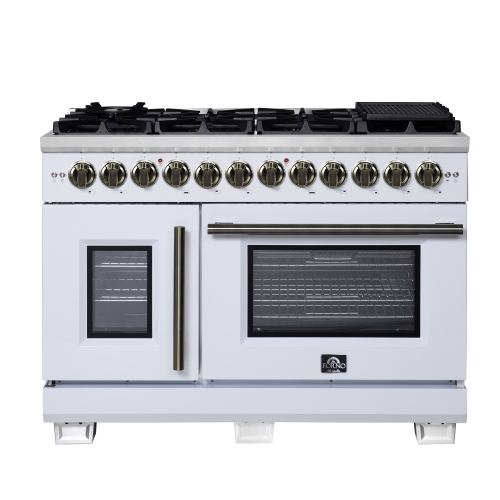
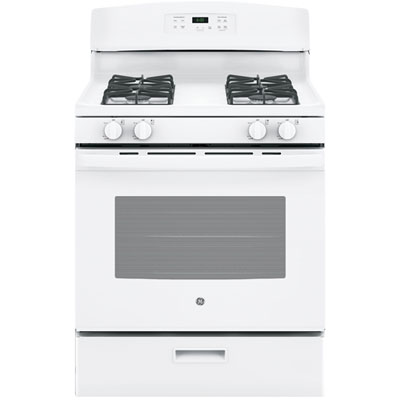

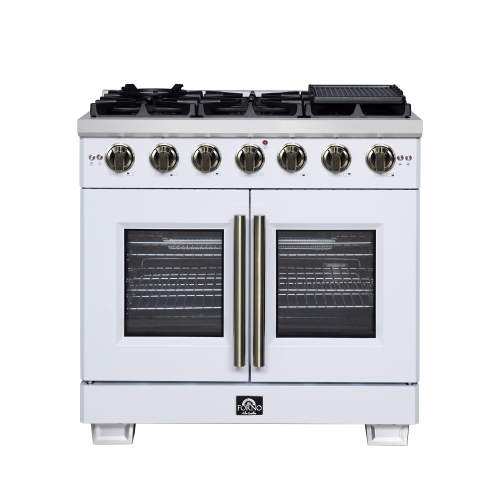
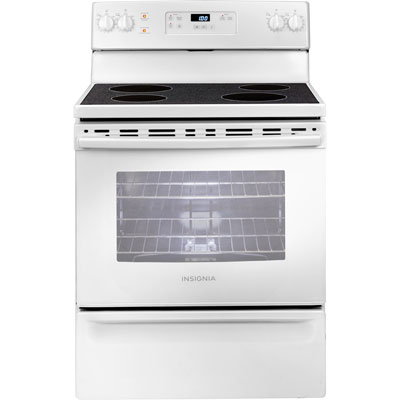
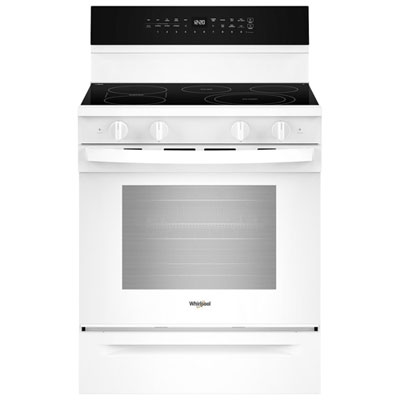
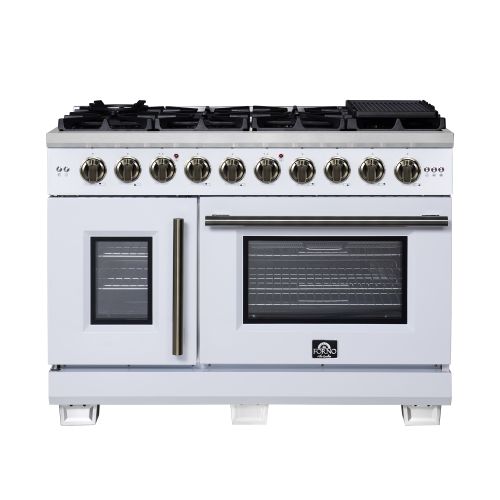
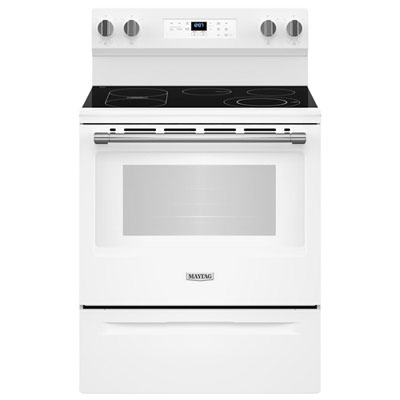
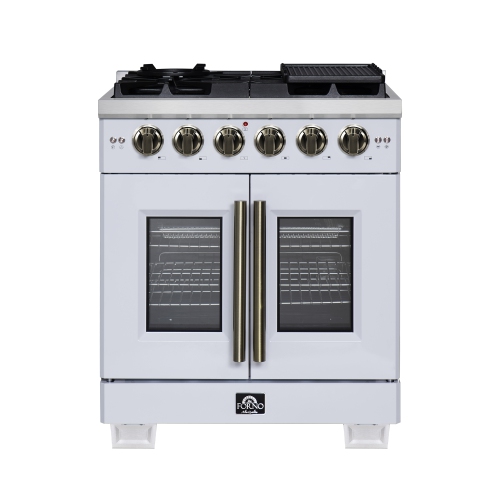
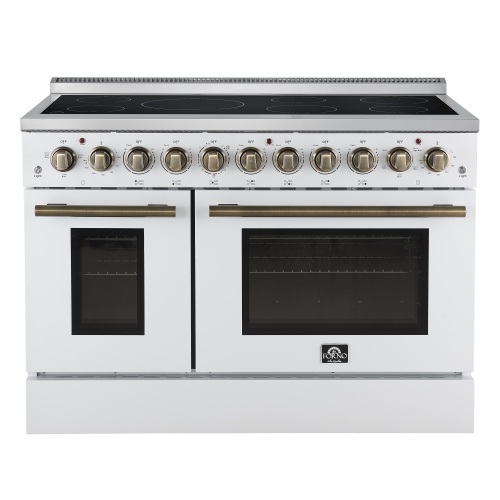
A white finish is only part of the fit
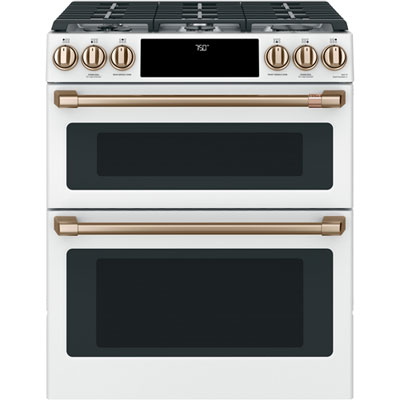
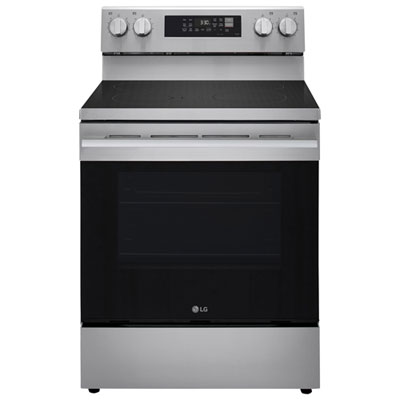
White freestanding ranges combine a cooktop and oven in one appliance, with a white exterior that suits a wide variety of kitchen styles. Their finished sides allow them to sit at the end of a cabinet run or between cabinets without requiring cabinetry to support the appliance. Many have a raised backguard with controls, although control placement and overall design vary. White is an easy colour to coordinate with painted cupboards, pale tile, natural wood, and darker countertops, making these ranges a practical choice for both kitchen updates and appliance replacements. In an all-white kitchen, differences between bright white, softer paint colours, and neighbouring appliance finishes can affect how closely everything matches. Against oak cabinetry or a charcoal backsplash, a white range creates a more distinct contrast. The most important fit considerations extend beyond colour: width, depth, height, oven door clearance, and the location of electrical or gas connections all influence installation. A 30-inch width is common, but the appliance’s exact dimensions and required clearances matter more than its nominal size. Handles and backguards can project beyond the main body, while an open oven door needs enough room to lower fully without blocking a nearby drawer or contacting an island. For a replacement range, the existing opening, countertop height, and surrounding trim help determine whether the new appliance will sit neatly within the space. Freestanding does not mean unrestricted placement; the manufacturer’s instructions still govern clearances, ventilation, connection requirements, and anti-tip bracket installation. A qualified installer can assess the required connections and secure the appliance correctly. These details are especially useful in established kitchens, where an existing outlet, gas line, or uneven floor may affect the final position. A well-fitted white freestanding range should look intentional within the kitchen while leaving comfortable space for opening doors, moving cookware, and cleaning around the appliance.
The cooking experience depends largely on the fuel type, cooktop design, and oven configuration. Electric ranges may use exposed coil elements or a smooth glass-ceramic cooking surface, while gas ranges use burners beneath grates. Induction ranges also have a smooth surface, but they heat compatible magnetic cookware directly rather than relying on a conventional radiant element. Each design has everyday implications. Removable coil elements and drip bowls can make certain components accessible for cleaning, while a smooth cooktop provides a continuous surface to wipe once it has cooled. Gas grates need sufficient support for the pots used most often, and induction cooking requires suitable cookware with flat, magnetic bases. Existing utility connections and the appliance’s installation requirements help determine which type fits the kitchen. Beyond fuel type, the arrangement and size of the cooking zones affect how comfortably meals come together. A large sauté pan, a stockpot, and a small saucepan need different amounts of space, so useful burner spacing can matter as much as the total number of burners. Inside the oven, capacity is only part of the picture. Rack positions, usable interior dimensions, and clearance around baking dishes influence whether a casserole dish, roasting pan, or pair of baking sheets fits comfortably. Convection, where included, circulates heated air with a fan and can support more even cooking, though recipes may need adjustments according to the appliance instructions. A household that regularly bakes several trays has different priorities from someone who mainly prepares stovetop meals and occasionally uses the oven. Clear displays, straightforward timers, a visible oven window, and accessible controls can make routine cooking easier without adding unnecessary complexity. Control placement also deserves attention: rear controls may require reaching past cookware, while front controls are closer to hand and may include a lock function on some designs. For families, shared households, and people setting up a first kitchen, the strongest fit is usually a range whose layout makes familiar cooking tasks feel manageable and comfortable.
Materials and care play an important role in how a white freestanding range holds up to daily use. White exterior panels are often finished metal, while oven interiors commonly use porcelain enamel; cooktops, grates, knobs, and door trim can use different materials with different cleaning requirements. The white finish makes splashes and spills easy to spot, which can encourage a quick wipe before marks become harder to remove. A soft cloth and a manufacturer-approved cleaner are generally preferable to abrasive pads that could scratch or dull a surface. Smooth glass-ceramic cooktops need particular care with pan bottoms, sugary spills, and cleaning tools, while gas burner ports and caps must be kept clean and correctly positioned for proper operation. Any cleaning should follow the appliance instructions and begin only when the relevant surfaces are safe to handle. Oven cleaning methods vary, too: manual-clean, steam-clean, and high-heat self-clean functions are not interchangeable, and racks or accessories may need to be removed before a cleaning cycle. Protective liners and foil should only be used where the manufacturer permits them, since covering the wrong area can interfere with heat or airflow. Durability also depends on ordinary habits, such as lifting heavy cookware rather than dragging it across a smooth top, avoiding impacts against enamel edges, and keeping door seals free of food residue. Storage drawers, where included, can help keep suitable cookware nearby, but their intended use and weight limits should be checked rather than assumed. For a broader look at the category, Freestanding Kitchen Ranges provides a useful point of comparison alongside the white finish. Whether the appliance is replacing a well-used range in a family kitchen or completing a newly fitted space, the same fundamentals remain important: appropriate dimensions, compatible connections, a workable cooking layout, and surfaces that suit the household’s cleaning routine. White freestanding ranges bring these practical considerations together in a familiar kitchen centrepiece, with a neutral appearance that can remain easy to coordinate as cupboard colours, countertop accessories, and everyday cooking habits change.
Top selling and popular products
-
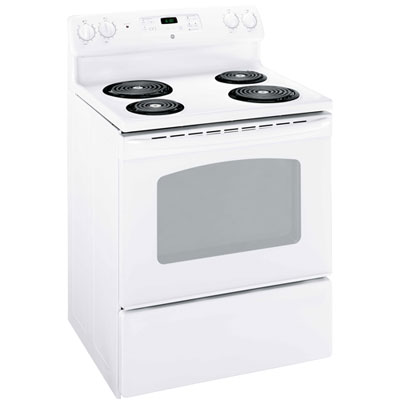 Your price for this item is $749.99
-
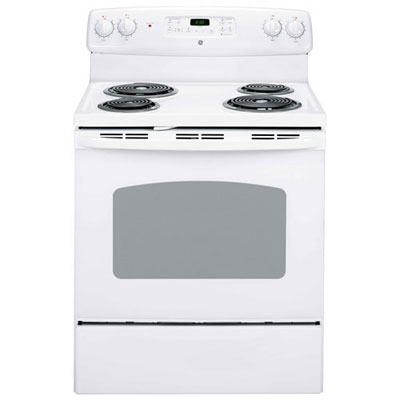 Your price for this item is $799.99
-
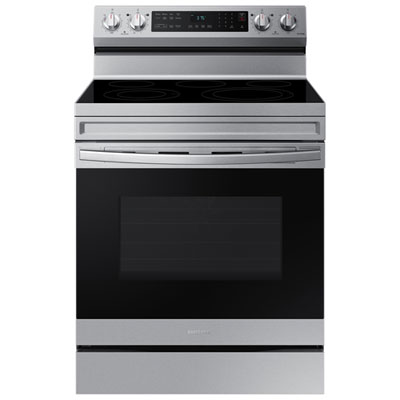 Your price for this item is $1199.99
-
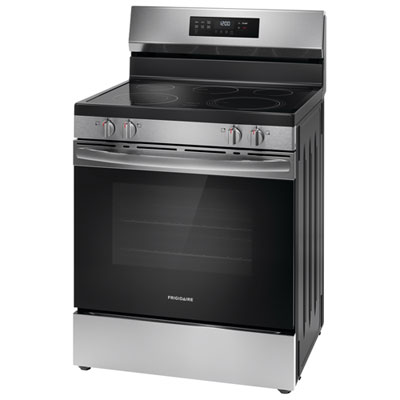 Your price for this item is $1199.99
-
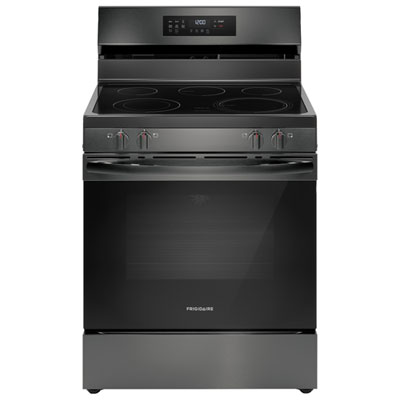 Your price for this item is $1399.99
-
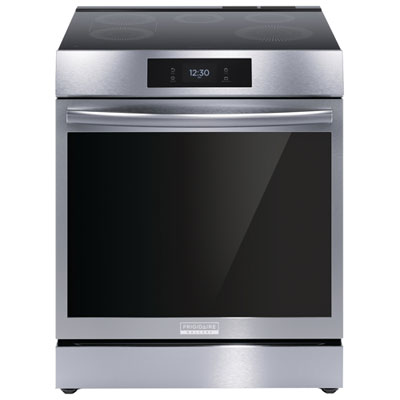 Your price for this item is $2199.99
-
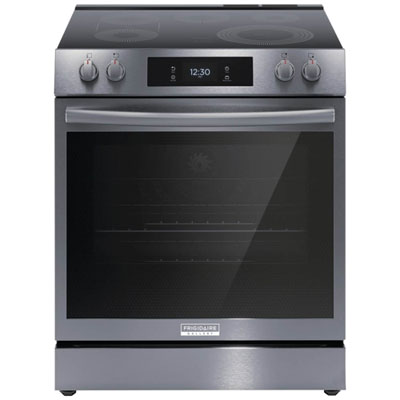 Your price for this item is $1899.99
-
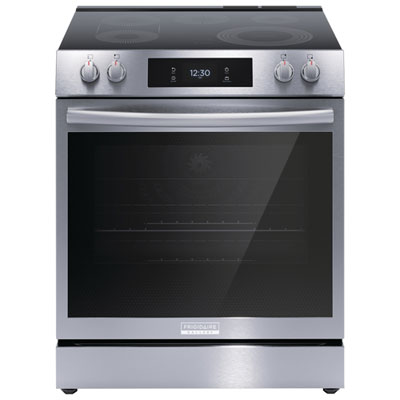 Your price for this item is $1799.99
Discover more categories related to White Freestanding Ranges
Top Collections:
Best Black Friday Deals This Year, Best Black Friday Deals On Electronics, Kindle Devices, Pokemon Centers, Best Black Friday Deals On Apple Products, Best Cameras for Sports Photography, Dyson Airwrap, Pokémon 30th Celebration Cards, Apple iPhone 17 Pro, Canon G7X Cameras
Some products may be subject to Environmental Handling Fees
(EHF) depending on your province.
Learn more about EHFs.