Under Cabinet Range Hoods
A range hood is a must-have for almost any kitchen. It removes smoke, grease, and odors from the air, so your kitchen doesn't smell. These under-cabinet range hoods are designed to fit underneath kitchen cabinets, allowing you to maintain a sleek look in the kitchen. They are available in a variety of sizes and styles to match almost any kitchen decor. Here are some great options.
Sort
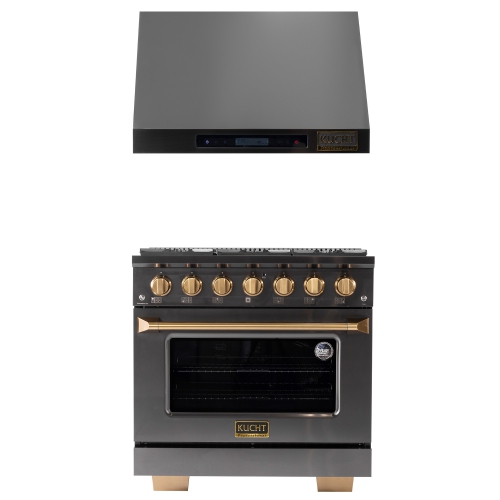
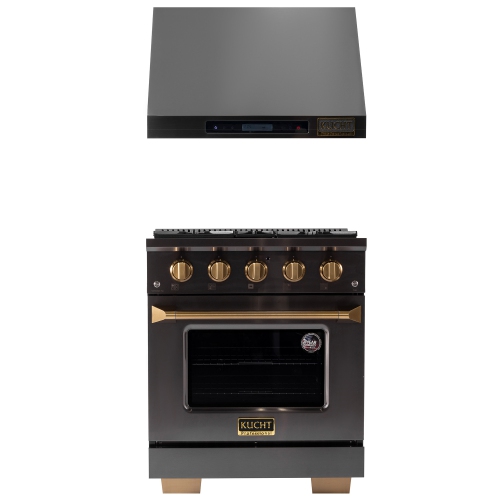
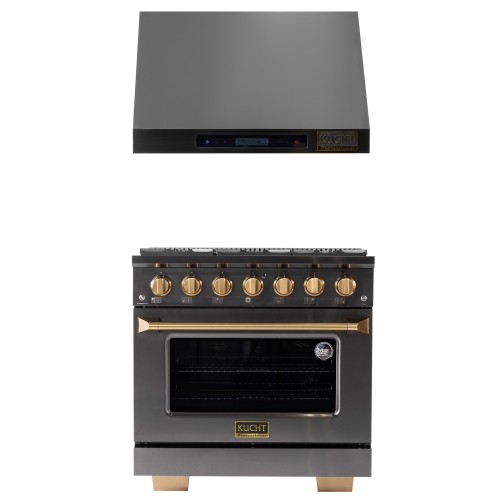
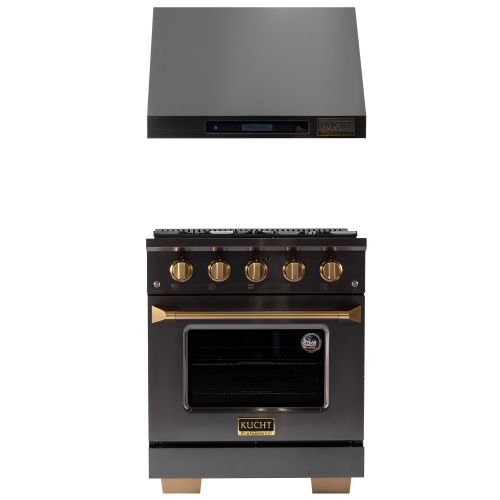
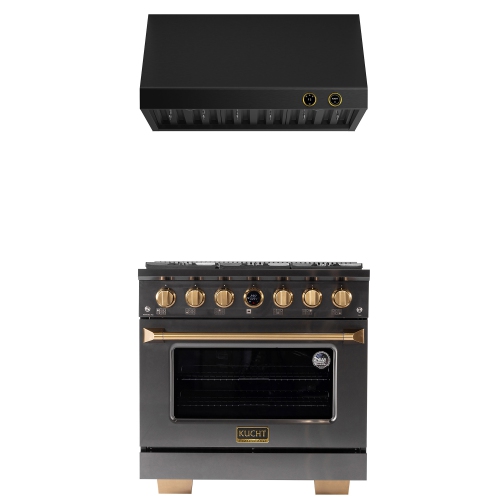
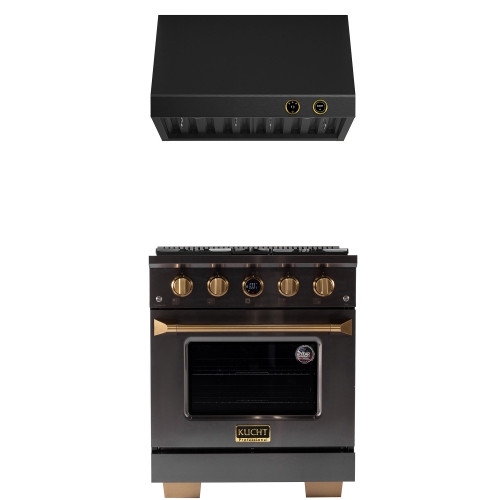
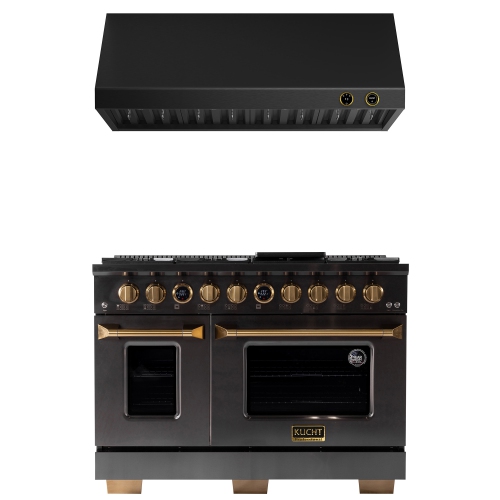
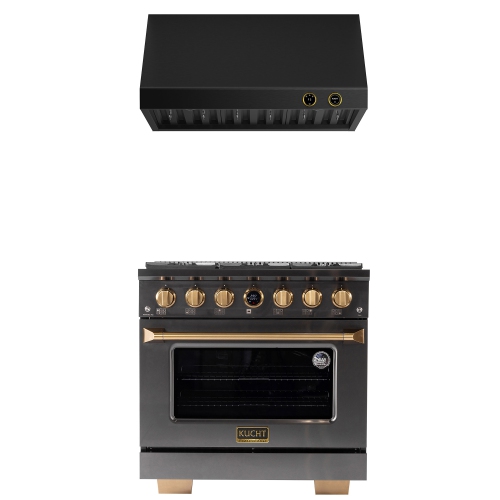
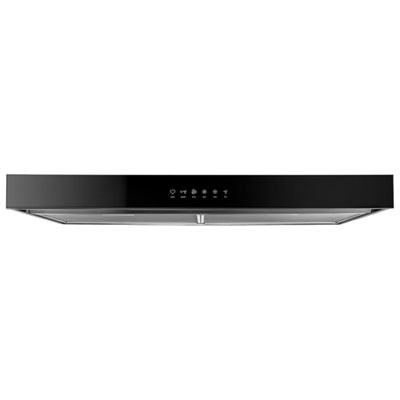
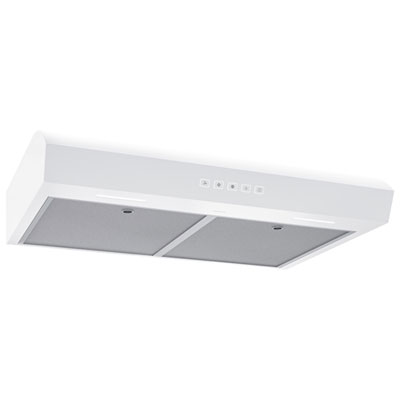
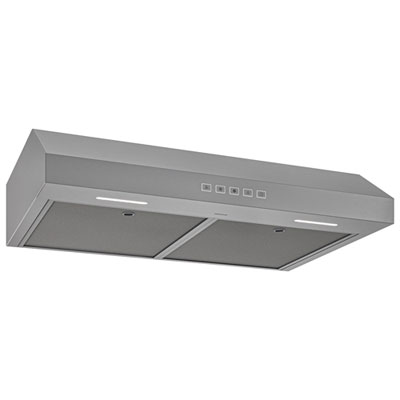
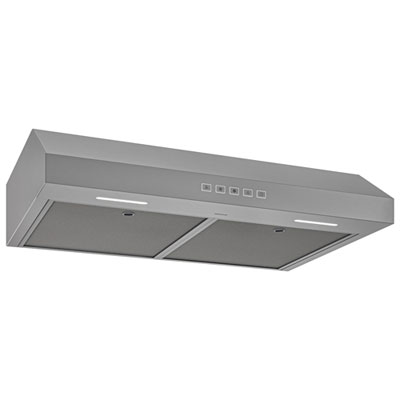
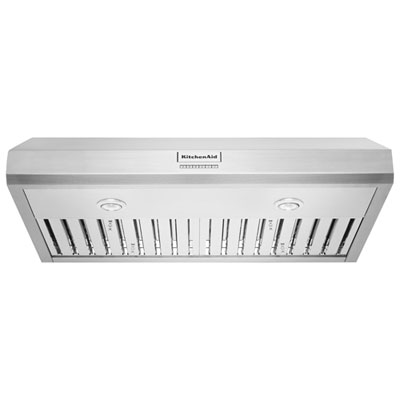
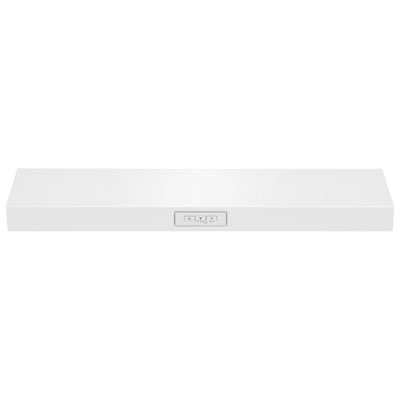
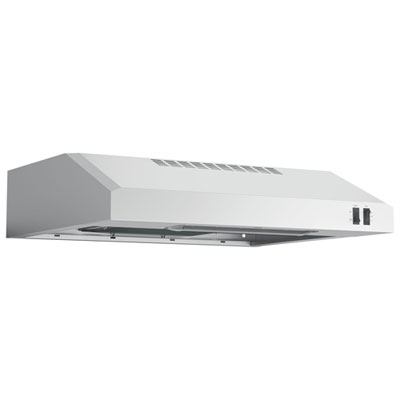
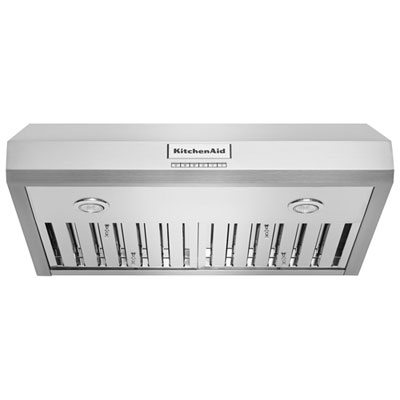
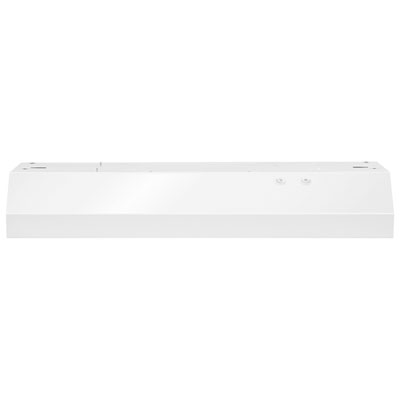
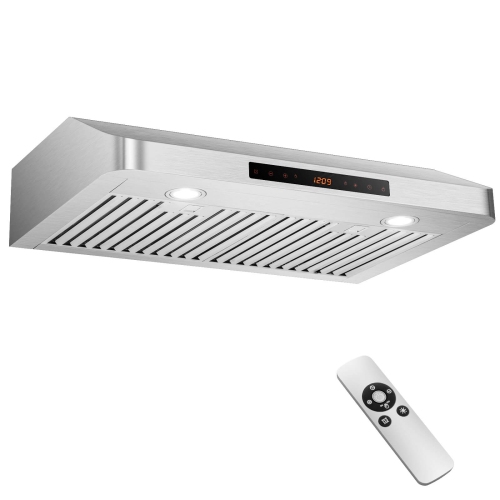
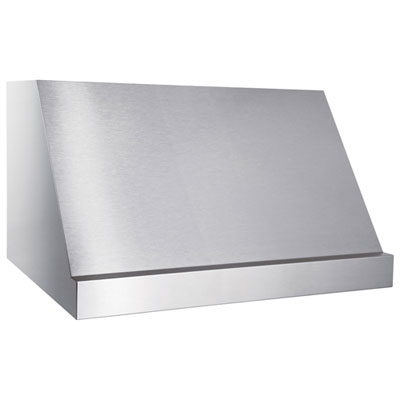
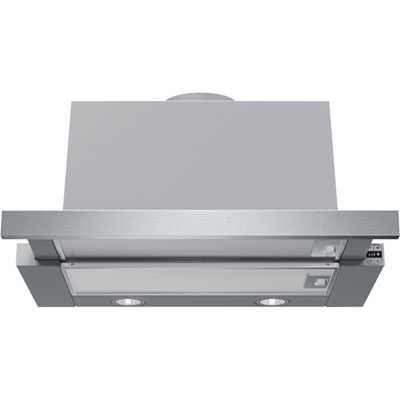

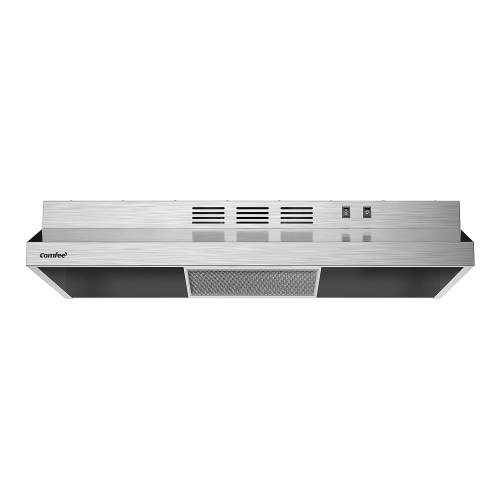
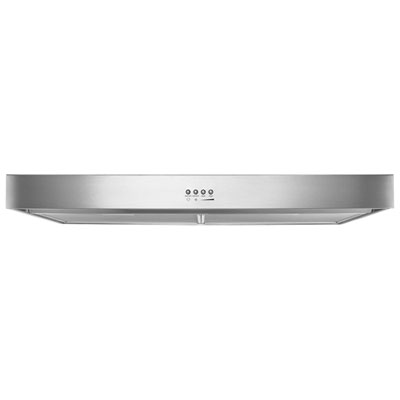
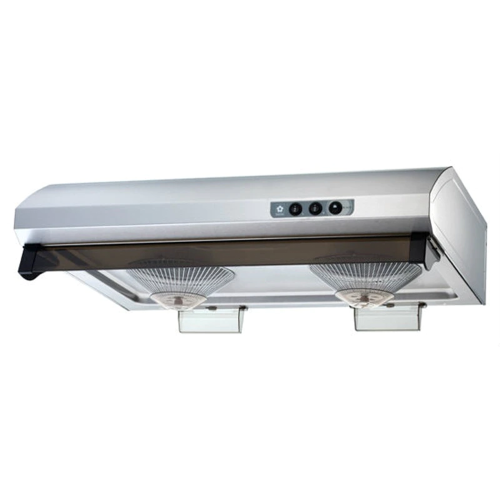
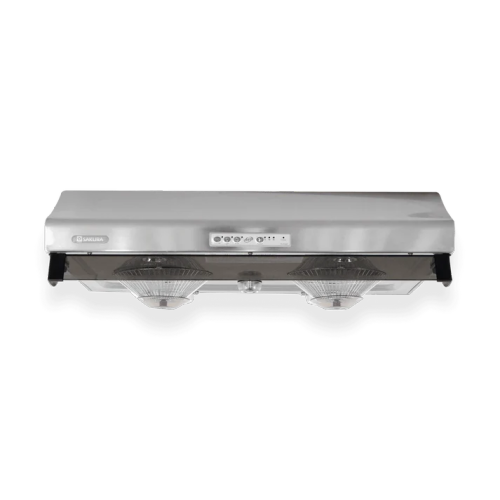
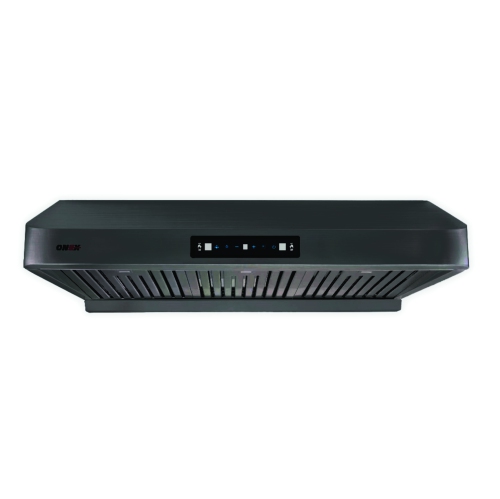
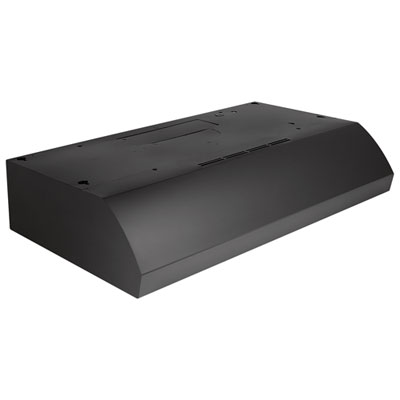
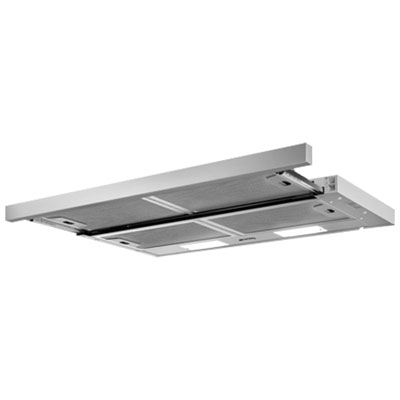
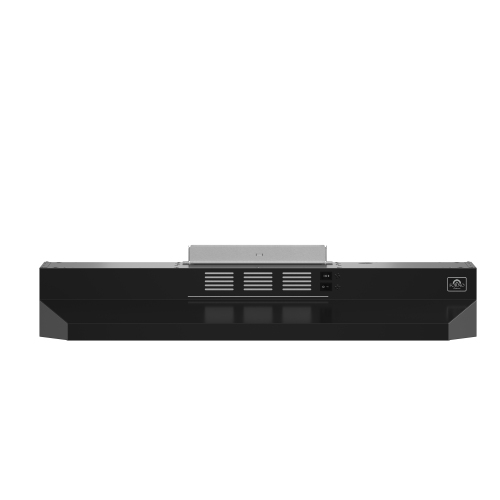
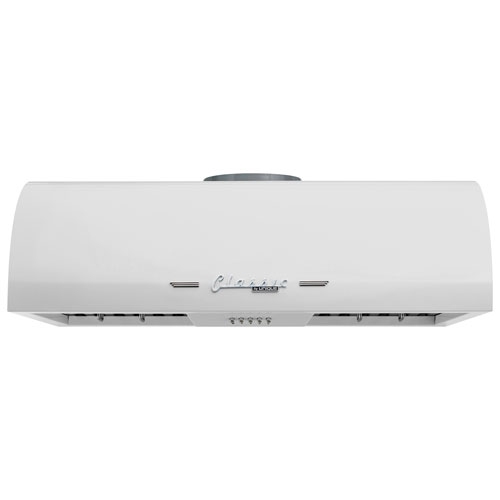
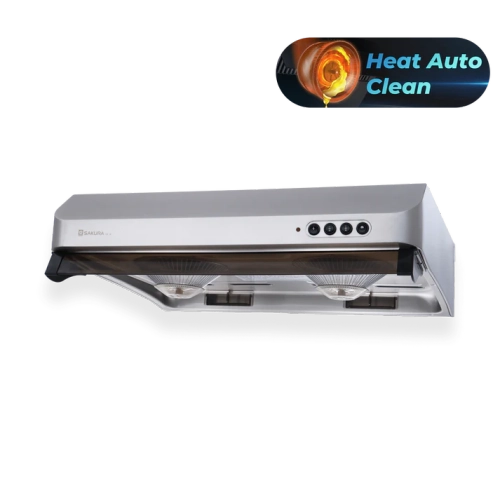
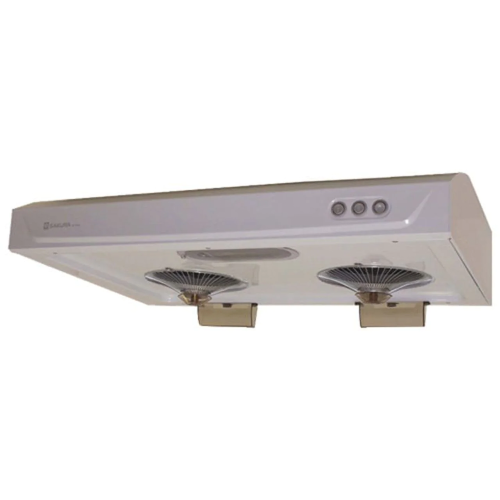
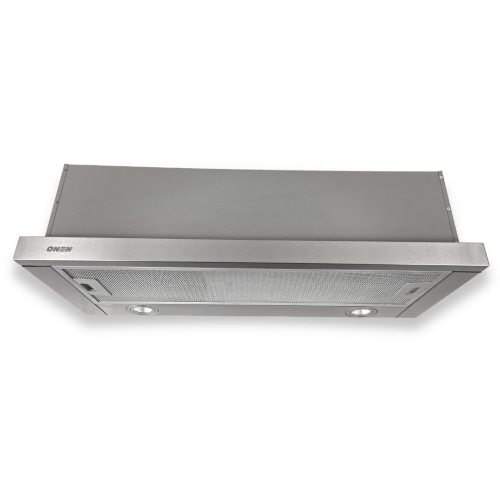
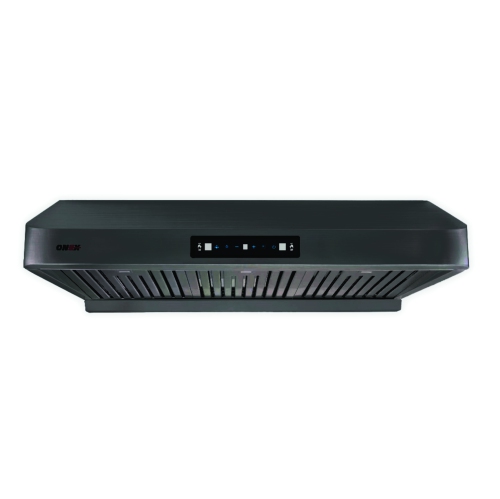
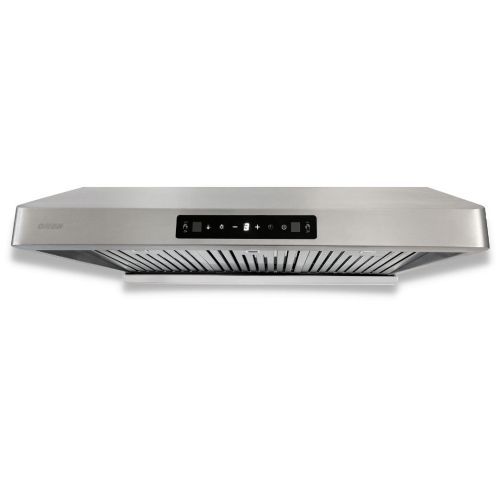
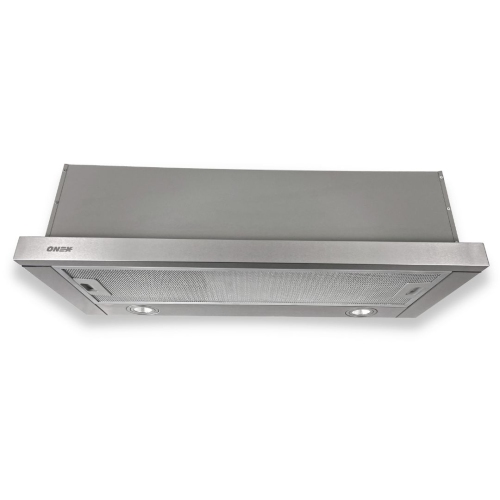
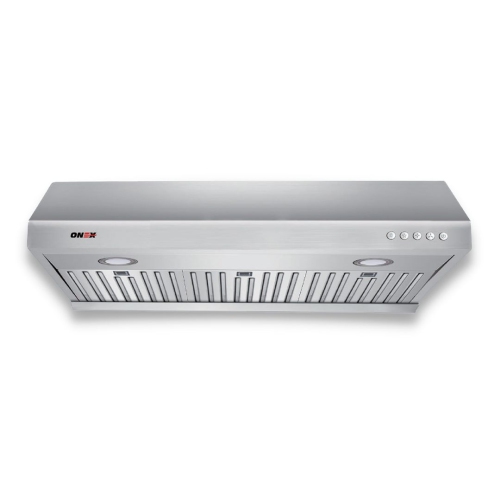
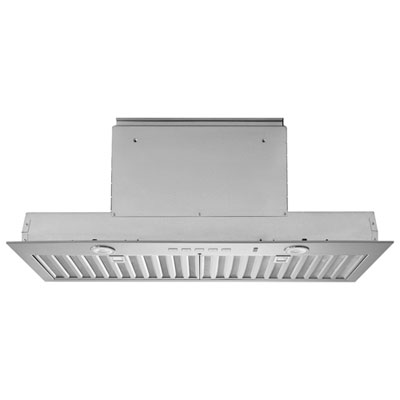
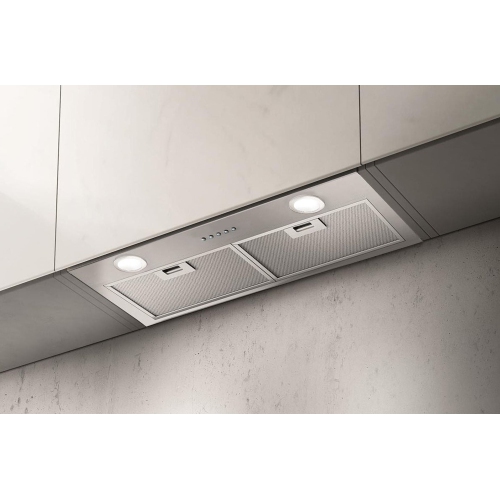
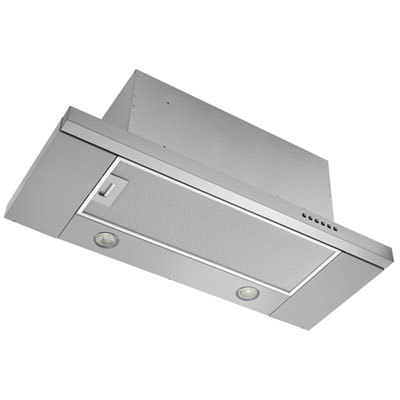

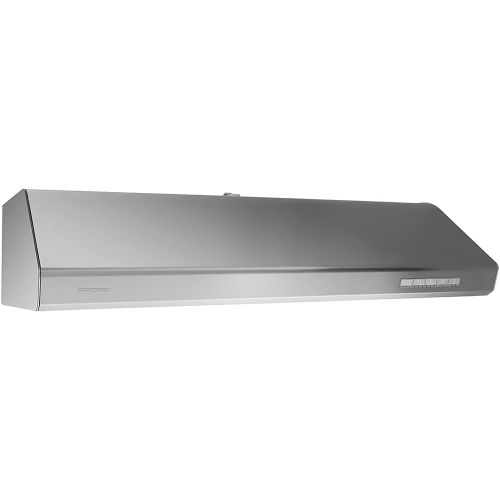
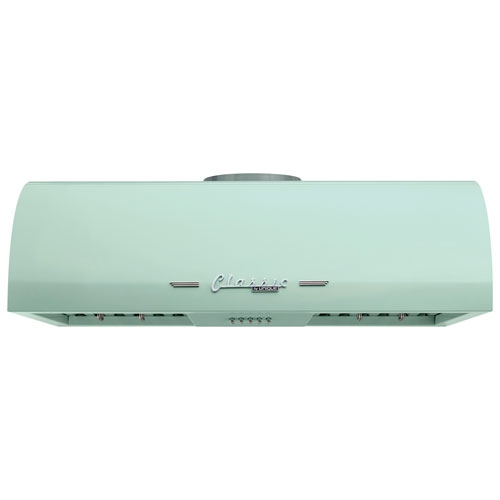
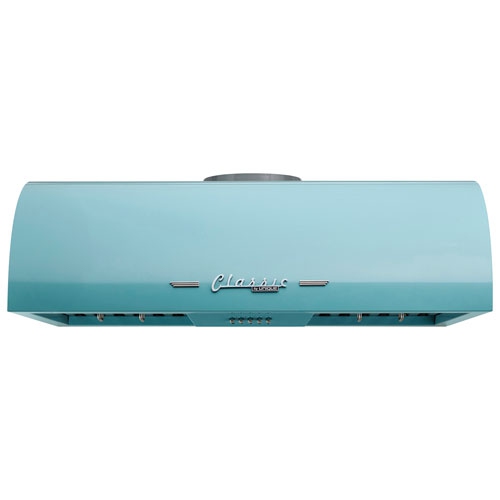
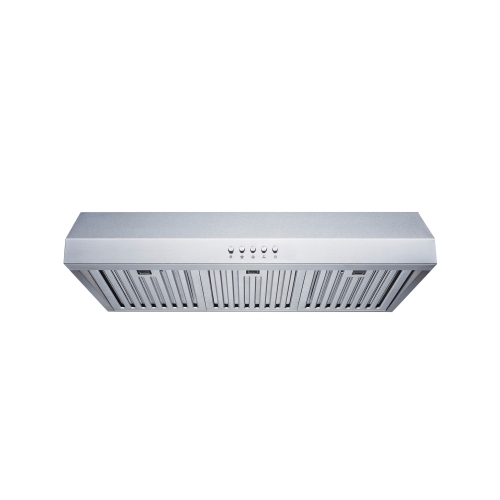
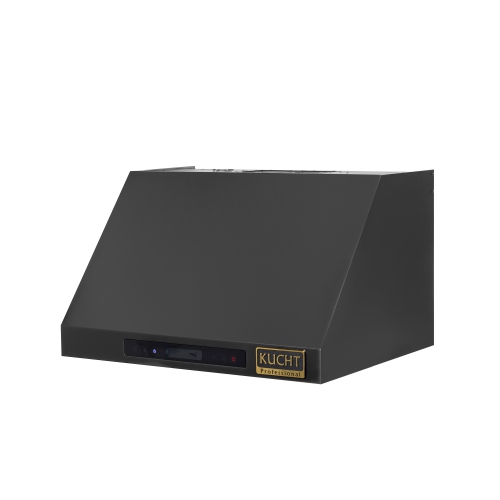
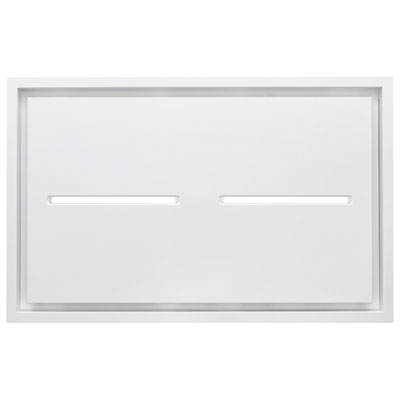
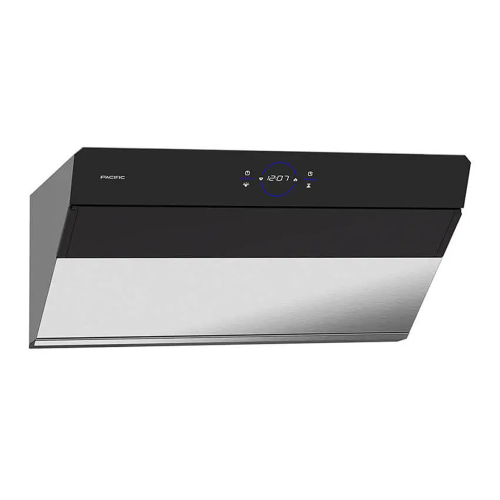
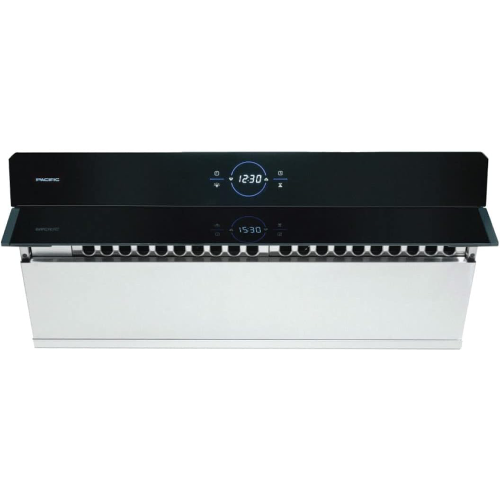
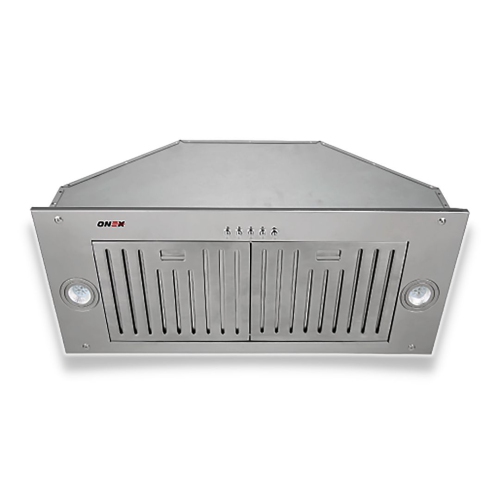
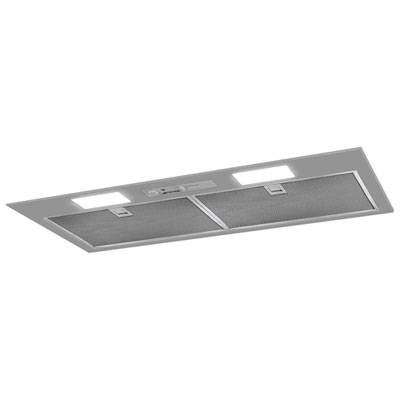
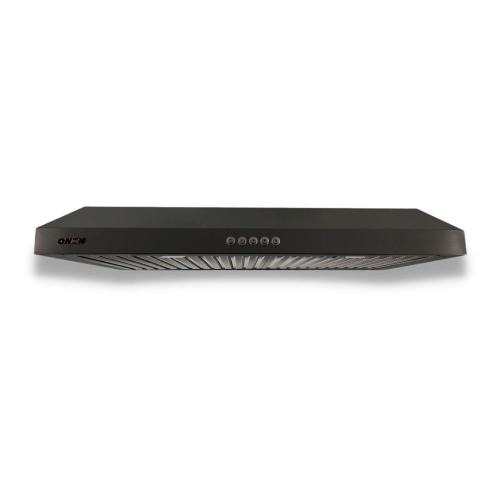
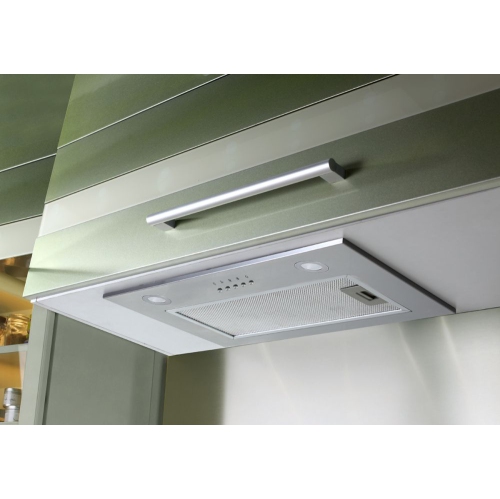
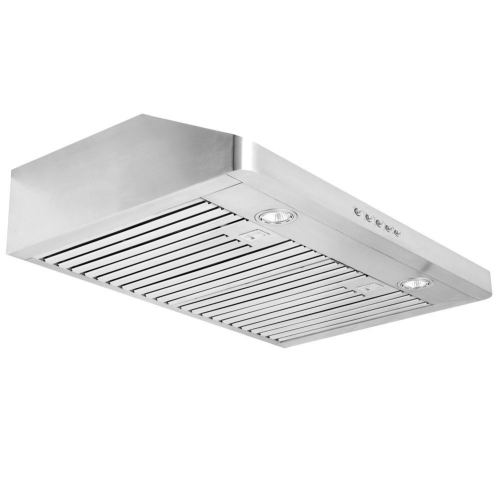
What to know about fit, airflow and installation
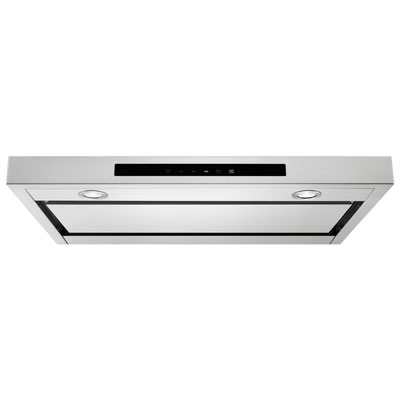
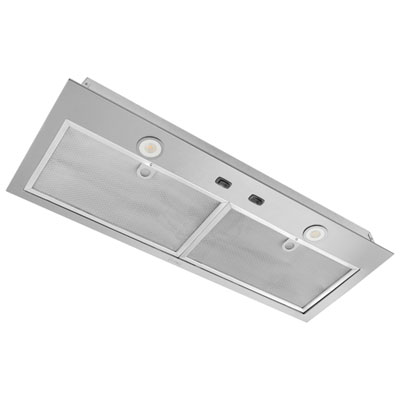
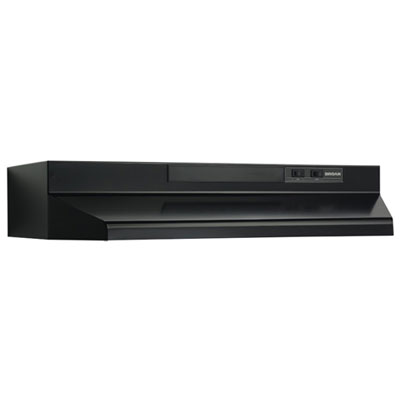
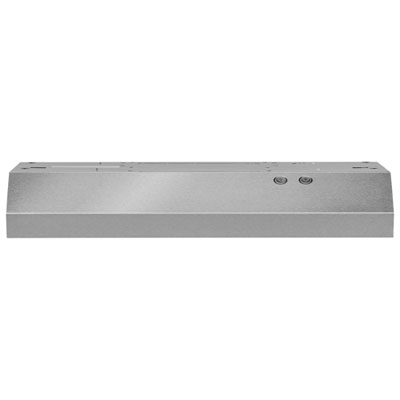
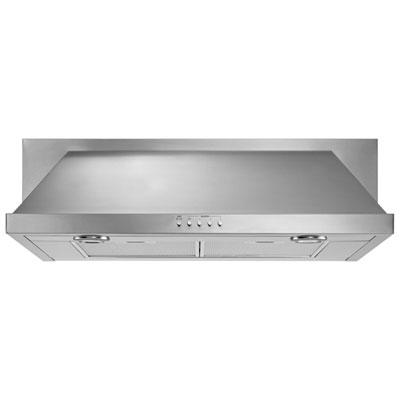
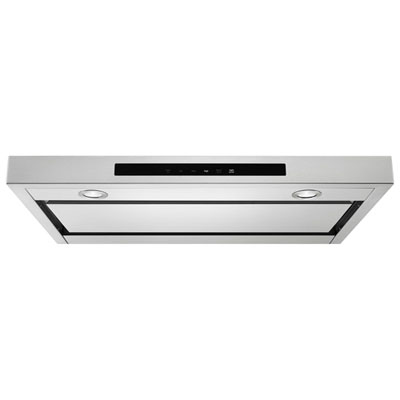
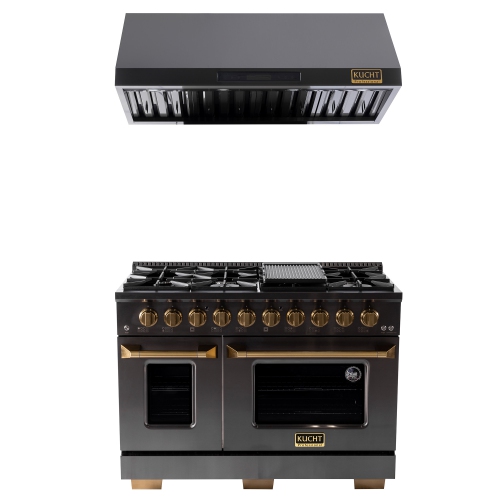
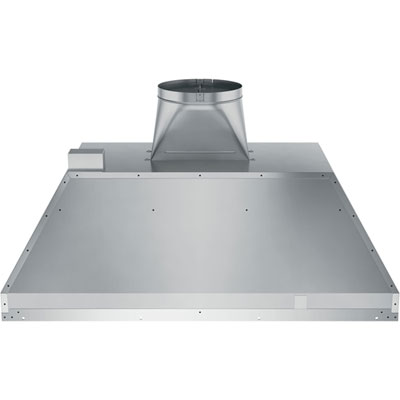
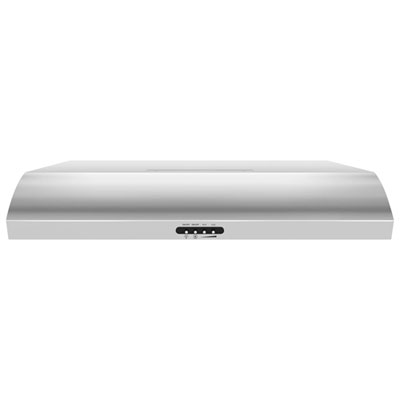
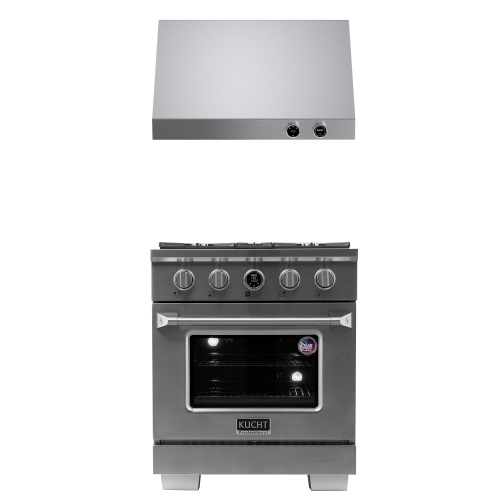
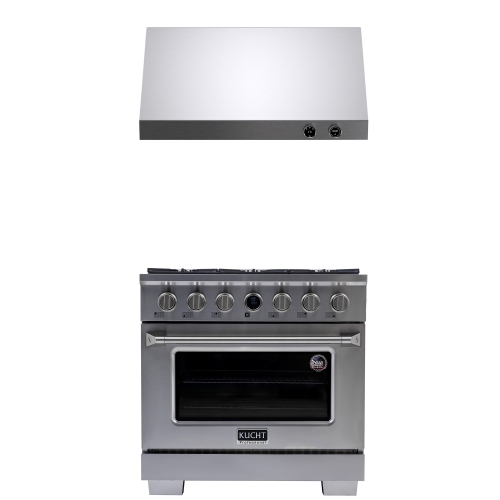
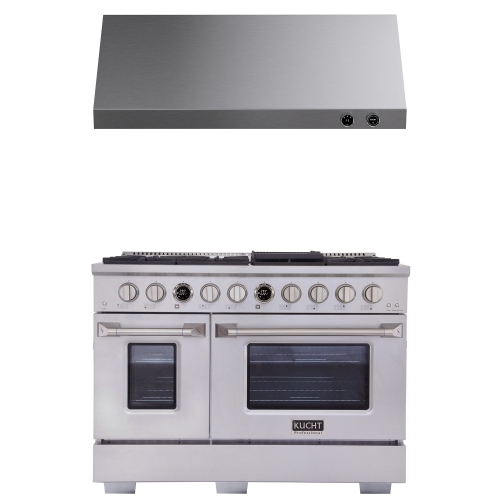
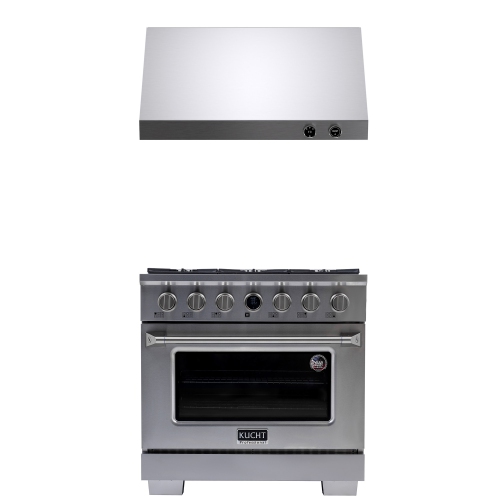
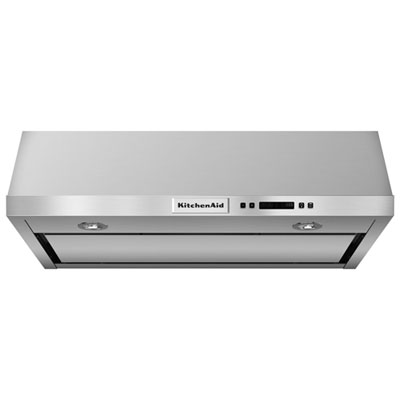
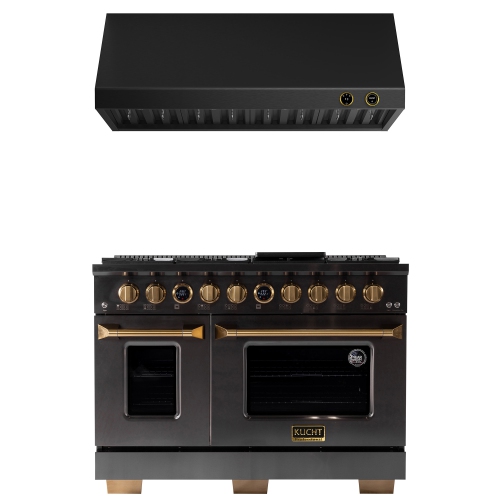
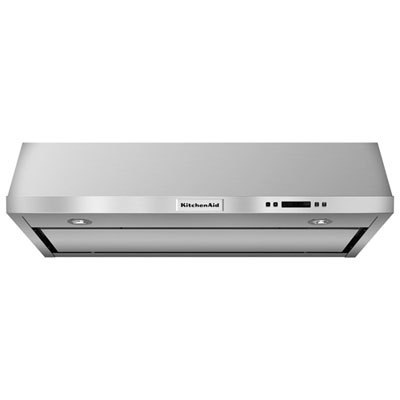
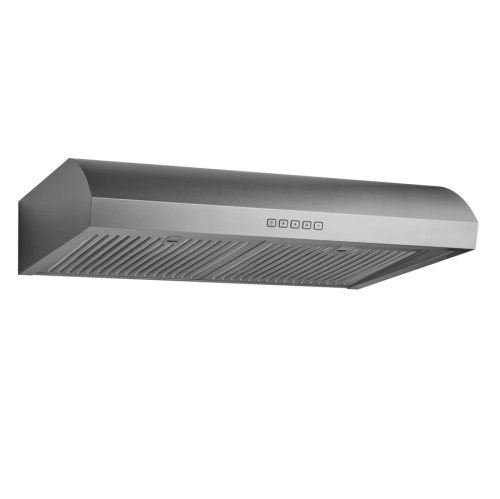
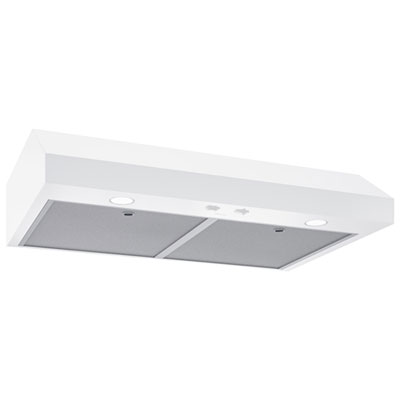
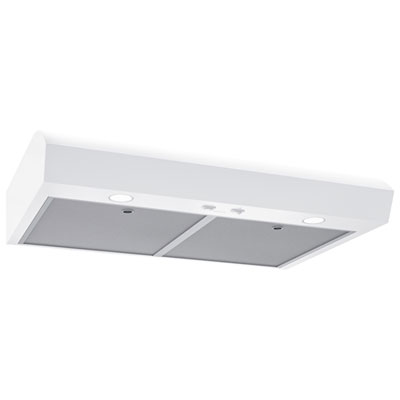
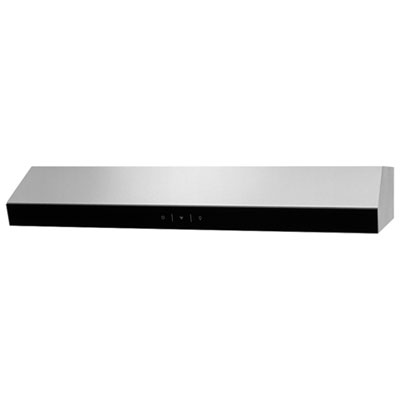
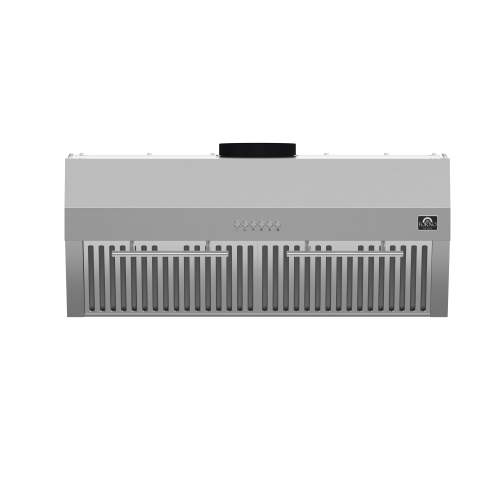
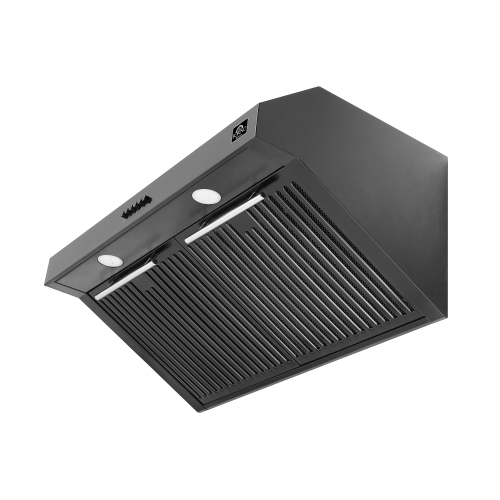
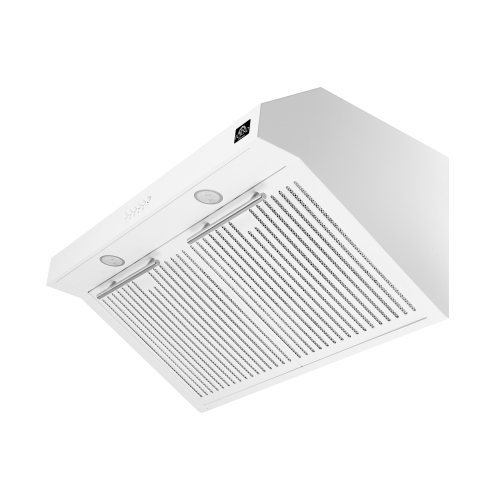
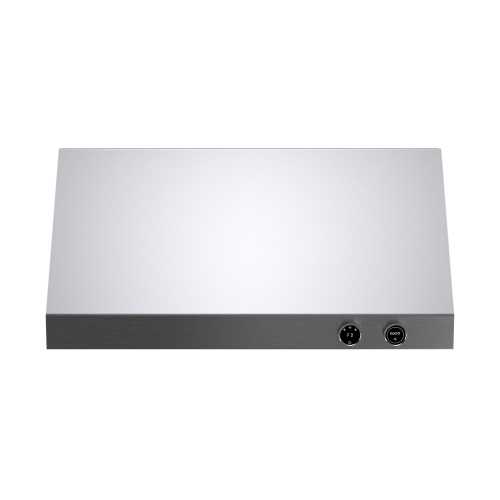
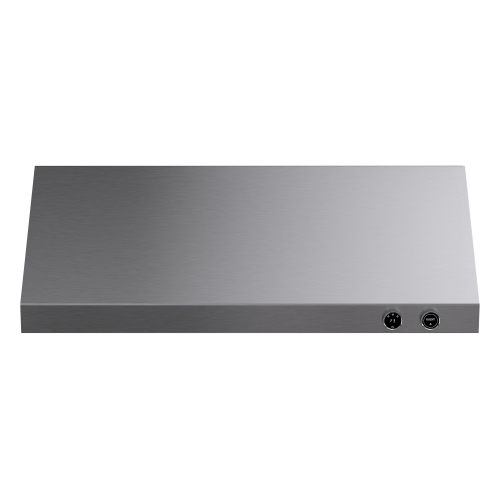
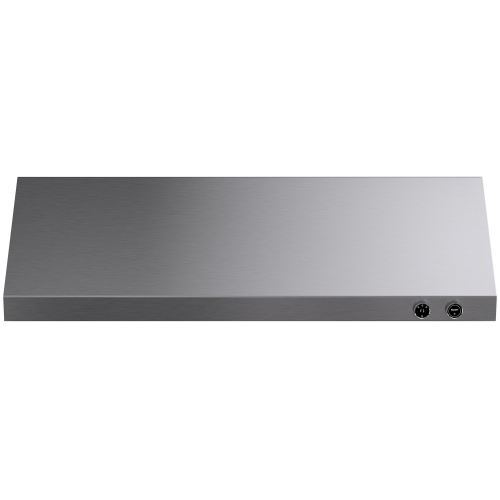
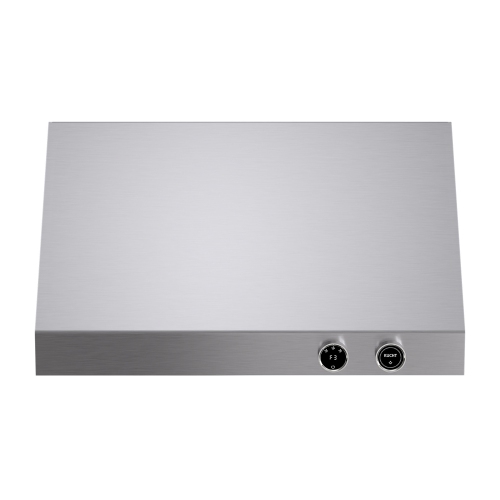
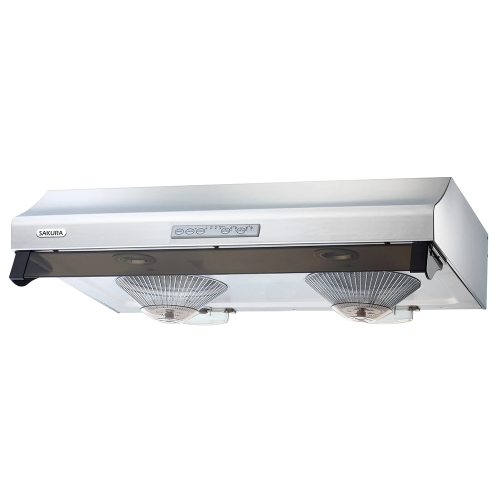
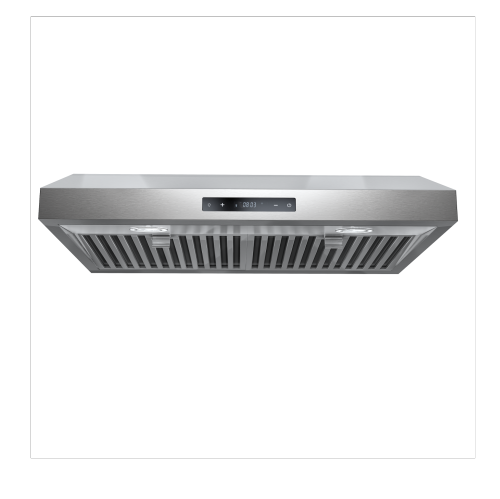
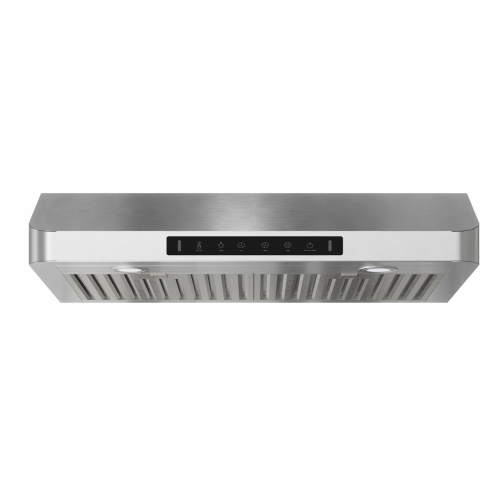
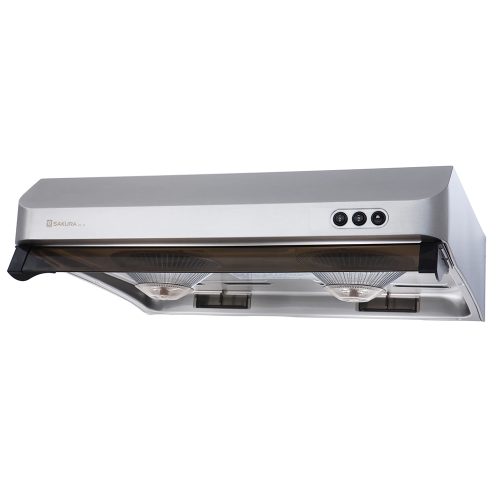
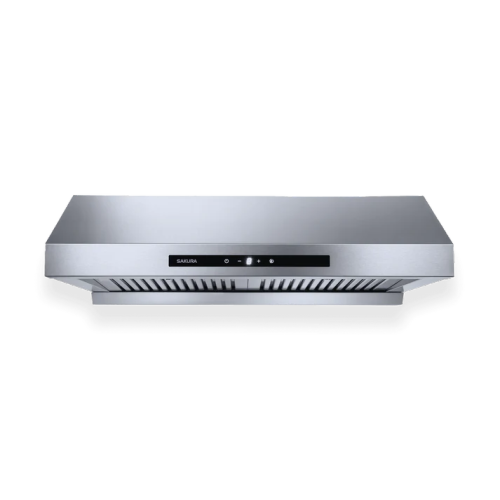
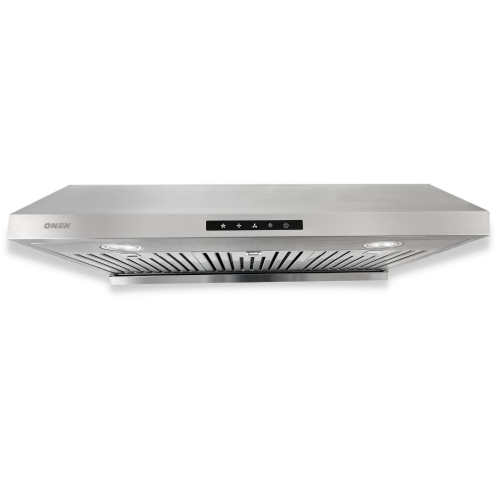
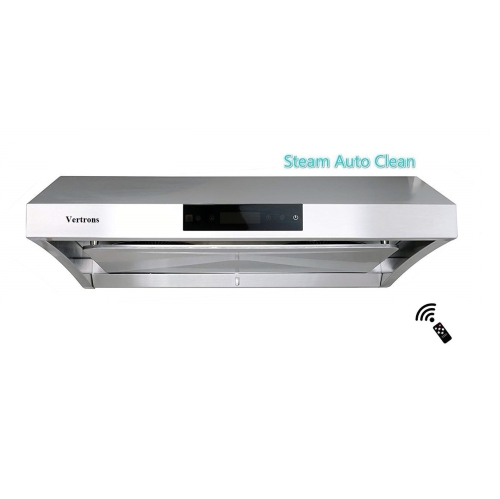
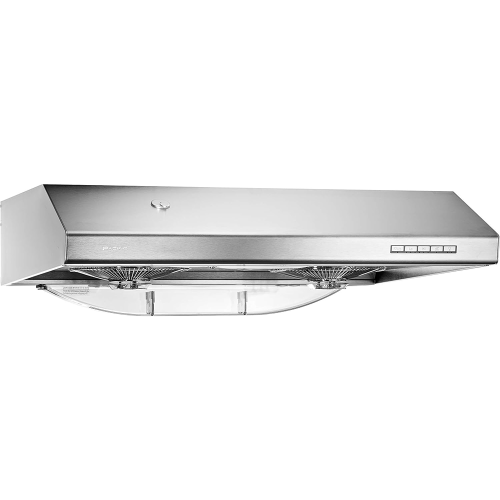
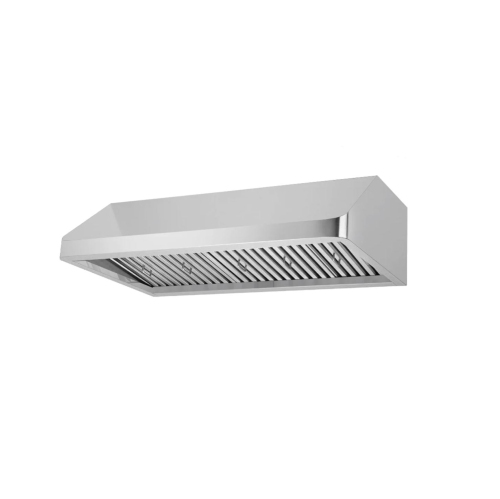
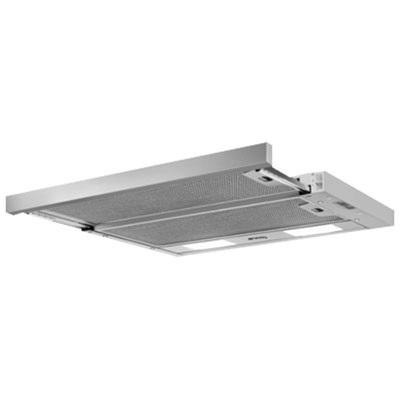
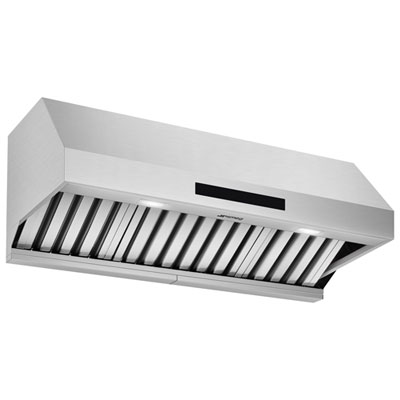
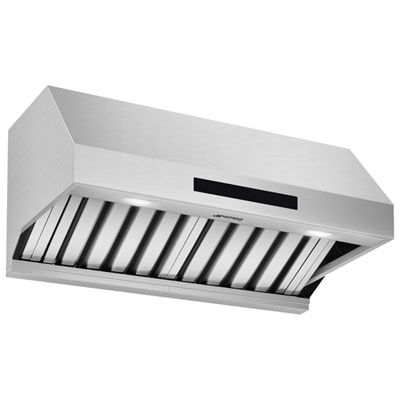
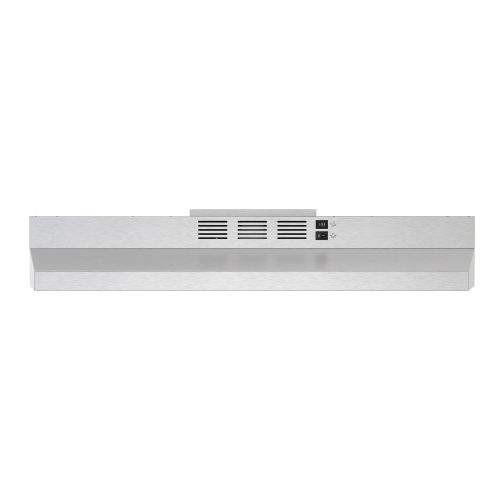
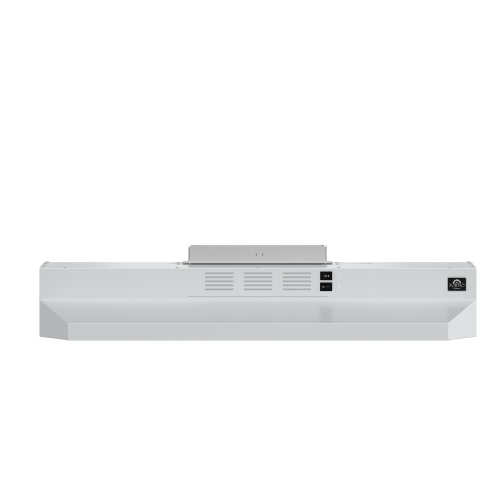
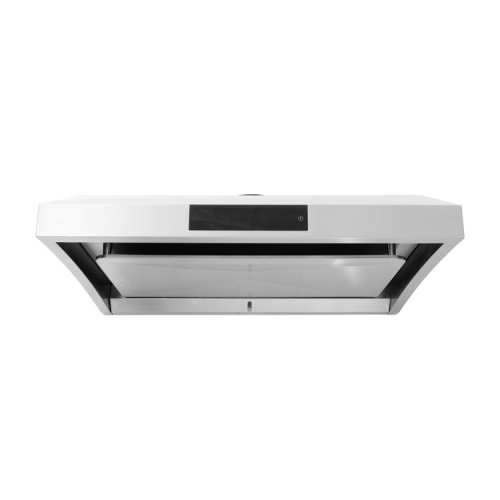
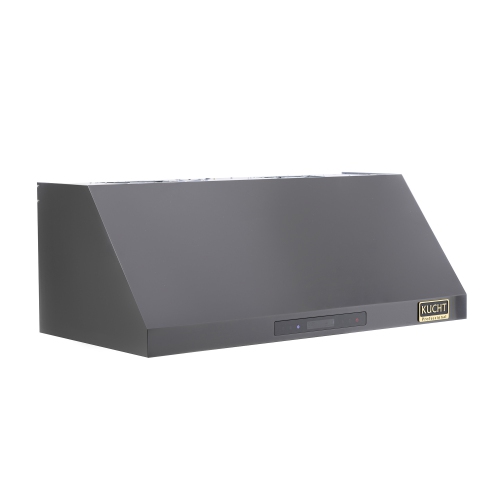
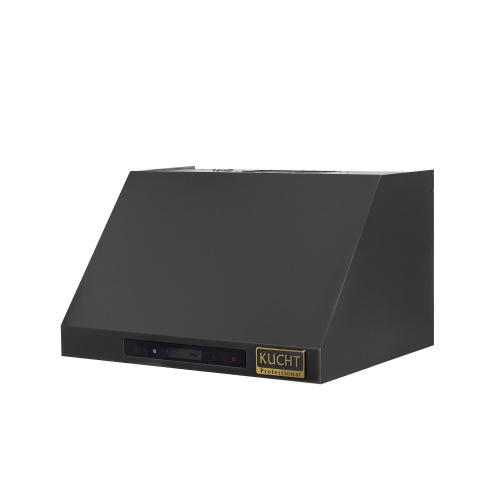
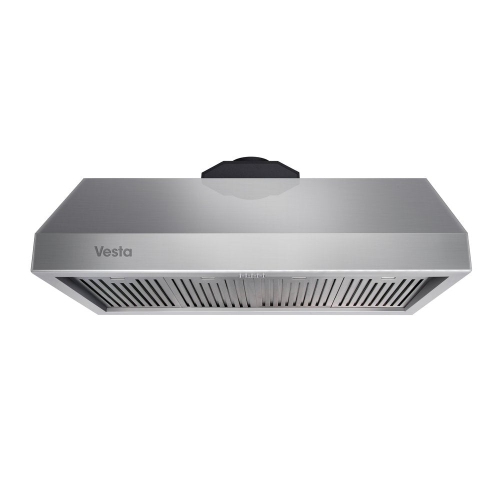
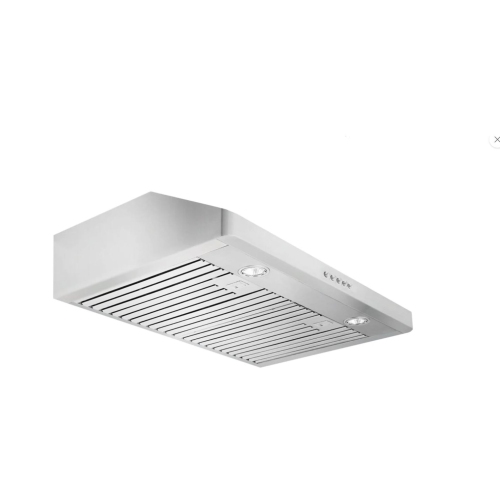
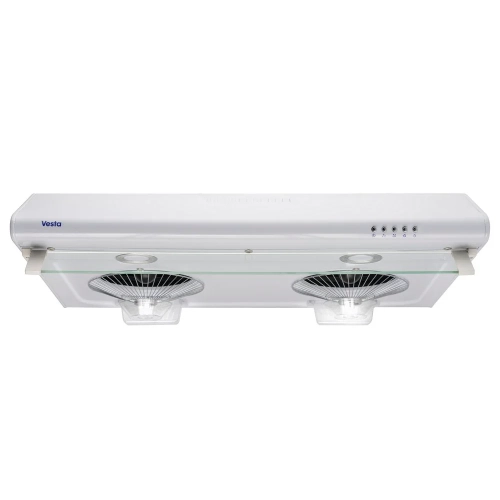
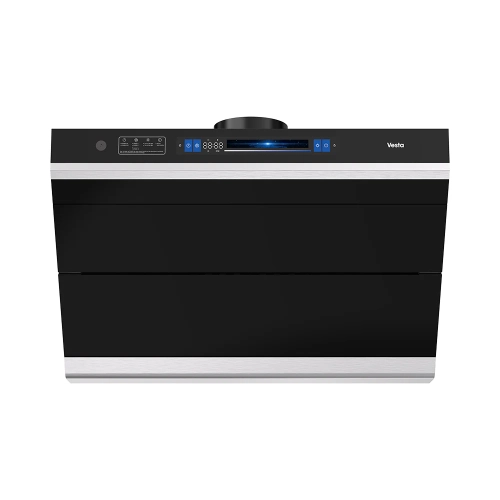
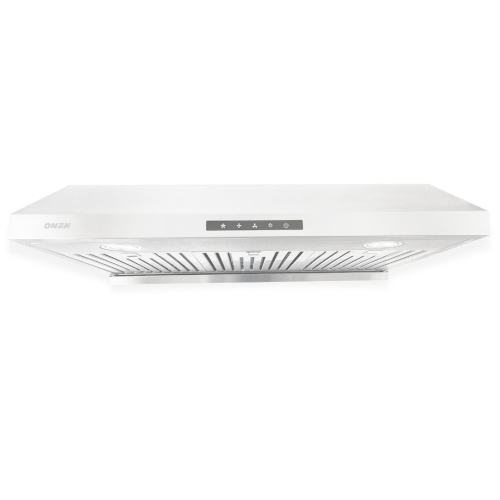
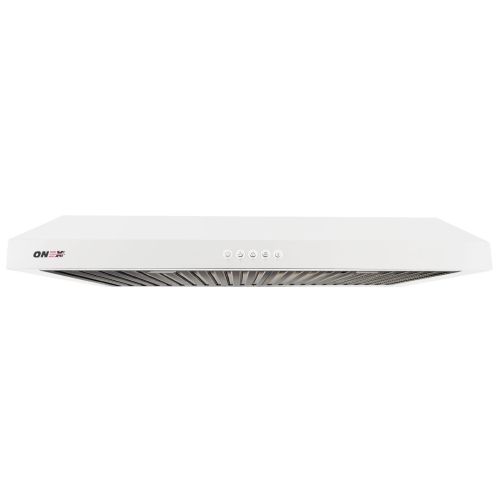
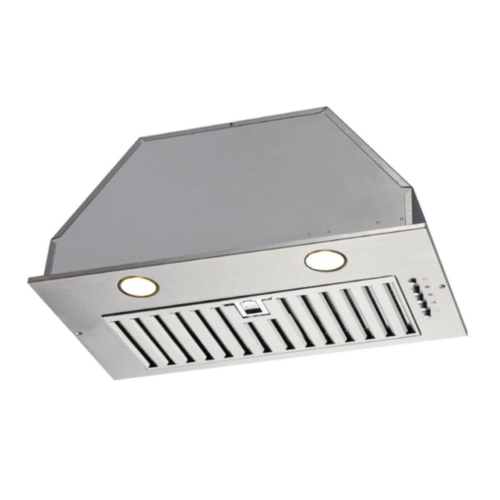
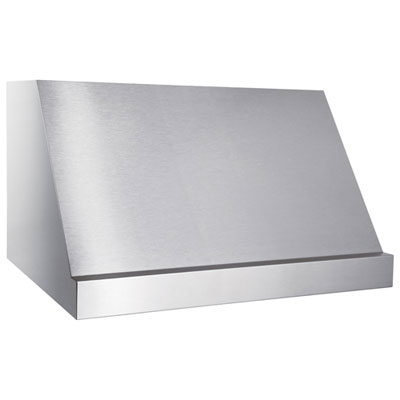
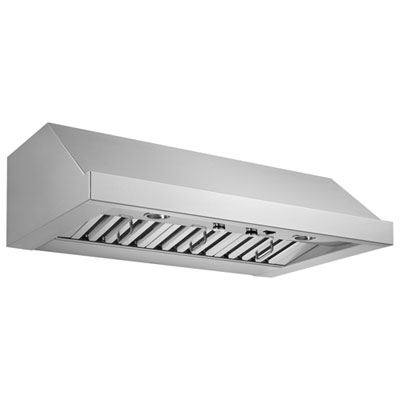
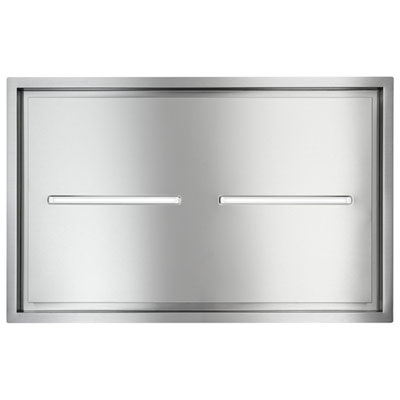
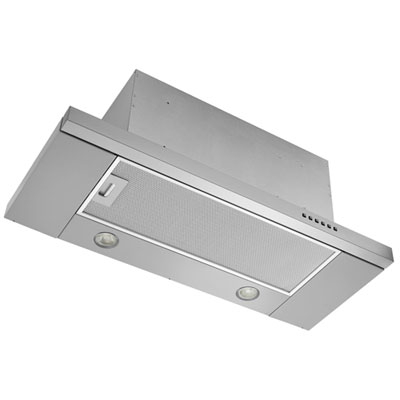
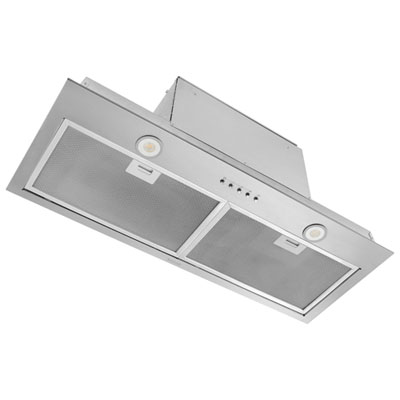
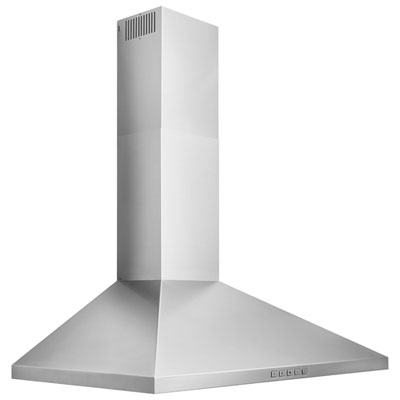
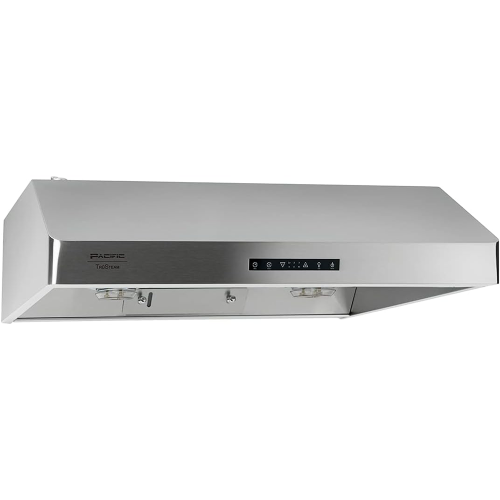
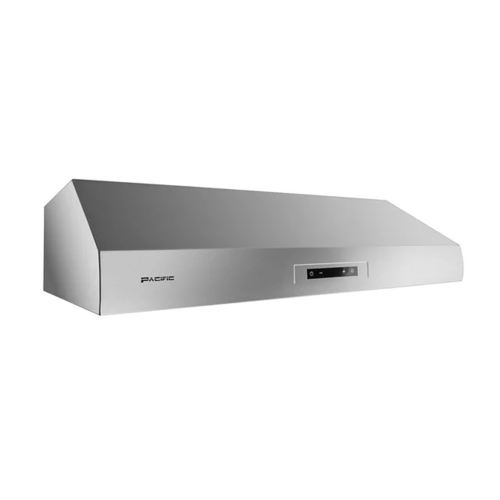
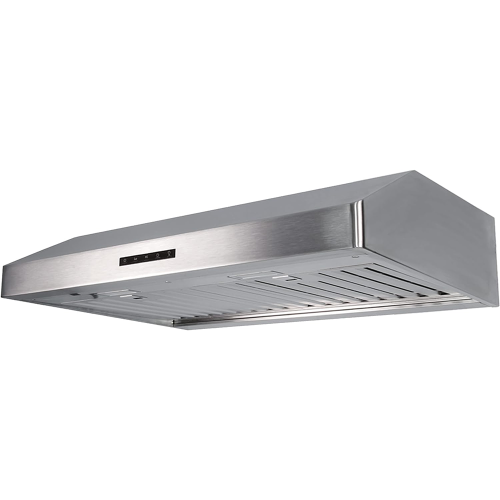
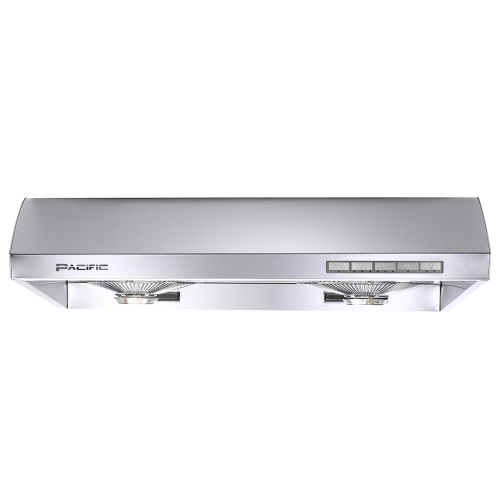
Under cabinet range hoods are designed to fit neatly beneath a kitchen cabinet, directly above a cooktop or range, making them a practical choice for kitchens where space is limited or a streamlined appearance is important. They help capture smoke, steam, airborne grease and cooking odours before they spread through the room, keeping the air more comfortable while protecting nearby cabinets and walls from residue. This style works especially well in apartments, condos, rental kitchens and established homes where cabinetry is already in place and a larger chimney-style hood may not suit the layout. It can also be a useful upgrade when replacing an older hood that is noisy, dimly lit or no longer moving air effectively. Before choosing a model, measure the available cabinet opening, the space above the cooking surface and the width of the existing hood. Common widths include 30 inch and 36 inch, although other sizes are available, so the hood should be at least as wide as the range or cooktop whenever the installation allows. Check the manufacturer’s required clearance above the burners, as installation heights can vary depending on the cooking appliance and local building requirements. The depth matters as well: a hood that extends too far forward may interfere with cabinet doors, while one that is too shallow may not capture rising vapour from the front burners as effectively. Consider the kitchen’s ventilation setup before selecting a style. Ducted range hoods connect to a vent that carries air outdoors, generally providing the most effective removal of heat, steam, smoke and cooking odours. They are well suited to frequent frying, grilling, searing or boiling, particularly in kitchens where strong aromas can linger in upholstered furniture and adjoining rooms. Ductless, or recirculating, models use filters to trap grease and reduce odours before sending the air back into the kitchen. They can be a convenient solution for apartments, interior kitchens or homes where an exterior vent cannot be added, but they do not exhaust heat and moisture outdoors in the same way as a ducted system. Confirm whether a compatible charcoal filter is included and how often it needs to be replaced.
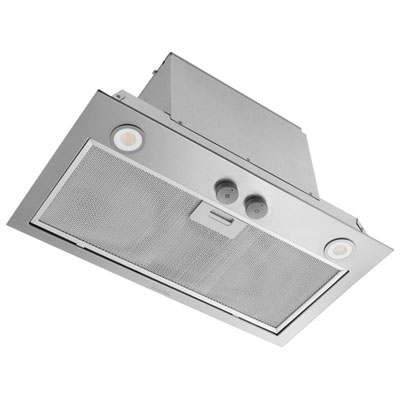
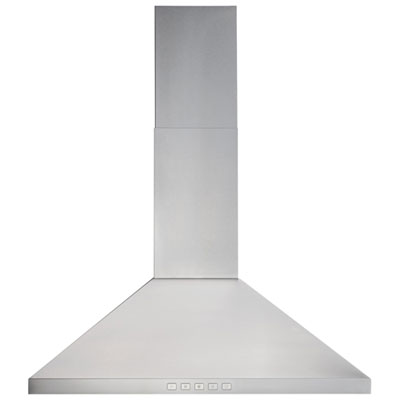
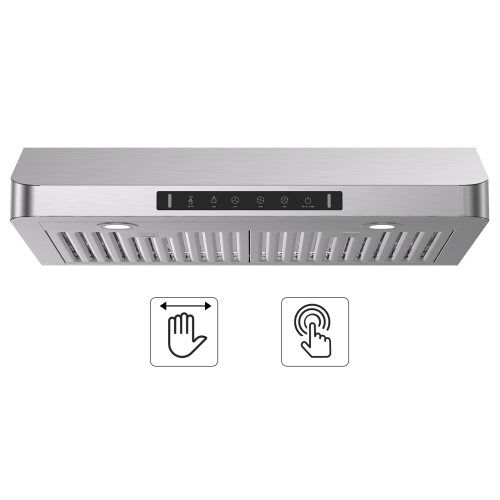
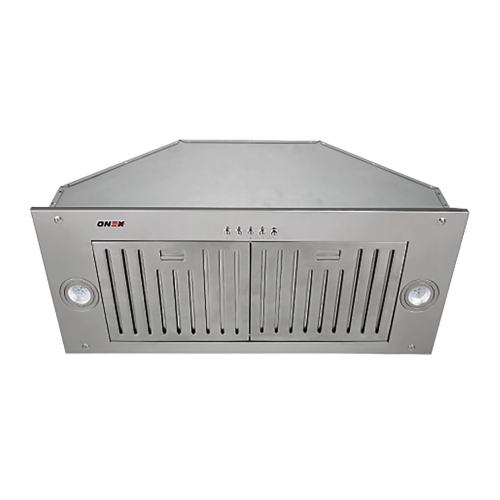
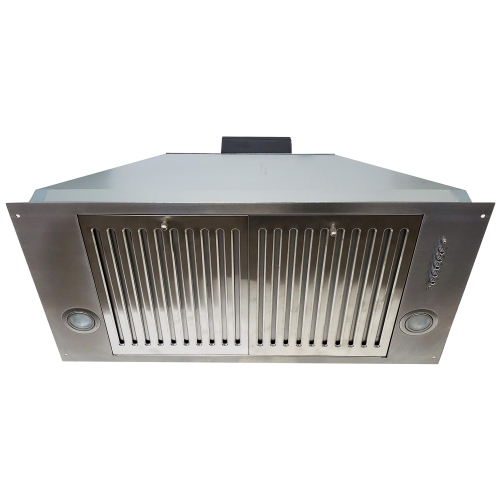
Airflow is another important consideration. CFM, or cubic feet per minute, indicates how much air the hood can move. A lower setting around 200 to 300 CFM may be suitable for light everyday cooking, such as reheating meals, simmering sauces or preparing simple breakfasts. A higher-capacity model may be more appropriate for frequent cooking at high heat, using a gas range or preparing foods that create substantial smoke and steam. More power is not automatically better for every kitchen: the hood should be matched to the room, the cooking appliance, the duct size and the available makeup air. Very high airflow may require additional installation planning, especially in a tightly sealed home, so professional advice can be helpful for major renovations or new ductwork. Noise levels also affect how pleasant the hood is to use. A quiet lower setting can make it easier to hold a conversation or listen to music while preparing dinner, while a stronger setting provides extra ventilation when a pan is smoking or a pot is boiling vigorously. Look for multiple fan speeds so the airflow can be adjusted to the task rather than running at full power every time. Lighting is a practical feature that deserves attention, particularly when the hood is positioned beneath deep cabinets that cast shadows over the cooking surface. Integrated LED lights can brighten pots, pans and cutting boards while using a straightforward control panel. Depending on the design, controls may include push buttons, slide switches, touch controls or other hands-free functions. Choose a layout that is easy to see and operate with clean or slightly damp hands. Stainless steel and other wipe-clean finishes can complement a variety of appliances, while removable, dishwasher-safe filters can make regular maintenance less of a chore. For a broader look at concealed ventilation options that sit within cabinetry, explore Cabinet Insert Range Hoods.
Installation should be planned before the hood arrives. A ducted model may require a correctly sized route through a wall, cabinet or ceiling, along with an exterior vent cap and a backdraft damper to help limit cold air entering the kitchen when the fan is off. Existing ductwork should be checked for its path, diameter and condition; long or sharply bent runs can reduce performance and increase noise. A ductless model is generally simpler to place, but it still needs the correct mounting hardware, electrical connection and clearance from the cooktop. Many under cabinet range hoods can be installed as part of a kitchen refresh, though electrical or ducting work may be best handled by a qualified installer. Once in use, run the hood during cooking and leave it on for a few minutes afterwards to help clear lingering vapour and odours. Wipe the exterior regularly, especially beneath the hood where grease can collect, and clean aluminium or baffle filters according to the care instructions. A filter that is coated with grease can restrict airflow and make the fan work harder. Recirculating models need timely charcoal filter replacement because these filters gradually lose their ability to reduce odours. Under cabinet range hoods are useful for home cooks who prepare meals every day, families managing steam from pasta and soups, and anyone updating a compact kitchen without changing the overall cabinet design. They can also make a thoughtful housewarming or renovation gift when the recipient is improving an older kitchen, although measurements, ventilation requirements and appliance compatibility should be confirmed first. During the cooler months, when windows may stay closed and indoor cooking becomes a regular source of warmth and moisture, dependable ventilation can make the kitchen feel fresher and more comfortable. With the right size, airflow, ventilation type, lighting and maintenance features, an under cabinet range hood can provide discreet everyday performance while fitting naturally into the kitchen’s existing design.
Airflow is another important consideration. CFM, or cubic feet per minute, indicates how much air the hood can move. A lower setting around 200 to 300 CFM may be suitable for light everyday cooking, such as reheating meals, simmering sauces or preparing simple breakfasts. A higher-capacity model may be more appropriate for frequent cooking at high heat, using a gas range or preparing foods that create substantial smoke and steam. More power is not automatically better for every kitchen: the hood should be matched to the room, the cooking appliance, the duct size and the available makeup air. Very high airflow may require additional installation planning, especially in a tightly sealed home, so professional advice can be helpful for major renovations or new ductwork. Noise levels also affect how pleasant the hood is to use. A quiet lower setting can make it easier to hold a conversation or listen to music while preparing dinner, while a stronger setting provides extra ventilation when a pan is smoking or a pot is boiling vigorously. Look for multiple fan speeds so the airflow can be adjusted to the task rather than running at full power every time. Lighting is a practical feature that deserves attention, particularly when the hood is positioned beneath deep cabinets that cast shadows over the cooking surface. Integrated LED lights can brighten pots, pans and cutting boards while using a straightforward control panel. Depending on the design, controls may include push buttons, slide switches, touch controls or other hands-free functions. Choose a layout that is easy to see and operate with clean or slightly damp hands. Stainless steel and other wipe-clean finishes can complement a variety of appliances, while removable, dishwasher-safe filters can make regular maintenance less of a chore. For a broader look at concealed ventilation options that sit within cabinetry, explore Cabinet Insert Range Hoods.
Installation should be planned before the hood arrives. A ducted model may require a correctly sized route through a wall, cabinet or ceiling, along with an exterior vent cap and a backdraft damper to help limit cold air entering the kitchen when the fan is off. Existing ductwork should be checked for its path, diameter and condition; long or sharply bent runs can reduce performance and increase noise. A ductless model is generally simpler to place, but it still needs the correct mounting hardware, electrical connection and clearance from the cooktop. Many under cabinet range hoods can be installed as part of a kitchen refresh, though electrical or ducting work may be best handled by a qualified installer. Once in use, run the hood during cooking and leave it on for a few minutes afterwards to help clear lingering vapour and odours. Wipe the exterior regularly, especially beneath the hood where grease can collect, and clean aluminium or baffle filters according to the care instructions. A filter that is coated with grease can restrict airflow and make the fan work harder. Recirculating models need timely charcoal filter replacement because these filters gradually lose their ability to reduce odours. Under cabinet range hoods are useful for home cooks who prepare meals every day, families managing steam from pasta and soups, and anyone updating a compact kitchen without changing the overall cabinet design. They can also make a thoughtful housewarming or renovation gift when the recipient is improving an older kitchen, although measurements, ventilation requirements and appliance compatibility should be confirmed first. During the cooler months, when windows may stay closed and indoor cooking becomes a regular source of warmth and moisture, dependable ventilation can make the kitchen feel fresher and more comfortable. With the right size, airflow, ventilation type, lighting and maintenance features, an under cabinet range hood can provide discreet everyday performance while fitting naturally into the kitchen’s existing design.
Top selling and popular products
-
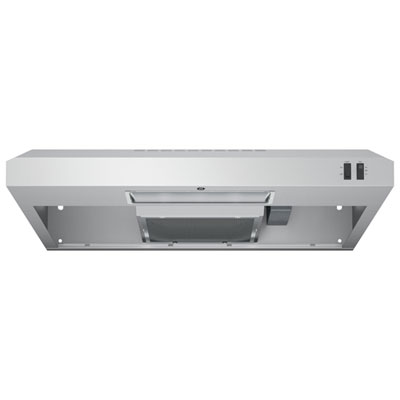 Your price for this item is $249.99
 -
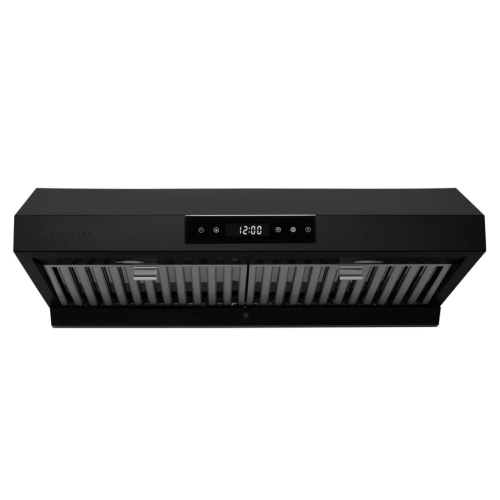 Your price for this item is $598.49
 -
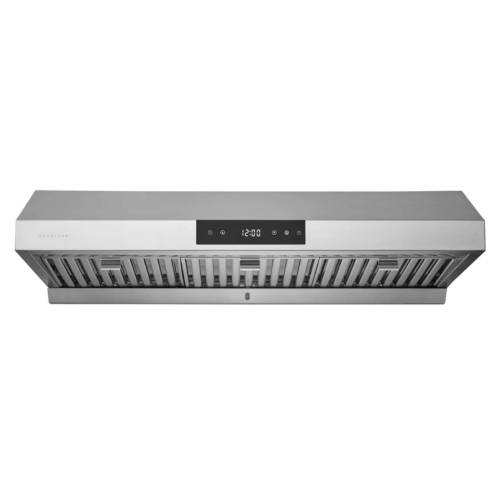 Your price for this item is $645.99
 -
 Your price for this item is $645.99
 -
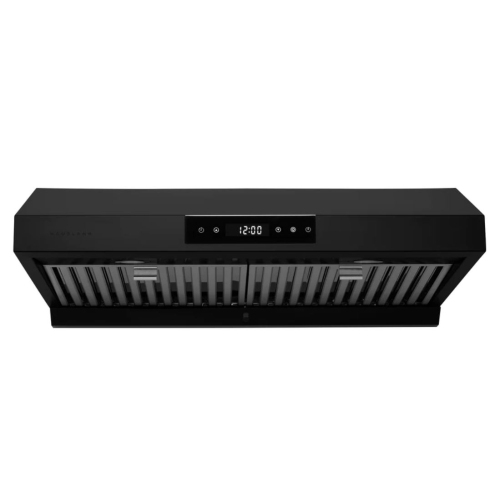 Your price for this item is $645.99
 -
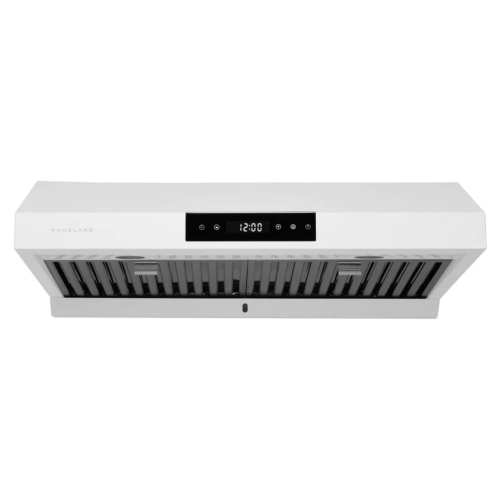 Your price for this item is $598.49
 -
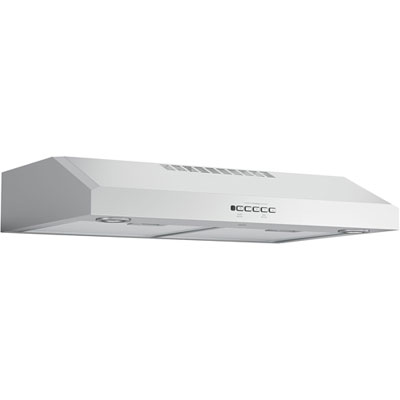 Your price for this item is $449.99
 -
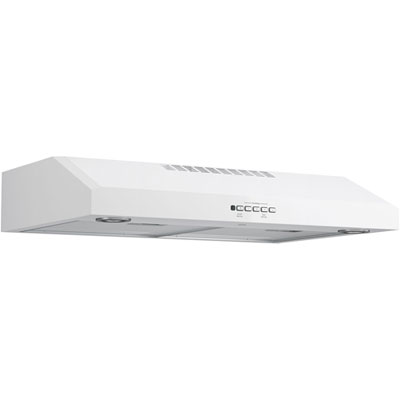 Your price for this item is $399.99
Discover more categories related to Under Cabinet Range Hoods
Top Collections:
Pokemon Centers, Kindle Devices, Best Budget Office Chairs, Apple iPhones 16, Best Laptops for Writers, iPhone 15 Apple, Canon G7X Cameras, Refurbished Apple Laptops, Alarm Clock, Motorola Razr Phones
Some products may be subject to Environmental Handling Fees
(EHF) depending on your province.
Learn more about EHFs.