2.5 Mm To 3.5 Mm Adapters
Upgrade your audio experience with this wide selection of 2.5 mm to 3.5 mm adapters. Whether you want to connect your headphones to a device with a different audio jack size or need to adapt your audio cables for compatibility, we have the perfect solution for you. With these versatile adapters, you can enjoy seamless connectivity and enhanced sound quality across a variety of devices.
Sort





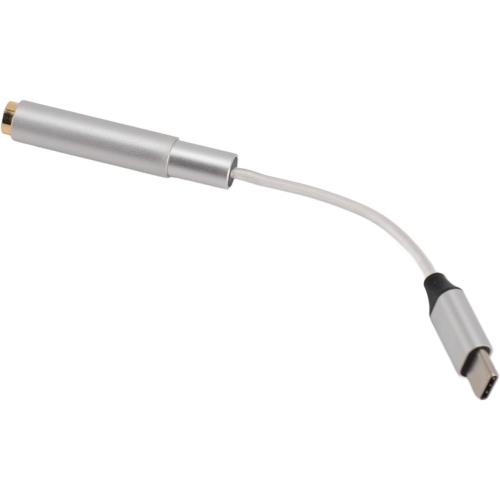

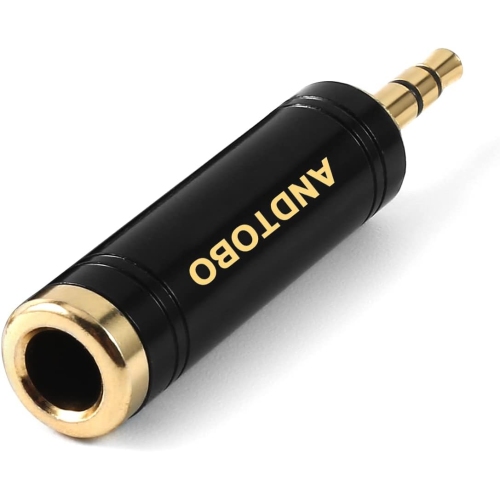
Audio compatibility takes more than matching plug sizes
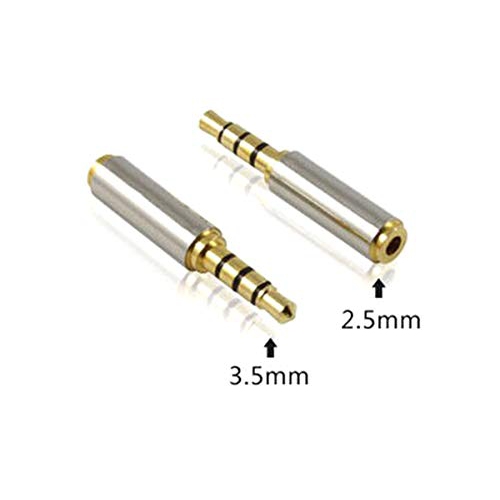
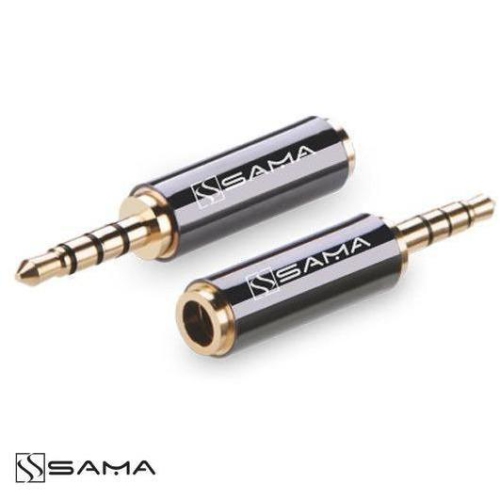
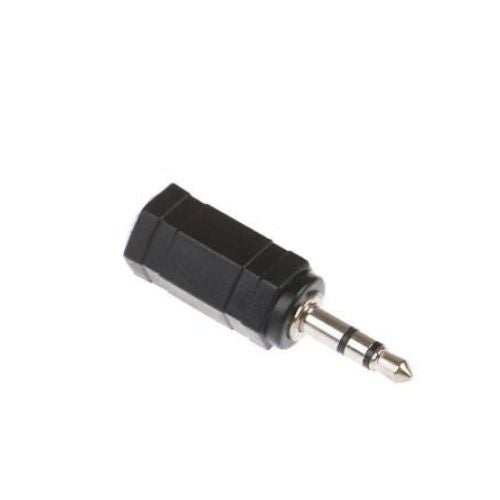
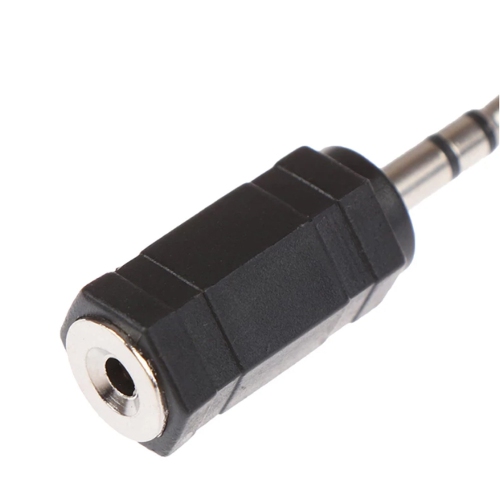
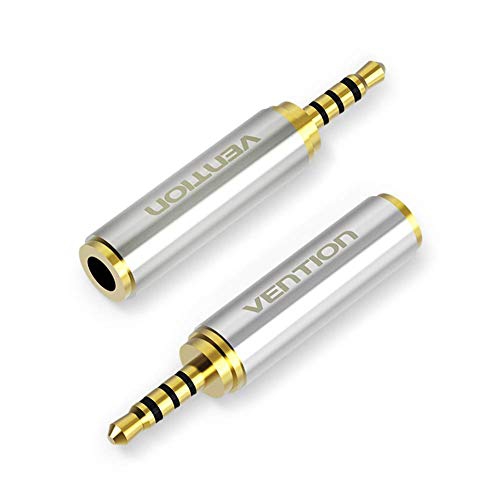
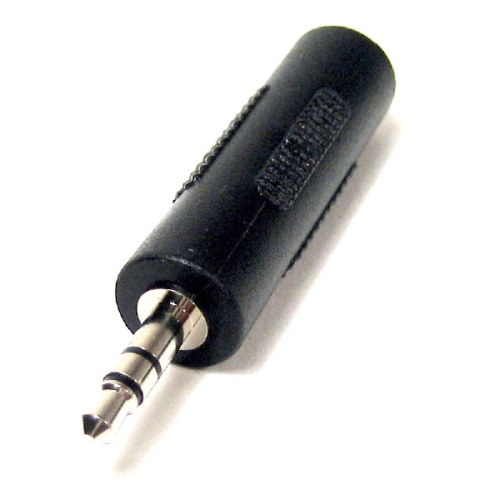
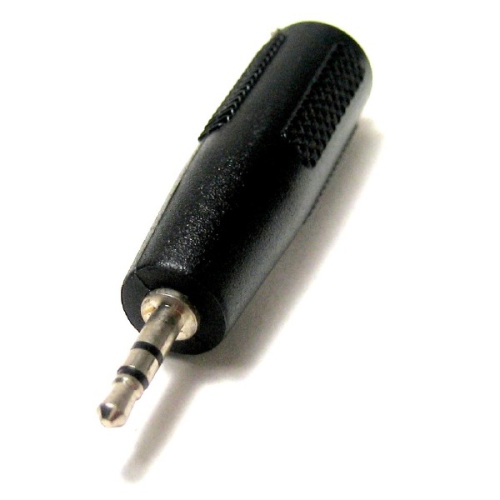
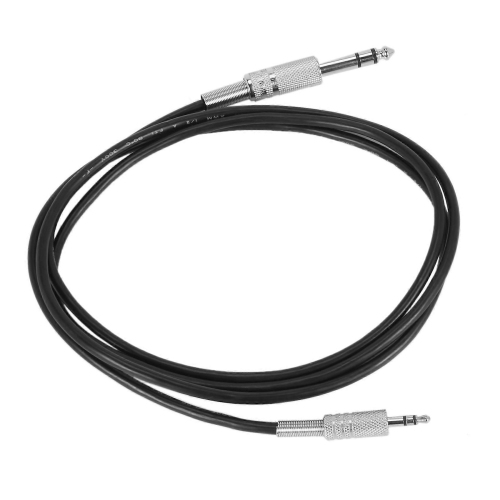
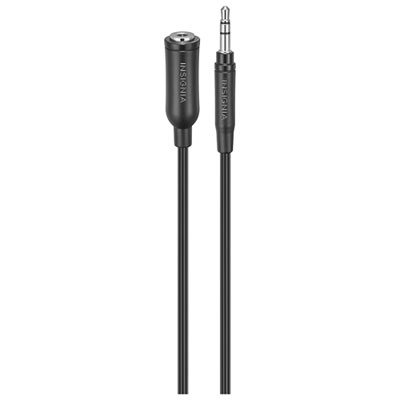
2.5 mm to 3.5 mm adapters connect compatible audio equipment that uses different-sized plugs and sockets, making it possible to pair a smaller audio connection with the familiar 3.5 mm size found on many headphones and audio devices. The measurements refer to the diameter of the connector, not the length of the cable or the quality of the sound. A 2.5 mm male to 3.5 mm female adapter has a small plug that fits a device’s 2.5 mm socket and a larger socket that accepts a 3.5 mm headphone plug. A 3.5 mm male to 2.5 mm female adapter does the reverse physically, accepting a 2.5 mm plug and fitting into a device with a 3.5 mm socket. Both configurations can suit everyday listening setups, but the right choice depends on the connections at each end and their electrical compatibility. For example, someone using an older portable audio player may want to connect headphones with a larger plug, while someone with a headset that has a smaller connector may need to connect it to compatible desktop equipment. These adapters change the physical connection; a basic passive adapter does not add amplification, convert a digital signal to analogue, or supply a missing microphone function. A device without an analogue audio socket needs a different type of connection rather than a simple change in plug size. For listeners keeping familiar headphones in use, students setting up a study space, or people working with older audio equipment, the appeal is straightforward: a small accessory can bridge a connector mismatch without replacing the entire setup. Checking the socket on the device and the plug on the cable helps distinguish adapters that look almost identical in a photograph. The male and female descriptions matter just as much as the measurements, especially when both connector sizes appear in an adapter’s name.
Beyond size and direction, contact layout determines whether a 2.5 mm to 3.5 mm audio adapter can carry the signals a setup needs. TRS connectors have three conductive sections, called tip, ring, and sleeve, usually separated by two insulating bands. In a conventional unbalanced stereo headphone connection, these carry the left channel, right channel, and shared return. A basic adapter wired for that purpose supports stereo listening but does not carry the additional microphone connection used by many headsets. TRRS connectors have four conductive sections, usually separated by three insulating bands, but an extra contact does not automatically mean microphone compatibility. Different devices can assign different functions to those contacts, so the adapter’s stated wiring and supported uses are more reliable than appearance alone. A headset used for calls needs an adapter specifically compatible with both its microphone arrangement and the device receiving it; sound reaching the earpieces does not prove that the microphone or inline controls will work. Likewise, some 2.5 mm connections are used for balanced headphone outputs rather than ordinary headset connections. A generic size adapter should not be used to connect a balanced output to unbalanced headphones, because unsuitable wiring can short output channels and potentially damage equipment. That connection requires an arrangement expressly supported by the equipment manufacturer. The same caution applies to sockets used for remote controls or other non-audio functions: matching diameters do not make their signals interchangeable. For a desk setup, portable player, or compatible communications headset, checking the equipment documentation alongside the adapter specifications helps narrow the choice to the intended use. A correctly wired passive adapter should pass the existing audio signal without deliberately changing its character. It cannot restore detail missing from a recording, improve the capabilities of the headphones, or fix a faulty socket. Clear compatibility information, firm connections, and the correct channel arrangement are more meaningful considerations than promises of dramatically transformed sound.
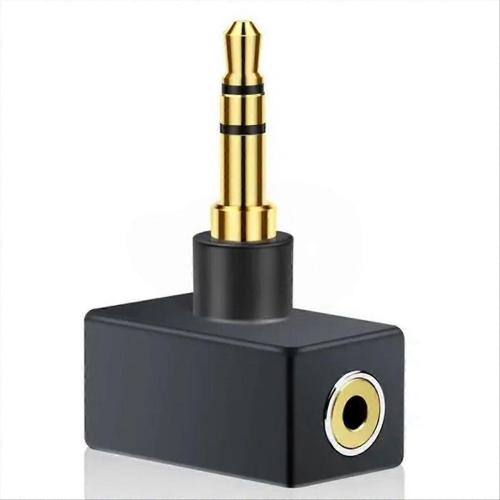
Construction and fit influence how comfortably these small adapters work in daily use. A rigid, one-piece adapter keeps the connection compact and avoids an extra length of cable on a desk, but it also extends the plug farther from the device. When headphones are connected to a player carried in a bag, that added length can place leverage on the socket if the cable catches on something. A short flexible adapter lead can let the connection rest beside the device instead, although its cable and strain relief need to withstand regular bending. Metal housings can resist knocks, while moulded plastic housings may offer a lighter connection with an easy-to-grip surface. Neither material alone determines durability; secure assembly, supported cable entry points, and accurately fitted contacts also matter. Gold-plated contacts can resist corrosion, but plating is not a substitute for correct wiring or a snug fit. The shape of the housing deserves attention when a socket sits behind a protective case or inside a recessed opening. A bulky adapter may touch the case before its plug seats fully, leaving intermittent sound or a missing channel. Straight connectors can be convenient where there is open space, while right-angle designs may help route a cable along the side of compatible equipment. For care, grip the adapter housing rather than pulling the cable, keep contacts clean and dry, and avoid forcing a plug that does not seat easily. Store loose adapters in a small pouch or compartment so they do not collect debris or become trapped beneath heavier accessories. People who carry both audio and photography equipment may also keep Camera Lens Adapters in their kit, though those serve a separate purpose by connecting compatible lenses and camera bodies. Keeping each type organized makes small accessories easier to identify. As a practical gift for someone who enjoys personal audio or maintains older equipment, an audio adapter is most useful when the recipient’s exact plug sizes, socket arrangement, and listening needs are known.
Top selling and popular products
-
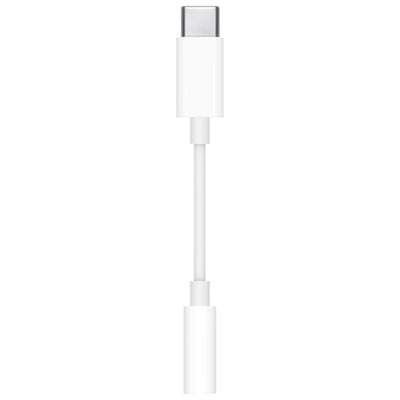 Your price for this item is $10
-
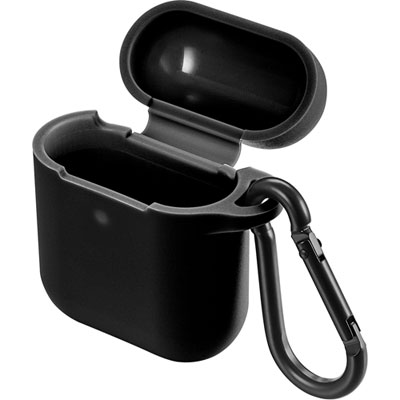 Your price for this item is $19.97
-
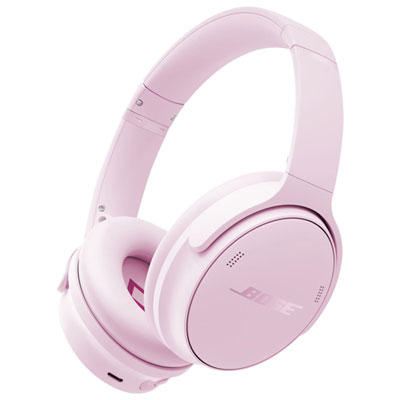 Your price for this item is $479.99
-
 Your price for this item is $69.99
-
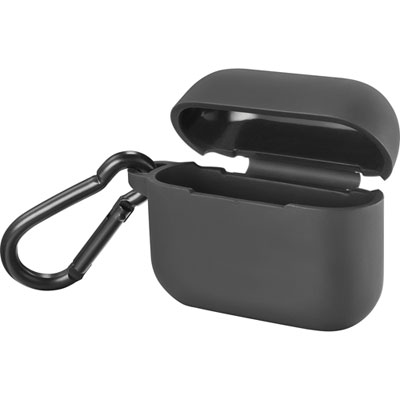 Your price for this item is $4.99
-
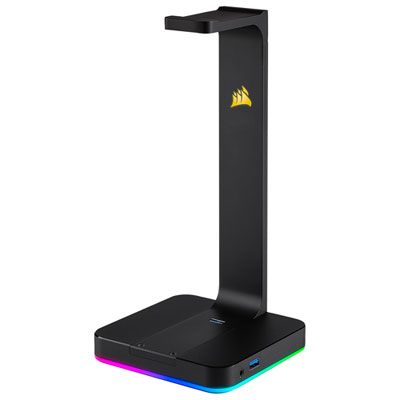 Your price for this item is $124.99
-
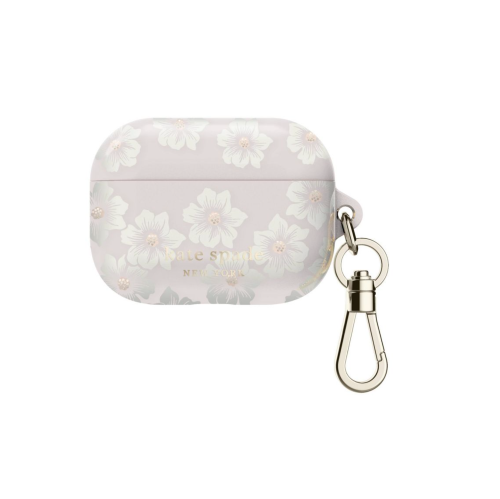 Your price for this item is $107.9
-
 Your price for this item is $49.99
Discover more categories related to 2.5 Mm To 3.5 Mm Adapters
Top Collections:
Pokemon Centers, Best Cameras for Sports Photography, Kindle Devices, Samsung Galaxy Phones, Canon G7X Cameras, Pokémon 30th Celebration Cards, Refurbished Apple Laptops, iPhone 15 Apple, Laptops for Students, Budget Smartphones
Some products may be subject to Environmental Handling Fees
(EHF) depending on your province.
Learn more about EHFs.