7.2 Surround Sound
Immerse yourself in an extraordinary audio experience with our selection of 7.2 surround sound systems. Elevate your home entertainment to new heights as the powerful combination of seven speakers and two subwoofers envelops you in rich, multidimensional sound. Whether you're a movie enthusiast, a music lover, or a gaming aficionado, these cutting-edge systems deliver unparalleled clarity, depth, and realism to every note, dialogue, and explosion. Here are some great options available.
Sort
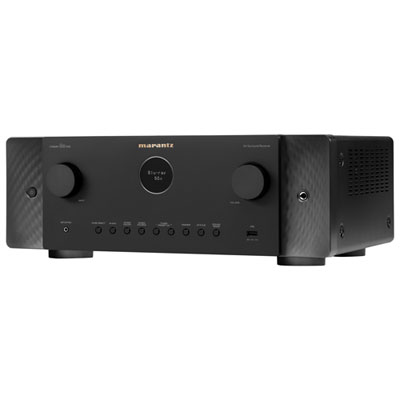


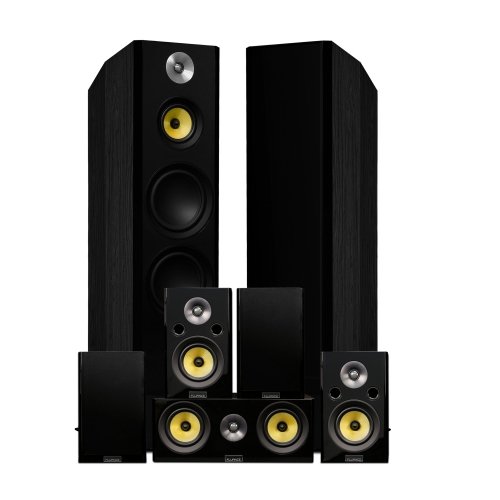
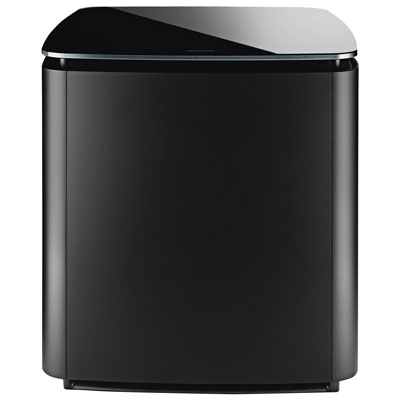
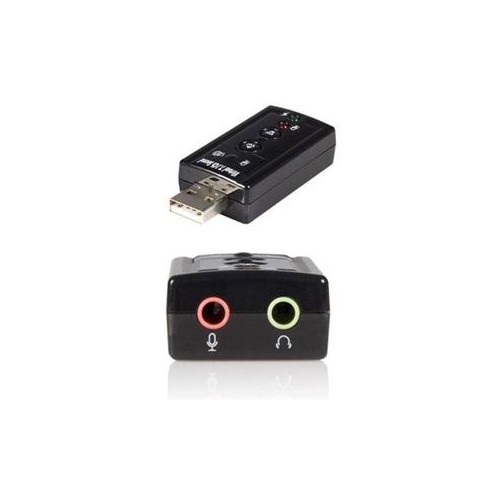
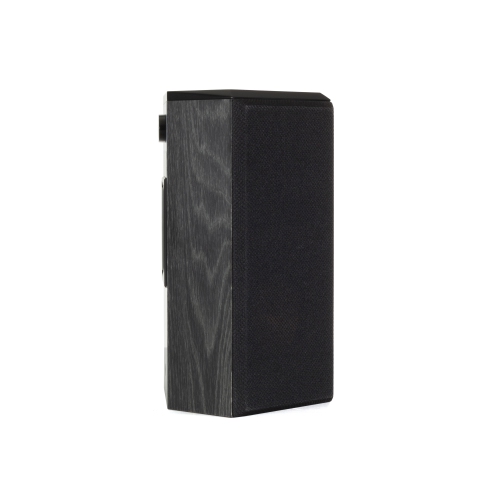
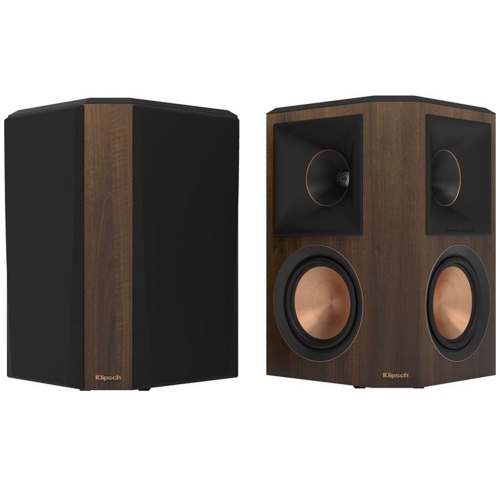
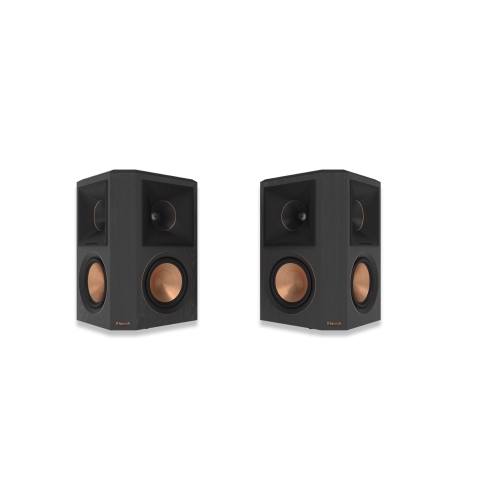
Cinema-style depth and balanced bass throughout your room
A 7.2 surround sound system is designed to create a spacious, cinema-style listening experience with seven discrete audio channels and two subwoofer outputs. The seven main channels typically include front left and front right speakers for music, effects, and the wider soundstage; a centre speaker for dialogue and vocals; side surround speakers positioned beside or slightly behind the main listening area; and rear surround speakers that add depth and movement from behind. The “.2” refers to two subwoofer connections, allowing low-frequency sound to be distributed through two separate subwoofers rather than relying on a single bass source. This can help produce fuller, more even bass throughout the room, especially when the listening area includes more than one seat. A 7.2 setup can be a strong choice for movie nights, sports broadcasts, gaming, concerts, and music listening when the goal is to make the room feel part of the action. Explosions can carry weight without overwhelming dialogue, a car chase can move convincingly from the front of the room to the sides and rear, and a live performance can sound wider and more enveloping than it would through a television’s built-in speakers. Shoppers comparing options may also wish to explore Budget Surround Sound Systems when they are working with a smaller budget or building a more straightforward home audio setup.
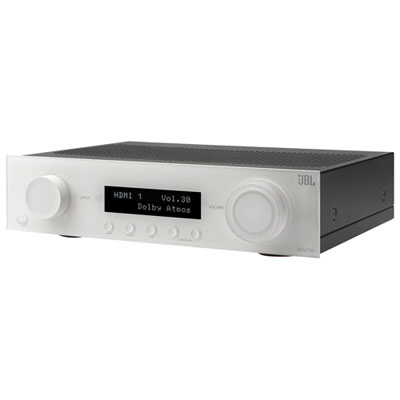
Room layout has a noticeable effect on how a 7.2 system performs. In a typical arrangement, the front left and right speakers sit on either side of the television or projection screen, angled toward the main seating position at approximately 22 to 30 degrees. The centre speaker is generally placed directly above or below the screen, with its front edge aligned as closely as possible with the front speakers so voices appear to come from the picture rather than from below or above it. Side surround speakers are usually placed at roughly 90 to 110 degrees from the listening position, either directly to the sides or slightly behind the seating area, while rear surround speakers are placed along the back wall and aimed toward the room. Exact placement depends on the room’s shape, furniture, wall openings, and seating arrangement, but keeping the main speakers at similar listening heights can help create a more cohesive sound field. Two subwoofers offer useful flexibility because they can be placed in different parts of the room to reduce uneven bass. Opposing corners, the front and rear of the room, or other carefully selected positions may help limit areas where bass sounds boomy in one seat and faint in another. An AV receiver with seven amplified channels and two subwoofer outputs serves as the control centre, connecting sources such as a television, game console, disc player, streaming device, or computer. Features to compare include HDMI inputs and outputs, support for high-resolution video formats, eARC for returning sound from a compatible television, automatic room calibration, wireless music streaming, and the ability to adjust speaker size, distance, crossover points, and individual channel levels. These controls are particularly helpful in open-concept rooms or spaces with hard floors, tall ceilings, and reflective surfaces.
A 7.2 surround sound system may appeal to anyone who wants more than a compact soundbar but does not necessarily need an overhead speaker arrangement. It can suit a dedicated media room, a finished basement, a family room, or a multipurpose living space where a television and seating are arranged around a central viewing position. Movie enthusiasts may appreciate the added separation between dialogue, front-stage action, and effects behind the listener, while gamers can benefit from directional cues that make approaching vehicles, footsteps, environmental sounds, and in-game events easier to follow. Music listeners can use the system for stereo playback or supported multichannel recordings, and sports fans may enjoy a larger presentation that places crowd noise and commentary across the room. These systems can also make thoughtful gifts for someone moving into a new home, setting up a first media room, replacing older audio equipment, or preparing a comfortable entertainment space for the cooler months. Before choosing, consider the room dimensions, available wall and floor space, seating position, television connections, speaker wiring requirements, and whether the receiver can support future additions. It is also worth checking the sensitivity and impedance requirements of the speakers, the receiver’s power specifications, and whether the system includes all required components or is intended to be assembled from separate pieces. Cable management and speaker stands or wall-mounting hardware may be part of the planning as well. Once installed, take time to run the receiver’s room-calibration process, then listen to familiar scenes and recordings at a comfortable volume to fine-tune the balance. A well-matched 7.2 arrangement can make a quiet evening feel like a theatre screening, bring energy to a game with friends, or add depth to an everyday playlist without requiring every seat to be directly in the centre of the room.
Room layout has a noticeable effect on how a 7.2 system performs. In a typical arrangement, the front left and right speakers sit on either side of the television or projection screen, angled toward the main seating position at approximately 22 to 30 degrees. The centre speaker is generally placed directly above or below the screen, with its front edge aligned as closely as possible with the front speakers so voices appear to come from the picture rather than from below or above it. Side surround speakers are usually placed at roughly 90 to 110 degrees from the listening position, either directly to the sides or slightly behind the seating area, while rear surround speakers are placed along the back wall and aimed toward the room. Exact placement depends on the room’s shape, furniture, wall openings, and seating arrangement, but keeping the main speakers at similar listening heights can help create a more cohesive sound field. Two subwoofers offer useful flexibility because they can be placed in different parts of the room to reduce uneven bass. Opposing corners, the front and rear of the room, or other carefully selected positions may help limit areas where bass sounds boomy in one seat and faint in another. An AV receiver with seven amplified channels and two subwoofer outputs serves as the control centre, connecting sources such as a television, game console, disc player, streaming device, or computer. Features to compare include HDMI inputs and outputs, support for high-resolution video formats, eARC for returning sound from a compatible television, automatic room calibration, wireless music streaming, and the ability to adjust speaker size, distance, crossover points, and individual channel levels. These controls are particularly helpful in open-concept rooms or spaces with hard floors, tall ceilings, and reflective surfaces.
A 7.2 surround sound system may appeal to anyone who wants more than a compact soundbar but does not necessarily need an overhead speaker arrangement. It can suit a dedicated media room, a finished basement, a family room, or a multipurpose living space where a television and seating are arranged around a central viewing position. Movie enthusiasts may appreciate the added separation between dialogue, front-stage action, and effects behind the listener, while gamers can benefit from directional cues that make approaching vehicles, footsteps, environmental sounds, and in-game events easier to follow. Music listeners can use the system for stereo playback or supported multichannel recordings, and sports fans may enjoy a larger presentation that places crowd noise and commentary across the room. These systems can also make thoughtful gifts for someone moving into a new home, setting up a first media room, replacing older audio equipment, or preparing a comfortable entertainment space for the cooler months. Before choosing, consider the room dimensions, available wall and floor space, seating position, television connections, speaker wiring requirements, and whether the receiver can support future additions. It is also worth checking the sensitivity and impedance requirements of the speakers, the receiver’s power specifications, and whether the system includes all required components or is intended to be assembled from separate pieces. Cable management and speaker stands or wall-mounting hardware may be part of the planning as well. Once installed, take time to run the receiver’s room-calibration process, then listen to familiar scenes and recordings at a comfortable volume to fine-tune the balance. A well-matched 7.2 arrangement can make a quiet evening feel like a theatre screening, bring energy to a game with friends, or add depth to an everyday playlist without requiring every seat to be directly in the centre of the room.
Top selling and popular products
-
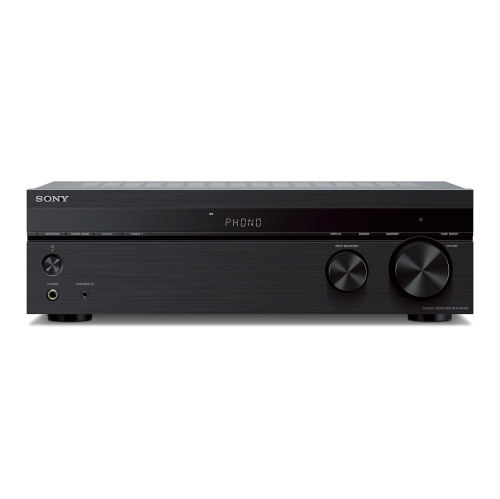 Your price for this item is $279
 -
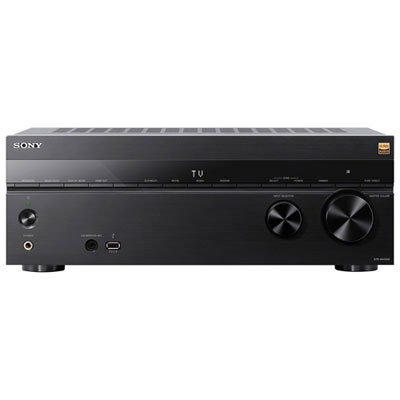 Your price for this item is $1299.99
 -
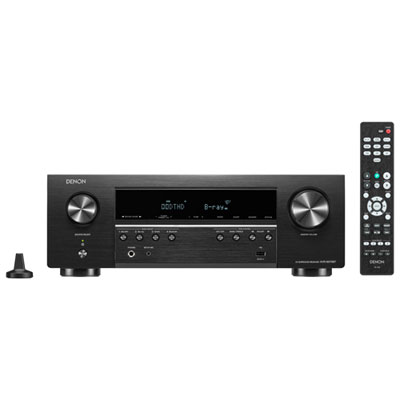 Your price for this item is $439.99
 -
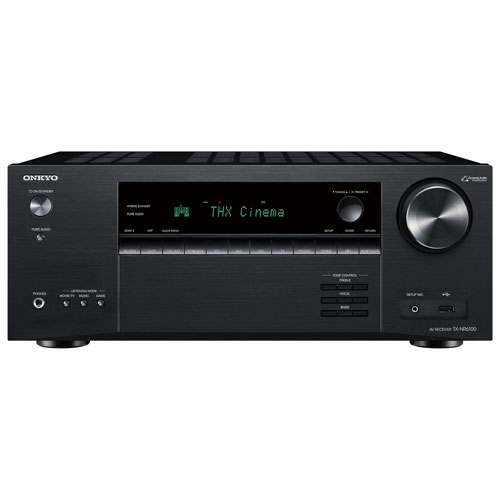 Your price for this item is $998
 -
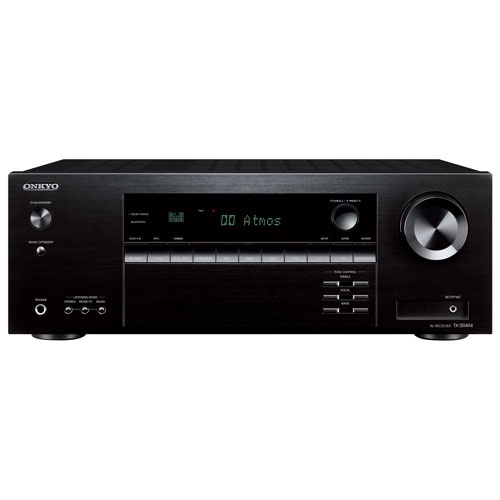 Your price for this item is $359.97
 -
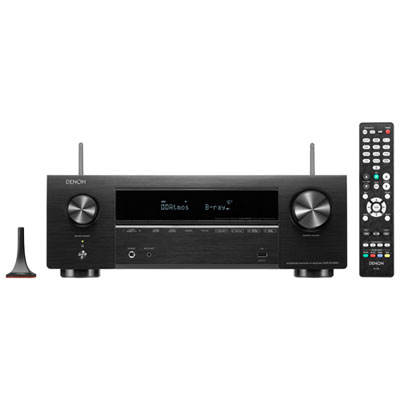 Your price for this item is $999.99
 -
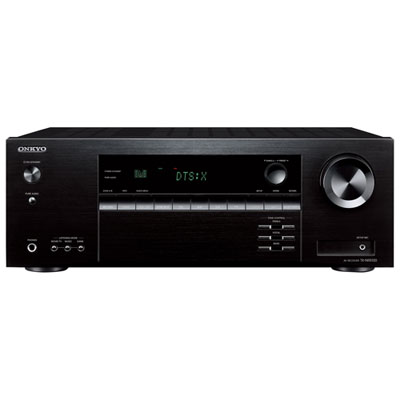 Your price for this item is $799.95
 -
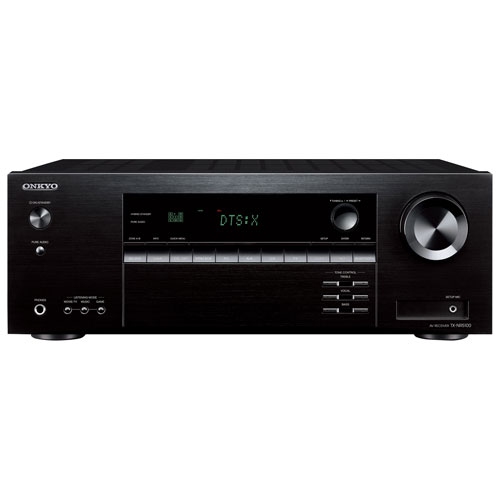 Your price for this item is $519.95
Discover more categories related to 7.2 Surround Sound
Top Collections:
Pokemon Centers, Samsung Z Fold, Kindle Devices, Best Camera Tripods Under $100, Vlogging Cameras for Beginners, Canon G7X Cameras, iPhone 15 Apple, Alarm Clock, Apple iPhones 16, iPhone 14 256GB
Some products may be subject to Environmental Handling Fees
(EHF) depending on your province.
Learn more about EHFs.