Audio Technology
Explore the cutting-edge world of audio technology with our carefully curated selection of high-quality products designed to elevate your listening experience. From sleek headphones and powerful soundbars to immersive home audio systems and portable speakers, we offer a wide range of audio solutions to suit every need and preference. Whether you're a music enthusiast, a movie buff, or simply looking to enhance your everyday audio enjoyment, our collection has something for everyone. Discover the latest innovations in sound technology and bring superior audio performance into your life with ease.
Sort































































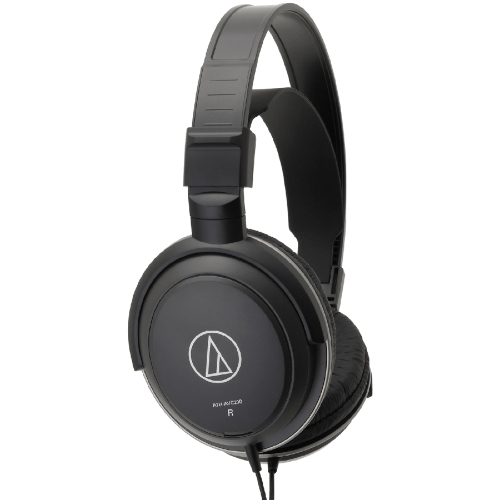


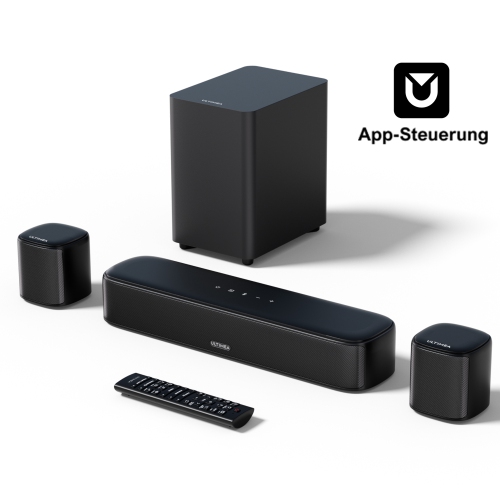

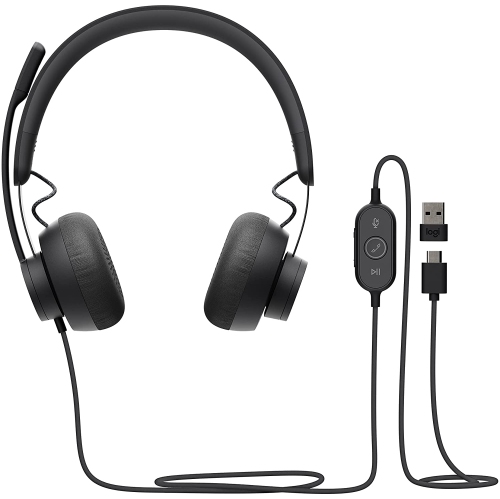
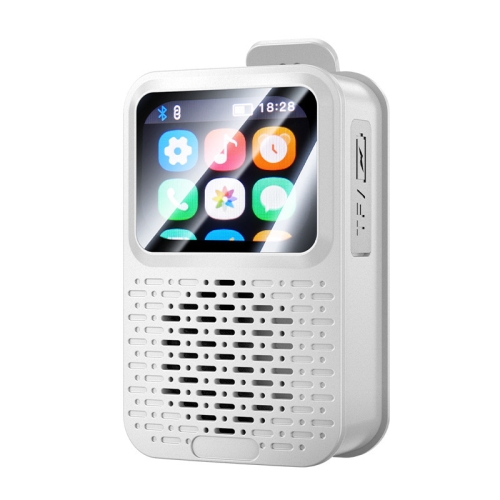

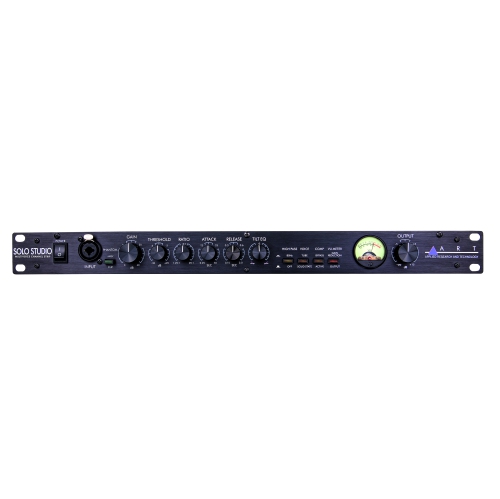
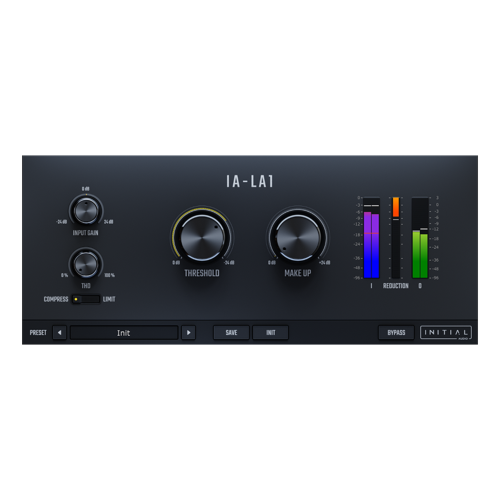

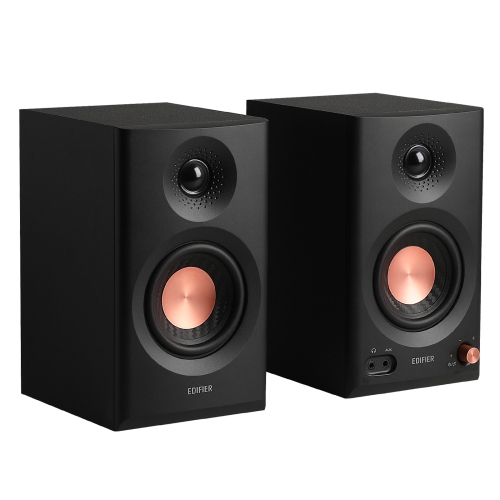


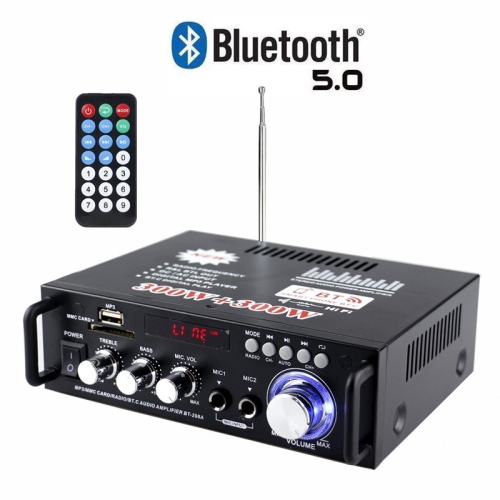
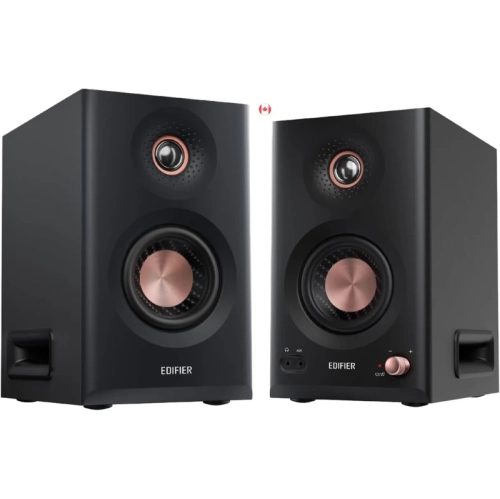
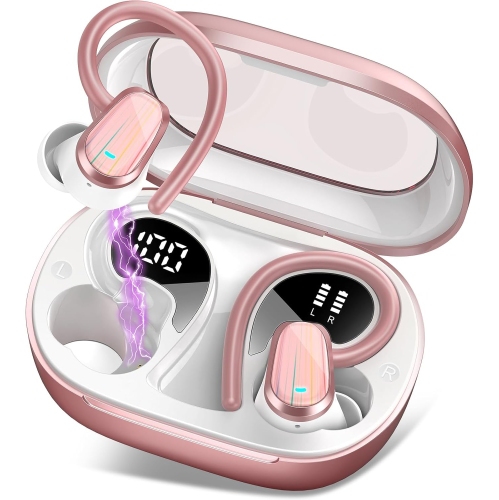

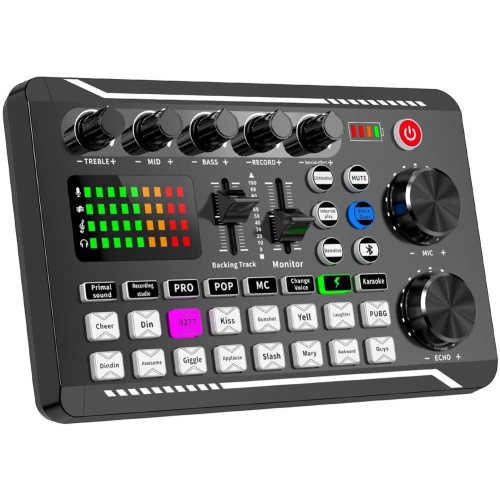
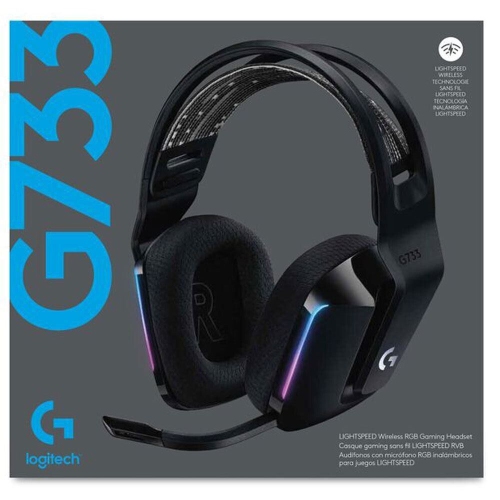










Why clear sound depends on more than specifications
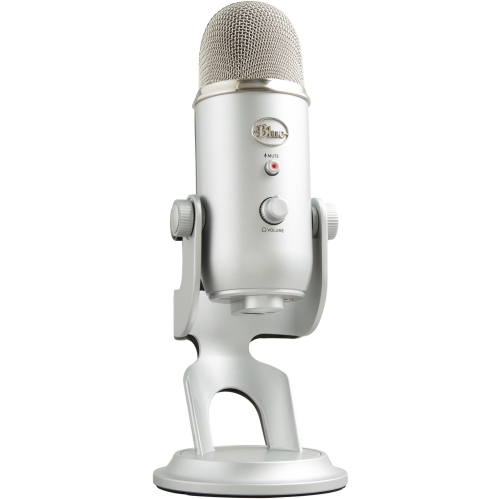
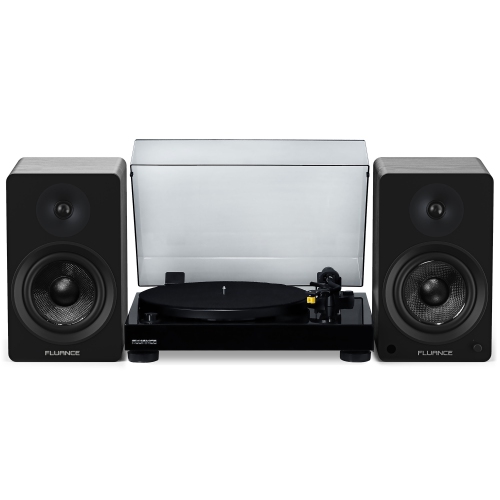
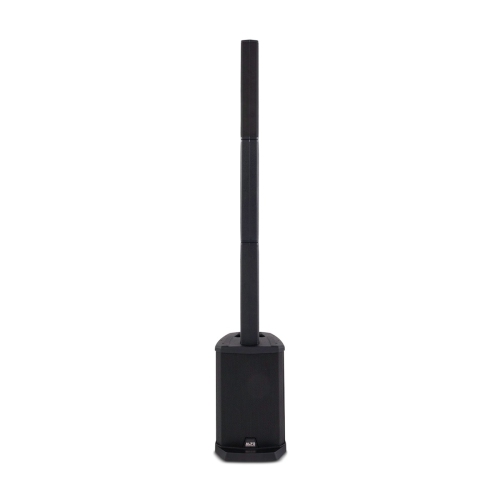
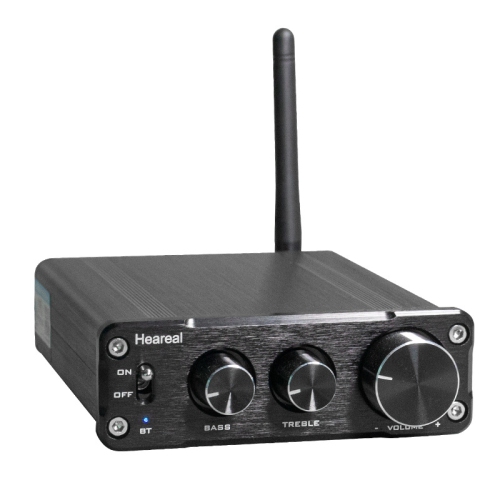
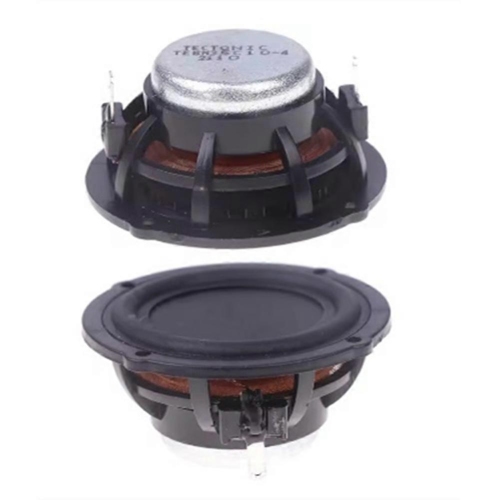
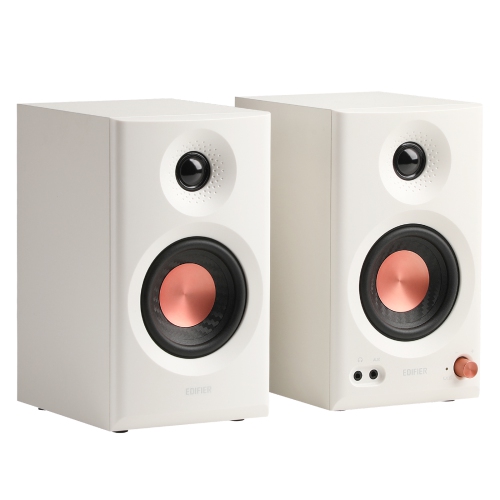
Audio technology brings together the equipment and processes used to capture, create, shape, transmit, and reproduce sound. It connects the small details of everyday listening—the breath before a vocal line, the weight of a bass note, or a quiet conversation in a film—with the microphones, headphones, speakers, amplifiers, and digital systems that make those details audible. At the heart of this process are transducers: microphones turn acoustic vibrations into electrical signals, while speaker and headphone drivers turn electrical signals back into sound. An amplifier supplies the power needed to drive compatible passive speakers; powered speakers have amplification built in. Digital audio adds another stage, converting sound into numerical data that can be stored, edited, or sent between devices before being converted back into an analogue signal for playback. These principles apply whether the goal is listening to podcasts at a desk, making television dialogue easier to follow, or capturing a clear voice for a video call. For home entertainment, audio technology also works alongside displays and media sources, making Audio Video Electronics relevant to connected listening and viewing setups. The most suitable equipment depends on where sound will be heard and what it needs to do. A shared living room may benefit from broad, even coverage, while a compact workspace often calls for speakers positioned close to the listener. Headphones offer private listening, and a dedicated microphone can bring speech closer and reduce the hollow quality associated with speaking from across a room. Sound quality is not determined by one specification alone. Driver design, enclosure construction, tuning, distortion, placement, and room acoustics all play a part. Larger drivers can move more air, but size does not automatically mean clearer sound, and a wide stated frequency range does not establish how evenly a device reproduces those frequencies. Clear dialogue, balanced musical detail, and comfortable listening levels are often more useful everyday priorities than impressive-looking numbers.
Connections and processing features influence how easily audio equipment fits into an existing setup. Wired connections can provide a dependable signal without the need to charge a wireless listening device, although connector compatibility still matters. A socket that physically accepts a cable does not necessarily support every function, so audio inputs, outputs, and supported formats need to match across connected equipment. For television sound, an HDMI connection with audio return support can carry audio to compatible equipment and may simplify volume control; optical connections offer another digital option, with different format and control limitations. Bluetooth supports convenient listening from compatible devices, while Wi-Fi audio can support playback across a home network and, in compatible systems, coordinated sound in several rooms. Wireless performance depends on both ends of the connection, distance, interference, and the supported codec—the method used to encode and decode the audio stream. Bluetooth is not automatically lossless, and low delay is not guaranteed simply because a connection is wireless. For gaming, video playback, or monitoring a microphone, latency matters because a noticeable gap between an action and its sound can become distracting. Lossless audio preserves the encoded source information without the losses introduced by lossy compression, whereas high-resolution audio generally refers to formats with higher sampling rates or bit depths than standard CD audio. Neither label alone guarantees an audible improvement; the original recording, playback chain, and listening conditions remain important. Digital signal processing, or DSP, adjusts sound through functions such as equalization, dynamic range compression, filtering, and room correction. Equalization changes the balance of frequencies, while dynamic range compression reduces the difference between louder and quieter passages. Compatible spatial audio systems use processing and speaker or headphone playback to suggest direction, distance, and sometimes height, rather than presenting everything between two conventional stereo positions. Results depend on the content, hardware, setup, and room. Some systems also use machine learning for speech enhancement or adaptive processing, though performance varies with the sound being captured or played.
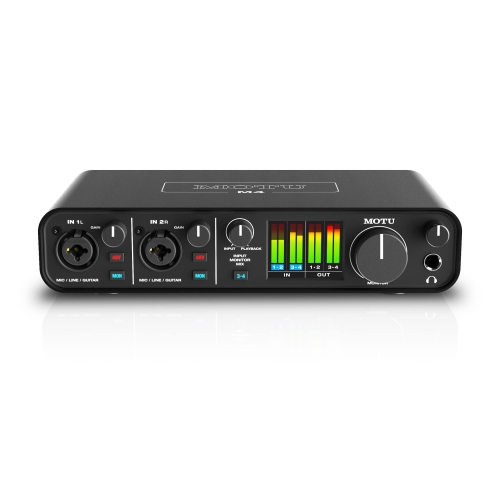
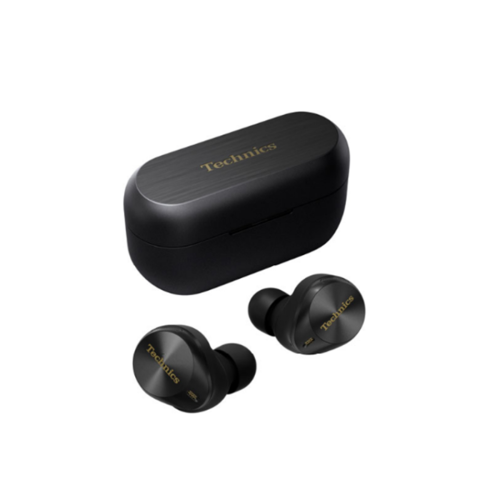
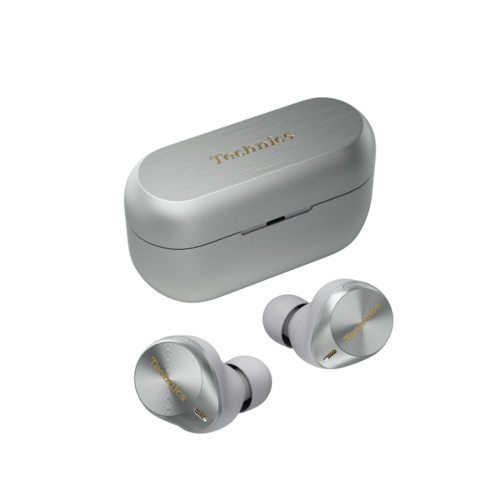
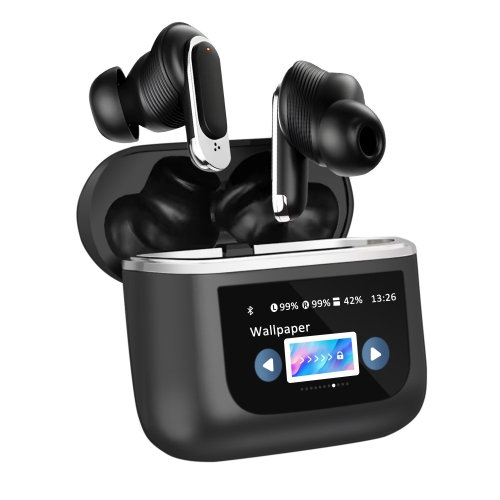
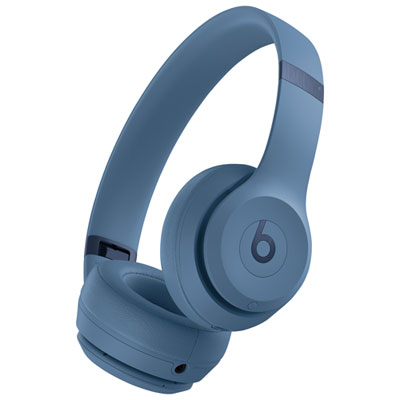
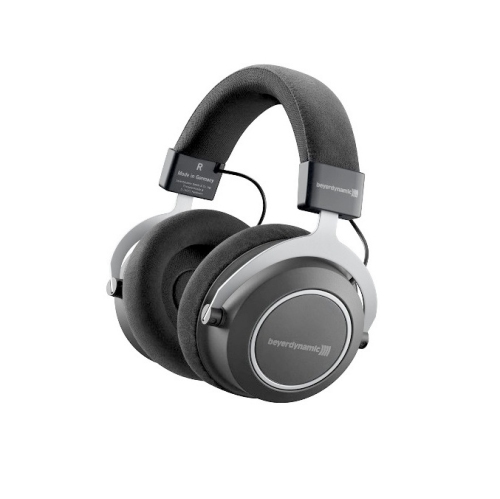
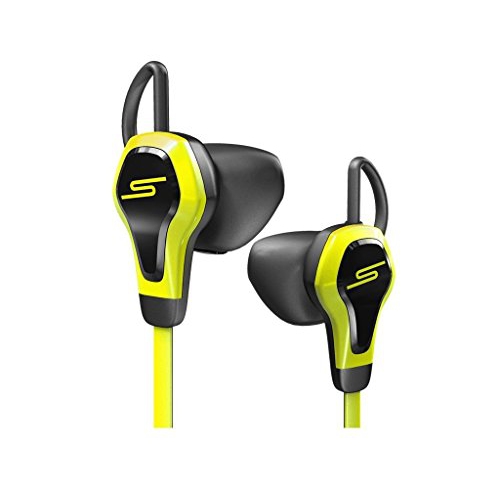
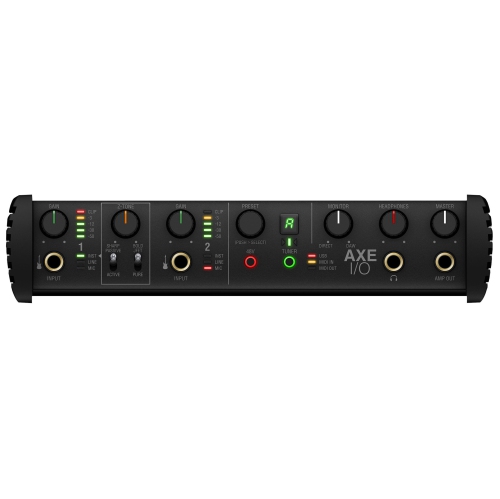
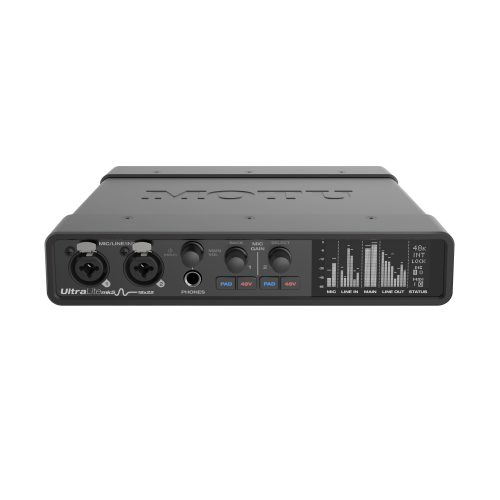
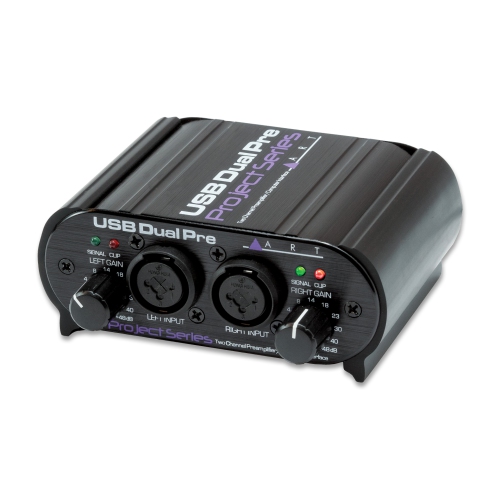
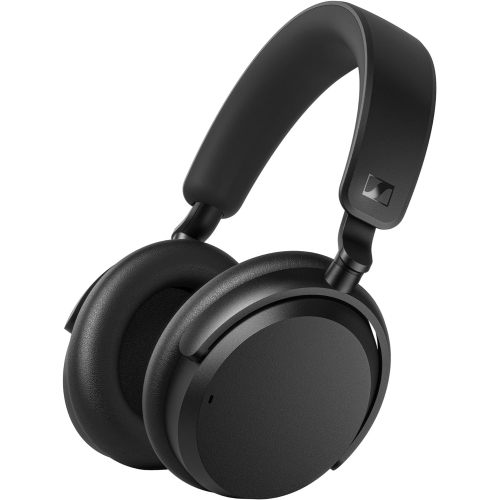
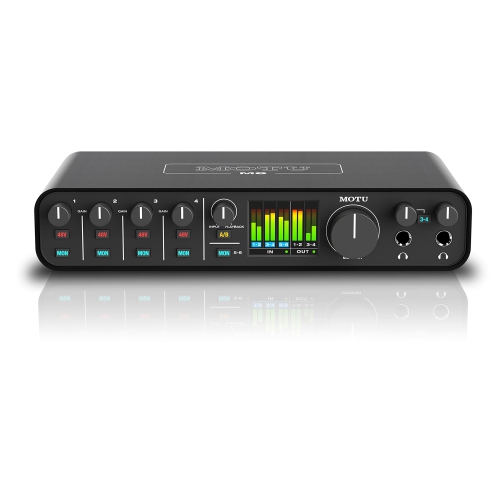
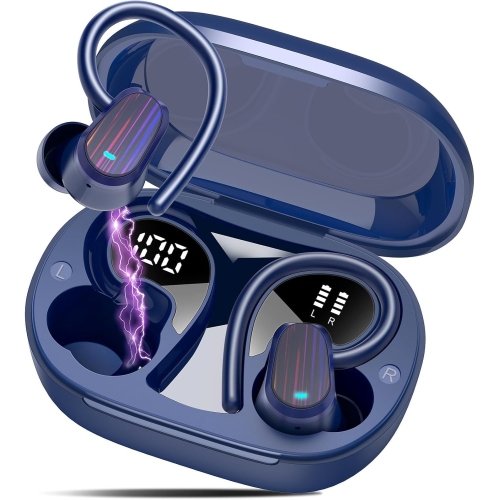
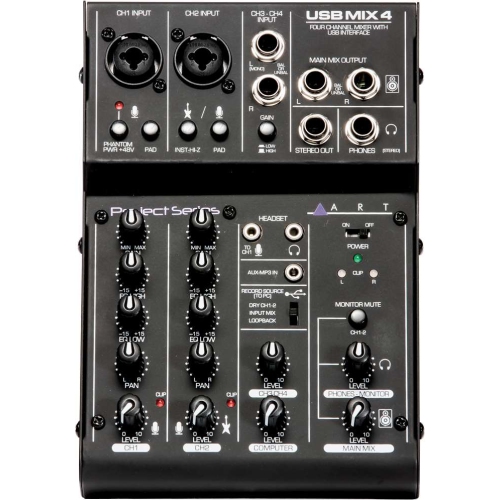
Comfort, construction, and daily handling are just as important as connectivity. Over-ear headphones distribute pressure around the ears, but their weight, clamping force, cushion depth, and headband adjustment affect how they feel through a full album or a long call. In-ear designs rely on a suitable tip size and shape to form a comfortable seal; an uneven fit can weaken bass and reduce passive noise isolation. Active noise cancellation uses microphones and processing to reduce certain unwanted sounds, often working best on steady background noise rather than sudden voices or impacts. It does not replace hearing protection designed for hazardous noise. For exercise, a secure fit and an appropriate stated resistance rating matter, but water resistance should not be treated as permission to swim or rinse equipment unless the manufacturer explicitly allows it. Materials also influence upkeep: fabric coverings can trap dust, soft cushions can wear with repeated contact, and metal or plastic housings still need protection from drops and pressure inside a bag. Replaceable ear pads, detachable cables, sturdy hinges, and accessible controls can make equipment easier to live with over time. Follow the manufacturer’s cleaning instructions, avoid allowing liquid into openings, and let washable removable components dry fully before refitting them. Speakers benefit from stable placement with ventilation where required, and moving them away from corners can help reduce excessive bass in some rooms. A microphone positioned closer to the speaker, with suitable pop protection, can capture clearer speech without relying entirely on software cleanup. For music practice, podcasting, or home recording, an audio interface links compatible microphones and instruments to a computer, while direct monitoring can help performers hear themselves without a distracting software delay. More complex recording and live sound systems may carry digital audio over Ethernet networks, with compatibility and network configuration determining how devices communicate. Audio equipment can also make a thoughtful gift for a music listener, gamer, student, or someone who regularly calls family, especially when it suits the recipient’s devices and habits. Straightforward controls, a comfortable fit, and an appropriate connection often matter more than extra features that go unused. Across these uses, sensible listening levels and regular breaks support a more comfortable experience without sacrificing the detail that makes sound engaging.
Top selling and popular products
-
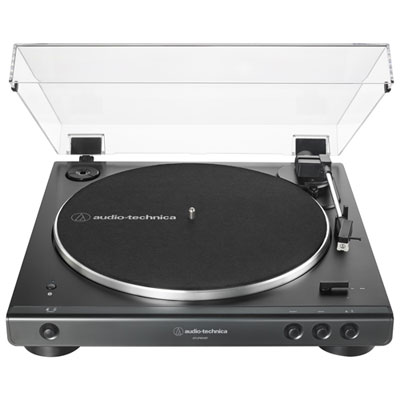 Your price for this item is $299.99
-
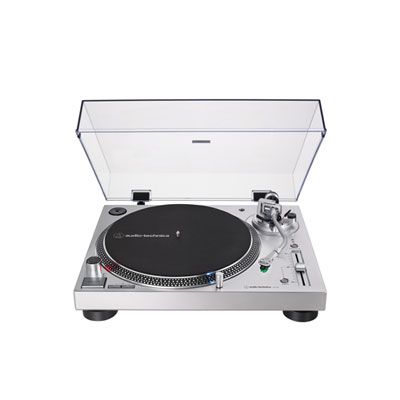 Your price for this item is $469.99
-
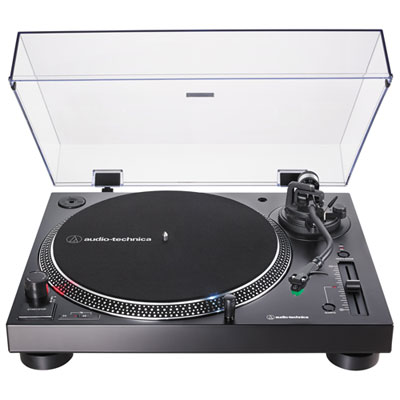 Your price for this item is $469.99
-
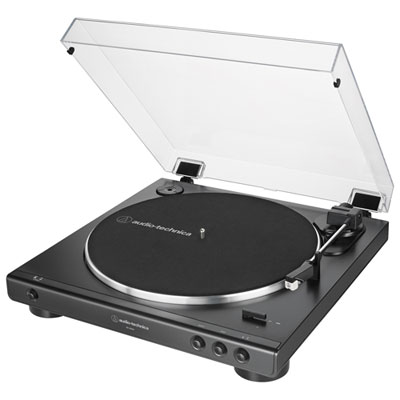 Your price for this item is $199.99
-
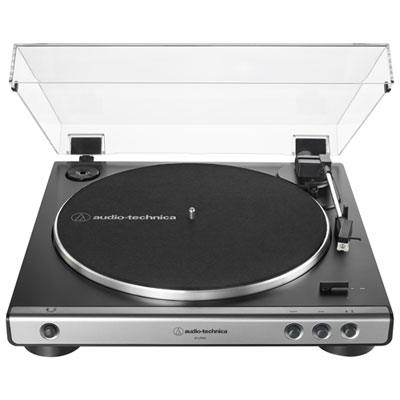 Your price for this item is $199.99
-
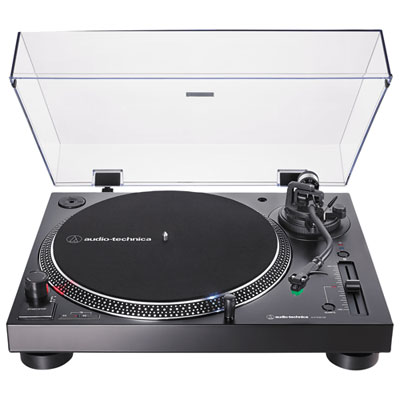 Your price for this item is $619.99
-
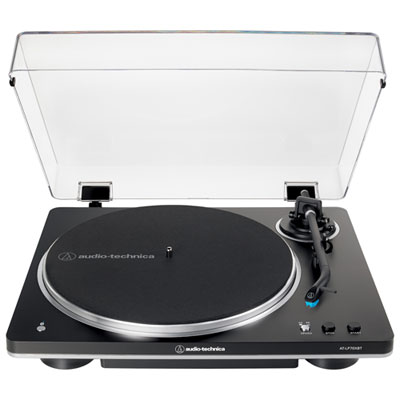 Your price for this item is $379.99
-
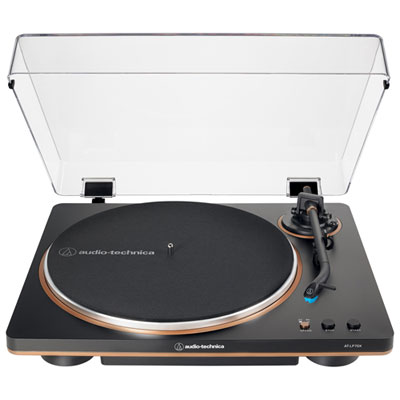 Your price for this item is $279.99
Discover more categories related to Audio Technology
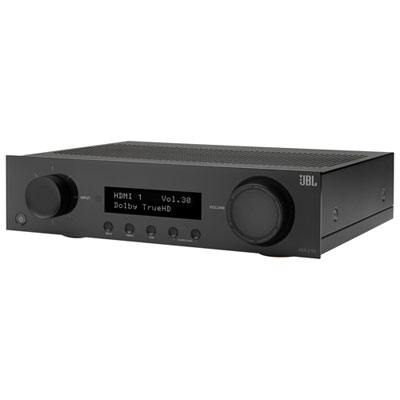
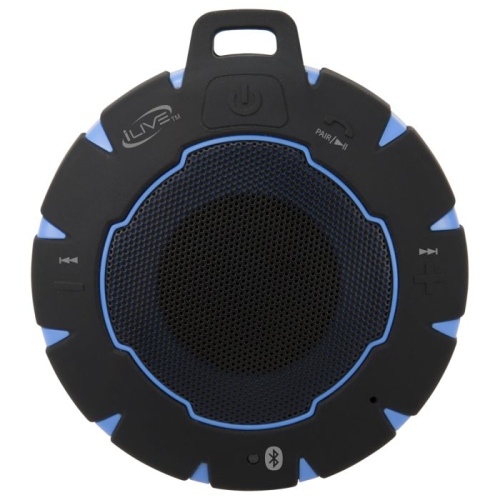

Top Collections:
Pokemon Centers, Best Cameras for Sports Photography, Kindle Devices, Samsung Galaxy Phones, Canon G7X Cameras, Pokémon 30th Celebration Cards, Refurbished Apple Laptops, iPhone 15 Apple, Laptops for Students, Budget Smartphones
Some products may be subject to Environmental Handling Fees
(EHF) depending on your province.
Learn more about EHFs.