Beats Running Earbuds
If you're a runner, you know that the right music can make all the difference. Whether you're running to get in shape or just for fun, the right tunes can help you push through tough spots and keep you motivated to keep going. The problem is that most earbuds don't stay put while you're moving. These Beats running earbuds are designed to stay put, even when you're running at top speed. Here are some of our favorites.
Sort
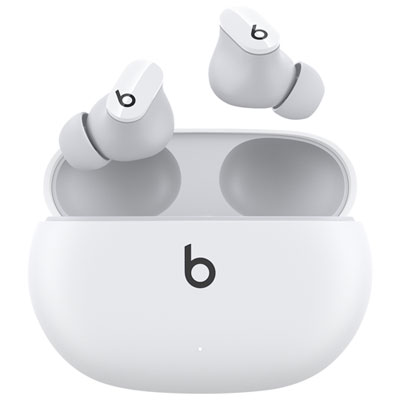
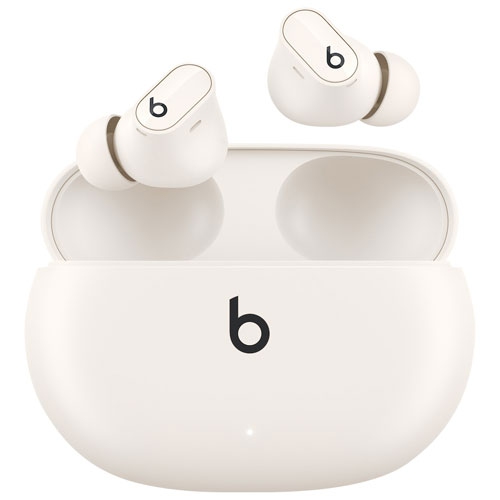
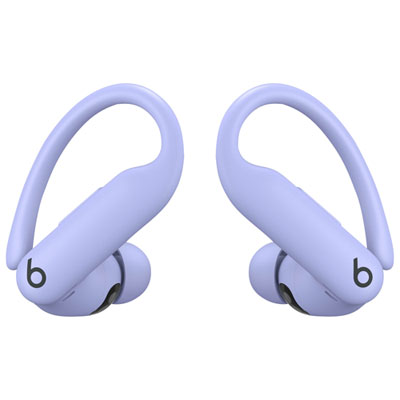
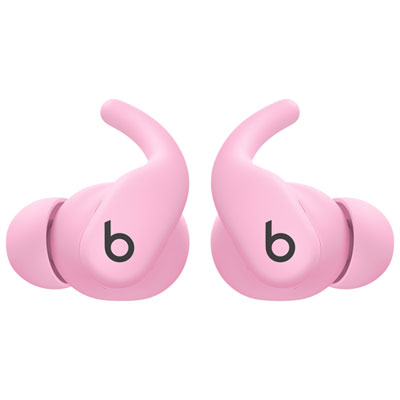
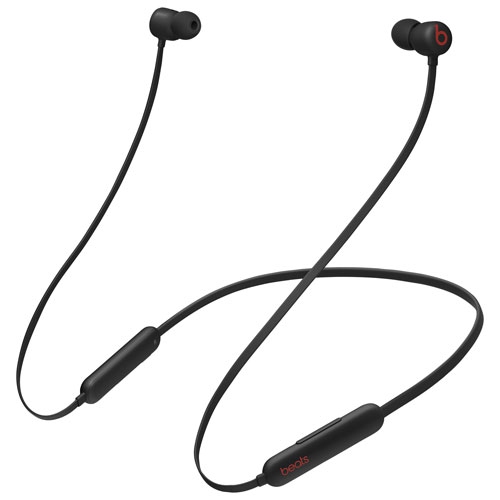
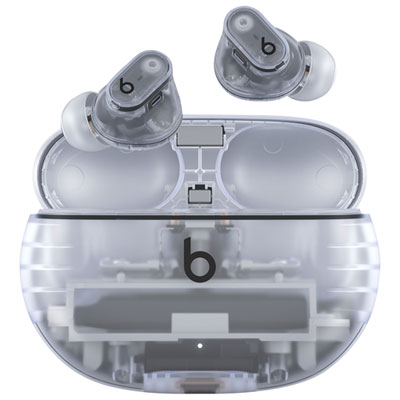
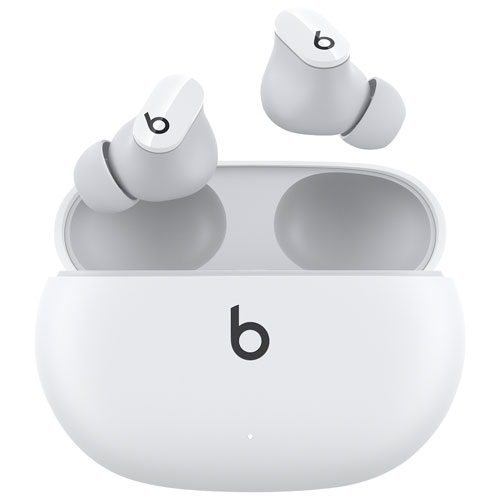
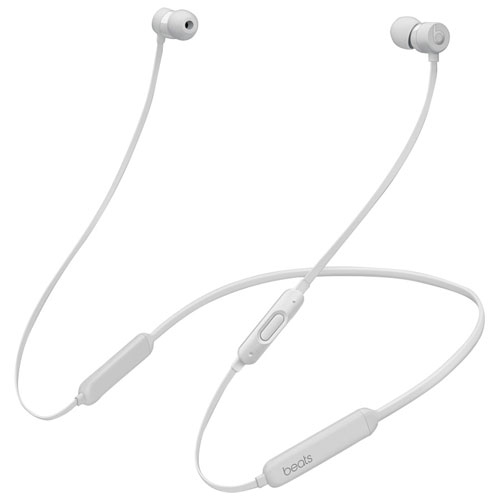
Features that support comfort, awareness, and active listening
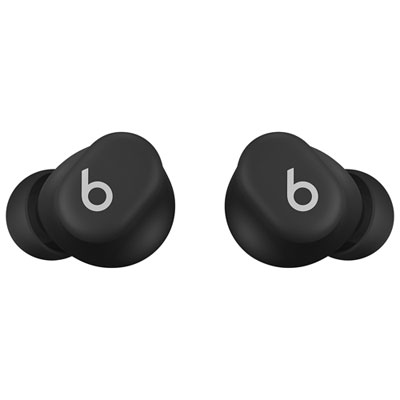
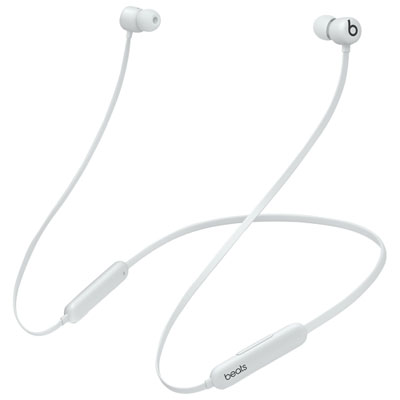
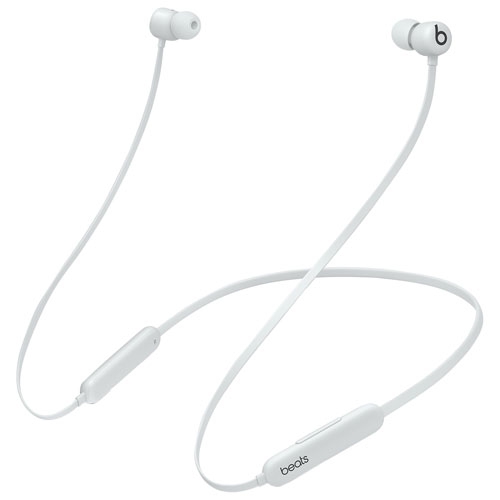
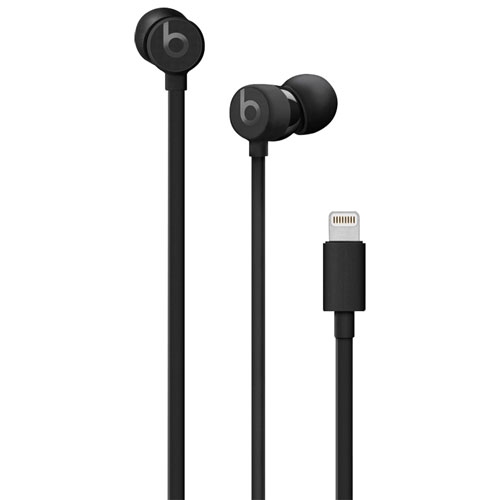
Running earbuds are designed to keep music, podcasts, calls, and training data close at hand while you move. Compared with standard wireless earbuds, running-focused designs place extra emphasis on stability, comfort, sweat resistance, and controls that are easy to use without interrupting your pace. Depending on the style, they may use flexible over-ear hooks, soft wingtips, or a combination of secure-fitting ear tips to help prevent movement during a jog, treadmill session, interval workout, or long walk. A secure fit can make a noticeable difference: instead of reaching up to adjust an earbud every few minutes, you can concentrate on your breathing, foot placement, and the route ahead. Look for sets that include multiple silicone ear tip sizes, since the right seal helps improve comfort and sound quality while reducing the chance of an earbud slipping out. Compact charging cases are useful for keeping a pair protected in a gym bag, jacket pocket, or running belt, while longer battery life can be helpful for people who listen during daily commutes as well as workouts. Many options provide several hours of listening from the earbuds, with additional charges stored in the case. Wireless performance is also worth considering when you are moving around equipment, stretching, or carrying a phone in a pocket or armband. For anyone comparing styles, the selection of Beats Exercise Headphones can help put running-oriented designs alongside other exercise-friendly choices. These earbuds can be a practical gift for a runner, fitness enthusiast, student who walks or cycles to class, or anyone who prefers to listen while staying active. They are equally useful for casual users who want a more secure fit for errands, travel, and busy days on the go.
Sound and awareness features can shape how useful running earbuds feel in different settings. Active noise cancellation can reduce the hum of a treadmill, the chatter of a busy fitness centre, or the sound of an aeroplane cabin, making it easier to hear music or spoken audio at a lower volume. For outdoor running, however, a mode that allows surrounding sound through can be an important consideration. Transparency or awareness modes are designed to let you hear more of your environment, including nearby voices, cyclists, vehicles, and other activity around you. No audio mode replaces paying attention to traffic and your surroundings, but the ability to switch between noise control settings can make earbuds more adaptable from one part of the day to the next. Physical buttons or volume controls can also be convenient during exercise, especially when your hands are damp, gloved, or occupied with a water bottle. They may let you pause playback, adjust the volume, answer a call, or change listening modes without taking out your phone. Some running earbuds include microphones for hands-free calls and voice assistant access, while select fitness-oriented models may offer built-in heart-rate monitoring or compatibility with workout apps. If tracking features are a priority, check exactly what is measured, which devices and apps are supported, and whether the information is recorded continuously or only during selected activities. Audio preferences matter as well. Runners who enjoy energetic playlists may prefer a lively, full sound with clear bass, while people who listen to coaching prompts, audiobooks, or podcasts may place more importance on speech clarity. A balanced sound profile can work well for varied listening, from a quiet walk during the cooler months to a faster outdoor workout as the weather warms.
Durability and everyday comfort deserve close attention because running earbuds can encounter sweat, light rain, dust, and frequent handling. A water- or sweat-resistant rating can provide reassurance during regular exercise, but ratings vary and do not necessarily mean the earbuds are waterproof or suitable for submersion. Check the product specifications and care instructions before using them in heavy rain, around a pool, or in particularly demanding conditions. Wipe the earbuds and charging contacts as recommended, allow moisture to dry before placing them in the case, and store the case somewhere protected between workouts. Comfort is personal, so consider the weight, ear tip shape, hook or wing design, and how the earbuds feel after an hour rather than only during a quick trial. Over-ear hooks may appeal to runners who want a pronounced sense of security, while low-profile wingtips can suit those who prefer a compact design without a hook around the ear. Battery life should match your routine: a shorter single-charge rating may be sufficient for brief workouts, while longer playback and a case with several additional charges are convenient for races, travel, and full days away from an outlet. During the cooler months, think about how the earbuds will work with hats, headbands, glasses, or a hood, and check whether the controls remain accessible when wearing gloves. For gifting, a charging case, secure fit, comfortable tips, and straightforward controls are broadly useful features, even when you do not know the recipient’s exact training schedule. Choosing running earbuds is ultimately about matching the fit and features to the way the listener moves, whether that means a short neighbourhood loop, a structured gym session, a long-distance training plan, or simply a more reliable soundtrack for an active daily routine.
Sound and awareness features can shape how useful running earbuds feel in different settings. Active noise cancellation can reduce the hum of a treadmill, the chatter of a busy fitness centre, or the sound of an aeroplane cabin, making it easier to hear music or spoken audio at a lower volume. For outdoor running, however, a mode that allows surrounding sound through can be an important consideration. Transparency or awareness modes are designed to let you hear more of your environment, including nearby voices, cyclists, vehicles, and other activity around you. No audio mode replaces paying attention to traffic and your surroundings, but the ability to switch between noise control settings can make earbuds more adaptable from one part of the day to the next. Physical buttons or volume controls can also be convenient during exercise, especially when your hands are damp, gloved, or occupied with a water bottle. They may let you pause playback, adjust the volume, answer a call, or change listening modes without taking out your phone. Some running earbuds include microphones for hands-free calls and voice assistant access, while select fitness-oriented models may offer built-in heart-rate monitoring or compatibility with workout apps. If tracking features are a priority, check exactly what is measured, which devices and apps are supported, and whether the information is recorded continuously or only during selected activities. Audio preferences matter as well. Runners who enjoy energetic playlists may prefer a lively, full sound with clear bass, while people who listen to coaching prompts, audiobooks, or podcasts may place more importance on speech clarity. A balanced sound profile can work well for varied listening, from a quiet walk during the cooler months to a faster outdoor workout as the weather warms.
Durability and everyday comfort deserve close attention because running earbuds can encounter sweat, light rain, dust, and frequent handling. A water- or sweat-resistant rating can provide reassurance during regular exercise, but ratings vary and do not necessarily mean the earbuds are waterproof or suitable for submersion. Check the product specifications and care instructions before using them in heavy rain, around a pool, or in particularly demanding conditions. Wipe the earbuds and charging contacts as recommended, allow moisture to dry before placing them in the case, and store the case somewhere protected between workouts. Comfort is personal, so consider the weight, ear tip shape, hook or wing design, and how the earbuds feel after an hour rather than only during a quick trial. Over-ear hooks may appeal to runners who want a pronounced sense of security, while low-profile wingtips can suit those who prefer a compact design without a hook around the ear. Battery life should match your routine: a shorter single-charge rating may be sufficient for brief workouts, while longer playback and a case with several additional charges are convenient for races, travel, and full days away from an outlet. During the cooler months, think about how the earbuds will work with hats, headbands, glasses, or a hood, and check whether the controls remain accessible when wearing gloves. For gifting, a charging case, secure fit, comfortable tips, and straightforward controls are broadly useful features, even when you do not know the recipient’s exact training schedule. Choosing running earbuds is ultimately about matching the fit and features to the way the listener moves, whether that means a short neighbourhood loop, a structured gym session, a long-distance training plan, or simply a more reliable soundtrack for an active daily routine.
Top selling and popular products
-
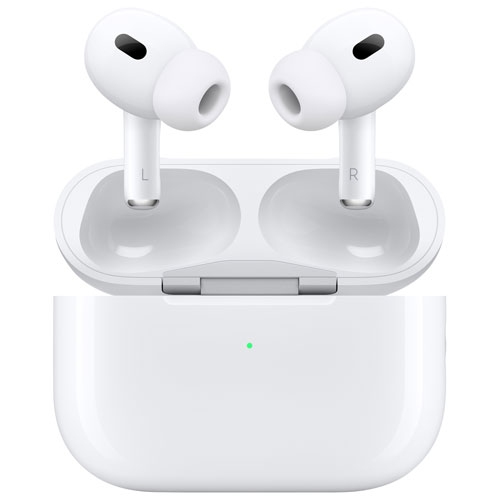 Your price for this item is $349.99
 -
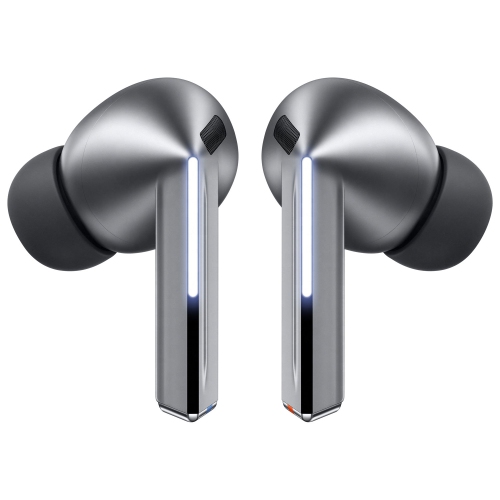 Your price for this item is $229
 -
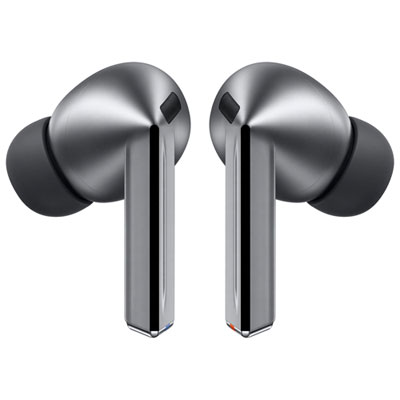 Your price for this item is $329.99
 -
 Your price for this item is $227
 -
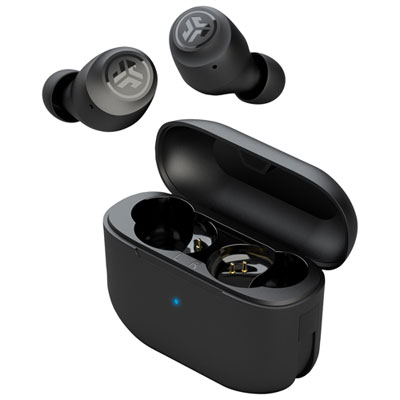 Your price for this item is $34.99
 -
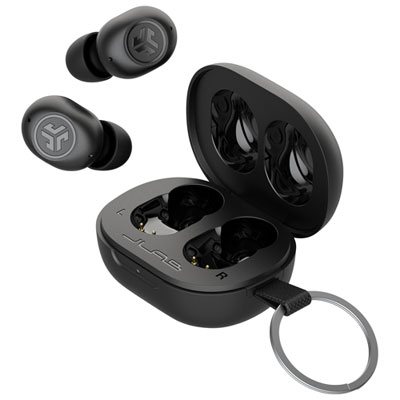 Your price for this item is $39.99
 -
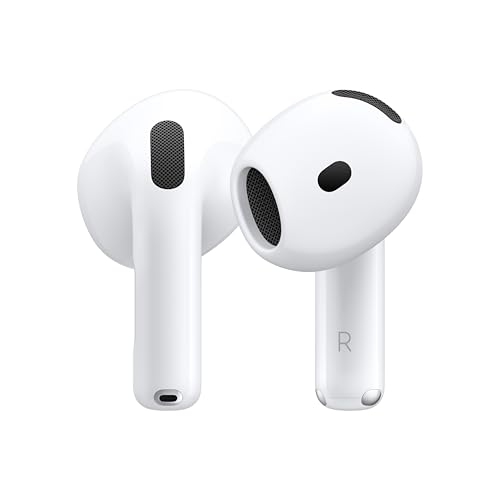 Your price for this item is $238.99
 -
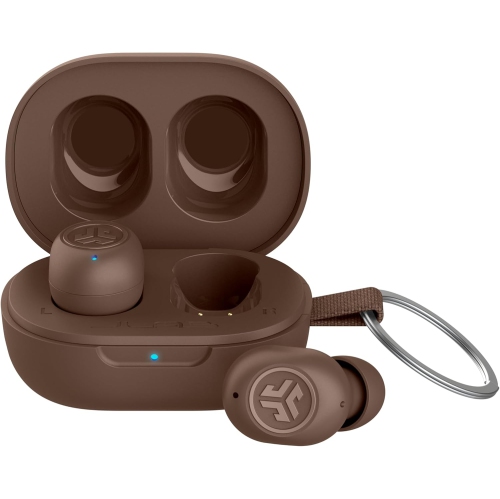 Your price for this item is $89.99
Discover more categories related to Beats Running Earbuds

Top Collections:
Pokemon Centers, Budget 4K TVs, Kindle Devices, Canon G7X Cameras, Apple iPhones 16, iPhone 15 Apple, Laptops for Business Work, Flip Phones, Xiaomi Phones, Refurbished Apple Laptops
Some products may be subject to Environmental Handling Fees
(EHF) depending on your province.
Learn more about EHFs.