Boxing Day Deals Coming Soon
Our Boxing Day Sale returns in December 2026. In the meantime, shop our current top deals below.

Boxing Day Sale On Turntable
Experience incredible savings during the Boxing Day sale on turntable models at Best Buy. Discover an exciting selection of turntables perfect for enjoying your favorite vinyl records or upgrading your audio setup. Whether you’re searching for a new centerpiece for your home sound system or looking to give the gift of music, now is the perfect time to find the right turntable at unbeatable prices. Don’t miss out on these limited-time deals—explore the Boxing Day sale on turntable options and bring home exceptional value today. Remember, our Low Price Guarantee means you can shop confidently knowing that you'll find the best price at Best Buy, all year round. We encourage you to check our website frequently for the most up-to-date information on our latest offers and savings opportunities.
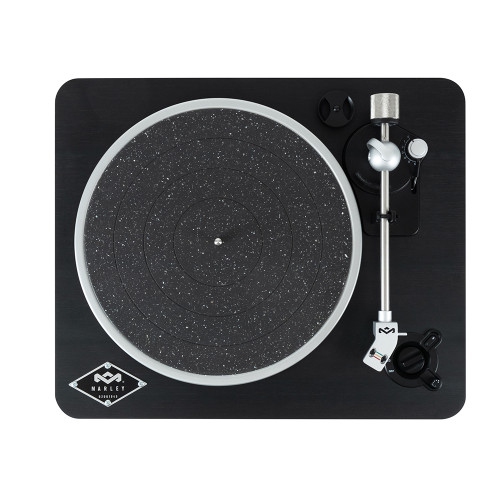
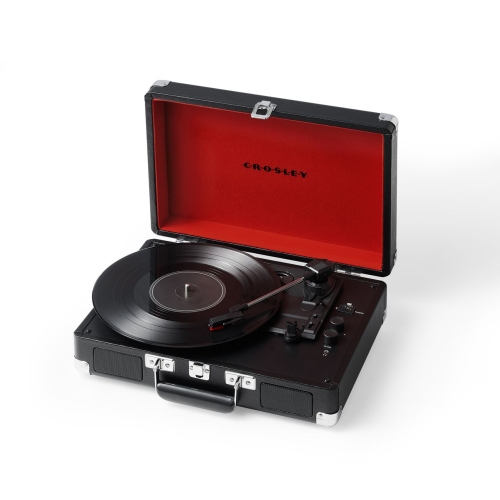
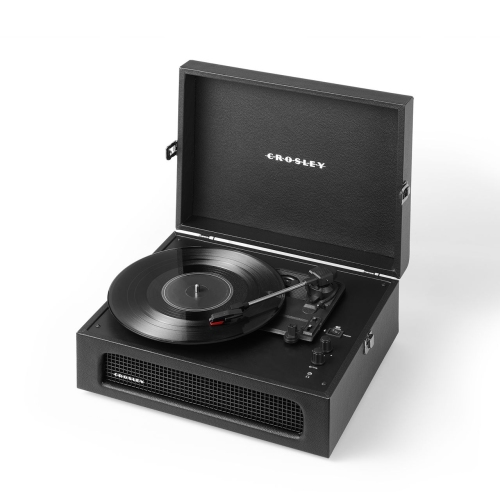
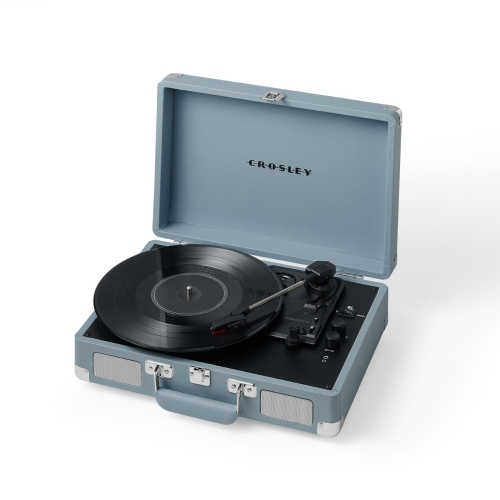
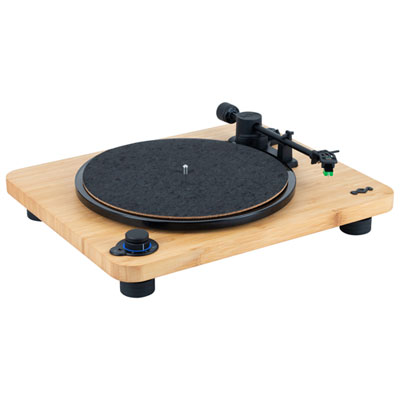
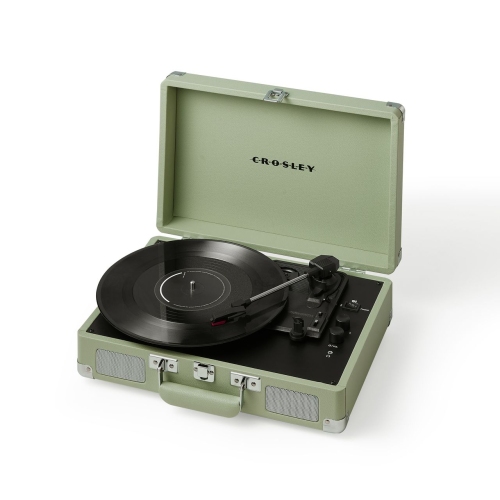


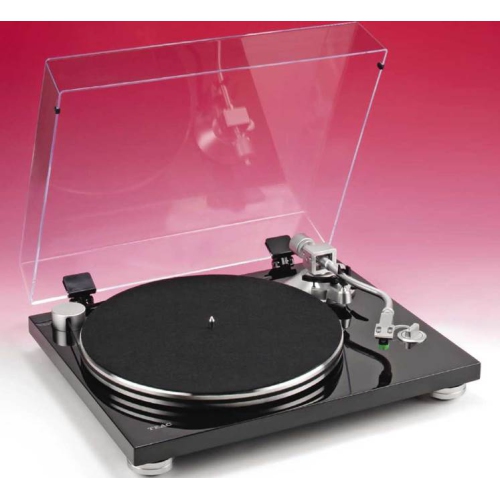


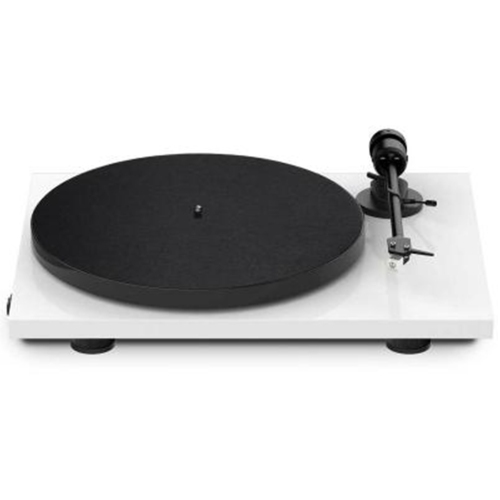


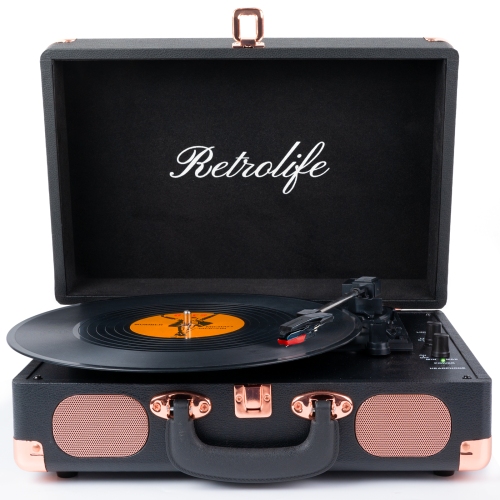

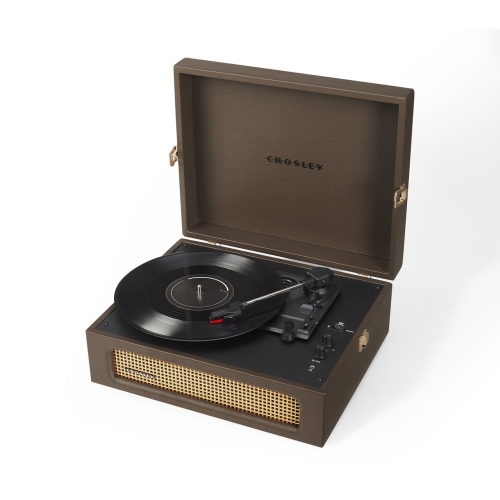

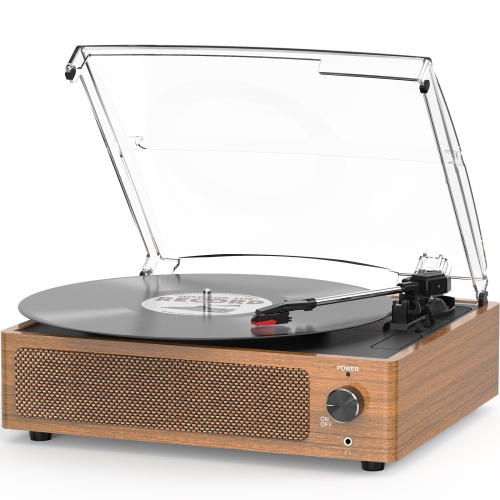


Automatic or manual turntables offer different listening rituals
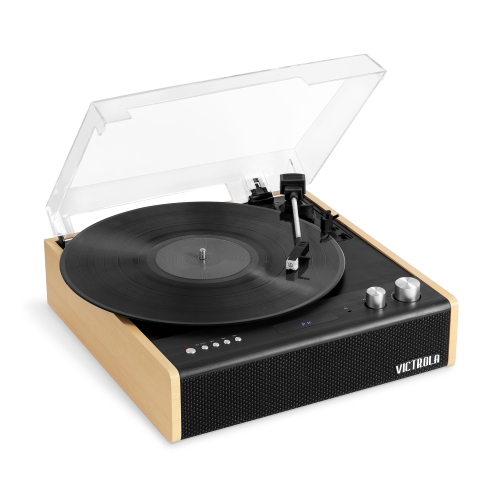
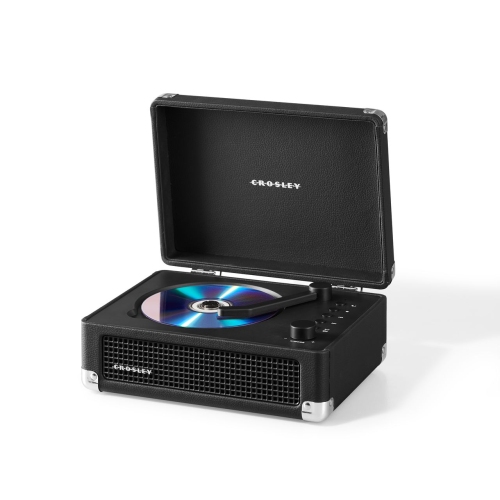
How a turntable connects to the rest of the room is just as important as how it plays a record. The signal produced by a phono cartridge needs a suitable phono preamp to bring it to line level and apply the equalization required for vinyl playback. Some turntables include that stage, while others need an external phono preamp or an amplifier with a compatible phono input. A switchable built-in preamp adds flexibility, allowing the turntable to connect to a line-level input or use a separate phono stage instead. Powered speakers contain their own amplification, whereas passive speakers need an amplifier or receiver, so a component turntable does not necessarily provide a complete listening system on its own. All-in-one record players with built-in speakers simplify the arrangement, though separate speakers generally offer more freedom over placement and stereo separation. Bluetooth transmission can connect a compatible turntable to wireless speakers or headphones, but the direction of the connection matters: Bluetooth reception alone does not send record playback to another device. Wireless playback also introduces digital processing, a distinction that matters to listeners seeking an analogue signal path. USB connectivity serves a different purpose, allowing supported turntables to send audio to a computer for recording, with suitable software and some time devoted to recording each side. Physical fit deserves equal attention. A deck needs a stable, level surface wide enough for its feet, clearance for cables behind it, and room above it to open the dust cover. On a narrow cabinet, a hinged cover can need more space than the turntable’s footprint suggests. Speakers placed on the same furniture may feed vibration back into the stylus, especially at higher listening levels, so separate supports can be helpful. In a shared living room, accessible controls and a protected tonearm make everyday use easier. For late-night listening, headphone support depends on the connected amplifier, powered speaker system, or a suitable output on the player rather than being a feature of every turntable.
Materials, adjustment options, and routine care influence how a turntable feels to use and how well it holds up over time. The plinth, or base, may use engineered wood, plastic, metal, or layered construction, with each design balancing rigidity, weight, and vibration control. Platters may be made from metal, glass, or acrylic, sometimes paired with a felt, rubber, or cork mat. These materials work as part of the overall design rather than guaranteeing a particular sound on their own. Finish is also a practical consideration: a wood-look surface may blend with shelving, while a dark or metallic finish can sit comfortably beside other audio components. Adjustable feet can help level the platter, and a removable headshell or replaceable cartridge can make future servicing more manageable when the tonearm supports those changes. An adjustable counterweight and anti-skate control allow compatible tonearms to be set for the cartridge’s specified tracking force. Too little force is not automatically gentler on records; mistracking can affect playback and contribute to wear. Factory-set designs reduce the number of adjustments for beginners, although the manufacturer’s setup requirements still matter. Day-to-day care is mostly about keeping grit away from the contact between stylus and groove. Records benefit from handling by their edges and label areas, clean inner sleeves, and upright storage away from direct sunlight and heat sources. A record brush can remove loose surface dust, while more thorough cleaning requires a method and fluid suited to the record material. Stylus cleaning calls for particular care, using the manufacturer’s recommended tools and direction rather than rubbing across the delicate cantilever. Closing the dust cover when the turntable is not in use helps protect the playing surface, and securing the tonearm before moving the unit reduces the risk of accidental damage. Replaceable styli and belts, where applicable, support long-term upkeep, although service intervals depend on use and the manufacturer’s recommendations. Related browsing also includes Labour Day turntables. Whether the goal is a simple first setup or a more adjustable listening system, a well-matched turntable makes the everyday ritual of playing records easier to enjoy.
Top selling and popular products
-
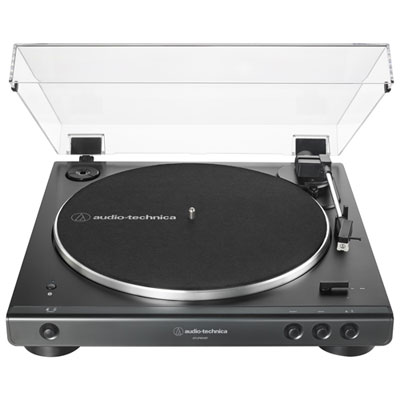 Your price for this item is $329.99
-
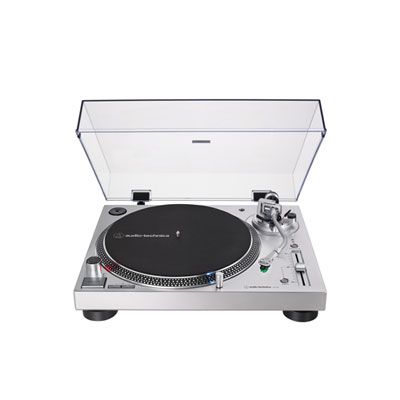 Your price for this item is $519.99
-
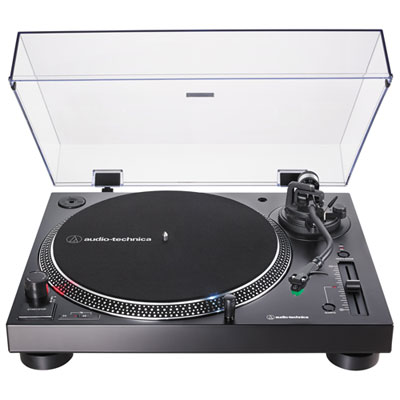 Your price for this item is $519.99
-
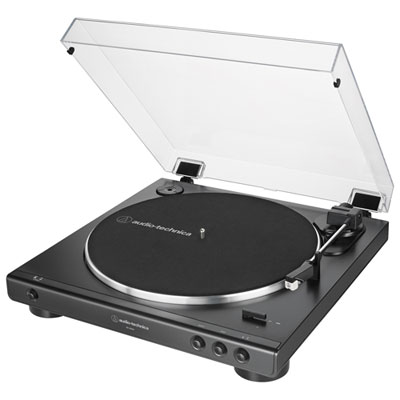 Your price for this item is $229.99
-
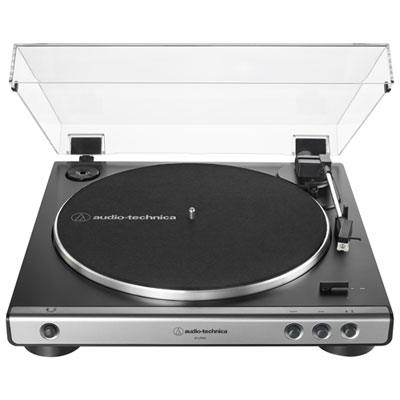 Your price for this item is $229.99
-
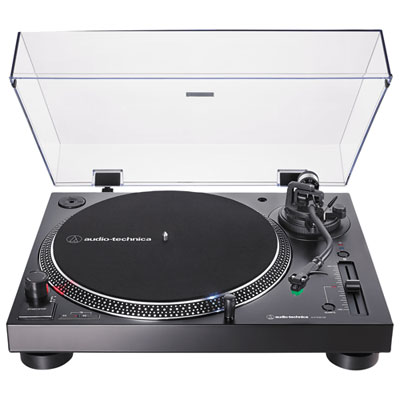 Your price for this item is $619.99
-
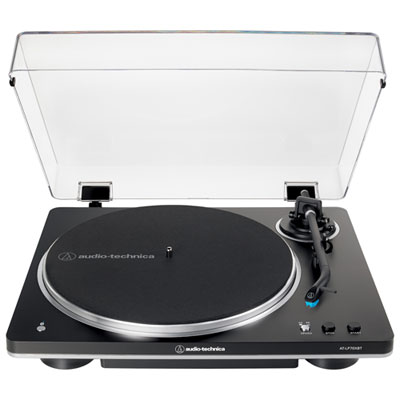 Your price for this item is $379.99
-
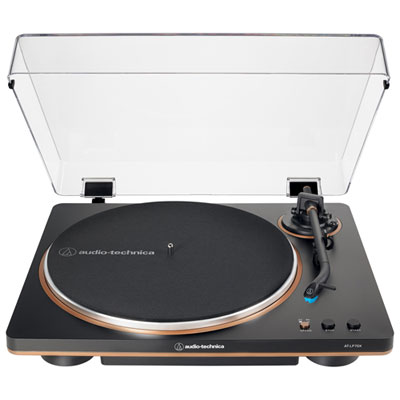 Your price for this item is $319.99